
Review · KYOTO
Kyoto: Tea Ceremony in a Traditional Tea House in Kiyomizu
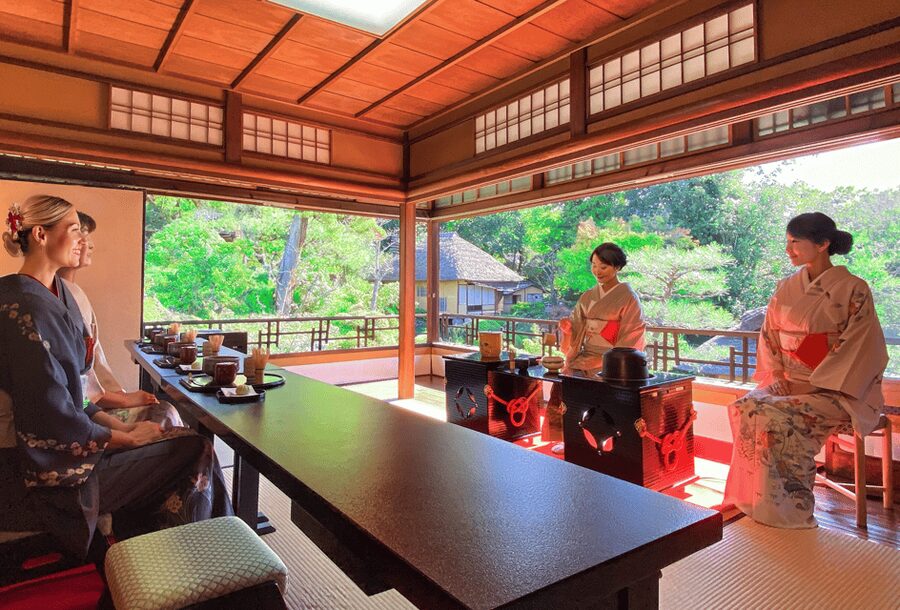
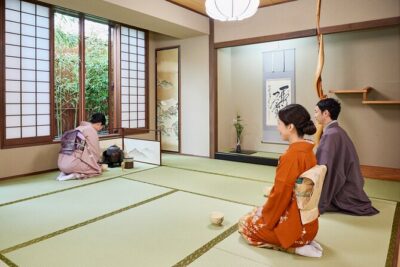
The best part of this Kyoto tea ceremony is the sharp change of mood. You leave the busy Sanneizaka street and enter a quiet tea house looking onto a carefully tended Japanese garden designed by Ogawa Jihei VII. Inside, a tea master prepares matcha with calm, exact movements before you try it yourself.
I like the small-group feel and the chance to make your own tea, not just watch a formal performance. I also like the garden setting, which gives the 45-minute visit a sense of place. The main drawback is time: $49 is a fair price for a focused cultural activity, but the session is short and does not include kimono rental.
Key points to know before booking
- A peaceful garden beside Kiyomizu-Dera: The tea house sits just off one of Kyoto’s busiest sightseeing routes, yet the garden creates a quiet setting.
- Watch, then make matcha: A tea master demonstrates the ceremony before you whisk your own bowl.
- Two cups of tea are included: You receive one prepared by the tea master and one you make yourself.
- English instruction: The host explains the ceremony, its meaning, and the basic steps of matcha preparation in English.
- A short, well-focused visit: The full activity lasts 45 minutes, making it easy to fit between temple visits.
- Bring only what you need: Large bags and luggage are not allowed, and the activity runs in rain or shine.
Entering the tea house near Kiyomizu-Dera
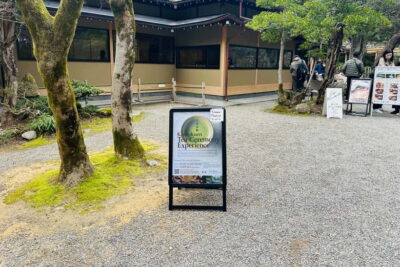
Finding the entrance takes a little care. Walk down Sanneizaka near Kiyomizu-Dera Temple for about 50 meters, then look for a large gate on the right. You can see the Japanese garden from the gate.
After entering, walk straight for about 10 meters and pass through the white gate on the left. Sakaguchian is inside. One useful visual clue is the long lane with lanterns leading away from the main street. This is not the sort of place where you want to arrive while staring only at your phone.
If you come by taxi, tell the driver to head toward Kodaiji Temple and get out at the intersection of Sanneizaka and Ishin-no-michi. The Japanese address is Kyoto-shi Higashiyama-ku Kiyomizu 3-334. Since Kiyomizu-Dera and the surrounding lanes can be crowded, allow enough time to walk the final stretch.
The location is a major part of the appeal. Sanneizaka is full of shops and foot traffic, but the tea house feels removed from it once you pass through the gate. That contrast gives the first few minutes real impact.
More Tea Ceremony Experiences in Kyoto:
- Kyoto: Tea Ceremony Ju-An at Jotokuji Temple
★ 4.9 · 3,207 reviews - Kyoto: 45-Minute Tea Ceremony Lesson Experience
★ 4.3 · 2,378 reviews - Kyoto: Table-Style Tea Ceremony at a Kyo-Machiya
★ 4.9 · 1,211 reviews
A garden created by Ogawa Jihei VII
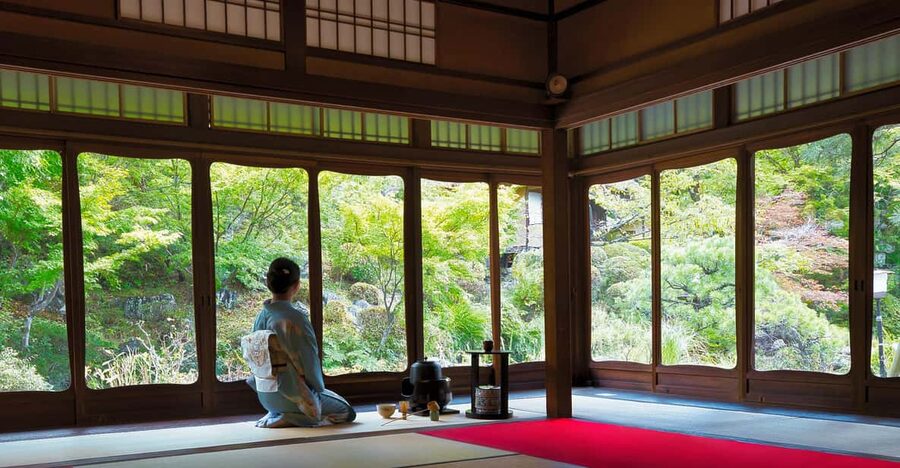
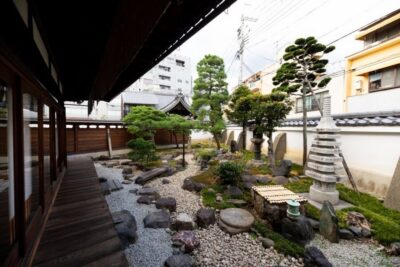
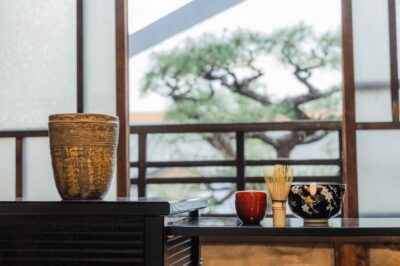
The tea house sits within a garden associated with Ogawa Jihei VII, a noted Japanese garden designer. You do not simply sit in a plain room and receive a cup of tea. The garden forms the visual setting for the ceremony, and the room opens toward it.
The greenery and traditional architecture help explain why the ceremony pays such close attention to atmosphere. The garden is not just decoration behind the tea master. It gives you something quiet to look at while you listen, wait, and drink.
The setting also works well for photographs. At the end, you can pose with your group against the garden backdrop and take home a photo of the experience. If you enjoy traditional architecture and Japanese gardens, this part may matter as much as the matcha itself.
Keep your expectations sensible. This is a 45-minute visit, not a full garden tour or a long lesson in Japanese design. You will see the garden as part of the tea house setting rather than explore a large site with a guide.
The opening explanation and 500 years of tradition
The session begins with a greeting and a short introduction. The English-speaking host explains the ceremony’s history, including its 500-year background, and sets out the basic ideas behind the ritual.
This introduction helps you understand why the movements are careful and why the order of events matters. Without context, a tea ceremony can look like a series of graceful gestures. With a little explanation, you begin to notice the attention given to the bowl, whisk, serving motion, and the quiet pace of the room.
The host named in one detailed account was May, who was praised for clear English and warm explanations. Staff can vary by session, but the activity is designed for English instruction. Several accounts also describe the hosts as friendly, patient, and entertaining rather than stiff or overly formal.
Do not expect a long academic lecture. The history section is brief, which suits the short format. If you want a detailed study of every school of tea ceremony or a full account of Japanese tea culture, you will need a separate museum visit or longer class.
Watching the tea master prepare matcha
The tea master then performs the ceremony. This is the most formal part of the activity, and it is worth giving it your full attention.
You watch the preparation rather than rushing straight into a hands-on lesson. The tea master’s movements are controlled and practiced, with each step carrying more weight than a simple drink-making routine. The calm pace also gives you a chance to settle after the busy streets outside.
The ceremony is meant to be watched respectfully. One useful point from the experience itself is simple: avoid walking around while the performance is happening. Stay seated, watch the demonstration, and save questions for the appropriate moment.
You receive a bowl of matcha prepared by the tea master. This lets you taste the tea before trying to make it yourself. For people who find matcha too bitter in cafés or at home, the prepared bowl can be a pleasant surprise. The tea is described as smoother and less bitter than some homemade versions, though taste is personal.
The formal performance is also the part most likely to appeal to visitors who want an authentic cultural encounter. You are not simply putting on a costume for a staged photograph. You are watching a practiced ritual in a traditional tea house, with an explanation of its meaning.
A few more tea experiences around Kyoto worth a look
- Kimono Tea Ceremony at Kyoto Maikoya, NISHIKI
★ 5.0 · 911 reviews - Kyoto: Kimono Tea Ceremony at Orizuruya Gion
★ 4.9 · 618 reviews - Kyoto: Tea Ceremony in 100-year-old Kyo-Machiya Townhouse
★ 4.8 · 546 reviews - Kyoto: Tea Ceremony Experience
★ 4.8 · 511 reviews
Making your own bowl of matcha
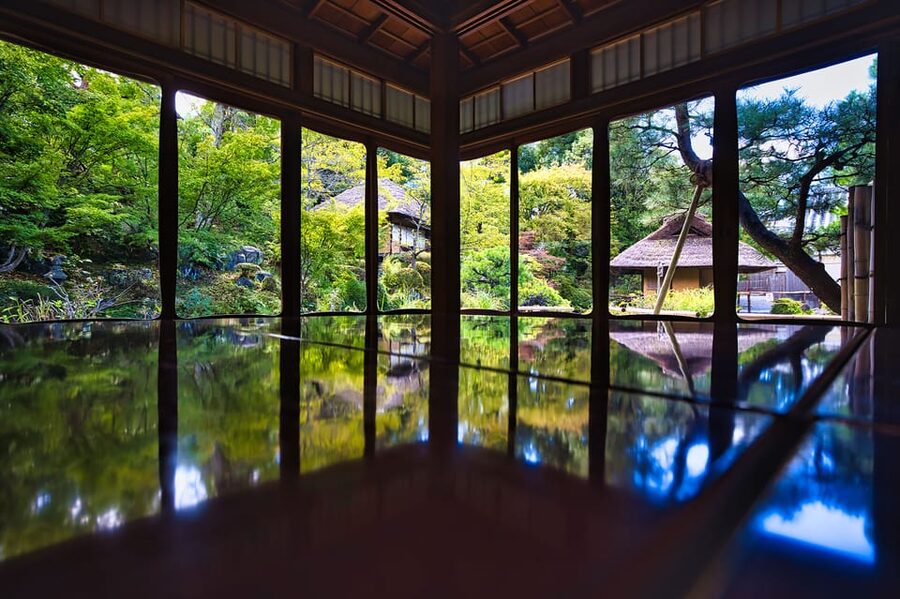
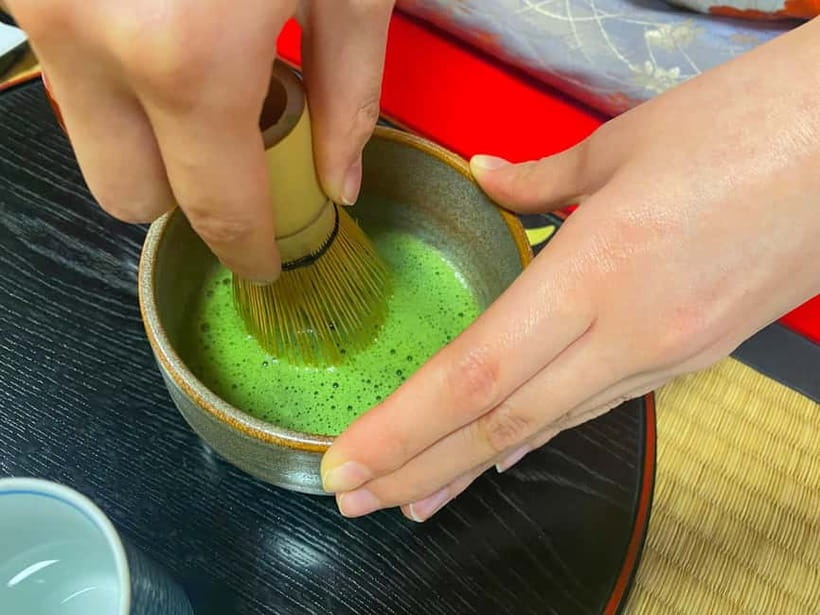
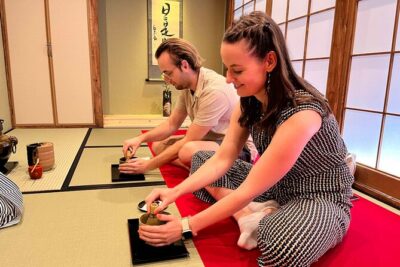
After the demonstration, you learn how to prepare your own tea. The host or tea master guides you through the basic method, including how to whisk the matcha into a drinkable bowl.
This hands-on step gives the activity its practical edge. You are not expected to perform at a professional level. The point is to understand the technique and feel the rhythm of the preparation. You can ask questions, follow the instructions, and then taste the result.
Your second cup of matcha is the one you make yourself. It may not have the same smooth finish as the tea master’s bowl, but that comparison is useful. You see how small changes in whisking and preparation affect the drink.
The lesson is also accessible to people who know little about matcha. It does not assume that you have attended a ceremony before. Families with children old enough to follow a quiet demonstration can enjoy the hands-on part, and children aged 9 and 13 have been described as having a good time. The activity is not suitable for children under 7.
If you already make matcha at home, the lesson may feel basic. Even then, the ceremony and setting add value. You are learning in the context of a traditional tea house rather than from a kitchen counter.
The sweet, the second cup, and the garden photo
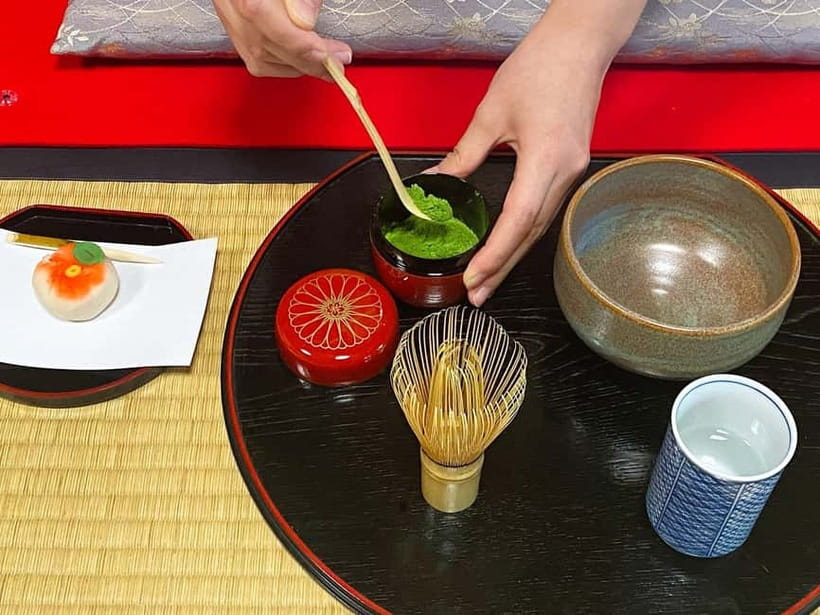
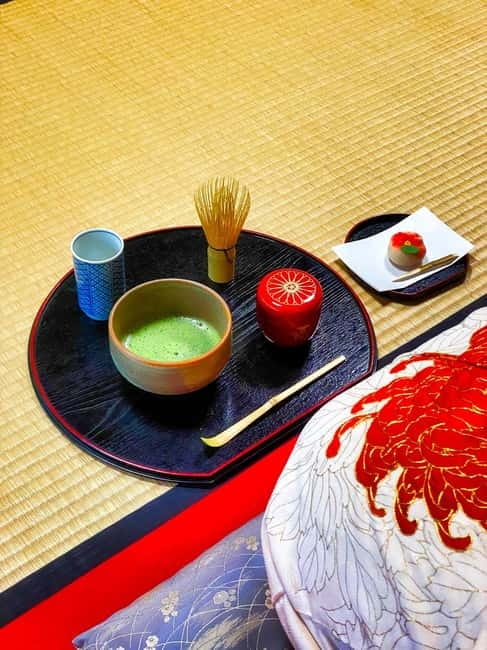
A customary Japanese sweet is served with the tea. Its role is not merely to add a snack. The sweetness balances the earthy taste of matcha and gives you the traditional pairing used during the ceremony.
The included package provides two cups of matcha, traditional Japanese sweets, the ceremony, and a photo. That is a useful amount for a short activity. You watch a professional preparation, make your own bowl, taste a sweet, and leave with a visual memento.
The final photo is informal rather than a full portrait session. You pose with your group in front of the garden, usually after the main ritual. It is a nice way to remember the visit, especially if you are traveling as a couple or family.
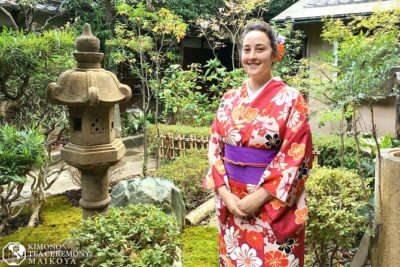
You do not need to rent a kimono to take part. Kimono rental is not included, and the experience does not depend on dressing up. This can be a plus if you want a more direct cultural lesson without adding another expense or spending time changing clothes.
How much value does $49 offer?
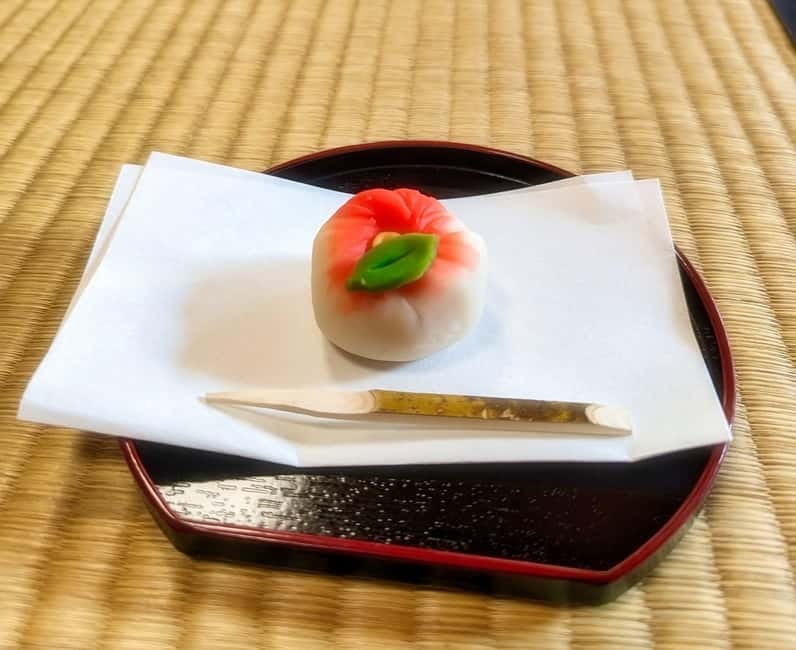
At $49 per person, this is not the cheapest way to drink matcha in Kyoto. You can find tea in many cafés and shops for far less. The value here comes from the setting, the formal demonstration, the English explanation, the chance to prepare your own bowl, and the included photo.
I would consider the price reasonable if you want a structured cultural activity near Kiyomizu-Dera. The convenient location means you can pair it with temple visits and the historic streets around Higashiyama. The garden also gives the session a quality that a casual café stop cannot match.
The price feels less appealing if you only want to sample matcha or if you have already booked several paid cultural demonstrations. The activity does not include kimono rental, a long garden tour, or an extended tea lesson. It is a focused introduction.
The strongest value comes when you care about how the tea is prepared and why the ceremony follows its particular order. If that sounds worthwhile, the cost fits the experience. If your main goal is simply a sweet drink, save your money for a tea shop.
Timing, group size, and practical comfort
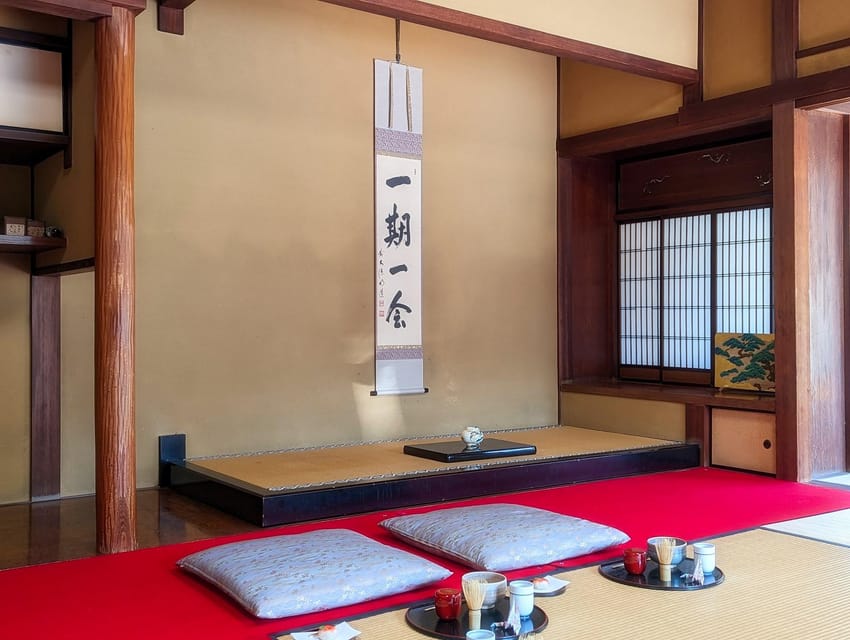
The activity lasts 45 minutes. That short length is useful in Kyoto, where you may be moving between Kiyomizu-Dera, Kodai-ji, Gion, and other Higashiyama sights. You can place the ceremony between larger sightseeing stops without losing half a day.
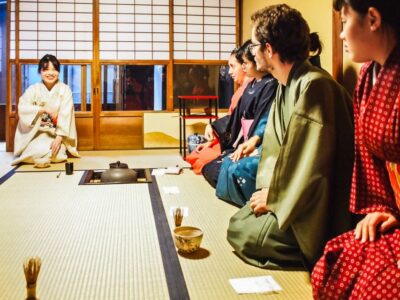
The sessions are described as small, often around eight to ten people. A small group makes it easier to see the tea master and follow the preparation. It also keeps the room from feeling like a large stage show.
The tradeoff is that the session can feel brisk. The introduction, formal preparation, hands-on lesson, sweet, questions, and photo all fit into less than an hour. If you want long pauses for private questions or extensive practice, this format may feel limited.
Wear something comfortable for sitting quietly. The supplied information does not specify a dress code, but you should be prepared for a traditional tea-house setting rather than a casual restaurant. Large bags and luggage are not allowed, so leave suitcases and bulky day packs elsewhere.
The activity operates rain or shine. That is helpful for planning, but the garden is central to the atmosphere, so weather may change how much you enjoy the view. On a rainy day, the tea house still provides the ceremony, tea, and instruction, but outdoor conditions may affect the final photograph.
You can cancel up to 24 hours before the start for a full refund. There is also a reserve-now, pay-later option, which helps if your Kyoto schedule is still shifting.
Who will enjoy this Kyoto tea ceremony?
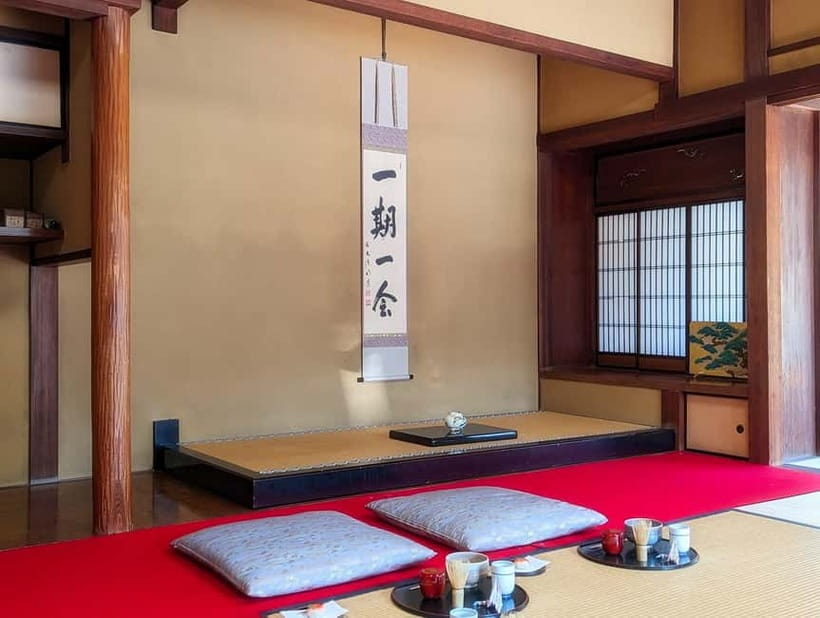
I would recommend it to first-time visitors who want a clear introduction to Japanese tea culture without committing to a long class. The English explanations make the ceremony easier to follow, while the garden keeps the experience rooted in Kyoto rather than turning it into a generic indoor demonstration.
It suits couples particularly well. The quiet setting, shared preparation, and garden photograph give the visit a gentle rhythm. It also works for families with older children who can sit through the demonstration and enjoy making matcha afterward.
It is a good choice for people who like gardens, traditional buildings, Japanese history, and hands-on activities. It is less suitable for young children under 7, people carrying large bags, or anyone who dislikes sitting quietly during a formal performance.
You should also book it if you want a break from temple crowds. The tea house is close to major sights, yet the room offers a calm pause before you return to Sanneizaka’s busy lanes.
Should you book this experience?
Book this tea ceremony if you want more than a cup of matcha and less than a full-day cultural course. The combination of a traditional tea house, Ogawa Jihei VII’s garden setting, an English introduction, a formal tea master demonstration, hands-on preparation, a Japanese sweet, and a photo gives you a lot in 45 minutes.
I would skip it only if you are looking for a long, highly technical lesson or if $49 feels too high for a short activity. For most visitors building a Kyoto itinerary around Kiyomizu-Dera, this is a smart way to add a quiet, thoughtful cultural stop without taking up much time.
FAQ
How long does the tea ceremony last?
The activity lasts 45 minutes.
How much does the experience cost?
The listed price is $49 per person.
Where is the tea house located?
It is in Sannenzaka near Kiyomizu-Dera Temple, at Sakaguchian in Kyoto’s Higashiyama area.
How do I find the meeting point?
Walk down Sanneizaka near Kiyomizu-Dera for about 50 meters and enter the large gate on the right. Walk straight for about 10 meters, then pass through the white gate on the left to find Sakaguchian.
Can I take a taxi to the tea house?
Yes. Tell the driver to go toward Kodaiji Temple and get out at the intersection of Sanneizaka and Ishin-no-michi.
Is the activity offered in English?
Yes. The instructor language is English.
What is included in the price?
The price includes the tea ceremony, two cups of matcha, traditional Japanese sweets, and a photo.
Is kimono rental included?
No. Kimono rental is not included.
Can children take part?
Children under 7 are not suitable for the activity. Older children may take part if they can follow the quiet demonstration and lesson.
Can I cancel for a refund?
You can cancel up to 24 hours in advance for a full refund. The activity also offers a reserve-now, pay-later option.
Just added around Kyoto
- Whisk Your Own Matcha: A Zen Matcha Experience at Temple★ 3.6 · 7 reviews
- Uji Walking Tour – Byodo-in temple and Tea Ceremony from Kyoto★ 3.5 · 3 reviews
- Tea ceremony at Kyoto’s Zen Temple Teahouse★ 5.0 · 2 reviews
- Traditional Tea Ceremony in Kyoto★ 4.5 · 3 reviews
- Kyoto: Authentic Tea Ceremony in a Small Group★ 5.0 · 7 reviews
- Tea Ceremony in 150 Years Old Townhouse with Tables and Chairs★ 5.0 · 22 reviews
- Silent Beauty of Kyoto Zen Walk and Tea Experience★ 5.0 · 2 reviews
- Tea Ceremony Experience in Traditional Kyoto Townhouse★ 5.0 · 19 reviews
Tea Ceremony Experiences, compared.
Browse the lists this tour appears in