
Review · KYOTO
Kyoto: Tea Ceremony Ju-An at Jotokuji Temple
Kyoto’s Ju-An tea ceremony does more than hand you a bowl of matcha. It shows you why each movement matters, beginning with purification at Jotokuji Temple and ending with your own attempt at preparing the tea. I like the quiet temple setting, and I like that the session is interactive rather than a demonstration you simply watch.
The main consideration is comfort. The tearoom has three steps and traditional floor seating, though stools and seats can be provided. At $29 for 70 minutes, this is a modestly priced cultural activity, but it is not suitable for wheelchair users.
Key points to know
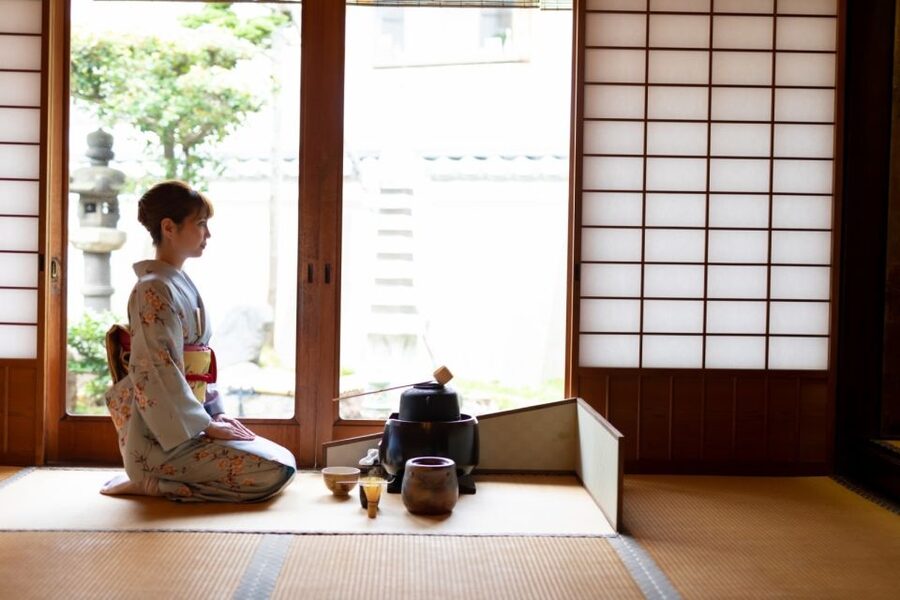
- Purification comes first: You begin with a traditional ritual at Jotokuji Temple before entering the tearoom.
- You make your own matcha: The tea master demonstrates the process, then guides you as you prepare a cup.
- Kate helps explain the meaning: English instruction makes the gestures, tools, and customs easy to follow.
- The group is limited to 10: That keeps the session personal and leaves room for questions.
- Sweets are part of the experience: Matcha is served with traditional sweets in the calm tearoom.
- Traditional seating is flexible: Stools and chairs can be arranged for anyone who does not want to sit on the floor.
Why this short tea ceremony works so well
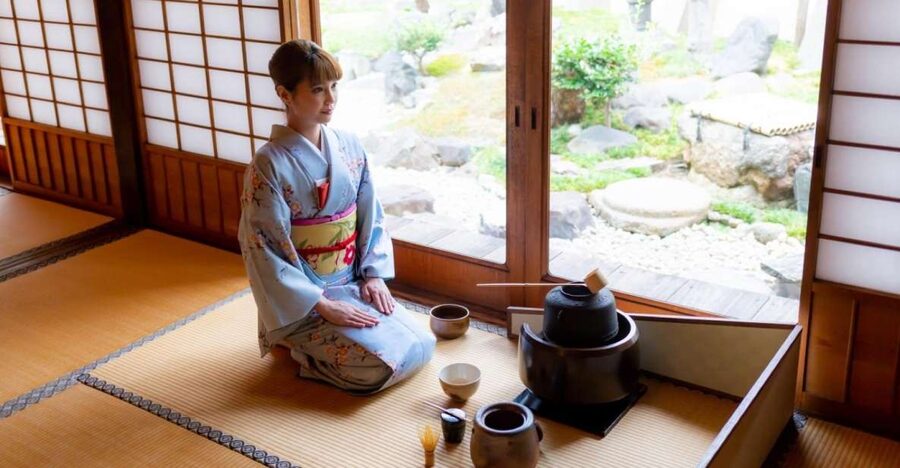
A full Japanese tea gathering can last several hours. This 70-minute session is a shorter introduction, which makes it a sensible choice for a first visit to Kyoto or for anyone trying to fit several sights into one day.
The clever part is that the activity does not treat chanoyu as a simple cup of green tea. You learn the order of events, the careful movements, and the reason the ceremony is performed with such attention. That context changes what you see. A turned bowl, a slow whisking motion, or a respectful pause begins to feel intentional rather than mysterious.
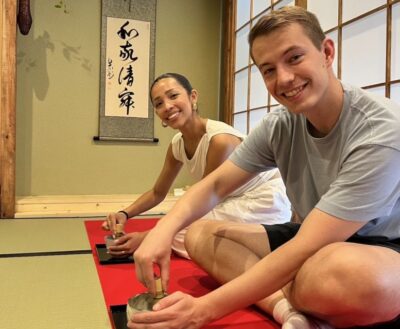
I also like the balance between watching and doing. The tea master first shows you how matcha is prepared. Then you get a chance to handle the implements and make your own tea with guidance. You do not need previous knowledge, and the format gives you something to remember beyond a few photographs.
The small group matters here. With no more than 10 people, the English-speaking guide can explain details and answer questions without turning the session into a lecture. Several instructors may be involved, including Kate and tea masters such as Taka and Yaki, depending on the session.
More Tea Ceremony Experiences in Kyoto:
- Kyoto: Tea Ceremony in a Traditional Tea House in Kiyomizu
★ 4.9 · 3,519 reviews - Kyoto: 45-Minute Tea Ceremony Lesson Experience
★ 4.3 · 2,378 reviews - Kyoto: Table-Style Tea Ceremony at a Kyo-Machiya
★ 4.9 · 1,211 reviews
Finding Ju-An at Jotokuji Temple
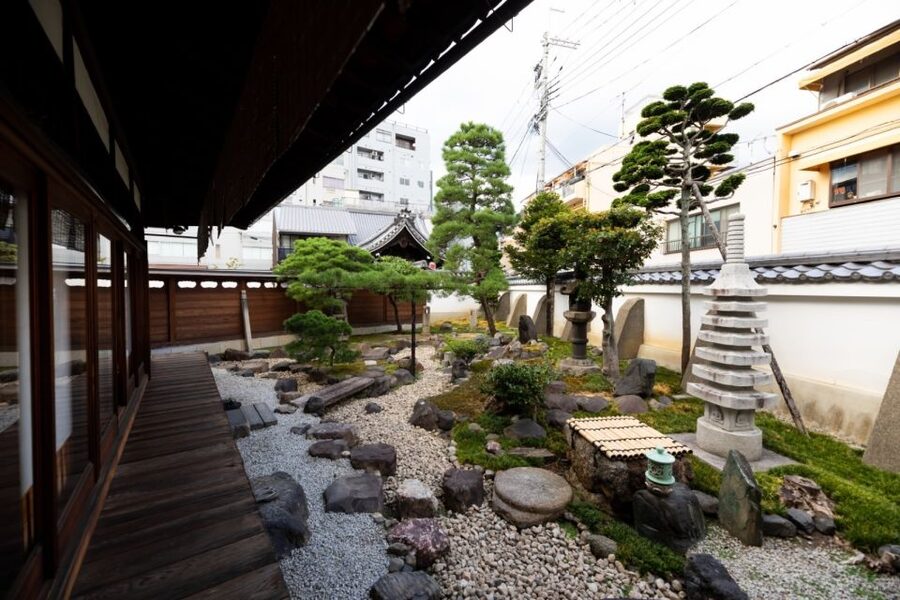
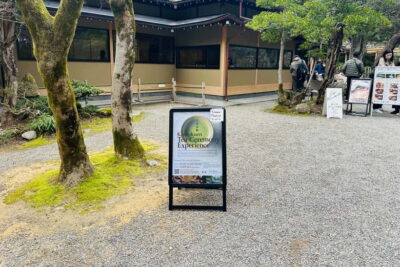
The meeting point is Tea Ceremony Ju-An at 556 Gojo-sagaru, Tominokoji Dori, Shimogyo-Ku, Kyoto. Once inside the temple, face the Main Hall and look to your left. A few steps lead toward the tea room.
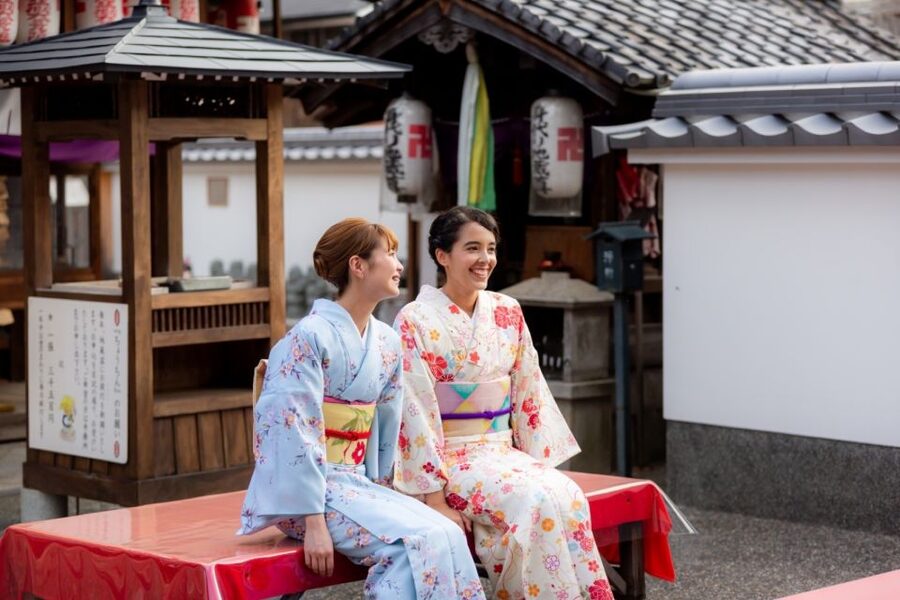
The arrival is part of the experience. Enter through the main temple gates and take a moment to notice the architecture before heading inside. The entrance to the Grand Tearoom is on your left, with a parish shop beside it. You meet near the red benches, where your guide waits.
This arrangement gives you a gentle start. You are not rushed straight into a room and told to copy a set of gestures. You have time to look around the temple grounds and take in the setting. A purification fountain is nearby, and you may sit on the red benches if the weather is pleasant.
Rain does not end the experience, but it changes the waiting spot. You can stand beneath the shop’s gable or wait in the Grand Tearoom. The practical point is simple: allow a little time to find the temple entrance, and do not assume the tea room is visible from the street.
The temple welcome and purification ritual
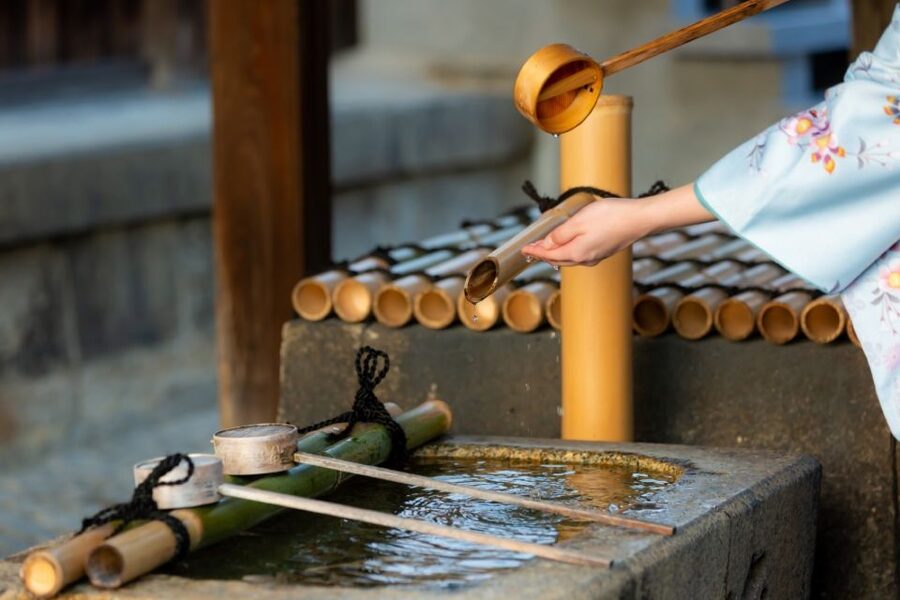
Before the tea begins, the guide introduces the temple setting and leads you through a traditional purification ritual. For many people from outside Japan, this is one of the most useful parts because it explains an action you might otherwise see without understanding.
Purification is not included as a decorative extra. It prepares you to enter the tearoom with the right frame of mind. The movement is quiet and deliberate, and the guide explains what you are doing and why it belongs at the start.
I appreciate this beginning because it connects the tea ceremony to a wider Japanese approach to hospitality and respect. The experience is not only about drinking matcha. It is also about how you enter a place, how you treat the objects in front of you, and how you pay attention to the person preparing the tea.
The temple architecture adds atmosphere without taking over the activity. You have a short chance to look at the grounds, but this is not a long temple tour. If you want an extensive visit to Jotokuji Temple, you should plan separate time for it.
Removing your shoes and entering the Grand Tearoom
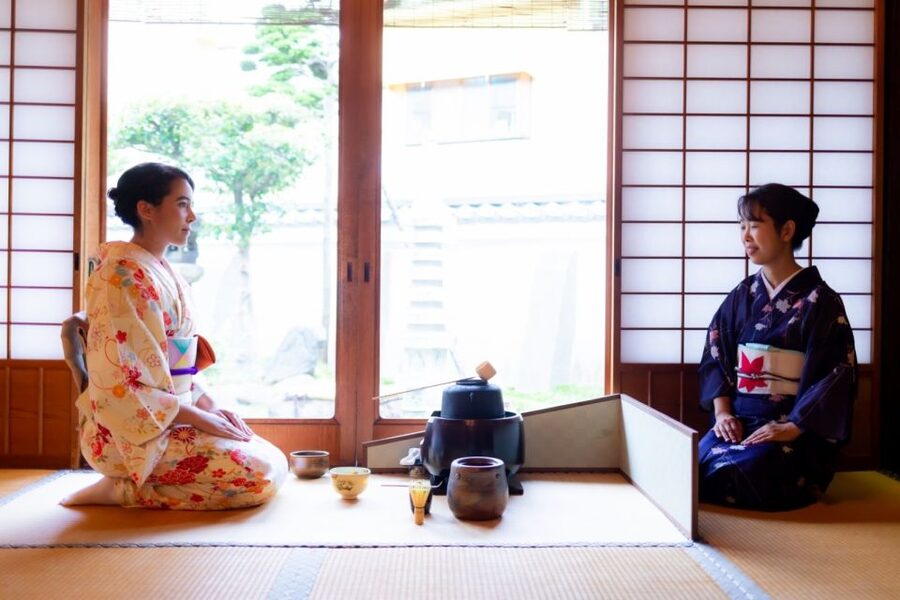
Before entering the tearoom, you remove your shoes. This is a small but important shift from the public temple grounds to the more intimate space inside.
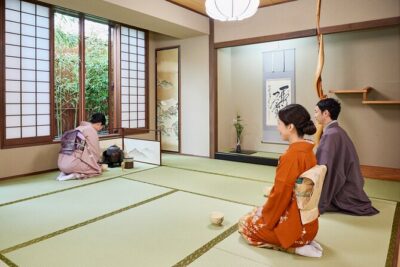
The room is traditional, and the seating is generally on the floor. That can be part of the charm, but it is also the main physical issue to consider. Three steps lead into the tearoom, so wheelchair users cannot access it. The temple itself is wheelchair accessible, but the tea room is not.
If sitting in the traditional position is uncomfortable, ask for a seat or stool. These can be provided, so you do not need to force yourself to sit on the floor for the full session. Mentioning this need at the start is sensible.
The room’s quiet design helps you focus. You are close enough to see the tea master’s hands and the handling of the tools. That matters because many of the details are easy to miss from the back of a larger room.
A few more tea experiences around Kyoto worth a look
- Kimono Tea Ceremony at Kyoto Maikoya, NISHIKI
★ 5.0 · 911 reviews - Kyoto: Kimono Tea Ceremony at Orizuruya Gion
★ 4.9 · 618 reviews - Kyoto: Tea Ceremony in 100-year-old Kyo-Machiya Townhouse
★ 4.8 · 546 reviews - Kyoto: Tea Ceremony Experience
★ 4.8 · 511 reviews
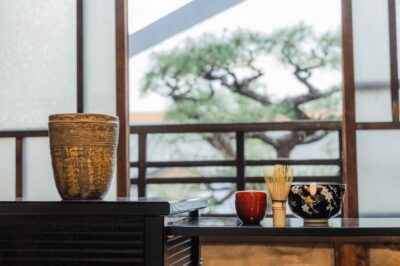
Watching the tea master prepare matcha
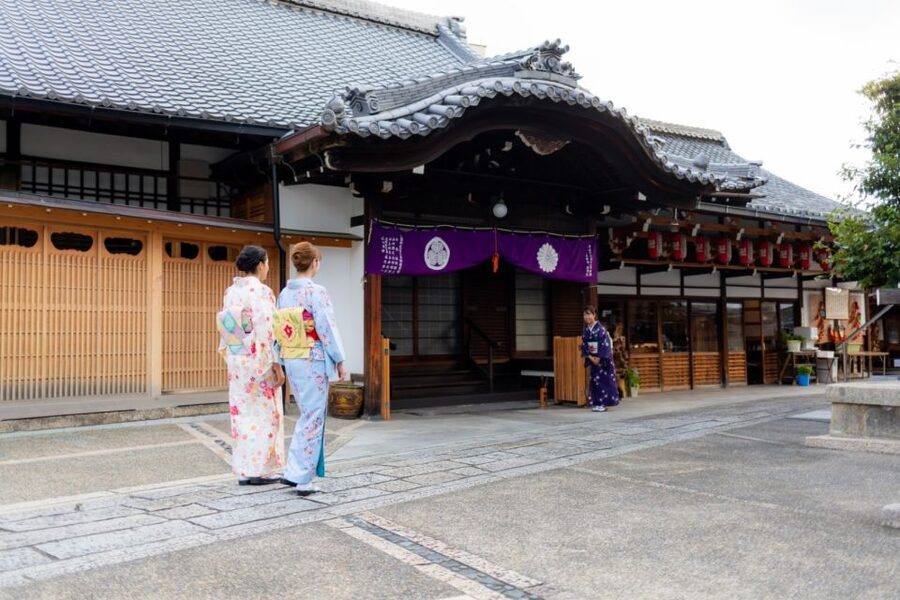
Once everyone is seated, the tea master demonstrates the ceremony. Matcha is whisked carefully, and the guide explains the purpose of the gestures as they happen.
The pace is slow, but not dull. Each movement has a place, and the ceremony gives you time to notice the care involved. The tea master does not simply produce a drink and pass it over. The preparation itself is part of the exchange.
English explanation is a major strength. Kate has been praised for making the information clear and engaging, while the tea masters bring the practical skill of the ceremony. You can ask questions as the session progresses, rather than waiting until the end and trying to remember every detail.
This is also where the session differs from a casual matcha tasting. You are introduced to the ideas behind chanoyu, not just its flavor. The ceremony places value on concentration, hospitality, and the moment shared between the person serving tea and the person receiving it.
Making your own cup of matcha
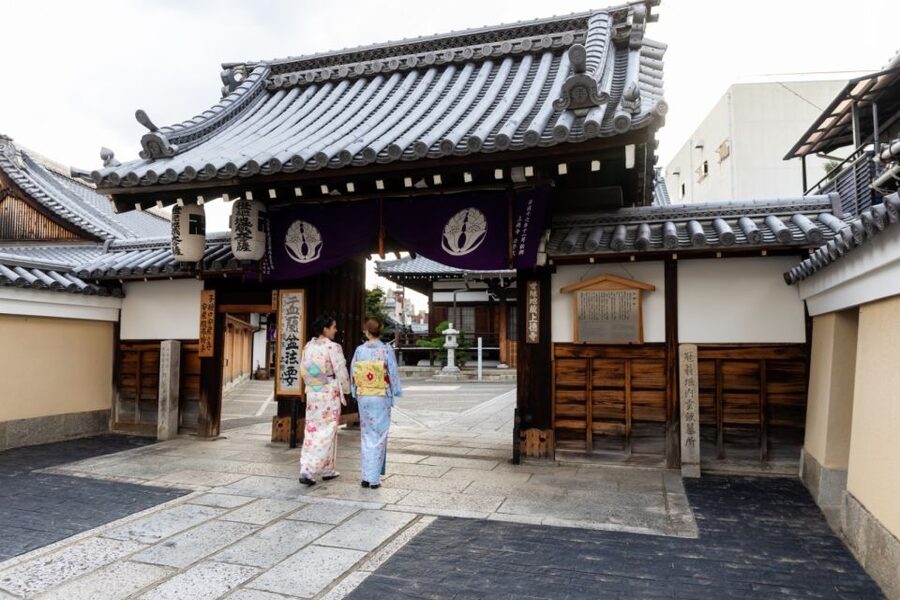
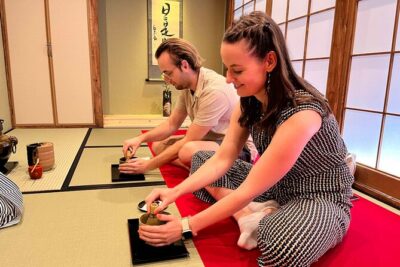
After watching the demonstration, you prepare your own matcha. The tea master guides you through the process, so this is not a test of whether you can copy every movement perfectly.
That hands-on step is important. You feel how much care goes into a simple bowl of tea, and you gain a better sense of why the utensils are handled in a particular way. You also get the chance to make mistakes in a relaxed setting, with the instructor there to help.
The activity works for people with very different levels of interest. If you already know something about Japanese tea, you can ask about the ritual and its details. If this is your first introduction, the clear sequence keeps it manageable.
The matcha is served with sweets. The sweet and bitter flavors work together, and the food gives you a small pause within the ceremony. Meals are not included, so do not treat this as a substitute for lunch. It is a cultural tasting, not a food tour.
What you learn about chanoyu
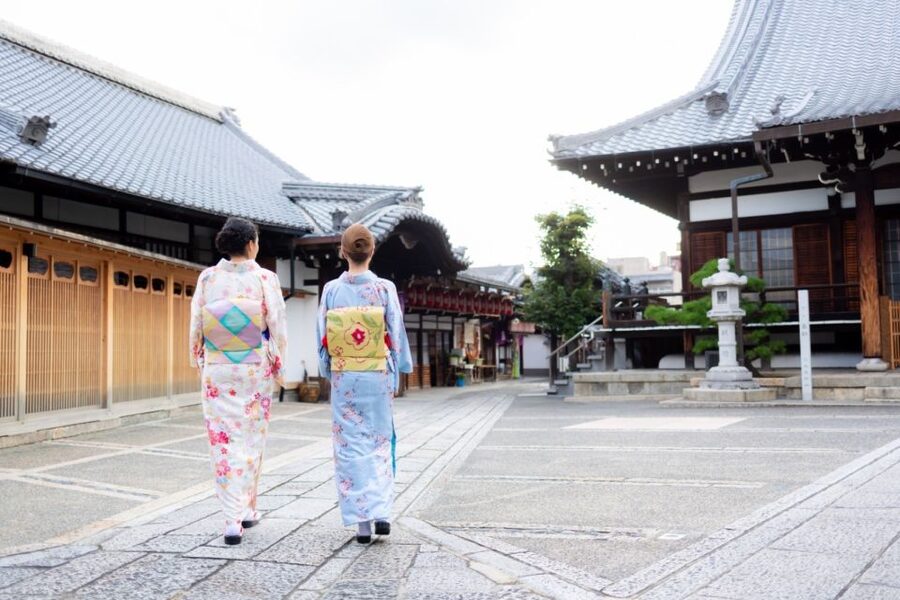
Chanoyu is often translated simply as tea ceremony, but the session presents it as more than a recipe for preparing matcha. The tea is the center of the activity, yet the larger lesson is about attention and conduct.
You learn how the ceremony creates a shared moment. The room, the tools, the gestures, and the tea all support that purpose. The explanation also makes the formal behavior less intimidating. You are shown how to drink the matcha and what to notice, so you can participate with confidence.
The guides are especially good at making the subject approachable. The tone is respectful without becoming stiff. That balance matters because a ceremony can feel difficult to enter if every movement is presented as a rule you might break.
At the same time, you should keep your expectations realistic. This is an introduction, not a four-hour formal tea gathering. It gives you a useful foundation and a taste of the tradition, but it cannot cover every school, regional style, or historical detail in 70 minutes.
A closer look at the value of $29
At $29 per person, the session offers good value for a focused cultural activity in central Kyoto. Your fee covers the English-speaking guide, the chanoyu workshop, the tea, and the sweets. You also receive direct instruction rather than only watching a performance.
The value is strongest if you want to understand what you are seeing. Kyoto has plenty of places where you can buy matcha, but a drink alone does not explain the ritual around it. Here, you spend time in a temple setting, learn the meaning of the ceremony, and prepare the tea yourself.
The price is less attractive if you are looking only for a quick cup of matcha or a photo in traditional surroundings. The session asks you to listen, sit quietly, and take part in a formal sequence. It rewards curiosity more than speed.
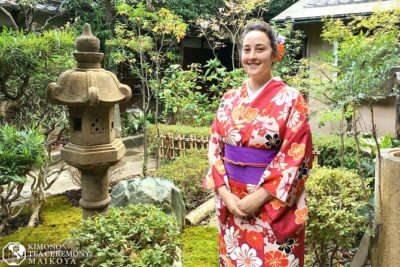
There is also no kimono included. A kimono can be rented separately, but you do not need one to participate. The focus is on the ceremony itself, not on dressing for a photograph.
Timing, group size, and the feel of the session
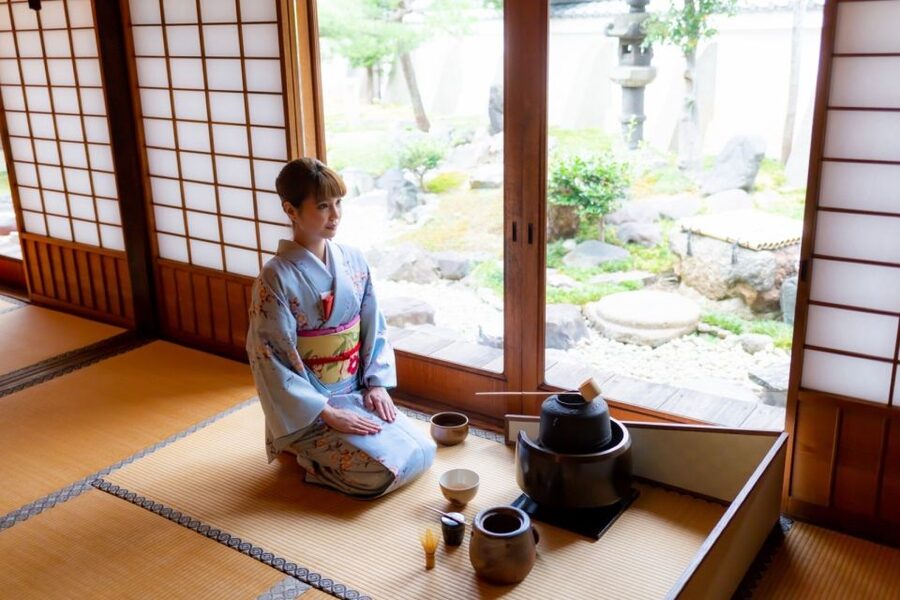
The total duration is 70 minutes. That is long enough for the temple introduction, purification, demonstration, tasting, and hands-on preparation, while still fitting neatly into a day of sightseeing.
A small group of up to 10 people keeps the atmosphere calm. You can see the tea master’s hands, hear the explanations, and take part without feeling lost in a crowd. It also gives the guide a fair chance to include everyone.
The session has a peaceful mood, especially in the morning according to the scheduled times available. You may find it a welcome change from Kyoto’s busy streets and major temple sites. Do not expect complete silence, since you are sharing the room with other participants, but the structure encourages quiet attention.
The English instruction is another practical advantage. The ceremony is full of small details, and a clear explanation helps you understand what you are doing rather than merely copying the person beside you.
Who should book this tea ceremony
I would recommend Ju-An to you if you want a first, approachable introduction to Japanese tea culture. It suits couples, families with older children, solo visitors, and anyone who prefers a small group over a large scheduled tour.
It is especially useful for people who like cultural activities with participation. You watch the tea master, ask questions, taste matcha, and prepare your own cup. You are not expected to arrive with specialist knowledge.
This may also suit you if your Kyoto schedule is tight. Seventy minutes gives you a real cultural experience without taking half a day. The temple setting makes it feel more substantial than a stand-alone tea tasting.
You may want to choose another activity if you cannot manage three steps or traditional floor seating, even though seats and stools are available. You should also look elsewhere if you want a kimono photo package, a long formal ceremony, or a full meal.
Practical details before you go
Book with the meeting point in mind. Once you enter the temple, face the Main Hall and look to the left for the steps leading toward the tea room. The red benches near the entrance are the meeting area.
Arrive ready to remove your shoes. Wear footwear that is easy to take off and put back on, although this is practical advice rather than a stated dress requirement.
If the weather is good, you can wait near the red benches and enjoy the temple atmosphere. If rain arrives, use the covered area by the shop or wait in the Grand Tearoom.
The activity allows free cancellation up to 24 hours before the start time, and you can reserve now and pay later. That is useful if your Kyoto plans are still shifting.
Should you book Ju-An?
Book it if you want to understand the ceremony, not just sample matcha. The combination of Jotokuji Temple, a purification ritual, clear English instruction, a skilled tea master, sweets, and your own turn preparing tea gives the experience real substance.
The strongest reasons to choose it are the small group, the patient guidance from instructors such as Kate, and the calm setting away from the most hectic sightseeing stops. At $29, it is a fair buy for a carefully explained 70-minute cultural experience.
Skip it if you need step-free access to the tearoom or if you would rather spend your time on a longer temple visit. For everyone else, Ju-An offers a respectful and practical introduction to one of Japan’s most recognizable traditions.
FAQ
How long does the Ju-An tea ceremony last?
The experience lasts 70 minutes.
How much does the tea ceremony cost?
The price is $29 per person.
Where does the tea ceremony take place?
It takes place at Tea Ceremony Ju-An at Jotokuji Temple, 556 Gojo-sagaru, Tominokoji Dori, Shimogyo-Ku, Kyoto.
How do I find the tearoom inside the temple?
Enter through the main gates, face the Main Hall, and look to the left. A few steps lead to the tea room. The red benches near the entrance are the meeting point.
Is the activity conducted in English?
Yes. The instructor and guide provide English instruction.
How many people can join the group?
The group is limited to 10 participants.
Do I get to make my own matcha?
Yes. The tea master first demonstrates the preparation, then guides you as you make your own cup.
Are tea and sweets included?
Yes. Matcha tea and sweets are part of the ceremony. Meals are not included.
Can I sit on a chair instead of the floor?
Yes. Seats and stools can be provided for anyone who is not comfortable sitting on the floor in the traditional position.
Is the tearoom wheelchair accessible?
No. The temple is wheelchair accessible, but the tearoom has three steps and is not suitable for wheelchair users.
Just added around Kyoto
- Whisk Your Own Matcha: A Zen Matcha Experience at Temple★ 3.6 · 7 reviews
- Uji Walking Tour – Byodo-in temple and Tea Ceremony from Kyoto★ 3.5 · 3 reviews
- Traditional Tea Ceremony in Kyoto★ 4.5 · 3 reviews
- Kyoto: Authentic Tea Ceremony in a Small Group★ 5.0 · 7 reviews
- Tea ceremony at Kyoto’s Zen Temple Teahouse★ 5.0 · 2 reviews
- Tea Ceremony in 150 Years Old Townhouse with Tables and Chairs★ 5.0 · 22 reviews
- Tea Ceremony Experience in Traditional Kyoto Townhouse★ 5.0 · 19 reviews
- Silent Beauty of Kyoto Zen Walk and Tea Experience★ 5.0 · 2 reviews
Tea Ceremony Experiences, compared.
Tea Ceremony in a Traditional Tea House in Kiyomizu
Read our review →
Browse the lists this tour appears in