
Review · KYOTO
Kyoto: Traditional Tea Ceremony with Matcha & Sweets in Gion
In the heart of Gion, this experience turns the Japanese tea ceremony into something you can actually enjoy rather than simply watch from a distance. You sit in a chair, learn the meaning behind the movements, taste traditional sweets, and then whisk your own bowl of matcha.
I like the comfortable chair seating, which removes the sore-knees problem that can make a floor-based ceremony difficult. I also like the friendly, relaxed teaching style, especially when a host such as Mai explains the ceremony in clear English and welcomes questions.
The main consideration is timing. The activity can last from one hour to 150 minutes, depending on the option, and the meeting place may vary. If you choose the kimono option, you must also allow time for changing, walking to the ceremony, and returning the kimono by 5:30 p.m.
Key Points at a Glance
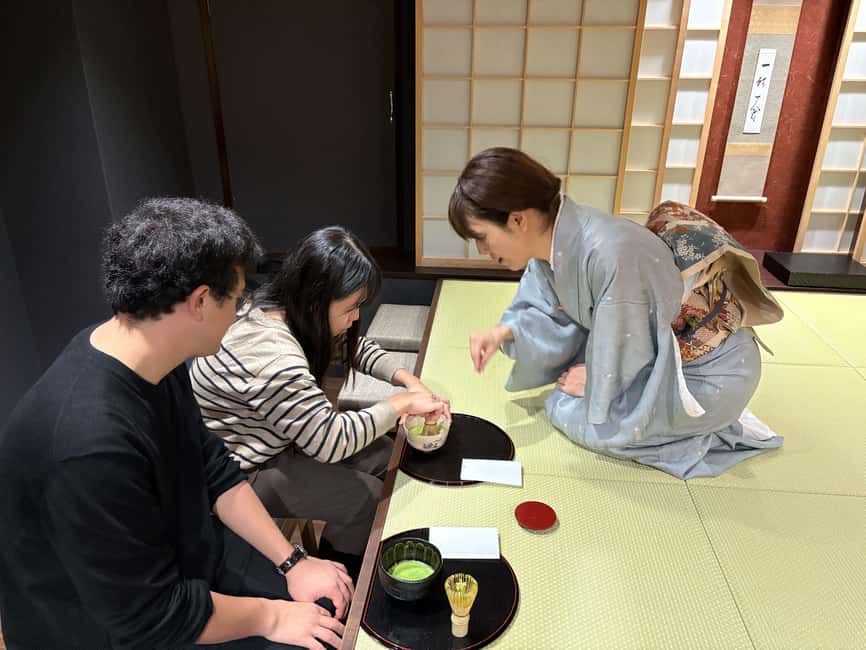
- Watch an authentic tea ceremony up close: A tea master demonstrates the careful gestures, tools, and rhythm of matcha preparation.
- Whisk your own bowl of matcha: You do not only observe. You make a drink using matcha from a family-run local tea farm.
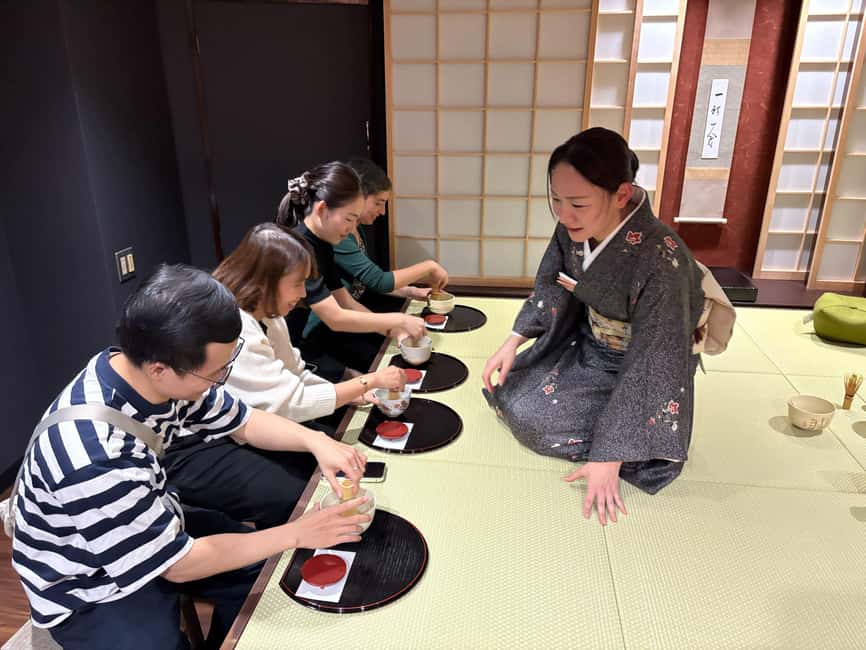
- Sit in chairs, not on the floor: This makes the activity easier for anyone with limited mobility or uncomfortable knees.
- Taste sweets from established Japanese confectioners: The sweets are chosen to balance the slightly bitter flavor of matcha.
- Ask questions in English: The final Q&A gives you time to ask about tea, Zen ideas, and ceremony customs.
- Take home a simple recipe: You can recreate matcha in daily life after returning home.
What This Gion Tea Ceremony Is Really Like
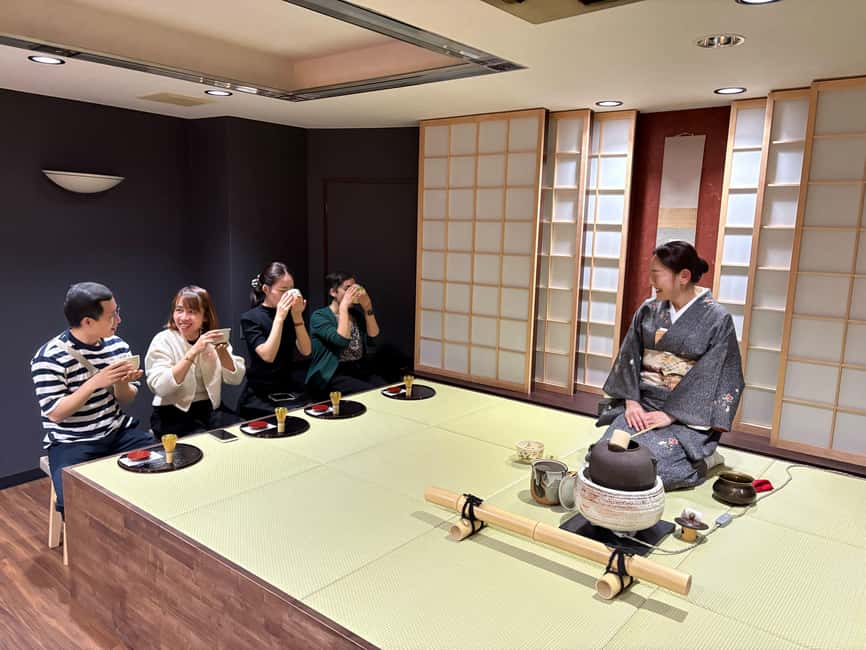
Many visitors first encounter Japanese tea ceremony through photographs: a quiet room, a host in traditional clothing, a bamboo whisk, and a bowl of bright green tea. Those images are accurate, but they do not explain what the movements mean or why the ceremony developed such a precise form.
This Gion activity gives you that missing context. It presents the ceremony as a cultural practice rather than a performance with no explanation. You learn about the origin of tea in Japan, the role of Zen thought, and the care given to each small action.
The setting is in Kyoto’s historic Gion district, an area closely associated with old wooden streets, traditional arts, and geisha culture. The exact meeting point can change by booking option, so check your confirmation rather than assuming every session begins in the same room.
The mood is calm but not stiff. This matters. A highly formal ceremony can be beautiful, but it can also leave you worried about making a mistake. Here, the aim is to help you understand and enjoy the tradition. You can focus on the host, the tools, the smell of the tea, and the taste of the sweets without feeling that one wrong movement will spoil the experience.
More Matcha Experiences in Kyoto:
- Kyoto: Arashiyama Bamboo Forest, Monkeys, Matcha & Temple Tour
★ 5.0 · 759 reviews - Kyoto: Tea Ceremony Meditation – Make Matcha with Tea Master
★ 4.8 · 406 reviews - Kyoto: Kimono Tea Ceremony with Matcha and Sweet
★ 4.9 · 249 reviews
Watching the Tea Master Before You Make Matcha
The first part centers on a demonstration by a tea master. You watch the tea being prepared at close range and hear an explanation of the customs behind it.
The value of this demonstration is in the small details. A tea ceremony is not simply hot water mixed with green powder. The order of the actions, the handling of the bowl, and the quiet attention given to the process all form part of the experience.
You also hear about the connection between tea and Zen philosophy. The presentation does not turn the activity into a religious lesson, but it helps explain why tea ceremony places such weight on presence, respect, simplicity, and attention to the moment.
I find this part useful for first-time visitors because it gives you a framework. Once you know what to watch for, the ceremony becomes easier to understand. You can notice the controlled movements and the care given to the objects instead of seeing only a series of unfamiliar gestures.
One point to keep in mind is that this is an introduction. If you already study chanoyu, Japanese tea ceremony, you may want a longer and more formal session. For most visitors, though, the shorter format gives enough background without turning the activity into a lecture.
Making Your Own Bowl With Local Matcha
The second half lets you prepare your own matcha. You receive guidance on how to use the bamboo whisk and how to create the light foam associated with properly mixed matcha.
The tea powder comes from a family-run tea farm, which gives this part a stronger connection to the region than a generic green tea tasting. You can see how much technique goes into getting the texture right. The powder must be combined with water and whisked properly, but the lesson remains approachable.
A useful detail from the experience is that you receive a simple recipe to take home. It is designed for everyday use, not only for a ceremonial setting. That makes the activity more practical. You can try making matcha again in your own kitchen instead of leaving the memory behind in Kyoto.
Matcha has a distinct taste. It is grassy, earthy, and slightly bitter, with a fuller texture than ordinary steeped tea because you consume the powdered leaf. The sweets help balance that flavor, but do not expect matcha to taste like a sweetened latte unless you prepare it that way later.
You also get a matcha drink during the session. Since matcha contains caffeine, take that into account if you are sensitive to caffeine or attending late in the day.
Why the Japanese Sweets Matter
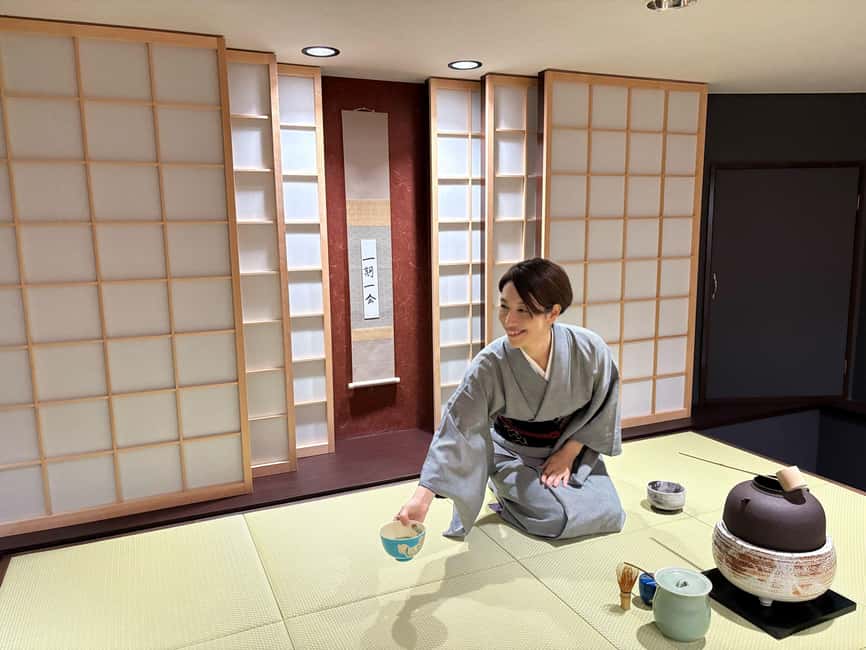
The sweets are not just an extra snack. In a tea ceremony, a sweet gives your palate something pleasant before the bitter tea arrives. The contrast helps make the matcha taste smoother and more balanced.
The sweets served here are selected by the tea master and come from long-established Japanese confectioners. The exact type may vary, but the purpose remains the same: to introduce a traditional pairing and show how Japanese confectionery fits into tea culture.
For you, this part offers an easy way to notice the difference between Japanese and Western ideas of dessert. These sweets are often smaller and more restrained in flavor. They may be shaped or presented with seasonal ideas in mind, though no specific sweet is guaranteed for every session.
If you have a strong sweet tooth, the portion may feel modest. That is intentional. The sweets are meant to support the tea, not replace it with a full dessert course.
More Tea Ceremony Experiences in Kyoto:
- Kyoto: Tea Ceremony in a Traditional Tea House in Kiyomizu
★ 4.9 · 3,519 reviews - Kyoto: Tea Ceremony Ju-An at Jotokuji Temple
★ 4.9 · 3,207 reviews - Kyoto: 45-Minute Tea Ceremony Lesson Experience
★ 4.3 · 2,378 reviews - Kyoto: Table-Style Tea Ceremony at a Kyo-Machiya
★ 4.9 · 1,211 reviews
Chair Seating Makes the Tradition Easier
Traditional tea ceremonies often take place on tatami, with people sitting in a kneeling or cross-legged position on the floor. That posture can be uncomfortable, especially during a session that includes explanations and a demonstration.
This experience uses chairs instead. You still learn about the ceremony and observe the key techniques, but you do not need to force your legs into a position that causes pain or distraction.
I consider this one of the strongest practical features. It makes the session suitable for people with limited mobility, older adults, and anyone who simply prefers not to sit on the floor. It also makes the activity easier for families and mixed-age groups.
Infants and toddlers are free of charge. However, they do not receive their own matcha to prepare. If a young child wants to try, the child must use a parent or guardian’s bowl. Matcha is high in caffeine, so it is not recommended for children under five.
The chair arrangement does mean the experience is not a strict recreation of every traditional detail. If your goal is to practice sitting formally on tatami and follow every old convention, you may prefer a more specialized ceremony. If your goal is to learn, taste, and participate comfortably, the chairs are a sensible choice.
A Friendly English-Language Introduction
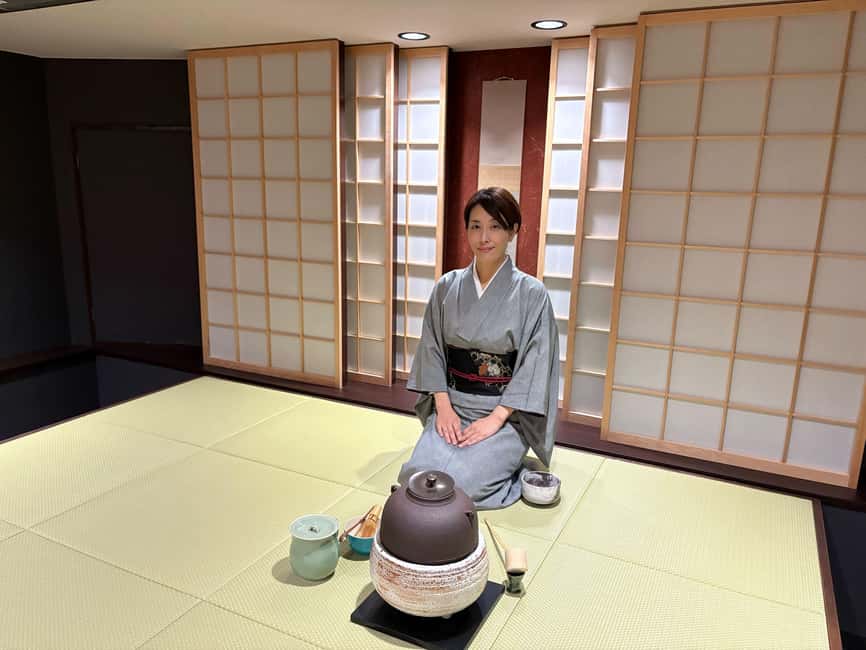
The instruction is in English, and the atmosphere is designed to be welcoming rather than severe. A host such as Mai has been praised for explaining both the history and the practical steps in a warm, approachable way.
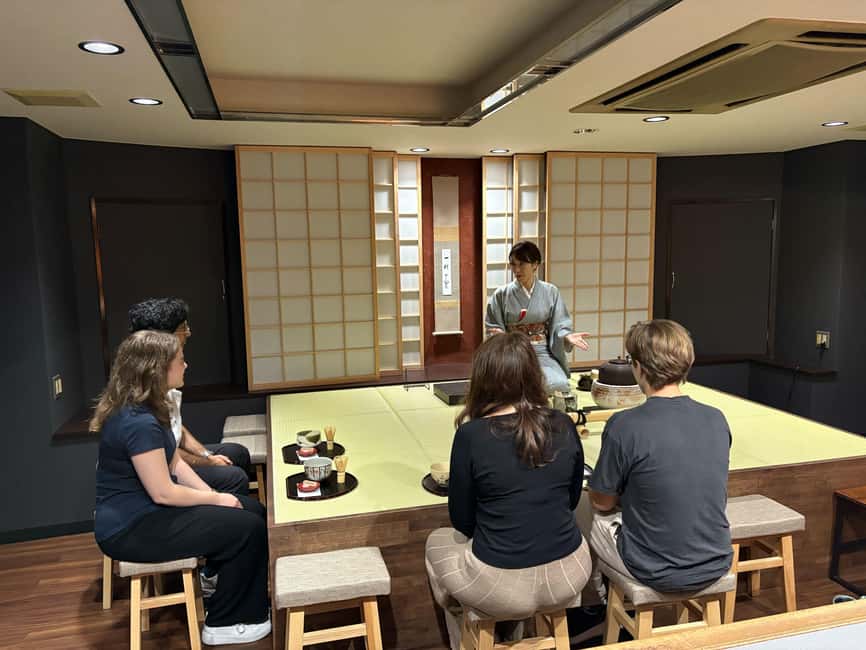
That personal contact changes the feel of the hour. You are not simply watching a silent display. You can ask why a movement is performed, how matcha differs from other tea, or what the various objects are used for.
The final Q&A is especially helpful. It gives you a chance to raise questions that may not fit into the main demonstration. You might ask about tea preparation at home, the connection with Zen, or the rules of a more formal ceremony.
The small-group option is worth considering if it is available for your chosen time. A smaller room makes it easier to see the tea master’s hands and easier to ask questions. Group size can vary by booking, so check the option details before paying.
The activity has received a 4.9 rating from 27 reviews, with repeated praise for the host’s hospitality, clear explanations, and genuine enthusiasm. I would place more weight on those repeated themes than on short comments saying only that the experience was amazing. The useful takeaway is that the human side of the session matters here.
Adding the Kimono Option
Some booking choices include kimono rental. This can make for memorable photographs and adds another traditional element to a visit in Gion, but it also requires careful planning.
For the kimono option, you first go to the Kimono Rental Wargo Gion store. After changing, you walk to the tea ceremony meeting point on your own and arrive 10 minutes before the ceremony begins. The rental shop is only a few minutes from the meeting point, and the store is on the fifth floor at the location supplied with the booking.
The tea ceremony time is tied to your kimono start time:
- An 11:00 kimono start leads to the 12:30 tea ceremony.
- A 12:00 kimono start leads to the 14:00 tea ceremony.
- A 14:00 kimono start leads to the 15:30 tea ceremony.
After the activity, return the kimono by 5:30 p.m. This option is not ideal if you want a completely open afternoon. It works best when you plan your Gion visit around the fixed schedule and allow extra time for walking and changing.
The kimono is an optional addition, not a requirement for enjoying the tea lesson. If you care most about learning how matcha is made, the standard tea ceremony keeps the plan simpler and usually offers better flexibility.
Is $22 a Good Value?
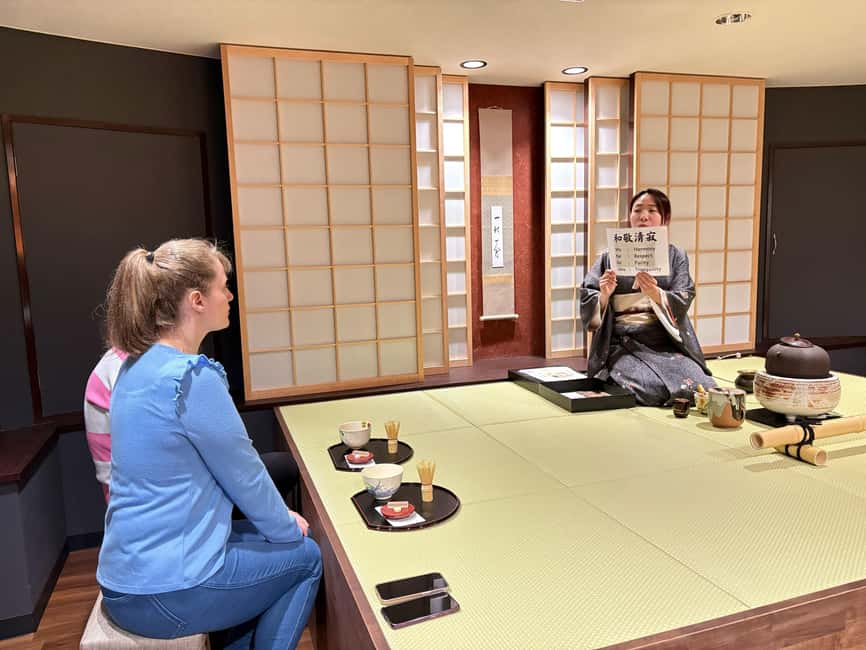
At $22 per person, the standard experience is fairly priced for a one-hour cultural activity in central Kyoto. You receive a guided explanation, a tea ceremony demonstration, traditional sweets, a matcha drink, hands-on preparation, and a recipe for future use.
The value is strongest if you want more than a quick cup of green tea. You are paying for instruction and context as much as for the food and drink. A café can give you matcha for less, but it will not normally explain the ceremony, demonstrate the techniques, or answer questions about Zen and Japanese tea customs.
The longer option may run up to 150 minutes, so check the exact duration and start time when booking. A longer session can be useful if you prefer a slower pace or want more time for questions, but do not assume every option has the same schedule.
The reserve-now, pay-later policy can help if your Kyoto plans are still shifting. Free cancellation is available up to 24 hours before the activity for a full refund. Still, confirm the deadline in your booking details, especially if you choose the kimono option with its fixed timetable.
Who Will Enjoy This Most?
I would recommend this activity to first-time visitors who want a clear introduction to Japanese tea without committing to a long formal ceremony. It also suits couples, families with older children, and anyone interested in Japanese food, etiquette, or Zen culture.
The chair seating makes it a good pick for people who cannot sit comfortably on tatami. The English instruction helps if you want explanations rather than a ceremony conducted entirely in silence.
It is also a useful rainy-day plan in Gion. The activity is indoors and gives you a calm break from walking the district’s streets.
You may want something else if you are seeking a highly formal, silent, multi-hour tea ceremony with strict dress and seating rules. This experience values comfort and access. That is its strength, but it also means it is an introduction rather than an advanced study of tea ceremony.
Practical Tips Before You Go
Check the meeting point carefully because it can differ by option. This is particularly important if you book the kimono package, since you begin at the rental store and then walk to the ceremony site.
Arrive early enough to settle in. For the kimono option, the stated requirement is arrival 10 minutes before the ceremony starts after changing clothes.
Avoid treating the activity as a simple tasting. Pay attention to the demonstration before making your own tea. The history, Zen ideas, and explanation of the movements are what turn the matcha from a drink into a cultural experience.
If you are sensitive to caffeine, plan accordingly. Children under five should not drink the matcha, and younger children who participate must share a parent or guardian’s bowl rather than receive their own portion.
Give yourself time afterward to explore Gion. The tea ceremony works well as part of a larger afternoon in the district, but the kimono schedule requires more planning and a firm return time.
Should You Book This Kyoto Tea Ceremony?
Book it if you want a friendly, useful introduction to matcha in Gion, especially if sitting on the floor is a concern. The combination of a tea master’s demonstration, local-farm matcha, traditional sweets, chair seating, and hands-on preparation gives you a lot for $22.
I would choose the standard option for the simplest plan. Choose the kimono add-on only if you are happy to follow fixed times and return the outfit by 5:30 p.m. Either way, this is a good fit for a curious first-time visitor, while serious tea students may want a longer and more formal setting.
FAQ
Where does the tea ceremony take place?
The experience takes place in Kyoto’s Gion district, but the exact meeting point may vary according to the option you book.
Is the tea ceremony conducted in English?
Yes. The instructor language is English.
Will I sit on the floor?
No. The ceremony uses chairs instead of floor seating, making it easier for people who are uncomfortable on tatami or have limited mobility.
Is matcha included?
Yes. You receive a matcha drink made with powder sourced from a local family-run tea farm, and you receive guidance on making your own bowl.
Are children allowed to join?
Infants and toddlers are free. If they want to try making tea, they must use a parent or guardian’s bowl and will not receive their own matcha. Matcha is not recommended for children under five because it contains caffeine.
What happens if I choose the kimono option?
You first go to the Kimono Rental Wargo Gion store, change into the kimono, and walk to the tea ceremony meeting point. The ceremony time depends on your kimono start time, and the kimono must be returned by 5:30 p.m.
More Dessert Stops in Kyoto
- Kyoto: Japanese Traditional Sweets Making and Tea Ceremony
★ 4.4 · 314 reviews - 2 Types of Japanese Sweets making and Tea Ceremony
★ 4.6 · 17 reviews - Traditional Tea Ceremony with Matcha and Sweets in Kyoto
★ 5.0 · 13 reviews - Japanese Traditional Sweets making with Tatedashi Matcha
★ 4.3 · 6 reviews
Just added around Kyoto
- Whisk Your Own Matcha: A Zen Matcha Experience at Temple★ 3.6 · 7 reviews
- Uji Walking Tour – Byodo-in temple and Tea Ceremony from Kyoto★ 3.5 · 3 reviews
- Traditional Tea Ceremony in Kyoto★ 4.5 · 3 reviews
- Kyoto: Authentic Tea Ceremony in a Small Group★ 5.0 · 7 reviews
- Tea ceremony at Kyoto’s Zen Temple Teahouse★ 5.0 · 2 reviews
- Tea Ceremony in 150 Years Old Townhouse with Tables and Chairs★ 5.0 · 22 reviews
- Silent Beauty of Kyoto Zen Walk and Tea Experience★ 5.0 · 2 reviews
- Tea Ceremony Experience in Traditional Kyoto Townhouse★ 5.0 · 19 reviews
Matcha Experiences, compared.
World Heritage Kyoto & Nara Uji Authentic Matcha Experience
Read our review →
Matcha Making Class in Tokyo with Authentic Japanese Sweets Set
Read our review →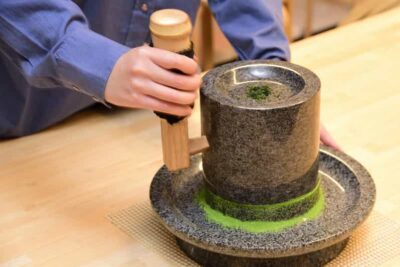
Tea Museum Tickets and Matcha Grinding Experience
Read our review →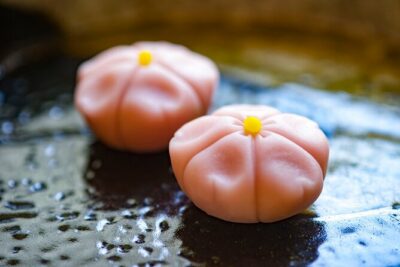
Matcha Making Class in Osaka with Authentic Japanese Sweets Set
Read our review →
Tea Ceremony Meditation – Make Matcha with Tea Master
Read our review →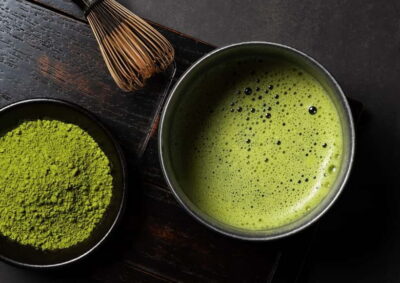
Matcha Making Experience with Mochi Sweets in Asakusa
Read our review →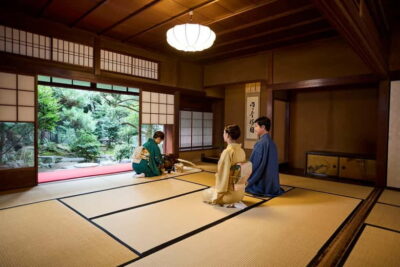
Browse the lists this tour appears in