
Review · UJI
Kyoto: Tea Museum Tickets and Matcha Grinding Experience
Fresh matcha tastes better when you have worked for it. At Chazuna in Uji, you turn tea leaves into powder with a stone mill, then learn to whisk the matcha under an instructor’s guidance. The process is calm, hands-on, and far more memorable than simply ordering another matcha latte.
I like the interactive museum, which gives useful context without demanding a full afternoon, and the chance to see the tea fields and gardens while making your own cup. The main consideration is timing: arrive 15 minutes early, because entry is refused after 30 minutes and the class cannot be held up for late arrivals.
- Grind tencha by hand: Turn shaded tea leaves into matcha with a traditional tea mill.
- Whisk and drink your own tea: An instructor shows you how to prepare the powder and enjoy it with a sweet.
- Explore Chazuna’s digital displays: Touch-friendly exhibits, town drawings, videos, and a large 4K screen explain Uji tea.
- Meet at a convenient Uji location: Chazuna is about four minutes from Keihan Uji Station and 12 minutes from JR Uji Station.
- Make a summer treat: At the 2:45 p.m. summer session, pour your matcha over ice cream as well as drinking it.
- Get more from a short Uji visit: The museum and workshop fit neatly with Byodoin Temple, the market street, and tea shops.
Why This Uji Tea Workshop Is Worth Your Time
Uji is one of Japan’s best-known tea towns, and this activity gives you a direct way to understand why. You do not just look at finished tea in a shop window. You handle the leaves, grind them, whisk the powder, and taste the result.
The session lasts one hour and costs about $23 per person. I consider that a strong price for Uji because the fee covers both the workshop and the Chazuna Museum. You get a practical activity, a museum visit, an instructor, and a cup of freshly prepared matcha without committing half a day.
The class has earned a 4.9 rating from 739 bookings, and the praise is consistent in the areas that matter most: friendly instructors, clear explanations, and a fun hands-on format. Guides have included Hideko, Keiko, Yano-san, and Sukimoto. The exact instructor depends on your session, but the teaching style is warm and active rather than formal or distant.
This is not a full tea ceremony. It is a compact introduction to the tea-making process and to the basic care involved in preparing matcha. If you want a long, highly ceremonial performance, you should choose a different activity. If you want to understand the drink you see all over Kyoto and Uji, this is a good fit.
Arriving at Chazuna in Uji
Your meeting point is the first-floor reception area at Chazuna, inside the Historical Park of Tea and Uji Town. From Keihan Uji Station, the walk takes about four minutes. From the South Exit of JR Uji Station, allow about 12 minutes.
That difference matters. If your booking is tied to a train arrival, Keihan Uji Station is closer. From JR Uji Station, you still have an easy walk, but you should not cut it close. The organizers ask you to arrive 15 minutes before the reservation and check in at reception.
The late-arrival rule is strict. After 30 minutes from the start, you can be refused entry, and the participation fee is not refunded. This is understandable for a small class where everyone works through the same steps, but it means you should build in time for finding the building.
If you are driving, the directions differ depending on where you come from. From Osaka, use the Keiji Bypass Uji Nishi IC and take the side road toward Uji, a drive of about 10 minutes. From Tokyo or Nagoya, turn left at the traffic light by the Keiji Bypass Uji-higashi IC, which is about three minutes away.
More Matcha Experiences in Uji:
- Slow Cycling Tour at Uji’s Matcha Green Tea Fields and Heritage
★ 5.0 · 25 reviews - Kyoto Matcha Green Tea Tour
★ 4.5 · 23 reviews - Uji and Wazuka Matcha Farm Half Day Private Guided Tour
★ 5.0 · 21 reviews
The Chazuna Museum Sets the Scene
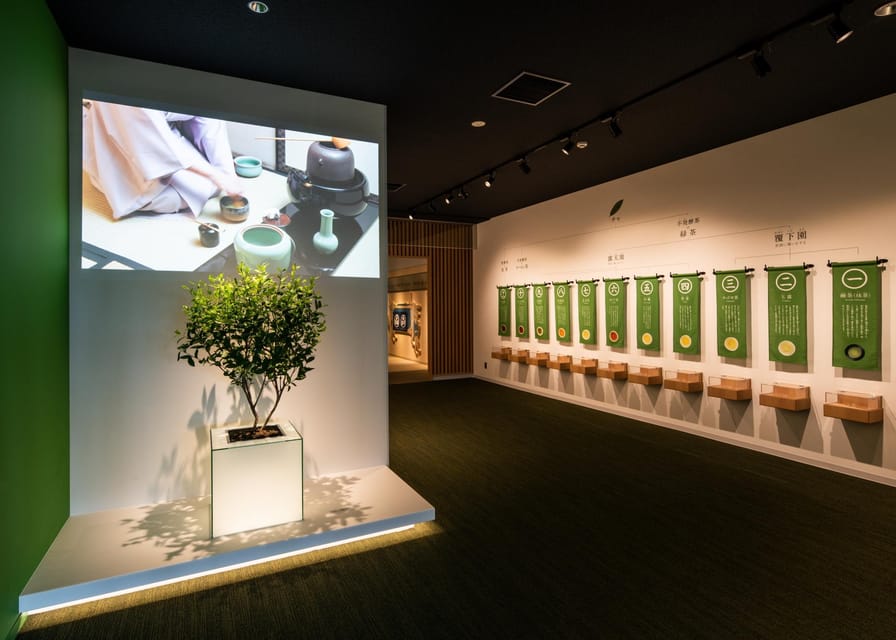
The museum helps you understand what you are about to do. The displays introduce the origin and production of Uji tea, along with the town’s connection to tea growing and processing.
The History Room begins with a large 10-yen coin featuring Byodoin Phoenix Hall. It is a clever local reference, since Byodoin is one of Uji’s major sights and appears on the coin used across Japan. The museum then uses digital displays to show the town and its past.
One of the most unusual features is a large 4K screen with modernized drawings of the town, based on old-style Meisho-zue illustrations. You get a sense of Uji as a place shaped by tea, temples, gardens, and visitors rather than seeing tea as an isolated product.
The displays are designed to be touched and explored. That makes them useful for families and for anyone who prefers pictures and demonstrations to long blocks of text. The museum is not huge, so you should not expect a full-scale national museum. Its value is that it gives you enough background to make the workshop feel connected to the place.
I would plan to spend time in the museum before or after the class, depending on the schedule. Several people have found it short but full of useful information, particularly the videos showing how different teas are processed. The interactive elements also include a playful photo spot where you can appear to swim in matcha, which adds a welcome bit of silliness.
Grinding Tencha Into Matcha
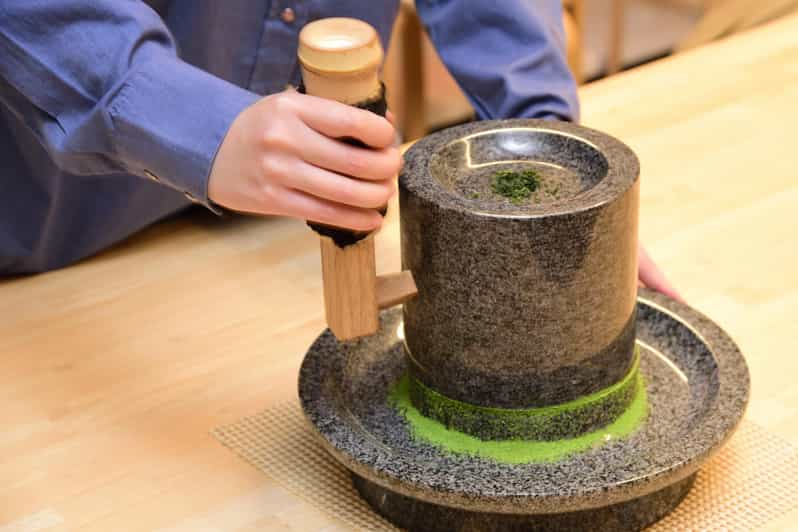
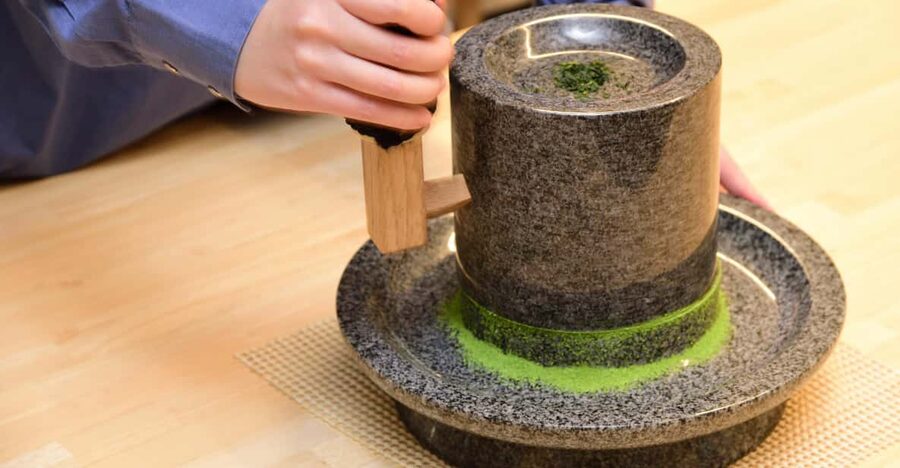
The central activity begins with tea leaves and a mill. You grind the leaves slowly into a fine powder, watching the texture change as the mill does its work.
This is the part I find most valuable. Matcha is often treated as a flavor or a trendy color, but grinding your own portion shows the labor behind it. You feel that it is not simply ordinary green tea poured into a blender. The pace is deliberate, and the aroma becomes more noticeable as the leaves turn into powder.
The workshop uses tencha, the leaf material used to produce matcha. You learn how the tea is prepared before it reaches the mill, then handle the final grinding step yourself. The guides explain the process while helping you position and use the equipment.
The activity is hands-on without being difficult. Children can take part with adult help, and adults who already drink matcha still get something new from seeing the leaf-to-powder process. It is also a good option if you are traveling alone. One solo participant was seated with other women and found the shared class easy and friendly.
Do not expect to take a large supply of your ground tea home. The portion is prepared for the class, and some participants would prefer a take-home packet. The point is the making and tasting, not stocking your kitchen cupboard.
Learning to Whisk Your Own Cup

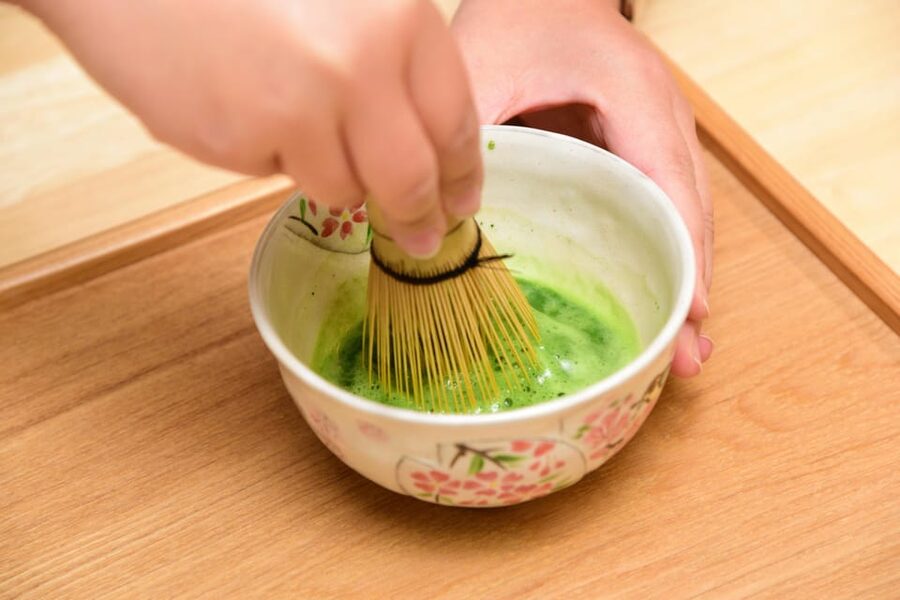
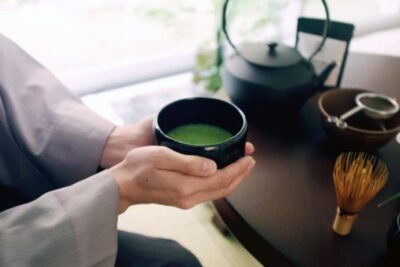
Once the powder is ready, a Japanese tea instructor demonstrates how to prepare it. You learn the basic method of adding water and whisking the matcha into a smooth drink.
The instructors are central to the experience. Keiko has been praised for being funny and clear, while Hideko has been described as especially warm. Sukimoto has also led sessions with a well-prepared, lively style. Yano-san has received praise for giving close attention in a small group, though her English explanations sometimes followed a script closely.
That last point is worth knowing if you are booking specifically for detailed English instruction. The activity offers Japanese and English, and the materials help support the explanation. The teaching is generally easy to follow, but English delivery may vary by instructor. The atmosphere remains friendly, and the class format gives you a chance to ask for help during the practical steps.
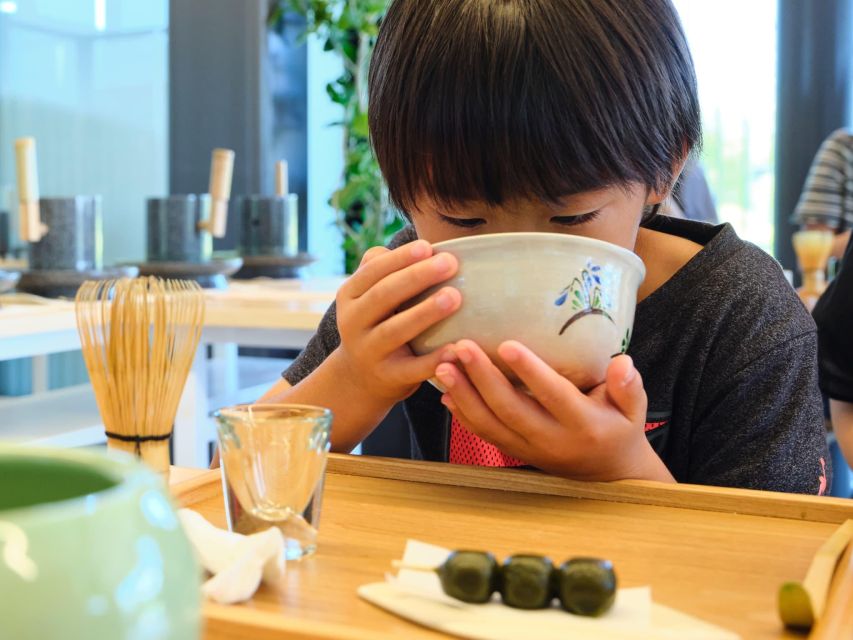
You then drink the matcha you made, usually alongside a sweet. This small pairing matters. Matcha can taste grassy, bitter, creamy, or pleasantly sharp depending on the preparation, and a sweet gives your palate a useful comparison.
You also learn a basic form of tea preparation rather than just watching a demonstration. That makes the experience feel complete: you start with the leaf, make the powder, whisk the drink, and taste the result.
A few more tea experiences around Uji worth a look
- Kyoto: Tea Museum and Tsuen Teahouse Guided Tour
★ 5.0 · 2 reviews - Afternoon Tea at the British Museum
★ 4.2 · 511 reviews - Private Abu Dhabi Sheikh zayed mosque with Louver Museum & Emirates Place Tea
★ 5.0 · 173 reviews - London: National Gallery Guided Tour and Afternoon Tea
★ 4.5 · 64 reviews
Tea Fields, Gardens, and the Feeling of Place
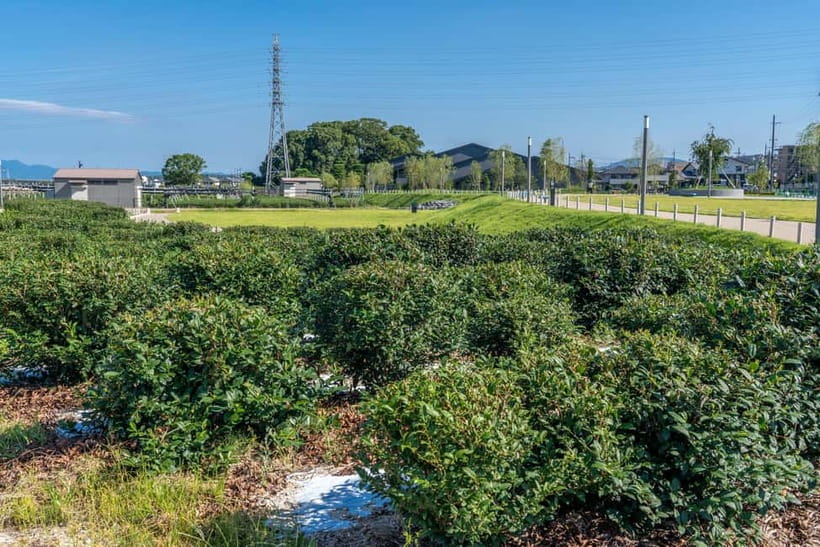
Chazuna’s setting adds to the workshop. You make matcha with views toward tea fields and gardens, rather than in an anonymous classroom.
The setting does not turn this into a countryside farm tour. You are not given a long agricultural walk or a full harvest program. Still, the visual connection to Uji’s tea-growing area helps. You can look out at the source of the local identity while working with the finished leaf.
That connection is especially useful if you are spending only a short time in Uji. The workshop gives meaning to the tea shops, matcha sweets, and tea-flavored foods you will see around town. It also makes a good break between major sights.
Several people have paired the visit with Byodoin Temple and Uji’s main market street. From the area, you can continue on foot toward those attractions, though you should allow extra time rather than rushing straight from the class. The experience itself lasts one hour, but the museum and nearby town deserve more time if your schedule allows.
The Summer Ice Cream Option
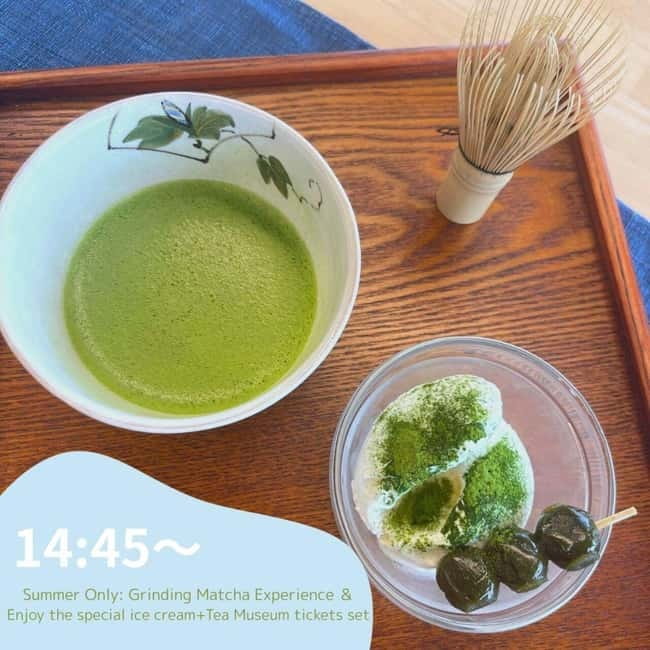
During summer, the restaurant offers a special 2:45 p.m. session. You can pour your freshly ground matcha over ice cream and drink the tea as well as eat the matcha-topped dessert.
This is a seasonal variation, not the standard promise for every departure. If the ice cream idea is a major reason for booking, check that your chosen date and time match the summer offering.
The option makes sense in hot weather. Cold ice cream softens the sharper edge of freshly prepared matcha, and the activity becomes part tea lesson, part dessert. Past sessions have also included tea, sweets, and mochi, but the exact serving should be confirmed for your date rather than assumed.
Price, Time, and Overall Value
At $23, this is one of the easier cultural activities to fit into a Kyoto day. You receive the museum ticket, the matcha-making session, and an instructor. You are not paying only for admission or only for a cup of tea.
The one-hour length is both a strength and a limit. I like it because you can add the workshop to a half-day in Uji without giving up the temple, river, or shopping time. On the other hand, you should not expect an extended lesson on every variety of Japanese tea. The museum supplies extra context, but the workshop stays focused.
The booking terms also help with planning. You can cancel up to 24 hours in advance for a full refund, and you can reserve now and pay later. Schedule changes must be made through the website rather than by phone, so handle them early if your Kyoto plans shift.
The activity is wheelchair accessible. The meeting point is indoors at Chazuna, and the class is offered in Japanese and English.
Who Should Book This Experience?
I would recommend it most strongly to:
- Matcha drinkers who want to understand how the powder is made
- First-time visitors to Uji who want a clear introduction to tea culture
- Families looking for a short, hands-on activity
- Solo visitors who enjoy guided classes with a shared table
- Couples and friends who want a practical memory rather than another viewing platform
- Anyone who likes food experiences but does not want a full cooking course
You do not need prior tea knowledge. The instructor leads you through each stage, and the museum prepares you for the vocabulary and process.
I would be less likely to choose this for someone who dislikes green tea, dislikes group instruction, or wants a formal tea ceremony with a long meditation-like structure. You can still learn something at the museum, but the workshop’s appeal depends on enjoying the act of making and tasting matcha.
How to Fit It Into a Uji Day
Give yourself more than the scheduled hour. Arrive 15 minutes early for check-in, allow time for the museum, and then continue into Uji.
A practical plan is to visit Chazuna, complete the workshop, and walk toward Byodoin Temple and the nearby market street. The market area is useful for trying more matcha foods and buying tea or tea-making equipment. Some participants have purchased tea and matcha sets after the class, which can be a better souvenir than another small trinket.
If you are coming from Kyoto, public transit makes Uji easy to reach, but the exact trip time is not provided here, so check the train schedule for your departure point. The important detail is the final walk from the station and the firm class start time.
Should You Book the Chazuna Matcha Experience?
Yes, if you want a short, practical introduction to Uji tea. The combination of museum admission, leaf grinding, guided whisking, and tasting gives you good value for $23, and the instructors are the strongest part of the experience.
Book it with enough time to arrive early, and do not treat the one-hour session as your entire Uji visit. Add Byodoin Temple, the market street, and time to browse tea shops afterward. If you want to make matcha from scratch and understand what is in your cup, this is an easy choice. If you want a formal ceremony or a large amount of tea to take home, choose something more specialized.
FAQ
How long does the Kyoto Tea Museum and matcha experience last?
The scheduled experience lasts one hour. You should also arrive 15 minutes before your reservation for check-in, and you may want extra time to explore the museum.
What does the ticket include?
The price includes admission to the Chazuna Museum, the matcha-making activity, and an instructor.
Where is the meeting point?
Go to the first-floor reception area at Chazuna in the Historical Park of Tea and Uji Town.
How far is Chazuna from the train stations?
Chazuna is about a four-minute walk from Uji Station on the Keihan Uji Line. It is about a 12-minute walk from the South Exit of Uji Station on the JR Nara Line.
Is the activity offered in English?
Yes. The activity is offered in Japanese and English. English delivery can vary by instructor, and class materials may also support the explanation.
Can wheelchair users join?
Yes, the activity is wheelchair accessible.
What happens if I arrive late?
You should arrive 15 minutes early. Entry or participation may be refused after 30 minutes from the start, and the participation fee cannot be refunded in that situation.
Just added around Uji
- Kyoto tea town for matcha lovers★ 5.0 · 16 reviews
- Uji: Private immersion into Kyoto’s tea and reglious culture★ 5.0 · 17 reviews
- Uji and Wazuka Matcha Farm Half Day Private Guided Tour★ 5.0 · 21 reviews
- Uji Tea Ceremony and UNESCO Heritage Walking Tour★ 5.0 · 20 reviews
- Utilising upcycled Matcha! Creating matcha incense (Uji, Kyoto)★ 5.0 · 6 reviews
- Kyoto Matcha Green Tea Tour★ 4.5 · 23 reviews
- 7 Hours Private Guided Tour Uji and Wazuka Matcha Farm★ 5.0 · 2 reviews
- Half Day Matcha Tour in Uji, home of culture, with a local★ 4.8 · 14 reviews
Matcha Experiences, compared.
World Heritage Kyoto & Nara Uji Authentic Matcha Experience
Read our review →
Matcha Making Class in Tokyo with Authentic Japanese Sweets Set
Read our review →
Matcha Making Class in Osaka with Authentic Japanese Sweets Set
Read our review →
Tea Ceremony Meditation – Make Matcha with Tea Master
Read our review →
Matcha Making Experience with Mochi Sweets in Asakusa
Read our review →
Browse the lists this tour appears in