
Review · OSAKA
Osaka: Tea Ceremony, Calligraphy, and Kimono Experience
Osaka is known for food, neon, and fast-moving streets. This experience gives you three calmer hours with kimono dressing, calligraphy, and a hands-on tea ceremony in a small studio near Tanimachi 9-chome. You do not simply watch: you choose your clothing, try the brush, and prepare matcha under guidance.
I like the personal attention, especially during the kimono fitting and calligraphy lesson. I also like the handmade calligraphy souvenir, which gives you something more meaningful than a stack of photos. The main consideration is that the studio entrance can be hard to spot, and larger groups may split between rooms during the later activities.
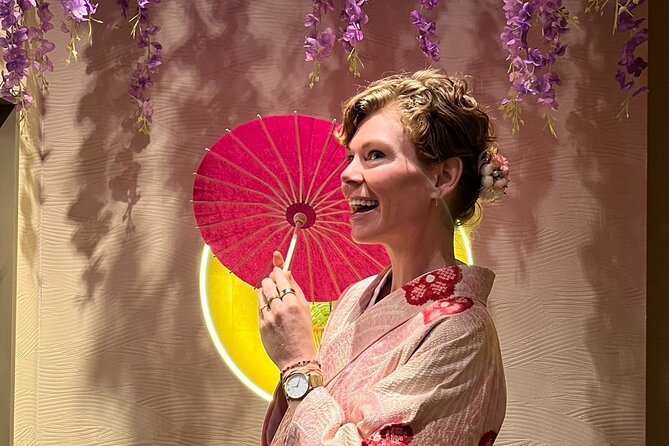
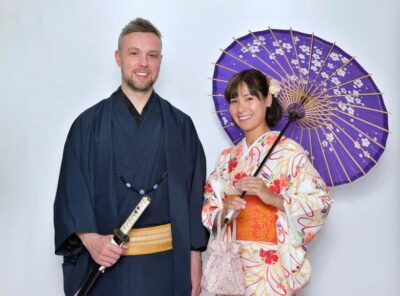
- Choose your own kimono: Select from a broad range of colors and styles, then get help with the layers, sash, and accessories.
- Simple hairstyling included: Staff arrange your hair and add accessories to suit the outfit.
- Practice real calligraphy: Learn basic brush technique and create a piece to take home.
- Prepare matcha yourself: The tea session includes instruction and a chance to make your own bowl.
- Small-group setting: Up to eight people can book, with a more personal feel than a large cultural show.
- Easy central access: The studio is a short walk from Tanimachi 9-chome Station and Osaka Uehommachi Station.
Three Japanese traditions in one quiet Osaka studio
This three-hour experience is designed as a gentle introduction to Japanese culture. You move through three connected activities rather than spending the whole session watching a formal performance. That makes it a good fit if you want context, participation, and photographs in one booking.
The setting is a peaceful studio in downtown Osaka. It is not a historic temple or a grand tea school, so you should book it for personal instruction rather than an elaborate old-world setting. The modern studio is clean and spacious, with separate areas for the activities.
The guides speak English, Japanese, and Chinese. Names that appear often in the experience include Meiji, Mika, Nokko, Nikki, Miko, and Suzu. Your exact guide depends on the session, but the format is built around patient explanation and plenty of time for questions.
The activity costs $96 per person. That is not the cheapest way to put on a kimono in Japan, but it covers three hours of instruction, kimono dressing, simple hair styling, tea, sweets, calligraphy materials, and a handmade keepsake. If you tried to arrange these elements separately, you would likely spend more time and money coordinating them.
Finding the studio near Tanimachi 9-chome
The meeting point is close to two useful stations. From Tanimachi 9-chome Station on the Osaka Metro, use Exit 11 and walk straight for about three minutes. A Lawson convenience store helps confirm that you are going the right way.
Continue to a building with the MixyHearts beauty salon on the first floor. Enter the building and take the stairs to the second floor. The salon is the key landmark, since the entrance itself may not be clearly labeled.
From Osaka Uehommachi Station on the Kintetsu Line, leave through the East Exit and walk left for about seven minutes. Look for the same MixyHearts salon on the ground floor, then enter and go upstairs.
Give yourself a few extra minutes. One person found the entrance difficult to locate, while another noted that a kimono displayed outside helped identify the spot. A phone map is useful, but look for the salon rather than expecting a large tour sign.
Transportation is not included, and there is no pickup or drop-off. The central location makes this easy to add before or after sightseeing in southern Osaka, but you arrange your own train fare and route.
More Kimono Tea Ceremonies in Osaka:
- Premium Kimono Dressing, Tea Ceremony, Calligraphy, Samurai show
★ 5.0 · 18 reviews - Osaka: Tea Ceremony, Calligraphy, and Kimono Experience
★ 5.0 · 6 reviews - Sheraton Miyako Hotel Osaka: Tea Ceremony with Kimono Rental
★ 5.0 · 2 reviews
Choosing a kimono and getting dressed
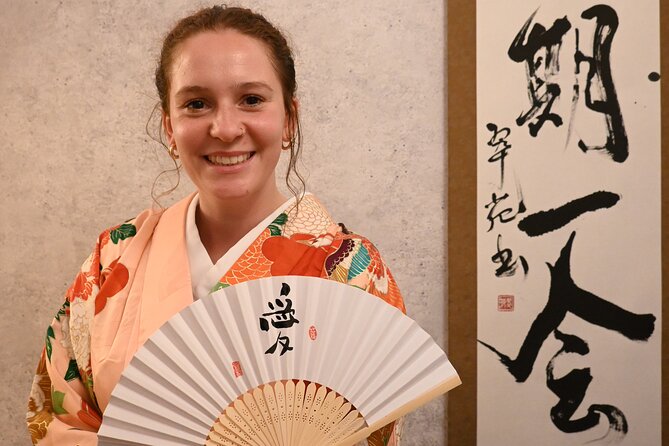
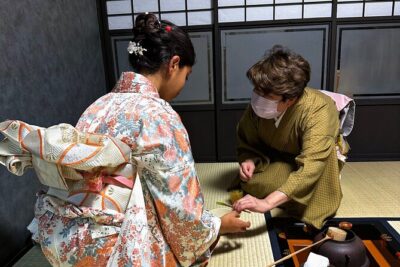
The session begins with the most visual part: selecting a kimono. You can choose from many colors and styles, with help from the staff as you compare the garments, obi, scarves, and finishing touches.
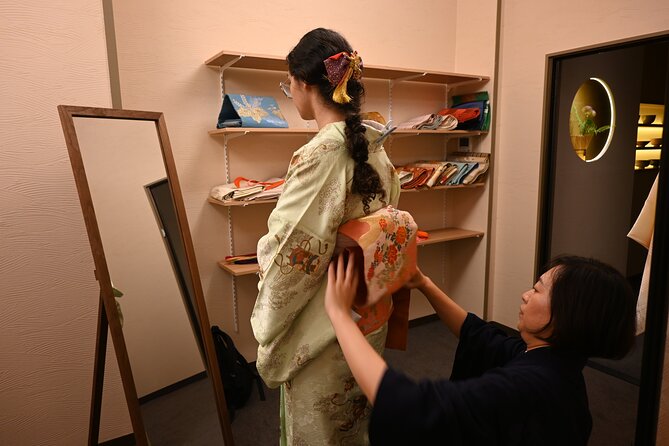
The staff handle the dressing, which matters because a kimono is not just one robe tied around the waist. You will be fitted with several layers and carefully arranged accessories. The process takes time, but that is part of the point. It helps you understand why the clothing feels formal and structured.
Simple hairstyling is included. The staff create a style that suits the kimono and add ornaments where appropriate. This is a basic arrangement, not a full salon appointment, and extra hairstyling or makeup costs more if available.
This part works well for couples, parents and children, and friends who want photographs together. It also suits solo visitors. One solo participant felt welcomed immediately, and the staff can take photos for you during the session. Bring a little patience, since careful dressing is not a quick costume change.
Size and comfort deserve a practical note. One participant wearing a US size 16/18 was helped to find a kimono with enough length and felt comfortable throughout the fitting. The staff were also praised for being considerate with braided hair. Still, clothing selection can vary by day, so contact the provider if you have particular sizing or styling needs.
The kimono is included in the price, but you do not keep it. Your calligraphy work is the lasting souvenir.
Calligraphy with a brush and a keepsake
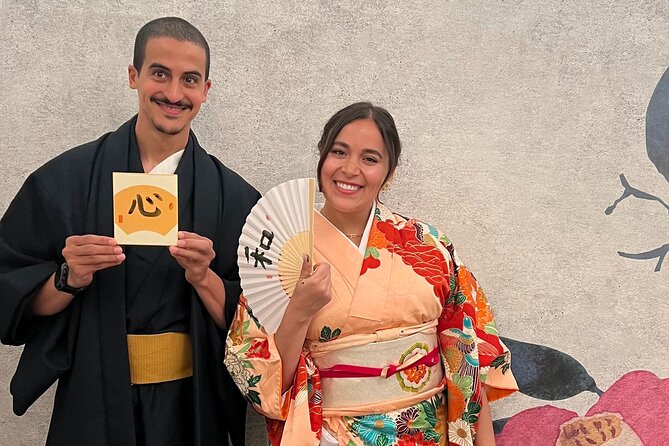
The calligraphy class follows the dressing and gives you a chance to sit down and concentrate. The instructor explains the basics of Japanese characters and brush handling, then guides you through the movements step by step.
You are not expected to have artistic skill. The lesson is aimed at beginners, and the instructor demonstrates the strokes before you try them. The brush can feel less predictable than a pen, so the early practice sheets are useful. You can focus on pressure, direction, and rhythm instead of worrying about making a perfect character immediately.
Several people found calligraphy to be the unexpected highlight. It has a quiet, almost meditative pace, especially after the lively kimono selection. The lesson is also interactive rather than a demonstration from across the room.
You create a finished calligraphy piece to take home. This is one of the strongest values in the booking. A photo of yourself in a kimono is nice, but your own brushwork gives you a physical reminder of the activity. Do not expect museum-quality lettering after one short lesson. The value is in learning the process and leaving with something you made.
The activity can adjust to different ages and confidence levels. Children old enough to handle a brush may enjoy it, and adults who think they are not artistic can still follow the examples. Children under two are not accepted, and babies under one are specifically listed as unsuitable.
Tea, sweets, and the meaning behind the ritual
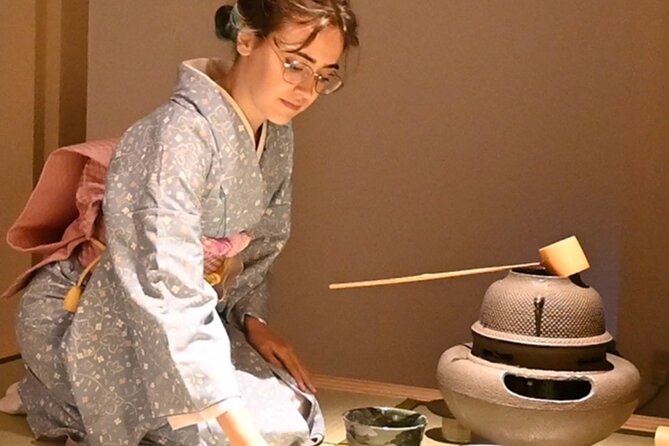
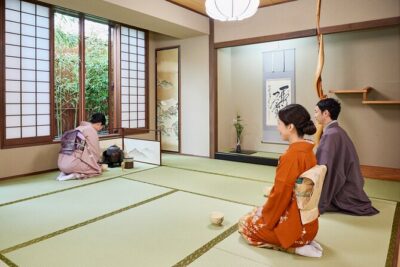
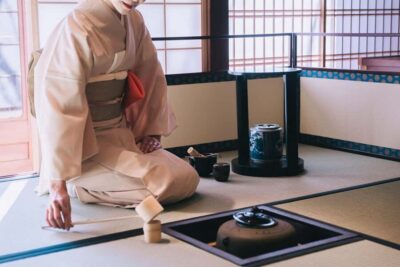
The tea ceremony is the final section and gives the session its calm finish. Your guide explains the origins, etiquette, tools, and ideas behind the ceremony before showing you the correct movements.
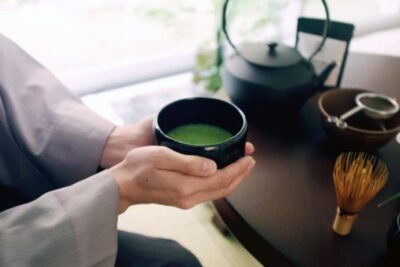
This is more than drinking a cup of green tea. You learn how the bowl is handled, how the tea is prepared, and why the sequence matters. You also have a chance to make matcha yourself, a detail that is easy to miss when comparing similar activities.
Sweets are included and are served with the tea. The small sweet helps balance the bitterness of matcha and gives you a taste of the relationship between tea and seasonal presentation. Additional food and drinks are not included, so do not treat this as a meal.
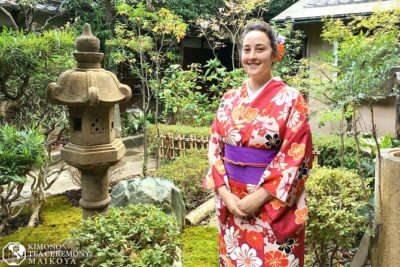
The tea room setting may include a small outdoor garden, depending on the room used for your session. That detail adds a pleasant visual pause, but the core experience is the instruction and participation rather than a grand garden visit.
The ceremony requires some attention to manners and movement. If you want a quick photo opportunity with tea, this may feel too slow. If you like learning why an everyday object is used in a particular way, the slower pace is a strength.
The guides are consistently described as patient and encouraging. Meiji is especially associated with careful kimono help and calm explanations, while Mika is praised for making the session friendly and easy to follow. Nokko has been appreciated for patient calligraphy instruction and clear guidance through the tea portion.
More Tea and Calligraphy Classes in Osaka:
- Osaka: Private Tea Ceremony and Calligraphy Experience
★ 5.0 · 50 reviews - Samurai dress-up and shows, plus Tea Ceremony & Calligraphy
★ 5.0 · 27 reviews - Tea and Calligraphy Session at a Table in Osaka
★ 5.0 · 4 reviews - Osaka: Castle, Tea Ceremony, Calligraphy, and Samurai Armor!
★ 5.0 · 4 reviews
What the three-hour schedule feels like
The order generally moves from standing and choosing clothes, to seated calligraphy, then to the tea ceremony. That progression works well. You begin with color and movement, settle into focused brushwork, and end with a quieter ritual.
The session does not appear to be built around a strict rush from one activity to the next. You have time to ask questions and take photographs, though exact pacing depends on group size and the number of people being dressed.
The group limit is eight. That is small enough for individual help, but eight people can still feel busy during kimono selection and photos. A group of seven has been split between rooms during calligraphy and tea because the rooms hold about five people. If you are booking for a large family or friend group, keep this in mind.
For two people or a small family, the private feel is stronger. Couples can help photograph one another and share the tea lesson. Parents and teenagers get a useful mix of dressing up and learning, without needing to commit to a full day of formal cultural instruction.
Who gets the best value from this activity
I would choose this experience if you want several cultural activities in one booking and prefer instruction to sightseeing from a distance. It is especially useful during a short Osaka stay, when separate appointments would eat up too much time.
It suits:
- First-time visitors to Japan who want an introduction to tea, clothing, and calligraphy.
- Couples looking for a shared activity that produces photographs and a keepsake.
- Families with older children and teenagers.
- Solo visitors who want guided participation without feeling left out.
- Anyone curious about Japanese customs but unsure where to begin.
- Small groups that value personal attention.
It is less suitable if your main goal is a formal tea school, a historic building, or an extended kimono photography session. The studio is modern, the hair styling is simple, and the tea ceremony is an introduction rather than advanced training.
The experience is also not a food tour. Sweets are provided, but extra food and drinks are not. Wear something comfortable underneath your clothes, since the kimono fitting involves several layers and careful adjustment. The supplied details do not state a dress code, so avoid assuming that a special outfit is required.
Is $96 a fair price in Osaka?
At $96, I see this as a good-value cultural package for the right person. You receive a kimono costume, simple hairstyling, calligraphy instruction and materials, a tea ceremony, sweets, and three hours of guided time.
The price is easier to justify if you plan to use the calligraphy piece as a souvenir and want staff to handle the dressing. It also saves you from arranging a kimono rental, a calligraphy class, and a tea ceremony on separate days.
The value drops if you only want to wear a kimono for quick photos. In that case, a shorter rental may be cheaper. It also may not suit you if you dislike structured rituals or prefer to explore Osaka independently.
Free cancellation is available up to 24 hours before the activity for a full refund. You can also reserve now and pay later, which helps if your Osaka schedule is still changing. Starting times vary, so check availability before planning other fixed activities around it.
Should you book the kimono, calligraphy, and tea experience?
I would book it if you want a friendly, beginner-level introduction to several Japanese traditions in one morning or afternoon. The strongest parts are the careful dressing, the chance to make matcha, and the calligraphy piece you take home.
Choose a smaller booking when possible if you want the most personal attention. For a family or group of up to eight, expect some movement between rooms, especially if more than five people are attending.
I would skip it only if you are seeking a formal tea ceremony in a historic temple or a full professional hair and makeup session. For everyone else, the $96 price buys a well-rounded cultural activity with clear participation, useful explanations, and a souvenir you actually made.
FAQ
How long does the Osaka cultural experience last?
The activity lasts three hours.
How much does the experience cost?
The listed price is $96 per person.
What activities are included?
The booking includes kimono dressing, simple hairstyling, Japanese calligraphy, a tea ceremony, and sweets.
Can I choose my own kimono?
Yes. You can choose from a selection of kimono styles, colors, and related accessories, with help from the staff.
Do I get to make matcha?
Yes. The tea ceremony includes instruction and an opportunity to prepare your own matcha.
Do I receive a souvenir?
Yes. You create a calligraphy piece during the class and can take it home.
Where is the meeting point?
The studio is near Tanimachi 9-chome Station on the Osaka Metro and Osaka Uehommachi Station on the Kintetsu Line. Look for the MixyHearts beauty salon on the first floor, then go upstairs.
What languages are available?
The experience is offered in English, Japanese, and Chinese.
How many people can join?
The small group is limited to eight participants. Some rooms may hold about five people, so larger bookings may split during part of the session.
Can I cancel for a refund?
You can cancel up to 24 hours in advance for a full refund. Reserve now and pay later is also available.
More Tea Ceremony Experiences in Osaka
- Osaka: Tea Ceremony Experience
★ 4.9 · 1,426 reviews - Tea Ceremony Experience in Osaka Doutonbori
★ 5.0 · 754 reviews - Osaka: Japanese Traditional Sweets Making and Tea Ceremony
★ 4.7 · 118 reviews - Samurai Show, Tea Ceremony, Japanese Traditional Activities
★ 5.0 · 56 reviews
Just added around Osaka
- Osaka: Tea Ceremony, Calligraphy, and Kimono Experience★ 5.0 · 6 reviews
- Osaka: Nara, Todaiji, Uji Matcha, and Hot Spring Tour★ 4.0 · 7 reviews
- Nara Deer Park, Uji Matcha, & Hot Spring Full-Day Tour from Osaka★ 4.0 · 21 reviews
- Osaka:Zen Tea Ceremony and Foot Bath Experience<45min>★ 5.0 · 7 reviews
- Premium Kimono Dressing, Tea Ceremony, Calligraphy, Samurai show★ 5.0 · 18 reviews
- Osaka Japanese Cooking And Matcha Class near Osaka Castle★ 5.0 · 22 reviews
- Discover Japanese Tea Blending Techniques in Osaka★ 5.0 · 19 reviews
- ZEN therapy | Shiatsu-style massage, EnergyTherapy & Japanese Tea★ 5.0 · 5 reviews
Kimono & Tea Ceremonies, compared.
KYOTO Tea Ceremony with kimono near by Imamiya Jinjya Shrine
Read our review →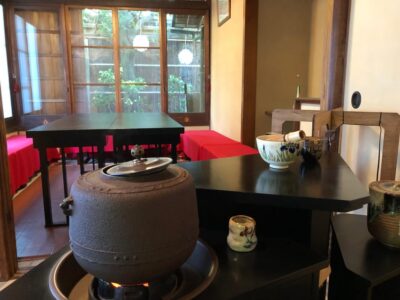
Kimono and Tea Ceremony Experience at Cultural Asset
Read our review →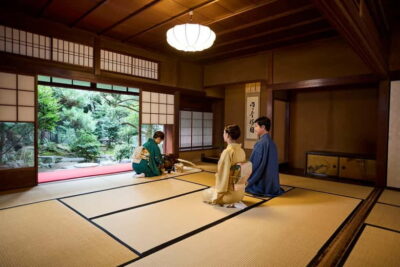
Browse the lists this tour appears in