
Review · OSAKA
Osaka: Private Tea Ceremony Experience
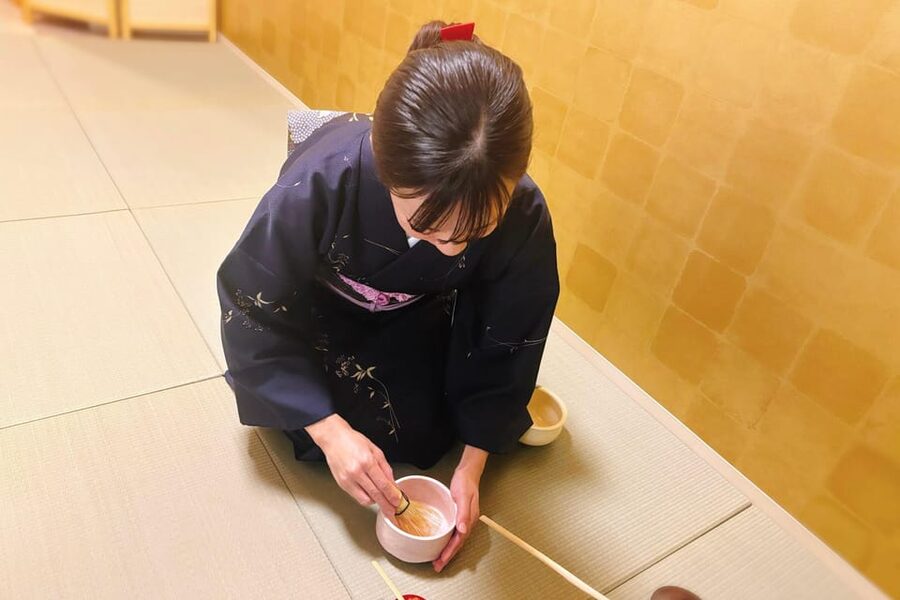
The best part of this Osaka activity is that you do not only watch tea being made. You prepare your own matcha, choose a tea bowl that fits your mood, and taste Japanese sweets along the way. The private format keeps the room calm and lets your instructor adjust the pace, take photos, or slow things down for children.
I like two things in particular: the one-hour length, which fits neatly into a day around Namba, and the personal attention for each group. The setting is also practical, only about 30 seconds west of New Osaka Hotel Shinsaibashi. The main drawback is that the activity is not suitable for wheelchair users, and you need to bring socks.
Key points to know
- Private from start to finish: Your group receives its own instructor, with time for questions, photos, and pacing requests.
- You make the matcha yourself: The lesson moves from demonstration to hands-on preparation.
- Two rounds of Japanese sweets: Sweets are served during the ceremony, giving you more than one chance to try local flavors.
- Choose your own tea bowl: Several bowls are available, so you can select one that matches how you feel that day.
- Easy Namba location: The meeting point is near Shinsaibashi shopping street and New Osaka Hotel Shinsaibashi.
- English guidance is available: The instructor can lead the activity in Japanese or English.
A quiet hour in the middle of Namba
Namba is one of Osaka’s busiest areas, with shopping streets, restaurants, neon, and a steady stream of people. This tea ceremony offers a useful change of pace. For one hour, you can sit down, focus on a few careful movements, and learn why matcha is prepared in a particular way.
That contrast is part of the appeal. You do not need to leave central Osaka or spend half a day reaching a remote tea house. The studio is close to Shinsaibashi-suji shopping street, so you can pair the ceremony with shopping, lunch, or a walk through Namba.
The private setup matters here. Instead of keeping up with a large class, you can ask for extra explanation, pause for photos, or request a slower pace for a child. You can also tell the instructor if you want plenty of pictures during the activity. That freedom makes the experience feel more personal than a standard demonstration.
More Tea Ceremony Experiences in Osaka:
- Osaka: Tea Ceremony Experience
★ 4.9 · 1,426 reviews - Tea Ceremony Experience in Osaka Doutonbori
★ 5.0 · 754 reviews - Osaka: Tea Ceremony, Calligraphy, and Kimono Experience
★ 4.9 · 130 reviews
Finding the meeting point near New Osaka Hotel Shinsaibashi
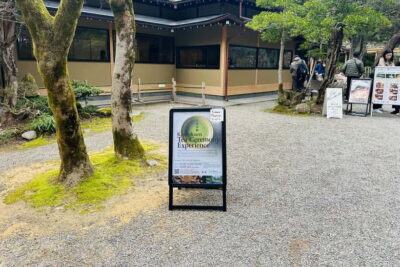
The meeting instructions are specific, but you should still arrive with a few minutes to spare. Go to the entrance of New Osaka Hotel Shinsaibashi, then walk west for about 30 seconds. Look for a blue vending machine near the entrance.
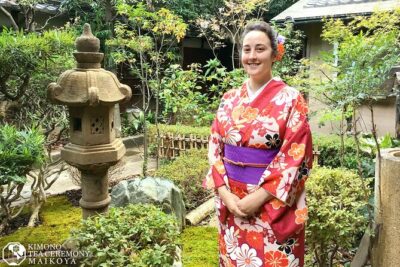
Your instructor will wait outside the building, in front of the main entrance, five minutes before your scheduled time. The kimono makes the meeting fairly easy to spot, but do not arrive at the studio first and assume someone will find you. Use the hotel entrance and vending machine as your reference points.
The central location is one of the strongest practical features. You are not committing to a long transfer for a one-hour activity. If you are staying around Namba or Shinsaibashi, this can fit before dinner or between sightseeing stops.
Bring socks. Shoes are not listed as a problem, but socks are specifically required. Smoking is not allowed during the activity.
Learning the tea ceremony step by step
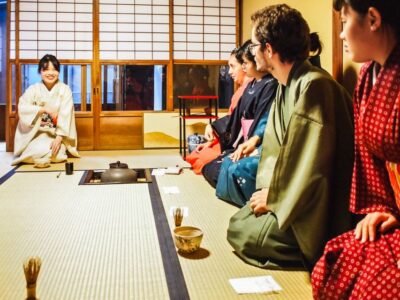
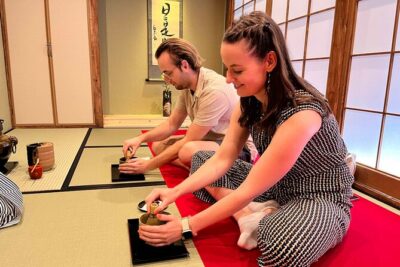
The session begins with instruction on how to make matcha. Your instructor guides you through the process before asking you to try it yourself. That order is helpful for beginners because you can first watch the movements without worrying about getting them right.
The lesson is not presented as a test. If you have never tasted matcha or taken part in a Japanese tea ceremony, the instructor is there to explain the steps and keep the pace comfortable. Guidance is available in Japanese and English.
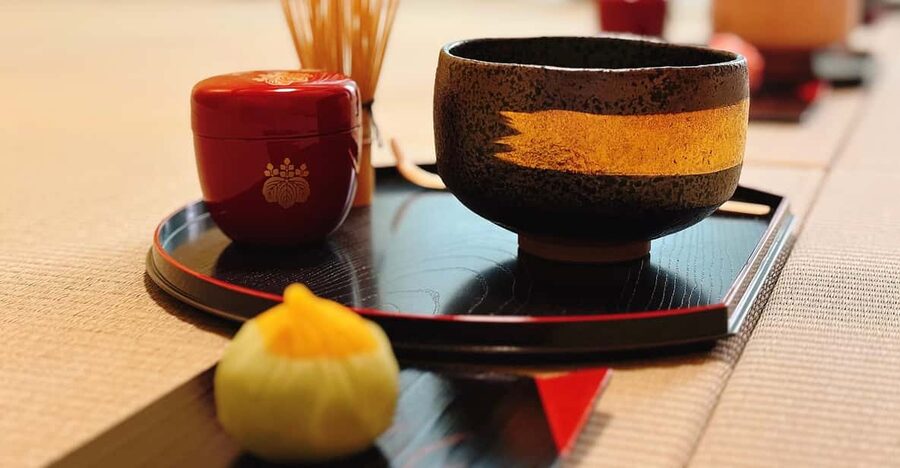
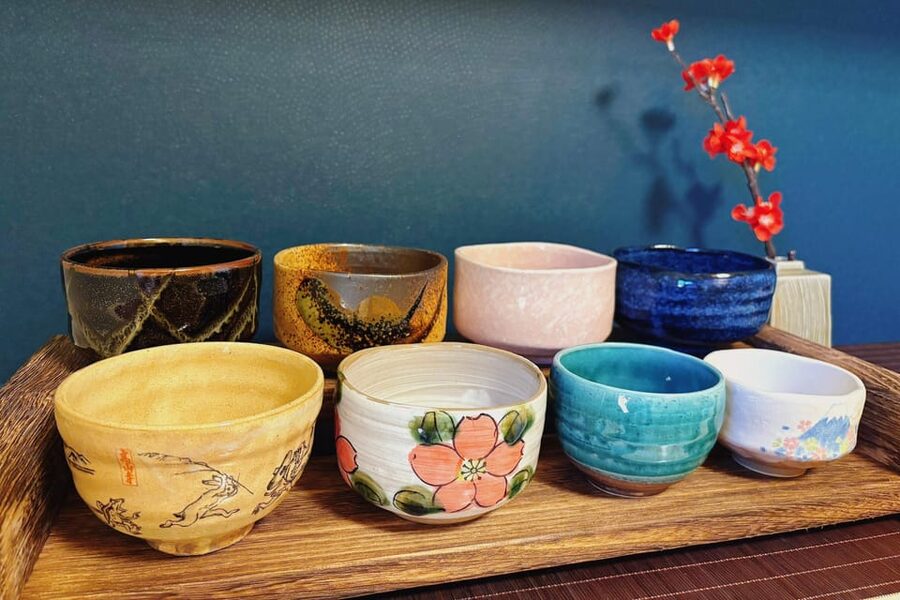
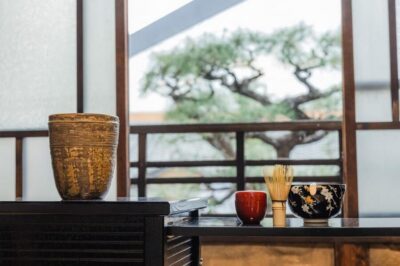
The ceremony also gives you a small look at the care built into Japanese tea culture. The tea bowl is not just a cup selected at random. You can choose from several bowls and pick the one that expresses your feelings that day. It is a simple choice, but it gives you a personal role before you even prepare the tea.
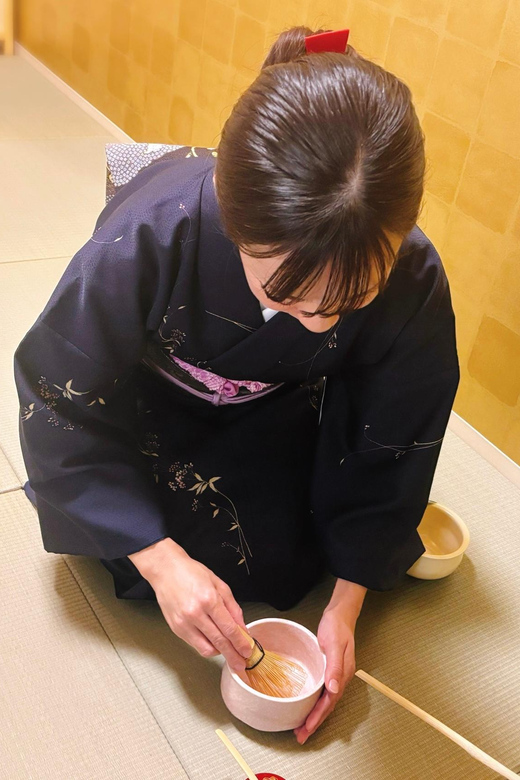
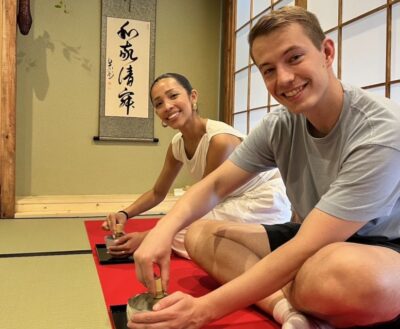
Once the demonstration is complete, you make your own matcha. This hands-on part is the reason I would choose this activity over a ceremony where you only sit and watch. You remember the process better when you have handled the bowl and prepared the drink yourself.
Choosing a bowl and making your own matcha
The tea bowl choice adds a quiet moment to the session. You may prefer one because of its shape, color, or general feel. The activity does not require you to know anything about pottery, so you can simply choose the bowl that appeals to you.
Then comes the practical part: making matcha. Your instructor explains what to do, and you follow along under close guidance. The private format means you can ask for the steps again if needed, rather than trying to copy a demonstration from the back of a crowded room.
I especially like this structure for families. One child may move quickly while another needs more time. The experience can be adjusted to match a child’s pace, and the instructor can focus on your group rather than a fixed class schedule.
The activity does not promise an advanced lesson in tea ceremony etiquette, pottery, or Japanese history. It is a short introduction with a practical result: you learn the basic preparation and drink the matcha you made. That makes it approachable, but you should not book it expecting a long formal ceremony.
More Private Experiences in Osaka:
- Osaka: Private Tea Ceremony and Calligraphy Experience
★ 5.0 · 50 reviews - Private Abu Dhabi Sheikh zayed mosque with Louver Museum & Emirates Place Tea
★ 5.0 · 173 reviews - Private Tea Ceremony and Sake Tasting in Kyoto Samurai House
★ 5.0 · 163 reviews - Tea Ceremony Experience in a Private Tea Room in Shibuya
★ 4.9 · 125 reviews
Japanese sweets served twice
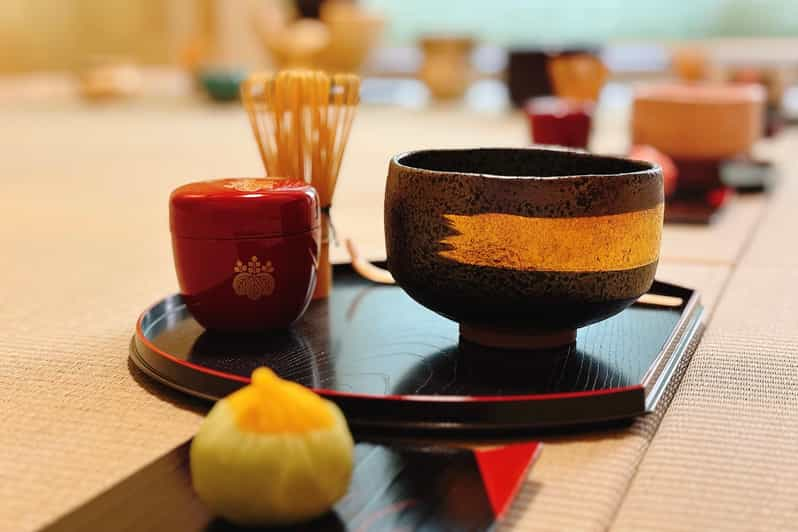
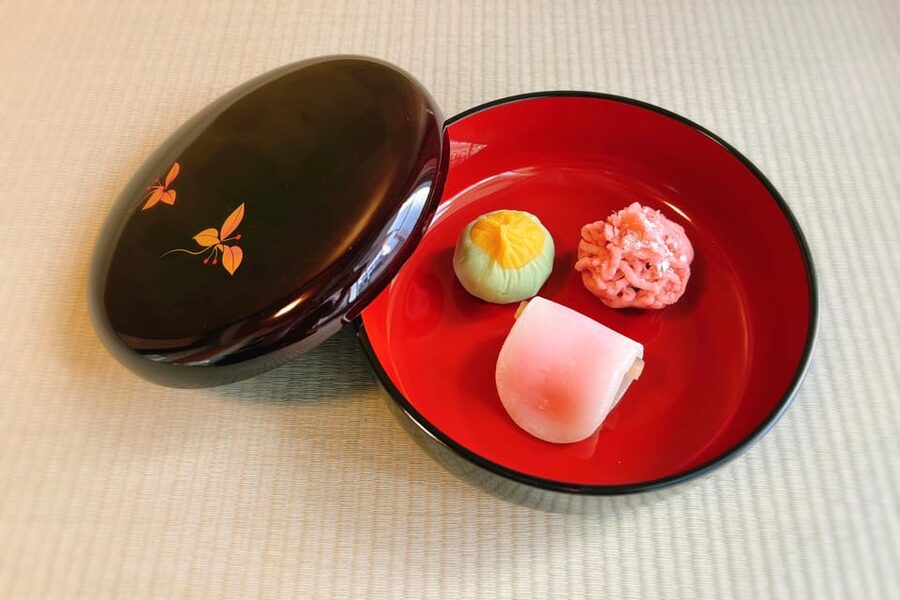
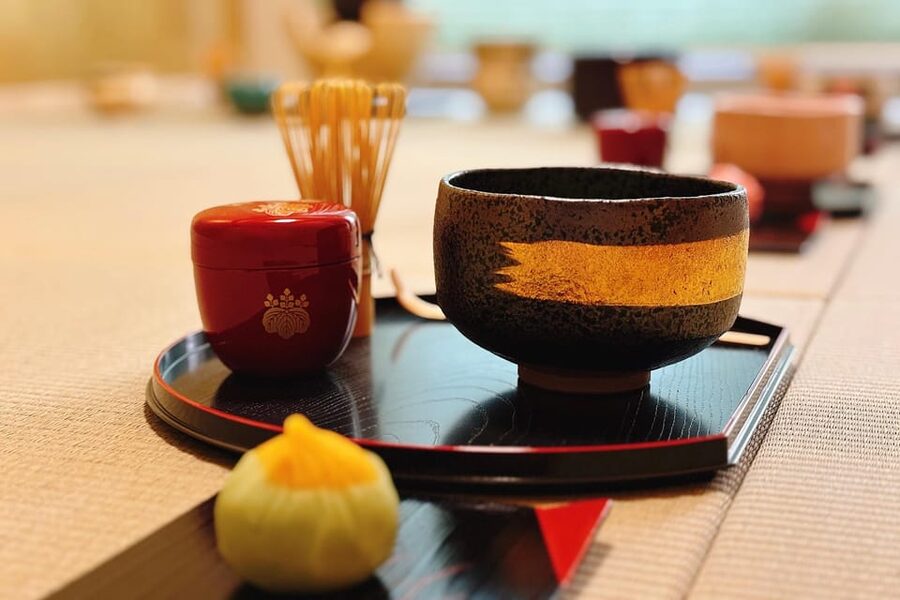
Matcha is traditionally paired with sweets, and this experience includes different types of Japanese sweets twice during the ceremony. The sweets help balance the strong, grassy flavor of the tea and give you another part of Japanese food culture to notice.
The supplied details do not name the exact sweets, so you should not expect a fixed menu. The descriptions refer to various Japanese sweets, and the available selection may change. One German visitor specifically praised the sweets and cookies, so this is not an afterthought in the experience.
The two servings also help break up the lesson. You have something to taste while learning, then another chance to enjoy a sweet after making your own tea. If you are new to matcha, this pairing may make the flavor easier to appreciate.
Still, food is not the main reason to book. If you want a full Japanese dessert tasting, this is probably too short. Think of the sweets as a well-chosen part of a tea lesson, not a separate food tour.
Why the private format changes the experience
A private group arrangement is more than a label here. You can request photos, ask the instructor to proceed slowly, and make adjustments based on your group. That is useful if you are traveling with young children, older relatives, or anyone who prefers a gentle pace.
It also gives you room to concentrate. Tea preparation includes small movements, and you may want to watch your instructor before trying them yourself. In a private setting, you do not have to worry about holding up a large class.
The private format can be valuable for couples and small groups, too. You have more freedom to ask questions about the tea, bowls, or sweets. The instructor closely attends all participants, rather than splitting attention among a large room.
There is a tradeoff. A private one-hour session can feel more focused than a long cultural workshop, but it may offer less social energy. If you enjoy meeting other people during group activities, this is not designed for that. The quiet, personal setting is the point.
A good match for families and first-time visitors
The activity received a 5 rating from four reviews, with praise focused on its peaceful mood, clear explanations, family-friendly pace, and chance to prepare the tea yourself. A family of four found the length and format well suited to them. That lines up with the practical strengths of the session.
I would recommend it to families who want a cultural activity without a full-day commitment. One hour is long enough to feel worthwhile, but short enough that children are less likely to lose patience. The instructor can adjust the pace, which is more useful than a strict schedule.
It also suits first-time visitors to Japan. You do not need previous knowledge of tea ceremony customs. The instructor shows you what to do, and you receive matcha and sweets as part of the experience.
Couples and small adult groups can enjoy it as a quiet break from Osaka’s busy streets. It may also work well for people who want photographs in a kimono-focused setting, since photo requests are welcome and the private group allows more flexibility.
I would be more cautious about booking it for someone with limited mobility. The activity is specifically listed as unsuitable for wheelchair users. If accessibility is important for your group, contact the provider before booking rather than assuming the studio can accommodate you.
What $38 buys you in Osaka
At $38 per person, the price includes the instructor, all fees and taxes, matcha, various Japanese sweets, and the matcha-making experience. You are paying for more than a cup of tea. The cost covers a private lesson with personal attention, which is the main value.
The price looks sensible if you want a structured cultural activity in central Osaka. You do not need to add a long journey, and the one-hour timing makes it easy to fit around other plans. The private format also means your group is not paying for a short seat in a large presentation.
Value depends on what you want from the experience. If your goal is simply to drink matcha, $38 may feel high. You can find tea and sweets elsewhere for less. If you want to learn the preparation, make the tea yourself, choose a bowl, and receive guidance in a private setting, the price is easier to justify.
The sweets and all fees being included also make the cost clear at booking. There is no separate charge listed for the instructor or tea-making lesson.
Timing, cancellation, and small practical details
The activity lasts one hour, with starting times based on availability. You should arrive at the hotel entrance five minutes before your booking time, not at the last second. The location is central, but Osaka’s streets and station areas can still take longer to navigate than expected.
You can cancel up to 24 hours in advance for a full refund. The reserve-now, pay-later option also keeps your plans flexible, since you do not have to pay at the time of booking.
The activity is private, and the schedule can be arranged according to your request. That does not mean every part can be changed without limit, but it does allow you to ask for a slower pace, more photos, or adjustments that help your group enjoy the session.
The instructor speaks Japanese and English. If your group needs repeated explanations, tell the instructor early. The private format is best used by asking for the pace and photo style you want.
Tea ceremony or tea ceremony plus calligraphy?
This plan includes the tea ceremony and matcha-making lesson only. Japanese calligraphy is not included. If you want both activities, you need to reserve the separate Osaka Private Tea Ceremony and Calligraphy Experiences plan.
That distinction matters when comparing options. The one-hour tea plan keeps the session focused and easier to fit into a crowded Osaka schedule. The tea and calligraphy option may suit you better if you want a broader introduction to traditional Japanese arts, but it is a different booking.
For this experience, the strongest focus is tea: selecting a bowl, learning the preparation, making your own matcha, and pairing it with sweets. Do not book it expecting calligraphy to be added on the day.
Should you book this private Osaka tea ceremony?
I would book this activity if you want a short, calm cultural experience in the Namba area, especially if you are traveling with family or trying matcha for the first time. The private setting, English guidance, flexible pace, and hands-on preparation give the hour real purpose.
I would skip it if you want a formal, lengthy tea ceremony, a large dessert tasting, or an accessible activity for wheelchair users. For everyone else, $38 is a fair price for a personal lesson that lets you do more than watch.
Bring socks, arrive at the hotel entrance five minutes early, and tell the instructor how much help, time, and photography your group wants. Those small choices will help you get the most from this peaceful hour in central Osaka.
FAQ
How long does the Osaka private tea ceremony last?
The activity lasts one hour.
How much does the experience cost?
The listed price is $38 per person.
Is the tea ceremony private?
Yes. The experience is for a private group, with an instructor attending your participants closely.
Can I make my own matcha?
Yes. The instructor first teaches you how to make the tea, then you try preparing your own matcha.
Are Japanese sweets included?
Yes. Matcha and various Japanese sweets are included, with different sweets enjoyed twice during the ceremony.
Can I choose a tea bowl?
Yes. You can choose from several tea bowls and select one that expresses your feelings that day.
Is the activity available in English?
Yes. The instructor can provide guidance in Japanese or English.
Where do I meet the instructor?
Meet outside the main entrance of New Osaka Hotel Shinsaibashi. Walk west for about 30 seconds and look for a blue vending machine near the entrance.
What should I bring?
You should bring socks.
Is Japanese calligraphy included?
No. Calligraphy is not included in this plan. You need to reserve the separate tea ceremony and calligraphy plan if you want both activities.
Just added around Osaka
- Osaka: Tea Ceremony, Calligraphy, and Kimono Experience★ 5.0 · 6 reviews
- Osaka: Nara, Todaiji, Uji Matcha, and Hot Spring Tour★ 4.0 · 7 reviews
- Nara Deer Park, Uji Matcha, & Hot Spring Full-Day Tour from Osaka★ 4.0 · 21 reviews
- Osaka:Zen Tea Ceremony and Foot Bath Experience<45min>★ 5.0 · 7 reviews
- Premium Kimono Dressing, Tea Ceremony, Calligraphy, Samurai show★ 5.0 · 18 reviews
- Osaka Japanese Cooking And Matcha Class near Osaka Castle★ 5.0 · 22 reviews
- ZEN therapy | Shiatsu-style massage, EnergyTherapy & Japanese Tea★ 5.0 · 5 reviews
- Discover Japanese Tea Blending Techniques in Osaka★ 5.0 · 19 reviews
Tea Ceremony Experiences, compared.
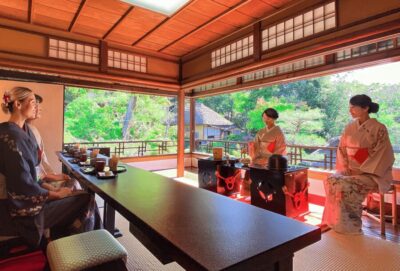
Tea Ceremony in a Traditional Tea House in Kiyomizu
Read our review →
Browse the lists this tour appears in