
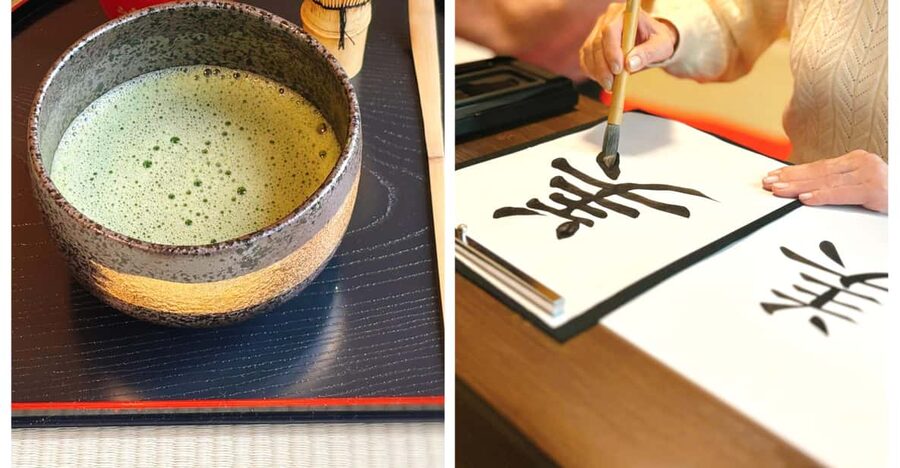
Review · OSAKA
Osaka: Private Tea Ceremony and Calligraphy Experience
The clever part of this Osaka experience is the pairing: you learn how to make matcha, then create a piece of Japanese calligraphy to take home. It gives you both a quiet cultural ritual and a hands-on souvenir, rather than another quick photo stop.
I like the private format, which lets Wanoma adjust the pace, answer your questions, and take photos without holding up a group. I also like the personal touch of turning your name or a chosen idea into kanji based on your personality. The main consideration is that this is a seated, traditional-style activity, so it is not suitable for wheelchair users, and you need to bring socks.
Key points to know before booking
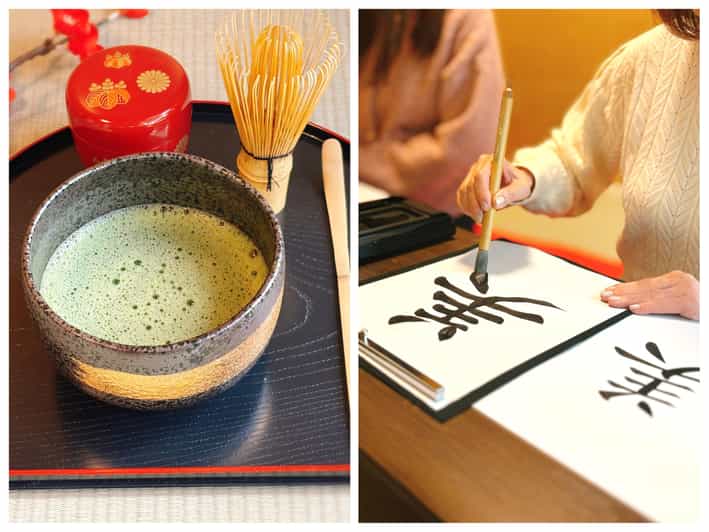
- Your name becomes a personal kanji design: Wanoma can suggest Japanese characters that fit your name, interests, or personality.
- You make your own matcha: You first watch the tea preparation, then whisk your own bowl.
- Sweets are served twice: Expect several Japanese sweets during the tea portion, with seasonal meaning explained along the way.
- The class is fully private: You can request extra photos, a slower pace for children, or adjustments to suit your group.
- Your artwork goes home with you: Choose colored paper, write your character, add your name, and stamp your initials.
- The studio is in central Namba: It is an easy walk from the Shinsaibashi-suji shopping area.
A quiet cultural break in central Osaka
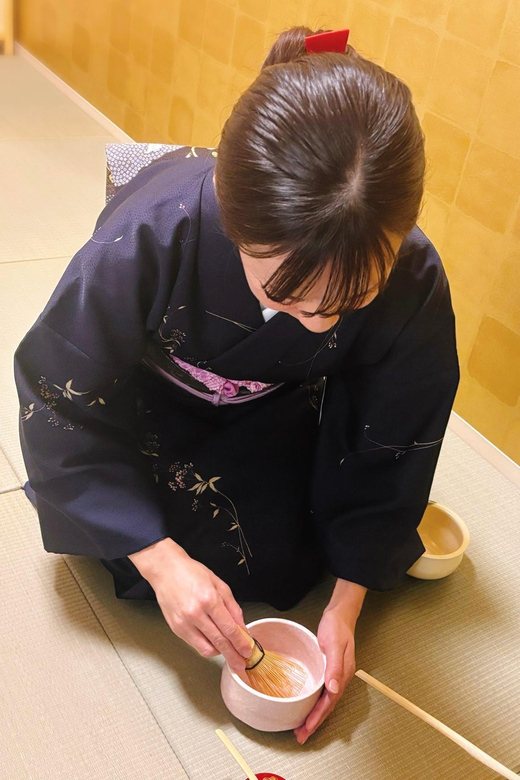
Osaka is famous for food, neon streets, and late-night energy. This activity offers a useful change of pace. At the WA NO MA studio, you spend 135 minutes learning two traditional Japanese arts in a private setting, with an instructor who stays with your group throughout.
The experience is led by Wanoma, who teaches in English and Japanese. The teaching style is friendly and patient. That matters here because both tea ceremony and calligraphy have small details that can feel intimidating if you are simply told to copy someone.
I like the balance of explanation and participation. You are not only watching a formal tea performance. You learn why certain actions matter, handle the tools, make your own matcha, and practice brush strokes before producing your final artwork.
The private setup is especially useful for families and mixed-age groups. A 10-year-old and a teenager with ADHD were able to stay engaged during the class, thanks to the clear explanations and relaxed pace. For younger children, water calligraphy is available, which avoids dirtying hands and clothes.
More Tea and Calligraphy Classes in Osaka:
- Osaka: Tea Ceremony, Calligraphy, and Kimono Experience
★ 4.9 · 130 reviews - Samurai dress-up and shows, plus Tea Ceremony & Calligraphy
★ 5.0 · 27 reviews - Premium Kimono Dressing, Tea Ceremony, Calligraphy, Samurai show
★ 5.0 · 18 reviews
Finding the WA NO MA studio in Namba
The meeting point is outside the main entrance of New Osaka Hotel Shinsaibashi. Walk west for about 30 seconds, and look for a blue vending machine near the entrance. The instructor waits outside five minutes before your scheduled start and wears a kimono, making the meeting point easier to spot.
The studio is in Namba, one of the most useful areas for a sightseeing day in Osaka. You can combine the class with shopping around Shinsaibashi-suji, restaurants in Namba, or an evening walk through the nearby entertainment districts.
The central location is a practical advantage, but do not treat this as a large museum or a formal temple visit. It is a small teaching studio designed for close instruction. If you want grand architecture, a broad historical tour, or a ceremonial performance with many participants, choose something else. If you want to learn by doing, the studio format works well.
Bring socks. Smoking is not allowed, and the activity is not suitable for wheelchair users. The provided information does not list other access details, so contact the provider before booking if your group has specific mobility needs.
Choosing a word before the brush touches paper
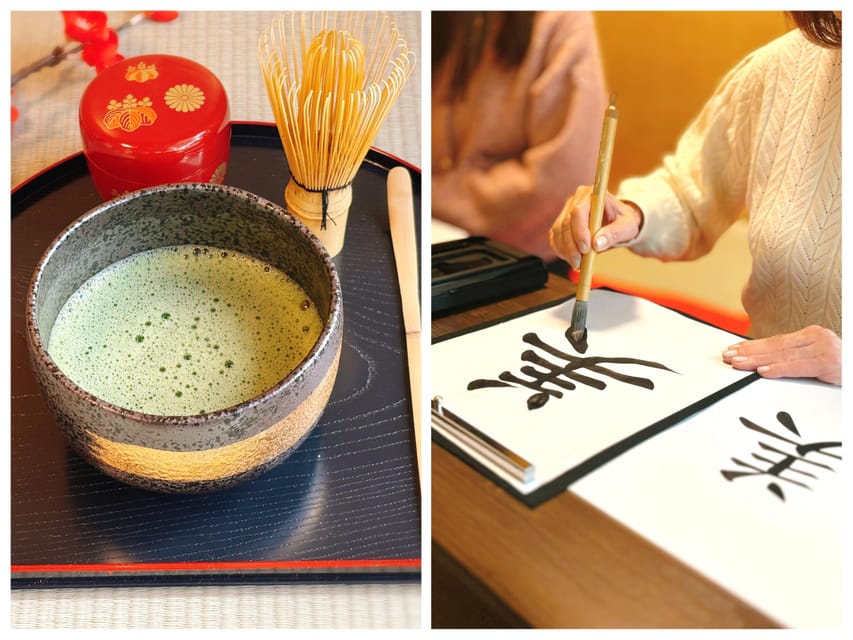
The calligraphy lesson begins with a simple question: what would you like to write? You can bring a favorite word or idea, choose letters you like, or ask Wanoma to suggest kanji that express your personality.
This is more interesting than copying a random character from a menu. Kanji carry meaning, and the choice gives the finished piece a personal connection. The activity can also turn your English name into Japanese characters, an option that several participants found especially memorable.
You do not need to know Japanese. Wanoma helps you choose an appropriate character and explains the basic meaning. Different characters come with different levels of difficulty, so you can select something manageable rather than being handed an overly complex design.
That flexibility makes the lesson suitable for first-time visitors. You might choose a character representing peace, strength, happiness, family, or another personal idea. The important point is that the choice is part of the lesson, not an afterthought.
Learning the brush strokes step by step
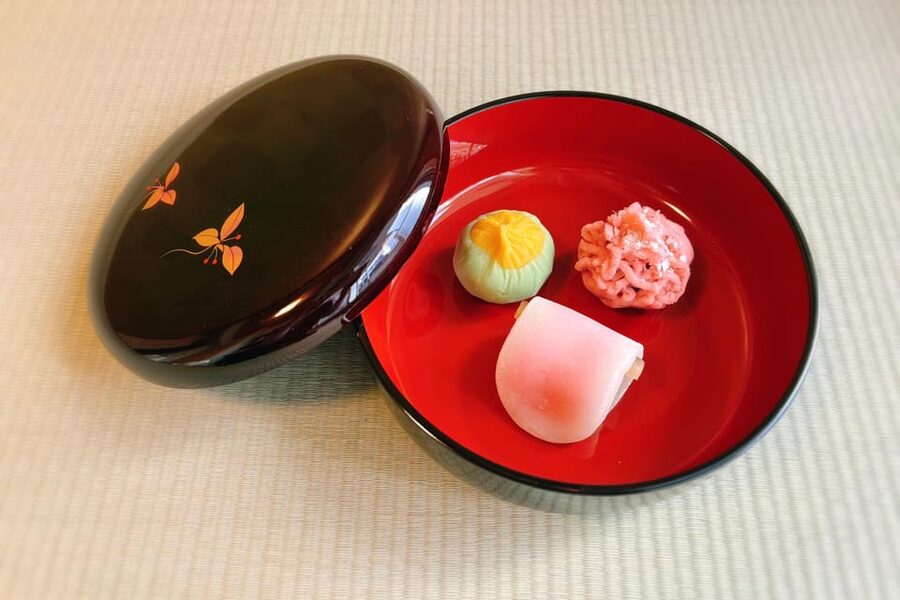
Before you make the final piece, Wanoma explains the basic brush techniques. You practice the order and direction of the strokes, then work toward the selected kanji.
Calligraphy rewards patience. The brush pressure changes the line, and the order of strokes helps the character look balanced. Your first practice attempt may be uneven, which is normal. The instruction is designed to help you understand the movement rather than demand perfect handwriting.
The private lesson has a clear benefit here. Wanoma can watch your hand, correct a stroke, and slow down when needed. In a large class, you might have to follow along from a distance. Here, you can ask why a stroke begins or ends in a particular way.
Once you feel ready, you choose a piece of colored paper from several options. You write your kanji, add your name in Japanese characters, and stamp your initials. The result is a handmade souvenir with a story behind it.
I prefer this kind of souvenir to a shop-bought trinket. It may not be flawless, but it records a real activity you completed in Osaka. You can frame it, place it in a travel journal, or give it to someone at home.
More Tea Ceremony Experiences in Osaka:
- Osaka: Tea Ceremony Experience
★ 4.9 · 1,426 reviews - Tea Ceremony Experience in Osaka Doutonbori
★ 5.0 · 754 reviews - Osaka: Japanese Traditional Sweets Making and Tea Ceremony
★ 4.7 · 118 reviews - Samurai Show, Tea Ceremony, Japanese Traditional Activities
★ 5.0 · 56 reviews
Making matcha instead of only drinking it
The tea portion explains the main steps of a Japanese tea ceremony and gives you a chance to make matcha yourself. You first watch the preparation, then follow the instructor’s directions with your own bowl and whisk.
The lesson also covers how to enjoy the tea properly. You learn to pay attention to the bowl, the presentation, and the taste, rather than treating matcha as a sweet green drink. The pace is calm, and the instructor explains the purpose behind the actions.
You also select a tea bowl that expresses how you feel that day. This is a small detail, but it makes the activity feel personal. Instead of using identical equipment without explanation, you make a choice and receive some context about the objects in front of you.
Making matcha is simple once you see the method, but the first attempt can be awkward. That is part of the fun. Wanoma encourages questions and allows you to laugh at mistakes, which keeps the ceremony welcoming for beginners.
The tea is not described as a full meal. Plan to arrive ready for a cultural lesson with sweets, not lunch. If you are hungry, eat beforehand or arrange a meal afterward in Namba.
Japanese sweets and the meaning of the seasons
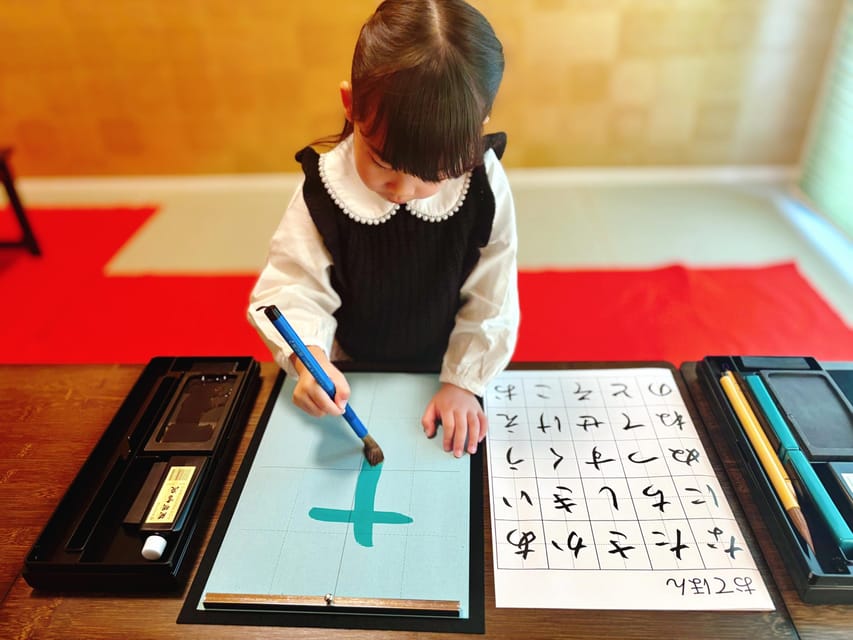
Different Japanese sweets are served during the tea ceremony, and you can enjoy them twice during the experience. Wanoma explains how sweets connect with the seasons, adding useful cultural context to what might otherwise seem like a small snack.
The sweets provide a contrast to the earthy bitterness of matcha. You taste the sweet first, then the tea, and notice how the flavors work together. This gives the ceremony a simple rhythm and makes the tasting more than a decorative pause.
A useful detail for people with dietary concerns is that lactose-free sweets were available for one participant. That does not guarantee every dietary request can be met, so you should tell the provider about restrictions in advance. The available information confirms English and Japanese instruction but does not list a full allergy menu.
The seasonal explanation is one of the best parts for anyone interested in Japanese culture beyond photographs. You begin to see that the sweets are chosen for more than flavor. Their shape, color, and timing can reflect the season or occasion.
Why the private format changes the experience
A private class costs $64 per person and lasts 135 minutes. I judge that as a fair price if you value personal instruction and want to do both activities in one sitting.
You are paying for more than a bowl of tea and a brush demonstration. The fee includes the instructor, all taxes and fees, colored paper for the artwork, matcha, Japanese sweets, and the matcha-making activity. The private format also means the instructor can stay focused on your group.
That last point is the strongest value. You can request many photos, ask for more explanation, or slow the activity down for a child. The schedule can be adjusted according to your request, which is useful for families and small groups with different comfort levels.
The value is less obvious if you only want a short tea tasting. A cheaper or faster activity may suit you better if your schedule is tight. But if you want two connected cultural lessons, a handmade keepsake, and direct help from an instructor, 135 minutes gives the price real weight.
The class has received consistently strong feedback for its calm setting, clear teaching, friendly attitude, and personal attention. The most repeated strengths are not flashy extras. They are patience, good explanations, and the feeling that you are being taught rather than processed through an attraction.
Who will enjoy this Osaka experience most
I would choose this activity for several kinds of visitors:
- First-time visitors to Japan: You get a clear introduction to tea ceremony and calligraphy without needing prior knowledge.
- Couples: Each person can choose a different kanji and create a separate souvenir.
- Families with children: The private pace, water calligraphy option, and ability to request adjustments are helpful.
- Small friend groups: You can share the tea ritual, compare brushwork, and take photos without strangers in the frame.
- Culture-minded shoppers: The class offers a personal object rather than another mass-produced purchase.
- Visitors who need a quieter afternoon: The studio provides a calm break from the busy streets of Osaka.
It may not suit you if you dislike seated cultural activities, have serious mobility restrictions, or want a fast, highly theatrical show. The class asks you to pay attention and take part. That is its strength, but it is also the reason to choose carefully.
How to plan the 135 minutes
The stated program can be arranged to suit your request. The typical plan includes calligraphy instruction followed by the tea ceremony, though the exact flow may be adjusted.
Allow the full 135 minutes. Do not book a train, restaurant, or timed attraction immediately afterward unless you leave a comfortable margin. The meeting point is easy to find, but you still need time to locate the entrance and meet the instructor before the scheduled start.
Wear comfortable clothing that allows you to sit and move your arms freely. Bring socks, as required. Children can use water calligraphy if you want to avoid ink on hands and clothing, but ask for that option when arranging the session.
The class is offered in English and Japanese. If you want extra photos, a slower lesson, or a particular focus on your name, tell the provider ahead of time. The private format is built for those small requests.
Cancellation is free up to 24 hours before the activity for a full refund. You can also reserve now and pay later, which helps if your Osaka plans are still changing.
Should you book the tea ceremony and calligraphy class?
Book it if you want an approachable introduction to Japanese culture that gives you something to do and something to take home. The strongest combination is the private teaching, the chance to make your own matcha, and the personalized kanji artwork.
I especially recommend it for families, couples, and first-time visitors who want more than a staged ceremony. Wanoma’s patient instruction and the relaxed studio setting make mistakes feel welcome, not embarrassing.
Skip it if you want a grand historic setting, a full meal, or a quick activity that requires little concentration. For everyone else, $64 buys a useful two-hour cultural lesson in a convenient part of Osaka, with a souvenir you create yourself. That is a solid use of an afternoon.
FAQ
How long does the Osaka tea ceremony and calligraphy experience last?
The experience lasts 135 minutes.
Where does the activity meet?
Meet at the main entrance of New Osaka Hotel Shinsaibashi. Walk west for about 30 seconds and look for a blue vending machine near the entrance. The instructor waits outside five minutes before the scheduled time and wears a kimono.
Is the experience private?
Yes. It is a private group experience, and the instructor stays with your group throughout the session.
What languages are available?
The instructor provides the activity in English and Japanese.
What will I do during the calligraphy lesson?
You choose a word or theme, select kanji with help from the instructor, practice the basic brush strokes, choose colored paper, write your kanji and name, and stamp your initials. You take the finished artwork home.
Can I make my own matcha?
Yes. You first learn how matcha is prepared, then make your own tea. The tea portion also includes several Japanese sweets served twice during the experience.
What should I bring, and is the activity wheelchair accessible?
Bring socks. Smoking is not allowed, and the activity is not suitable for wheelchair users.
Just added around Osaka
- Osaka: Tea Ceremony, Calligraphy, and Kimono Experience★ 5.0 · 6 reviews
- Nara Deer Park, Uji Matcha, & Hot Spring Full-Day Tour from Osaka★ 4.0 · 21 reviews
- Osaka:Zen Tea Ceremony and Foot Bath Experience<45min>★ 5.0 · 7 reviews
- Osaka: Nara, Todaiji, Uji Matcha, and Hot Spring Tour★ 4.0 · 7 reviews
- Premium Kimono Dressing, Tea Ceremony, Calligraphy, Samurai show★ 5.0 · 18 reviews
- Osaka Japanese Cooking And Matcha Class near Osaka Castle★ 5.0 · 22 reviews
- ZEN therapy | Shiatsu-style massage, EnergyTherapy & Japanese Tea★ 5.0 · 5 reviews
- Discover Japanese Tea Blending Techniques in Osaka★ 5.0 · 19 reviews
Tea & Calligraphy Classes, compared.
Tea Ceremony, Calligraphy, and Kimono Experience
Read our review →
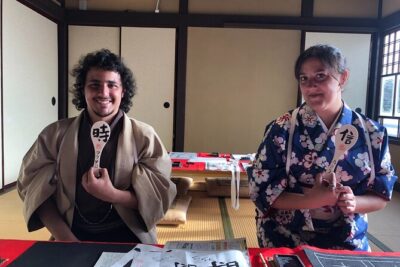
An Amazing set of Cultural experience: Kimono, Tea Ceremony and Calligraphy
Read our review →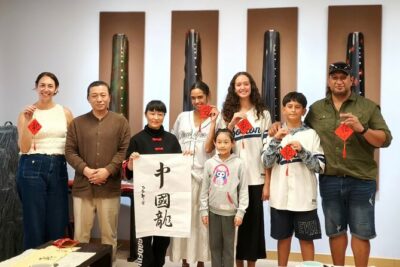
Beijing Culture: Tea Ceremony, Heritage Instrument & Calligraphy
Read our review →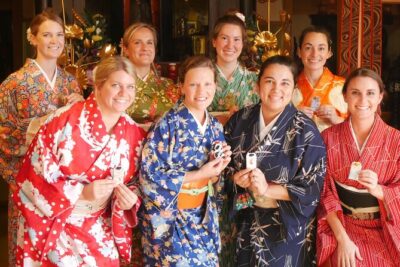
Cultural Activities :Kimono, tea ceremony, Calligraphy and Amulet
Read our review →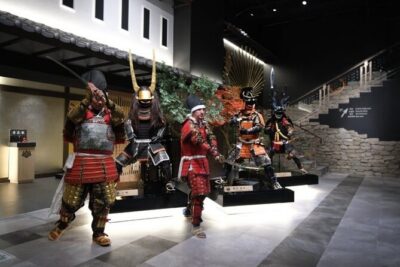
Samurai dress-up and shows, plus Tea Ceremony & Calligraphy
Read our review →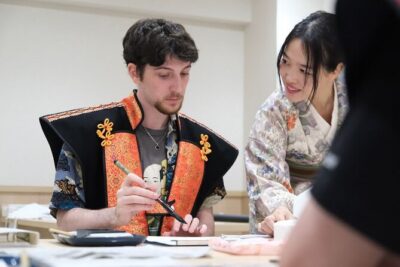
Premium Kimono Dressing, Tea Ceremony, Calligraphy, Samurai show
Read our review →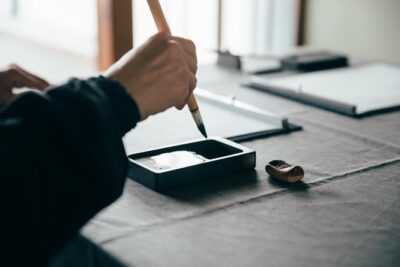
Experience Japanese calligraphy & tea ceremony at a traditional house in Nagoya
Read our review →Browse the lists this tour appears in