
Review · OSAKA
Osaka: Traditional Tea Ceremony Experience
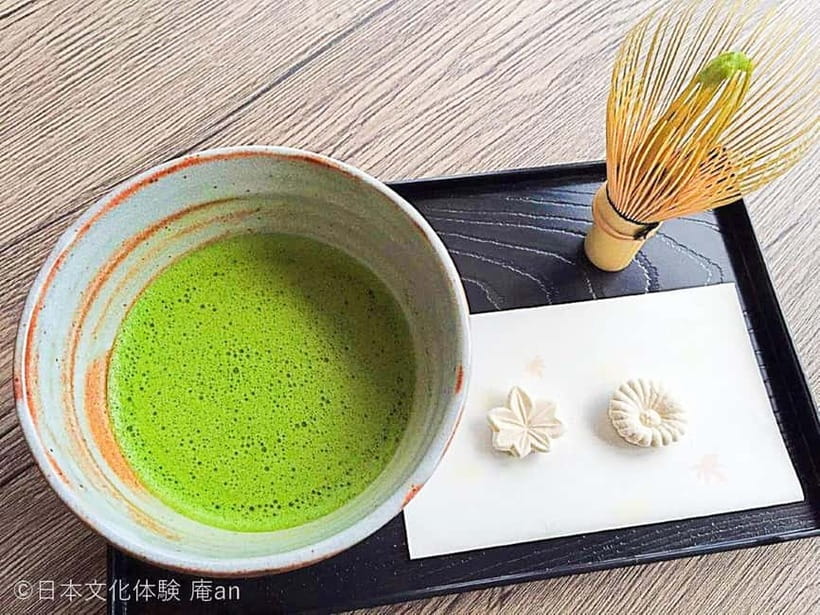
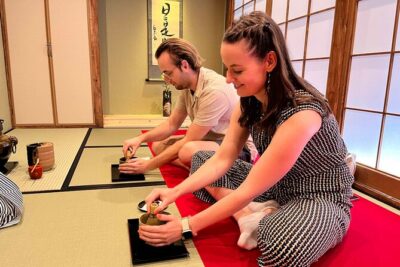
The best thing about this 30-minute tea ceremony is its easygoing format. You receive a short explanation, watch a matcha-grinding demonstration, prepare your own tea, and enjoy it with an Ohigashi sweet. There is no need to commit half a day or master a long list of formal gestures.
I like the use of single-origin matcha, which gives this quick activity a more focused purpose than simply drinking green tea at a café. I also like the small price, about $7 per person, and the fact that the instructor can explain the process in English when requested. The main consideration is the language: Japanese is the stated operating language, so English support should be arranged in advance rather than assumed.
Key points at a glance
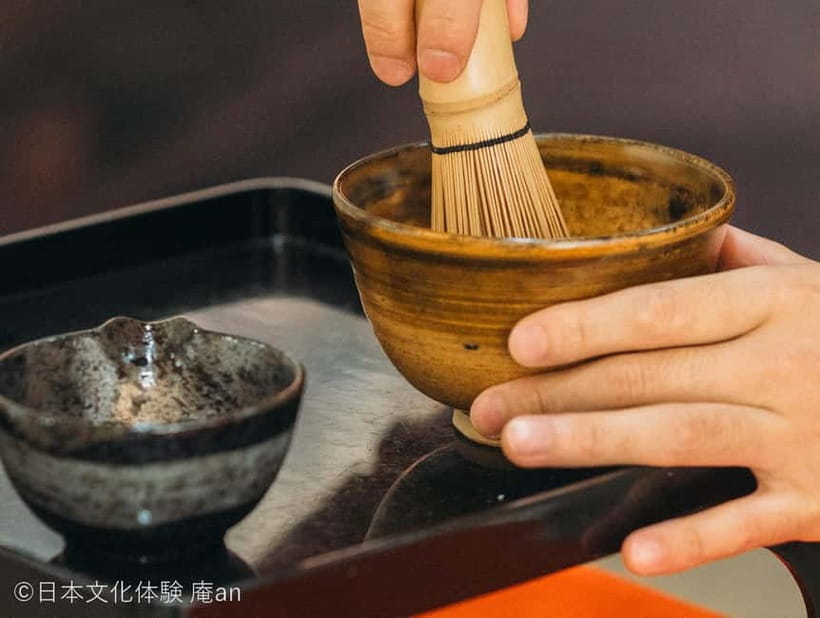
- A real matcha-making session: You prepare your own tea after a short lesson instead of only watching a demonstration.
- Single-origin matcha: The tea is presented as a special single-origin product, giving the tasting a clear focus.
- Ohigashi included: A traditional Japanese sweet accompanies the matcha and balances its bitter edge.
- Only 30 minutes: This fits neatly between sightseeing stops in central Osaka.
- Very central meeting point: The venue is one minute from Exit 10 of Higobashi Station.
- English help is possible: Contact the venue ahead of time if you want translation support.
A short tea lesson with a hands-on finish
Japanese tea ceremony can sound formal and intimidating. This experience takes a friendlier route. You begin with an explanation of tea, then watch a demonstration of matcha grinding before trying the preparation yourself.
That order matters. You first learn what you are doing, see the movements, and then take part. You are not left to guess how to handle the tea. At the same time, the session is short enough that it does not turn into a lengthy lecture on ceremony rules.
The activity is described as an OTE-MAE experience, with the focus on making and enjoying Japanese tea. The format works for one person or a group, so you can book it as a small cultural stop during a day in Osaka. It is also a good choice if you want more than a packaged souvenir but less than a full formal tea-school lesson.
The setting is intended to give you a relaxing break while sightseeing. That is a useful distinction. You are not signing up for an elaborate performance where you remain a silent observer. You get a brief introduction, a chance to prepare matcha, and time to drink it at the end.
More Tea Ceremony Experiences in Osaka:
- Osaka: Tea Ceremony Experience
★ 4.9 · 1,426 reviews - Tea Ceremony Experience in Osaka Doutonbori
★ 5.0 · 754 reviews - Osaka: Tea Ceremony, Calligraphy, and Kimono Experience
★ 4.9 · 130 reviews
What happens during the 30-minute visit
The experience follows a compact schedule. The opening twenty minutes cover the main activity, followed by about ten minutes for eating, drinking, and leaving the room.
The opening tea explanation
At the start, the instructor explains the tea and gives you the basic context needed for the activity. The available information does not promise a long historical talk, so you should expect practical guidance rather than an academic class.
That suits the price and length. In half an hour, the useful question is not how many centuries of tea history you can memorize. It is how to recognize the equipment, understand the preparation, and enjoy the drink with some sense of what makes it different from ordinary green tea.
The instructor is Japanese, and the official language is Japanese. English translation can be provided as much as possible, but you should contact the venue if English guidance is important to you. One English-speaking participant received an explanation of how to prepare and drink matcha in English, while another group had a good time with a presentation delivered in Japanese. That suggests the teaching style is patient and welcoming, but language support may vary.
The matcha-grinding demonstration
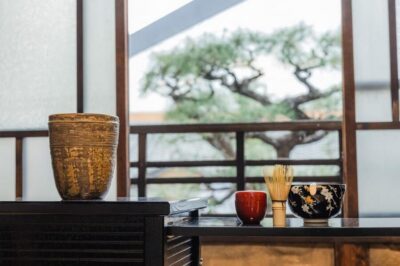
Next comes a demonstration of matcha grinding. This is one of the more distinctive details in the session. You are not simply handed a bowl of powdered tea with no explanation of where it comes from.
The demonstration gives you a look at one step behind the final drink. It helps show that matcha is treated as a prepared tea, not just a flavored hot beverage. The activity information does not specify how long the demonstration lasts or whether you grind the tea yourself, so you should expect to watch this part and take part in the later preparation.
This is also where the single-origin matcha becomes more meaningful. The tea is not presented as an anonymous green powder. You are given a named point of focus, even though the specific origin is not provided. If you care about the source or cultivar, ask the instructor during the session.
A few more tea experiences around Osaka worth a look
- Osaka: Japanese Traditional Sweets Making and Tea Ceremony
★ 4.7 · 118 reviews - Samurai Show, Tea Ceremony, Japanese Traditional Activities
★ 5.0 · 56 reviews - Osaka: Private Tea Ceremony and Calligraphy Experience
★ 5.0 · 50 reviews - Osaka; Japanese Tea ceremony experience, Macha and Sencha
★ 4.9 · 29 reviews
Making your own matcha
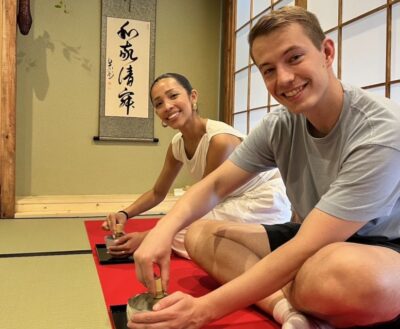
After the explanation and demonstration, you prepare your own matcha. This hands-on part is the heart of the activity. You get to follow the method rather than only observing a host prepare the bowl.
For first-time visitors, the format keeps the pressure low. You have already seen the process, and the activity is designed so that a single person or a group can participate. The lesson is described as casual, so you should not worry about being tested on exact ceremonial movements.
Still, tea ceremony has its own pace and manners. Follow the instructor’s lead and take your time. The preparation is meant to be part of the experience, not a race to produce a drink before the next appointment.
Picture time and the final tasting
Picture time comes near the end of the main activity. This gives you a chance to record the visit before the room shifts into the final eating and drinking period.
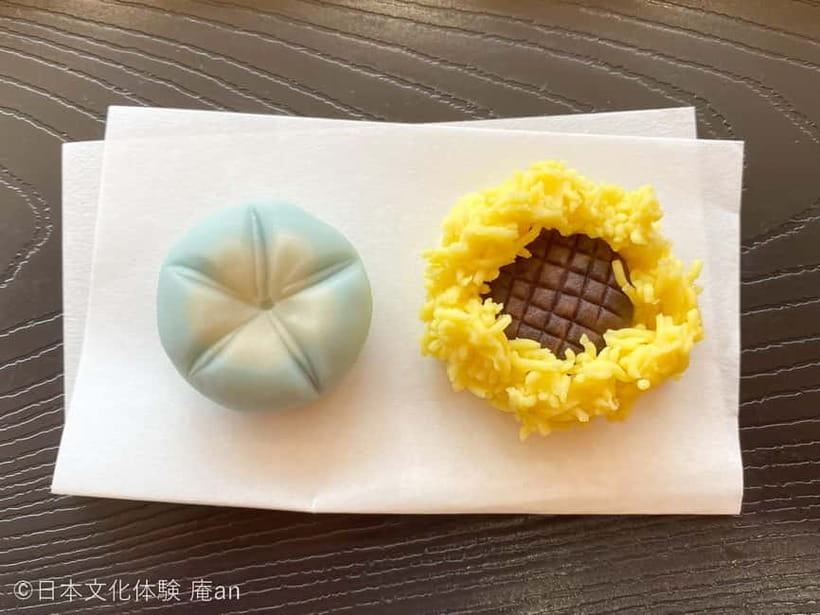
The last ten minutes are set aside for enjoying the matcha and Ohigashi. Ohigashi are Japanese sweets, usually made in a dry, molded style, and they provide a pleasant partner for matcha’s stronger taste. The supplied details do not name the specific sweet served, so do not book this expecting a particular flavor or design.
This final period is short, but it helps the session feel complete. You make the tea, sit with the result, and taste it alongside a small Japanese confection. At a $7 price point, that combination offers a good deal of cultural contact in very little time.
Why the single-origin matcha matters
Many quick cultural activities use a broad label and leave it there. Here, the matcha is described as special and single-origin. That gives you a reason to pay attention to the drink itself.
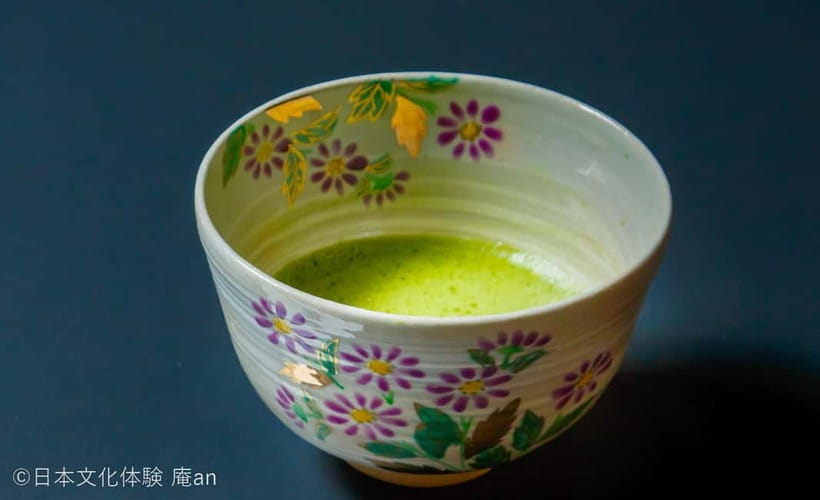
Matcha can taste grassy, bitter, sweet, creamy, or slightly astringent depending on how it is grown and prepared. The activity does not provide tasting notes, so I would not expect a formal comparison of different teas. Still, knowing that the tea comes from one origin encourages you to notice its character instead of treating it as a generic green drink.
The preparation also affects your experience. You make the matcha after receiving instructions, so you can connect the taste with the method. If your bowl is stronger or lighter than expected, that becomes part of the lesson.
The Ohigashi helps here. Its sweetness gives your palate a contrast to the matcha. This is not simply a snack added to the booking. It is part of the traditional tea-drinking pattern and makes the tasting easier for people who are new to matcha.
A practical stop near Higobashi
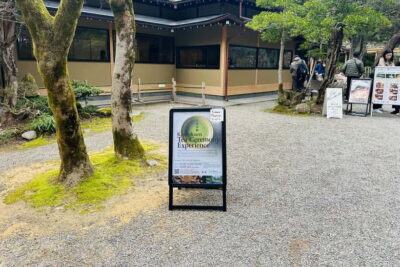
The venue is in a useful part of central Osaka. From Exit 10 of Osaka Metro’s Yotsubashi Line at Higobashi Station, it is a one-minute walk. That is the simplest route and the best choice if you are planning the activity around a tight sightseeing schedule.
You can also reach it from several nearby stations:
- Five minutes from Exit 7 of Keihan Nakanoshima Line’s Watanabebashi Station
- Seven minutes from Exit 10 of Yodoyabashi Station
- Ten minutes from Exit 11-5 of JR Tozai Line’s Kitashinchi Station
- Fifteen minutes from the South Central Gate of Osaka Station
The short walk from Higobashi makes this especially handy before or after sightseeing in the central Osaka area. You can fit it into a morning or afternoon without giving up a major block of your day.
If you drive, nearby coin-operated parking is available for you to use. Parking is not included, and the venue does not provide a dedicated parking arrangement in the supplied information.
The building has no elevator. You will need to take stairs to reach the venue, so keep that in mind when deciding if this activity works for your group. The information provided does not give further accessibility details.
Is $7 good value for this Osaka activity?
At about $7 per person, this is inexpensive for a guided cultural activity in Osaka. The price includes the OTE-MAE Japanese tea ceremony experience, matcha preparation, the tea tasting, and Ohigashi.
The strongest value comes from the hands-on format. A cheaper cup of matcha at a café might give you the drink, but not the explanation, demonstration, or chance to prepare it yourself. A more formal tea ceremony may offer a deeper look at etiquette and tradition, but it would likely require more time and attention.
This activity sits between those two options. You receive enough instruction to understand the basics, but the session remains light and accessible. For a first introduction, that balance works well.
There is one extra cost to know about. A completion certificate is available for 300 Japanese yen, but it is not included. I would treat the certificate as optional. The tea, sweets, and experience are the main value, while the certificate is only worthwhile if you collect activity souvenirs or want a small record of the visit.
The booking terms also offer flexibility. You can reserve now and pay later, and cancellation is free up to 24 hours before the scheduled time for a full refund. That helps if your Osaka plans are still shifting.
Language and the instructor’s teaching style
The instructor is Japanese, and the stated language is Japanese. English translation is offered as much as possible if you request it, but the venue asks you to contact them in advance if you would like that support.
This point deserves attention because language will shape how much you get from the explanation. The practical movements are easy to watch, and the activity has a demonstration before you prepare the tea. Even so, a visitor who wants detailed cultural background should arrange English help before arriving.
The teaching style appears to be a strong part of the experience. The available feedback describes the instructor as patient, humorous, and willing to explain the preparation and drinking process in English. Another group enjoyed the session even though the talk was in Japanese, partly because the presenter made a clear effort to communicate.
I would book confidently if you are comfortable learning through demonstration and simple instructions. If you need a fully English-speaking class, send a message before booking and confirm what can be provided on your chosen date.
Who will enjoy this tea ceremony most?
This is a good match for you if you want a short cultural activity with direct participation. It suits first-time visitors who have never prepared matcha and want a simple introduction without a strict, formal atmosphere.
It also works well for solo visitors. The activity accepts one person as well as groups, so you do not need to organize a large party to make the booking worthwhile. Couples, families with older children, and small groups can all take part together.
Families should note the age rule. Children under two years old who sit on a parent’s lap are free. The provided information does not state pricing or participation rules for older children, so check before booking if your group includes young children.
This is less suitable if you want a long ceremony, a detailed study of tea history, or a completely English-language class without prior coordination. It may also feel too brief if you are looking for a full afternoon devoted to Japanese tea culture.
Timing, punctuality, and small planning details
The operating hours are 10:00 to 17:00. Reservations received after 17:00 are processed the next day, so do not expect a late-evening booking response.
Plan to arrive on time. The event cannot be held for delayed arrivals, and the provider does not compensate you for travel expenses if the activity is canceled. That makes it wise to build in a little extra time for finding the correct station exit and locating the building.
The venue is close to Higobashi Station, but central Osaka has several nearby stations and exits. Use the exact meeting-point details rather than relying only on the general Osaka location. If you come from Osaka Station, allow the full fifteen-minute walk from the South Central Gate.
The activity itself lasts thirty minutes. Allow additional time for the walk, stairs, photographs, and any questions you want to ask the instructor.
What this experience does especially well
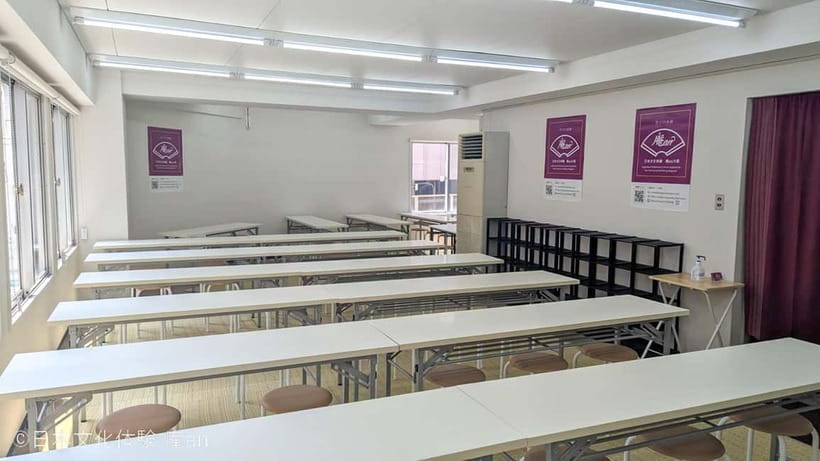
The tea ceremony succeeds because it keeps its goal clear. You come to learn a little, prepare matcha, taste it with a sweet, and continue your day.
The patient instruction is important for beginners. You do not need prior knowledge of tea ceremony, and the format gives you both an explanation and a demonstration before you try the preparation.
The small time commitment is another major advantage. Osaka offers many large attractions that consume several hours. This session gives you a quieter cultural pause without forcing you to rebuild your itinerary.
The experience also avoids making matcha feel distant or overly formal. You can enjoy it casually, while still learning that the preparation and serving of tea carry meaning. That is a sensible introduction for people who want contact with Japanese culture but are not ready for a long ceremony conducted under strict rules.
Should you book this Osaka tea ceremony?
Book it if you want an affordable, central, hands-on introduction to matcha. The single-origin tea, Ohigashi sweet, short demonstration, and chance to make your own cup give the $7 price real value.
I would especially recommend it between sightseeing stops in Osaka, when you want a calm half hour rather than another crowded attraction. Contact the venue ahead of time if you need English translation, and remember that the building has stairs and the session will not wait for late arrivals.
Skip it if your main goal is an extended formal tea ceremony, advanced instruction, or a guaranteed English-language lecture. For everyone else, this is a practical little cultural stop that lets you do more than take a photograph of matcha. You prepare it, taste it, and leave with a clearer sense of why the tea matters.
FAQ
How long does the tea ceremony experience last?
The experience lasts 30 minutes. The main explanation, demonstration, tea preparation, and picture time take about 20 minutes, followed by around 10 minutes for eating and drinking.
How much does the experience cost?
The listed price is $7 per person. An experience completion certificate costs an additional 300 Japanese yen.
Is the matcha included?
Yes. The experience includes a set of OTE-MAE, the Japanese tea ceremony experience, including the matcha activity and an Ohigashi Japanese sweet.
Is the activity available in English?
The stated operating language is Japanese. English translation can be provided as much as possible, and you should contact the venue in advance if you would like English support.
Where does the experience take place?
The venue is one minute on foot from Exit 10 of Higobashi Station on the Osaka Metro Yotsubashi Line. It is also reachable from Watanabebashi, Yodoyabashi, Kitashinchi, and Osaka Station.
Is the venue accessible by elevator?
No. There is no elevator in the building, and you need to use stairs to reach the venue.
Can I cancel for a refund?
You can cancel up to 24 hours in advance for a full refund. You can also reserve now and pay later.
Just added around Osaka
- Osaka: Tea Ceremony, Calligraphy, and Kimono Experience★ 5.0 · 6 reviews
- Osaka: Nara, Todaiji, Uji Matcha, and Hot Spring Tour★ 4.0 · 7 reviews
- Nara Deer Park, Uji Matcha, & Hot Spring Full-Day Tour from Osaka★ 4.0 · 21 reviews
- Osaka:Zen Tea Ceremony and Foot Bath Experience<45min>★ 5.0 · 7 reviews
- Osaka Japanese Cooking And Matcha Class near Osaka Castle★ 5.0 · 22 reviews
- Premium Kimono Dressing, Tea Ceremony, Calligraphy, Samurai show★ 5.0 · 18 reviews
- ZEN therapy | Shiatsu-style massage, EnergyTherapy & Japanese Tea★ 5.0 · 5 reviews
- Discover Japanese Tea Blending Techniques in Osaka★ 5.0 · 19 reviews
Tea Ceremony Experiences, compared.
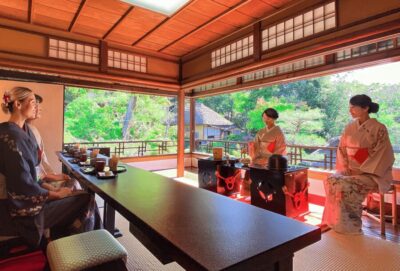
Tea Ceremony in a Traditional Tea House in Kiyomizu
Read our review →
Browse the lists this tour appears in