
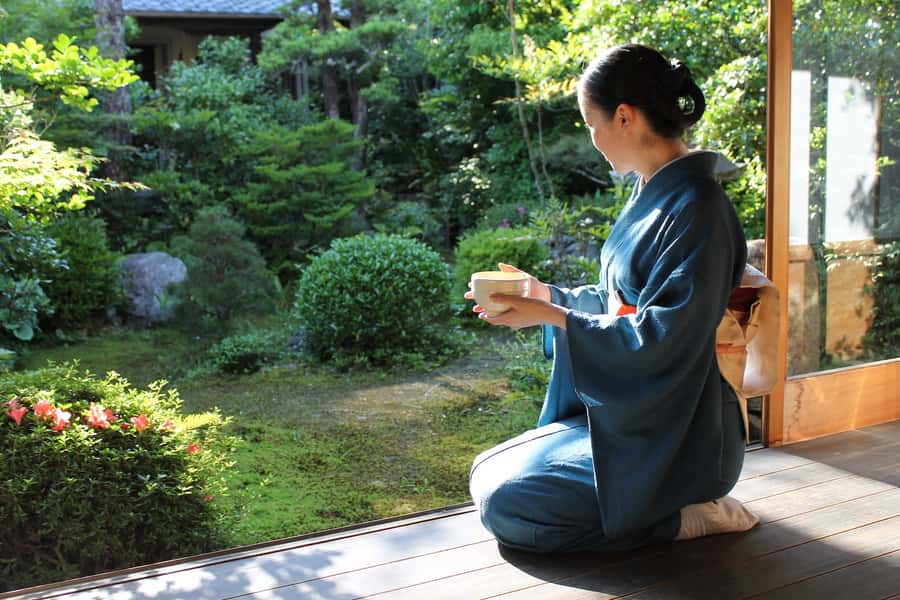
Review · KYOTO
Kyoto: Private Tea Ceremony with a Garden View
The best part of this Kyoto tea ceremony is the setting: you sit in a private 100-year-old house with a Japanese garden as your backdrop, not in a crowded shop or a busy cultural center. The hour begins with seasonal sweets and a simple explanation of tea culture, then moves into a formal ceremony followed by hands-on matcha making.
I like the calm, personal format, and I like that you can ask questions without sharing the room with strangers. The location is also useful, since Ryoan-ji, Ninna-ji, Kinkaku-ji, and Myoshin-ji are all nearby. The main consideration is price: at $116 per person for one hour, this is a special occasion experience rather than a budget activity.
Key details before you book
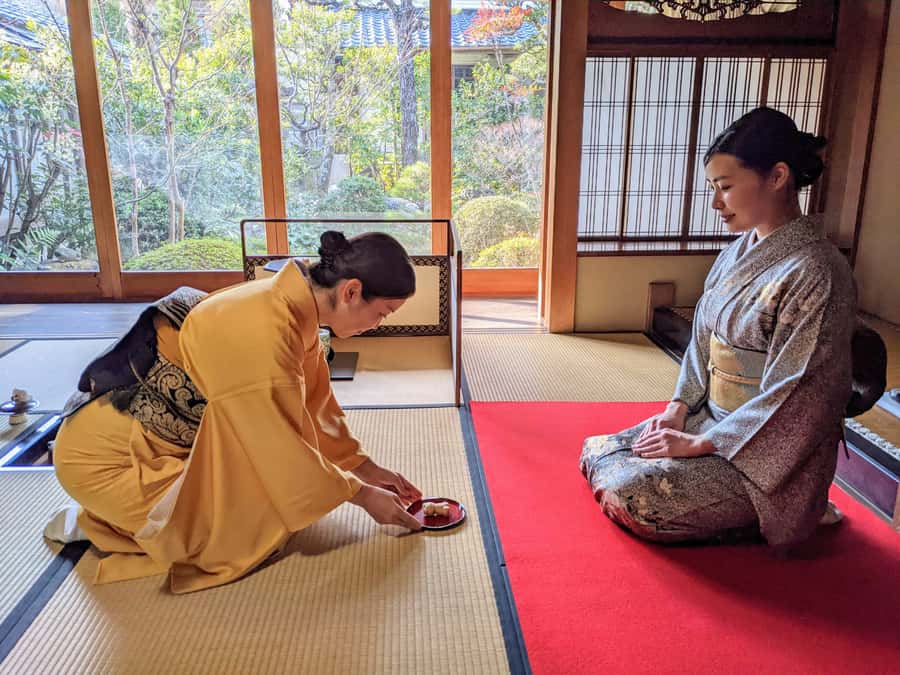
- A private house across from Ryoan-ji: You have the property to yourself during the ceremony, with gardens visible from both the sofa room and tearoom.
- A complete tea experience in one hour: You receive an introduction, seasonal sweets, a formal serving of matcha, and a chance to prepare your own bowl.
- English instruction throughout: The instructor explains the cultural meaning behind the movements and answers questions as you go.
- Sweets from a respected Kyoto confectioner: The seasonal treats are vegan, gluten-free, and nut-free.
- Comfortable for different mobility needs: Chairs and tables are available, and the teahouse is wheelchair accessible.
- A useful west Kyoto base: The house is close to Ryoan-ji, Ninna-ji, Kinkaku-ji, and the Randen tram line.
Why this tea ceremony feels different
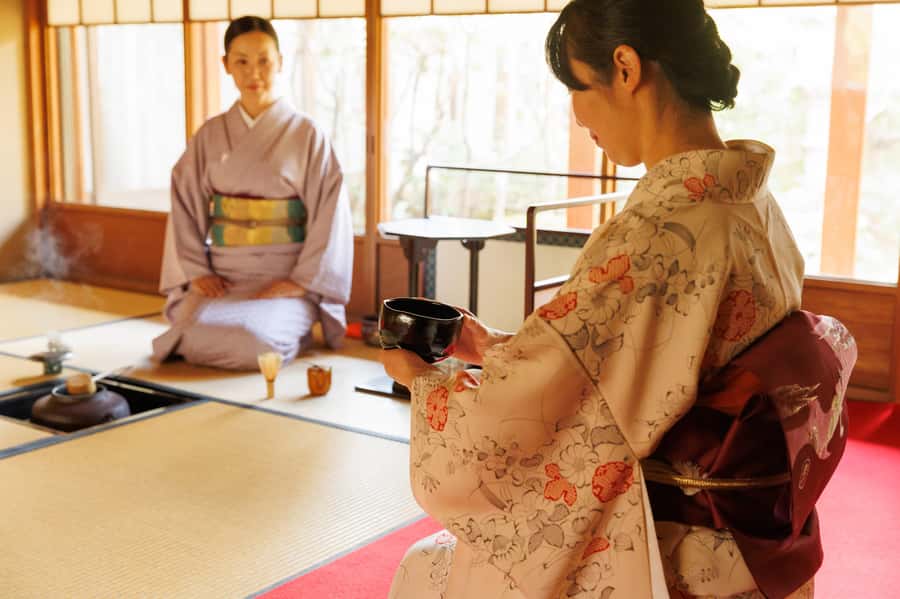
Kyoto offers plenty of ways to drink matcha. Some are quick tasting stops, where you sit at a counter, whisk a bowl, and move on. This experience gives you a quieter setting and more cultural explanation. The point is not simply to consume green tea. You learn why the room, garden, sweets, utensils, and movements all matter.
The house is across the road from Ryoan-ji, one of Kyoto’s best-known Zen temples. That connection gives the experience a useful sense of place. You are not studying tea culture in an unrelated commercial venue. You are doing it in a traditional property that has long been linked with the temple and is now being maintained through these private ceremonies.
I also like the scale. The booking is for a private group, and the house is completely yours during the session. That matters if you want to ask basic questions, take your time with the matcha preparation, or simply enjoy the room without a crowd moving around you.
The mood is quiet rather than theatrical. If you expect a costumed show or a long historical lecture, this may not be your ideal match. If you want a calm introduction with room to look, listen, and participate, it fits well.
More Tea Ceremony Experiences in Kyoto:
- Kyoto: Tea Ceremony in a Traditional Tea House in Kiyomizu
★ 4.9 · 3,519 reviews - Kyoto: Tea Ceremony Ju-An at Jotokuji Temple
★ 4.9 · 3,207 reviews - Kyoto: 45-Minute Tea Ceremony Lesson Experience
★ 4.3 · 2,378 reviews
Arriving at the house near Ryoan-ji
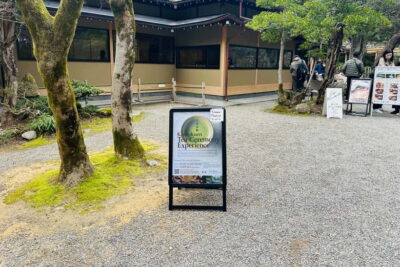
The meeting point is called Camellia Garden. From the Ryoan-ji Mae bus stop, look for the small path that slopes slightly downhill toward a residential street. The house is the first one on your right, enclosed by a high wall.
The location can be easy to miss if you are expecting a large sign or a temple-style entrance. Give yourself a few extra minutes, especially if you are arriving by bus and are not familiar with Kyoto’s west side. The property is less than a 10-minute walk from Ryōanji-eki station on the Keifuku Randen tram line.
This is a sensible activity to pair with sightseeing in the area. Ryoan-ji is directly across the road. Ninna-ji and Kinkaku-ji, the Golden Pavilion, are also within walking distance, as is Myoshin-ji, Kyoto’s largest Zen complex. The Randen line connects with Hakubaicho, near Kitano Tenmangu Shrine, Arashiyama, and Shijo Omiya.
You will need to arrange your own transportation to the meeting point. One parking space is available for the duration of the ceremony, and a taxi can be arranged if you ask upon arrival. Public transport toward central Kyoto is a short walk away, so you do not need to treat this as an isolated detour.
The opening conversation in the sofa room
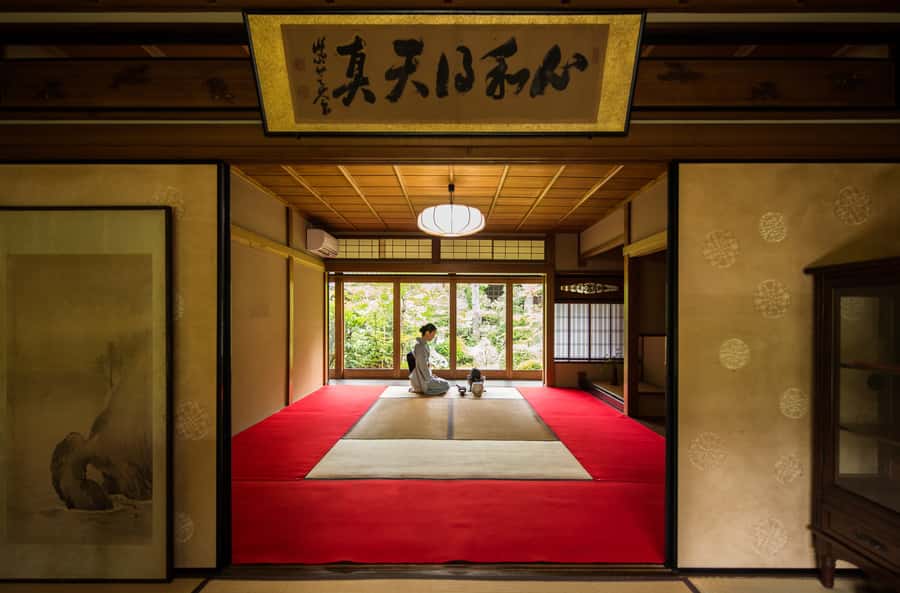
Your instructor first welcomes you into a sofa room overlooking the front garden. This opening is a good design choice. Rather than placing you straight onto the floor and expecting you to understand a series of unfamiliar movements, the instructor first gives you some context.
You learn about matcha and the culture surrounding the tea ceremony. The explanation is in English, and the strongest part of the experience is the link between the practical steps and their meaning. The instructor explains what is happening instead of asking you to copy movements without context.
This first room is also where you enjoy seasonal sweets from one of Kyoto’s respected confectioners. The sweets change with the season, so this part gives you a small taste of how Japanese confectionery follows the calendar. They are vegan, gluten-free, and nut-free, which is useful information for anyone managing those dietary needs.
The sweets are not a full meal. If you are hungry, eat before or after the activity. The one-hour schedule leaves little room for anything beyond tea, sweets, explanation, and participation.
Watching the ceremony beside the main garden

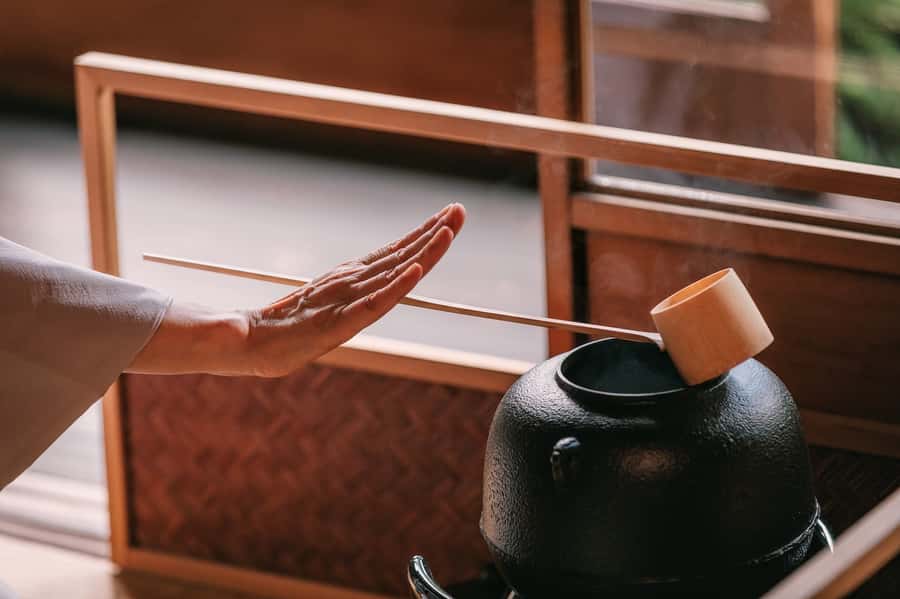
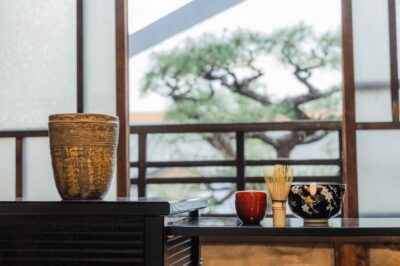
After the introduction, your host takes you into the tearoom. The main garden becomes the backdrop for the ceremony, and this is where the setting earns its keep. The garden is not something you rush past on the way to the tea. It is part of what you are looking at while the ceremony unfolds.
A formal tea ceremony can seem slow at first if you do not know what to watch. Here, the instructor’s explanation helps you notice the small details: the preparation of the tea, the handling of the utensils, the order of service, and the relationship between the room and the garden.
You are served matcha as part of the ceremony. The experience does not frame the drink as a novelty or a sugary café treat. Matcha has a strong, grassy taste, and the ceremony gives you a chance to understand it in its proper setting.
Photography is allowed throughout the experience, but you must turn off the flash. Video recording is not allowed. That rule protects the quiet character of the ceremony, and it also keeps you from viewing the entire session through a phone screen.
I would take a few photographs before and after the main movements, then put the camera away. The garden view, utensils, and room are worth remembering, but the value of the hour comes from paying attention to what is happening in front of you.
More Private Experiences in Kyoto:
- Private Tea Ceremony and Sake Tasting in Kyoto Samurai House
★ 5.0 · 163 reviews - Private Kyoto Sushi Cooking Class & Tea Ceremony with Emika
★ 5.0 · 66 reviews - Kyoto Private Tea Ceremony with Tea Master at Home
★ 5.0 · 58 reviews - Scenic Green Tea Fields of Hidden Kyoto & Local Tea Exp (Private)
★ 5.0 · 32 reviews
Making your own bowl of matcha
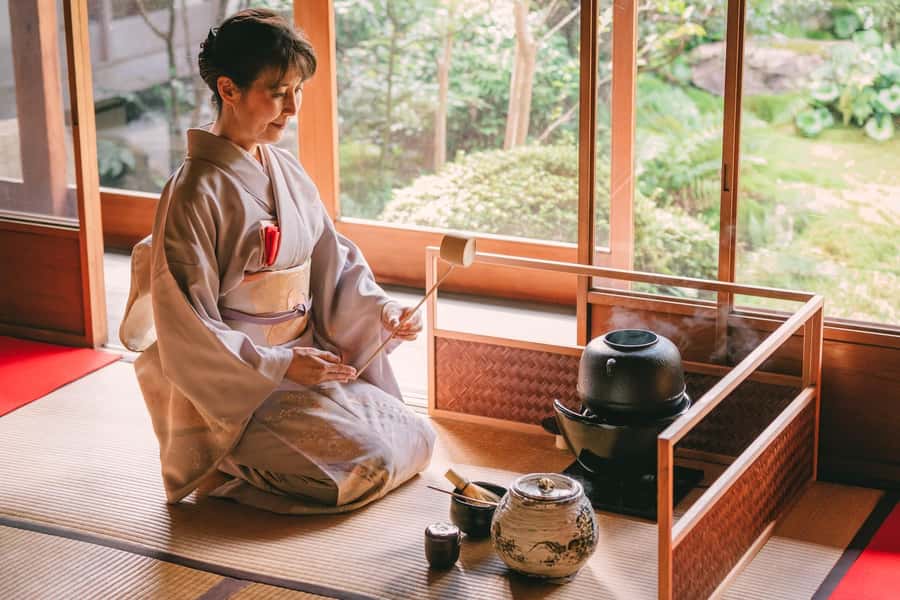
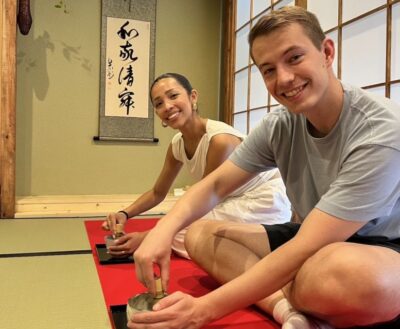
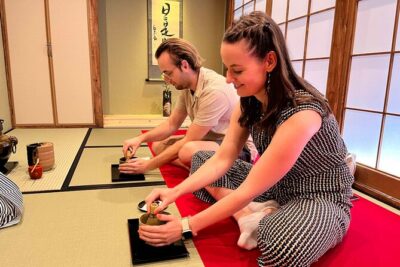
The most useful hands-on part comes near the end. After watching an authentic tea ceremony and receiving tea, you get the chance to make your own bowl of matcha.
You are provided with everything you need, and your personal instructor guides you through the process. This gives the activity a practical finish. You are not only watching someone else perform a carefully ordered ritual. You get to try the basic preparation yourself and see how much care goes into producing a bowl with the right texture.
It is also the point when you can ask more questions. Once you have watched the ceremony, the steps make more sense, and your own attempt gives you a better feel for the tools and technique.
The experience does not promise that you will become a tea master in an hour. That is not the point. You leave with a clearer understanding of matcha preparation and a memory tied to your own participation, rather than only to a demonstration.
The calm tone matters here. You are not hurried through a large group rotation. Since the house is private during your booking, the instructor can give attention to your questions and let you take photographs after the formal portion.
Comfort, access, and the floor seating question
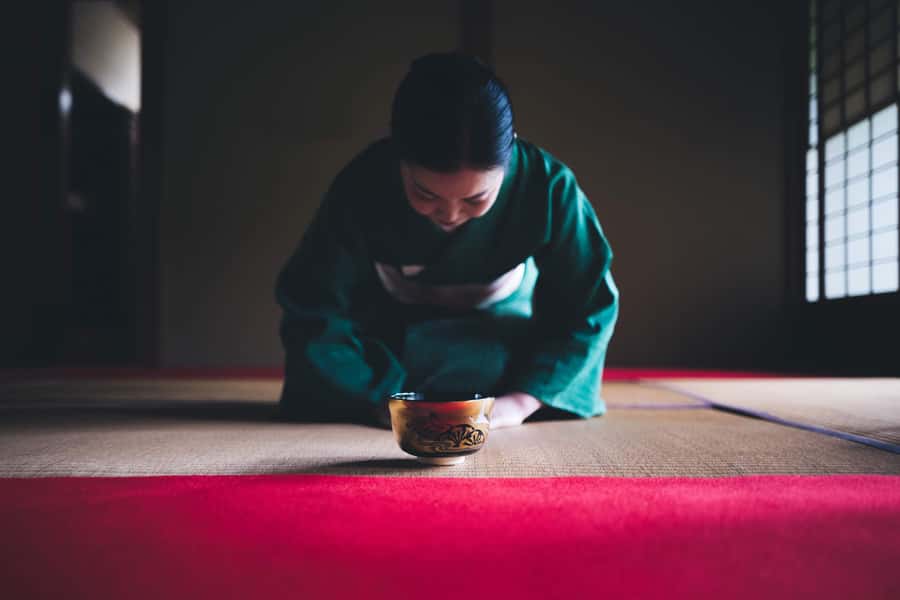
Traditional tea rooms often involve sitting on the floor, which can be uncomfortable or impossible for some people. This property has chairs and tables available for anyone who finds floor seating difficult. You should mention any special needs when booking or contact the provider in advance.
The teahouse is wheelchair accessible, and there is a toilet available. Guides and translators may join the ceremony as an additional person at no charge. These details make the activity easier to arrange for families, mixed-age groups, and people who need more support than a standard cultural demonstration provides.
The private format helps here, too. You do not need to worry about holding up a large group if you need a chair, a different position, or extra explanation. The provider also asks you to get in touch about special requests and requirements.
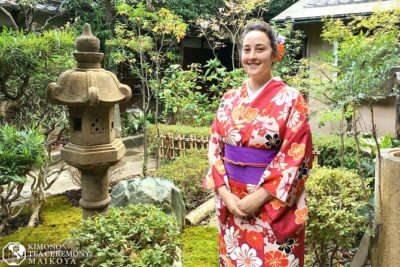
Kimono is not included. You attend in your own clothing, which keeps the activity simple and avoids the extra cost and time of dressing. If wearing traditional clothing is your main goal, you will need a separate experience.
What $116 buys you
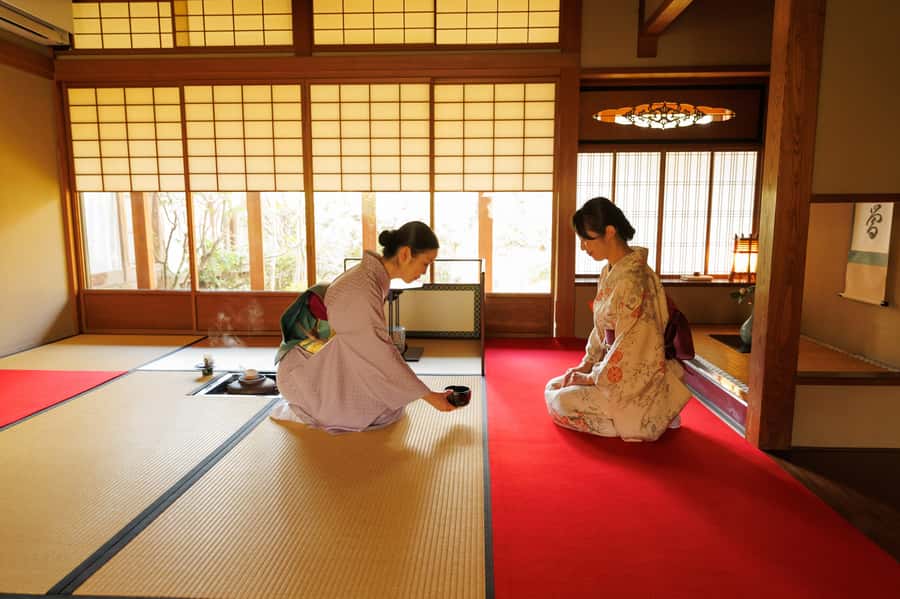
At $116 per person, this is expensive for a one-hour activity. You are paying more than you would for a casual matcha tasting or a group demonstration. The price makes more sense when you count what is included: a private group, a personal English-speaking instructor, access to a traditional house, two garden views, seasonal sweets, a formal tea service, and your own matcha preparation.
The private use of the property is the key value. You are buying quiet and attention as much as you are buying tea. That can be worthwhile for a couple, family, or small group marking a special day in Kyoto.
It is less suitable if you are mainly looking for the cheapest way to taste matcha. It may also feel costly if you are building a packed sightseeing day and have no interest in the cultural background. The one-hour duration is efficient, but it leaves no time for a meal or a long visit to the grounds.
For the right person, the price is defensible because the experience combines several things that are difficult to arrange separately: a private setting, an authentic ceremony, English explanation, and a hands-on finish.
Who will enjoy this most
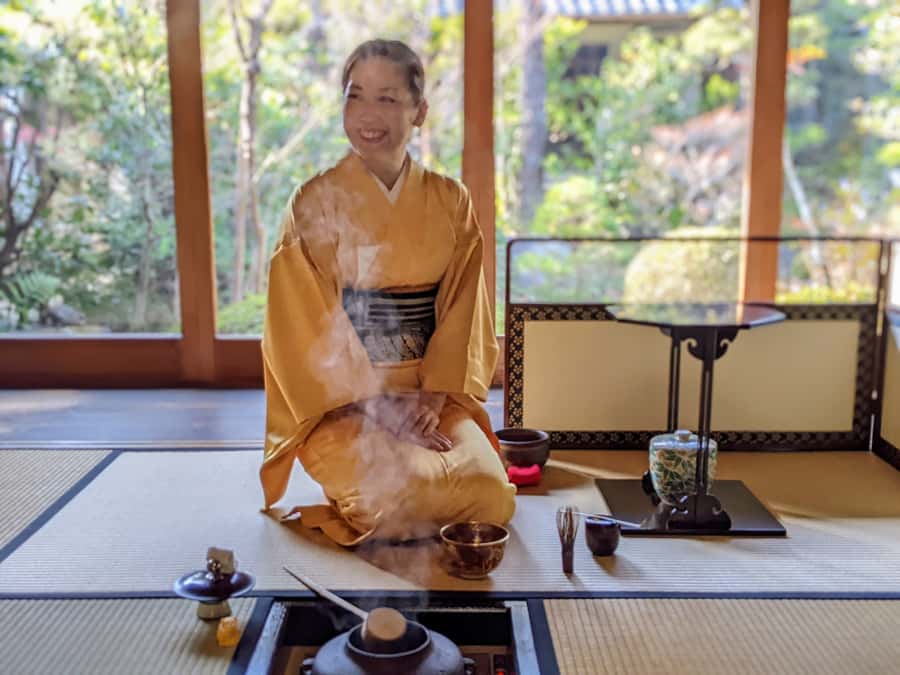
I would recommend this to you if you want a quiet cultural activity with a clear beginning, middle, and end. It works especially well for first-time visitors who want an introduction to tea ceremony without committing to a long formal lesson.
It is also a good choice for people who prefer personal instruction over a large group. Couples and families can enjoy the privacy, while a small group can ask questions without worrying about a schedule shared with strangers.
The setting suits anyone already visiting Kyoto’s northwest temples. You can see Ryoan-ji before or after the ceremony, then continue to Ninna-ji, Kinkaku-ji, or Myoshin-ji. The Randen tram connection also gives you a practical way to reach other parts of western Kyoto.
You may want to choose another activity if you want to wear a kimono, record video, enjoy a full meal, or spend several hours learning advanced tea ceremony technique. Those are not part of this booking.
Planning your visit around the hour
Check the available start times before building the rest of your day. The session lasts one hour, but you should allow extra time for the bus stop walk, finding the high-walled house, and moving between nearby temples.
The activity is offered in English. If you are bringing a guide or translator, that person may join at no added charge. This can help if someone in your group needs language support beyond the instructor’s explanation.
Book with the weather in mind only as far as your wider Kyoto plans are concerned. The ceremony takes place indoors, with the gardens providing the view, so rain should not remove the central part of the experience. The surrounding temple walks may be more affected.
Cancellation is free up to 24 hours before the start time, and you can reserve now and pay later. That gives you some flexibility while arranging a Kyoto schedule that often changes around temple hours and transport.
Should you book Camellia Tea Ceremony?
Book it if you want privacy, a garden setting, and a thoughtful introduction to matcha rather than a quick drink and a photograph. The combination of a century-old house, seasonal sweets, an English explanation, and your own bowl of tea gives the hour real substance.
I would especially choose it when staying or sightseeing around northwest Kyoto. You can fit it neatly beside Ryoan-ji and the other nearby UNESCO sites, and the private format makes it suitable for couples, families, and people who need chair seating.
Skip it if $116 feels too high for one hour, or if your main aim is a kimono experience, a full meal, or video content. For everyone else, this is a polished and peaceful way to meet an important part of Kyoto culture without giving up half a day.
FAQ
How long does the Kyoto tea ceremony last?
The experience lasts one hour.
Where does the tea ceremony take place?
It takes place at Camellia Garden, a traditional 100-year-old house across the road from Ryoan-ji temple in Kyoto.
Is the tea ceremony private?
Yes. The booking is for a private group, and you have the house completely to yourself during the experience.
Is the instruction available in English?
Yes. The personal instructor provides the experience in English.
Do I get to make my own matcha?
Yes. After watching the ceremony and being served tea, you have the opportunity to prepare your own bowl of matcha using the provided equipment.
Are seasonal sweets included?
Yes. Traditional seasonal sweets are included. They are vegan, gluten-free, and nut-free.
Can I sit on a chair instead of the floor?
Yes. Chairs and tables are available for anyone who has difficulty sitting on the floor.
Can I take photographs or record video?
You may take photographs, but flash must be turned off. Video recording is not allowed.
Just added around Kyoto
- Whisk Your Own Matcha: A Zen Matcha Experience at Temple★ 3.6 · 7 reviews
- Uji Walking Tour – Byodo-in temple and Tea Ceremony from Kyoto★ 3.5 · 3 reviews
- Traditional Tea Ceremony in Kyoto★ 4.5 · 3 reviews
- Kyoto: Authentic Tea Ceremony in a Small Group★ 5.0 · 7 reviews
- Tea ceremony at Kyoto’s Zen Temple Teahouse★ 5.0 · 2 reviews
- Tea Ceremony in 150 Years Old Townhouse with Tables and Chairs★ 5.0 · 22 reviews
- Silent Beauty of Kyoto Zen Walk and Tea Experience★ 5.0 · 2 reviews
- Tea Ceremony Experience in Traditional Kyoto Townhouse★ 5.0 · 19 reviews
Tea Ceremony Experiences, compared.
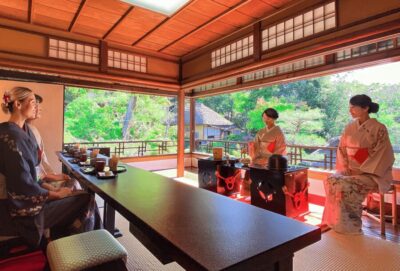
Tea Ceremony in a Traditional Tea House in Kiyomizu
Read our review →
Browse the lists this tour appears in