
Review · KYOTO
Kyoto WAKIMIZU Half Day Tour: Secrets of Matcha & Wagashi Sweets
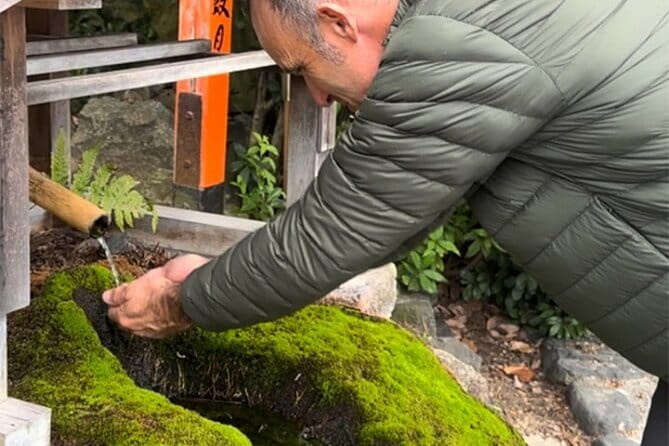
Kyoto’s matcha and wagashi taste better when you know the water behind them. This small-group walk follows spring water from sacred shrine sites to a 200-year-old confectionery, where you finish with matcha and fresh namagashi made especially for the tour. I like the way the tour connects food with place instead of treating sweets as a quick photo stop.
I especially like two things here: the maximum group size of six, which should make questions and shrine visits easier, and the chance to taste several spring waters before comparing them with tea. The final stop at Kameya Yoshinaga also gives you a special sweet that is not usually available in the shop.
The main consideration is the price. At $80 per person for about 2 hours and 40 minutes, this is not a cheap sightseeing walk. You are paying for a guide, a focused cultural theme, the small group, and a matcha-and-sweets finish. Also, the tour requires at least two participants and can be canceled if that number is not reached.
Key points at a glance
- Compare Kyoto spring water at three shrine sites: Visit Yasaka Shrine, Nishiki Tenmangu, and Hiyoketemmangu, with time to taste or use water connected to each place.
- Learn the water story behind matcha and wagashi: The tour explains why groundwater matters in tea preparation and Japanese confectionery.
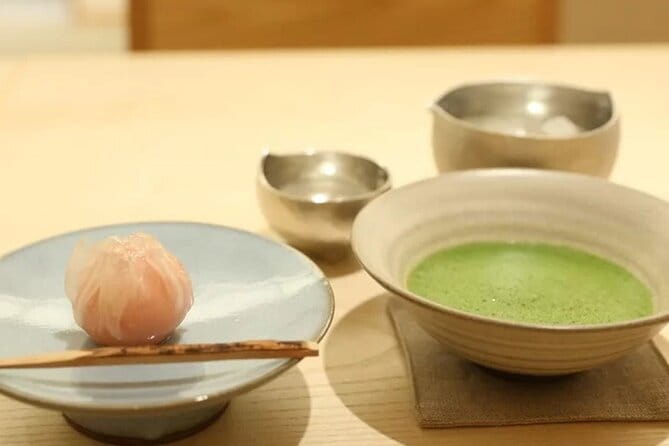
- Finish at Kameya Yoshinaga: The confectionery dates to 1803 and serves matcha prepared with spring water.
- Try special namagashi: Fresh Japanese sweets made for this tour are not normally available in the shop.
- Keep the group intimate: A maximum of six people suits anyone who prefers a quieter, more personal walk.
- Plan around a 1:00 pm start: The tour begins and ends at the listed Kyoto Station meeting point and includes no private transportation.
Why Kyoto’s water makes this walk different
Many Kyoto food tours focus on what is on the plate. This one asks a more unusual question: why does the plate taste the way it does?
Kyoto sits in a basin with abundant groundwater. For centuries, spring water has been used for drinking, tea preparation, and making wagashi. The idea is simple but useful: water can affect the taste and texture of tea, and it can influence how a confectioner prepares delicate sweets.
You will visit three water sources tied to shrines and local beliefs. The purpose is not to turn you into a water expert. It is to help you notice that spring water is part of Kyoto’s food culture, not just a background resource.
I like this approach because it gives you a reason to pay attention during a city walk. The shrines are not treated as isolated photo stops. Their water, rituals, legends, and daily use all connect to the final bowl of matcha.
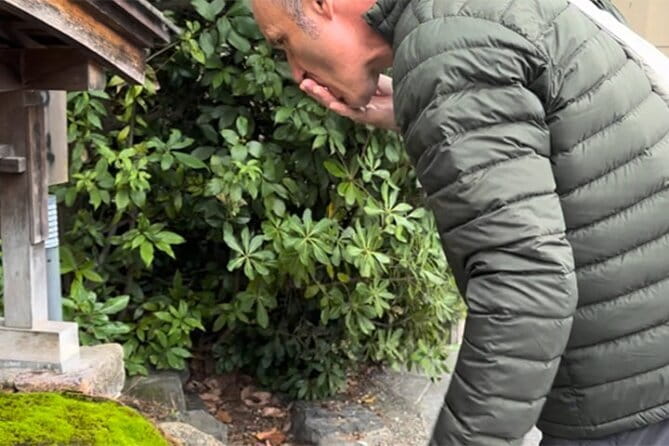
The tour lasts about 2 hours and 40 minutes. The listed stop times total about 70 minutes, so the rest of the time is used for walking, explanations, shrine visits, and moving between locations. Wear comfortable shoes, since this is a walking tour rather than a seated tasting.
More Japanese Sweets and Tea Sessions in Kyoto:
- Kyoto: Japanese Traditional Sweets Making and Tea Ceremony
★ 4.4 · 314 reviews - 2 Types of Japanese Sweets making and Tea Ceremony
★ 4.6 · 17 reviews - Kyoto near Fushimiinari Wagashi making&Small Group Tea Ceremony
★ 5.0 · 14 reviews
Starting at Yasaka Shrine and Gion Shinsui
The walk begins at Yasaka Shrine, one of Kyoto’s best-known religious sites. Here, the focus is on Gion Shinsui, also called Power Water, and Biyomizu, known as beauty water.
Local belief connects the area with a sacred pond beneath the shrine’s main hall. Kyoto folklore also says the city is protected by four divine creatures, each linked to a direction. Yasaka Shrine lies to the east, the direction associated with the Azure Dragon. The water story grows from this religious setting.
You can expect about 20 minutes at Yasaka Shrine. That is enough time for the guide to explain the water traditions and the customs connected with visiting a shrine. One detail worth noting is the practice of drinking the sacred water and then applying a few drops of beauty water at the related shrine.
This is a good first stop because it gives the rest of the tour a clear frame. You are not simply tasting water from random public fountains. You are seeing how water can carry spiritual meaning as well as practical value.
The stop may feel short if you want a long visit around the entire shrine complex. That is part of the trade-off. The tour has a specific theme, so it moves on rather than offering a full Yasaka Shrine visit.
Nishiki Tenmangu and water linked to learning
The second stop is Nishiki Tenmangu, with about 10 minutes set aside. Its spring water is connected with Tenjin, the deity of learning.
The water is believed to offer protection from misfortune, wisdom, and success in academic work. Those beliefs give the stop a different mood from Yasaka Shrine. At the first shrine, the emphasis is on sacred protection and beauty. Here, the water is tied to study and good fortune.
Ten minutes is enough for a focused explanation and a look at the spring-water custom. It is not enough for a long, unhurried shrine visit, so keep your expectations in check. You are following one thread through Kyoto, not touring each shrine in full.
I find this part useful because it shows how spring water can take on different meanings from one sacred site to another. The water may come from the same broad underground system beneath the city, but the stories surrounding it vary from shrine to shrine.
The visit also adds a little variety to the walk. You move from a major shrine setting to a smaller, more targeted stop before reaching the fire-prevention shrine.
Hiyoketemmangu and the story of fire protection
The third water site is Hiyoketemmangu, another short stop of about 10 minutes. This shrine is associated with preventing fires.
Its story is tied to the Hamaguri-gomon Incident in the late Edo period. The surrounding area is said to have escaped a major fire, and later stories credited the shrine with protection from flames.
Again, the point is not just the spring itself. The guide links the water to the shrine’s purpose and to the way local beliefs develop around events in the city. That makes this a strong stop for anyone interested in how religion, memory, and daily life meet in Kyoto.
The three shrine visits work best as a set. Yasaka Shrine gives you the sacred water and beauty-water customs. Nishiki Tenmangu brings in learning and good fortune. Hiyoketemmangu adds fire protection and a local disaster story.
If you prefer long visits at each shrine, the timing may feel brisk. If you like a clear route with a strong theme, the pace should suit you better.
More Matcha Experiences in Kyoto:
- Kyoto: Arashiyama Bamboo Forest, Monkeys, Matcha & Temple Tour
★ 5.0 · 759 reviews - Kyoto: Tea Ceremony Meditation – Make Matcha with Tea Master
★ 4.8 · 406 reviews - Kyoto: Kimono Tea Ceremony with Matcha and Sweet
★ 4.9 · 249 reviews - Kyoto: Arashiyama Bamboo, Temple, Matcha, Monkeys & secret spots
★ 5.0 · 219 reviews
The sweet finish at Kameya Yoshinaga

The tour ends at Kameya Yoshinaga, a Japanese confectionery founded in 1803. This is where the spring-water theme becomes something you can taste in a more familiar way.
You receive a bowl of matcha prepared with spring water, along with namagashi, fresh Japanese wagashi made especially for the tour. These sweets are not usually available in the shop, which gives the final stop a real sense of purpose. You are not simply buying a standard souvenir from the display case.
The scheduled time here is about 30 minutes. That gives you time to sit, drink the tea, and look closely at the sweets. Namagashi are often made with seasonal shapes and fine detail, so this is a slower finish after the shrine walking.
I like ending here instead of beginning with tea. By this point, you have seen several water sources and heard why spring water matters. The final bowl of matcha feels connected to the route rather than added as a generic refreshment.
The tour information does not specify the exact wagashi flavors or designs. That is probably best treated as part of the day’s surprise, but anyone with food restrictions should ask the operator before booking because no dietary details are provided.
What the $80 price really covers
The cost is $80 per person. That is a fairly high rate for a short walking tour, but the value depends on what you want from Kyoto.
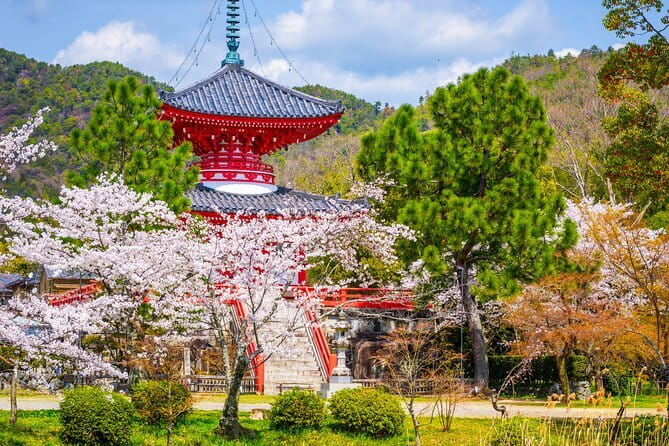
You are not paying for private transport, a long meal, or admission to major attractions. The shrine stops have no admission charge, and the tour uses city streets and public sites. The price instead covers the guide’s interpretation, the organized route, the small group, and the tea-and-sweets service at the end.
The group cap matters. With no more than six people, the guide can explain shrine customs without needing to speak over a large crowd. You also have a better chance to ask about the water, rituals, and confectionery.
The special namagashi adds value because it is made for this tour and is not normally offered in the shop. That makes the tasting more distinctive than simply stopping at a café for a standard bowl of matcha.
I would consider the tour good value if you enjoy food culture, shrine customs, and small-group walks. If your main goal is to see Kyoto’s biggest sights, $80 may be better spent elsewhere. This tour is narrow by design. Its reward is the connection between water, belief, tea, and sweets.
Timing, meeting point, and group size
The stated start time is 1:00 pm, and the tour begins and ends at Kyoto Station, at Higashishiokoji Kamadonocho in Shimogyo Ward. The listed address should be checked carefully before departure because Kyoto Station is a large area and the information provided does not give a named platform, gate, or landmark.
The experience includes a mobile ticket, which is useful for a walking activity. There is no private transportation, so you should expect to move around the city on foot and by the ordinary city transport arrangements used by the operator. The supplied details do not specify how each transfer is made.
Most people can participate, and the tour is near public transportation. Still, comfortable shoes are a sensible choice. The route includes several stops and enough walking to fill the time between the scheduled shrine visits.
The maximum is six participants. That is one of the strongest practical reasons to choose this tour over a large group activity. The minimum is two participants, however, so solo bookers should understand that the tour needs another person to operate.
Confirmation is sent within 48 hours of booking, subject to availability. If the minimum is not reached, the operator says you will be notified four days before departure and offered a full refund or another option.
Who will enjoy this Kyoto walk
I would choose this tour if you want a quieter cultural activity with a clear subject. It suits you especially well if you enjoy:
- Japanese tea and wagashi
- Shrine customs and local religious stories
- Small groups rather than large sightseeing buses
- Food experiences with a strong sense of place
- A short afternoon activity that does not fill an entire day
It can also work well for repeat visitors who have already seen Kyoto’s main temples and want a more focused route. The spring-water theme gives familiar parts of the city a different purpose.
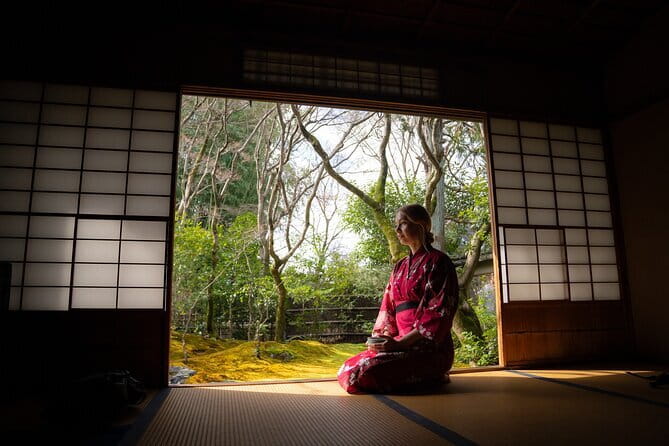
I would be more cautious if you want a major sightseeing checklist, a full tea ceremony, or a long confectionery lesson. This is not presented as a formal tea ceremony, and the details do not include hands-on wagashi making. You taste matcha and sweets after visiting the water sources.
The tour may also be less suitable for anyone who dislikes walking between short stops. The attraction is the route itself, so skipping the movement would remove much of the point.
Booking and cancellation details to note
This experience has a strict non-refundable cancellation policy. If you cancel or request a change for any reason, the amount paid is not refunded.
The exception is an operator cancellation caused by the minimum number not being reached. In that case, you are offered a different date or experience, or a full refund.
Because confirmation is subject to availability, I would avoid booking this as the only fixed activity of a tightly packed afternoon until your reservation is confirmed. Also check the meeting instructions once confirmation arrives, since the listed starting point is a broad Kyoto Station address.
Should you book the WAKIMIZU tour?
Book it if you want Kyoto explained through one small but meaningful subject. The combination of sacred spring water, shrine customs, matcha, and special namagashi gives the afternoon a clear shape. The six-person limit and the 200-year-old confectionery finish make the $80 easier to justify.
Skip it if you are mainly seeking famous landmarks, a full meal, or hands-on tea preparation. You will spend much of the time walking between short shrine visits, and the tour does not include private transport.
For the right person, this is a thoughtful half-day add-on: not a grand city tour, but a close look at how Kyoto’s water supports both spiritual practice and everyday pleasure.
FAQ
How long does the tour last?
The tour lasts approximately 2 hours and 40 minutes.
What time does the tour start?
The tour starts at 1:00 pm.
Where does the tour begin and end?
It begins and ends at Kyoto Station, at Higashishiokoji Kamadonocho in Shimogyo Ward, Kyoto.
How many people can join the tour?
The tour has a maximum of six participants.
What is included in the price?
A bowl of matcha and sweets are included. The tour also includes the guided visits to the spring-water sites.
Is private transportation included?
No. Private transportation is not included.
What happens if fewer than two people book?
The tour requires at least two participants to operate. If the minimum is not reached, you will be notified four days before departure and offered another date or experience, or a full refund.
Can I cancel for a refund?
No. The experience is non-refundable and cannot be changed for any reason. A full refund is available if the operator cancels because the minimum number of participants is not reached.
More Dessert Stops in Kyoto
- Kyoto: Traditional Tea Ceremony with Matcha & Sweets in Gion
★ 4.9 · 27 reviews - Traditional Tea Ceremony with Matcha and Sweets in Kyoto
★ 5.0 · 13 reviews - Japanese Traditional Sweets making with Tatedashi Matcha
★ 4.3 · 6 reviews - Matcha Making Class in Tokyo with Authentic Japanese Sweets Set
★ 5.0 · 744 reviews
Just added around Kyoto
- Whisk Your Own Matcha: A Zen Matcha Experience at Temple★ 3.6 · 7 reviews
- Uji Walking Tour – Byodo-in temple and Tea Ceremony from Kyoto★ 3.5 · 3 reviews
- Traditional Tea Ceremony in Kyoto★ 4.5 · 3 reviews
- Kyoto: Authentic Tea Ceremony in a Small Group★ 5.0 · 7 reviews
- Tea ceremony at Kyoto’s Zen Temple Teahouse★ 5.0 · 2 reviews
- Tea Ceremony in 150 Years Old Townhouse with Tables and Chairs★ 5.0 · 22 reviews
- Tea Ceremony Experience in Traditional Kyoto Townhouse★ 5.0 · 19 reviews
- Silent Beauty of Kyoto Zen Walk and Tea Experience★ 5.0 · 2 reviews
Japanese Sweets & Tea, compared.

Matcha Making Class in Tokyo with Authentic Japanese Sweets Set
Read our review →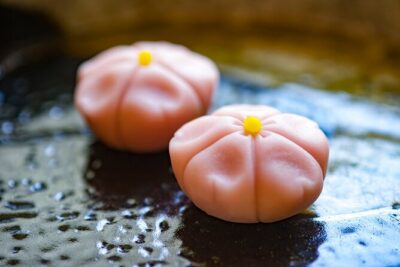
Matcha Making Class in Osaka with Authentic Japanese Sweets Set
Read our review →
Japanese Traditional Sweets Making and Tea Ceremony
Read our review →
Japanese Traditional Sweets Making and Tea Ceremony
Read our review →
Nagoya: Japanese Traditional Sweets making and Tea Ceremony
Read our review →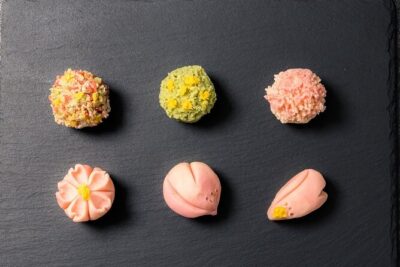
Sweets Making and Kimono Tea Ceremony at Tokyo Maikoya
Read our review →
Japanese Traditional Sweets making and Tea Ceremony
Read our review →Browse the lists this tour appears in