
Review · KYOTO
Kyoto: Wazuma Magic Show & Tea Ceremony
Kyoto’s Wazuma show offers something few cultural outings can: ancient Japanese magic performed just centimeters away. In a quiet Gion tea room, Masaya and Tamaki present a tradition recognized as intangible cultural heritage, then follow it with a bowl of Uji matcha. I like the tiny private setting and the clean one-hour format. The main catch is that the show has only six seats and no room for late arrivals or last-minute changes.
I also like the balance between surprise and calm. The magic is lively and interactive, while the tea portion gives you time to settle down and appreciate the setting. It costs $77 per person, so this is not a bargain attraction, but the private group format and rare art make it a fair choice for a special Kyoto evening. Arrive five minutes early, since the performance is reservation only.
Key points at a glance
- Only six seats: Your group gets an intimate view in a traditional Gion tea room.
- A rare Japanese art: Wazuma is described as a 1,000-year-old illusion tradition with fewer than ten remaining masters.
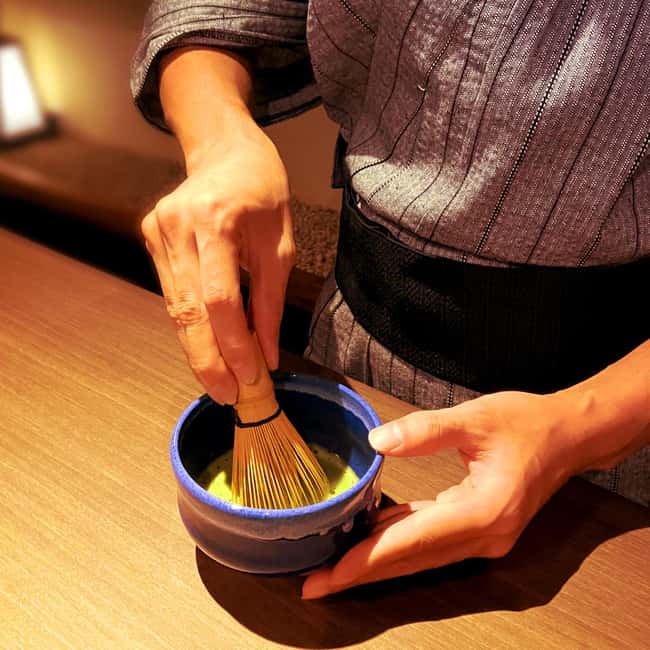
- Two-part format: Enjoy 30 minutes of close-up magic, followed by 30 minutes of Uji matcha.
- English guidance: A host or greeter provides English support throughout the experience.
- Personal finishing touch: A small souvenir is given at the end of the show.
- Simple planning: The activity lasts one hour, does not include transport, and allows free cancellation up to 24 hours before the start.
Why Wazuma feels different from an ordinary magic show
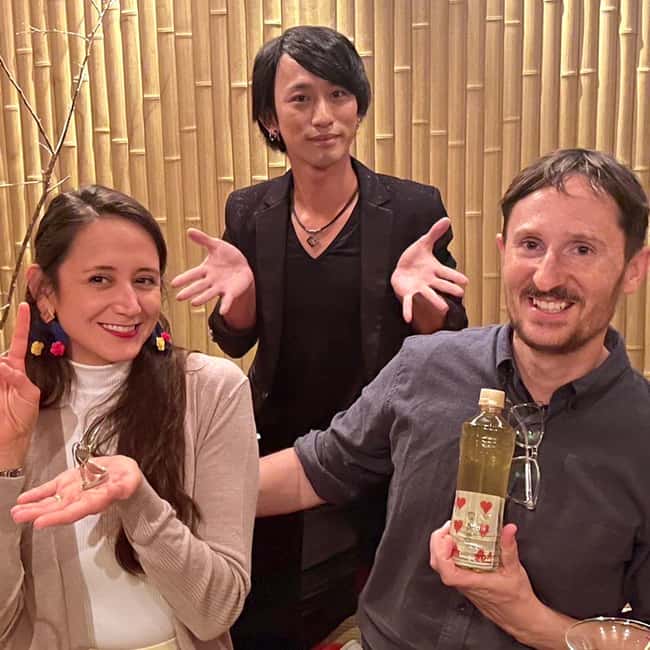
Most magic shows are built around a stage, rows of seats, and a clear line between performer and audience. This one works in the opposite way. You sit in a small traditional tea room, with no more than six seats available, and the action takes place close enough for you to watch every hand movement.
That closeness is the point. You are not watching a large illusion from a distance. You are looking directly at small gestures, objects, and changes that seem too simple to hide anything. The fun comes from seeing the trick clearly and still not knowing how it happened.
Wazuma is presented as a Japanese illusion art dating back 1,000 years. It is also recognized by Japan as intangible cultural heritage, and fewer than ten masters are said to continue the tradition. Those details give the performance a cultural weight that a standard stage magic act does not have.
You should still approach it as entertainment, not as a formal museum lecture. The experience is designed to surprise and involve you. The historical context matters because it helps explain why this art is worth protecting, but the main event is the precise, close-up performance.
More Tea Ceremony Experiences in Kyoto:
- Kyoto: Tea Ceremony in a Traditional Tea House in Kiyomizu
★ 4.9 · 3,519 reviews - Kyoto: Tea Ceremony Ju-An at Jotokuji Temple
★ 4.9 · 3,207 reviews - Kyoto: 45-Minute Tea Ceremony Lesson Experience
★ 4.3 · 2,378 reviews
Entering the small Gion tea room
The activity takes place in Kyoto’s Gion area, known for traditional architecture, tea houses, and narrow lanes. The exact experience begins when a staff member meets you in front of the building five minutes before the scheduled start.
That meeting point matters. A discreet tea room in Gion may not look like a large attraction with a bright ticket office or obvious entrance. Give yourself enough time to reach the area, locate the building, and meet the staff member without rushing.
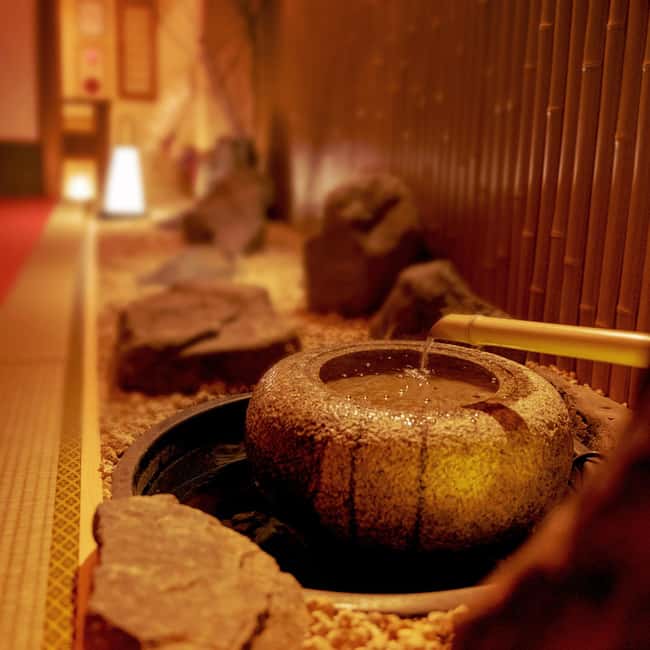
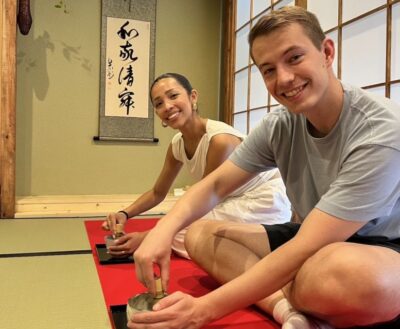
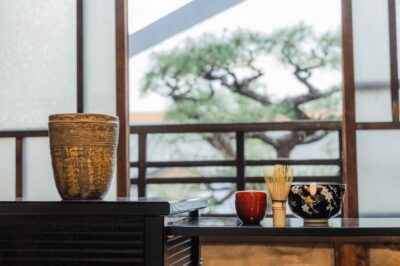
The room itself is part of the appeal. It provides a quiet setting for the show and the tea service, rather than a busy public hall. With the entire space reserved for your private group, you get a salon-like atmosphere that feels more personal than a standard sightseeing stop.
The tradeoff is capacity. Six seats means the experience cannot absorb a large family reunion or a last-minute addition with ease. Check the booking carefully if you are traveling with more than six people, and do not assume you can simply walk in. The show is reservation only.
Thirty minutes of close-up Wazuma magic
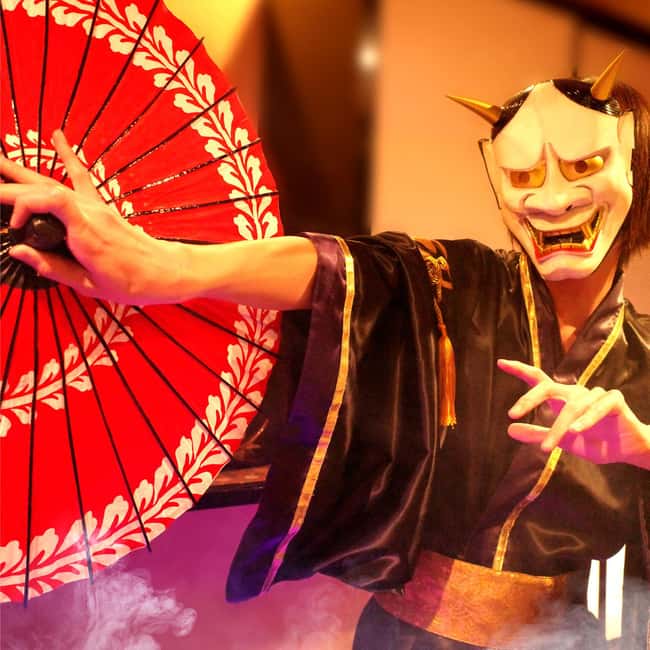
The first half lasts about 30 minutes and focuses on traditional Japanese magic. Masaya is named among the performers, and the show is described as highly personal, theatrical, and interactive.
The small room changes how you experience the tricks. You may be asked to take part in slight-of-hand acts, or you may find yourself watching from such a short distance that every movement feels exposed. That direct contact is one reason the show works well for couples, friends, and families looking for an activity that is more unusual than another temple visit.
The performance also carries a strong sense of personality. The magic is not presented as a dry demonstration. It has charm, surprise, and a playful rhythm, with room for smiles and reactions from the audience.
A souvenir at the end adds a pleasant physical reminder of the experience. It is not a reason to book by itself, but it gives the one-hour visit a more finished feel.
Photography needs a little care. Flash photography is not allowed during the performance. You should be ready to put your phone away when the show begins, both to respect the performers and to keep the intimate room from becoming distracting.
The show is not best for someone who wants a long historical talk or a large-scale spectacle. Thirty minutes passes quickly, and the focus is on the magic itself. For many people, that is a strength. You get a polished cultural encounter without giving up half a day.
Why the six-seat limit matters
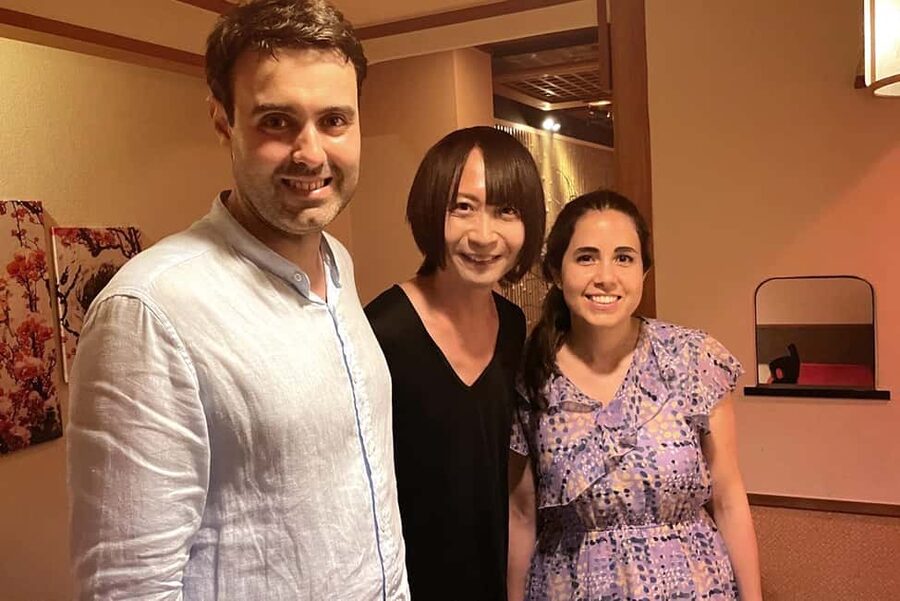
The private format is the biggest practical difference between this activity and many Kyoto attractions. You are not sharing the room with a large tour group, and the host can address your party directly.
That setup makes the experience feel special without requiring formal dress or a long ceremony. It is well suited to a honeymoon, birthday, anniversary, or a final-night treat in Kyoto. It also works for two friends who want something memorable after a day of shrines and shopping.
A private group does not mean the show becomes completely customizable. The supplied details describe a set 30-minute magic portion and a 30-minute tea portion. Think of it as a private presentation, not a fully bespoke performance.
The room’s intimacy can also be a limitation for people who prefer open space. Wheelchair users cannot take part, according to the activity information. If accessibility is important for anyone in your party, confirm the arrangements before booking.
A few more tea experiences around Kyoto worth a look
- Samurai Show, Tea Ceremony, Japanese Traditional Activities
★ 5.0 · 56 reviews - Premium Kimono Dressing, Tea Ceremony, Calligraphy, Samurai show
★ 5.0 · 18 reviews - Chengdu: Sichuan Opera Show ShufengYayun & Covered Bowl Tea
★ 4.2 · 14 reviews - Agadir/Taghazout: Sandboarding & Sunset Tea with Fire Show
★ 5.0 · 6 reviews
Thirty minutes with Uji matcha
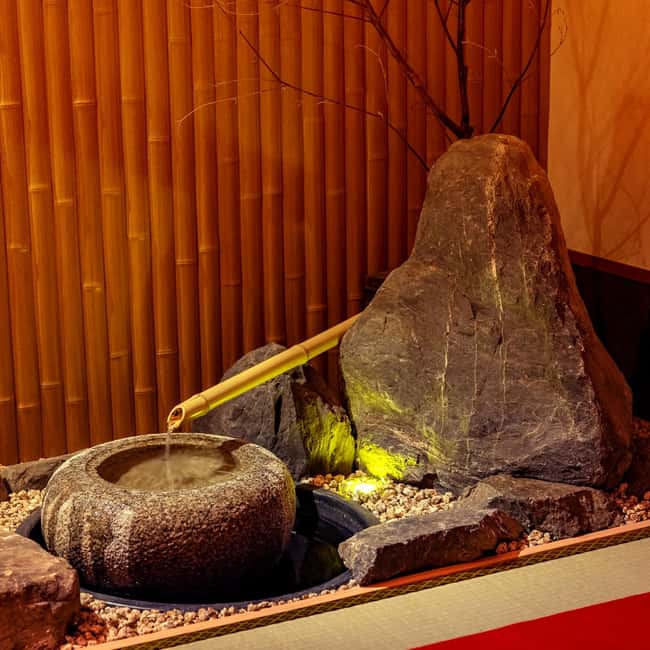
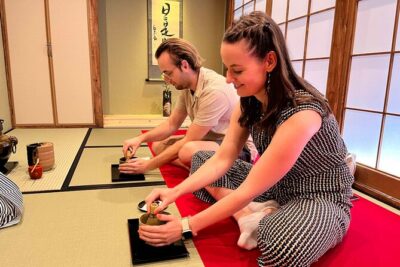
After the magic, the mood changes. The second half is a 30-minute Uji matcha tea time with English guidance.
Uji, near Kyoto, is closely associated with high-quality matcha. Here, the tea is hand-whisked and served with an explanation in English, giving you more than a quick cup at the end of a show. The tea portion offers a chance to notice the texture, fragrance, and gentle bitterness of matcha in a quiet setting.
This part is not presented as a full-length tea school lesson. The available information promises clear English guidance, a bowl of Uji matcha, and a 30-minute session. You can expect an introduction to the tea experience rather than an extended study of every rule and movement.
I like this pairing because the two halves have different energies. Wazuma depends on alertness and surprise. Matcha asks you to slow down and pay attention. The change gives the hour a natural shape and keeps the tea from feeling like an afterthought.
If you already dislike matcha, the tea portion may be less appealing. Matcha has a distinct taste that can be grassy and bitter. Still, the activity is about the ritual and setting as much as the drink, and English guidance makes it easier to understand what you are being served.
How $77 per person measures up
At $77 per person, this is a premium one-hour activity. You are paying more than you would for an ordinary cup of tea or a casual magic show, but the price includes two elements that are difficult to combine elsewhere: a private Wazuma performance and a guided Uji matcha experience.
The value is strongest when you care about setting, rarity, and personal attention. A couple sharing a private room may find the price reasonable for a distinctive evening activity. A larger group will need to compare the cost with other cultural programs, especially since the experience does not include transportation.
The short duration cuts both ways. One hour is easy to fit between dinner and another Gion walk, and it will not exhaust you after a full day in Kyoto. On the other hand, people who judge value by the number of hours may find $77 steep.
I would book it for the character of the experience, not for the quantity of activities. The appeal is the quality of the hour: a rare art, a beautiful room, close-up presentation, and matcha served with English help.
Who will enjoy this Kyoto experience most
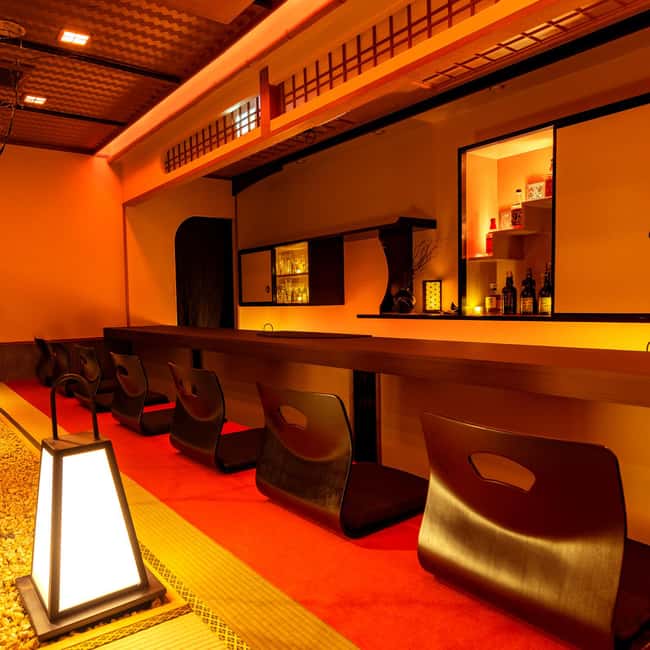
This activity is a good fit for you if you want a small cultural experience with a strong sense of place. It suits:
- Couples seeking a private and unusual Kyoto activity
- Families with children old enough to appreciate magic and tea
- Visitors who have already seen several temples and want a change of pace
- People interested in traditional Japanese performing arts
- First-time visitors who want English guidance in an intimate setting
- Anyone who enjoys close-up magic rather than a large stage show
It may be less suitable if you want a long tour, a large production, or a completely flexible arrival time. The fixed one-hour schedule and six-seat room require planning.
The activity also works best for people who can sit quietly and pay attention during the performance. The magic depends on small details, and a phone screen or flash can spoil the mood for everyone in the room.
Planning your visit in Gion
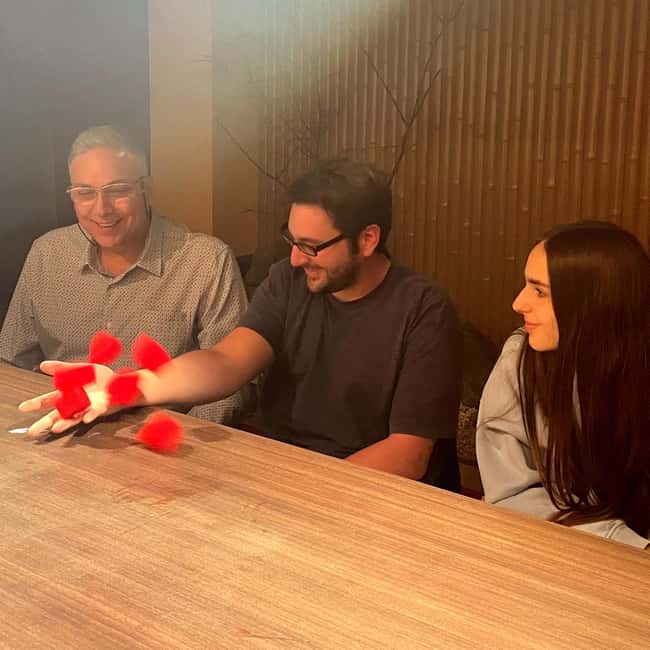
No transport is included, so you need to make your own way to the meeting point. The staff member waits in front of the building five minutes before the start time, so plan your route in advance and allow extra time for Kyoto’s narrow streets.
Arriving early is especially important here. The show is reservation only, and the room has limited seating. A late arrival may interrupt the performance, even though one attendee noted that the guide was able to adjust after a delay. I would not count on that flexibility.
The activity is offered in English, and a host or greeter is available. You do not need to arrange a separate interpreter. The experience lasts one hour, but you may want to allow additional time before or after it for walking through Gion.
There is no mention of transportation from hotels, meals beyond the matcha service, or other personal expenses. You should budget separately for getting to the venue and for anything you buy during the rest of your evening.
Free cancellation is available up to 24 hours before the activity for a full refund. You can also reserve and pay later, which is useful if you are still arranging a Kyoto itinerary.
How this fits into a Kyoto day
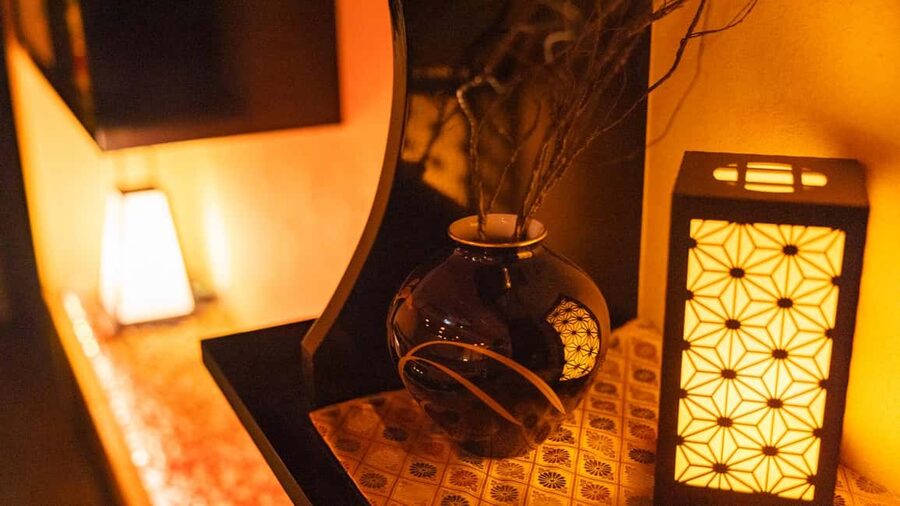
The one-hour length makes this easy to place in a busy schedule. You could pair it with time in Gion, then continue to dinner nearby. You might also choose it after a full day of temples, when you want to sit down rather than keep walking.
The setting gives the activity a distinctly Kyoto feel without requiring a major time commitment. You get the atmosphere of a traditional tea room, the craft of Japanese magic, and Uji matcha in one compact booking.
Still, avoid squeezing it between distant attractions. Since the venue is in Gion and transport is not included, a tight schedule could turn a calm experience into a race. I would build in a cushion before the meeting time and treat the show as the center of that hour.
The private setting also makes this a strong choice for a rainy afternoon. The experience takes place indoors, and its value does not depend on clear weather or seasonal scenery.
The small details that make it memorable
Several details give the activity more character than a basic performance. The room is described as beautiful, the magic takes place at very close range, and a small souvenir comes at the end. The tea then provides a peaceful finish rather than sending you straight back into the streets.
The named performers, Masaya and Tamaki, also give the experience a more personal feel. You are not simply watching an anonymous demonstration. You are meeting the people who present the magic and guide the transition into tea.
The strongest feature is the combination of intimacy and tradition. The show is not only close because the room is small. Its gestures, objects, and presentation are built for careful watching. The tea, in turn, gives you a quiet way to appreciate a Japanese custom without committing to a long formal ceremony.
That combination explains the very strong 4.8 rating from 29 ratings, with repeated praise for the private setting, close-up magic, friendly staff, tasty matcha, and unusual cultural angle. The activity clearly appeals most to people who want something different from the standard Kyoto checklist.
Should you book the Wazuma show?
Book it if you want a polished, private hour that combines an unusual Japanese art with Uji matcha. The experience is especially appealing for couples, small families, and repeat Kyoto visitors who have already covered the major temples.
Skip it if $77 feels too high for one hour, if you need wheelchair access, or if you prefer a long historical tour with more sightseeing included. It is also not the right choice for a large group, since the tea room has only six seats.
For everyone else, this is a smart special-occasion booking. Arrive five minutes early, keep your camera flash off, and give the magic your full attention. The reward is a rare look at a traditional art, followed by a calm bowl of matcha in a private Gion setting.
FAQ
Where does the Wazuma magic show take place?
The show takes place in a traditional tea room in Kyoto’s Gion area.
How long does the activity last?
The full experience lasts one hour. It includes a 30-minute magic show and a 30-minute Uji matcha tea time.
How many people can attend?
The tea room has only six seats available, and the booking is for a private group.
Is the experience offered in English?
Yes. English guidance is provided, and the host or greeter speaks English.
Is transportation included?
No. You are responsible for getting to and from the activity location.
Can I take photographs during the show?
Photography is allowed only without flash during the performance. Flash photography is not allowed.
Is the activity wheelchair accessible?
No. The experience is not suitable for wheelchair users.
Just added around Kyoto
- Whisk Your Own Matcha: A Zen Matcha Experience at Temple★ 3.6 · 7 reviews
- Uji Walking Tour – Byodo-in temple and Tea Ceremony from Kyoto★ 3.5 · 3 reviews
- Traditional Tea Ceremony in Kyoto★ 4.5 · 3 reviews
- Kyoto: Authentic Tea Ceremony in a Small Group★ 5.0 · 7 reviews
- Tea ceremony at Kyoto’s Zen Temple Teahouse★ 5.0 · 2 reviews
- Tea Ceremony in 150 Years Old Townhouse with Tables and Chairs★ 5.0 · 22 reviews
- Tea Ceremony Experience in Traditional Kyoto Townhouse★ 5.0 · 19 reviews
- Silent Beauty of Kyoto Zen Walk and Tea Experience★ 5.0 · 2 reviews
Tea Ceremony Experiences, compared.
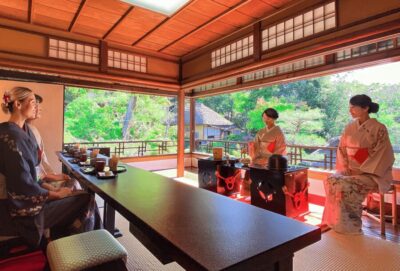
Tea Ceremony in a Traditional Tea House in Kiyomizu
Read our review →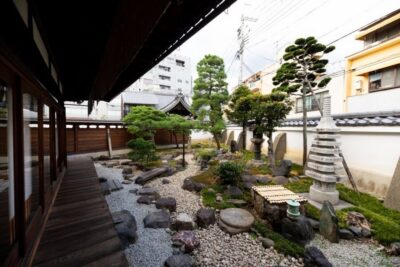
Browse the lists this tour appears in