
Review · YOKOHAMA
Matcha tasting for all five senses at Hotel Yokohama
The most interesting part of this Yokohama experience is that matcha is not treated as just a drink. You taste several Japanese teas, prepare one yourself, pair it with wagashi sweets, and consider the Japanese idea of ikigai, or what gives your life purpose. It is a thoughtful two-hour session in a hotel setting rather than a quick tea counter stop.
I like the hands-on use of the chasen, the bamboo whisk, and the chance to compare matcha from different tea-growing areas. I also like the calm, personal teaching style associated with Misato, whose sessions connect tea with daily purpose and well-being. The main drawback is the price: at $100 per person, this is a special-interest activity, not a cheap introduction to Japanese snacks.
Key points to know before booking
- Several matcha varieties: Compare teas with different aromas, flavors, and character rather than drinking one standard cup.
- Make your own matcha: You will work with a bamboo whisk and tea bowl under an instructor’s direction.
- More than a tea tasting: The session includes discussion and exercises connected with ikigai and personal purpose.
- Japanese sweet pairings: Wagashi and other small Japanese foods help show how sweets can change the taste of matcha.
- Private, two-hour format: Only your group participates, with a 3:00 pm start at 4 Chome Minatomirai.
- A take-home reminder: You receive a small package of matcha and related tea products for later use.
A matcha class with a personal purpose
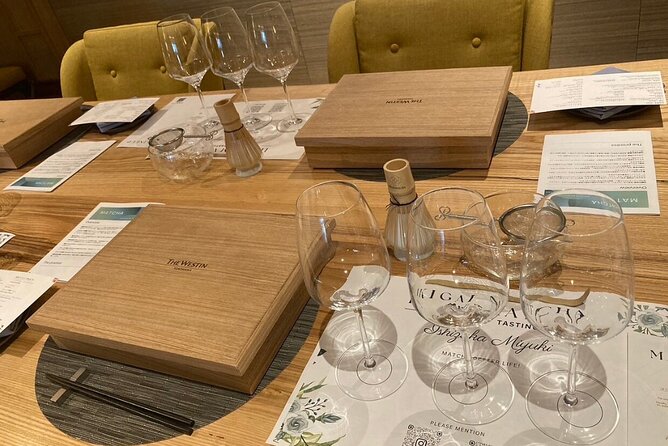
This is best understood as a guided cultural session, not a formal tea ceremony performed for an audience. You are invited to taste, ask questions, whisk your own tea, and think about how matcha fits into Japanese life.
The session also brings in ikigai, a Japanese concept often linked with purpose, satisfaction, and the things that make life worth living. The supplied details describe written or guided work focused on what you value and what you want from life. That makes this a different sort of Yokohama activity. You are not simply collecting facts about tea. You are given time to pause and reflect.
That personal angle will appeal to some people and feel less useful to others. If you want a tightly packed sightseeing stop, the reflection exercises may seem like a detour. If you like cultural activities with room for conversation, they add a meaningful layer to the tasting.
Misato is named in several of the experience details as an instructor who explains matcha, ikigai, and related Japanese traditions. The teaching is described as calm and attentive, with room for inquisitive questions. Since the booking information identifies the guide as licensed or certified, you can expect an in-person instructor rather than a self-guided tasting.
More Matcha Experiences in Japan:
- World Heritage Kyoto & Nara Uji Authentic Matcha Experience
★ 5.0 · 1,573 reviews - Kyoto: Arashiyama Bamboo Forest, Monkeys, Matcha & Temple Tour
★ 5.0 · 759 reviews - Matcha Making Class in Tokyo with Authentic Japanese Sweets Set
★ 5.0 · 744 reviews
Starting in Minatomirai at 3:00 pm
The meeting point is 4 Chome Minatomirai, in Yokohama’s Nishi Ward, with the activity taking place at a hotel in the area. The tour starts at 3:00 pm and ends back at the meeting point after about two hours.
That timing works well if you have spent the morning exploring Yokohama or want a slower afternoon activity. It is also late enough to fit around an earlier lunch. You should allow enough time to reach Minatomirai, since the listed meeting information gives a street address rather than a detailed hotel-room instruction.
The area is near public transportation, which helps, but you should still check the exact entrance and meeting instructions after booking. The ticket is mobile, so you do not need to print a voucher. Confirmation is provided when you book.
This is a private activity. Only your group takes part, which matters here. A small group allows the instructor to watch your whisking, answer specific questions, and give the reflective parts a more personal tone. It also means the $100 price buys a private session rather than a seat in a large demonstration.
Tasting matcha from different Japanese regions
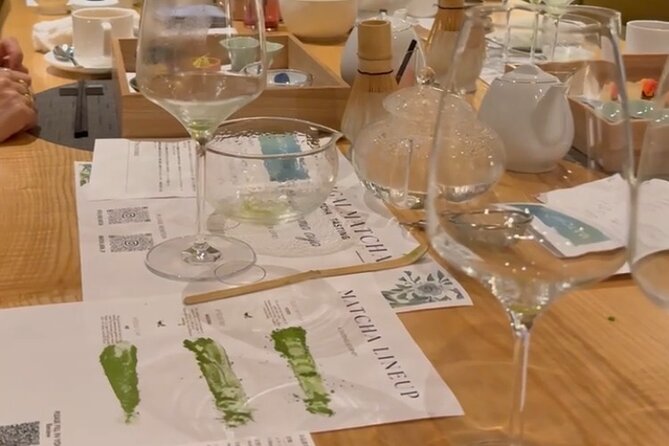
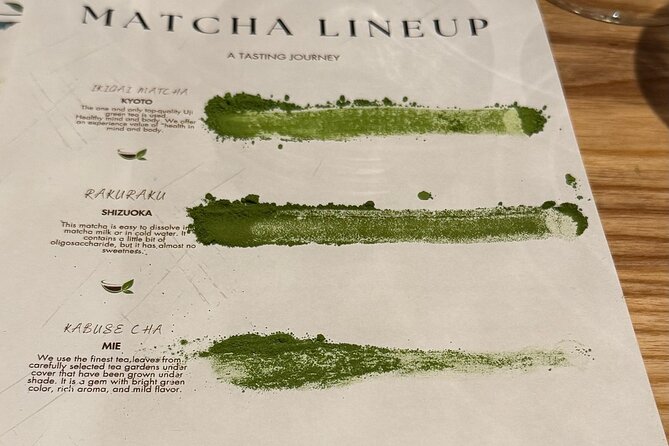
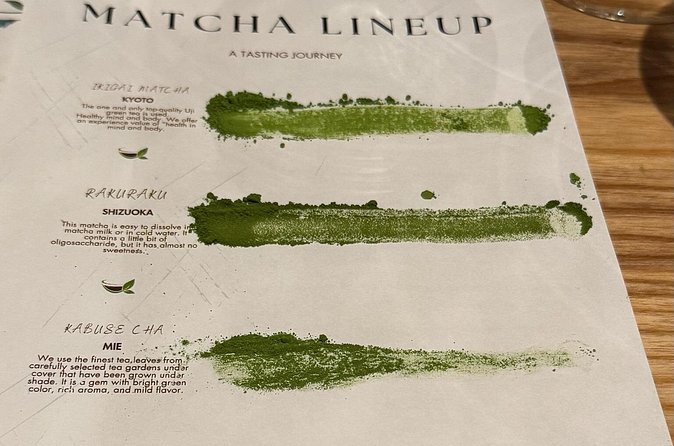
The tasting begins with several varieties of high-quality matcha sourced from Japanese tea regions. The important point is comparison. Instead of assuming all matcha tastes the same, you can notice how one powder differs from another in aroma, bitterness, sweetness, body, and finish.
Matcha is made from finely ground green tea, so the leaf itself becomes part of the drink. That gives it a fuller presence than ordinary steeped tea. Some cups may seem grassy or bitter, while others can feel smoother, sweeter, or more savory. The supplied information does not name the exact farms or growing regions, so you should not expect a fixed list of teas in advance.
The instructor explains how matcha is produced and why tea from different places can taste different. This is where the class offers more value than a café order. You learn what to look for rather than simply being told which cup is best.
The title promises an experience for all five senses, but the clearest practical focus is on flavor and aroma, along with the sight of the powder, tools, sweets, and prepared tea. The cultural setting and quiet preparation also shape the experience. You should think of the title as a broad sensory approach, not as five separate theatrical demonstrations.
Learning to use the chasen and chawan
The hands-on preparation is one of the strongest reasons to book. You learn to make matcha with a chasen, the traditional bamboo whisk, and a chawan, the tea bowl.
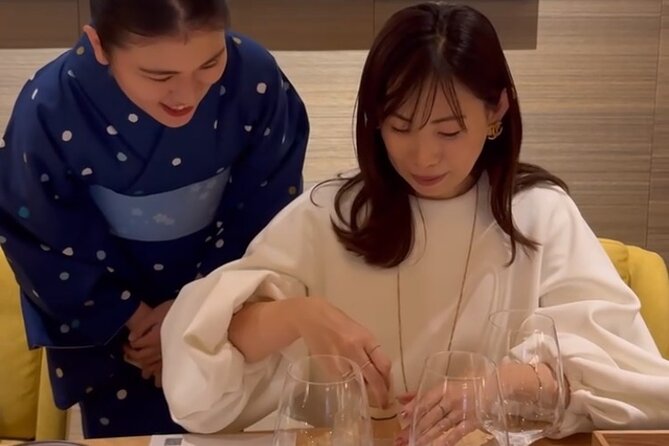
For many first-time visitors, whisking is the moment when the activity becomes real. You are no longer watching someone prepare tea behind a counter. You handle the tools, follow the instructor’s method, and see how preparation changes the drink.
The provided information does not give a full step-by-step recipe or say how many cups you will prepare. It does confirm that you will actually make matcha yourself. That distinction matters if you are comparing this with a simple tasting flight.
Do not worry if your first bowl is not perfect. A guided lesson is useful precisely because you can ask about technique and learn what the whisk is doing. The instructor can also explain the relationship between powder, water, and texture without turning the class into a technical lecture.
The experience is connected to Japanese tea culture, but it should not be confused with a full traditional tea ceremony. You are learning selected elements of preparation and appreciation in a modern hotel setting. That makes it approachable for beginners, while people already familiar with tea may appreciate the regional comparisons and cultural discussion.
More Tea Tastings in Japan:
- Private Tea Ceremony and Sake Tasting in Kyoto Samurai House
★ 5.0 · 163 reviews - Matcha Experience with of Japanese Tea Tasting in Tokyo
★ 5.0 · 31 reviews - Nara:5 Type of Tea Tasting & Mindful Tea Ceremony
★ 5.0 · 28 reviews - Tokyo: Matcha Tasting and Making Experience
★ 4.9 · 21 reviews
Wagashi and small Japanese food pairings
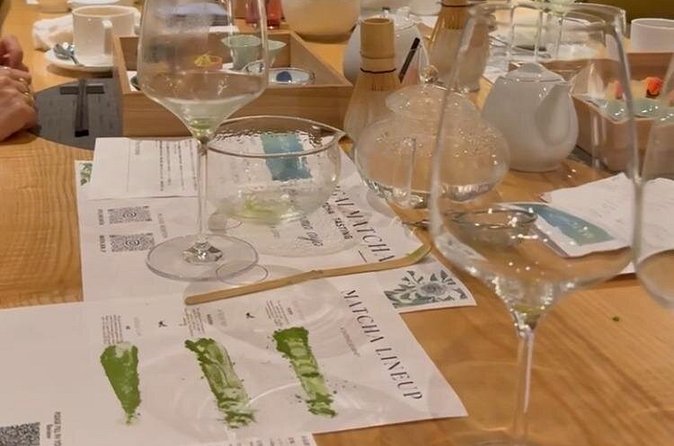
Matcha is often served with Japanese sweets because sweetness can soften the tea’s bitterness and make its other flavors easier to notice. Here, traditional wagashi and carefully selected small foods are served alongside the tea.
The pairing is not just decoration. Take a bite of the sweet, then taste the matcha again. You may notice that the tea seems less sharp or that a subtle flavor becomes easier to pick out. The experience also shows how Japanese food traditions pay attention to balance, appearance, and timing.
The available details refer to wagashi, canapés, and even themes involving onigiri in related sessions, but they do not promise a fixed menu for every booking. You should not book this expecting a full meal. The food is there to support the tasting and cultural lesson.
That makes the activity suitable for an afternoon pause, but you may still want to eat lunch beforehand. The session lasts around two hours, and the included food is described as sweets and small pairings rather than a substantial meal.
Ikigai, reflection, and the quieter side of Japan
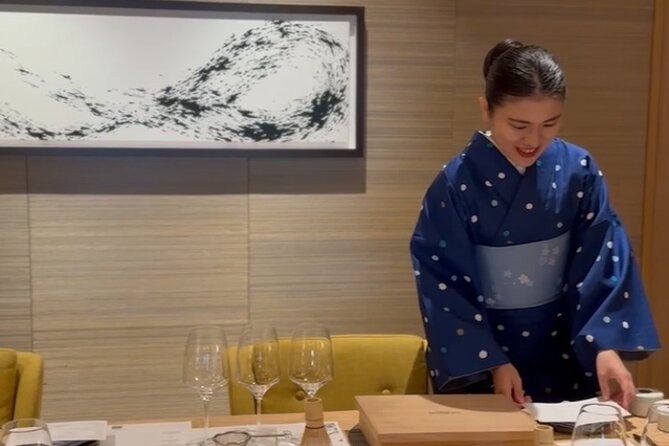
The unusual part of this experience is the connection between matcha and ikigai. You may be asked to consider your purpose, the values you want to protect, and the direction you want your life to take.
This can be surprisingly moving, especially if you are traveling with a friend or partner and want something more memorable than another sightseeing stop. The supplied experience details describe participants considering what they are living for and what they want to value. That is a more personal exercise than most food tours offer.
Still, the reflective content will not suit everyone. Some people want tea facts, sweets, and a pleasant cultural activity without discussing life goals. You should read the experience as a blend of matcha education and guided self-reflection. If that sounds appealing, it is a major benefit. If not, the tea preparation and tasting may be enough reason to attend, but part of the session may feel outside your interests.
The instructor’s role matters here. Misato is associated with explaining both matcha and ikigai, and the available comments describe her as attentive and able to answer detailed questions. You can expect an atmosphere that values conversation rather than rushing through a checklist.
Why the private format affects the value
At $100 per person, the cost is high for a two-hour activity. The price becomes easier to justify if you value the private format, expert instruction, multiple teas, food pairings, and take-home products.
You are paying for more than the ingredients. The session includes guidance on tea production, preparation tools, cultural background, and personal reflection. You also receive a small package of matcha and related tea products, which lets you repeat part of the experience at home.
The private setup is especially useful for couples, friends, or families who want to ask questions without holding back a larger group. It may also work for solo participants who prefer a calm conversation. On the other hand, if you mainly want to sample matcha, a tea shop or café will cost less.
The information says all fees and taxes are not included, so check the final booking total before you commit. That detail is easy to overlook when comparing the headline price.
Who will get the most from this Yokohama activity
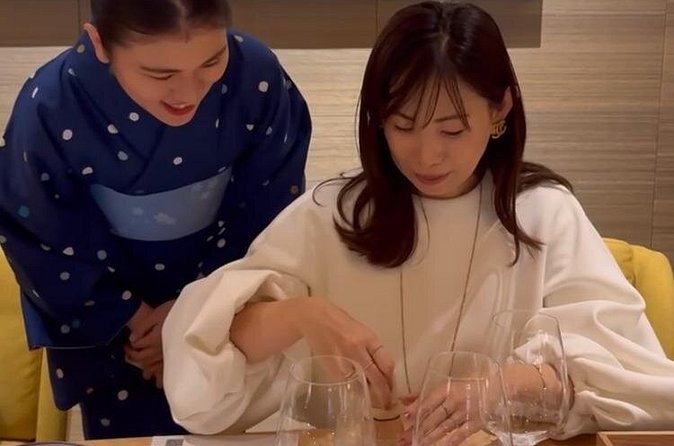
I would recommend this to you if you enjoy food and drink experiences that explain the story behind what you are tasting. It is also a good fit if you want to learn a practical Japanese skill and bring home tea rather than only taking photographs.
You are likely to appreciate it if you:
- Have never prepared matcha and want guided instruction
- Enjoy Japanese sweets and small food pairings
- Want a private activity for your own group
- Are interested in ikigai and personal reflection
- Prefer a calm afternoon program to a fast sightseeing tour
- Want direct access to an instructor for questions
I would be more cautious if your main goal is a formal tea ceremony, a full meal, or a low-cost activity. The program is described as an expert-led tasting and preparation session, not a complete ceremonial performance or restaurant experience.
Most people can participate, and service animals are allowed. The activity is near public transportation. No special physical demands are listed, but the booking information does not give detailed seating or accessibility information, so contact the provider if you need specific arrangements.
Practical booking advice for the 3:00 pm session
The activity is often booked about 18 days ahead, so reserve early if your Yokohama schedule is fixed. That is especially sensible if you want a particular afternoon during a short visit.
You can cancel for a full refund up to 24 hours before the local start time. Cancellations or changes made inside that 24-hour window are not refunded or accepted. Keep the mobile ticket available and check the meeting details after confirmation.
Since the end point is the same as the meeting point, you can plan another Minatomirai activity afterward. The session lasts approximately two hours, so it should finish around 5:00 pm, although the exact ending may vary. Do not schedule a tight connection immediately afterward.
Should you book the matcha tasting at Hotel Yokohama?
Book it if you want matcha as a cultural and personal experience, not just a beverage. The combination of regional tea tasting, hands-on whisking, wagashi, private instruction, and ikigai reflection gives the session a clear identity.
The $100 price is fair only if you will use those extras. For a simple cup of matcha, it is too much. For a small private group that wants instruction, conversation, and a take-home souvenir, the value is stronger.
My practical advice is simple: choose this for a slower afternoon in Yokohama, especially if you enjoy thoughtful activities and Japanese food traditions. Skip it if you want a formal ceremony, a large meal, or a quick and inexpensive tea stop.
FAQ
Where does the matcha tasting take place?
The activity takes place at a hotel in Yokohama’s Minatomirai area. The listed meeting point is 4 Chome Minatomirai, Nishi Ward, Yokohama, Kanagawa 220-0012, Japan.
What time does the experience start?
The scheduled start time is 3:00 pm.
How long does the matcha experience last?
The experience lasts approximately two hours and ends back at the meeting point.
Is this a private activity?
Yes. Only your group participates in the activity.
Will I prepare matcha myself?
Yes. You will learn to prepare matcha with traditional tools, including a bamboo whisk called a chasen and a tea bowl called a chawan.
Are Japanese sweets included?
Yes. Traditional Japanese sweets, including wagashi, are served to complement the matcha. The food is described as small pairings rather than a full meal.
What is the cancellation policy?
You can cancel at least 24 hours before the local start time for a full refund. Cancellations and changes made less than 24 hours before the start time are not accepted, and the amount paid is not refunded.
More Food and Drink Tours in Japan
- Arashiyama Bamboo, Temple, Monkeys, or Secret Sake Brewery
★ 4.8 · 886 reviews - Experience all of Japanese culture and Japanese food experience classes “origami, udon, Japanese food, green tea, calligraphy” in 4 hours
★ 5.0 · 105 reviews - Tokyo Sushi Making Class : Sake Ceremony & Matcha Experience
★ 5.0 · 44 reviews - Nara:Tea Tasting&Private Tea Ceremony -Master Matcha Making-
★ 5.0 · 19 reviews
Just added around Japan
- Yokohama : Tea Ceremony with Sweets and Souvenir★ 5.0 · 5 reviews
- Whisk Your Own Matcha: A Zen Matcha Experience at Temple★ 3.6 · 7 reviews
- Walking Tour: Yanaka,Nezu& Sendagi: Tea Ceremony & Old Tokyo★ 5.0 · 3 reviews
- Visit local home for music and tea ceremony near Disney★ 4.9 · 13 reviews
- Yokohama: Sushi & Gyoza Cooking with Matcha & GreenTea Experience★ 5.0 · 3 reviews
- Trip to Kamakura & Enoshima: Shrines, Seaside, Temples &Tea★ 5.0 · 11 reviews
- Uji: Private immersion into Kyoto’s tea and reglious culture★ 5.0 · 17 reviews
- Kyoto tea town for matcha lovers★ 5.0 · 16 reviews
Matcha Experiences, compared.
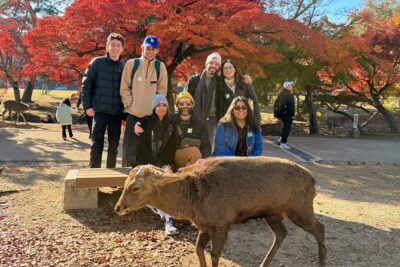
World Heritage Kyoto & Nara Uji Authentic Matcha Experience
Read our review →
Matcha Making Class in Tokyo with Authentic Japanese Sweets Set
Read our review →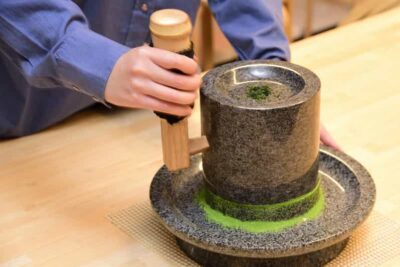
Tea Museum Tickets and Matcha Grinding Experience
Read our review →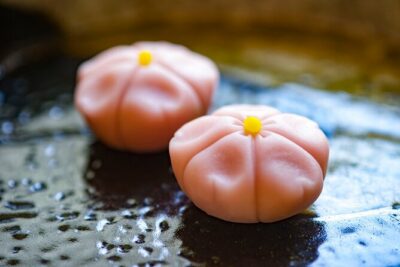
Matcha Making Class in Osaka with Authentic Japanese Sweets Set
Read our review →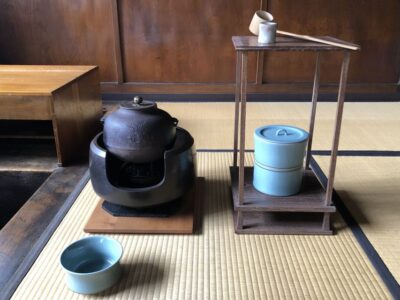
Tea Ceremony Meditation – Make Matcha with Tea Master
Read our review →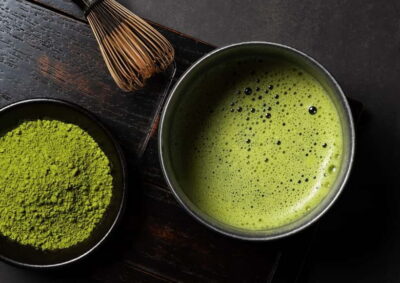
Matcha Making Experience with Mochi Sweets in Asakusa
Read our review →
Browse the lists this tour appears in