
Review · OSAKA
Matcha Tea Bowl Experience in Osaka
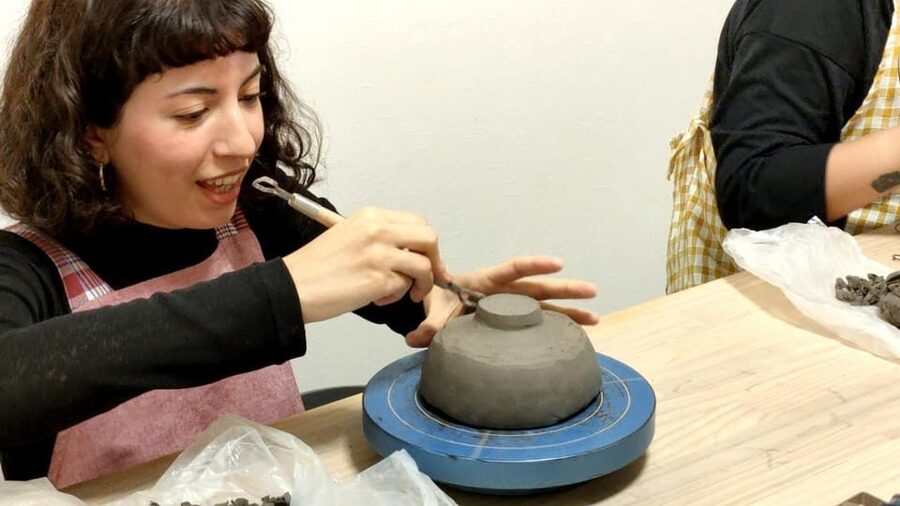
The best part of this Osaka workshop is that you do not simply buy a souvenir, you make one. At a traditional building in Ikuno Ward, ceramic artist Anna guides you in carving a matcha bowl by hand with the kurinuki technique, then helps you choose its glaze color and add a Japanese signature.
I like the quiet, personal format and the chance to learn why a chawan matters in tea ceremony, not just how to decorate one. I also like that Anna studied ceramics in Osaka and Barcelona, and that the class runs in English, Spanish, Catalan, or Japanese. The main drawback is practical: your finished bowl is shipped about two months later, and postage is extra.
Key Points
- Carve instead of mass-produce: The kurinuki method leaves deliberate tool marks and gives every bowl a wabi-sabi look.
- Meet at JR Teradacho Station: Use the north exit, where you will find a sign marked Ceramics Tocoton.
- Learn from Anna: She leads the pottery work and explains the cultural role of the matcha bowl.
- Add a tea ceremony session: The optional version includes tea preparation with Kiyomi and Masako, plus Japanese sweets.
- Take home a handmade gift: The combined workshop includes a small ceramic dish, while your bowl arrives later by post.
- Plan for extra shipping: The bowl is not carried home on the day, and the cost depends on your country and group size.
Why Making a Bowl Beats Buying One
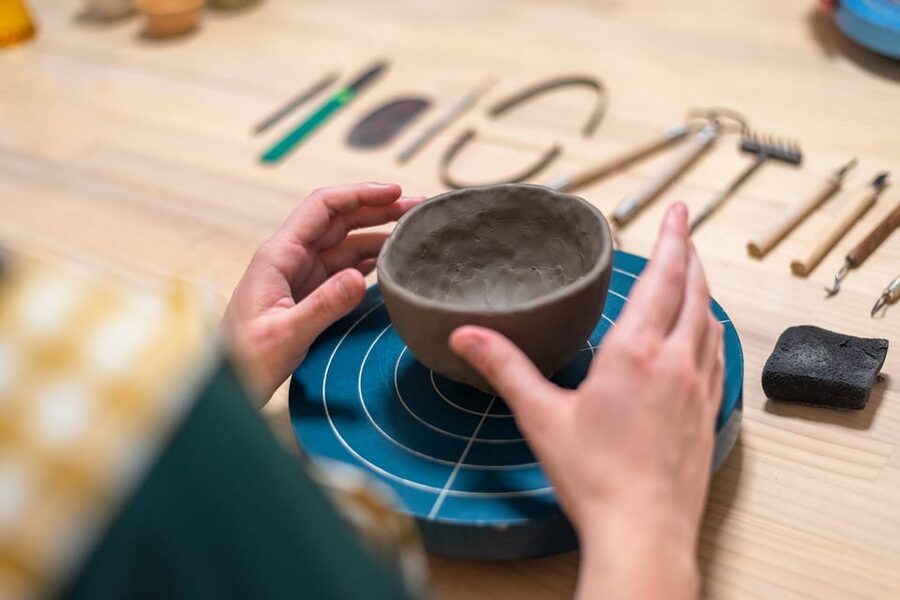
Osaka is full of easy souvenirs: sweets, kitchen tools, character goods, and the usual rows of factory-made ceramics. This experience gives you something slower and more personal. You handle the clay, cut into its surface, decide how much texture to leave, and choose the final glaze color.
That process matters because the kurinuki technique does not aim for perfect symmetry. You carve away clay rather than shaping a bowl on a potter’s wheel, so the finished piece keeps a hand-worked character. Small irregularities become part of the design. In Japanese pottery, this connects with wabi-sabi, the appreciation of simplicity, age, and natural imperfection.
I like this as a souvenir because the object has a story. You will remember the afternoon in Osaka every time you use it for tea, even if the bowl is not perfectly round. You can also sign it with Japanese characters, adding a detail that makes the piece feel properly yours.
The session lasts about 90 minutes to two hours. That is long enough to learn the technique without turning the activity into a full-day ceramics course. You do not need previous pottery experience, and Anna works through the process with you rather than assuming you already know how to handle clay.
More Matcha Experiences in Osaka:
- Matcha Making Class in Osaka with Authentic Japanese Sweets Set
★ 5.0 · 509 reviews - Osaka: Matcha Making Experience with Japanese Sweets
★ 5.0 · 146 reviews - Osaka Temple Cool Foot Bath & Matcha Experience〈45min〉
★ 4.9 · 82 reviews
Meeting Anna Near JR Teradacho Station
The meeting point is the north exit of JR Teradacho Station. Look for the person holding a sign that says Ceramics Tocoton. Station pick-up is included, which is useful if you are unfamiliar with this part of Osaka or are not sure which way to walk after leaving the station.
Teradacho is in Osaka’s Ikuno Ward, away from the city’s most famous sightseeing streets. That makes this a good choice if you want to see a more local side of Osaka after the workshop. The activity itself takes place in a traditional building, adding a sense of place before you even touch the clay.
Be punctual. Arriving more than 15 minutes late counts as a no-show unless you contact the provider. This is not the sort of class where you can quietly slip in whenever you like, since the instruction is hands-on and the group is private.
The private format is one of the experience’s strongest features. Group size can be small, and one participant described a session with only two people. That gives you more direct help while you shape and carve your bowl. It also makes the class a better fit for couples, families with older children, friends, or solo visitors who prefer a calm setting over a large demonstration.
Carving Clay with the Kurinuki Technique
Anna begins by explaining the pottery process and showing you how to work with the clay. The central method is kurinuki, a traditional Japanese technique based on carving and hollowing rather than producing a mechanically even form.
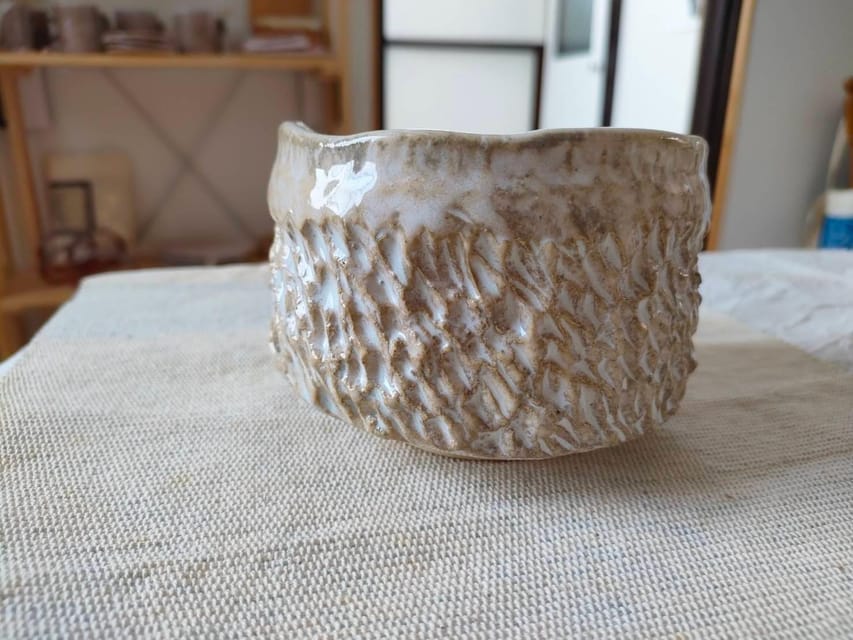
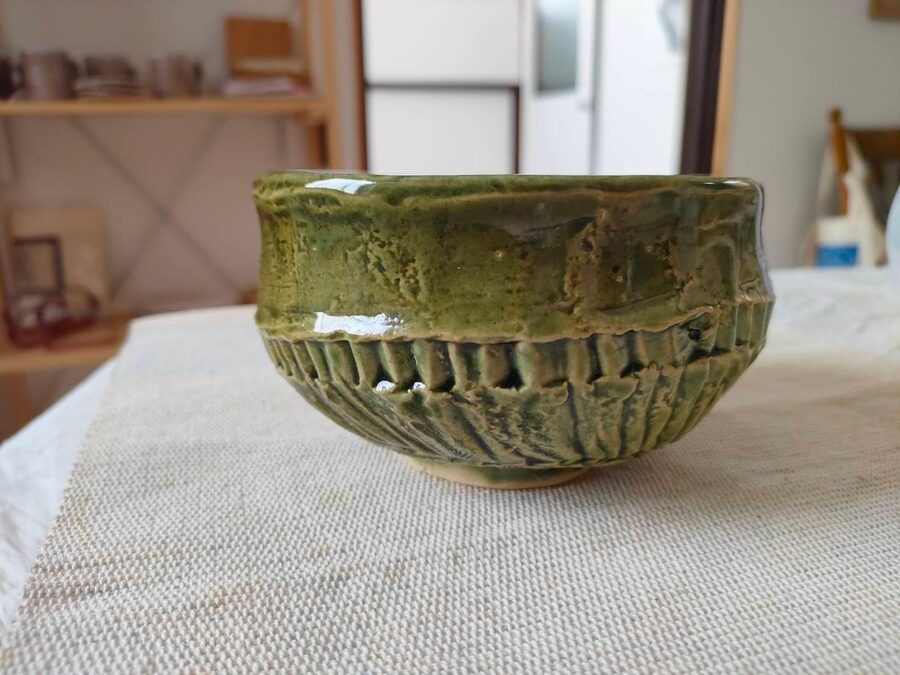
You use different tools to cut patterns and texture into the bowl. The design can be simple or more expressive. You might leave visible cuts, make a more restrained surface, or create a pattern that reflects your own taste. Since each person works differently, the finished bowls should not look like copies of one another.
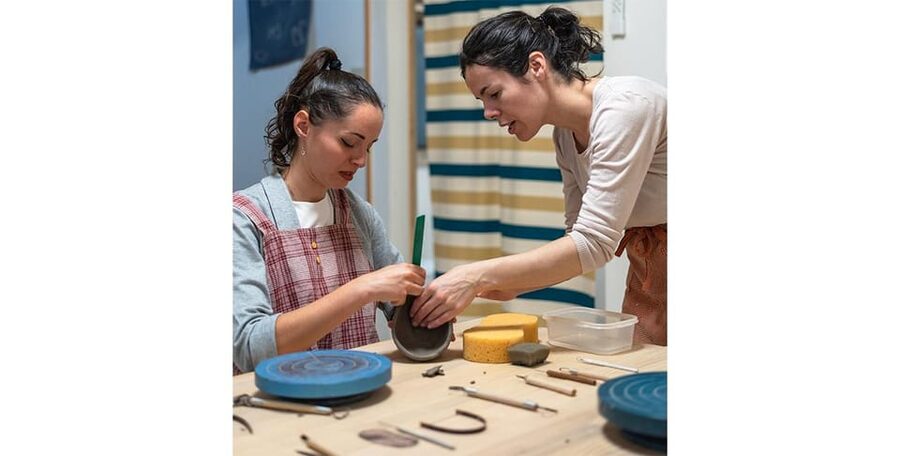
The activity is accessible to beginners because you are not expected to arrive with a finished design or technical skill. Anna helps correct small mistakes and guides you through the parts that feel uncertain. That support is important, since clay can look very different once the surface is cut and the glaze is applied.
One especially appealing detail is that the bowl is not treated as a blank craft project with no context. Anna explains the cultural meaning of the chawan and how it functions in Japanese tea ceremony. You learn that shape, texture, and the way a bowl feels in the hands all matter when tea is prepared and served.
The workshop also leaves room for creativity. You are not simply following a template. The different bowls produced during a class can vary greatly, which is exactly the point. If you enjoy making something with your hands but do not want a formal art lesson, this balance should work well.
Choosing the Glaze and Signing Your Chawan
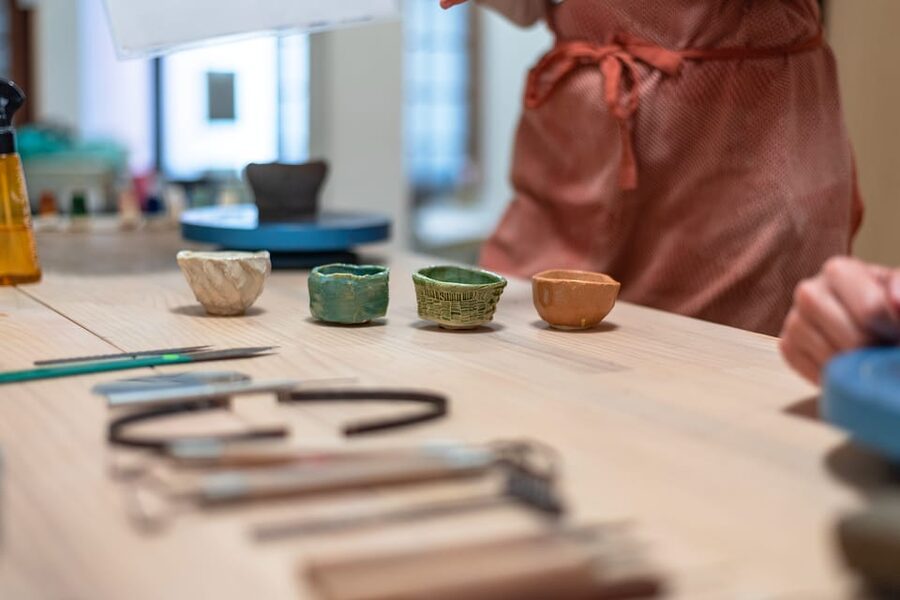
Once the bowl has been shaped and decorated, you choose its color. The available glaze colors are described as beautiful, but the exact selection can vary, so do not book this expecting one particular shade unless you confirm it in advance.
This is the moment when the rough clay form begins to feel like a finished object. The glaze will change the appearance of the bowl after firing, so part of the fun is imagining how the carved marks will look beneath the final surface.
You can also sign the bowl using Japanese characters. This is a small option, but it adds real character to the piece. Ask Anna for help with the writing if you want a Japanese name, phrase, or mark and are not comfortable writing it yourself.
The bowl is shipped to the address you provide in about two months. Shipping is not included in the $83 price, and the final amount depends on your country and the number of people sending pieces. I would treat this as an important booking detail, not a footnote. If you are moving between hotels or leaving Japan soon, provide an address that will still be reliable later, and ask about the approximate postage before committing.
A few more tea experiences around Osaka worth a look
- Osaka: Tea Ceremony Experience
★ 4.9 · 1,426 reviews - Tea Ceremony Experience in Osaka Doutonbori
★ 5.0 · 754 reviews - Osaka: Tea Ceremony, Calligraphy, and Kimono Experience
★ 4.9 · 130 reviews - Osaka: Japanese Traditional Sweets Making and Tea Ceremony
★ 4.7 · 118 reviews
Learning What a Matcha Bowl Means
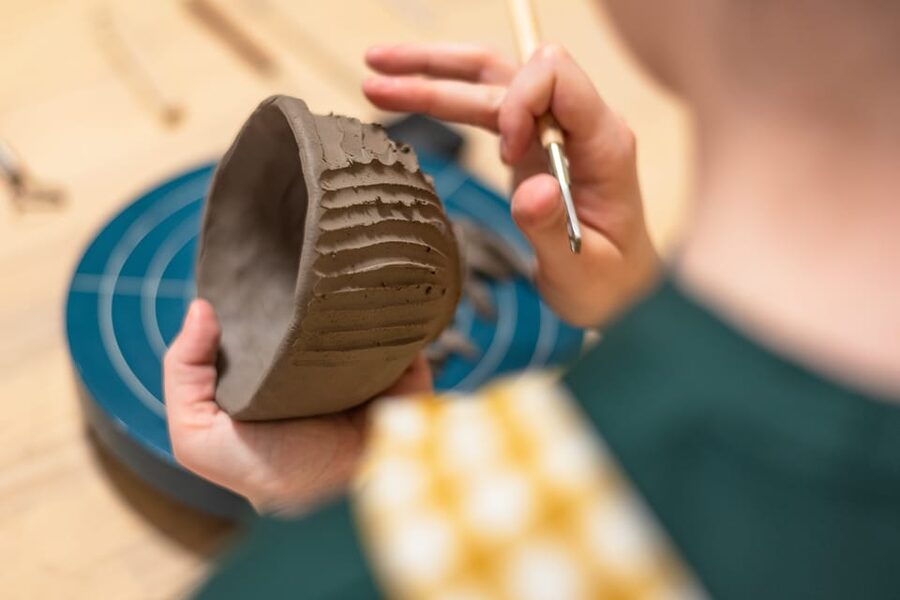
A matcha bowl is not just a cup with a wider shape. In tea ceremony, the chawan is part of the setting and part of the host’s welcome. Its weight, rim, texture, and colors all affect how tea is prepared and enjoyed.
The workshop connects the pottery with this wider cultural setting. You learn about the role of the bowl while making one, which gives the craft more meaning than a standard paint-your-own-pottery session. The explanations cover Japanese culture and the traditional tea ceremony, with Anna guiding the pottery side.
You also prepare matcha and enjoy a drink during the experience. Japanese sweets accompany the tea, giving you a simple taste of how the drink is served in a tea setting. This is not presented as a long formal ceremony unless you book the combined option, but it gives you a useful introduction to the connection between bowl, tea, and hospitality.
I find that combination especially useful for first-time visitors to Japan. You do not need to know the rules of tea ceremony before arriving. You receive enough background to understand what you are making, then get to enjoy matcha rather than simply hearing about it.
The Optional Tea Ceremony Workshop
If you want more than pottery, choose the combined workshop. The schedule begins with the basics of tea ceremony, led by tea ceremony masters Kiyomi and Masako. You prepare matcha under their guidance and enjoy it with Japanese sweets.
After that, you work with Anna to shape and decorate your own matcha bowl. The order makes sense: first you use a chawan in a tea setting, then you make one with a clearer idea of how it should feel in your hands.
The combined session includes a small ceramic dish as a gift. It is designed for enjoying sweets during tea ceremony at home, so you leave with something useful even while your larger bowl is still being fired and shipped.
Choose this option if tea culture is a major reason you are visiting Japan or if you want a fuller cultural activity. Choose the pottery-only version if your priority is making the bowl and you prefer to keep the session closer to 90 minutes. The exact duration depends on the option and availability.
Afterward, you can explore Ikuno Ward. The workshop does not list a fixed neighborhood walking tour, so plan this as free time rather than a guided sightseeing stop. Anna can also offer local recommendations, which may help if you are looking for places to eat or things to do in Osaka.
What the $83 Price Includes
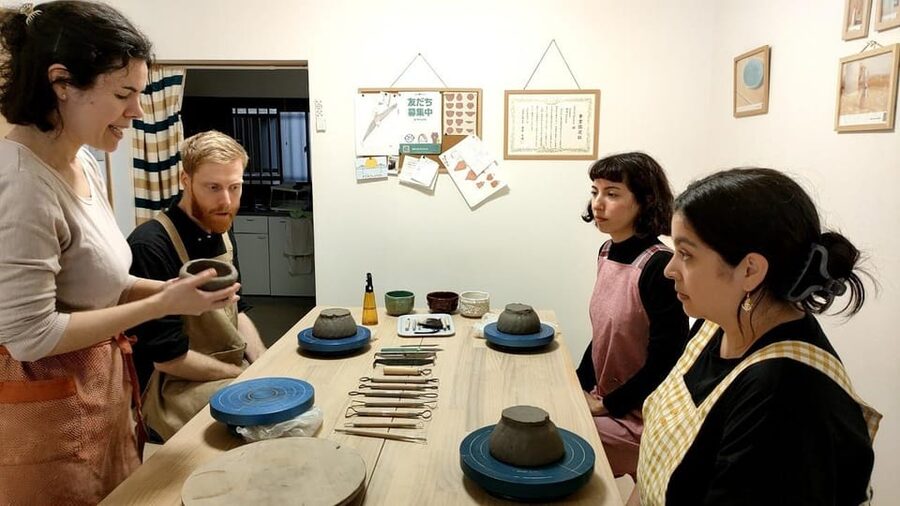
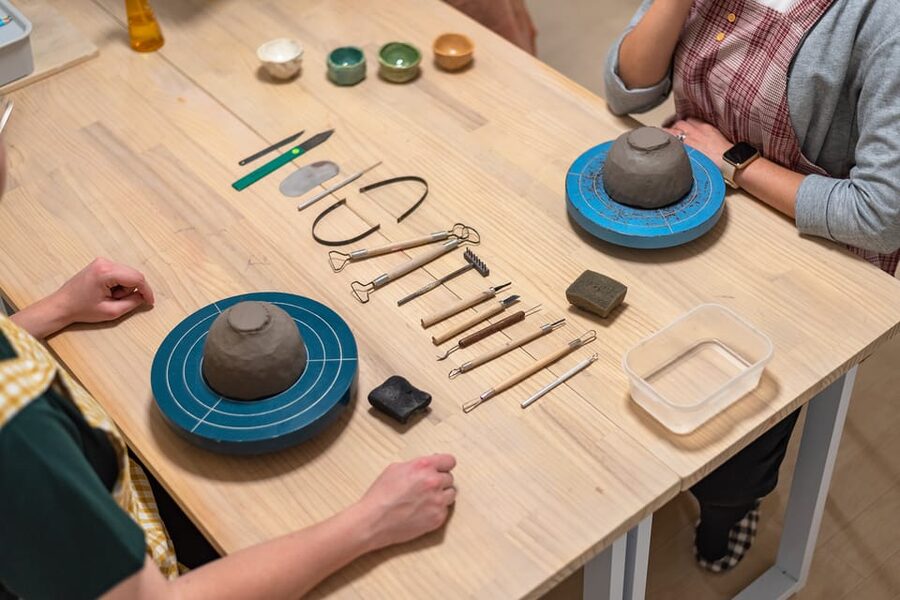
At $83 per person, this is not the cheapest craft activity in Osaka. The price includes the instructor, materials, equipment, drinks, station pick-up, cultural and technical explanations, and a ceramic gift. Most important, it includes the firing and preparation of a handmade bowl that will be sent to you later.
The value depends on what you want from a souvenir. If you only want a low-cost keepsake, you can buy a cup or bowl for less. If you want an activity that combines a local setting, direct instruction, Japanese tea culture, and an object you create yourself, the cost is more reasonable.
The private format also affects the value. You are not paying to stand at the back of a large class. You can ask questions, receive help with your carving, and spend time with an instructor who can explain both pottery and Japanese customs.
Still, budget for shipping. Since the bowl cannot be taken home immediately and postage is separate, the real cost is higher than the headline price. Ask for an estimate based on your destination and group size before booking.
Who Will Enjoy This Experience Most
I would recommend this workshop to you if you like hands-on activities, design, Japanese culture, or meaningful souvenirs. It is also a good rainy-day plan because the main activity takes place indoors and does not depend on Osaka weather.
It suits beginners particularly well. You do not need ceramic training, and Anna’s role is not limited to giving a short demonstration. She guides you through the work and helps fix small errors, which lowers the pressure of making something permanent.
Couples and friends can enjoy comparing their designs without competing to make identical bowls. A solo visitor can also benefit from the private format and direct conversation. The workshop is available in English, Spanish, Catalan, and Japanese, so you can choose the language that lets you ask the most questions.
The activity is not suitable for children under six. It is also not accessible for wheelchair users because the space is not adapted. If either point applies to your group, choose another Osaka activity.
You should also avoid booking this if you need to leave Japan with the finished bowl in your suitcase. The piece is shipped later, and the delivery period is about two months.
What the Strong Praise Gets Right
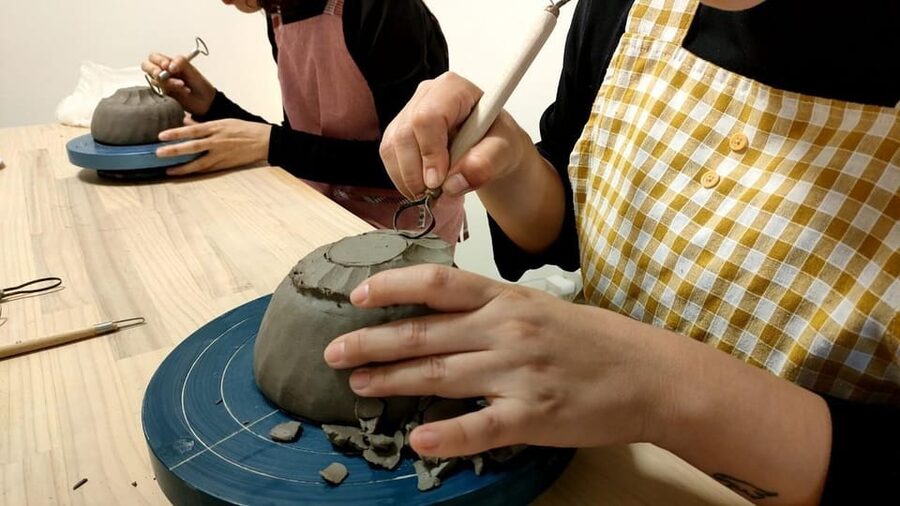
The most consistent praise is directed at Anna’s teaching style. She is described as welcoming, helpful, and easy to talk with. That matters here because pottery can feel intimidating when you are unsure how much clay to remove or how to repair a mark.
The cultural explanations also receive strong approval. You are not only learning a craft. You are learning about matcha, the chawan, tea ceremony, and Japanese pottery in general. One participant especially appreciated getting recommendations for food and things to do in Osaka, a useful bonus for a first visit.
The other clear strength is the individual result. You can see how differently the bowls turn out, even when people begin with the same materials and instructions. That variety is a sign that the workshop allows personal choices rather than pushing everyone toward a standard product.
No major complaint appears in the available feedback, but the practical limits remain real: shipping costs extra, delivery takes time, the space is not wheelchair accessible, and late arrival can forfeit the booking. Those points are easy to manage if you plan ahead.
Booking Details and Practical Tips
You can cancel for a full refund up to 24 hours before the activity. A reserve-now, pay-later option is also available, which helps if your Osaka schedule is still shifting.
Check the available start times when booking. The experience lasts between 90 minutes and two hours, with the combined tea ceremony option likely taking more time than the pottery session alone.
Wear something you do not mind working in, although the provided information does not specify a dress code. More importantly, arrive at JR Teradacho Station’s north exit on time and contact the provider if you expect to be more than 15 minutes late.
Alcohol and drugs are not allowed. Keep your shipping address handy, and ask about postage before the class if your budget is tight.
Should You Book the Matcha Bowl Experience?
Book it if you want to make a personal Japanese souvenir rather than purchase one, and if you enjoy learning through conversation and practice. Anna’s pottery instruction, the kurinuki method, the tea background, and the private setting give the experience more substance than a quick craft demonstration.
Choose the combined version if tea ceremony is a central interest. Choose pottery only if you want a shorter, focused session. Skip it if you need a fully wheelchair-accessible space, are traveling with a child under six, or cannot arrange a dependable delivery address for the finished bowl.
For $83, plus shipping, I see this as a fair-value cultural activity for visitors who care about the making as much as the finished object. You leave with a small ceramic gift immediately, a new understanding of matcha culture, and a bowl that arrives later as a reminder of your time in Osaka.
FAQ
Where does the Matcha Tea Bowl Experience meet?
You meet at the north exit of JR Teradacho Station in Osaka. Look for a person carrying a sign that says Ceramics Tocoton.
How long does the pottery experience last?
The activity lasts about 90 minutes to two hours. Check the available start times when booking.
What pottery technique will I learn?
You will use the traditional Japanese kurinuki technique, which involves carving the clay with different tools to create a personal design.
Do I need pottery experience?
No. Previous experience is not required, and Anna guides you through the process.
In which languages is the workshop offered?
The activity is offered in English, Spanish, Catalan, and Japanese.
Will I take my finished bowl home that day?
No. Your bowl will be shipped to the address you provide in about two months. Shipping costs are not included.
Is shipping included in the $83 price?
No. Shipping costs depend on the country and the number of people sending bowls. Contact the provider for an approximate cost.
Does the workshop include a tea ceremony?
The pottery experience includes explanations about tea ceremony and matcha, along with a drink. An optional combined workshop includes tea ceremony basics with Kiyomi and Masako, matcha, and Japanese sweets.
Is the activity suitable for young children or wheelchair users?
It is not suitable for children under six or for wheelchair users because the space is not adapted.
Just added around Osaka
- Osaka: Tea Ceremony, Calligraphy, and Kimono Experience★ 5.0 · 6 reviews
- Osaka: Nara, Todaiji, Uji Matcha, and Hot Spring Tour★ 4.0 · 7 reviews
- Nara Deer Park, Uji Matcha, & Hot Spring Full-Day Tour from Osaka★ 4.0 · 21 reviews
- Osaka:Zen Tea Ceremony and Foot Bath Experience<45min>★ 5.0 · 7 reviews
- Premium Kimono Dressing, Tea Ceremony, Calligraphy, Samurai show★ 5.0 · 18 reviews
- Osaka Japanese Cooking And Matcha Class near Osaka Castle★ 5.0 · 22 reviews
- ZEN therapy | Shiatsu-style massage, EnergyTherapy & Japanese Tea★ 5.0 · 5 reviews
- Discover Japanese Tea Blending Techniques in Osaka★ 5.0 · 19 reviews
Matcha Experiences, compared.

World Heritage Kyoto & Nara Uji Authentic Matcha Experience
Read our review →
Matcha Making Class in Tokyo with Authentic Japanese Sweets Set
Read our review →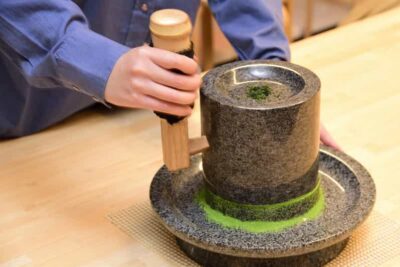
Tea Museum Tickets and Matcha Grinding Experience
Read our review →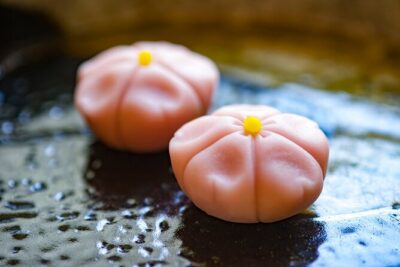
Matcha Making Class in Osaka with Authentic Japanese Sweets Set
Read our review →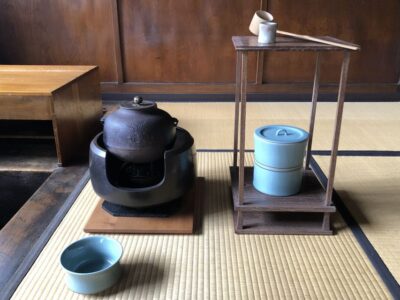
Tea Ceremony Meditation – Make Matcha with Tea Master
Read our review →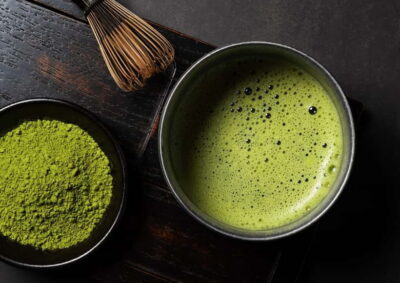
Matcha Making Experience with Mochi Sweets in Asakusa
Read our review →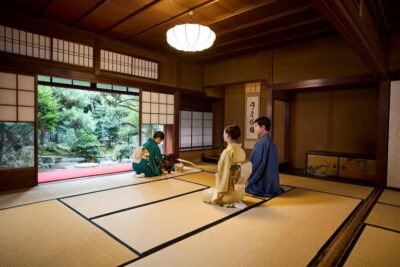
Browse the lists this tour appears in