
Review · OSAKA
Osaka: Japanese Cooking Class with Matcha Experience
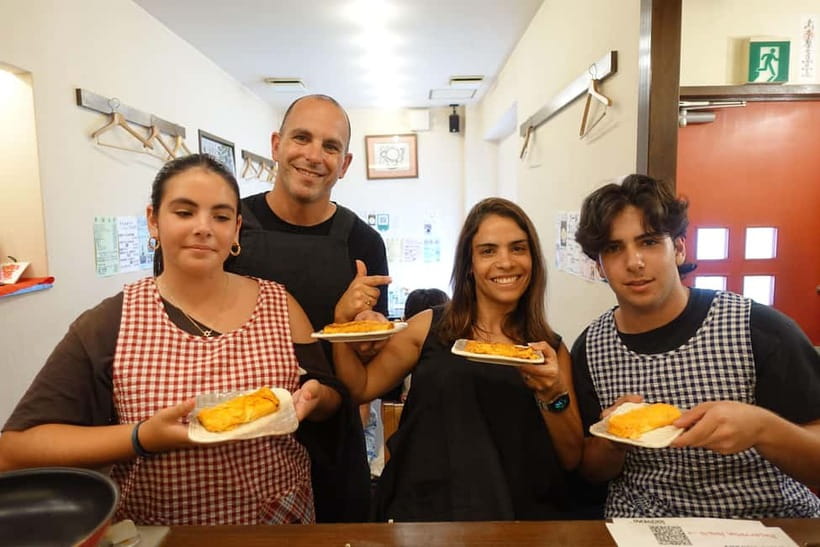
The best part of this Osaka class is that you do more than watch someone cook. You choose between home-cooked dishes, okonomiyaki, or bento, then work with a local chef and finish with a matcha-making session. I like the small group size, capped at 10, and the friendly support from an Osaka mom if your kitchen skills are modest.
I also like the location. It is a seven-minute walk from Morinomiya Station and only one JR stop from Osaka Castle Station, so you can fit it around sightseeing. The main caution is food access: the activity is not suitable for wheelchair users or people with food allergies, and you should report dietary restrictions before booking.
Key points to know
- Choose your cooking theme: Pick home-style Japanese food, okonomiyaki, or a bento meal.
- Learn from a local host: Chef Ikuko is praised for her warm teaching style and clear techniques.
- Finish with matcha: The class includes a hands-on matcha-making experience, not just a meal.
- Small group setting: No more than 10 participants makes it easier to ask questions and cook together.
- Easy Osaka location: Morinomiya is convenient for Osaka Castle, Shinsaibashi, and Namba.
- Good for families: Children have enjoyed the cheerful, practical format, but mobility and allergy limits matter.
A cooking class with real Osaka flavor
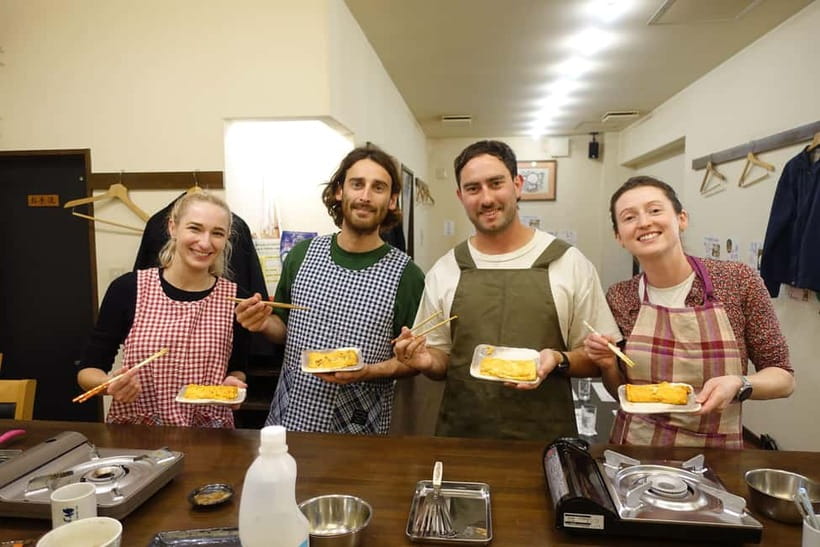
Osaka is famous for food that feels social and approachable. This class fits that mood. Instead of treating Japanese cuisine as something to admire from a distance, it gives you a small task, a recipe, and a chance to make the food yourself.
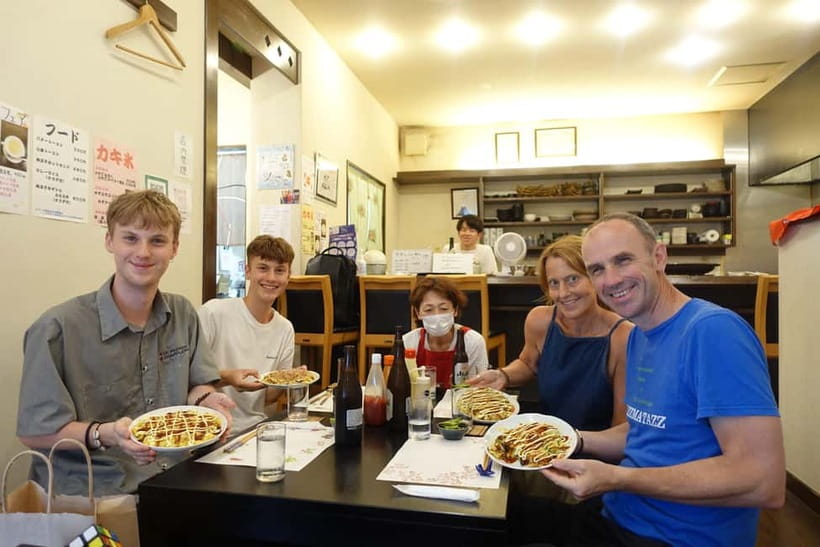
You choose one of three directions: home-cooked dishes, okonomiyaki, or bento. That choice matters because each option offers a different look at Japanese food culture. Home-style cooking gives you a taste of everyday meals. Okonomiyaki connects you with one of Osaka’s best-known dishes. Bento shows how Japanese food can be arranged into a compact, balanced meal.
The class lasts two hours, so the pace should feel focused rather than drawn out. You have enough time to cook, share the activity with your group, and make matcha, but this is not a full culinary school course. You will leave with practical ideas and a memorable meal rather than an advanced professional qualification.
More Matcha Experiences in Osaka:
- Matcha Making Class in Osaka with Authentic Japanese Sweets Set
★ 5.0 · 509 reviews - Osaka: Matcha Making Experience with Japanese Sweets
★ 5.0 · 146 reviews - Osaka Temple Cool Foot Bath & Matcha Experience〈45min〉
★ 4.9 · 82 reviews
Choosing between home cooking, okonomiyaki, and bento
Your choice of dish is the biggest decision to make before the class begins. The three options offer different rewards.
Home-cooked dishes are the most useful choice if you want recipes that fit ordinary life. These are the kinds of dishes that can help you understand what Japanese food looks like beyond restaurant menus. If you want to recreate something at home, this may be the best route.
Okonomiyaki is the natural pick if Osaka food is your main interest. Often associated with the city, this dish has a social character and works well for a group activity. It gives you a direct connection to Osaka’s casual food culture without requiring a separate restaurant hunt.
Bento suits anyone interested in presentation and balance. A bento is more than food placed in a box. The arrangement, portions, and mix of items are part of its appeal. Making one gives you a better sense of how Japanese meals can be organized for convenience and appearance.
The available information does not specify the exact recipes under each category. That is worth keeping in mind. If you have a particular dish in mind, ask the host what is planned before you arrive.
What the two hours are likely to feel like
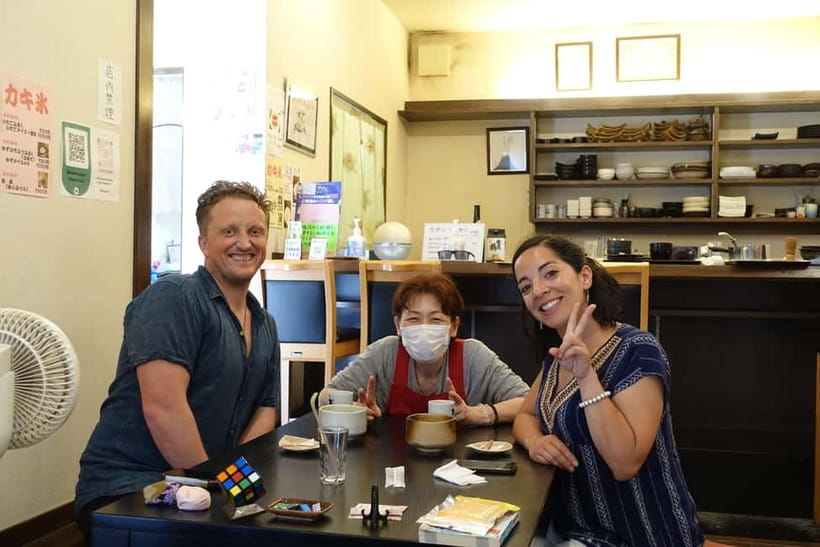
The class begins at the cooking venue near Morinomiya. There is a sign at the meeting point, and the activity is supported in English and Japanese. Since the group is limited to 10 people, you should have a reasonable chance to follow the instructions and ask for help.
The teaching style appears to be central to the experience. Chef Ikuko is described as warm and welcoming, and her techniques are easy for participants to take home. Another description emphasizes an upbeat teacher who clearly enjoys both cooking and instruction. That combination matters. A recipe is easier to follow when the person teaching it can explain the steps in a relaxed way.
You do not need to arrive as a skilled cook. An Osaka mom is available to help people who are unfamiliar with cooking. That makes the class less intimidating for children, beginners, and anyone who rarely prepares Japanese food.
The activity is designed around doing things together. You cook with your family, friends, or partner instead of splitting off into separate private lessons. That shared format can be the best part for families, since children get a clear task and adults can take part without needing to organize the whole meal themselves.
The precise order of cooking and matcha is not stated, so you should expect the host to guide the timing. The important point is that both activities are included in the two-hour session.
The matcha portion adds a quieter finish
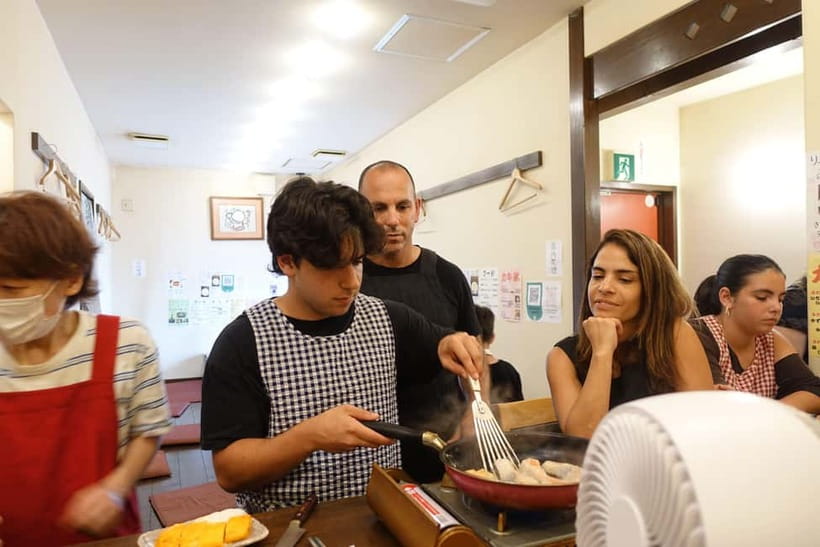
The matcha session gives the class a different rhythm. Cooking is active and practical. Matcha preparation asks you to slow down and pay attention to the process.
You will make matcha as part of the experience, with the materials included. The description does not give a detailed tea-ceremony program, so you should not book this expecting a long formal ceremony or an extensive lesson in tea history. Think of it as a hands-on introduction that complements the food preparation.
I like this pairing because it gives you two sides of Japanese food culture in one short class. You learn how food is prepared for everyday enjoyment, then take time with a drink that has its own careful method. For a first visit to Japan, that contrast can make the class feel more complete.
The matcha activity is also useful for families. It offers a change of pace for children who may lose interest during a long cooking explanation. At the same time, adults get a distinctly Japanese activity without adding another booking to the day.
More Cooking Classes in Osaka:
- Osaka Japanese Cooking And Matcha Class near Osaka Castle
★ 5.0 · 22 reviews - Osaka : Exclusive Tea Ceremony & Wagashi Cooking
★ 5.0 · 2 reviews - Xiao Long Bao, Beef Noodles & Boba Tea Cooking Class in Taipei
★ 5.0 · 159 reviews - Xiao Long Bao, Chicken vermicelli with mushroom and sesame oil, Tofu strips salad, Bubble milk tea. Taiwan Traditional Delicacies Experience-A (Taipei Cooking Class)
★ 5.0 · 79 reviews
Why the Morinomiya location works well
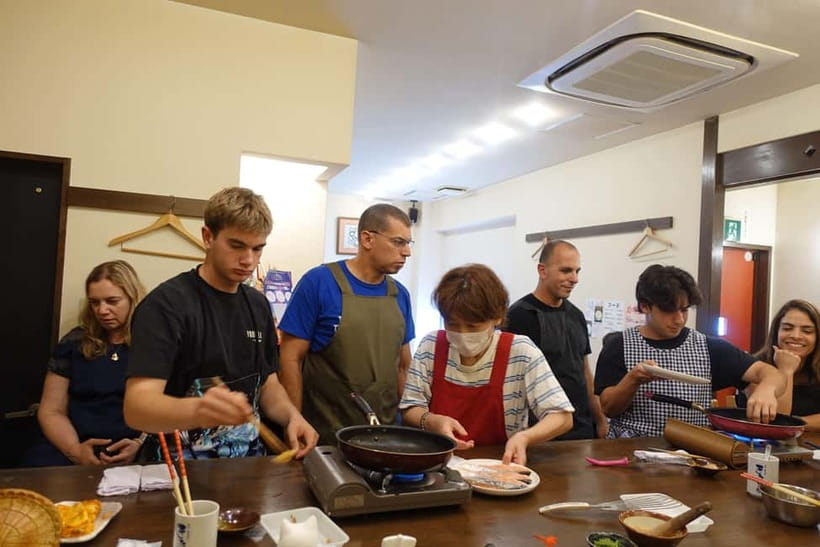
The class is a seven-minute walk from Morinomiya Station. It is also one JR station from Osaka Castle Station, which makes it easy to combine with a visit to Osaka Castle.
The location is convenient from Shinsaibashi and Namba as well. You can plan the class before shopping or sightseeing in those districts, or use it as a mid-day activity when you want a break from walking. Since the class lasts two hours, it fits more easily into an Osaka day than a half-day food tour.
Allow yourself enough time to find the meeting point. The information says there is a sign, but it does not provide a more detailed landmark or street-level direction. Keep your booking details available, and do not cut the connection time too close if you are coming from another part of the city.
Transportation is not included. You pay for your own train or local transit, though the station access keeps that cost and effort fairly modest.
The value of $64 per person
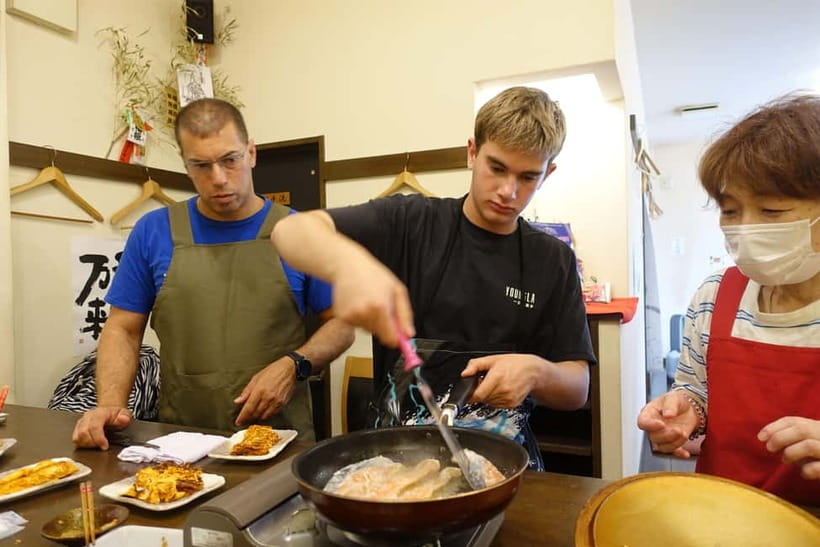
At $64 per person, this is not the cheapest way to eat in Osaka. You could buy a filling meal for less. The value comes from what happens before you eat: instruction, ingredients, a choice of cooking theme, and matcha preparation.
The price also covers a small-group setting rather than a large demonstration. With a maximum of 10 participants, the teacher can offer more direct help than you would get in a crowded class. That is especially useful if you are cooking with children or are unsure about Japanese techniques.
I would judge the price by your goals. If you only want a meal, it is poor value compared with an Osaka restaurant. If you want a shared activity, practical recipes, and a food memory you can repeat at home, it is more reasonable.
The class is also good value for families and couples who want one organized activity rather than a day packed with attractions. You are paying for time together as much as for the food.
What the food experience can and cannot promise
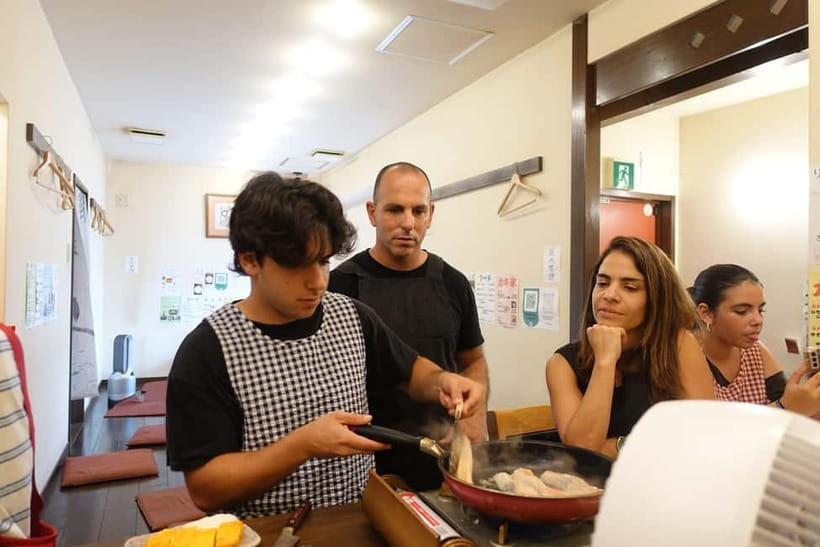
The class promises traditional Japanese dishes and food commonly enjoyed in Japan and Osaka. That gives you a useful connection to local eating habits, especially if you have spent most of your trip ordering from menus.
Still, the exact menu is not fixed in the information provided. You select a category, not a named recipe. This is a small point, but it matters if you are hoping to prepare one particular dish.
Ingredients for the selected dish are included. At the same time, the preparation notes say to bring ingredients, which conflicts with the statement that all ingredients are supplied. I would contact the provider before attending and ask if you need to bring anything. Do not assume you need to shop in advance.
The class is not suitable for people with food allergies. If you have dietary restrictions, tell the provider ahead of time. Since the activity warns that people with food allergies should not participate, this is not a situation where you should rely on last-minute substitutions.
A strong choice for families and first-time cooks
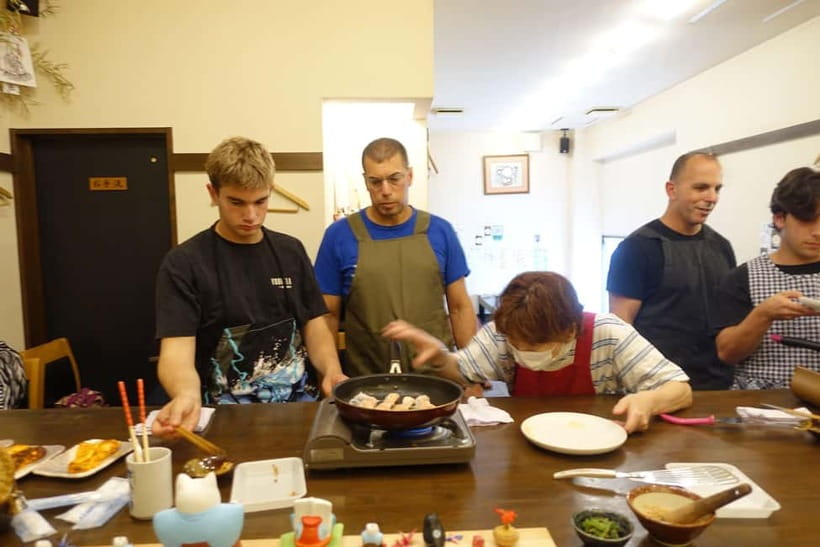
The class has several features that work well for families. Children have enjoyed the activity, and the hands-on format is easier to follow than a long lecture. The teacher’s upbeat approach also helps keep the mood light.
You should still consider your child’s comfort with food preparation. The activity requires comfortable shoes and comfortable clothes, and it is a cooking session rather than a passive show. The supplied information does not give a minimum age, so ask before booking if you are bringing very young children.
Couples and friends can also get a lot from the shared format. Cooking together creates a natural souvenir without requiring a special occasion. You can compare your finished dishes, learn a few techniques, and then carry the recipes home.
Solo visitors are welcome in principle, but the strongest reason to book is the social side. The group is small, and you will be working alongside others rather than taking a private lesson.
Practical limits you should consider
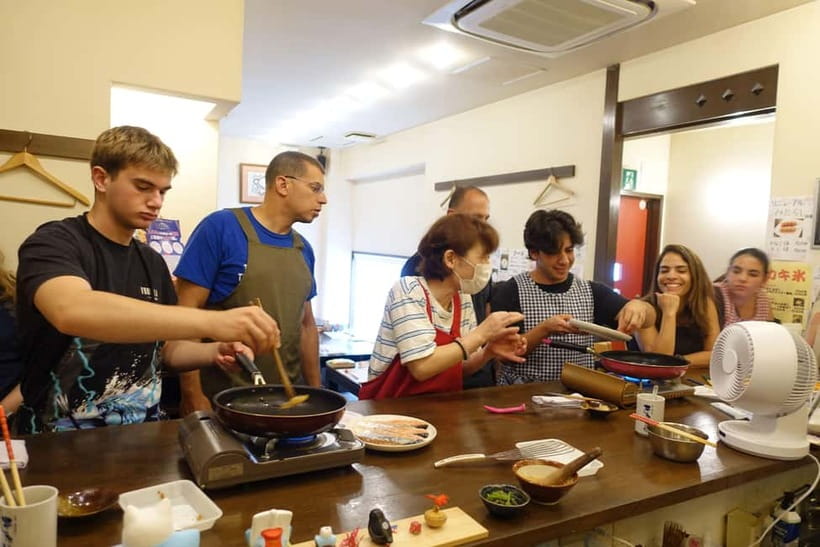
The biggest limitation is accessibility. The activity is not suitable for wheelchair users. No detailed information is given about step-free access, seating, or the exact kitchen layout, so anyone with mobility concerns should ask the provider directly before reserving.
Food allergies are another firm concern. Dietary restrictions should be reported in advance, but the activity still lists people with food allergies as unsuitable. Take that warning seriously.
Wear comfortable shoes and clothes. Cooking can require standing and moving around, though the supplied details do not describe the exact amount of standing. You do not need to bring cooking equipment according to the included items, but clarify the contradictory note about ingredients.
English and Japanese support is available. That does not necessarily mean every explanation will be delivered in both languages at every moment, but it does give you a practical way to communicate with the host.
Cancellation is flexible up to 24 hours before the start time for a full refund. You can also reserve now and pay later, which helps if your Osaka plans are still shifting. Check the available start times because the class runs for two hours and is not offered continuously throughout the day.
Should you book the Morinomiya cooking class?
I would book this class if you want a friendly, hands-on introduction to Japanese food and have a free two-hour slot near Osaka Castle, Shinsaibashi, or Namba. The choice of home cooking, okonomiyaki, or bento lets you shape the session around your interests, while matcha adds a second Japanese food tradition.
It is especially suitable for families, couples, and first-time cooks. Chef Ikuko’s warm teaching style and the extra help from an Osaka mom make it less daunting than a formal cooking course.
I would skip it if you have a serious food allergy, need wheelchair access, or want a detailed professional culinary lesson. For everyone else, the $64 price is fair when you count the small group, ingredients, instruction, and matcha activity. Confirm the ingredient instructions before booking, then plan the class alongside Osaka Castle or an afternoon in the city center.
FAQ
Where is the cooking class located?
The class is near Morinomiya Station in Osaka, about a seven-minute walk from the station.
How long does the experience last?
The cooking and matcha experience lasts two hours.
How much does it cost?
The listed price is $64 per person.
What dishes can I choose to make?
You can choose one option from home-cooked dishes, okonomiyaki, or bento.
Is matcha included?
Yes. A matcha-making experience is included with the cooking class.
Are ingredients included?
All ingredients for the selected dish are listed as included. The preparation information also says to bring ingredients, so contact the provider to clarify exactly what you need to bring.
What languages are available?
The host or greeter supports English and Japanese.
How many people are in the group?
The group is limited to 10 participants.
Can children participate?
The activity is suitable for families, and children have enjoyed it. The information does not provide a minimum age, so confirm age requirements with the provider before booking.
Is the class suitable for people with food allergies or wheelchair users?
No. The activity is listed as unsuitable for people with food allergies and wheelchair users. If you have dietary restrictions, inform the provider in advance.
Can I cancel for a refund?
You can cancel up to 24 hours in advance for a full refund.
Do I have to pay when I book?
The reserve-now, pay-later option lets you book without paying immediately.
More Workshops in Osaka
- Learn Zen in a class of making Matcha tea near Osaka Castle
★ 4.8 · 17 reviews - Osaka: Tea Ceremony and Matcha Tea Bowl Making Workshop
★ 5.0 · 6 reviews - Kyoto: 45-Minute Tea Ceremony Lesson Experience
★ 4.3 · 2,378 reviews - Matcha Making Class in Tokyo with Authentic Japanese Sweets Set
★ 5.0 · 744 reviews
Just added around Osaka
- Osaka: Tea Ceremony, Calligraphy, and Kimono Experience★ 5.0 · 6 reviews
- Osaka: Nara, Todaiji, Uji Matcha, and Hot Spring Tour★ 4.0 · 7 reviews
- Nara Deer Park, Uji Matcha, & Hot Spring Full-Day Tour from Osaka★ 4.0 · 21 reviews
- Osaka:Zen Tea Ceremony and Foot Bath Experience<45min>★ 5.0 · 7 reviews
- Osaka Japanese Cooking And Matcha Class near Osaka Castle★ 5.0 · 22 reviews
- Premium Kimono Dressing, Tea Ceremony, Calligraphy, Samurai show★ 5.0 · 18 reviews
- ZEN therapy | Shiatsu-style massage, EnergyTherapy & Japanese Tea★ 5.0 · 5 reviews
- Discover Japanese Tea Blending Techniques in Osaka★ 5.0 · 19 reviews
Matcha Experiences, compared.
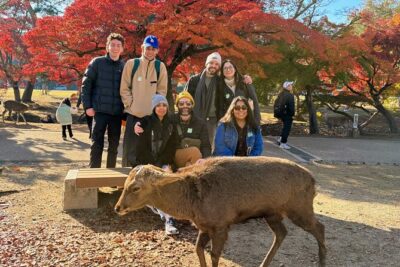
World Heritage Kyoto & Nara Uji Authentic Matcha Experience
Read our review →
Matcha Making Class in Tokyo with Authentic Japanese Sweets Set
Read our review →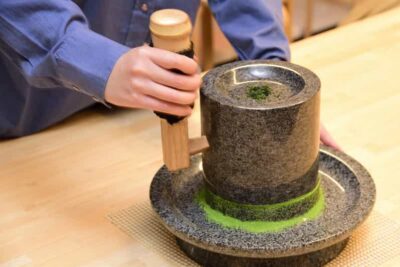
Tea Museum Tickets and Matcha Grinding Experience
Read our review →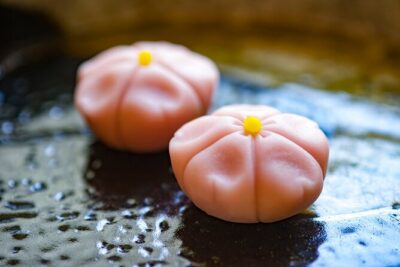
Matcha Making Class in Osaka with Authentic Japanese Sweets Set
Read our review →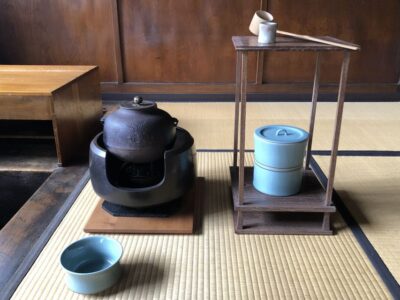
Tea Ceremony Meditation – Make Matcha with Tea Master
Read our review →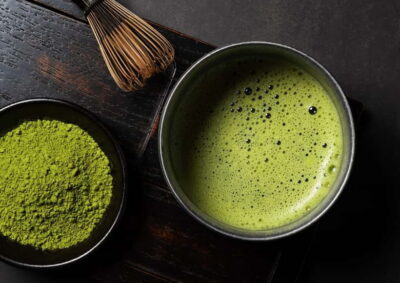
Matcha Making Experience with Mochi Sweets in Asakusa
Read our review →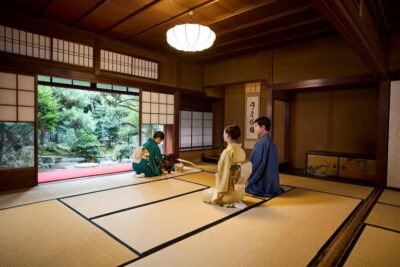
Browse the lists this tour appears in