
Review · OSAKA
Osaka: Maki-e lacquer Painting and Matcha Experience
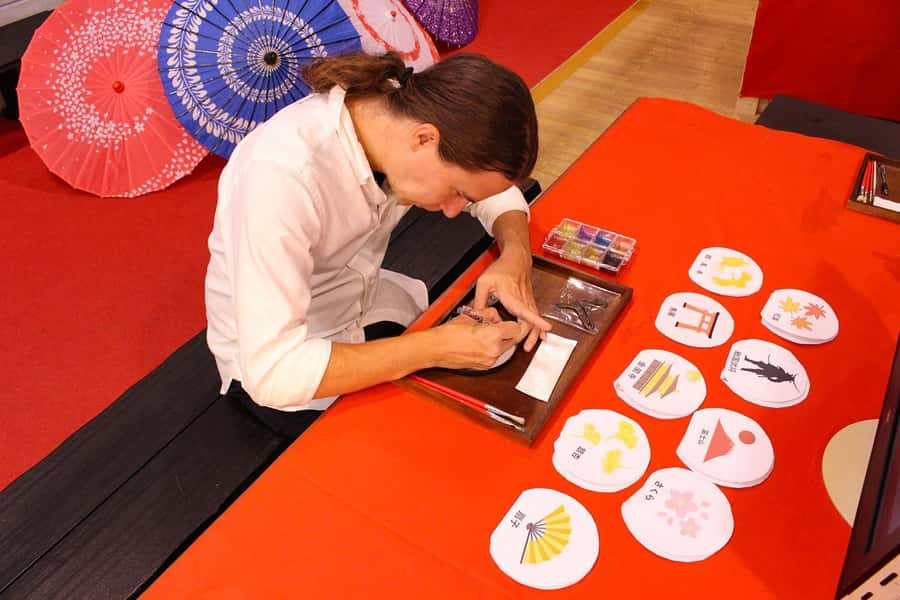
Maki-e gives you a quick, hands-on look at Japanese decorative art. You brush lacquer onto a small design, add gold powder, and watch the pattern take shape. I like that the activity also includes making your own matcha and eating seasonal wagashi, rather than stopping at a craft table.
I also like the one-hour private format, especially if you are spending a short time in the Osaka Bay Area or arriving from a cruise ship. A possible drawback is the setting: the activity takes place inside Osaka Bunkakan Tempozan, and one account found the large cultural-center space quiet and commercial rather than atmospheric. This is a practical workshop, not a visit to a historic artisan studio.
Key points to know before booking
- Gold powder maki-e: Try a real decorative technique using lacquer and fine gold powder, with guidance from an English-speaking host.
- Matcha and wagashi: Prepare powdered green tea yourself, then drink it with a seasonal Japanese confectionery.
- Private one-hour format: The compact schedule gives you a focused cultural activity without taking over your day.
- Cruise-friendly location: Osaka Bunkakan Tempozan is about a five-minute walk from the cruise pier, according to one recent booking experience.
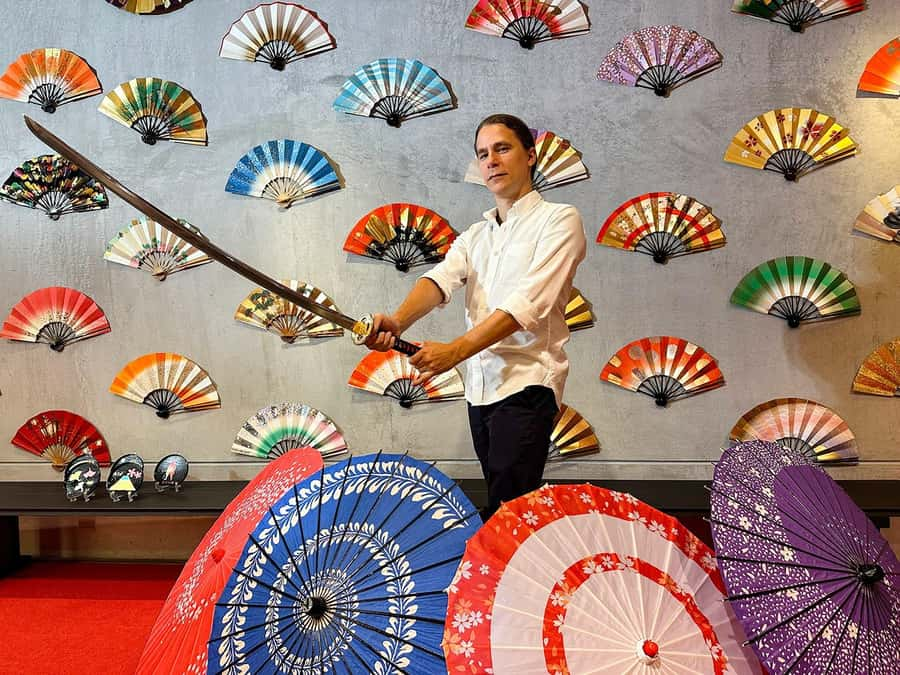
- Photo session included: Pose with swords and Japanese costumes at a dedicated photo spot.
- Guide matters: Host Taki received especially strong praise for making the experience welcoming and smooth.
Gold powder, green tea, and a very short cultural lesson
This experience packs three Japanese traditions into one hour: maki-e lacquer decoration, matcha preparation, and seasonal wagashi. That combination makes it more varied than a basic craft workshop, but it also means you should expect an introduction rather than a full course in any one subject.
The maki-e portion is the main attraction. Maki-e means decorating lacquer with powdered materials, often including gold or other colored powders. The technique is associated with careful Japanese craftsmanship, and the fine powder gives even a simple design a distinctive finish.
You will not become a trained lacquer artist in sixty minutes. The value is in trying the basic movements yourself and seeing how the material changes the look of the piece. The activity gives you a small taste of the patience and precision behind traditional Japanese decorative work.
The matcha portion changes the pace. You prepare powdered green tea yourself, then enjoy it with seasonal wagashi. That matters because matcha is not simply green tea poured into a cup. The making process is part of the experience, and the sweet confectionery gives you a classic pairing.
The final photo session adds a playful touch. You can pose with swords and Japanese costumes at a photo spot, which may appeal to families, first-time visitors, and anyone who wants a souvenir image. It is not a formal history lesson about samurai clothing or sword use, so keep your expectations focused on the photograph.
More Matcha Experiences in Osaka:
- Matcha Making Class in Osaka with Authentic Japanese Sweets Set
★ 5.0 · 509 reviews - Osaka: Matcha Making Experience with Japanese Sweets
★ 5.0 · 146 reviews - Osaka Temple Cool Foot Bath & Matcha Experience〈45min〉
★ 4.9 · 82 reviews
What happens at Osaka Bunkakan Tempozan
Your meeting point is in front of Hibiki on the second floor of Osaka Bunkakan Tempozan. The listed coordinates are 34.6539195, 135.42956. Look for the meeting point inside the building rather than waiting outside in the wider Osaka Bay area.
The venue is worth understanding before you book. This is an indoor cultural facility in the Tempozan area, not a rural workshop or an old lacquer-making district. One account described the setting as a large, quiet space within a commercial center and felt that it lacked artistic atmosphere. That is a fair caution if the surroundings matter as much to you as the activity itself.
On the other hand, the location can be very useful. One booking experience placed it about a five-minute walk from the cruise pier. If you are visiting Osaka by ship, the short walk and one-hour schedule can make this easier to fit into your day than a longer trip across the city.
The exact start times depend on availability. Since the activity lasts only one hour and returns to the same building, you can plan around nearby stops in the Osaka Bay Area. Give yourself enough time to find the second-floor meeting point, especially if you are unfamiliar with the building.
The maki-e painting session
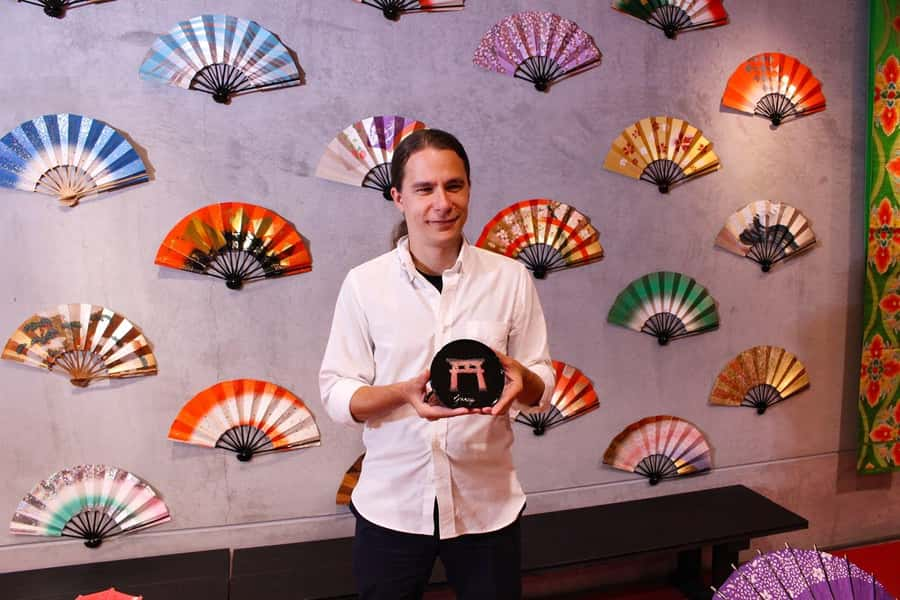
The craft session introduces you to gold-powder maki-e lacquer painting. You work with lacquer and powder under guidance, creating a decorative design rather than simply watching a demonstration.
The basic process is visually satisfying. Lacquer provides the adhesive surface, and the gold powder is added while it is ready to catch the material. The result depends on placement and control, so even a simple pattern can show you why Japanese lacquer work has such a careful reputation.
The supplied information does not specify the exact object you decorate, the design choices, or the drying time. That means you should not book this expecting a large finished artwork or an advanced technical lesson. Think of it as a guided hands-on sample of the method.
One sharply negative account felt the activity was little more than spreading lacquer and blowing glitter, and judged the setting and instruction harshly. That criticism points to an important question: what do you want from a craft experience? If you need museum-level teaching, a working artisan, or a substantial piece to take home, this short course may feel too basic.
If you want a simple first contact with maki-e, the format makes more sense. You get to handle the materials, learn where the gold powder fits into the process, and leave with a better idea of how decorative lacquer differs from ordinary painting.
The English-speaking guide is important here. You need clear instructions when working with lacquer and fine powder, and the private-group format should make it easier to ask questions. Host Taki received particularly warm praise for the way the activity was handled, while the overall experience has also received less favorable feedback. The quality of your session may depend heavily on the guide and on how much explanation you want.
Making matcha with seasonal wagashi
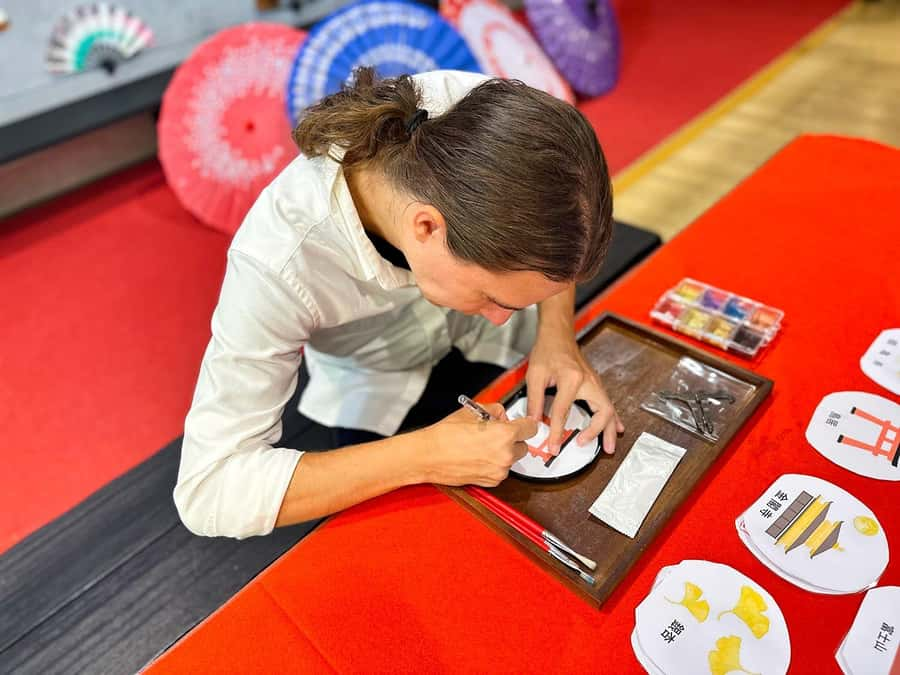
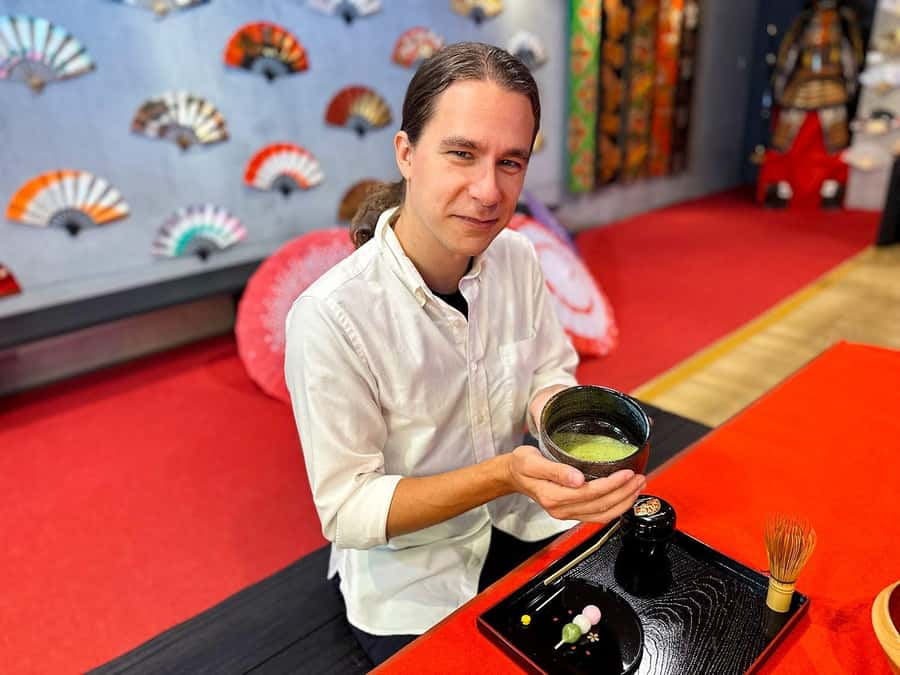
After the lacquer work, you prepare matcha and enjoy it with seasonal wagashi. This is a small but useful cultural lesson because you are not only tasting the tea. You take part in making it.
Matcha has a strong, distinctive flavor, and the wagashi provides sweetness alongside it. Seasonal Japanese confectionery is often designed to reflect the time of year in shape, color, or ingredients, although the specific wagashi served here is not stated in advance.
The tea portion gives the hour a calmer rhythm. You move from a tactile craft to a food-and-drink tradition, so the experience does not feel like one continuous art demonstration. It also gives you a chance to ask the guide about the role of matcha and wagashi in Japanese culture.
The price includes the seasonal wagashi, but the general information also says food and drink are not included. Read that as a limit on the meal value: you receive the confectionery and the matcha prepared as part of the activity, but this is not a broader food tour or a full tea meal.
If you already plan to visit a dedicated tea house in Kyoto or Osaka, this will not replace that experience. It is a short introduction built into a wider cultural activity. For many people, that is enough. You can learn the basic idea without giving up half a day.
Same place, a different pot:
- Osaka: Tea Ceremony Experience
★ 4.9 · 1,426 reviews - Tea Ceremony Experience in Osaka Doutonbori
★ 5.0 · 754 reviews - Osaka: Tea Ceremony, Calligraphy, and Kimono Experience
★ 4.9 · 130 reviews - Osaka: Japanese Traditional Sweets Making and Tea Ceremony
★ 4.7 · 118 reviews
Cost and value at $42
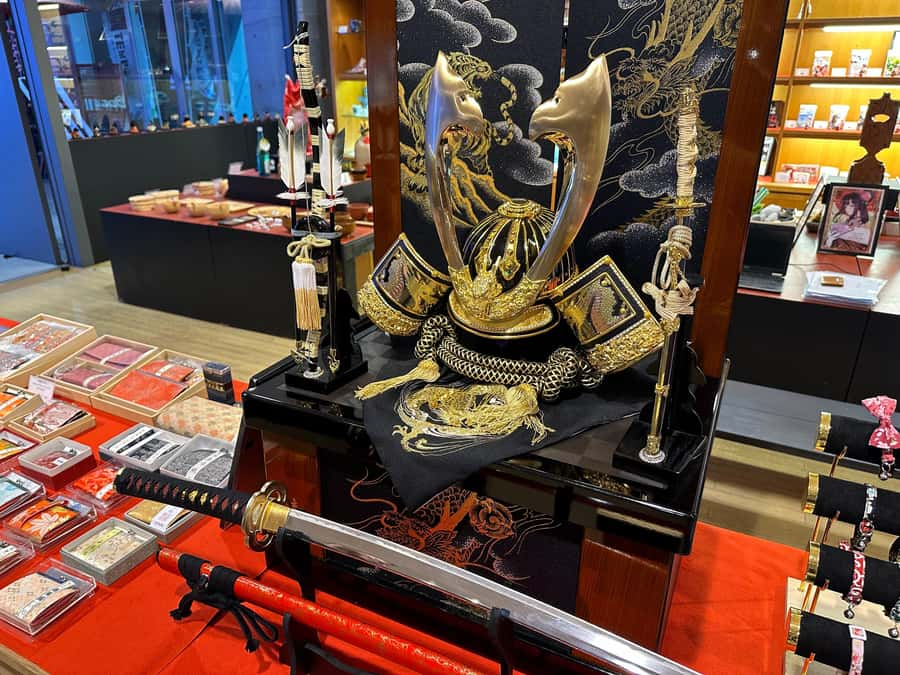
At $42 per person, this is priced as an accessible cultural activity rather than a specialist workshop. You are paying for a private guided session, materials for the maki-e work, matcha preparation, seasonal wagashi, and the costume photo opportunity.
The value is strongest if you plan to be in Tempozan already. A short walk from the cruise pier, a one-hour duration, and a return to the same building reduce transport time and simplify the day. You can fit it around other Osaka Bay plans without committing to a long excursion.
The value is weaker if you judge the price only by the finished craft. The activity details do not promise a large object, an advanced lesson, or a long instructor-led discussion. Some people will find the gold-powder painting memorable; others may see it as a very simple craft with a high price for the amount of material involved.
I would also consider the private format. A private group can make the hour more comfortable and personal, particularly if you are traveling with family or friends. It may also let you ask more questions than you could in a large public class. The listing does not state the maximum group size, so do not assume the format means one instructor for one person.
For a compact introduction to Japanese culture, $42 is reasonable. For a serious lacquer lesson, it is not enough time.
The sword and costume photo spot
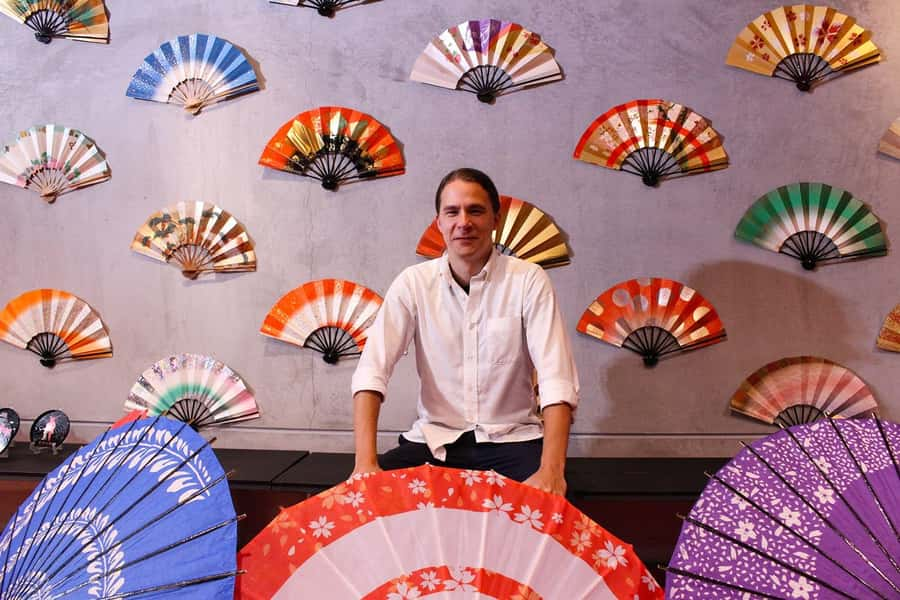
The photo session comes at the end and is clearly designed as a light, memorable finish. You can pose with swords and Japanese costumes at a dedicated spot.
This part will appeal most to families, couples, cruise passengers, and anyone who enjoys taking home a clear visual memory of a trip. It also gives children something energetic to look forward to after the quieter tea and painting portions.
The photo session should not be confused with a historical costume visit. There is no stated lecture on samurai culture, swordsmanship, or the details of the clothing. You are being offered a themed photo opportunity, not a museum presentation.
Bring a camera, as requested. Comfortable clothes are also recommended, which makes sense for a workshop and for changing into or posing in traditional costume. Smoking is not allowed during the activity.
Who will enjoy this one-hour experience
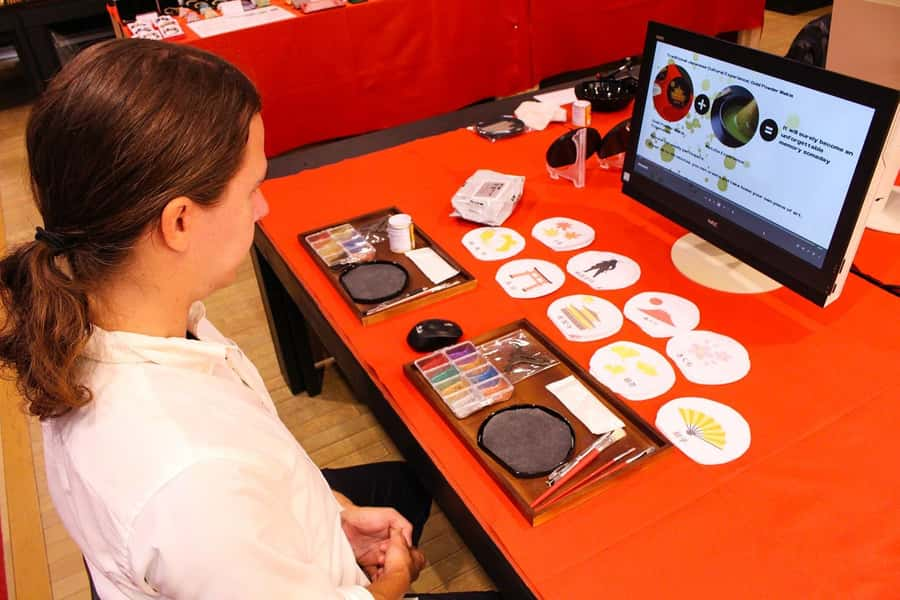
I would consider booking this if you want a short, guided cultural stop with several different activities. It suits people who prefer trying something themselves to sitting through a long lecture.
It is also a practical choice for cruise passengers. The reported five-minute walk from the pier is a major advantage, although you should still allow time to find the second-floor meeting point and return to your ship or next activity.
Families may like the variety. The painting, tea, sweets, and costume photographs give the hour several changes of pace. Children who are too young for a detailed art talk may still enjoy the gold powder and photo session, though the supplied information does not give a minimum age.
First-time visitors looking for a small introduction to Japan may also find it useful. You can touch on lacquer art, matcha, wagashi, and Japanese dress without building your whole day around one subject.
I would be cautious if you want a quiet, historic setting. The activity is held at Osaka Bunkakan Tempozan, and the surroundings may feel more like a modern commercial cultural venue than a traditional workshop. I would also choose something else if your main goal is advanced instruction or a detailed explanation of lacquer technique.
Practical planning for the Osaka Bay Area
The meeting point is in front of Hibiki on the second floor of Osaka Bunkakan Tempozan. This is the detail most likely to matter on the day, so save the location and arrive ready to look inside the building.
The activity is conducted in English, with a live guide, and is offered as a private group. The duration is one hour, with both the start and finish at Osaka Bunkakan Tempozan.
You can cancel up to 24 hours before the start for a full refund. The reserve-now, pay-later option lets you hold a place without paying immediately, which can help if your Osaka schedule depends on a cruise timetable or other fixed plans.
Bring a camera and wear comfortable clothes. Food beyond the included seasonal wagashi is not part of the experience, so plan a separate meal if you want something more substantial.
Should you book this maki-e and matcha experience?
Book it if you value convenience, a private English-language format, and a compact introduction to several Japanese traditions. The combination of gold-powder painting, matcha, wagashi, and costume photos gives you more variety than a single craft lesson, and the Osaka Bay location is useful for cruise passengers.
Skip it if you want an artisan-led master class, a historic setting, or a substantial lacquer artwork. The one-hour schedule keeps the activity easy to fit into a busy day, but it also limits how much technique and cultural context you can receive.
At $42, I see this as a friendly sampler, not a definitive study of maki-e. The strongest reason to book is the convenient format and the chance to try several traditions in one sitting. The main risk is that the craft may feel too simple for anyone seeking serious artistic instruction.
FAQ
Where does the maki-e and matcha experience take place?
It takes place at Osaka Bunkakan Tempozan in the Osaka Bay Area. The meeting point is in front of Hibiki on the second floor.
How long does the activity last?
The experience lasts one hour, including the guided workshop, matcha preparation, wagashi, and photo session.
Is the guide available in English?
Yes. The activity includes a live English-speaking guide.
Is this a private group experience?
Yes. The activity is described as a private group experience. The maximum group size is not specified.
What is included in the price?
The price includes the gold-powder maki-e lacquer painting experience, matcha-making experience, seasonal wagashi, and the photo session with swords and Japanese costumes.
What should I bring?
Bring a camera and wear comfortable clothes.
Can I cancel for a full refund?
Yes. You can cancel up to 24 hours in advance for a full refund. A reserve-now, pay-later option is also available.
Just added around Osaka
- Osaka: Tea Ceremony, Calligraphy, and Kimono Experience★ 5.0 · 6 reviews
- Osaka: Nara, Todaiji, Uji Matcha, and Hot Spring Tour★ 4.0 · 7 reviews
- Nara Deer Park, Uji Matcha, & Hot Spring Full-Day Tour from Osaka★ 4.0 · 21 reviews
- Osaka:Zen Tea Ceremony and Foot Bath Experience<45min>★ 5.0 · 7 reviews
- Osaka Japanese Cooking And Matcha Class near Osaka Castle★ 5.0 · 22 reviews
- Premium Kimono Dressing, Tea Ceremony, Calligraphy, Samurai show★ 5.0 · 18 reviews
- ZEN therapy | Shiatsu-style massage, EnergyTherapy & Japanese Tea★ 5.0 · 5 reviews
- Discover Japanese Tea Blending Techniques in Osaka★ 5.0 · 19 reviews
Matcha Experiences, compared.
World Heritage Kyoto & Nara Uji Authentic Matcha Experience
Read our review →
Matcha Making Class in Tokyo with Authentic Japanese Sweets Set
Read our review →
Tea Museum Tickets and Matcha Grinding Experience
Read our review →
Matcha Making Class in Osaka with Authentic Japanese Sweets Set
Read our review →
Tea Ceremony Meditation – Make Matcha with Tea Master
Read our review →
Matcha Making Experience with Mochi Sweets in Asakusa
Read our review →
Browse the lists this tour appears in