
Review · TOKYO
Tokyo Vegan Tour : Miso Making, Tea Ceremony, Rickshaw Ride
Tokyo’s food culture is often associated with sushi, ramen, and grilled meat. This tour takes a more personal route: you make your own miso and onigiri, then sit down for matcha at Kōdōin, a sub-temple of Zojoji. The day ends with a short rickshaw ride and sake tasting, a lot of Japan in four hours.
I like the use of local ingredients, including Tokyo-grown rice, fresh nori, and rice koji from a 150-year-old fermentation shop. I also like the private-group format, which lets you ask questions without fighting for space. The main consideration is that some activities cost extra, especially choosing both cooking workshops or extending the 10-minute rickshaw ride.
Key points
- Make your own Japanese staples: Choose a miso workshop, an onigiri class, or both for an additional fee.
- Taste five types of amazake: The traditional rice drink gives you a useful introduction to Japanese fermentation.
- Visit Kōdōin near Zojoji: The matcha ceremony takes place in a quiet temple setting.
- See Tokyo Tower by rickshaw: The 10-minute ride offers a comfortable, old-fashioned view of the area.
- Finish with local sake: Minato Shuzo is the only sake brewery within Tokyo’s 23 special wards.
- Stay fully plant-based: Every ingredient used during the experience is vegan-friendly.
Starting at Daimon Station with food in mind
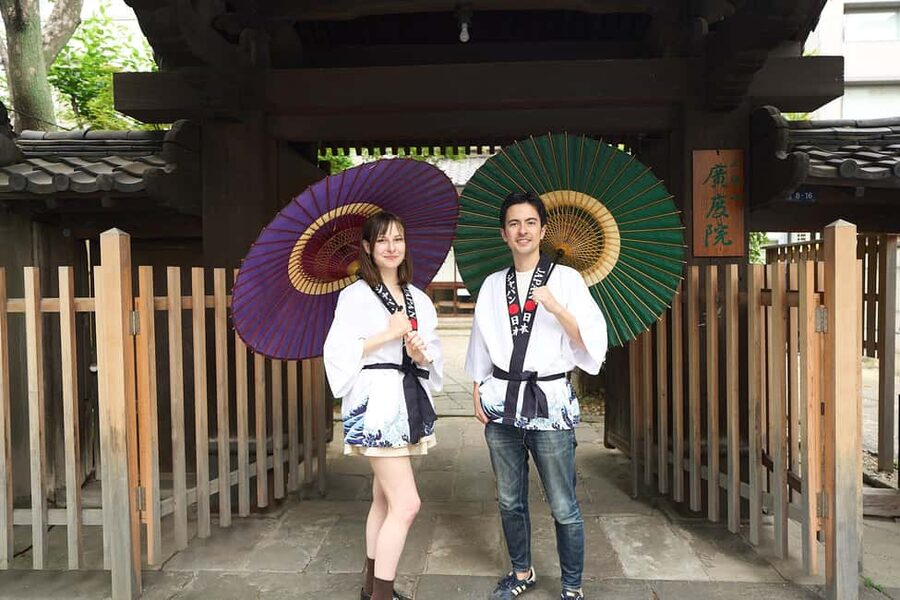
Meet at Daimon Station, Exit A6, in Minato City. This is a practical starting point for a half-day built around Zojoji Temple and Tokyo Tower. The tour is conducted in English, with Japanese also available, and the guide stays with you as you move between the cooking class, temple, rickshaw, and sake stop.
The private-group setup matters here. Food workshops work better when you can ask how the ingredients are handled, and cultural activities are easier to follow when you do not have to share every explanation with a large crowd. Konomi guided one recent booking and was praised for clear English, an approachable manner, and careful attention through each part of the afternoon.
The tour is priced at $62 per person, which is fair if you value variety. You are not paying for one attraction alone. The fee covers a hands-on food activity, amazake tasting, a temple visit, matcha, a 10-minute rickshaw ride, and sake tasting. Still, check the final cost before booking because the base choice may be either miso or onigiri, while making both requires an optional payment. The same applies to a longer rickshaw ride.
More Tea Ceremony Experiences in Tokyo:
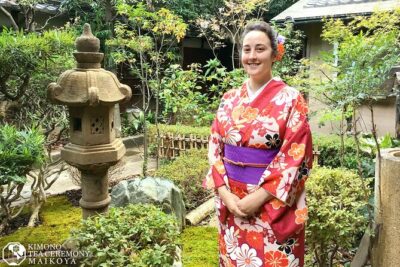
- Kimono Tea Ceremony at Tokyo, Asakusa Maikoya
★ 5.0 · 638 reviews - Tokyo: Traditional Tea Ceremony with a Tea Master
★ 5.0 · 528 reviews - Tea Ceremony Workshop in Tokyo by the Experienced Instrucor
★ 5.0 · 189 reviews
Making miso with old-school koji
The first major stop is a 1.5-hour cooking session in Minato City. You can choose to make miso, craft triangle-shaped onigiri, or add both workshops for a separate fee. This choice affects the feel of your visit.
Miso making is the more unusual option. The workshop uses rice koji sourced from a fermentation shop with 150 years of experience. Koji is central to many Japanese fermented foods, so this is not just a quick kitchen demonstration. You get a look at one of the basic building blocks behind familiar Japanese flavors.
I like this part because it connects your meal to a specific production tradition. The ingredient is not presented as a vague local specialty. You are told where the rice koji comes from, then given a direct role in preparing the miso. The guide and workshop staff can explain the process in English, while you handle the food yourself.
The main limitation is simple: the available details do not specify how much miso you take home or how long it needs to ferment. If you are booking mainly to produce a finished souvenir, ask about that point before paying. If you want a short, practical lesson in Japanese fermentation, the workshop makes more sense.
Shaping onigiri with Tokyo-grown rice
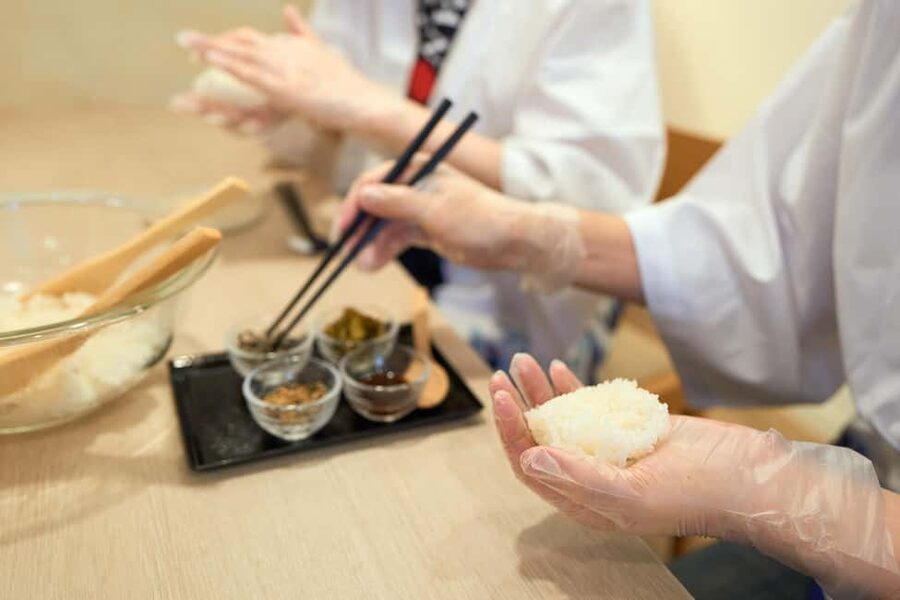
The onigiri option is likely the most immediately satisfying choice if you want to eat what you make during the tour. You craft rice balls with Tokyo-grown rice and freshly harvested nori seaweed, then sit down to enjoy your own food.
Onigiri looks simple, but it is a useful window into everyday Japanese cooking. Rice, seaweed, and careful shaping are all you need to understand the appeal. You are not watching a chef perform a complicated recipe from across the room. You are making a familiar food with ingredients selected for the class.
The use of Tokyo-grown rice gives this small dish a local connection. Fresh nori also makes the activity more than a generic rice-ball lesson. I would choose onigiri if you prefer an edible result during the tour, have children in your group, or want a less fermentation-focused activity.
You can choose both workshops for an optional fee. That is the best choice if food is the main reason you booked, but it also makes the first part busier. Four hours sounds generous, yet the schedule includes a tea ceremony, temple time, a rickshaw ride, and sake. If you want to enjoy each part without rushing, choose the cooking option that interests you most.
Five amazake tastings after the workshop
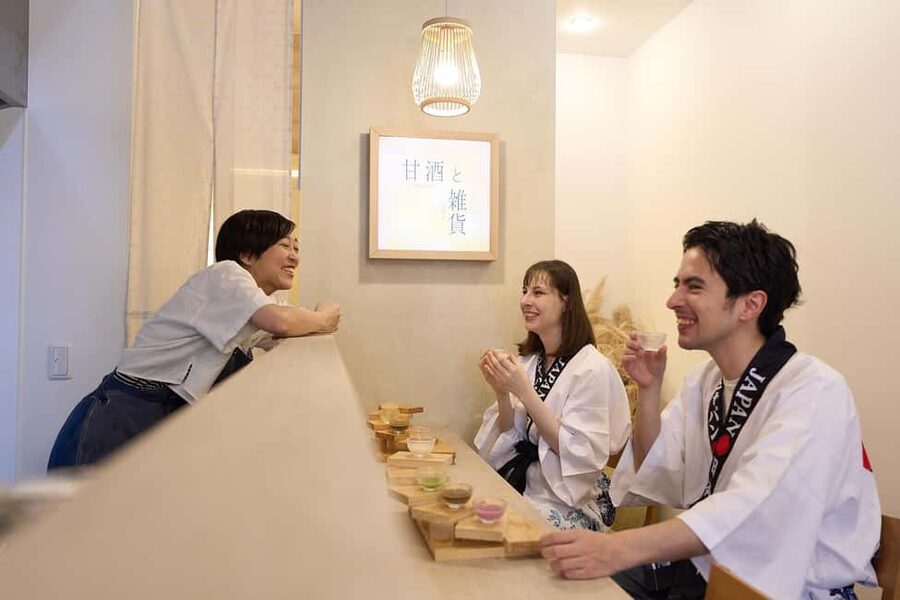
After the onigiri preparation, you taste five types of amazake. This traditional Japanese drink is often made from fermented rice, and the tasting gives you a chance to compare versions rather than accept one sample as the whole story.
For a vegan tour, amazake is a particularly fitting addition. It keeps the focus on Japanese fermentation without relying on animal products. The tasting also bridges the cooking class and the later sake stop, giving you a second look at how Japanese ingredients can become drinks.
The experience is listed as 15 minutes for food tasting near the end of the route, but the amazake is connected to the cooking portion earlier in the afternoon. Expect a series of small tastes, not a full beverage workshop. If you are sensitive to sweetness, five samples may feel like a lot, but the range should help you notice differences in flavor and texture.
All ingredients used in the experience are 100% plant-based and vegan-friendly. That is useful for strict vegans, since you do not have to spend the afternoon checking every dish or drink with the guide.
A few more tea experiences around Tokyo worth a look
- Hue Retreat: Tea and Meditation with Vegetarian Meal
★ 5.0 · 9 reviews - Hue Retreat: Tea and Meditation Tour with Vegetarian Meal
★ 5.0 · 4 reviews
Kōdōin and a 45-minute matcha ceremony
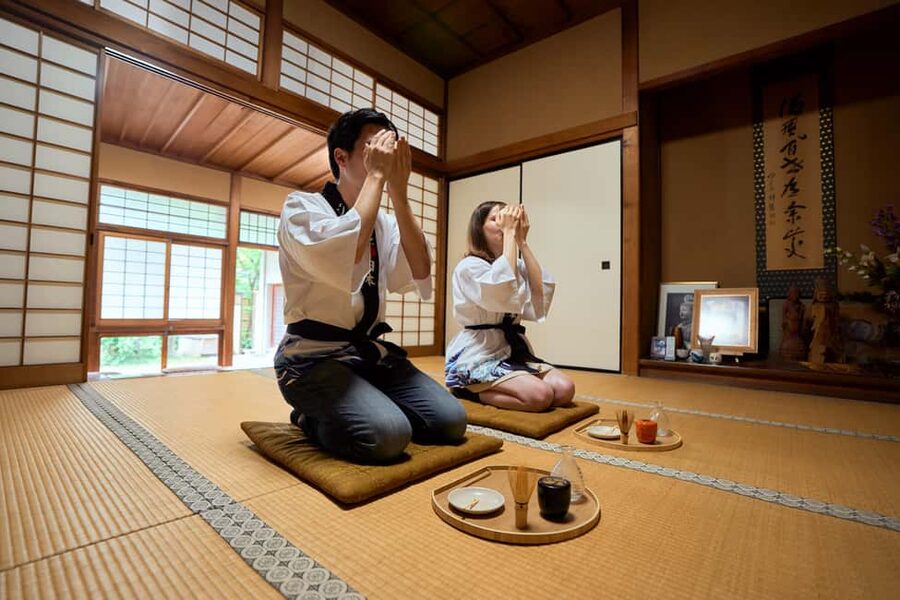
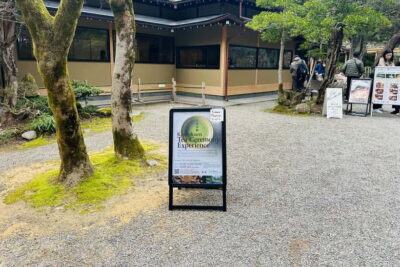
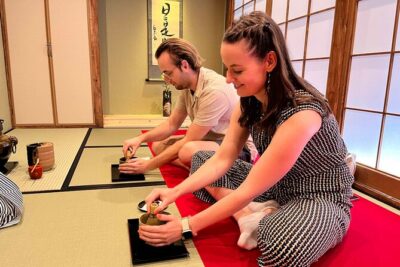
From the cooking location, walk about five minutes to Kōdōin, a historic sub-temple of Zojoji. The temple setting changes the pace. After handling rice and tasting amazake, you move into a quieter cultural experience centered on matcha.
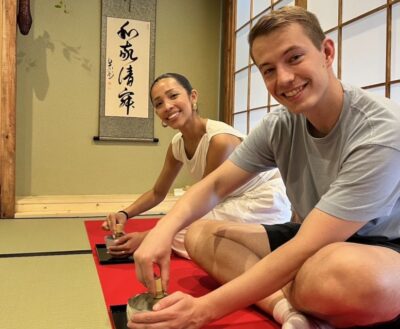
The tea portion lasts about 45 minutes. You learn about the history of tea and the Zojoji area, then watch or take part in a traditional matcha ceremony. It is presented as authentic but friendly, which is the right balance for first-time visitors. You get the customs and setting without needing to arrive with specialist knowledge.
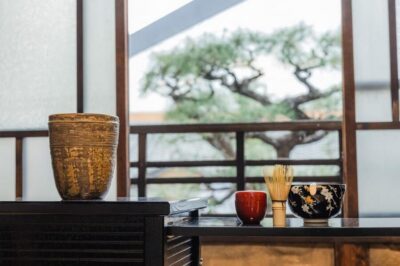
This is one of the strongest parts of the tour for anyone who wants context, not just a checklist of sights. A tea ceremony can feel formal if no one explains what is happening. Here, the English-speaking guide and tea ceremony specialist help connect the gestures, tools, and setting to Japanese culture.
The ceremony is described as optional in the inclusions, so confirm how your booking handles it. The program also lists the temple visit and matcha experience together, which suggests that the exact selection may affect the total price. That detail is worth checking before you commit.
Kōdōin is not treated as a quick photo stop. You have time to sit, listen, and appreciate a smaller religious setting near the better-known Zojoji area. Do not expect a long temple tour. The focus is the tea experience, with the temple providing the right surroundings.
A short rickshaw ride by Tokyo Tower and Zojoji
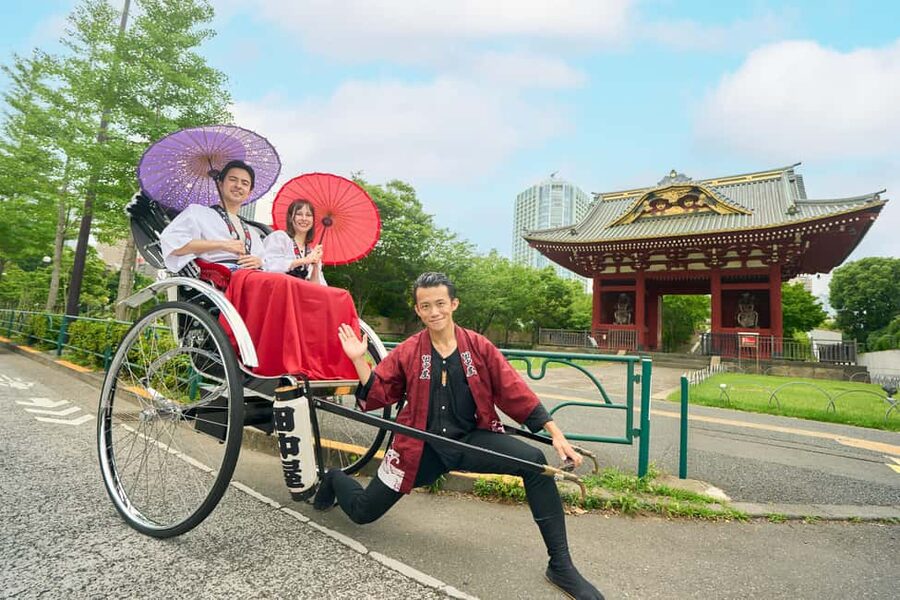
After another five-minute walk, the route moves into sightseeing around the Tokyo Tower and Zojoji Temple area. Then you board a pedicab for a 10-minute rickshaw ride.
A rickshaw gives you a different view of Tokyo. You sit back while the driver handles the work, passing through the area at a slower pace than a taxi and with more open air. One recent participant described feeling like royalty because the ride was comfortable, even while recognizing the physical effort required from the person pulling the rickshaw.
That detail points to both the fun and the limit of this activity. The ride is short, so treat it as a memorable local-style transfer and sightseeing moment, not a full tour of Tokyo. The included ride is 10 minutes. Longer rides are not included and cost extra.
The route around Tokyo Tower and Zojoji gives the ride a strong visual setting, but the supplied information does not promise a specific tower viewpoint or detailed commentary from the rickshaw driver. Your English-speaking tour staff guide you through the broader experience, while the rickshaw portion remains a brief highlight.
If you dislike tourist rides on principle, this may be the least essential part. If you enjoy unusual transport and want a break after the cooking and tea ceremony, it adds charm without taking much time.
Sake at Minato Shuzo
The final stop is Minato Shuzo, described as the only sake brewery within Tokyo’s 23 special wards. You taste premium sake there, bringing the tour back to fermentation and local food culture.
This stop is especially useful because it gives you another angle on Japanese drinks. Miso and amazake introduce rice fermentation in a vegan setting, while sake shows how the same broad food culture extends into alcohol. You do not need to be a sake expert to get something from the tasting. The guide can help you understand what you are sampling, and the small group format should make questions easier.
The food and drink part lasts about 15 minutes according to the schedule. That means this is a tasting, not a brewery tour with a long production explanation. If your main goal is learning the full sake-making process, you may find the stop too brief. If you want a final sample after a varied afternoon, it fits well.
Because the tour is fully vegan, ask the staff if you have concerns about any tasting accompaniment. The stated ingredients for the experience are plant-based, but the information provided does not list every item that might be served at the brewery.
What the $62 price really covers
At $62 per person, this is good value for a private four-hour experience if you plan to use most of the included elements. The strongest value comes from the range: you get hands-on cooking, five amazake samples, a temple-based tea activity, rickshaw sightseeing, and sake in one compact route.
The private format also changes the calculation. You are not simply buying admission to a cooking class. You are paying for coordination between several small experiences, English guidance, and a route that links them on foot in Minato City.
The price is less attractive if you only want one workshop or if you skip the matcha and rickshaw portions. Optional additions can also push the total higher. Ask specifically about the cost of making both miso and onigiri, the matcha selection, and any rickshaw time beyond 10 minutes.
Free cancellation is available up to 24 hours before the start time, and you can reserve now and pay later. Those terms give you some flexibility, but they do not replace checking the exact inclusions for your chosen booking.
Who should book this vegan Tokyo experience
I would recommend this tour to you if you want several small cultural encounters in one afternoon rather than a single long class. It suits first-time visitors who want a gentle introduction to Japanese food, tea, temples, and local transport.
It is also a strong fit for strict vegans. Every ingredient used in the experience is plant-based, and the route includes foods and drinks that are often hard to explore confidently without local help.
Private groups, couples, and families who enjoy hands-on activities should find the format comfortable. The cooking is interactive, the tea ceremony has a clear cultural focus, and the rickshaw ride adds a playful change of pace. Konomi’s reported ability to explain each step in fluent English is an advantage if you want more than silent demonstrations.
I would think twice if you want a full-day food tour, a long temple visit, or an extended rickshaw journey. The four-hour schedule moves through several stops, so each part is compact. It gives you variety, not depth in every subject.
Should you book it?
Book this tour if you want an efficient, vegan-friendly introduction to Tokyo culture with real participation. Choose miso if fermentation interests you, onigiri if you want to eat what you make, and both only if food is your top priority and you accept the extra fee.
The best reason to book is the combination of activities: a 150-year-old koji connection, Tokyo-grown rice, five amazake tastes, matcha at Kōdōin, a rickshaw near Tokyo Tower, and sake at Minato Shuzo. The main caution is to confirm optional costs and remember that the rickshaw ride is only 10 minutes.
FAQ
Where does the tour meet?
The meeting point is Daimon Station, Exit A6.
How long does the experience last?
The experience lasts four hours.
What languages are available?
The tour is conducted in English, and Japanese is also available.
Is the experience private?
Yes. The activity is offered as a private group experience.
Is all the food vegan?
Yes. All ingredients used in the experience are 100% plant-based and vegan-friendly.
Can I choose between miso and onigiri making?
Yes. You can choose either the miso-making workshop or the onigiri rice-ball activity. You can choose both by paying an optional fee.
How long is the included rickshaw ride?
The included rickshaw ride lasts 10 minutes. Rides longer than 10 minutes are not included.
Can I cancel for a refund?
Yes. You can cancel up to 24 hours in advance for a full refund. You can also reserve now and pay later.
More Food Tours in Tokyo
- Experience all of Japanese culture and Japanese food experience classes “origami, udon, Japanese food, green tea, calligraphy” in 4 hours
★ 5.0 · 105 reviews - Kimono and Tea Ceremony in Asakusa Private Food Tour With Guide
★ 5.0 · 4 reviews - Jakarta: Volcano, Tea/Rice Fields, Hot Spring, Local Food
★ 4.9 · 515 reviews - SF’s Chinatown: Tea & Dim Sum Food Tour – Includes full meal, 3hr
★ 5.0 · 153 reviews
Just added around Tokyo
- Yokohama : Tea Ceremony with Sweets and Souvenir★ 5.0 · 5 reviews
- Walking Tour: Yanaka,Nezu& Sendagi: Tea Ceremony & Old Tokyo★ 5.0 · 3 reviews
- 2 Hours Mochi &Nerikiri Making & Matcha Class in Bunkyo★ 5.0 · 21 reviews
- Private Kimono and tea ceremony at local home near Tokyo Disney★ 5.0 · 6 reviews
- Private Mochi・Matcha sweets Making Class Near Shibuya Area★ 5.0 · 22 reviews
- Tokyo Sweets Tour: Hidden Gems & Matcha at an Old Tea House★ 5.0 · 6 reviews
- Giant Sushi Cooking Class: Make a 1.5m Sushi Roll in Tokyo★ 5.0 · 9 reviews
- Tokyo Tea Ceremony Class at a Traditional Tea Room★ 5.0 · 2 reviews
Tea Ceremony Experiences, compared.
Tea Ceremony in a Traditional Tea House in Kiyomizu
Read our review →
Browse the lists this tour appears in