
Review · KYOTO
Kyoto Private Tea Ceremony with Tea Master at Home
Kyoto’s tea ceremony is best understood in a small room, not from the back of a large class. At Sakura Experience Japanese Culture, tea master Aya Ito welcomes you into her home near Nijo Castle, explains the meaning behind each gesture, and lets you prepare matcha with a bamboo whisk.
I like the private setting and the thoughtful food: three seasonal wagashi from a long-established Kyoto confectioner, all gluten-free and vegan. I also like that you receive two bowls of Uji matcha and a useful booklet, rather than simply watching a short demonstration. The main consideration is the strict etiquette: children 13 and under cannot attend, and late arrivals of more than 15 minutes are turned away without a refund.
Key points to know before booking
- A private home near Nijo Castle: You enter a real Kyoto residence and use its traditional tea rooms, rather than joining a large public show.
- Aya Ito leads the session: Her clear English and patient teaching make the ceremony approachable for first-time visitors.
- Two bowls of matcha: You watch the formal preparation, then take part by whisking tea yourself.
- Three seasonal wagashi: The handmade sweets are sourced from a historic Kyoto confectioner and suit vegan and gluten-free diets.
- A quiet, formal atmosphere: Socks, covered legs, sleeved tops, and no perfume are required to protect the tatami and preserve the room’s mood.
- One hour, with no kimono rental: The short format works well in a busy Kyoto schedule, but it offers a focused introduction rather than a full-day study of tea.
Entering a private tea room near Nijo Castle
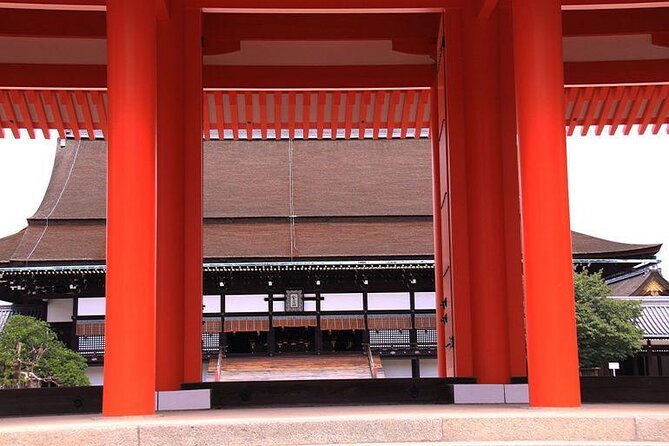
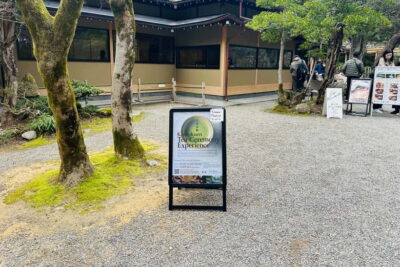
The experience begins at Sakura Experience Japanese Culture Nijo Home, at 660 Izumicho in Kyoto’s Nakagyo Ward. It is close to public transportation and near Nijo Castle, making it easy to pair the ceremony with a visit to the castle or another central Kyoto sight.
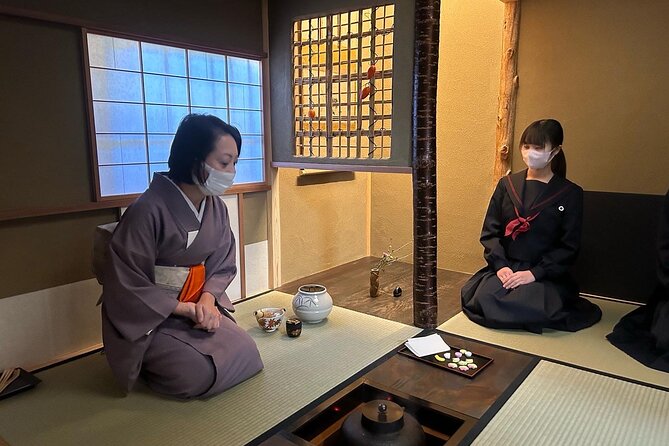
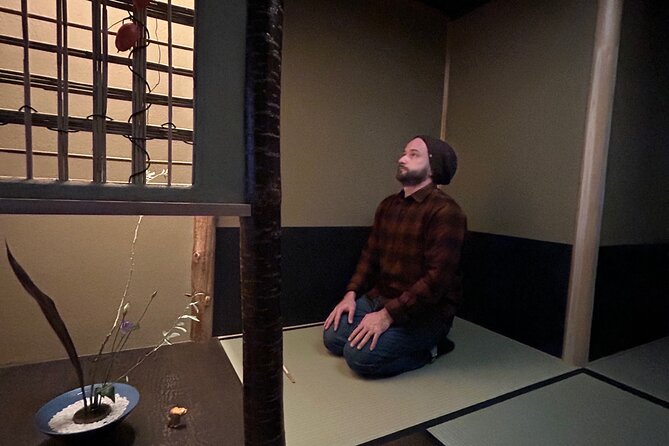
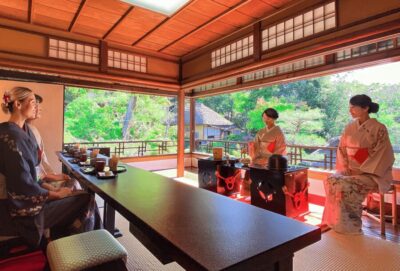
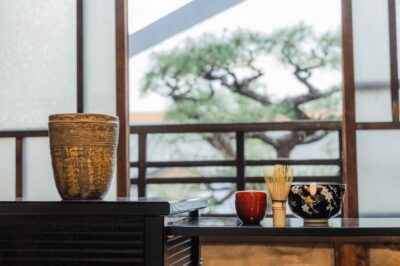
This is not a restaurant-style tea demonstration. You enter a private home and sit in one of its traditional tea rooms, known as Koma and Hiroma. The setting matters because tea ceremony is built around attention to place. The room, utensils, sweets, tea, and the season all form part of the occasion.
I like this arrangement for a first encounter with Japanese tea culture. You are not being rushed through a stage performance, and the small setting gives you room to ask questions. It also means you should arrive ready for a calm, quiet hour rather than a lively group activity.
The home has welcomed cultural figures, museum professionals, and other visitors seeking a serious introduction to Japanese customs. That background shows in the care given to the bowls and tea utensils. Some bowls are custom-made by Kiyomizu and Raku potters, two names closely linked with Kyoto ceramics.
More Tea Ceremony Experiences in Kyoto:
- Kyoto: Tea Ceremony in a Traditional Tea House in Kiyomizu
★ 4.9 · 3,519 reviews - Kyoto: Tea Ceremony Ju-An at Jotokuji Temple
★ 4.9 · 3,207 reviews - Kyoto: 45-Minute Tea Ceremony Lesson Experience
★ 4.3 · 2,378 reviews
Aya Ito’s teaching style and the first lesson
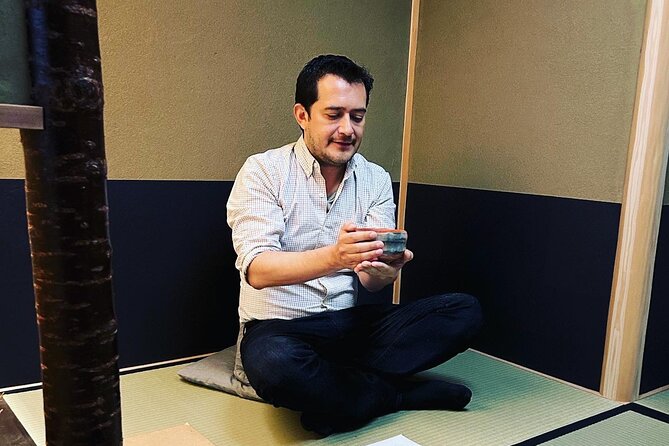
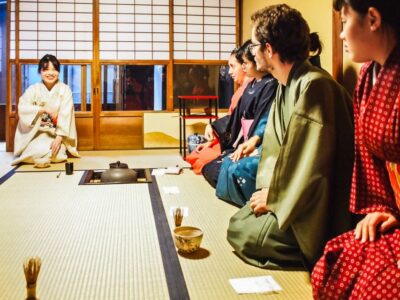
Aya Ito, often addressed as Aya-sensei, guides the session as a certified tea ceremony instructor. Her teaching style is one of the strongest reasons to choose this experience. She explains the history and purpose of the ceremony in clear English, then gently walks you through the actions instead of expecting you to know the rules in advance.
You learn how to enter the tea room, how to sit, how to receive the bowl, and how to appreciate the tea and sweets. The details may seem small at first, but they are the point. Tea ceremony asks you to notice the direction of a bowl, the way an object is presented, and the respectful exchange between host and visitor.
I appreciate that the lesson does not treat etiquette as a list of stiff rules. Aya connects the movements to hospitality and awareness. Her approach is especially helpful if you worry about making a mistake. You are there to learn, not to perform perfectly.
The session also gives you a chance to ask about the history of tea ceremony and its role in Japanese culture. Several people who have taken the class found that the hour changed how they noticed tea, sweets, and hospitality during the rest of their time in Japan. That is a useful sign of a good cultural activity: it continues to shape what you see after you leave.
Watching the formal matcha preparation
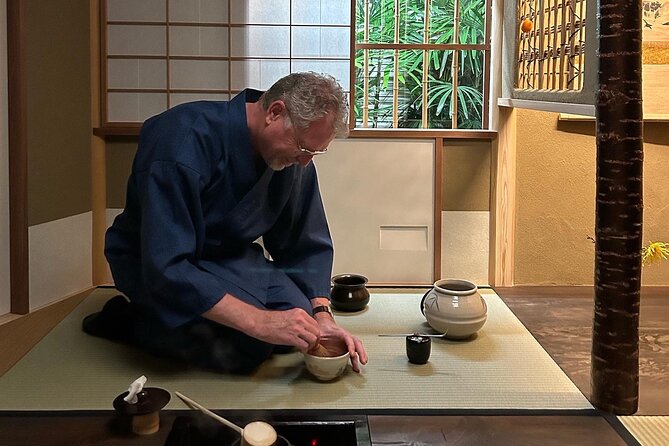
The central demonstration is the preparation of matcha using a bamboo whisk. Aya handles the utensils with measured movements, showing how the tea is scooped, combined with water, and whisked into a smooth drink.
The ceremony is visual, but it also uses sound, texture, aroma, and taste. You hear the whisk against the bowl, notice the finish of the pottery, smell the tea, and see how the bowl is presented. This attention to the five senses is part of what makes the experience feel different from ordering a matcha latte in a café.
The matcha comes from an original blend sourced from Uji, the tea-growing area near Kyoto. You receive two bowls in total. One is prepared as part of the formal service, and the other forms part of your hands-on practice.
The pace is deliberate. If you prefer quick explanations and constant activity, the ceremony may feel slow. I see that as a fair trade for the chance to understand why each step exists, but it is worth knowing before you book. This is a quiet experience, and silence is part of the room’s character.
Preparing your own bowl with a bamboo whisk
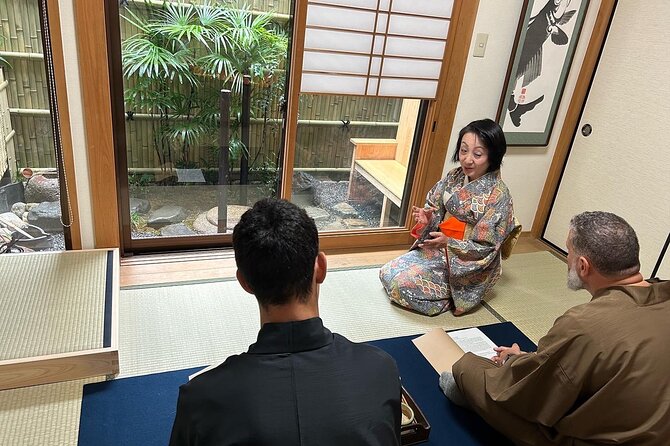
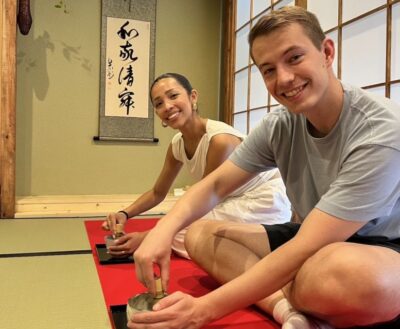
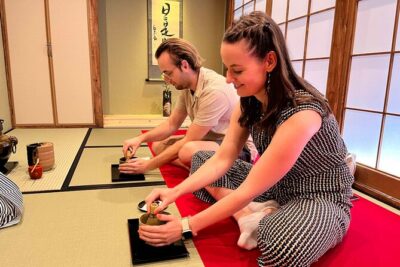
After watching Aya, you prepare matcha yourself. She demonstrates the technique and guides you through the process, so you do not need previous experience.
The hands-on part is important. A demonstration can look simple until you hold the whisk and try to create the right texture. You learn through touch and movement, and the practical lesson helps the ceremony make sense in a way that a lecture cannot.
You also get a better appreciation for the work of the tea master. The graceful motions seen from across the room come from years of training. Your own attempt need not match Aya’s technique. The value is in taking part respectfully and learning how the tools work.
This is one reason the private format offers good value for people who want more than a photo opportunity. You have direct access to the instructor, and your group can ask questions without competing with a large class.
More Private Experiences in Kyoto:
- Private Tea Ceremony and Sake Tasting in Kyoto Samurai House
★ 5.0 · 163 reviews - Private Kyoto Sushi Cooking Class & Tea Ceremony with Emika
★ 5.0 · 66 reviews - Kyoto: Private Tea Ceremony with a Garden View
★ 4.9 · 61 reviews - Scenic Green Tea Fields of Hidden Kyoto & Local Tea Exp (Private)
★ 5.0 · 32 reviews
Three seasonal wagashi from a Kyoto confectioner
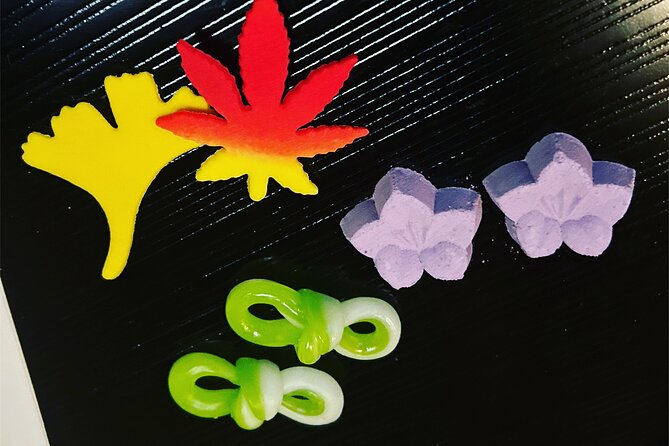
Before or alongside the tea, you taste three different types of seasonal wagashi. These Japanese sweets come from a long-established Kyoto confectioner, and they are chosen to complement the matcha.
Wagashi are not simply sugary snacks. Their colors, shapes, and ingredients often reflect the season. They prepare your palate for the tea and provide a small lesson in Japanese food culture. The sweets also make the ceremony easier for first-time participants, since their sweetness balances matcha’s bitter edge.
The sweets are gluten-free and vegan, which makes this activity more practical for many people with dietary restrictions. You should still communicate any serious allergy or concern when booking, since the supplied information confirms the dietary style but does not list every ingredient or guarantee an allergy-free kitchen.
I like that food is treated as part of the ceremony rather than an extra tacked onto the end. The wagashi, tea bowls, matcha, and room work together. You are tasting the season as well as learning the etiquette.
The tea bowls, Uji matcha, and small details
The equipment gives the session a sense of place. The tea bowls are custom-made by Kyoto potters, including artisans associated with Kiyomizu and Raku pottery. You may find yourself paying more attention to the bowl than expected. Its shape, weight, glaze, and imperfections are part of the experience.
The matcha is an original blend from Uji tea gardens. For someone who usually drinks tea from a bag, this offers a clear comparison. The flavor is direct and concentrated, and the preparation affects the final drink.
The booklet you take home is another useful touch. It offers a concise guide to the spirit and etiquette of tea ceremony, so you do not have to remember every movement from a single hour. I would keep it with your travel notes and use it later when you prepare matcha at home.
Some sessions may also include photographs taken by Aya’s husband, based on the way the experience has been operated. The supplied details do not promise photography as an included feature, so do not book solely for pictures. The ceremony itself should be the reason you choose this activity.
Why the one-hour format works, and where it falls short
An hour is long enough to learn the basic meaning of the ceremony, see a formal preparation, taste seasonal sweets, and whisk matcha yourself. It also fits neatly into a Kyoto day. You could schedule it before visiting Nijo Castle, and the location is close enough to make that pairing practical.
The short duration is also the main limitation. You will not become a tea practitioner in 60 minutes, and you will not explore every school, utensil, or historical period of Japanese tea. Think of this as a careful introduction, not an advanced workshop.
I would choose this format if you want one strong cultural activity between sightseeing stops. It suits couples, families with older teenagers, and small private groups who value personal instruction. It is less suitable if you want a casual drop-in activity, a costume experience, or a long ceremony with extensive meditation.
The class is private, so only your own group participates. That gives you control over the questions and pace, though a private session can cost more per person than a large group class. At about $99.08 per person, the price is reasonable if you value the home setting, individual guidance, two bowls of matcha, three sweets, and the booklet. Group discounts may improve the cost for larger bookings.
What to wear and how to behave
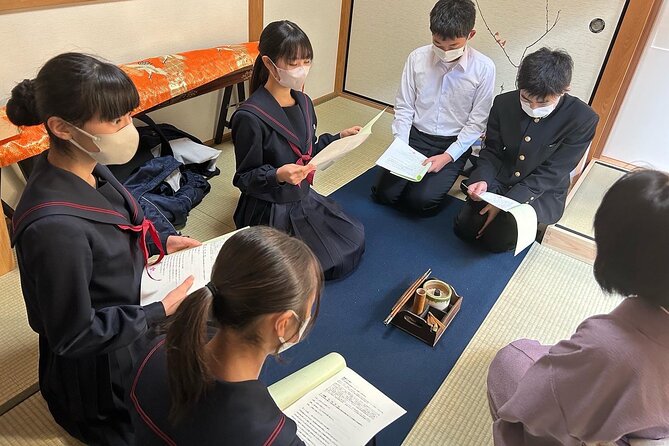
The practical rules are simple, but you need to follow them. Wear socks because bare feet are not allowed on the tatami. Socks can be purchased on site if you forget, but bringing your own is easier.
Choose long pants or a long skirt and a top with sleeves. Shorts, mini skirts, and sleeveless tops are not permitted. Avoid perfume and strongly scented products, since fragrance can disturb the tea room atmosphere. You may be asked to remove a scent before entering.
Small chairs are available for people who need them. Tell the provider in advance so the room can be prepared.
Arrive on time. If you are more than 15 minutes late, you will not be admitted and no refund will be provided. This rule is stricter than many sightseeing activities because the ceremony depends on a calm start and a prepared room.
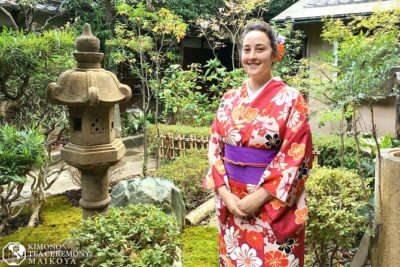
Kimono rental is not included. That may disappoint anyone picturing a full costume package, but it also keeps the focus on the tea ceremony itself. Wear comfortable, respectful clothing and you will be properly dressed for the setting.
Children 13 and under cannot participate. This is an age restriction, not a suggestion, and bringing a younger child without prior notice means you cannot join and will not receive a refund.
Planning the experience around your Kyoto day
The meeting point is in central Kyoto near Nijo Castle and public transportation. Exact travel time depends on your hotel and route, so allow enough time to find the home before the start.
A morning booking can make a peaceful beginning to the day, while an afternoon session works well after sightseeing in central Kyoto. Avoid scheduling another activity immediately afterward if you want time to reflect, ask questions, or browse around Nijo Castle.
The experience is often reserved well ahead, with bookings averaging about 48 days in advance. That does not guarantee every date sells out, but it tells you to reserve early if your Kyoto schedule is fixed.
The cancellation policy is forgiving up to 24 hours before the start time, when you can receive a full refund. Changes or cancellations inside that 24-hour window are not accepted for a refund. Pay attention to the local Kyoto time when making changes.
Who should book this Kyoto tea ceremony
I would recommend it to you if you want a personal introduction to Japanese culture and prefer a small room to a large tour group. It is especially good for first-time visitors who want context, not just a ceremonial photo.
It also suits anyone interested in craft. The tea bowls, bamboo whisk, Uji matcha, and handmade wagashi give the hour several points of interest beyond the ritual itself.
The experience is a strong choice for older teenagers, couples, friends, and private family groups. The clear English instruction is helpful for international visitors, and the hands-on format keeps the class from becoming a passive display.
I would hesitate if your main goal is to wear a kimono, if you dislike formal etiquette, or if you need a fully accessible floor seating arrangement that has not been discussed in advance. Chairs are available, but the supplied information does not promise full accessibility for every mobility need.
Should you book it?
Book this tea ceremony if you want a quiet, serious, personal look at Kyoto culture. Aya Ito’s patient instruction, the private home setting, two bowls of Uji matcha, and three seasonal wagashi make the price fair for a one-hour experience.
Before booking, confirm that everyone in your group is at least 14, prepare the required clothing, skip perfume, and plan to arrive early. If you want a costume session or a quick novelty stop, choose something else. If you want to understand why tea ceremony matters, and you are willing to slow down for an hour, this is a very good choice near Nijo Castle.
FAQ
How long does the private tea ceremony last?
The experience lasts approximately one hour.
Where does the tea ceremony take place?
It takes place at Sakura Experience Japanese Culture Nijo Home, 660 Izumicho, Nakagyo Ward, Kyoto, 604-0015, Japan, near Nijo Castle.
Who leads the tea ceremony?
Tea master Aya Ito, also addressed as Aya-sensei, leads the session as a certified tea ceremony instructor.
What is included in the price?
The experience includes three seasonal types of wagashi, a tea ceremony booklet, a demonstration, hands-on matcha preparation, and two bowls of matcha made with an original Uji blend.
Are the Japanese sweets suitable for vegan and gluten-free diets?
The three included wagashi are described as vegan and gluten-free. The available information does not list individual ingredients or promise an allergy-free preparation area.
Is kimono rental included?
No. Kimono rental is not included.
Can children attend?
Children aged 13 and under are not permitted to join the class.
What should I wear to the tea ceremony?
Wear socks, long pants or a long skirt, and a top with sleeves. Shorts, mini skirts, sleeveless tops, bare feet, and perfume are not permitted. Small chairs are available if requested in advance.
Just added around Kyoto
- Whisk Your Own Matcha: A Zen Matcha Experience at Temple★ 3.6 · 7 reviews
- Uji Walking Tour – Byodo-in temple and Tea Ceremony from Kyoto★ 3.5 · 3 reviews
- Traditional Tea Ceremony in Kyoto★ 4.5 · 3 reviews
- Kyoto: Authentic Tea Ceremony in a Small Group★ 5.0 · 7 reviews
- Tea ceremony at Kyoto’s Zen Temple Teahouse★ 5.0 · 2 reviews
- Tea Ceremony in 150 Years Old Townhouse with Tables and Chairs★ 5.0 · 22 reviews
- Tea Ceremony Experience in Traditional Kyoto Townhouse★ 5.0 · 19 reviews
- Silent Beauty of Kyoto Zen Walk and Tea Experience★ 5.0 · 2 reviews
Tea Ceremony Experiences, compared.
Tea Ceremony in a Traditional Tea House in Kiyomizu
Read our review →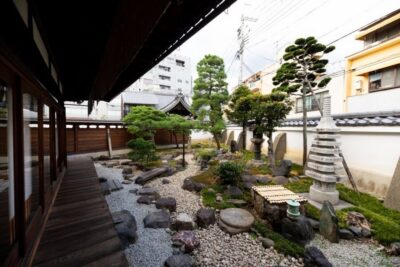
Browse the lists this tour appears in