
Review · KYOTO
Kyoto Newly Opened Private Tea Ceremony – Sanjo Chasuian
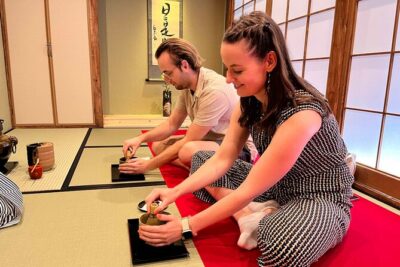
The most memorable detail here is the nijiriguchi, a small crawl-in doorway that asks you to leave everyday Kyoto behind before the ceremony begins. Inside, your private group watches the host prepare matcha, then chooses a bowl and tries the whisking for itself. I like that the lesson is hands-on rather than a silent display, and that the English explanations connect each movement with the ceremony’s meaning.
I also like the calm, family-friendly setup and the two bowls of Kyoto matcha, one made by the host and one made by you or a companion. The main drawback is strict timing: the door is locked when the session starts, and even one minute late means no entry or refund. At $137.44 per person for about an hour, this is a special-interest experience, not a casual budget stop.
Key points to know before booking
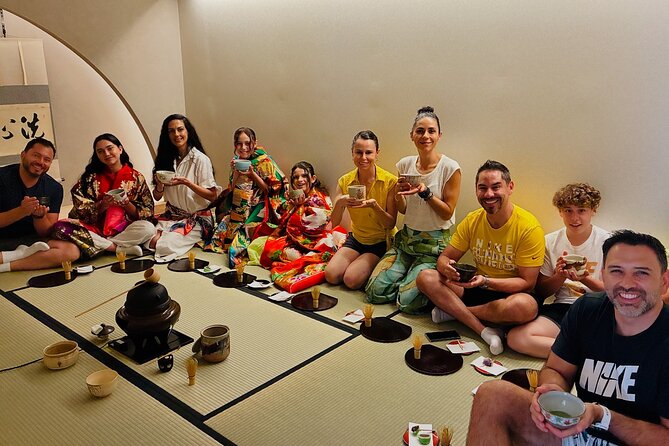
- A private room for your group: No unrelated participants join your session, so families and small groups can learn at their own pace.
- Two bowls of matcha: The host prepares one serving, then you whisk another yourself or with a companion.
- A real nijiriguchi entrance: The low crawl-in doorway is part of the tea-room design and its sense of ceremony.
- Seasonal sweets from a century-old Kyoto shop: Traditional confectionery accompanies the matcha.
- Five minutes from Karasuma Oike Station: The central location makes this easy to fit between sightseeing stops.
- Strict arrival rule: Entry begins five minutes before the start, but late arrival means no participation and no refund.
A private introduction to Kyoto tea culture
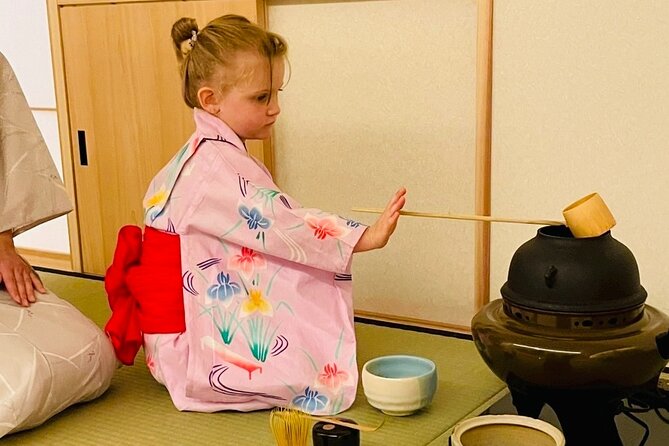
Tea ceremony can look mysterious if you only see it from a distance. Sanjo Chasuian makes the custom easier to understand by letting you take part in the basic actions yourself. You do not simply sit while someone performs a formal ritual. You watch, listen, choose a bowl, and whisk matcha.
The setting is newly opened and designed for tea ceremony and sake tasting. The tea session is held in a quiet room, with all guidance and explanations offered in English. That matters because the value here is not only the taste of the tea. You are learning why the host moves carefully, how the utensils are handled, and how the room shapes the mood.
The private format is especially useful for families or companions who want to ask questions without worrying about a larger class. Your group has the room to itself. That does not make the ceremony casual, exactly. The quiet rules still matter, but the pace can feel less intimidating when you are learning together.
The short length also works well for a Kyoto day. At about one hour, this is not an all-afternoon commitment. You can place it between visits to central Kyoto sights, though you should protect the start time carefully.
More Tea Ceremony Experiences in Kyoto:
- Kyoto: Tea Ceremony in a Traditional Tea House in Kiyomizu
★ 4.9 · 3,519 reviews - Kyoto: Tea Ceremony Ju-An at Jotokuji Temple
★ 4.9 · 3,207 reviews - Kyoto: 45-Minute Tea Ceremony Lesson Experience
★ 4.3 · 2,378 reviews
Finding Sanjo Chasuian near Karasuma Oike
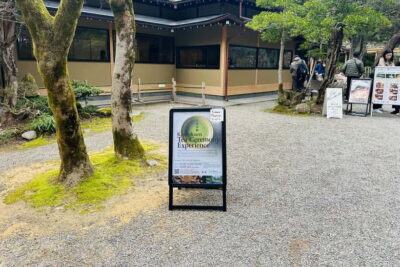
Sanjo Chasuian is at 324-2 Sanjocho in Nakagyo Ward, Kyoto, about a five-minute walk from Subway Karasuma Oike Station. The central location is one of the experience’s practical strengths. You do not need a long ride out to a remote neighborhood for a traditional tea room.
The meeting point is also the end point, so you return to the same location when the session finishes. Hotel transfers and private transportation are not included. Plan to make your own way there by public transportation or on foot.
You may enter five minutes before the scheduled start time. I would arrive with enough margin to find the building, settle down, and put on socks if needed. The organizers specifically ask that you bring or wear socks during the experience, so do not leave that small detail to chance.
The arrival rule is unusually firm. Once the ceremony begins, the door is locked. Even a one-minute delay means you cannot join, and the payment is not refunded. This is understandable in a quiet tea room, where opening the door mid-session would interrupt the group, but it makes punctuality part of the booking decision.
The nijiriguchi changes the way you enter
The tea room includes a nijiriguchi, the low entrance associated with traditional tea rooms. You enter through it by crawling or crouching rather than walking through a normal doorway. The design is not just an architectural curiosity. It creates a clear break between the outside world and the tea room.
The low opening also carries a message of humility. Everyone entering must lower themselves, regardless of status or position. You do not stride into the room as if you own it. You adjust your body, pay attention, and accept the room’s rules.
For many people, this will be the most distinctive physical feature of the session. It gives the ceremony a sense of place before the tea is even prepared. It also makes the experience feel more connected to Japanese tea practice than a standard matcha tasting held at a café table.
If crouching or using a low entrance is difficult for you, consider that before booking. No accessibility information beyond the nijiriguchi is provided, so you should contact the provider directly if you need specific arrangements.
Watching the host prepare the first bowl
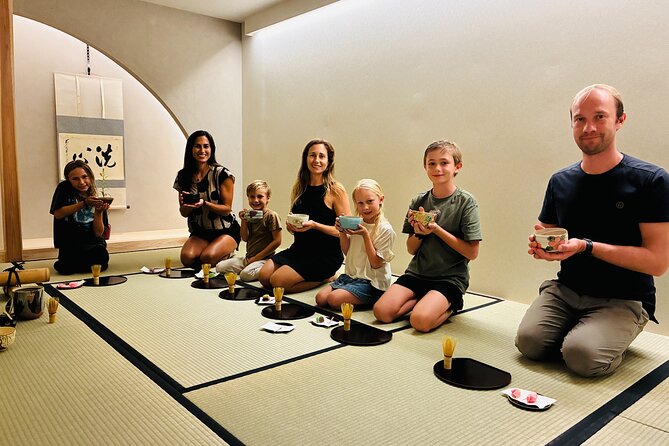
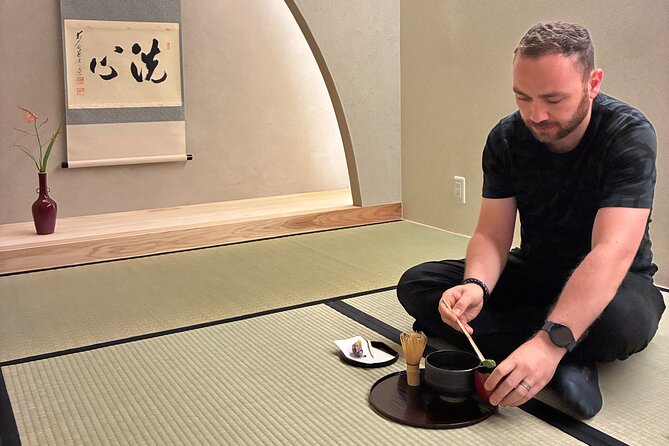
The ceremony begins with the host preparing a bowl of matcha. You watch the movements and receive English explanations about the history and culture surrounding the practice. The point is not speed. Each action is performed with care, and the quiet room gives you time to notice the utensils, the bowl, and the sequence.
This first bowl provides a useful reference for the hands-on portion that follows. You see how the host holds the whisk and prepares the tea before trying it yourself. For someone new to matcha, watching first removes some of the guesswork.
The ceremony’s quiet atmosphere may be a pleasure or a challenge, depending on your group. This is not a loud demonstration with constant chatter. Children can attend, and families are welcome, but the setting asks everyone to settle down and respect the calm.
That calm is part of the lesson. The ceremony encourages attention to one moment, one bowl, and one set of movements. You do not need prior knowledge of tea etiquette. The English guidance is there to explain what is happening as it happens.
More Private Experiences in Kyoto:
- Private Tea Ceremony and Sake Tasting in Kyoto Samurai House
★ 5.0 · 163 reviews - Private Kyoto Sushi Cooking Class & Tea Ceremony with Emika
★ 5.0 · 66 reviews - Kyoto: Private Tea Ceremony with a Garden View
★ 4.9 · 61 reviews - Kyoto Private Tea Ceremony with Tea Master at Home
★ 5.0 · 58 reviews
Choosing a bowl and whisking your own matcha
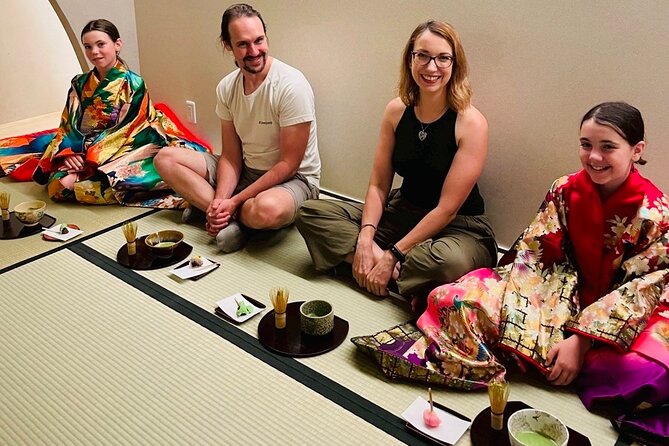
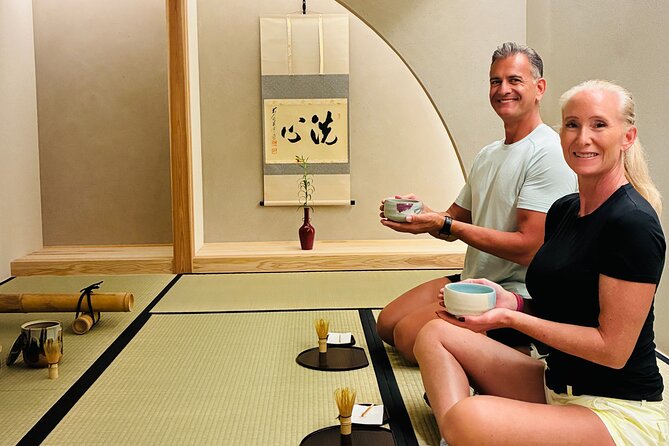
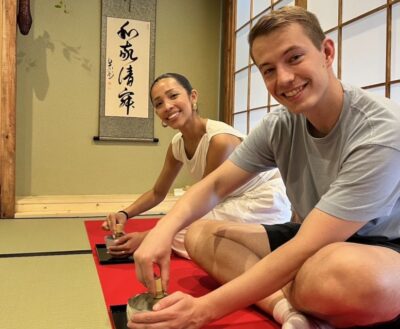
After watching the host, you choose a tea bowl and prepare a second serving yourself or with a companion. This is the point where the activity becomes more than a cultural talk. You handle the tools and feel the difference between seeing a movement and doing it.
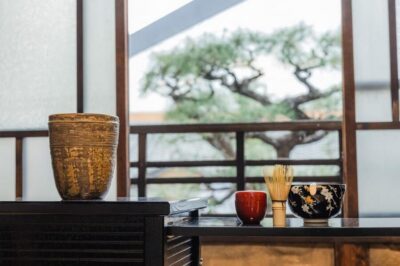
The chance to choose a bowl adds a personal touch. Japanese tea bowls are valued for their shape, texture, and character, and the selection helps you notice that the vessel is part of the experience. The supplied details do not specify the number or style of bowls available, so you should not expect a particular design.
Whisking matcha takes a little attention. Your host guides you through the process, and you can copy the movement you just observed. The result may not be as smooth as the host’s bowl, and that is fine. The point is to understand the action, not to pass a test.
If you are traveling with a partner or family, you can make the second bowl yourself or prepare it together with a companion. That gives children and first-time participants a direct role, though everyone still needs to follow the room’s quiet tone.
Two bowls of matcha and a traditional sweet
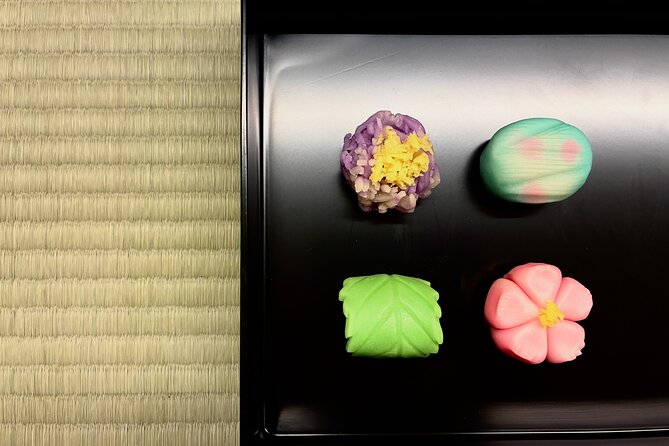
The price includes two bowls of Kyoto matcha. The first is prepared by the host, and the second is whisked by you or someone in your group. This is a better teaching setup than receiving only one prepared bowl because you can compare the host’s technique with your own.
A traditional seasonal Japanese confectionery from a Kyoto sweet shop with more than 100 years of history is also included. Japanese sweets served with matcha are often shaped or colored to reflect the season, though the specific confectionery is not stated in advance. Do not book expecting a particular flavor or design.
The sweet is not merely a snack added to the package. It helps balance matcha’s sharp, grassy taste and gives you another way to notice the ceremony’s seasonal focus. It also turns the session into a small food-and-culture lesson rather than a drink tasting alone.
The experience does not list a meal, extra drinks, transportation, or other food. If you need lunch or dinner afterward, plan separately. The one-hour schedule makes that easy, but the tea room should not be treated as a full dining stop.
Why the private format matters
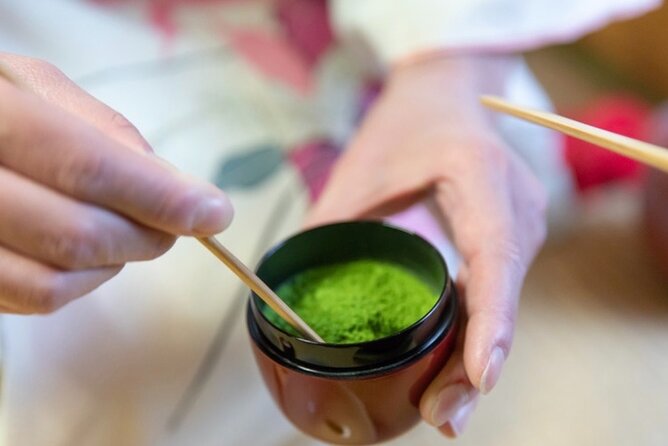
The private plan means only your group takes part. That is the right choice if you want the ceremony to feel personal, need English guidance for everyone in your party, or are bringing young children.
Families with children under five must book the Private Plan. The same rule applies to groups bringing an interpreter. If you choose the wrong shared option, participation and refunds are not available. Since this is an important booking condition, check your party details before paying.
A private room also lets your group respond naturally. You can ask for an explanation, take a moment to copy the host’s movements, and share the activity with your own companions without being mixed into a larger class.
The tradeoff is price. At $137.44 per person, the cost is high for a one-hour activity, especially if you are traveling alone or on a tight budget. The amount makes more sense for a group that values privacy, English instruction, and a traditional room rather than simply wanting to taste matcha.
Group discounts are available, though the exact discount is not stated. If several people are booking together, check the final total before deciding. A grand opening discount is also being offered until September 15, but the exact reduced price and applicable dates should be confirmed at booking.
Optional uchikake styling
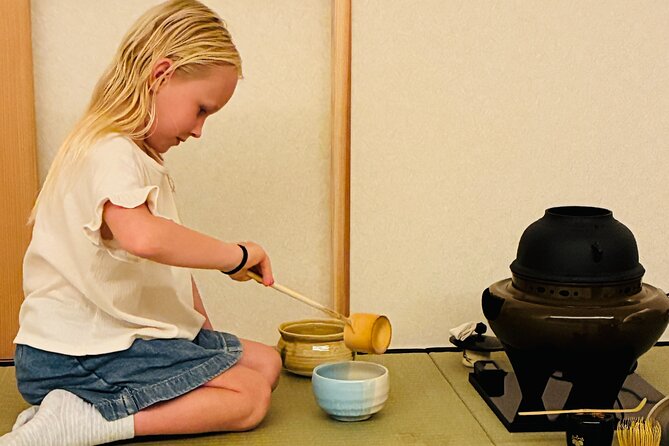
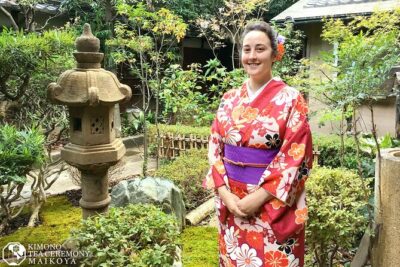
An optional uchikake coat-like kimono experience is available for ¥1,500, tax included. You can ask the staff about it on the day. It is not part of the base price, so include the extra cost if wearing traditional clothing is important to you.
The information does not specify how long the uchikake portion takes, which garments are available, or whether the styling changes the ceremony itself. Treat it as an optional add-on, not a guaranteed full kimono dressing service.
For photos and a stronger visual connection to Japanese tradition, the coat may appeal to you. If your priority is the tea lesson, you can skip it and focus on the ceremony’s movements, utensils, sweets, and nijiriguchi.
What the hour feels like from start to finish
Your session begins with entry into the tea room and an introduction to the setting. The nijiriguchi immediately marks the transition from the street to the ceremony.
The host then explains the tea ceremony’s cultural background in English and prepares the first bowl of matcha. You observe the sequence and learn what the movements mean rather than simply being handed a drink.
Next comes the practical section. You choose a bowl and whisk your own matcha, alone or with a companion. The host’s demonstration gives you a model to follow, while the private setting lets your group learn without outside participants watching.
You enjoy the second bowl with seasonal traditional confectionery. The session ends back at the meeting point, with no transfer required.
Because the total time is only about one hour, expect a focused introduction rather than a full study of every school, utensil, or rule in Japanese tea culture. The format gives you a clear taste of the practice and a chance to participate. It cannot cover everything, and that is a fair limitation for a short city activity.
Who will get the most from this experience
I would choose this for a family or small group that wants a quiet cultural activity with a real hands-on element. Children old enough to follow the calm atmosphere can take part in whisking the tea, and the private room removes the pressure of joining strangers.
It also suits first-time visitors who want English explanations. You do not need to know tea etiquette in advance, and the host demonstrates the key actions before you try them.
Couples and friends may enjoy the shared ritual of choosing a bowl and preparing the second serving together. The nijiriguchi gives the visit a memorable physical feature, while the seasonal sweet adds a small taste of Kyoto craftsmanship.
I would be more cautious if you are mainly looking for a cheap matcha drink, a flexible drop-in activity, or a long cultural tour. The fixed start time, non-refundable booking, and high per-person price require commitment.
The setting may also be difficult for anyone who cannot use a low crawl-in entrance or sit comfortably in a traditional tea-room setting. The available information does not provide detailed accessibility guidance, so ask before booking if that affects you.
Is $137.44 per person fair?
The value depends on what you want from the hour. You are paying for a private tea room, English instruction, two bowls of matcha, a traditional seasonal sweet, and a hands-on lesson. You are also paying for the special setting, including the nijiriguchi, rather than only for the beverage.
For a solo visitor, the price may feel steep. A shared tea demonstration elsewhere could cost less, though it may not offer the same privacy or personal turn at whisking. For a family or group, the private format may justify the cost, especially if a group discount or grand opening price applies.
The booking is non-refundable and cannot be changed for any reason. That policy is strict enough to affect the value calculation. Only book once your Kyoto schedule is firm, and allow extra time to reach the address near Karasuma Oike Station.
Should you book Sanjo Chasuian?
Book this if you want a quiet, private, English-guided introduction to Kyoto tea ceremony and like the idea of learning by doing. The nijiriguchi, two bowls of matcha, seasonal sweet, and private room give the hour a clear identity.
I would recommend it most for families, couples, and small groups who care about cultural context and do not mind paying a premium for privacy. I would skip it if you want a flexible or inexpensive drink stop, cannot arrive early, or are unsure about using the low tea-room entrance.
For the right group, this is a compact way to encounter an important Japanese tradition without committing half a day. Just wear socks, arrive early, and treat the start time as absolute.
FAQ
Where is the tea ceremony held?
It is held at Tea Ceremony & Sake Tasting Kyoto, Sanjo Chasuian, at 324-2 Sanjocho, Nakagyo Ward, Kyoto, 604-8205, Japan.
How far is the venue from public transportation?
The venue is about a five-minute walk from Subway Karasuma Oike Station.
How long does the experience last?
The tea ceremony lasts approximately one hour.
Is the session private?
Yes. The Private Plan is exclusively for your group, with no other participants joining the session.
What is included in the price?
The package includes the private tea ceremony, two bowls of Kyoto matcha, and traditional seasonal Japanese confectionery. One bowl is prepared by the host, and you prepare the other yourself or with a companion.
Is the experience conducted in English?
Yes. All guidance and explanations are offered in English.
Can children attend?
Families are welcome. If your group includes a child under five, you must book the Private Plan. A shared booking made under the wrong plan will not allow participation or a refund.
What happens if I arrive late?
You may enter from five minutes before the start time. Once the session begins, the door is locked. Even arriving one minute late means you cannot join, and no refund is provided.
Just added around Kyoto
- Whisk Your Own Matcha: A Zen Matcha Experience at Temple★ 3.6 · 7 reviews
- Uji Walking Tour – Byodo-in temple and Tea Ceremony from Kyoto★ 3.5 · 3 reviews
- Traditional Tea Ceremony in Kyoto★ 4.5 · 3 reviews
- Kyoto: Authentic Tea Ceremony in a Small Group★ 5.0 · 7 reviews
- Tea ceremony at Kyoto’s Zen Temple Teahouse★ 5.0 · 2 reviews
- Tea Ceremony in 150 Years Old Townhouse with Tables and Chairs★ 5.0 · 22 reviews
- Silent Beauty of Kyoto Zen Walk and Tea Experience★ 5.0 · 2 reviews
- Tea Ceremony Experience in Traditional Kyoto Townhouse★ 5.0 · 19 reviews
Tea Ceremony Experiences, compared.
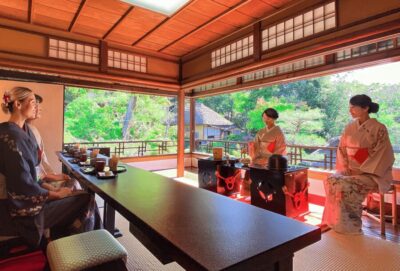
Tea Ceremony in a Traditional Tea House in Kiyomizu
Read our review →
Browse the lists this tour appears in