
Review · TOKYO
Mochi Matcha Gluten Free Japanese Sweets Class near Shibuya area
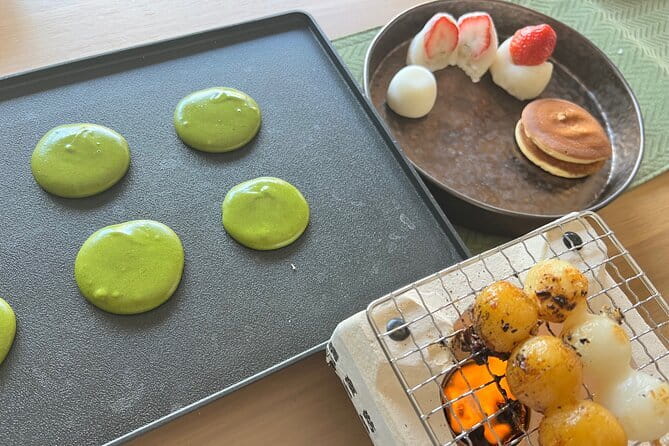
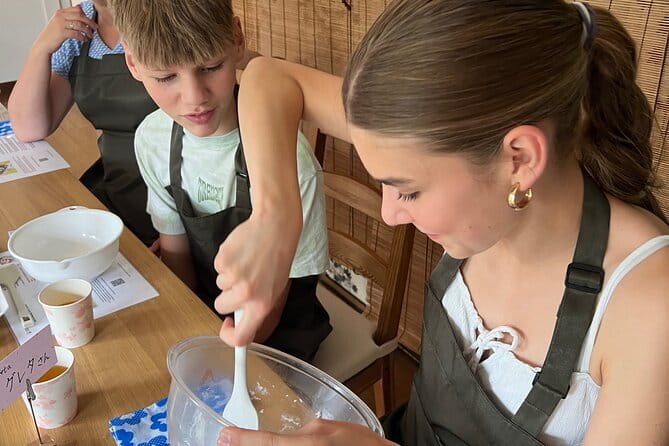
The most appealing part of this experience is its private home setting. Instead of watching a large demonstration, you work directly with Sakura, a qualified sweets teacher, and learn by handling the dough, shaping the treats, and tasting the results. The class covers four Japanese sweets in about two hours, with matcha mochi at the center.
I like the recipe you take home, since it turns a pleasant Tokyo activity into something you can repeat with family and friends. I also like the care given to presentation, including a small photo table for displaying your finished sweets. The main consideration is location: the class is described as being near Shibuya, but the meeting point is in Sangenjaya, Setagaya, not central Shibuya itself.
Key points to know before booking
- Private instruction with Sakura: Your group receives focused guidance rather than joining a crowded cooking demonstration.
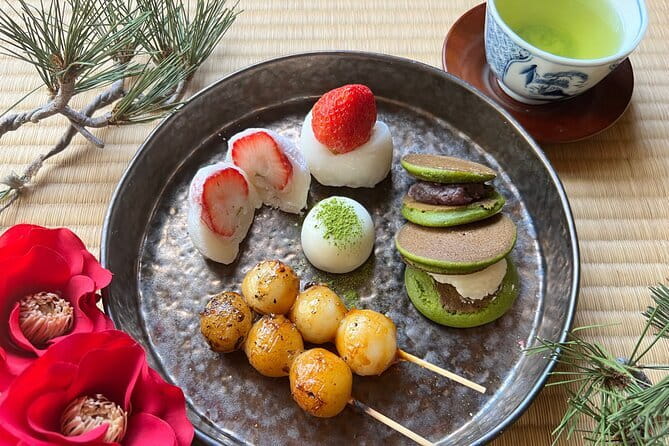
- Four sweets in two hours: You make several Japanese treats, including matcha green tea mochi, and learn about their cultural background.
- Gluten-free friendly: The class is designed around gluten-free Japanese sweets and has suited people with celiac needs.
- A welcoming home kitchen: The setting feels personal and informal, with some classes taking place with only one or two participants.
- Recipes and photos included: You leave with instructions for making the sweets at home and can photograph your finished work.
- A useful rainy-day activity: The indoor format works well during hot, wet, or otherwise inconvenient Tokyo weather.
Meeting Sakura in Sangenjaya
The class begins at 1-chōme-11-13 Sangenjaya, in Setagaya City. That matters because the experience is marketed for the Shibuya area, yet the actual address is in Sangenjaya. Check your route carefully and allow time to reach the meeting point rather than assuming you can walk there from Shibuya’s famous crossing.
Sangenjaya gives the class a residential feel. You are not entering a polished tourist attraction or a large culinary school. You are visiting a private home and learning in a personal kitchen, which is a big part of the experience’s appeal.
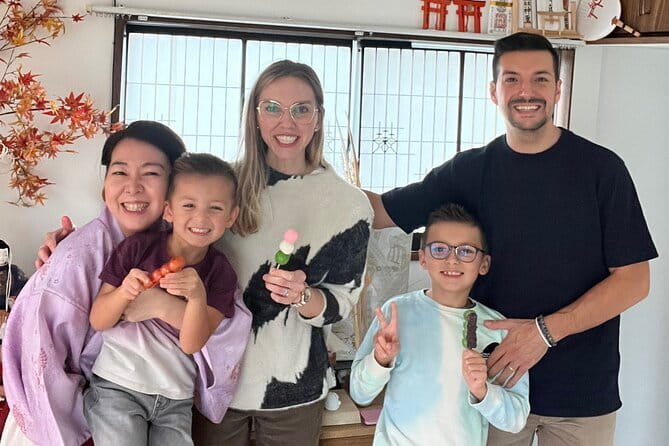
Sakura is the teacher and host. She speaks excellent English, according to the information provided, and is described as patient, friendly, and especially good with children. Her teaching style appears suited to beginners, so you do not need prior experience with Japanese sweets.
Some participants have had the class to themselves, while the booking is formally described as a private activity for your group. That means the pace can feel more relaxed than a shared class, and you can ask questions without competing for the instructor’s attention.
One small homey detail is Sakura’s dog, Chocolate, who has been present during at least some classes. If you have allergies or strong concerns about animals, it is sensible to ask about this before booking. The setting is part of the charm, but it is not a purpose-built commercial kitchen.
More Japanese Sweets and Tea Sessions in Tokyo:
- Matcha Making Class in Tokyo with Authentic Japanese Sweets Set
★ 5.0 · 744 reviews - Sweets Making and Kimono Tea Ceremony at Tokyo Maikoya
★ 5.0 · 57 reviews - Japanese Traditional Sweets making and Tea Ceremony
★ 4.7 · 50 reviews
Making four Japanese sweets by hand
The class lasts about two hours, which is enough time for a hands-on introduction without taking half a day from your Tokyo plans. You make four different sweets together rather than spending the whole session on one recipe.
That variety is valuable. Mochi has a familiar name outside Japan, but the wider world of Japanese sweets includes different textures, shapes, and uses of matcha. Working through several preparations gives you a better sense of how Japanese confectionery is made and presented.
The process is practical. You get your hands into new textures, follow Sakura’s instructions, and shape the sweets yourself. This is not simply a talk about wagashi, the broad term often used for traditional Japanese sweets. You are expected to participate.
The class also includes an introduction to the origins and cultural meaning of mochi. That background gives the activity more purpose than a generic cooking lesson. You learn why these sweets matter in Japan, then use that context while making them.
Matcha green tea is a central flavor. The class description presents matcha sweets as easy to make and delicious, while also emphasizing their lower-fat, healthier qualities. It is best to treat that as part of the class’s food philosophy, not as a medical claim. The real benefit is that you learn a traditional sweet that does not depend on wheat flour.
Your finished sweets are arranged on a photo opportunity table. This may sound like a small extra, but it helps you slow down and notice the shapes and colors before eating everything. If you enjoy food photography, bring a phone with enough battery and take your pictures before the treats disappear.
Why the gluten-free focus matters
For someone with celiac disease or a strict gluten-free diet, Japanese sweets can be difficult to navigate. Rice-based treats may look safe, but shared preparation areas and ingredients can still create questions. This class is specifically presented as gluten-free, and the experience has accommodated a participant with celiac needs.
That makes it more useful than a standard Tokyo food tour for people who cannot casually sample sweets from shops. You can ask the teacher directly about the class and take part in the preparation instead of relying on a quick label or uncertain translation.
Still, you should communicate your dietary needs clearly before the start. The provided information confirms gluten-free accommodation, but it does not give a full ingredient list or promise that every allergy can be handled. If you have severe allergies, contact the provider before booking and confirm the arrangements.
The class may also suit families dealing with different food preferences. Children can participate, and Sakura has experience teaching kids. The hands-on shaping is likely to hold a child’s attention better than a long cultural lecture, although a parent should be ready to help with the process when needed.
The value of a $112.01 private class
At $112.01 per person, this is not a bargain snack stop. You are paying for about two hours of instruction, ingredients, tea or coffee, an apron, a private setting, and recipes to use later.
The price makes more sense for couples, families, and small groups who want personal attention. A public demonstration might cost less, but it would not offer the same chance to ask questions, work at your own pace, or adjust the explanation to your needs. Group discounts are available, so larger small groups should check whether the final per-person cost improves.
The recipe adds real value. You are not only eating something in Tokyo and leaving with a memory. You gain a repeatable activity for home, which can make the class worthwhile for anyone who enjoys cooking or wants a culturally specific souvenir that takes up no space in a suitcase.
The value is less convincing if you only want to taste Japanese sweets. Tokyo has plenty of places to buy wagashi for far less than this price. Book this class for the instruction, personal contact, gluten-free reassurance, and the chance to make the sweets yourself.
More Matcha Experiences in Tokyo:
- Tokyo: Matcha Making Experience with Mochi Sweets in Asakusa
★ 4.9 · 388 reviews - Asakusa Cultural Walk & Matcha Making Tour
★ 5.0 · 245 reviews - Tokyo: Matcha and Kimono Experience
★ 4.7 · 219 reviews - Tokyo: Asakusa Kimono Dressing and Matcha Experience
★ 4.9 · 173 reviews
A calm indoor break from Tokyo sightseeing
Tokyo can be exhausting, especially in hot weather. This class gives you a seated indoor activity with a clear beginning and end. It also works during rain, so it can rescue a day when outdoor plans are less appealing.
The timing is well suited to a short break in a busy itinerary. At two hours, the class does not require a full day away from sightseeing. You return to the meeting point at the end, so you can continue exploring afterward.
The private format also makes the experience feel less rushed. In a large group, you might spend much of the session waiting for a turn or trying to see the instructor’s hands. Here, your group receives direct guidance from Sakura.
That said, a home class is not the right choice for every schedule. The address is outside the main Shibuya sightseeing zone, and you need to plan transportation to Sangenjaya. The experience is also focused on making sweets, not on visiting several attractions or sampling a wide range of Tokyo food.
What you receive during the session
An apron is included, which is useful when you are working with sticky dough and matcha. Japanese green tea or coffee is also provided, giving you a drink to enjoy alongside the sweets.
Guided instruction is included, but the supplied details do not promise a printed handout beyond the recipe. Confirm how the recipe will be delivered if that matters to you. The important point is that you receive instructions for making the sweets again at home.
Alcoholic beverages are not included. That is unlikely to matter for a family class or a daytime cooking lesson, but it is worth noting if you were expecting a pairing or evening food experience.
The activity ends back at the meeting point. There is no separate drop-off, so plan your next stop from Sangenjaya rather than assuming you will finish in central Shibuya.
Who will enjoy this most
I would recommend this class to several kinds of visitors:
- Gluten-free and celiac diners: You can enjoy a Japanese sweets activity designed with gluten-free needs in mind.
- Families with children: Sakura has experience teaching kids, and the hands-on format gives younger participants something to do.
- Couples and small groups: The private format allows a shared activity without strangers at the table.
- Matcha and mochi fans: You get to make several sweets rather than simply ordering one dessert.
- People who enjoy cultural activities: The class includes information about the origins and meaning of mochi.
- Rainy-day planners: The indoor setting gives you a dependable alternative to outdoor sightseeing.
I would hesitate to recommend it to someone looking for a fast, cheap tasting or a formal restaurant-style lesson. The private-home setting is warm and personal, but it may feel too informal if you want professional kitchen equipment or a large cooking studio.
Booking details worth checking
Confirmation is sent within 48 hours of booking, subject to availability. Since the experience is often booked about 38 days ahead, reserve early if you need a particular date, especially during a short Tokyo visit.
Mobile tickets are supported, and free cancellation is available up to 24 hours before the start time. Changes or cancellations made less than 24 hours ahead are not accepted for a refund, with cut-off times based on Tokyo local time.
Before paying, confirm the meeting address, the number of people in your private group, and any serious dietary restrictions. The listing gives the Sangenjaya address, so use that location when planning your route.
Should you book this mochi class?
Book it if you want personal instruction, gluten-free Japanese sweets, and a recipe you can use at home. Sakura’s friendly teaching style, experience with children, and strong English make the class approachable for beginners. The photo table is a thoughtful touch, and the home setting gives the lesson a distinctly local feel.
Think twice if your priority is central Shibuya convenience or the lowest possible food cost. You will need to reach Sangenjaya, and $112.01 per person is a meaningful price for a two-hour activity. For a couple, family, or small group that values a private cultural experience, though, the cost can be fair. This is not just a mochi tasting. It is a chance to learn, make, photograph, and repeat a small part of Japanese food culture at home.
FAQ
Where does the mochi class take place?
The meeting point is 1-chōme-11-13 Sangenjaya, Setagaya City, Tokyo 154-0024, Japan. The activity ends back at the meeting point.
How long does the class last?
The experience lasts approximately two hours.
Is the class private?
Yes. Only your group participates in the private activity.
Who teaches the class?
Sakura teaches the class. She is described as a qualified professional teacher with experience teaching children.
What sweets will I make?
You will make four different Japanese sweets together, including matcha green tea mochi.
Is the class suitable for gluten-free diners?
Yes. The class focuses on gluten-free Japanese sweets and has accommodated people with celiac needs. Contact the provider in advance about severe allergies or specific dietary concerns.
What is included in the price?
An apron, coffee or Japanese green tea, guided instruction, and a recipe are included. Alcoholic beverages are not included.
Can I cancel for a full refund?
You can cancel up to 24 hours before the experience start time for a full refund. Cancellations or changes made less than 24 hours before the start time are not accepted for a refund.
More Workshops in Tokyo
- Tea Ceremony Workshop in Tokyo by the Experienced Instrucor
★ 5.0 · 189 reviews - Experience all of Japanese culture and Japanese food experience classes “origami, udon, Japanese food, green tea, calligraphy” in 4 hours
★ 5.0 · 105 reviews - Tokyo Sushi Making Class : Sake Ceremony & Matcha Experience
★ 5.0 · 44 reviews - 2 Hours Mochi &Nerikiri Making & Matcha Class in Bunkyo
★ 5.0 · 21 reviews
More Dessert Stops in Tokyo
- Make Traditional Nerikiri Sweets & Matcha experience in Shibuya
★ 5.0 · 130 reviews - Tokyo: Two Types of Japanese Sweets Making and Tea Ceremony
★ 4.6 · 26 reviews - Private Mochi・Matcha sweets Making Class Near Shibuya Area
★ 5.0 · 22 reviews - Tokyo: Tea Ceremony & Japanese Sweets Making
★ 5.0 · 10 reviews
Just added around Tokyo
- Yokohama : Tea Ceremony with Sweets and Souvenir★ 5.0 · 5 reviews
- Walking Tour: Yanaka,Nezu& Sendagi: Tea Ceremony & Old Tokyo★ 5.0 · 3 reviews
- 2 Hours Mochi &Nerikiri Making & Matcha Class in Bunkyo★ 5.0 · 21 reviews
- Private Kimono and tea ceremony at local home near Tokyo Disney★ 5.0 · 6 reviews
- Private Mochi・Matcha sweets Making Class Near Shibuya Area★ 5.0 · 22 reviews
- Tokyo Sweets Tour: Hidden Gems & Matcha at an Old Tea House★ 5.0 · 6 reviews
- Giant Sushi Cooking Class: Make a 1.5m Sushi Roll in Tokyo★ 5.0 · 9 reviews
- Tokyo Tea Ceremony Class at a Traditional Tea Room★ 5.0 · 2 reviews
Japanese Sweets & Tea, compared.

Matcha Making Class in Tokyo with Authentic Japanese Sweets Set
Read our review →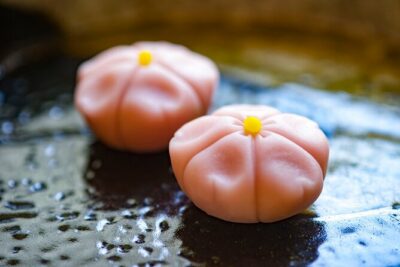
Matcha Making Class in Osaka with Authentic Japanese Sweets Set
Read our review →
Japanese Traditional Sweets Making and Tea Ceremony
Read our review →
Japanese Traditional Sweets Making and Tea Ceremony
Read our review →
Nagoya: Japanese Traditional Sweets making and Tea Ceremony
Read our review →
Sweets Making and Kimono Tea Ceremony at Tokyo Maikoya
Read our review →
Japanese Traditional Sweets making and Tea Ceremony
Read our review →Browse the lists this tour appears in