
Review · TOKYO
Tokyo Traditional Tea Ceremony with a Japanese Tea Master
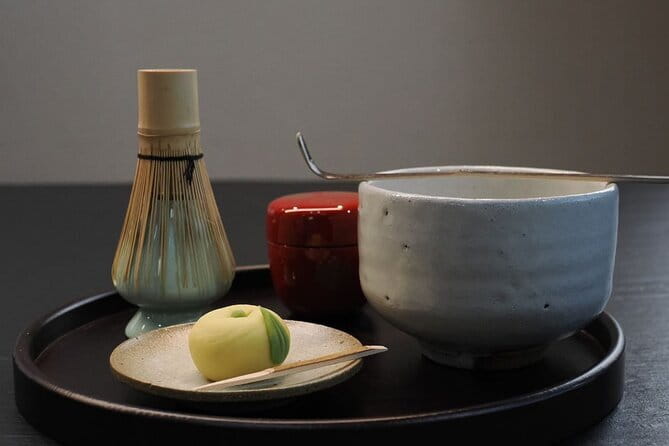
The best part of this Tokyo activity is its range. In about an hour, you taste several Japanese teas, learn how water temperature changes the result, and prepare your own matcha with traditional tools. It is a compact lesson in a culture many visitors only see from the outside.
I like the small group of up to 12 people, which gives you room to ask questions. I also like the mix of tasting and hands-on work: wakocha with cake, prized Gyokuro with wagashi, your own matcha, and roasted-rice Genmaicha to finish.
The main thing to understand is that this is not a long, formal tea ceremony with a geisha-like host and guests seated silently on the floor. It is closer to a relaxed tea class and tasting. That distinction matters, since a few people arrived expecting a very different experience.
Key points to know before booking
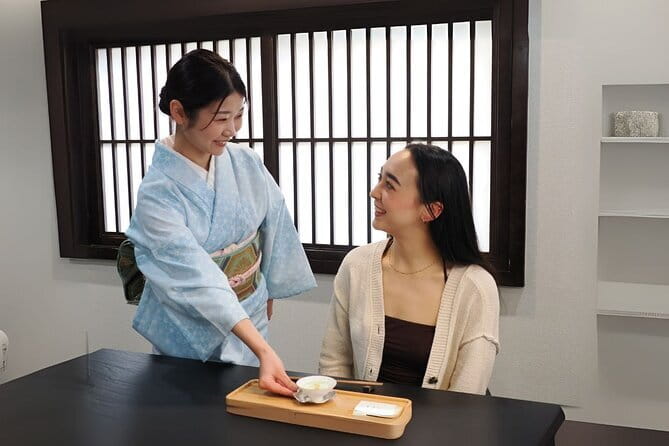
- Four distinct tea moments: Taste Shizuoka wakocha, Gyokuro sencha, matcha, and Niigata Genmaicha.
- You make your own matcha: A tea master shows you how to use the whisk and traditional equipment.
- Seasonal sweets are part of the lesson: Try cake with the welcome tea and wagashi from Ougiya with Gyokuro.
- A short, useful cultural stop: The session lasts about an hour, making it easy to fit into a Tokyo sightseeing day.
- Near Tokyo University: Ocharu is at 6-chōme-2-10 Hongō in Bunkyo City, close to public transportation.
- Take-home keepsakes: You receive a completion certificate and a group photo.
What this Tokyo tea experience really is
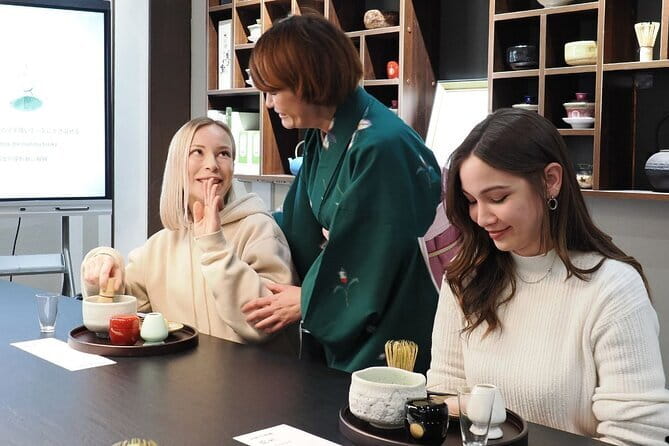
Japanese tea culture can look simple from the outside: a bowl, a whisk, hot water, and green powder. The details are the point. The grade of tea, the temperature of the water, the order of preparation, and the food served alongside it all shape the experience.
At Ocharu, the tea master turns those details into a practical lesson. You do not just receive a cup and move on. You compare different teas, watch them being prepared, taste the ingredients, and make matcha yourself.
That makes this a good choice if you want context without spending half a day in a highly formal ceremony. The pace is short and approachable. Several people found the one-hour format useful because it offered plenty to learn without becoming tiring.
Still, keep your expectations in check. The provider itself describes the activity as a tea experience, and the format is more educational than ceremonial. You should book it to learn about Japanese tea, not to recreate a period drama.
More Tea Ceremony Experiences in Tokyo:
- Kimono Tea Ceremony at Tokyo, Asakusa Maikoya
★ 5.0 · 638 reviews - Tokyo: Traditional Tea Ceremony with a Tea Master
★ 5.0 · 528 reviews - Tea Ceremony Workshop in Tokyo by the Experienced Instrucor
★ 5.0 · 189 reviews
Arriving at Ocharu in Bunkyo
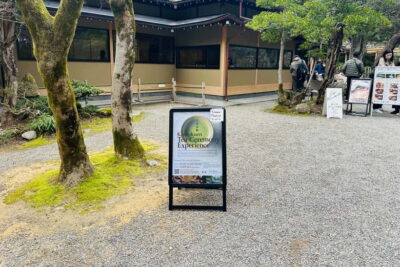
The meeting point is OCHARU at 6-chōme-2-10 Hongō, Bunkyo City, Tokyo 113-0033. It is directly across from Tokyo University, a useful landmark when you are finding the venue.
The activity begins and ends at the same place. You arrange your own transportation to and from the tea room, so allow enough time to reach Hongō. Confirmation arrives when you book, and the venue is near public transportation.
The room is designed for a small group, with a maximum of 12 people. That number is large enough to give the session some energy but small enough for questions and individual instruction. If you are traveling with family, the format should feel manageable. Children and adults can both take part in the tasting and matcha-making portions, though the material is cultural and instructional rather than a simple snack stop.
The setting also gives you a chance to see a part of Tokyo outside the main shopping districts. Bunkyo is home to Tokyo University and several academic and cultural institutions. You are not visiting a remote tea house in the countryside, but the location offers a calmer change from the major tourist centers.
Wakocha and cake begin the lesson
The first tea is wakocha, a Japanese black tea from Shizuoka. Japanese tea is often associated with green tea, so this opening cup helps correct that narrow picture. Wakocha has fruity and floral notes, and it is served with a slice of tea cake.
This is a useful first step because it lets you focus on flavor before the more technical preparation begins. The cake adds a familiar point of comparison, while the tea introduces you to a style many visitors may not expect from Japan.
The welcome tea and cake are included in the price. That sounds like a small detail, but it helps the experience feel complete rather than like a demonstration where you only watch someone else drink tea.
The host explains the tea and its qualities as you taste it. The amount of English instruction may depend on the session and guide. One dissatisfied participant reported that an English-speaking guide had been expected but that much of the material had to be read from a screen. If clear spoken English is essential for you, confirm the language arrangements before booking.
That issue appears to be an exception rather than the usual description of the activity, but it is worth taking seriously. A tea lesson depends on explanation, and a language mismatch can reduce the value.
Gyokuro sencha, tea leaves, and wagashi
The next stage focuses on Gyokuro sencha, described as the highest grade of green tea. The tea master prepares it for you, giving you a chance to see how a premium tea is handled rather than simply drinking a standard cup.
Gyokuro is prized for its concentrated flavor and careful preparation. Here, water temperature matters. The session explains how the brewing method affects the taste, which is one of the most useful takeaways from the whole activity. You begin to see that Japanese tea is not one single flavor or one fixed ritual.
A particularly unusual detail is that you taste the tea leaves themselves. That may sound odd if you are used to leaving leaves behind, but it gives you a direct sense of their texture and flavor after brewing.
The tea is paired with seasonal wagashi from Ougiya, a confectioner with generations of experience. Wagashi are Japanese sweets designed to complement tea, not overpower it. Their seasonal character is part of the point, since Japanese food traditions often connect ingredients and presentation with the time of year.
This pairing is more informative than a generic cookie on the side. It shows how tea service considers balance. The sweet changes how you perceive the tea, and the tea keeps the sweet from becoming too heavy.
A few more tea experiences around Tokyo worth a look
- Dynamic Tokyo: Tokyo Tower, Tea Experience, Bay Cruise Day Tour
★ 4.5 · 521 reviews - Asakusa: Kimono Tea Ceremony with Matcha and Sweet
★ 4.9 · 153 reviews - Tokyo: Full-Day Tour w/Tea Experience,Buffet Lunch & Cruise
★ 4.9 · 151 reviews - Tea Ceremony Experience in a Private Tea Room in Shibuya
★ 4.9 · 125 reviews
Making your own matcha
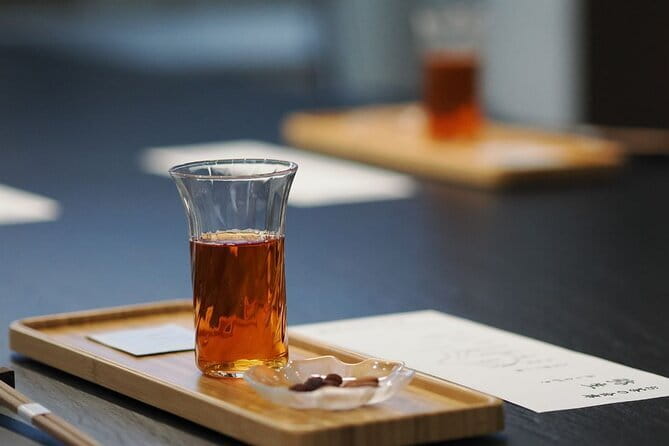
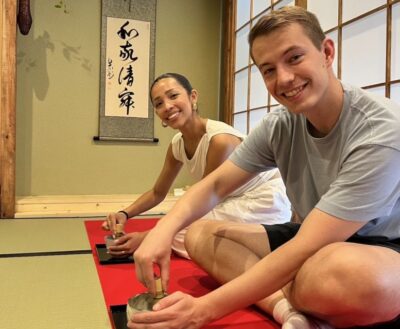
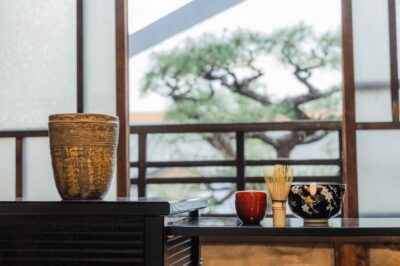
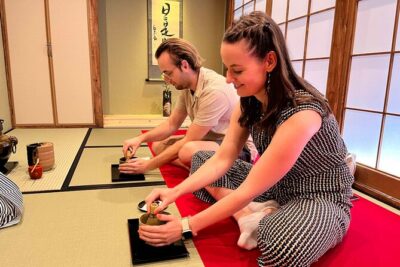
The hands-on matcha session is the centerpiece for many people. The tea master gives you the tools and shows you how to whisk the powder into a smooth drink.
You are not expected to know the correct movements before you arrive. The instruction covers the basic preparation, and you get to make and drink your own bowl. That is important because matcha can seem intimidating when you only watch an expert handle it. Once the whisk is in your own hand, the process becomes much easier to understand.
I like this part because it changes your role. You stop being a spectator and take part in the preparation. Even if your whisking is not perfect, the attempt helps you notice the texture, foam, and concentration of the drink.
The activity also connects the practical steps with the wider place of tea in Japanese culture. The experience presents tea as more than a beverage. It is tied to hospitality, attention, presentation, and respect for the ingredients.
Do not expect a lengthy meditation session or a strict performance of every formal tea ceremony rule. The matcha-making is guided and accessible. It is a lesson that uses traditional tools and ideas, but it is adapted for a one-hour visit.
Genmaicha provides a gentle finish
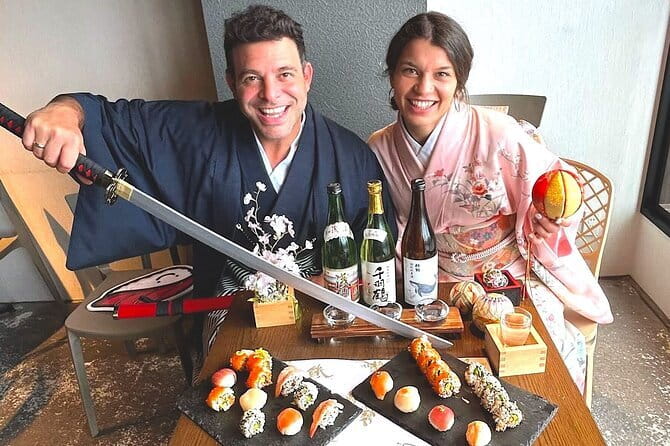
The final tea is Genmaicha, a blend of sencha and roasted rice from Niigata Prefecture. After the sharper focus of Gyokuro and the hands-on work with matcha, Genmaicha offers a softer ending.
The roasted rice gives the tea a warm, familiar flavor. It is a sensible final cup because it feels comforting and easy to drink. By this point, you have sampled tea made in different ways and with different character, so the last cup helps bring the session back to something straightforward.
Taken together, the sequence is well planned:
- Wakocha introduces a Japanese black tea with cake.
- Gyokuro shows how premium green tea is prepared.
- Matcha lets you make your own drink.
- Genmaicha closes the session with roasted-rice flavor.
This progression is one reason the activity offers good value. You are not paying for a single small cup and a short demonstration. You are receiving several tastings, sweets, instruction, and a practical introduction to tea preparation.
How much value do you get for $33.03?
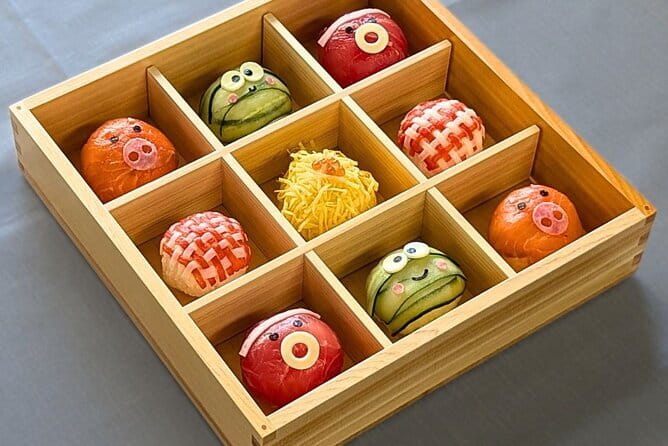
At $33.03 per person, this is priced as an affordable cultural activity rather than a luxury ceremony. The value is strongest if you are curious about Japanese tea and want more than a photo opportunity.
The cost includes the welcome tea and cake, sencha tasting, matcha-making session, Genmaicha, access to the tea room, a completion certificate, and a group photo. Souvenirs and gifts cost extra, and transportation to the venue is not included.
For one hour in central Tokyo, the price is reasonable when you consider the number of teas and the hands-on instruction. A formal tea ceremony at a more elaborate venue could cost much more, while a basic café visit would cost less but teach you far less.
The value drops if you only want a traditional spectacle. You may feel disappointed if you expect elaborate costumes, a silent room, floor seating, or a highly ritualized ceremony lasting several hours.
I would treat the certificate and photo as pleasant extras, not the reason to book. The real value is in learning how the teas differ and understanding why temperature, preparation, and sweets matter.
The strongest parts of the experience
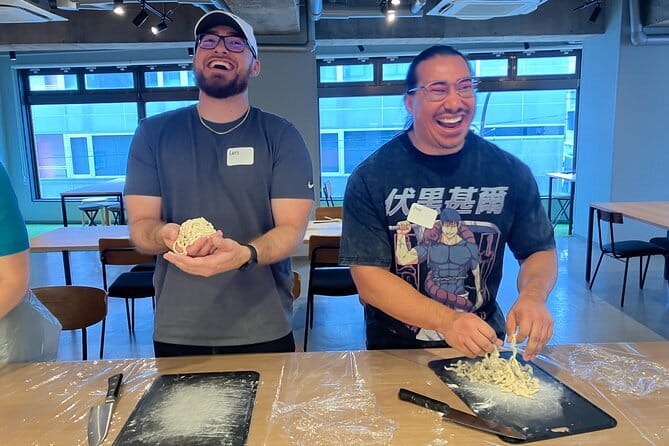
The most praised elements are consistent and practical. The tea master explains several types of tea, the session is educational without taking up a whole morning, and the atmosphere is comfortable enough for families.
The small group helps here. With no more than 12 people, you have a better chance to ask about flavor, brewing, or the tools in front of you. This is more useful than a large presentation where you sit at the back and watch a demonstration from a distance.
The activity also suits people who like trying new flavors. You taste fruitier and floral black tea, premium green tea, powdered matcha, and roasted-rice tea. If you already know you enjoy comparing food and drink, you will have plenty to notice.
Families may appreciate the short length. An hour is enough time to learn something real, but not so long that younger visitors lose patience. The cake and sweets help, though the focus remains on instruction.
Important limitations to consider
The phrase tea ceremony can mean different things. In Japan, a formal chanoyu gathering may involve strict etiquette, carefully chosen utensils, quiet movements, and a strong emphasis on ritual. This Ocharu experience does not promise that full format.
It is better described as a guided Japanese tea tasting with a traditional matcha-making lesson. That is not a criticism. In fact, the relaxed format may suit many first-time visitors better. But you should know what you are buying.
Language is another point to check. The experience is intended to teach, and most of the value comes from the explanations. One poor experience involved an English-speaking expectation that was not met, with information presented on a screen instead. Before booking, confirm that the scheduled session will be conducted in the language you need.
There was also one serious report of arriving and waiting outside for 30 minutes without the activity taking place. The provider apologized and said it was addressing the problem. This appears to be an operational failure, not a feature of the itinerary, but it is a reminder to keep your confirmation details handy and arrive at the exact meeting point.
The standard activity does not include custom requests. If you want a special menu, private format, or changes beyond the usual session, those are not included.
Who should book this tea lesson?
I would recommend it to you if you want a compact cultural activity with real participation. It works especially well for:
- First-time visitors who want an introduction to Japanese tea.
- Families looking for a short indoor activity.
- Food and drink enthusiasts who enjoy comparing flavors.
- Visitors with only an hour to spare near Tokyo University.
- Anyone curious about matcha but unsure how it is prepared.
- People who prefer a relaxed lesson to a strict formal ceremony.
I would steer you elsewhere if your main goal is to watch a highly formal tea ceremony with traditional dress and strict etiquette. This experience gives you information and participation, not a staged cultural show.
The activity is also a good fit early in your Tokyo visit. Afterward, you will recognize Gyokuro, Genmaicha, matcha, and wagashi when they appear on menus or in shops. You may even approach Japanese tea with a better sense of what you are tasting.
Booking details and cancellation
The activity lasts about one hour and ends at the same Ocharu meeting point. A mobile ticket is available, and booking confirmation is provided at the time of reservation.
Free cancellation is available if you cancel at least 24 hours before the local start time. Cancellations or changes made within 24 hours are not refunded or accepted.
The provider is Sunrise Adventure. The advertised price is $33.03 per person, though booking prices can change.
Should you book the Ocharu tea experience?
Book it if you want a friendly, focused introduction to several Japanese teas and the chance to make your own matcha. The combination of wakocha, Gyokuro, wagashi, matcha, Genmaicha, cake, and a small group gives you a lot to work with in one hour.
Just book it for what it is: a practical tea lesson and tasting, not a full formal ceremony. If you make that distinction before arriving, the experience offers solid value, useful cultural context, and a pleasant break from Tokyo’s faster pace.
FAQ
How long does the Tokyo tea experience last?
The experience lasts approximately one hour.
Where does the tea activity take place?
It takes place at Ocharu, 6-chōme-2-10 Hongō, Bunkyo City, Tokyo 113-0033, across from Tokyo University.
What teas will I taste?
You will taste wakocha from Shizuoka, Gyokuro sencha, matcha that you prepare yourself, and Genmaicha made with sencha and roasted rice from Niigata Prefecture.
Are food items included?
Yes. The experience includes a welcome tea with a slice of cake and seasonal wagashi served with the Gyokuro tasting.
Is this a formal Japanese tea ceremony?
It is a relaxed tea tasting and matcha-making lesson rather than a long, formal tea ceremony with a geisha-style host and strict floor-seating rituals.
What is included in the price?
The price includes the tea tastings, welcome cake, matcha-making session, Genmaicha, access to the tea room, a completion certificate, and a group photo. Transportation, souvenirs, gifts, and special requests are not included.
Just added around Tokyo
- Yokohama : Tea Ceremony with Sweets and Souvenir★ 5.0 · 5 reviews
- Walking Tour: Yanaka,Nezu& Sendagi: Tea Ceremony & Old Tokyo★ 5.0 · 3 reviews
- 2 Hours Mochi &Nerikiri Making & Matcha Class in Bunkyo★ 5.0 · 21 reviews
- Private Kimono and tea ceremony at local home near Tokyo Disney★ 5.0 · 6 reviews
- Private Mochi・Matcha sweets Making Class Near Shibuya Area★ 5.0 · 22 reviews
- Tokyo Sweets Tour: Hidden Gems & Matcha at an Old Tea House★ 5.0 · 6 reviews
- Giant Sushi Cooking Class: Make a 1.5m Sushi Roll in Tokyo★ 5.0 · 9 reviews
- Tokyo Tea Ceremony Class at a Traditional Tea Room★ 5.0 · 2 reviews
Tea Ceremony Experiences, compared.
Tea Ceremony in a Traditional Tea House in Kiyomizu
Read our review →
Browse the lists this tour appears in