
Review · TOKYO
Private Mochi・Matcha sweets Making Class Near Shibuya Area
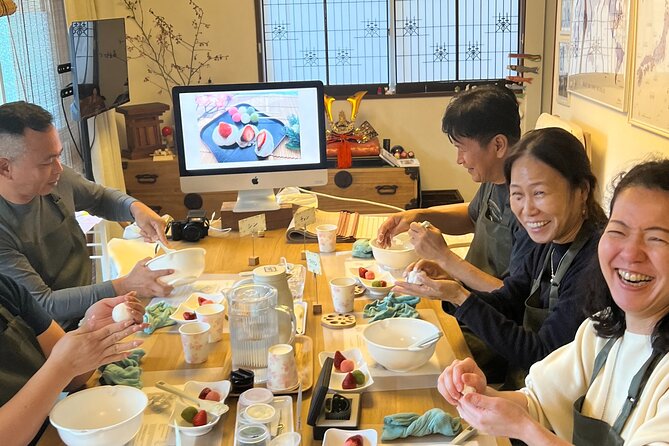
The best part of this Tokyo experience is that you do not simply eat a pretty Japanese sweet. You learn to make mochi and nerikiri in Sakura-san’s home, hear why these foods matter in Japanese culture, and finish with matcha in a real tea room. It is a friendly, practical way to see a side of Tokyo that a shop visit cannot provide.
I like the personal instruction, especially for families and small groups. I also like the setting: Sangenjaya is easy to reach from the Shibuya area, but the class takes place in a home rather than a busy commercial kitchen. The main drawback is that you need to be comfortable around a toy poodle, and this is not a good choice if you have a dog allergy.
Key points to know before booking
- Mochi and nerikiri are made by hand, with Sakura-san guiding you through the steps.
- The class takes place in an authentic Japanese house in Sangenjaya, not a large cooking school.
- Matcha is included, with an optional simple tea ceremony in the home’s tea room.
- The group size is capped at eight people, so the lesson should feel more personal than a large tourist class.
- Families are welcome, with past classes enjoyed by children as young as six.
- Choco, a toy poodle, lives in the house, which matters if anyone in your group has a dog allergy.
Making Japanese sweets in a Sangenjaya home
This two-hour class gives you a close look at wagashi, the broad Japanese tradition of carefully made sweets. The focus is on mochi and nerikiri, two familiar names that can look simple until you try shaping them yourself.
You meet at 1-chōme-11-13 Sangenjaya, Setagaya City. The activity begins and ends at the same point, which keeps the plan easy to manage. You are not being sent across Tokyo between several stops. Instead, the class has one purpose: learn, make, taste, and talk.
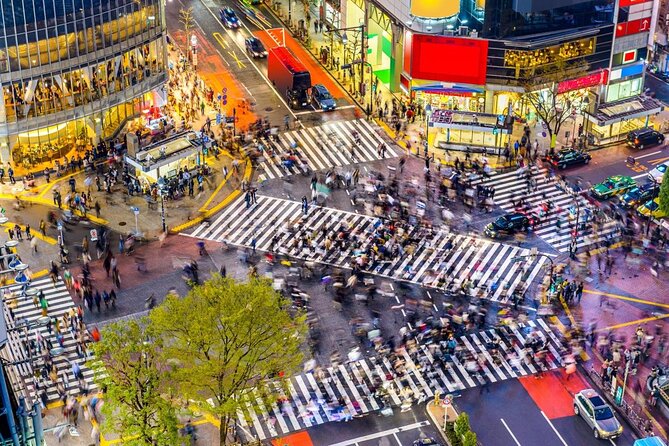
Sangenjaya is a useful location for this kind of activity. It is near public transportation and within reach of the Shibuya area, but the class is held in a residential neighborhood. That change of pace matters. After the bright signs and crowds of central Tokyo, you get to see how a local home can be arranged for hospitality, cooking, and tea.
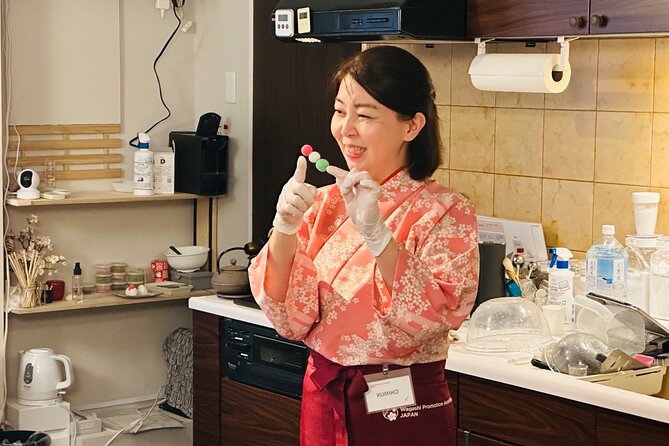
Sakura-san leads the lesson and gives personal help as you work. That is especially useful with sweets, where small details can affect the final shape. The class is designed for beginners, and the hands-on approach means you are not expected to know Japanese cooking techniques before arriving.
More Japanese Sweets and Tea Sessions in Tokyo:
- Matcha Making Class in Tokyo with Authentic Japanese Sweets Set
★ 5.0 · 744 reviews - Sweets Making and Kimono Tea Ceremony at Tokyo Maikoya
★ 5.0 · 57 reviews - Japanese Traditional Sweets making and Tea Ceremony
★ 4.7 · 50 reviews
What you learn about mochi and nerikiri
Mochi is made from glutinous rice and is known for its soft, stretchy texture. In this class, you learn the basic process and then shape your own sweets. Depending on the session, the menu can include different types of mochi and daifuku. Past class activities have included two kinds of strawberry daifuku, along with other sweets such as dango and shaved ice.
That variety is a real strength. You are not simply repeating one task for two hours. The lesson can introduce several forms and flavors, giving you a better sense of how Japanese sweets change with the season, filling, shape, and presentation.
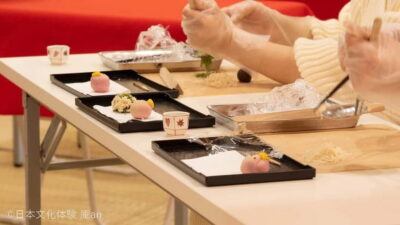
Nerikiri is different from the chewy mochi most people know. It is a delicate traditional sweet often shaped into flowers, leaves, or other seasonal designs. The appeal is visual as well as culinary. You get to see how ingredients become a small edible piece of art, then try the shaping yourself.
The class also gives context. Sakura-san explains the place of mochi in Japanese culture, rather than treating it as just a snack to prepare for a photo. That background helps you understand why these sweets appear at celebrations, tea gatherings, and other important moments.
You should expect a beginner-friendly lesson rather than professional pastry training. The goal is to make something yourself, understand the tradition, and enjoy the result. If you want a long technical course on advanced wagashi production, this two-hour format may feel short. If you want a clear introduction with plenty of personal guidance, the length works well.
The tea room and matcha finish
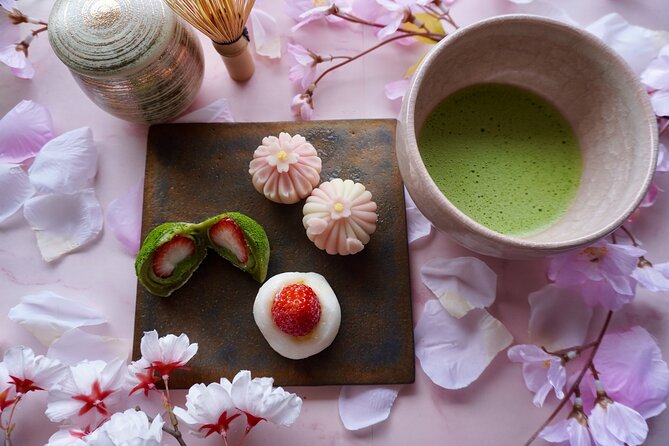
Once the sweets are ready, you can enjoy them with matcha. The home has a tea room, and you can take part in a simple tea ceremony if you wish. This is not presented as a full formal tea-school session. It is a gentle introduction that shows how the sweets and tea fit together.
That final part gives the class a natural rhythm. You first learn about the sweets, then work with your hands, and finally sit down to taste what you made. Matcha can have a strong, grassy flavor, so pairing it with a sweet you prepared yourself makes the experience easier to understand.
I like that the tea element is optional. Some people will be excited to try it, while others may prefer to focus on the cooking. You are not forced into a ceremony that does not suit your interests.
The tea room also adds something you would miss at a regular café. You are not simply ordering matcha from a menu. You are learning how the drink can be part of a calm social setting, with attention paid to the sweet served alongside it.
A private class that works for families
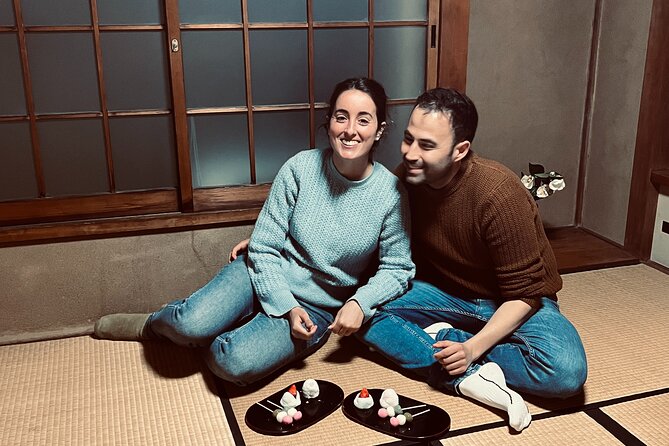
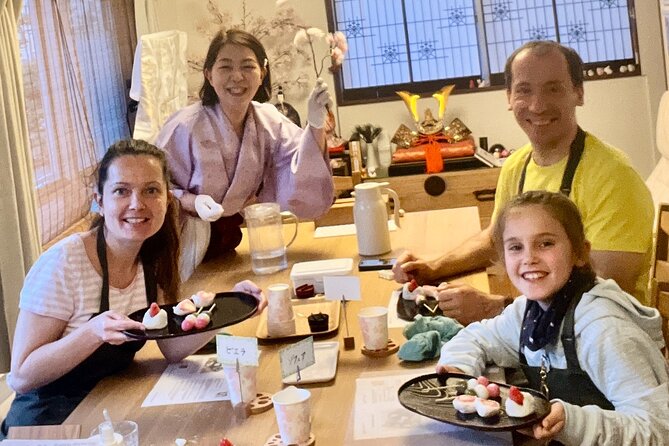
The small format is one of the strongest reasons to choose this activity. The maximum group size is eight people, and the class is described as private. That gives you more room to ask questions and receive help while shaping the sweets.
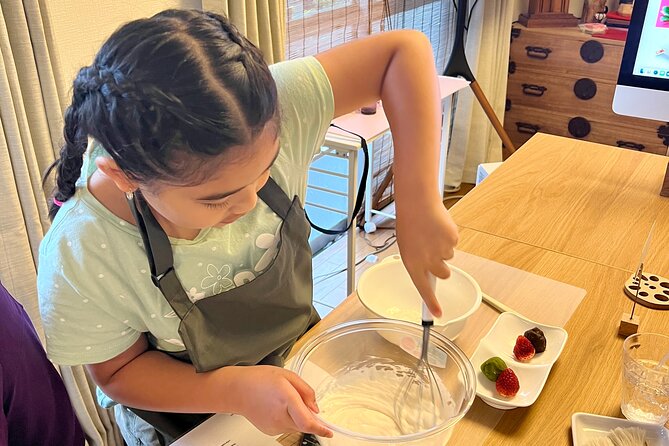
Families appear to be a particularly good match. A six-year-old has taken part successfully, and children can enjoy the hands-on work even if they do not follow every cultural explanation. Making food also gives younger visitors a break from temples, museums, and long walks.
The class can work well for parents and children, couples, friends, or a small group of up to eight. A group discount is available, which may improve the value when several people book together.
You should still consider your group’s attention span. The activity lasts about two hours, and the class includes explanations as well as preparation. Children who want a fast activity may find parts of the lesson slow, while children who enjoy crafts and sweets will likely have plenty to do.
The experience is also suitable for people who prefer a quieter activity. You are learning in a home, not joining a large room filled with many separate groups. That setting can make it easier to follow the instructor and work at your own pace.
More Matcha Experiences in Tokyo:
- Tokyo: Matcha Making Experience with Mochi Sweets in Asakusa
★ 4.9 · 388 reviews - Asakusa Cultural Walk & Matcha Making Tour
★ 5.0 · 245 reviews - Tokyo: Matcha and Kimono Experience
★ 4.7 · 219 reviews - Tokyo: Asakusa Kimono Dressing and Matcha Experience
★ 4.9 · 173 reviews
Why the personal setting adds value
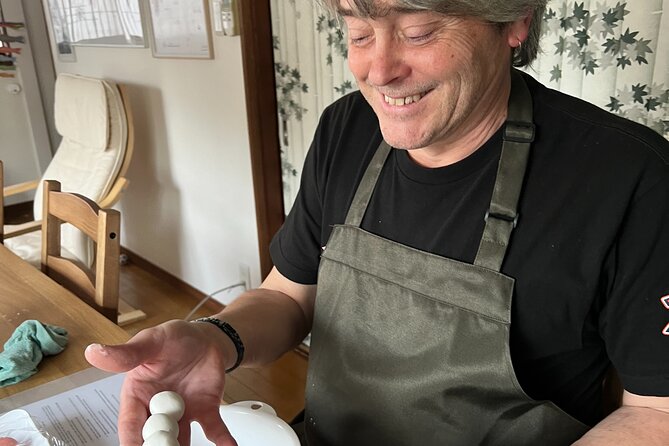
At $78.83 per person, this is not the cheapest way to taste mochi in Tokyo. You can find sweets in shops for far less. The price makes more sense when you consider what you are paying for: a two-hour private class, instruction, ingredients, matcha, access to a tea room, and the chance to ask questions throughout.
You are also paying for context. A packaged sweet from a department store may be delicious, but it will not explain how it is made or why it matters. Here, the food becomes a doorway into Japanese customs and everyday life.
The value is strongest if you want to participate rather than watch. If you only want to sample several wagashi, spend your money at a sweets shop. If you want to leave with a new skill and a better understanding of the food, the class offers more.
The price may be easier to justify for a small group because group discounts are available. Since the activity is limited to eight people, it also avoids the impersonal feel of a large workshop. Before booking, check the final price for your group size and date.
What the class adds to a Shibuya itinerary
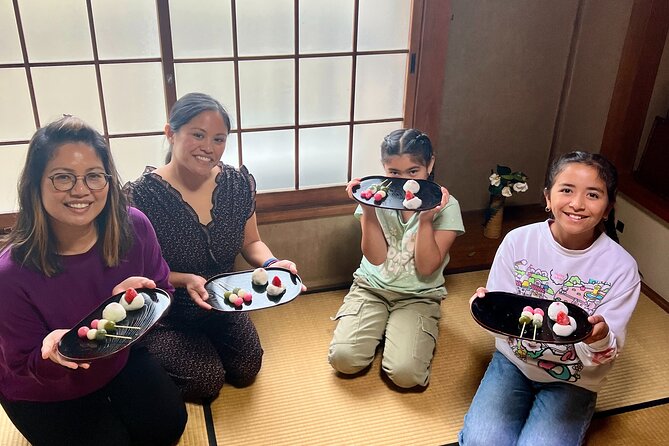
Sangenjaya is close enough to fit into a day based around Shibuya, but the class does not feel like another stop inside a major shopping district. It gives you a look at Setagaya and a chance to spend time in a Japanese home.
You can schedule it as a morning or afternoon activity, depending on the available start time. Since the activity returns to the meeting point, you can continue on to another part of Tokyo afterward without arranging a complicated pickup.
The location is near public transportation, which is helpful in Tokyo’s large rail network. Still, allow enough time to find the exact meeting point at 1-chōme-11-13 Sangenjaya. Confirmation is sent within 48 hours of booking, subject to availability, so do not treat the reservation as final until you receive it.
The provider recommends booking around 26 days ahead on average. That is a useful warning for a small class. If your Tokyo dates are fixed, I would reserve early rather than wait until the last few days.
The dog allergy warning matters
There is a toy poodle named Choco in the home. For many people, that will be a charming part of the visit. Children in particular may enjoy meeting the dog during a break in the cooking.
If anyone in your group has a dog allergy, skip this activity. The warning is direct, and the class takes place in a private home, where avoiding contact with the animal may not be practical. Service animals are allowed, but you should still consider the presence of the resident dog when deciding if this setting is suitable.
This detail also tells you something about the character of the class. It is a home-based experience, not a controlled professional kitchen. That can make it feel warm and personal, but it also means you should be comfortable with the ordinary features of someone’s home.
Weather, timing, and cancellation terms
The experience requires good weather. If poor weather causes cancellation, you can choose a different date or receive a full refund. The activity also requires a minimum number of participants, and a cancellation for that reason comes with the same choice of another date, another experience, or a full refund.
You can cancel for a full refund up to 24 hours before the local start time. Cancellations or changes made less than 24 hours before the start are not accepted for a refund, so keep that deadline in mind.
A two-hour class is easy to fit into a busy Tokyo schedule, but do not place an important timed attraction immediately afterward. Cooking activities can run at a relaxed pace, and you will want time to finish the tea and say goodbye.
The strongest parts of the experience
The best reason to book is the combination of hands-on cooking and cultural explanation. You are not just copying a recipe. You learn why mochi matters, how wagashi is presented, and how matcha fits into the occasion.
The second strength is Sakura-san’s personal attention. The class is described as patient and welcoming, with instruction suited to people who do not speak Japanese as their first language. That matters when the food has unfamiliar textures and shaping methods.
The third is the range of possible sweets. Making several types, such as strawberry daifuku, dango, or shaved ice with dango, gives you more to remember than a single basic mochi demonstration. The exact menu may vary, so you should not assume every class includes every item.
The tea room is another strong feature. Even a simple tea ceremony can make the experience feel complete, and matcha is included rather than treated as an extra purchase.
Who should book this class
I would recommend it to families, couples, and small groups who want a personal cultural activity near Shibuya. It is especially good for anyone who likes cooking, Japanese sweets, food traditions, or creative activities that produce something you can eat.
It also suits repeat visitors who have already seen the major sights. Instead of another viewpoint or shopping stop, you get time in a residential area and a direct connection with a local host.
The class is less suitable for people with dog allergies, anyone seeking a formal advanced tea ceremony, or visitors who only want a quick tasting. It may also disappoint those looking for a large menu of sweets with precise professional instruction. This is a warm introduction, not a pastry-school course.
Should you book it?
Book this class if you want to make Japanese sweets yourself and value conversation, cultural background, and a small home setting. The combination of mochi, nerikiri, matcha, and personal guidance offers more than a standard tasting stop, especially for families and first-time visitors to Japan.
Skip it if your schedule is very tight, you have a dog allergy, or your main goal is simply to buy excellent wagashi. For everyone else, the $78.83 price is reasonable when you use the full two hours and take part in the cooking, tea, and conversation. Reserve early, confirm the booking within 48 hours, and arrive ready to get your hands a little sticky.
FAQ
Where does the mochi and matcha class take place?
The class takes place at 1-chōme-11-13 Sangenjaya, Setagaya City, Tokyo 154-0024, Japan, near the Shibuya area.
How long does the activity last?
The class lasts approximately two hours.
What will I make during the class?
You can learn to make mochi or nerikiri. Depending on the session, the sweets may include forms such as strawberry daifuku, dango, or shaved ice with dango.
Is matcha included?
Yes. Matcha is included, and you can take part in a simple tea ceremony in the home’s tea room if you wish.
How many people can join?
The activity has a maximum of eight travelers, and group discounts are available.
Is the class suitable for children?
Yes. The class has been enjoyed by families, including a child who was six years old. The activity is hands-on and suitable for beginners.
Is there a dog at the meeting location?
Yes. A toy poodle named Choco lives in the house. The class is not recommended for anyone with a dog allergy.
More Workshops in Tokyo
- Tea Ceremony Workshop in Tokyo by the Experienced Instrucor
★ 5.0 · 189 reviews - Experience all of Japanese culture and Japanese food experience classes “origami, udon, Japanese food, green tea, calligraphy” in 4 hours
★ 5.0 · 105 reviews - Tokyo Sushi Making Class : Sake Ceremony & Matcha Experience
★ 5.0 · 44 reviews - 2 Hours Mochi &Nerikiri Making & Matcha Class in Bunkyo
★ 5.0 · 21 reviews
More Dessert Stops in Tokyo
- Make Traditional Nerikiri Sweets & Matcha experience in Shibuya
★ 5.0 · 130 reviews - Mochi Matcha Gluten Free Japanese Sweets Class near Shibuya area
★ 5.0 · 26 reviews - Tokyo: Two Types of Japanese Sweets Making and Tea Ceremony
★ 4.6 · 26 reviews - Tokyo: Tea Ceremony & Japanese Sweets Making
★ 5.0 · 10 reviews
Just added around Tokyo
- Yokohama : Tea Ceremony with Sweets and Souvenir★ 5.0 · 5 reviews
- Walking Tour: Yanaka,Nezu& Sendagi: Tea Ceremony & Old Tokyo★ 5.0 · 3 reviews
- 2 Hours Mochi &Nerikiri Making & Matcha Class in Bunkyo★ 5.0 · 21 reviews
- Private Kimono and tea ceremony at local home near Tokyo Disney★ 5.0 · 6 reviews
- Tokyo Sweets Tour: Hidden Gems & Matcha at an Old Tea House★ 5.0 · 6 reviews
- Giant Sushi Cooking Class: Make a 1.5m Sushi Roll in Tokyo★ 5.0 · 9 reviews
- Tokyo Tea Ceremony Class at a Traditional Tea Room★ 5.0 · 2 reviews
- Tokyo: Tea Ceremony & Japanese Sweets Making★ 5.0 · 10 reviews
Japanese Sweets & Tea, compared.

Matcha Making Class in Tokyo with Authentic Japanese Sweets Set
Read our review →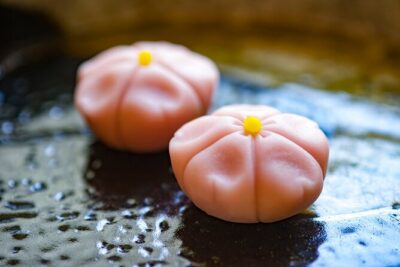
Matcha Making Class in Osaka with Authentic Japanese Sweets Set
Read our review →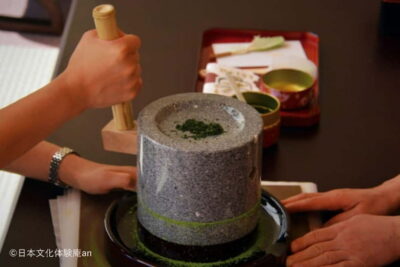
Japanese Traditional Sweets Making and Tea Ceremony
Read our review →
Japanese Traditional Sweets Making and Tea Ceremony
Read our review →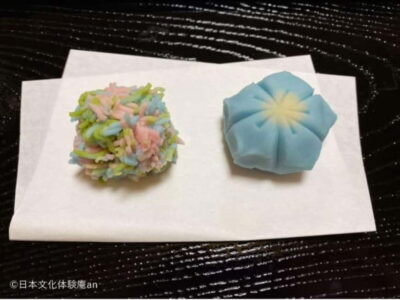
Nagoya: Japanese Traditional Sweets making and Tea Ceremony
Read our review →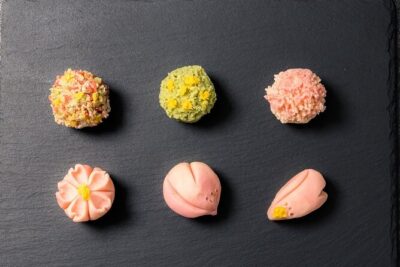
Sweets Making and Kimono Tea Ceremony at Tokyo Maikoya
Read our review →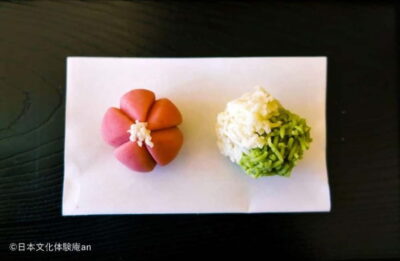
Japanese Traditional Sweets making and Tea Ceremony
Read our review →Browse the lists this tour appears in