
Review · KYOTO
Kyoto: Japanese Traditional Sweets Making and Tea Ceremony
Kyoto’s sweets are small, pretty, and surprisingly tricky to shape. In this 95-minute class, you color white bean paste, form two seasonal nerikiri sweets, then prepare Uji matcha to drink with them. I like the use of bean paste from long-established Kyoto shops and the fact that you do the work yourself, rather than simply watching a demonstration.
I also like the price. At $18, this gives you a useful taste of Kyoto food culture without taking half a day. The main caution is that the tea ceremony is closer to a short etiquette lesson and matcha-making class than a formal, quiet ceremony. English help is available, but the amount can vary.
Key things to know before booking
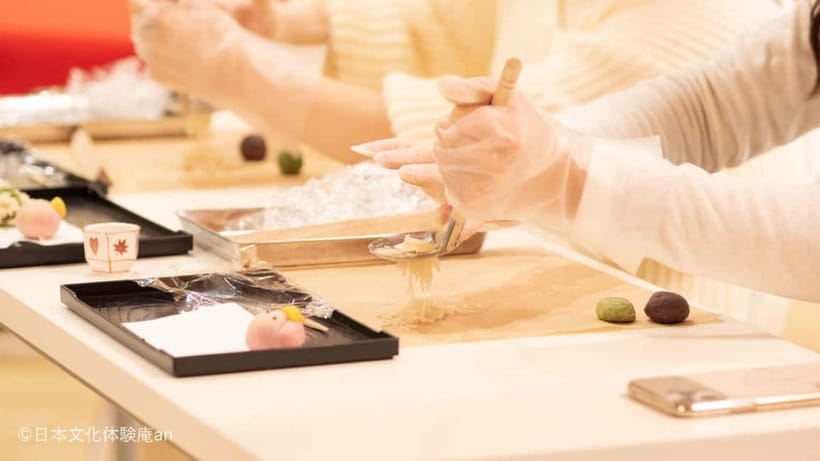
- You make two seasonal nerikiri sweets: The designs change with the season and may suggest flowers or fruit.
- The ingredients are Kyoto-made: White and red bean paste comes from long-established local shops.
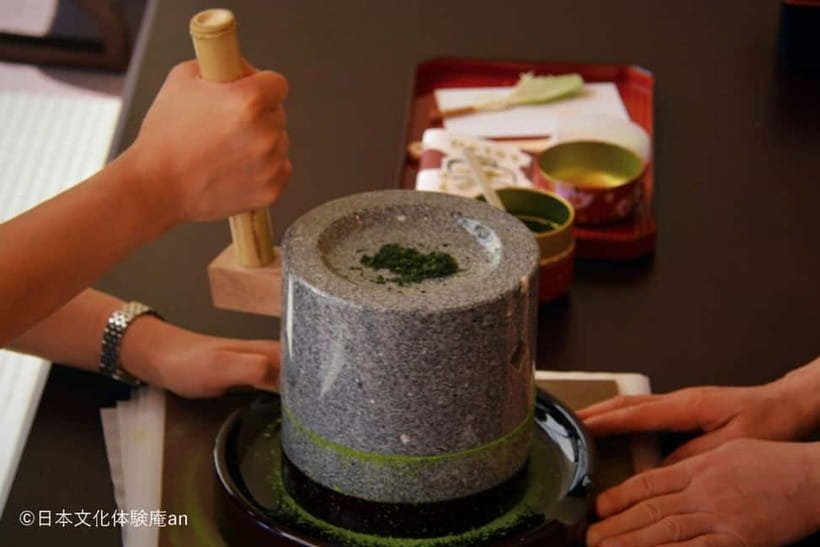
- You prepare your own Uji matcha: The tea uses single-origin matcha, and you drink it with the sweets you made.
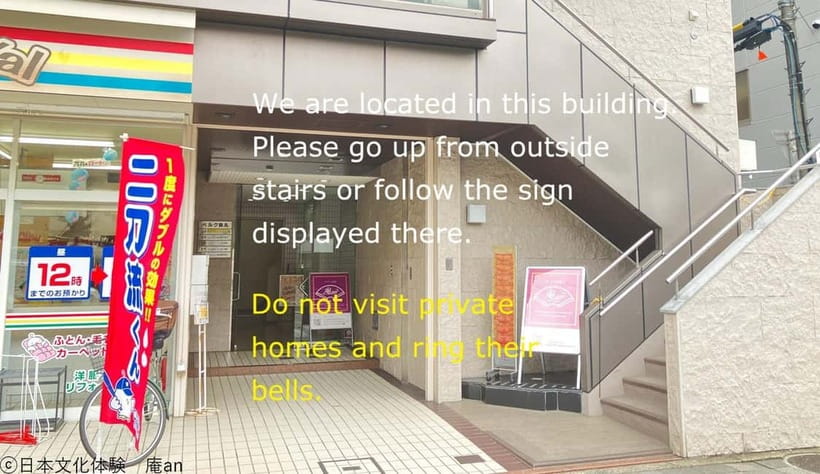
- The class is near Gojo Station: Exit 1 of the Subway Karasuma Line is about a one-minute walk away.
- English support is available on request: The instructor teaches in Japanese, with English explanations provided as much as possible.
- The tea portion is brief: Expect an introduction to tea etiquette and preparation, not a formal temple-style ceremony.
Shaping Kyoto sweets near Gojo Station
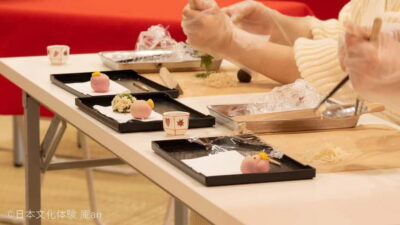
The class begins with nerikiri, a high-grade Japanese sweet made from colored white bean paste. You start with the plain paste, add color, and shape it into seasonal designs. Depending on the time of year, your sweets may resemble flowers, fruit, or another familiar seasonal form.
This is hands-on, but it is not a full confectionery course. The paste is prepared for you, so you are learning the coloring, handling, and shaping rather than cooking the bean paste from scratch. That is a sensible format for a 95-minute activity. You get to focus on the fine work that gives nerikiri its character.
I like this part because it gives you a better sense of the skill behind sweets that often look almost too perfect to eat. The designs may appear simple when displayed in a shop window. Once you try to create clean folds and balanced shapes, you see how much control the work requires.
The class is also fairly low intensity. You do not need special fitness or culinary experience, and children old enough to follow the steps can take part. One family found the activity a good fit for children aged 10 and 14. Children under two sitting on a parent’s lap are free.
More Japanese Sweets and Tea Sessions in Kyoto:
- 2 Types of Japanese Sweets making and Tea Ceremony
★ 4.6 · 17 reviews - Kyoto near Fushimiinari Wagashi making&Small Group Tea Ceremony
★ 5.0 · 14 reviews - Kyoto Fushimiinari:Wagashi Making & Small Group Tea Ceremony
★ 5.0 · 14 reviews
What making nerikiri is really like
The most creative stage is coloring the white bean paste. You can see the sweet change from a plain base into something suited to the season. Then the shaping begins, using your hands and the provided materials.
The instructor breaks the process into manageable steps. Several people found the directions easy to follow, and the pace generally allows the whole group to keep up. You may still need to copy the instructor’s hand movements, especially if the English explanation is brief.
That visual approach is not necessarily a problem. Nerikiri is a tactile craft, and watching the hands is part of learning. Still, your seat can affect how much you see. One practical improvement would be a larger demonstration screen or microphone setup, especially when another class is taking place in the same room.
You should also expect some variation in the room. At times, the class may include Japanese junior high students or people taking only the sweet-making portion. That can add a genuine local feel, but it may also mean extra noise or a less uniform group.
The finished sweets are yours to eat during the matcha portion. If you want to carry them away, a take-out box costs 100 yen. That small add-on is worth considering if you are making the class part of a food-focused day in Kyoto.
Learning the manners behind matcha
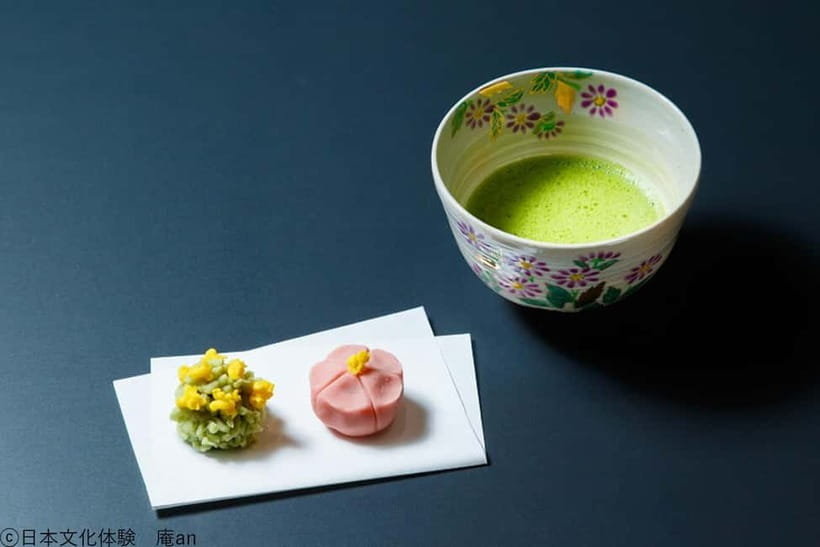
After the sweets are ready, you prepare matcha using single-origin Uji tea. Uji, near Kyoto, is one of Japan’s best-known tea-producing areas, so this is a fitting match for a Kyoto food class.
The tea section introduces basic preparation and etiquette. You learn how the bowl is handled, how to approach the tea, and how to drink it in the customary manner. You then enjoy your own matcha with the bean-paste sweets.
The pairing makes sense. Nerikiri is sweet and soft, while matcha has a strong, grassy bitterness. The sweetness gives your palate a counterpoint to the tea, and the tea keeps the sweets from seeming heavy.
Set your expectations correctly here. This is not a long formal ceremony conducted in a traditional tearoom. The tea segment is fairly quick, and the main focus is instruction. One participant found the guide spent so much time explaining etiquette that the tea had cooled before it was drunk. Another described the session as a practical lesson on drinking matcha rather than a full ceremony.
I would still call it a useful introduction. You leave with a better idea of why Japanese sweets are served with tea and how much care goes into the simple act of preparing a bowl. If you want a silent, highly ritualized tea ceremony, choose a dedicated tea-house experience instead.
English help and the Japanese-led format
The official language is Japanese, and English translation is provided as much as possible if you request it. In practice, English support varies by instructor and by group. Some sessions have included clear Japanese and English explanations throughout. In others, the English portion has been shorter or harder for children to follow.
This is important if you are booking mainly for cultural explanation. You should be comfortable learning partly through demonstration. It helps to watch closely, follow the steps in front of you, and ask questions when you need clarification.
The setting can also affect how well you hear. A separate class in the same room has occasionally created noise, particularly during the tea segment. The activity is more suitable for people who want to make and taste something than for anyone expecting a long lecture on Japanese tea history.
The positive side is the instructor’s friendly, patient manner. Several sessions have been described as welcoming, funny, and attentive to people who do not speak Japanese. The instructors make an effort to bring English speakers along, even when they are not fluent.
If English guidance is essential, contact the provider before booking and ask for it to be added to your reservation. That is more reliable than assuming every session will be bilingual to the same degree.
More Tea Ceremony Experiences in Kyoto:
- Kyoto: Tea Ceremony in a Traditional Tea House in Kiyomizu
★ 4.9 · 3,519 reviews - Kyoto: Tea Ceremony Ju-An at Jotokuji Temple
★ 4.9 · 3,207 reviews - Kyoto: 45-Minute Tea Ceremony Lesson Experience
★ 4.3 · 2,378 reviews - Kyoto: Table-Style Tea Ceremony at a Kyo-Machiya
★ 4.9 · 1,211 reviews
A good rainy-afternoon activity
The indoor format makes this a handy choice when Kyoto weather turns wet or when your feet need a break from temple visits. The room is air conditioned, which can be a real comfort during Kyoto’s hot, humid months.
The 95-minute length is also well judged. You have enough time to complete two sweets and prepare matcha, but the activity does not consume an entire morning or afternoon. It can fit between nearby sightseeing stops, though you should not arrive late.
The class cannot be held for delayed arrivals. Allow time to find the entrance and reach the room, especially if you are coming from another part of the city. Reservations received after 5 p.m. are handled the next day, and operating hours are 10 a.m. to 5 p.m.
The entrance faces Gojo-dori and is about one minute from Exit 1 of Gojo Station on the Subway Karasuma Line. The location is one of the easiest parts of the plan. Save the map pin in advance, since a quick walk from the station does not guarantee that you will spot the correct doorway immediately.
Price, group size, and overall value
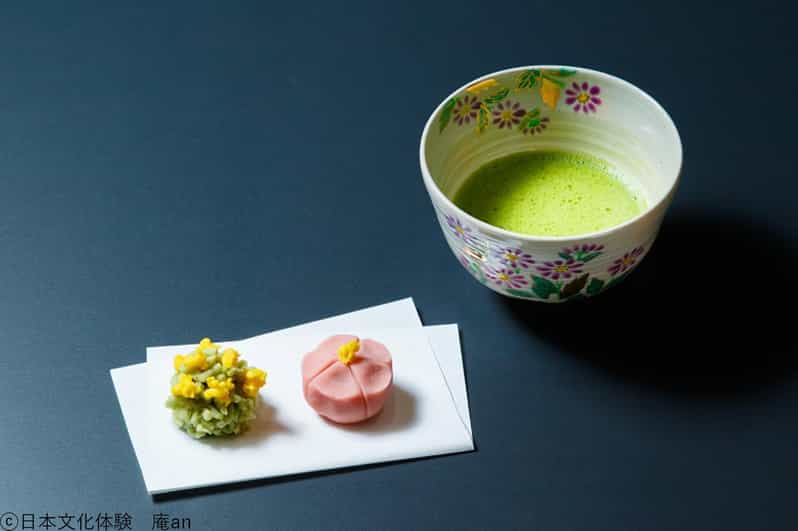
At $18 per person, this is one of the more affordable hands-on cultural activities you can add to a Kyoto itinerary. You receive the sweet-making session, two sweets, the matcha preparation, and the tea lesson. The value comes from doing both parts rather than paying for a demonstration followed by a small tasting.
The price is especially fair if you are curious about Japanese sweets but do not want a specialist cooking course. You get a practical introduction, a snack, and a cultural activity in one sitting.
The group size can vary. Some classes feel small and calm, while others become less intimate when additional students join the matcha portion. A larger group can make it harder to hear or see the demonstration, though it may also give the class more local energy.
There are two optional costs. A take-out box is 100 yen, and an experience completion certificate is 300 yen. Neither is included, and neither is necessary for the class itself. I would skip the certificate unless you collect such mementos. The box makes sense only if you want to save your sweets for later.
The activity has a 4.4 rating from 314 ratings, which fits the overall picture: very strong for value, friendliness, and the sweet-making portion, with more mixed expectations around the tea ceremony and English detail.
Who will enjoy this class most
I would recommend it to you if you want a short, affordable activity with something to do with your hands. It suits first-time visitors who want a gentle introduction to Japanese sweets and matcha without committing to a formal cultural program.
Families should consider it, especially with school-age children. The shaping process is approachable, the finished sweets are edible, and the lesson gives children a clear task. Very young children may have trouble with the fine work, though children under two sitting on a parent’s lap do not pay.
It also works well for couples and solo visitors who want a quiet change from sightseeing. You can be creative without needing artistic skill, and the seasonal designs give the class a connection to the time of year.
I would be more cautious if your main goal is a formal tea ceremony in a traditional setting. The tea portion is short and practical. You are learning the basics of etiquette and preparing matcha, not watching an extended ritual.
You should also think twice if you need detailed English instruction at every stage. Many instructors make a strong effort, but the official teaching language is Japanese and the English level is not identical in every session.
Access, timing, and small practical details
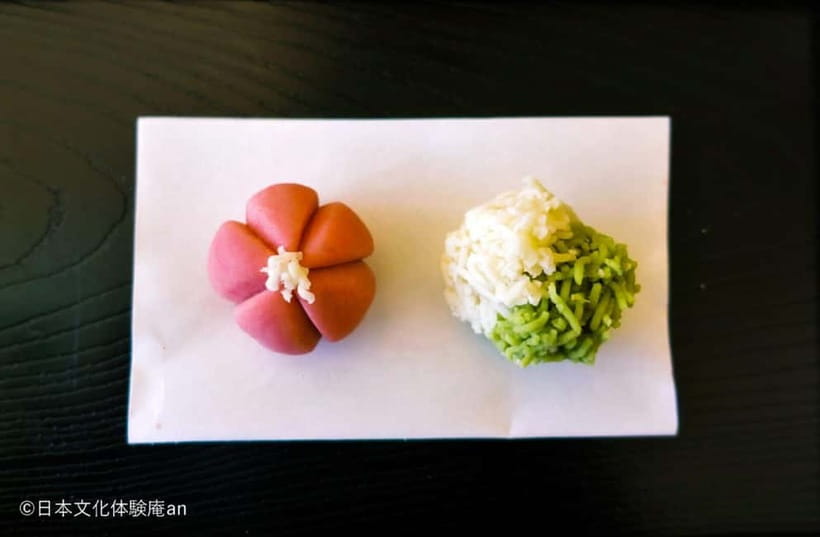
The activity is described as wheelchair accessible, but the building has no elevator and you need to use stairs to reach each venue. That is a significant point. Contact the provider before booking if stairs are a concern, because the access description and the building details do not fully match.
Non-participants cannot enter. Everyone joining the room should be included in the reservation, apart from qualifying children under two.
Free cancellation is available up to 24 hours before the start time. After that point, a cancellation fee applies, and changing the date or time can also create a specified charge. The provider does not cover your transportation costs if you cancel.
Arrive early. The class will not wait for late arrivals, regardless of the reason. This matters more than usual because the activity moves through several stages, and missing the opening instructions can make the shaping process harder.
Should you book Kyoto sweets making and matcha?
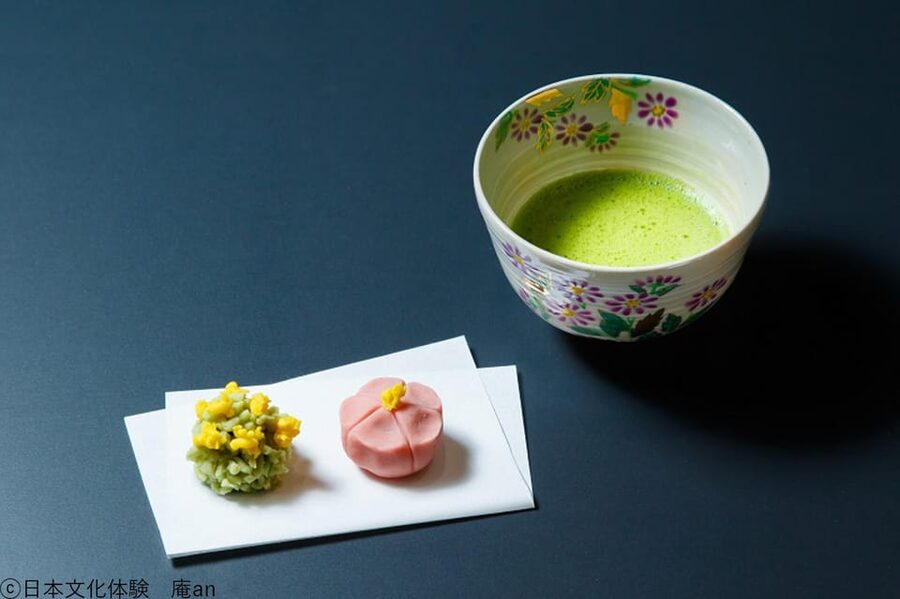
Book it if you want good value, seasonal craft, and a taste of everyday Kyoto food culture. The best part is the chance to make two nerikiri sweets from Kyoto bean paste, then eat them with Uji matcha you prepared yourself.
Go in expecting a friendly workshop, not a grand tea-house ritual. English support can be helpful but uneven, and the room may be livelier or larger than expected. With those limits in mind, this is a smart pick for families, couples, rainy afternoons, and anyone who wants a memorable Kyoto activity for $18.
FAQ
How long does the Kyoto sweets and tea experience last?
The activity lasts 95 minutes.
How much does the activity cost?
The listed price is $18 per person.
Where is the meeting point?
The venue is about a one-minute walk from Exit 1 of Gojo Station on Kyoto’s Subway Karasuma Line. The entrance faces Gojo-dori.
What sweets will I make?
You will make two seasonal nerikiri sweets using colored white bean paste. The designs are shaped to match the season and may represent flowers or fruit.
Is the bean paste made at the class?
No. The class uses white and red bean paste produced by long-established Kyoto shops. You color and shape the paste rather than cooking it from raw beans.
Is the tea ceremony conducted in English?
The instructor teaches in Japanese, and English translation is provided as much as possible when requested. The amount of English explanation can vary by session.
Is this a formal tea ceremony?
It is a short introduction to matcha preparation and tea etiquette. It is not a long, formal ceremony in a traditional tearoom setting.
Are take-out boxes included?
No. A take-out box costs 100 yen. An experience completion certificate is also optional and costs 300 yen.
Is the venue wheelchair accessible?
The activity is described as wheelchair accessible, but the building has no elevator and stairs are required to reach each venue. Contact the provider before booking if you cannot use stairs.
More Dessert Stops in Kyoto
- Kyoto: Traditional Tea Ceremony with Matcha & Sweets in Gion
★ 4.9 · 27 reviews - Traditional Tea Ceremony with Matcha and Sweets in Kyoto
★ 5.0 · 13 reviews - Japanese Traditional Sweets making with Tatedashi Matcha
★ 4.3 · 6 reviews - Kyoto WAKIMIZU Half Day Tour: Secrets of Matcha & Wagashi Sweets
★ 5.0 · 2 reviews
Just added around Kyoto
- Whisk Your Own Matcha: A Zen Matcha Experience at Temple★ 3.6 · 7 reviews
- Uji Walking Tour – Byodo-in temple and Tea Ceremony from Kyoto★ 3.5 · 3 reviews
- Traditional Tea Ceremony in Kyoto★ 4.5 · 3 reviews
- Kyoto: Authentic Tea Ceremony in a Small Group★ 5.0 · 7 reviews
- Tea ceremony at Kyoto’s Zen Temple Teahouse★ 5.0 · 2 reviews
- Tea Ceremony in 150 Years Old Townhouse with Tables and Chairs★ 5.0 · 22 reviews
- Silent Beauty of Kyoto Zen Walk and Tea Experience★ 5.0 · 2 reviews
- Tea Ceremony Experience in Traditional Kyoto Townhouse★ 5.0 · 19 reviews
Japanese Sweets & Tea, compared.

Matcha Making Class in Tokyo with Authentic Japanese Sweets Set
Read our review →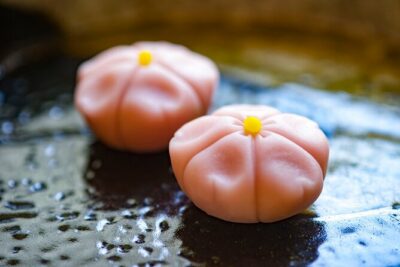
Matcha Making Class in Osaka with Authentic Japanese Sweets Set
Read our review →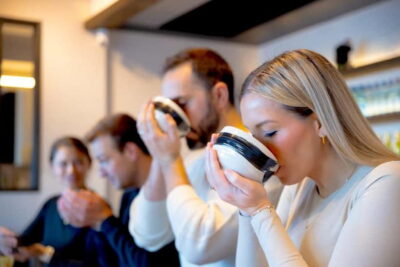
Japanese Traditional Sweets Making and Tea Ceremony
Read our review →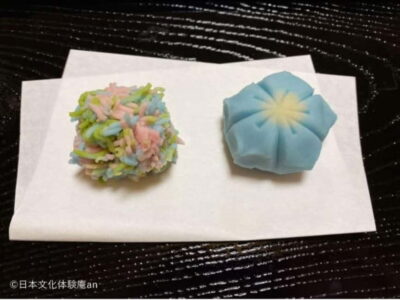
Nagoya: Japanese Traditional Sweets making and Tea Ceremony
Read our review →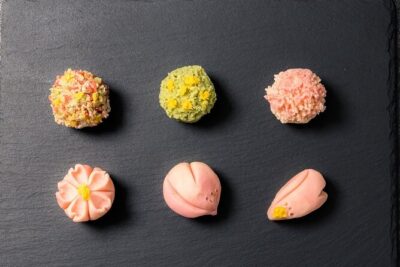
Sweets Making and Kimono Tea Ceremony at Tokyo Maikoya
Read our review →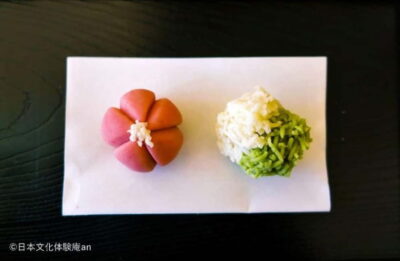
Japanese Traditional Sweets making and Tea Ceremony
Read our review →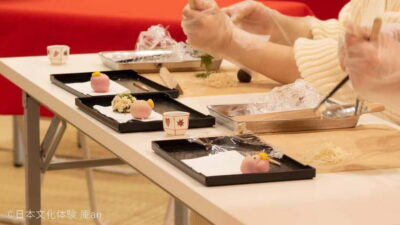
Two Types of Japanese Sweets Making and Tea Ceremony
Read our review →Browse the lists this tour appears in