
Review · KYOTO
Japanese Traditional Sweets making with Tatedashi Matcha
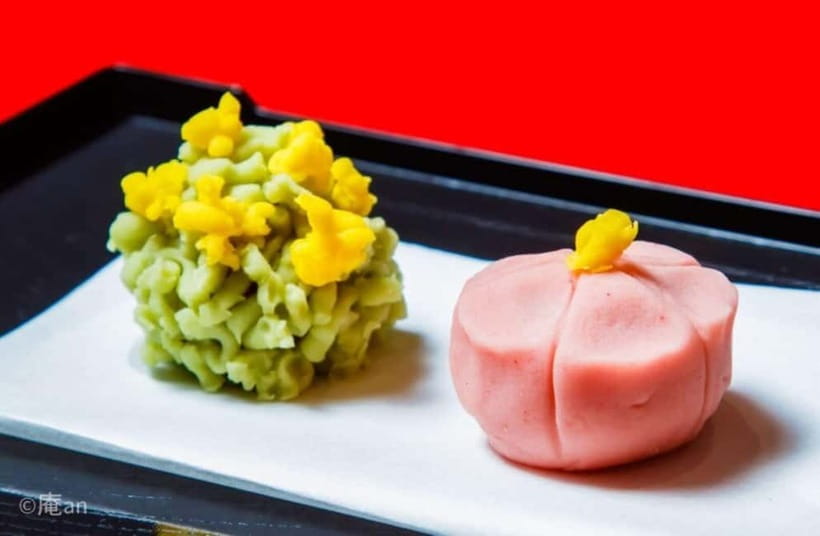
Making Japanese sweets here is less about baking and more about shaping edible art. In 65 minutes, you form two seasonal nerikiri using Kyoto-made white and red bean paste, then eat your work with Tatedashi Matcha. The class is short, hands-on, and easy to fit between Kyoto sights.
I like the use of real ingredients from long-established Kyoto shops, and I like that you eat the sweets on the spot rather than simply watching a demonstration. The price is also modest at $14 per person. The main caution is group size: one recent booking found the class too crowded, while another felt the activity was closer to playing with dough than learning about its ingredients.
Key points at a glance
- Two seasonal nerikiri: Make one flower-shaped sweet and one Kinton-style sweet.
- Kyoto bean paste: The white and red bean paste comes from long-established shops in Kyoto.
- Matcha included: Tatedashi Matcha is served after the shaping session.
- Gojo Station location: The venue is one minute from Exit 1 of the Subway Karasuma Line.
- Short, affordable format: The full visit takes about 65 minutes and costs $14 per person.
- English help by request: The instructor teaches in Japanese, with English translation provided as much as possible.
What nerikiri tells you about Japanese sweets
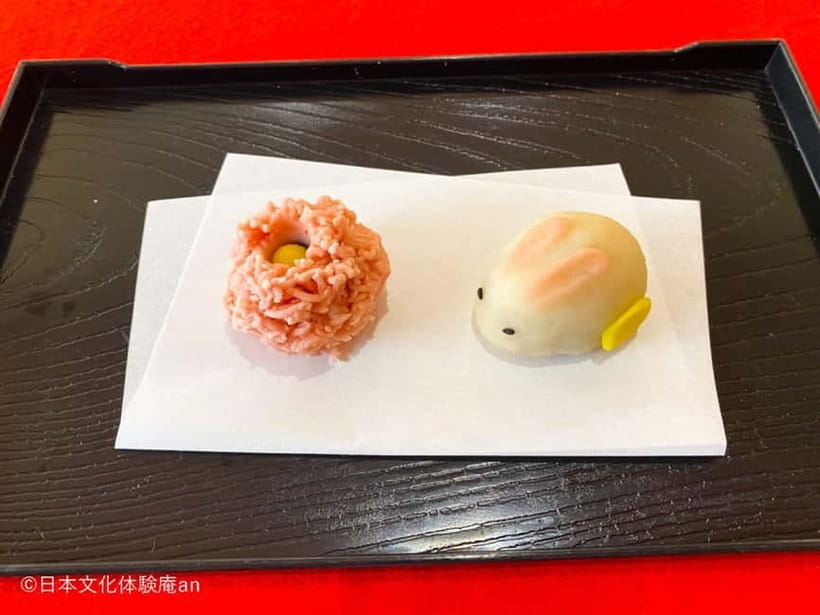
Nerikiri is a Japanese traditional sweet made for careful presentation as well as eating. Its soft bean-paste exterior can be shaped into flowers, leaves, seasonal colors, and other designs. Here, you will make two pieces rather than watch someone else do all the work.
That matters because the appeal is tactile. You handle the paste, follow the shaping instructions, and see a plain lump turn into something decorative. The work is simple enough for beginners, but the final look depends on small choices in pressure and form. Do not expect a professional pastry lesson. Think of it as a compact introduction to one small part of Japanese food culture.
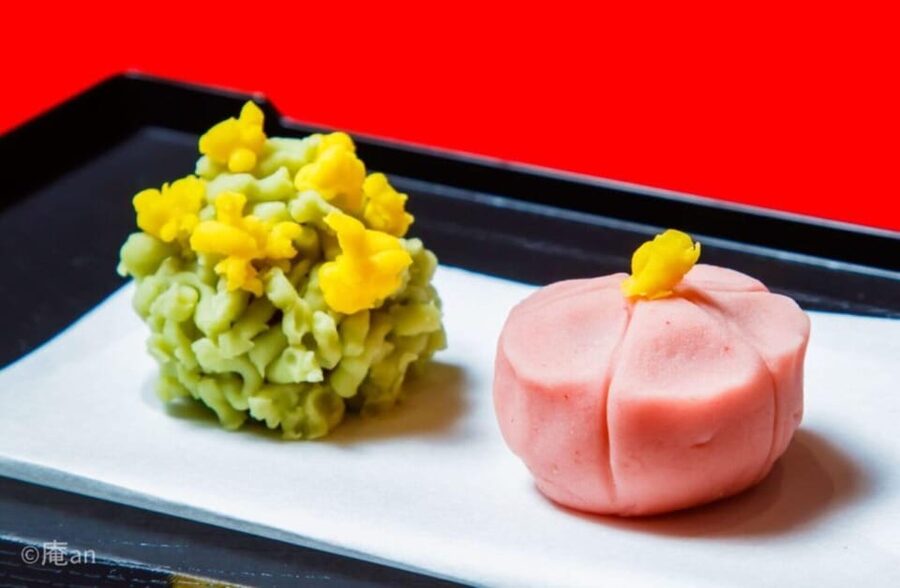
The two designs give the class some variety. The first is a flower-shaped nerikiri. The second is a Kinton nerikiri, a style known for its fine, textured appearance. Seasonal designs are used, so the exact colors and shapes can change during the year.
More Japanese Sweets and Tea Sessions in Kyoto:
- Kyoto: Japanese Traditional Sweets Making and Tea Ceremony
★ 4.4 · 314 reviews - 2 Types of Japanese Sweets making and Tea Ceremony
★ 4.6 · 17 reviews - Kyoto near Fushimiinari Wagashi making&Small Group Tea Ceremony
★ 5.0 · 14 reviews
A 65-minute schedule with very little wasted time
The experience begins with an explanation of Japanese traditional sweets. This opening should help you understand what you are handling before you start shaping. Since the instructor teaches in Japanese, ask for English translation at the start if you need it. English assistance is available as much as possible, but it is not presented as the main teaching language.
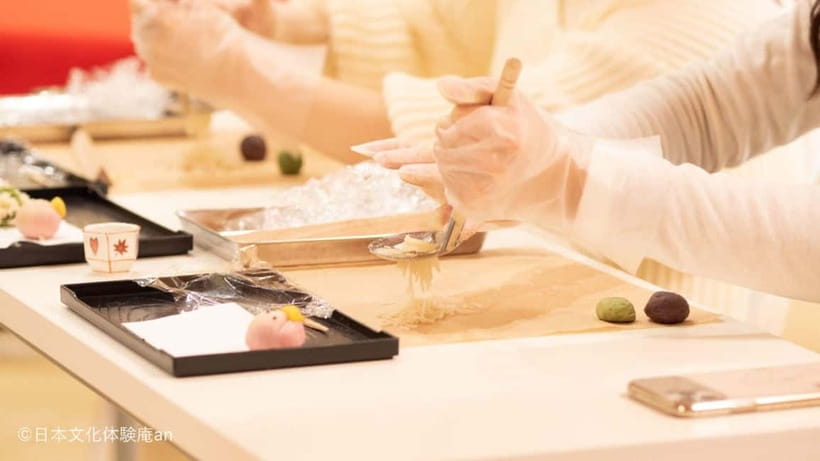
Next comes the flower-shaped nerikiri. This is your first chance to get used to the texture of the bean paste and the basic shaping method. The instructor provides the structure, but you still make the piece yourself. If you are nervous about getting it right, remember that the activity is designed for participation, not pastry-school precision.
The Kinton nerikiri follows. Its shape gives you a different task from the flower design, so the second piece does not feel like a repeat of the first. You will have time to adjust after learning from your first attempt.
At about 55 minutes, you take pictures of the finished sweets. This is a useful pause before eating, since the designs are at their best when freshly arranged on a plate. The class ends with Tatedashi Matcha, followed by eating and drinking time. You leave after roughly 65 minutes.
The timing works well for a busy Kyoto day. You can place it between visits around central Kyoto without giving up half a day. At the same time, the compact schedule means there is not much room for delays or long individual help.
Why Kyoto bean paste makes a difference
The class uses white and red bean paste produced by long-established shops in Kyoto. That does not turn the session into a full lesson on wagashi production, but it gives you a more meaningful ingredient than a generic craft material.
Bean paste is the center of nerikiri. You are not decorating an empty shell or adding flavor later. The paste forms the body of the sweet, so its texture and taste are part of the activity from the beginning. The white and red varieties also give the two sweets different visual and flavor possibilities.
You should keep your expectations realistic. The available information does not provide a detailed tasting menu or explain the exact sweetness of each paste. The focus is on making two sweets with authentic ingredients and then eating them with matcha. If your main goal is a detailed lesson on bean cultivation, grinding, or confectionery history, this class will be too brief.
For many people, that short format is the point. You get a direct connection between ingredient, handwork, appearance, and taste without committing to a long cooking course.
The matcha finish is part of the value
Tatedashi Matcha is provided after the sweets are made. This gives the visit a proper tasting moment instead of sending you out with two finished objects and no chance to try them.
Matcha also gives the activity a Japanese tea setting, even though this is not described as a formal tea ceremony. You make the sweets first, then eat them with the tea. That sequence helps you see why the appearance matters. The sweet is not only something to look at. It is meant to be served, admired briefly, and eaten.
At $14 per person, including the sweet-making session and matcha, the format offers good value for anyone seeking a low-cost cultural activity. You are paying for ingredients, instruction, and a scheduled indoor experience in central Kyoto. A take-out box costs an additional 100 JPY if you want to carry the sweets away, and a completion certificate costs 300 JPY.
The certificate is optional and adds little unless you collect souvenirs from activities. The box may be useful if you cannot eat the sweets immediately, but the class is clearly arranged for eating them on the spot.
More Matcha Experiences in Kyoto:
- Kyoto: Arashiyama Bamboo Forest, Monkeys, Matcha & Temple Tour
★ 5.0 · 759 reviews - Kyoto: Tea Ceremony Meditation – Make Matcha with Tea Master
★ 4.8 · 406 reviews - Kyoto: Kimono Tea Ceremony with Matcha and Sweet
★ 4.9 · 249 reviews - Kyoto: Arashiyama Bamboo, Temple, Matcha, Monkeys & secret spots
★ 5.0 · 219 reviews
How hands-on is the class?
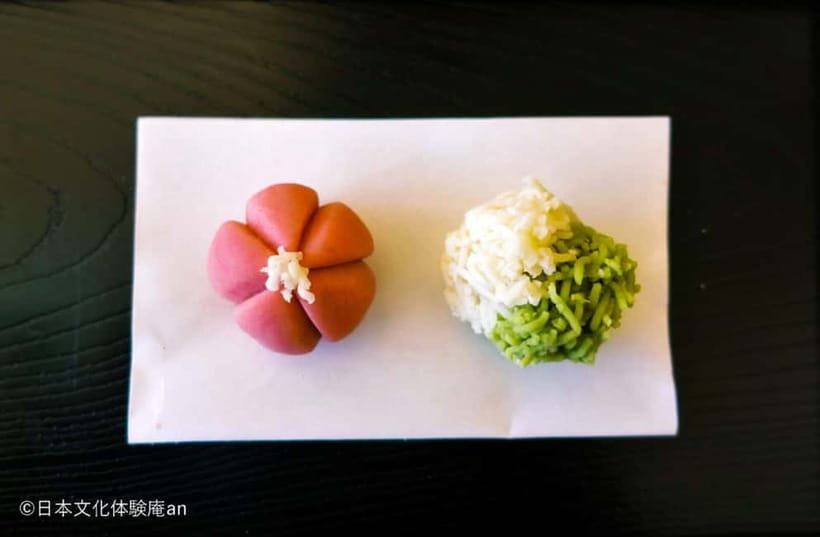
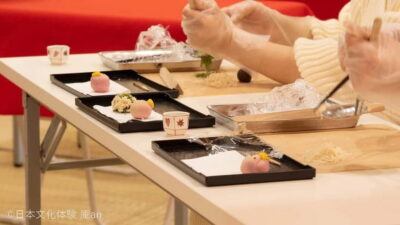
You will make both sweets yourself. The instructor explains the process, and you shape the bean paste into the two seasonal designs. This is not a demonstration where you sit back and receive finished sweets.
Still, the level of learning depends on what you want from a class. The techniques are simple enough that children and first-time participants can take part. One recent participant found the activity fun but felt it was similar to playing with modeling dough and did not learn enough about what was inside it. That is a fair warning for adults who want a technical cooking lesson.
I would book this for the pleasure of making something with your hands, not for advanced instruction. The experience gives you an attractive result and a taste of Kyoto confectionery, but the provided schedule does not promise detailed food science, recipes, or a long question period.
The activity can also work well for a family or small group. Children under two who sit on a parent’s lap are free. Anyone who does not take part cannot enter the venue, so companions should not plan to wait inside while others make the sweets.
Group size can affect the experience
The clearest weakness is possible crowding. One booking described the class as fun but said there were too many people in the room. That matters in a hands-on activity because you need enough space to shape the paste, see the demonstration, and ask for help.
A larger group does not automatically ruin the class. The process is structured and the two designs are straightforward. But if you want calm, personal instruction, group size should be a factor in your decision. The available information does not state a fixed maximum, so you should contact the provider if this is important to you.
The instructor teaches in Japanese. English translation is provided as much as possible if you request it. I would contact AN KYOTO before booking if you need step-by-step English instruction, especially if no one in your party is comfortable following a visual demonstration.
The positive side is that the class does not require advanced language skills to participate. Much of the work is visual and physical. You can watch the shape being formed, copy the hand movements, and ask for help when needed. But you should not assume that every explanation will be delivered in fluent English.
Getting to AN Japanese Culture Experience near Gojo Station
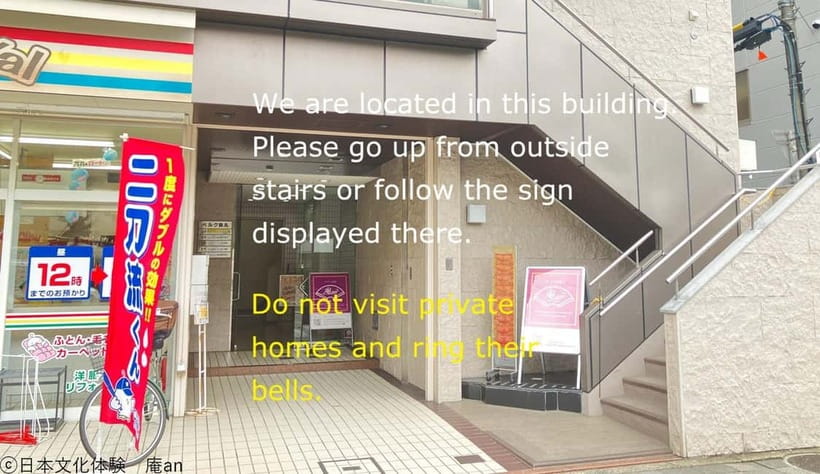
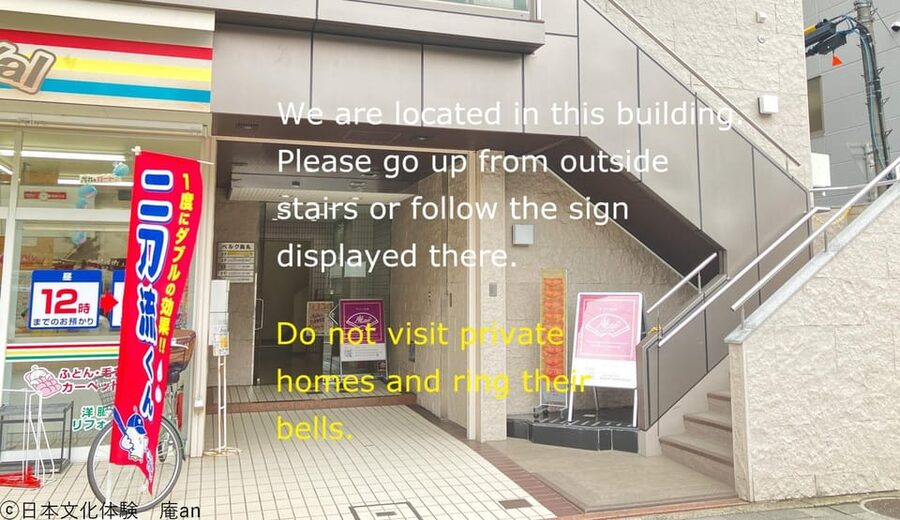
The venue is one minute on foot from Exit 1 of Gojo Station on the Subway Karasuma Line. The entrance faces Gojo-dori, the main street, which makes the final approach fairly direct.
Use the station exit detail carefully. Central Kyoto has many streets and similarly named places, so arriving at Gojo Station is not the same as being at the door. Allow a few extra minutes to come out of the station, confirm the main street, and find the entrance.
The operation hours are 10:00 to 17:00. Reservations received after 17:00 are processed the next day. The class will not be held for late arrivals, regardless of the reason, so arrive early rather than trying to cut the timing close. The provider also does not compensate transportation costs if you miss the activity.
The building has no elevator, and you need to use stairs to reach the venue. The activity is listed as wheelchair accessible, but this stair information deserves clarification before booking. If a member of your party uses a wheelchair or has difficulty with stairs, contact the provider directly and confirm the exact route and access arrangements.
Who will get the most from this activity?
I would choose this experience if you want a short cultural break with a clear result. You make two sweets, photograph them, eat them with matcha, and move on with your day. That makes it a good fit for first-time visitors who want to add a hands-on activity without scheduling a full cooking course.
It also suits people who enjoy presentation and food crafts. Nerikiri gives you something more distinctive than a standard snack-making class because the finished sweets are shaped around seasonal ideas. The seasonal designs may also make the activity feel different if you visit Kyoto at another time.
Families can consider it, especially with children who enjoy working with their hands. The process is simple, and the short length helps prevent the session from becoming tiring. Keep in mind that the class is not free for most children, and very young children who are not participating cannot enter unless they are under two and sitting on a parent’s lap.
I would be more cautious if you want a quiet, highly personal lesson or detailed English commentary. The Japanese-language instruction, possible crowding, and limited time may not suit you. Food-focused visitors who want to understand every ingredient and technique may also find the session too basic.
Booking, cancellation, and practical choices
The experience costs $14 per person. That is a reasonable price for two handmade sweets, matcha, instruction, and a central Kyoto location. The value is strongest when you treat it as a compact cultural activity, not as a complete confectionery course.
You can reserve now and pay later, which helps if your Kyoto schedule is still changing. Free cancellation is available up to 24 hours in advance for a full refund. After the cancellation deadline, fees apply, and changing the date or time after a fee has been incurred can bring another specified charge.
If you need English support, contact the provider before the class rather than waiting until you arrive. Also contact AN KYOTO if you want to confirm access, group conditions, or reserve the property for a particular arrangement.
Should you book these Kyoto sweets?
Book it if you want to make and eat two seasonal Japanese sweets in about an hour, especially if your schedule brings you near Gojo Station. The Kyoto bean paste, included matcha, low price, and direct hands-on format make it an easy addition to a day in the city.
Skip it if you expect a detailed cooking lecture, polished English instruction throughout, or a very small class. The possibility of crowding is real, and the activity may feel more like careful edible craft than serious pastry training.
For most people, the best reason to book is simple: you leave with something you made yourself, and you get to eat it before moving on to the next Kyoto sight.
FAQ
How long does the Japanese sweets activity last?
The full experience takes about 65 minutes. Sweet making and picture time finish at around 55 minutes, followed by Tatedashi Matcha and time to eat and drink before departure.
How many sweets will I make?
You will make two seasonal Japanese sweets called nerikiri. The scheduled designs are a flower-shaped nerikiri and a Kinton nerikiri.
Is matcha included in the price?
Yes. Tatedashi Matcha is provided after you finish making the sweets.
Where is the meeting point?
The venue is a one-minute walk from Exit 1 of Gojo Station on the Subway Karasuma Line. The entrance faces Gojo-dori.
Is the activity taught in English?
The instructor teaches in Japanese. English translation is provided as much as possible if you request it, so contact the provider before the activity if English support is important to you.
Can I take the sweets away?
You can purchase a sweets take-out box for 100 JPY. The activity also includes time to eat the sweets on the spot.
Can I cancel for a full refund?
You can cancel up to 24 hours in advance for a full refund. Cancellation fees apply after that point, and late arrivals are not accommodated.
More Dessert Stops in Kyoto
- Kyoto: Traditional Tea Ceremony with Matcha & Sweets in Gion
★ 4.9 · 27 reviews - Traditional Tea Ceremony with Matcha and Sweets in Kyoto
★ 5.0 · 13 reviews - Kyoto WAKIMIZU Half Day Tour: Secrets of Matcha & Wagashi Sweets
★ 5.0 · 2 reviews - Matcha Making Class in Tokyo with Authentic Japanese Sweets Set
★ 5.0 · 744 reviews
Just added around Kyoto
- Whisk Your Own Matcha: A Zen Matcha Experience at Temple★ 3.6 · 7 reviews
- Uji Walking Tour – Byodo-in temple and Tea Ceremony from Kyoto★ 3.5 · 3 reviews
- Traditional Tea Ceremony in Kyoto★ 4.5 · 3 reviews
- Kyoto: Authentic Tea Ceremony in a Small Group★ 5.0 · 7 reviews
- Tea ceremony at Kyoto’s Zen Temple Teahouse★ 5.0 · 2 reviews
- Tea Ceremony in 150 Years Old Townhouse with Tables and Chairs★ 5.0 · 22 reviews
- Silent Beauty of Kyoto Zen Walk and Tea Experience★ 5.0 · 2 reviews
- Tea Ceremony Experience in Traditional Kyoto Townhouse★ 5.0 · 19 reviews
Japanese Sweets & Tea, compared.

Matcha Making Class in Tokyo with Authentic Japanese Sweets Set
Read our review →
Matcha Making Class in Osaka with Authentic Japanese Sweets Set
Read our review →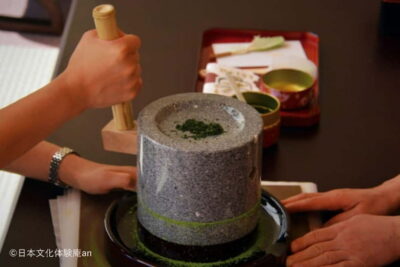
Japanese Traditional Sweets Making and Tea Ceremony
Read our review →
Japanese Traditional Sweets Making and Tea Ceremony
Read our review →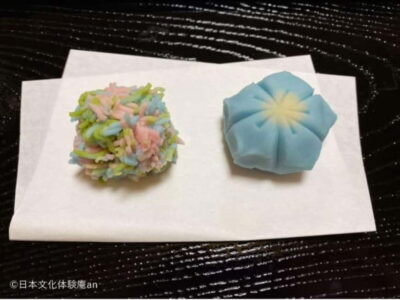
Nagoya: Japanese Traditional Sweets making and Tea Ceremony
Read our review →
Sweets Making and Kimono Tea Ceremony at Tokyo Maikoya
Read our review →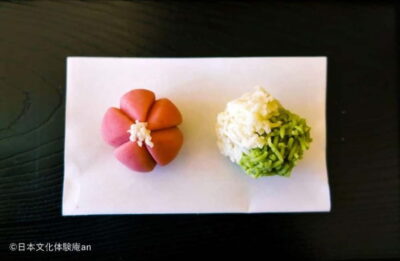
Japanese Traditional Sweets making and Tea Ceremony
Read our review →Browse the lists this tour appears in