
Review · TOKYO
【NEW】Shibuya Tea Ceremony Tokyo-Chaan
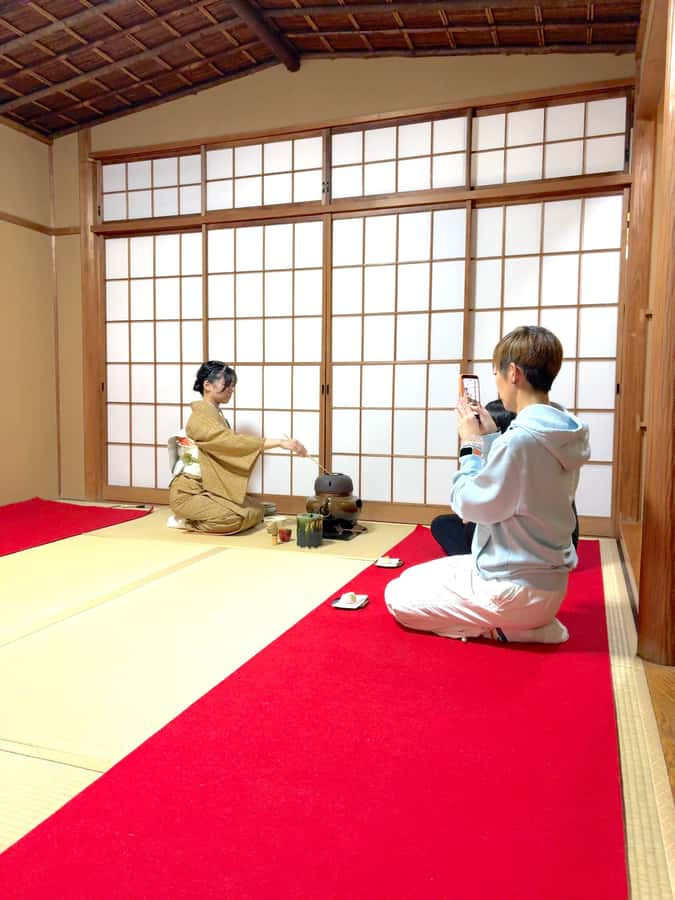
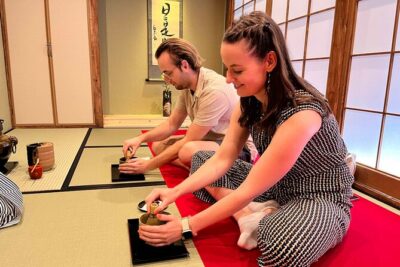
The best part of this Shibuya experience is that you do not just watch a tea ceremony. You learn the meaning behind it, see the formal Otemae presentation, then make your own bowl of matcha. I like the calm tatami-room setting and the fact that Sakura and Kini explain each step in clear English.
I also like the hands-on format and the pairing of bitter matcha with a seasonal sweet. The main consideration is that children under four cannot enter, and every child aged four or older needs a paid ticket. This is a focused cultural activity, not a long sightseeing tour, so it suits you best if you want a quiet break in the middle of Shibuya.
Key points to know before you book
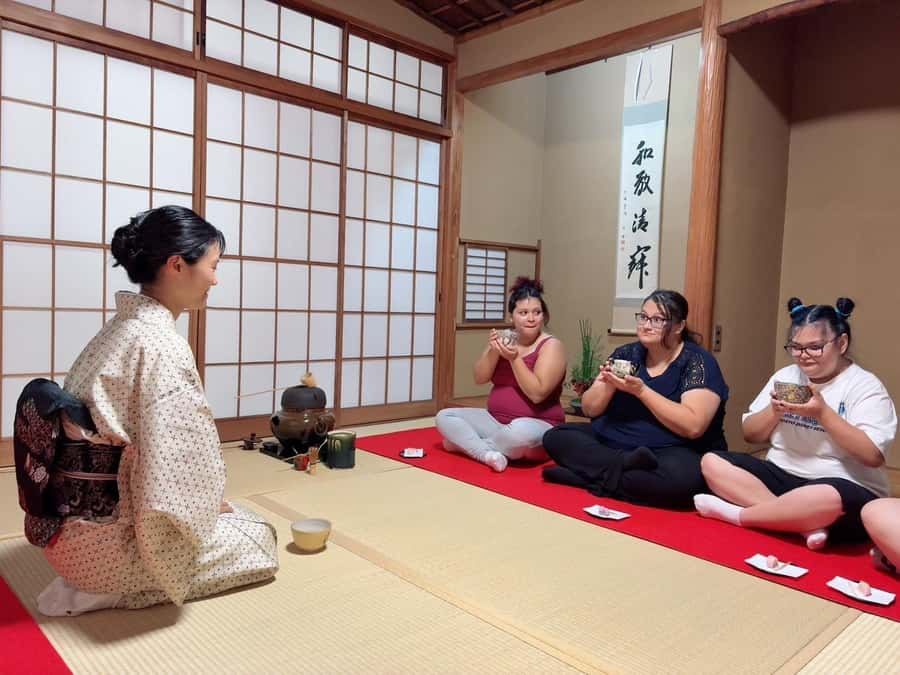
- Learn from experienced instructors: The Japanese instructors each have more than 10 years of tea ceremony experience and guide the class in English.
- Watch the formal Otemae demonstration: You see how tea tools are handled and how basic serving manners fit together.
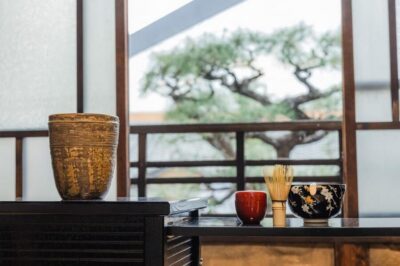
- Make your own matcha: You use traditional utensils to prepare a bowl with powdered green tea.
- Enjoy a seasonal sweet: The confection softens matcha’s strong, slightly bitter taste and gives the tasting a distinctly Japanese feel.
- Meet in central Shibuya: The activity starts and ends at the Manji Building on Dogenzaka, at 1-15-9 Dogenzaka, Shibuya-ku.
- Pay $18 per person: The price includes admission, matcha, and confections, making this a modest-cost cultural stop.
A quiet tea room in the middle of Shibuya
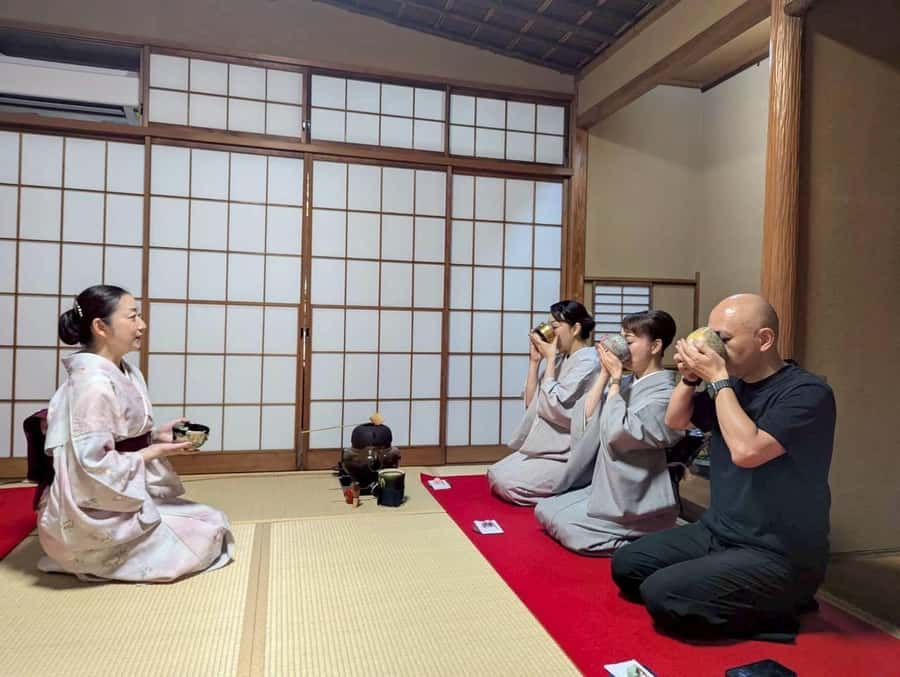
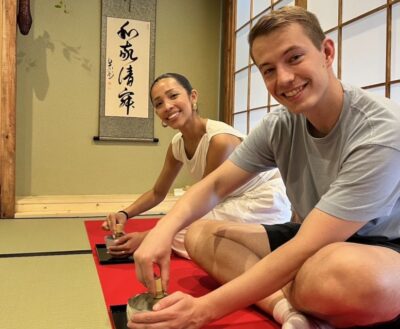
Shibuya is famous for bright signs, shopping, music, and crowds. This experience gives you a different side of the district. On the second floor of the Manji Building, you enter a traditional Japanese room with tatami flooring and shift your attention from the streets outside to the small details of tea preparation.
That change of pace is part of the appeal. You are not being rushed from one sight to another. The setting is designed for listening, watching, and trying the movements yourself. If you have spent the day crossing busy streets and packed shopping areas, a quiet tea room can feel like a welcome reset.
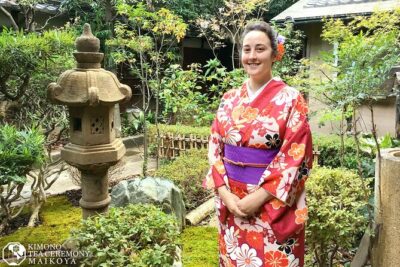
The instructors wear kimono, which adds formality without turning the class into a stiff performance. Sakura and Kini are among the hosts who lead the session, and their clear English makes this a practical introduction for first-time visitors. You do not need prior knowledge of Japanese customs or tea etiquette.
The tea ceremony is not simply about drinking green tea. It brings together posture, gestures, utensils, timing, hospitality, and respect between host and guest. You will not master every rule in one visit, but you will begin to see why the ceremony values careful action over speed.
More Tea Ceremony Experiences in Tokyo:
- Kimono Tea Ceremony at Tokyo, Asakusa Maikoya
★ 5.0 · 638 reviews - Tokyo: Traditional Tea Ceremony with a Tea Master
★ 5.0 · 528 reviews - Tea Ceremony Workshop in Tokyo by the Experienced Instrucor
★ 5.0 · 189 reviews
The welcome explains more than the basics
The experience begins with a welcome in the traditional room. Your instructor introduces the ceremony’s meaning and history before the demonstration starts. This opening matters because the movements can otherwise seem mysterious or overly formal.
You learn what the tea ceremony is trying to express and why the tools are handled in a particular way. The emphasis is on understanding the customs rather than copying a series of motions without context. That makes the activity useful for you if you are visiting Japan for the first time and want a cultural explanation that goes beyond taking photographs.
The English instruction is one of the strongest practical features. Tea ceremony has its own vocabulary and etiquette, and a vague explanation would make the experience hard to follow. Here, the instructors are fluent in English and have more than a decade of experience each, so you can ask questions and keep up with the demonstration.
Do not expect a lecture packed with academic detail. The format is an accessible introduction. You receive enough background to understand the ceremony, then move fairly quickly into watching and doing.
Watching the Otemae tea ceremony
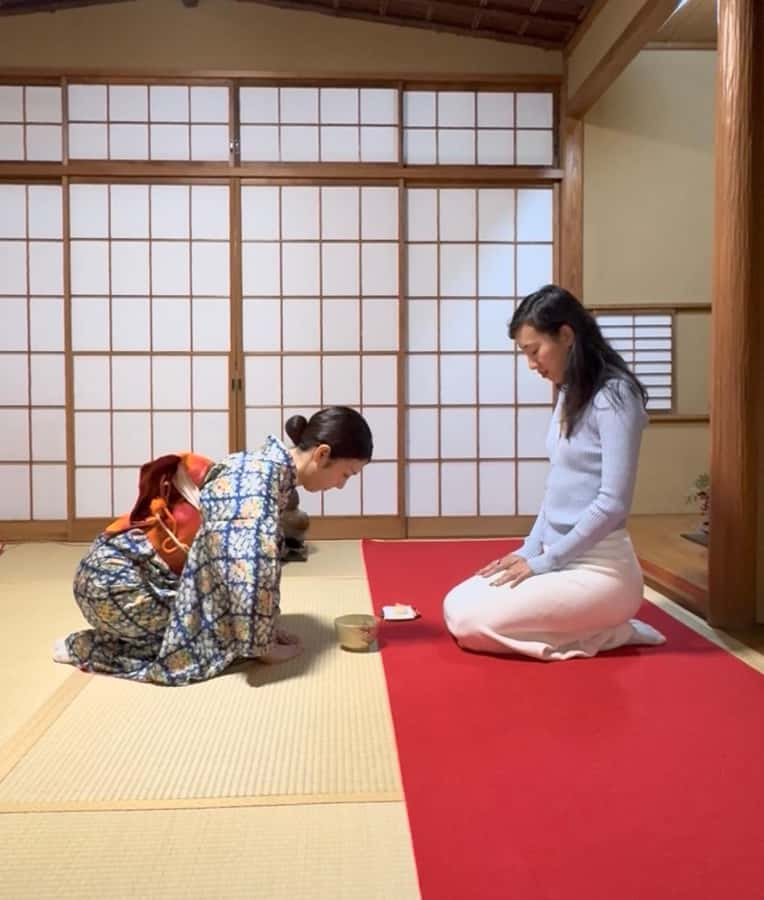
Next comes the live Otemae demonstration. This is the formal presentation of the tea, and it shows how the host uses the tea tools and serves the drink. You watch the sequence before trying it yourself, which gives you a useful reference for the hands-on portion.
The demonstration is valuable because tea preparation can look simple from a distance. A bowl, whisk, and powder may seem all you need. In practice, the order of movements and the way each utensil is handled give the ceremony its character.
Your instructor also explains basic manners and etiquette. That may include how tea is served and how you are expected to receive it, though the supplied details do not specify every individual rule covered. You should think of this portion as a guide to respectful participation, not a test.
I appreciate this approach. You get to watch an experienced practitioner before being asked to take over. That takes pressure off beginners, especially if you have never held a bamboo whisk or used traditional tea utensils.
The demonstration also helps you notice the difference between making an everyday cup of tea and preparing matcha in a ceremonial setting. The point is not speed. The point is attention.
Making your own bowl of matcha
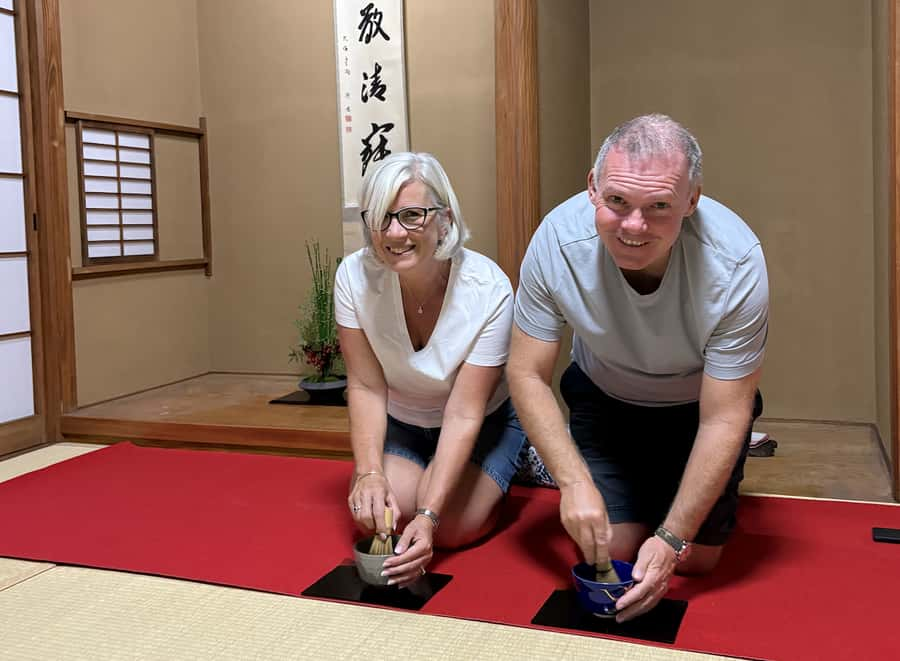
After watching, you get your turn. Using traditional utensils, you prepare your own bowl of matcha with powdered green tea. This is the part that changes the activity from a performance into a personal experience.
You can follow the instructor’s example and handle the tools yourself. The information provided does not state exactly how long each step takes or how large the class is, so I would not book this expecting a set amount of individual coaching time. Still, the format clearly gives you a chance to make the tea rather than simply receive it.
Matcha has a fuller, more concentrated taste than the mild green tea many people know from restaurants. It can be grassy, earthy, and slightly bitter. The seasonal confection served with it is not just a snack on the side. The sweetness helps balance the tea and makes the tasting easier for newcomers.
This pairing is also a small lesson in Japanese food culture. The sweet and the tea are meant to work together, with each changing how you notice the other. You may find that the matcha tastes softer after the confection, or that the sweet seems more delicate after the tea.
For children and adults alike, the whisking is likely to be the most memorable part because it gives you something to do with your hands. However, the age rule matters. Children under four cannot participate, and children aged four and above must have their own tickets even when accompanied by a paying adult.
A few more tea experiences around Tokyo worth a look
- Dynamic Tokyo: Tokyo Tower, Tea Experience, Bay Cruise Day Tour
★ 4.5 · 521 reviews - Asakusa: Kimono Tea Ceremony with Matcha and Sweet
★ 4.9 · 153 reviews - Tokyo: Full-Day Tour w/Tea Experience,Buffet Lunch & Cruise
★ 4.9 · 151 reviews - Tea Ceremony Experience in a Private Tea Room in Shibuya
★ 4.9 · 125 reviews
What the $18 price includes
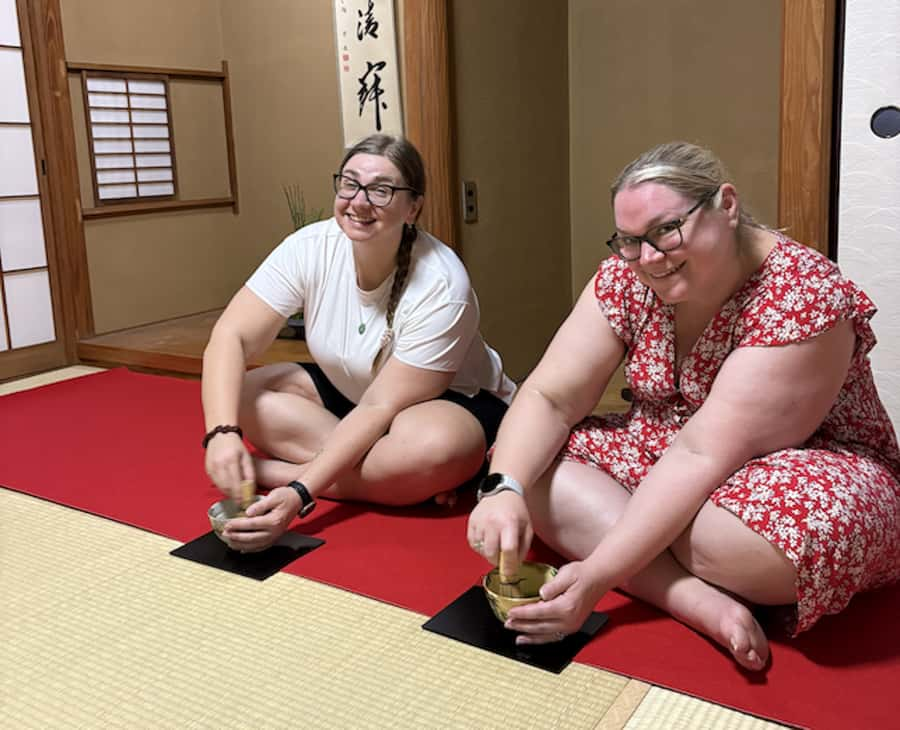
At $18 per person, this is an inexpensive way to add a structured cultural activity to a Tokyo itinerary. The fee includes entrance, matcha, and the traditional confections. You are paying for instruction and participation, not just a cup of tea.
That distinction is important. A café visit may cost less, but it will not normally give you a tea master’s demonstration, an explanation of ceremony etiquette, or the chance to use traditional tools under guidance. On the other hand, this is a short, specific experience rather than a full-day cultural program, and no duration is provided.
I see the price as good value if you want a first look at tea ceremony without committing a large part of your day or budget. It is also easy to pair with other plans in Shibuya because the meeting point is in the Dogenzaka area and the activity returns to the same place.
The price is per person, so include every participating child aged four or older when calculating your total. A child under four cannot be brought into the activity, and you are advised to contact the provider in advance if this affects your group.
Finding the meeting point on Dogenzaka
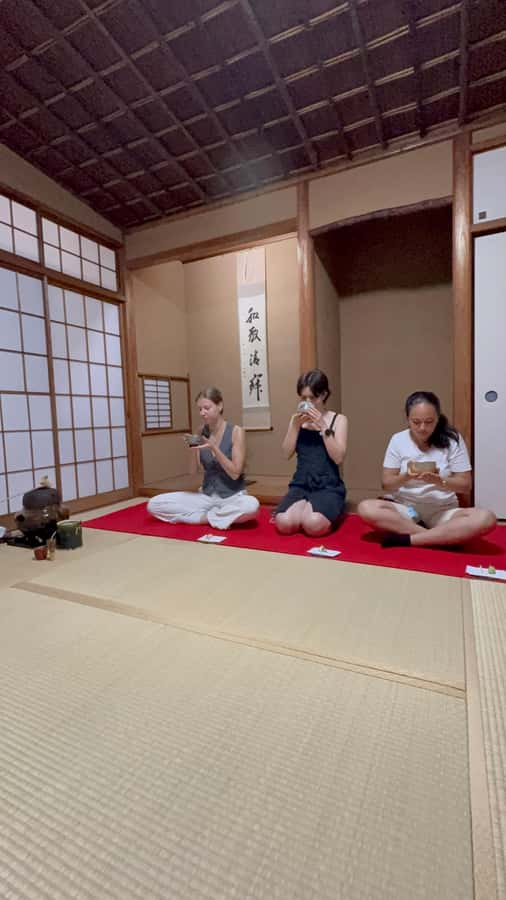
The meeting point is the second floor of the Manji Building, at 1-15-9 Dogenzaka, Shibuya-ku, Tokyo 150-0043. The Japanese address is:
〒150-0043 東京都渋谷区道玄坂1-15-9 万字ビル 2F
Having the exact building name and Japanese address is useful in Tokyo, where several streets and facilities can have similar English spellings. Keep the Japanese address available on your phone if you need to ask for directions.
The activity ends back at the meeting point. That makes planning simpler because you do not need to arrange a separate pickup or find your way to another part of the city afterward. Transportation to and from the building is not included in the information provided, so plan your own route to Dogenzaka.
This is an indoor activity, but the traditional room may require you to sit in a customary way. The information does not specify seating arrangements or accessibility details, so you should contact the provider before booking if that could be a concern.
Who will enjoy this tea ceremony
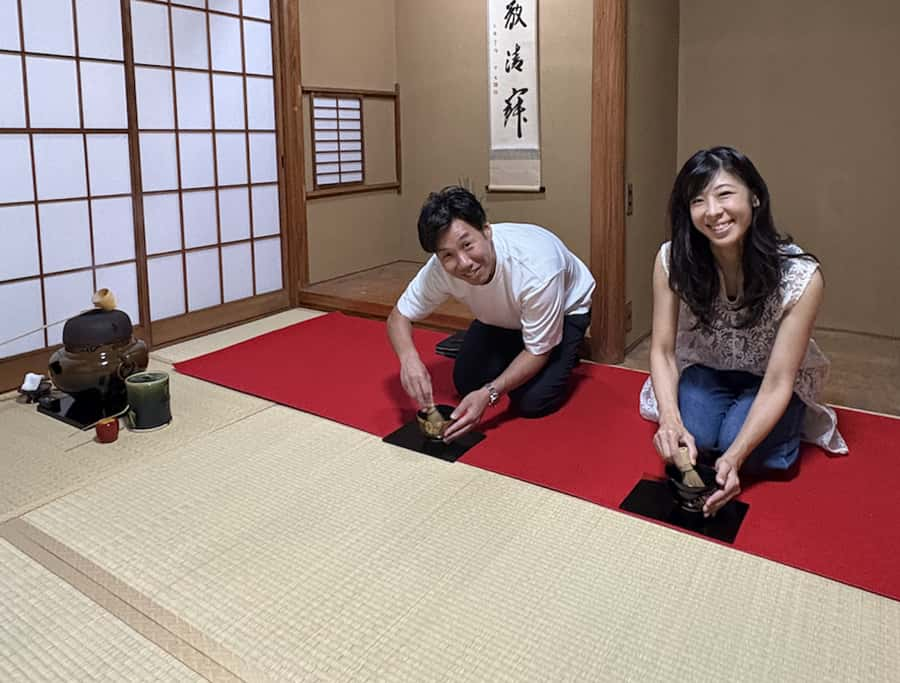
I would recommend this experience to first-time visitors who want a clear introduction to Japanese culture. You receive history, etiquette, a formal demonstration, and a hands-on lesson in one compact activity.
It also suits you if you enjoy food and drink experiences that explain context. The seasonal sweet and matcha are more interesting when you understand why they are served together. The ceremony gives you a way to taste something while learning how it fits into Japanese customs.
Families with older children may also find it appealing, provided every child is at least four and has a ticket. The hands-on preparation can hold a child’s attention better than a purely visual cultural show, though the quiet setting and etiquette may not suit every young child.
This is less suitable if you want a large-scale spectacle, a long guided tour of Shibuya, or an advanced study of tea ceremony. It is an introductory experience in English, designed to make the practice understandable and approachable.
You should also allow for the possibility that the calm format will feel slow if your main goal is shopping or sightseeing. That is not a flaw, but it is a choice. The value comes from pausing and paying attention.
Booking details that matter
The experience is offered in English. The provider also allows you to reserve and pay later, which can help if your Tokyo plans are still shifting. You can cancel up to 24 hours in advance for a full refund.
The rating is 5 out of 5 from nine reviews, and the strongest praise centers on the hosts, the clear explanations, the authenticity of the ceremony, and the taste of the tea and sweets. Laura specifically highlights Sakura and Kini guiding the group through the history and preparation, while Billie-jean points to Sakura’s friendly instruction and the enjoyable tea and confections.
Those details help set the right expectation. The hosts are not simply demonstrating a ritual from a distance. They explain the background and guide you through making tea together. Paola’s experience also reinforces the value of the instructor’s careful explanations.
Still, keep the sample size in perspective. Nine reviews can suggest a consistent experience, but they cannot answer every question about group size, session length, or seating. The official information does not provide those details, so ask the provider directly if they affect your decision.
Should you book Tokyo-Chaan?
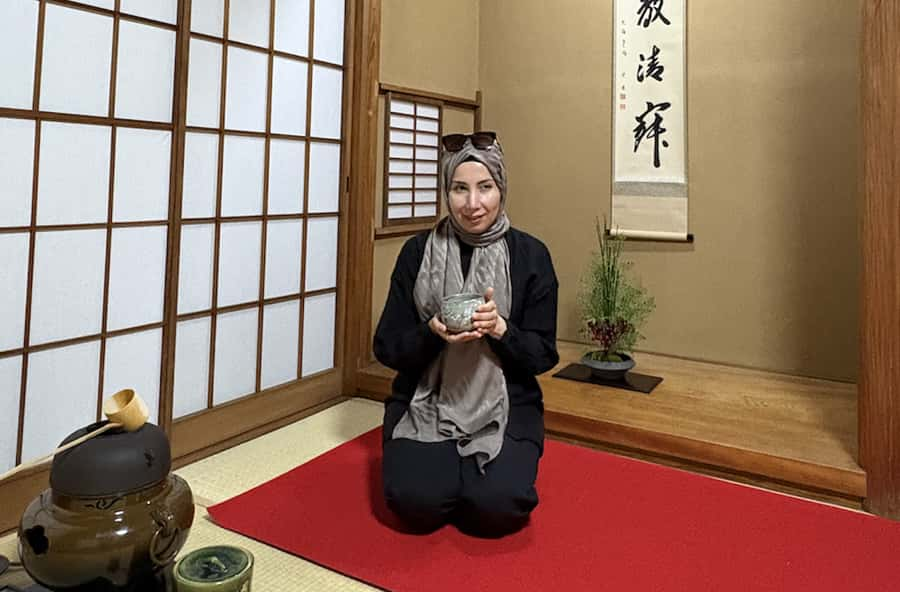
Book this tea ceremony if you want a reasonably priced, English-language introduction to matcha and Japanese tea customs in a quiet Shibuya setting. The combination of kimono-clad instructors, a formal Otemae demonstration, hands-on preparation, and seasonal sweets gives you more substance than a simple tasting.
I especially like it for a first visit to Japan. You do not need specialist knowledge, and the class makes the ceremony approachable without stripping away its traditional character. Sakura, Kini, and the other experienced instructors provide the guidance you need to participate with confidence.
Skip it if you need a fast activity with a fixed duration, dislike quiet cultural demonstrations, or are traveling with a child under four. For everyone else, $18 buys a thoughtful pause from Shibuya’s busy streets and a useful first taste of one of Japan’s most distinctive traditions.
FAQ
Where does the Shibuya tea ceremony take place?
It takes place on the second floor of the Manji Building at 1-15-9 Dogenzaka, Shibuya-ku, Tokyo 150-0043, Japan.
What language is the experience offered in?
The experience is offered in English. The Japanese instructors speak English fluently.
Who leads the tea ceremony?
The ceremony is led by experienced Japanese instructors who wear kimono. Sakura and Kini are named hosts associated with the experience.
How much does the experience cost?
The price is $18 per person.
What does the price include?
The price includes the entrance fee, matcha powdered green tea, and traditional confections.
Do I get to make matcha myself?
Yes. After watching the demonstration, you use traditional tea utensils to prepare your own bowl of matcha.
Is a sweet served with the matcha?
Yes. You receive a seasonal Japanese confection to enjoy with the matcha.
Can children participate?
Children under four cannot participate. Children aged four and older must have their own ticket.
Where does the activity end?
The activity ends back at the meeting point in the Manji Building.
Can I cancel for a full refund?
Yes. You can cancel up to 24 hours in advance for a full refund.
Just added around Tokyo
- Yokohama : Tea Ceremony with Sweets and Souvenir★ 5.0 · 5 reviews
- Walking Tour: Yanaka,Nezu& Sendagi: Tea Ceremony & Old Tokyo★ 5.0 · 3 reviews
- Private Kimono and tea ceremony at local home near Tokyo Disney★ 5.0 · 6 reviews
- Private Mochi・Matcha sweets Making Class Near Shibuya Area★ 5.0 · 22 reviews
- 2 Hours Mochi &Nerikiri Making & Matcha Class in Bunkyo★ 5.0 · 21 reviews
- Tokyo Sweets Tour: Hidden Gems & Matcha at an Old Tea House★ 5.0 · 6 reviews
- Giant Sushi Cooking Class: Make a 1.5m Sushi Roll in Tokyo★ 5.0 · 9 reviews
- Tokyo Tea Ceremony Class at a Traditional Tea Room★ 5.0 · 2 reviews
Tea Ceremony Experiences, compared.
Tea Ceremony in a Traditional Tea House in Kiyomizu
Read our review →
Browse the lists this tour appears in