
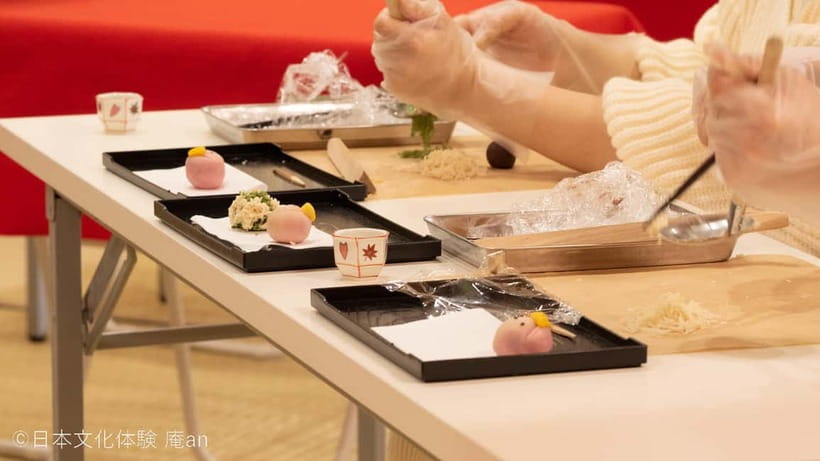
Review · OSAKA
Osaka: Japanese Traditional Sweets Making and Tea Ceremony
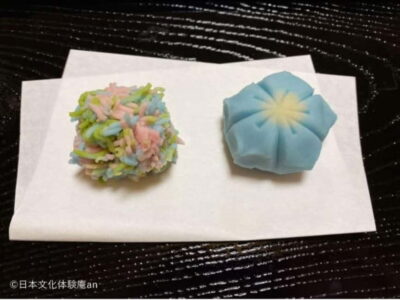
The best part of this Osaka experience is that you do not just watch a tea ceremony. You make two seasonal nerikiri sweets, shaping colored white bean paste into flowers or other designs before eating them with freshly prepared matcha.
I like the quality of the ingredients and the small cultural details, from Kyoto-made bean paste to the proper way to handle and drink tea. I also like the price: at $18, this is an unusually affordable hands-on activity in central Osaka. The main consideration is language. The instructor speaks Japanese, and English support is available as much as possible, so contact the provider ahead of time if you need translation.
Key points to know before booking
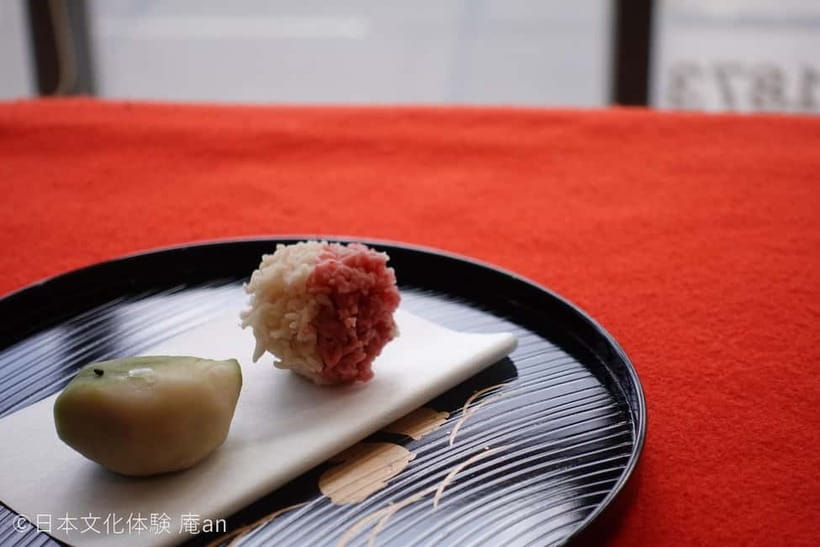
- Two sweets, not one: You make a flower-shaped nerikiri and a second kinton-style nerikiri matched to the season.
- Kyoto ingredients: The white and red bean pastes come from long-established Kyoto shops.
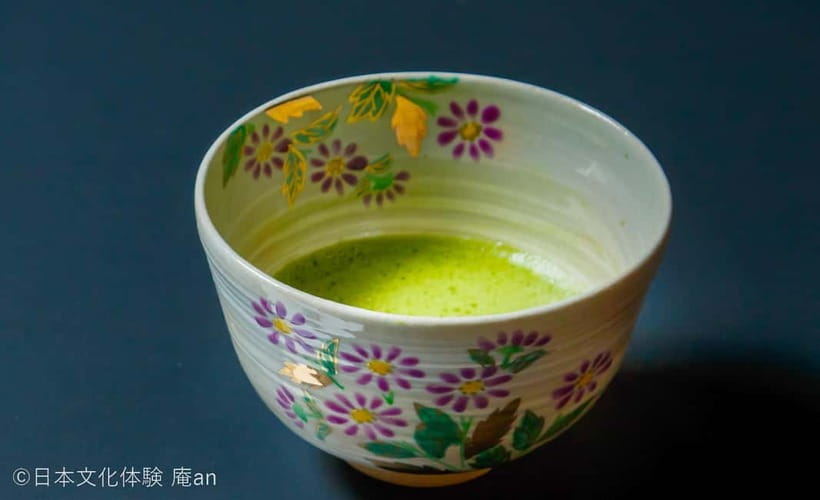
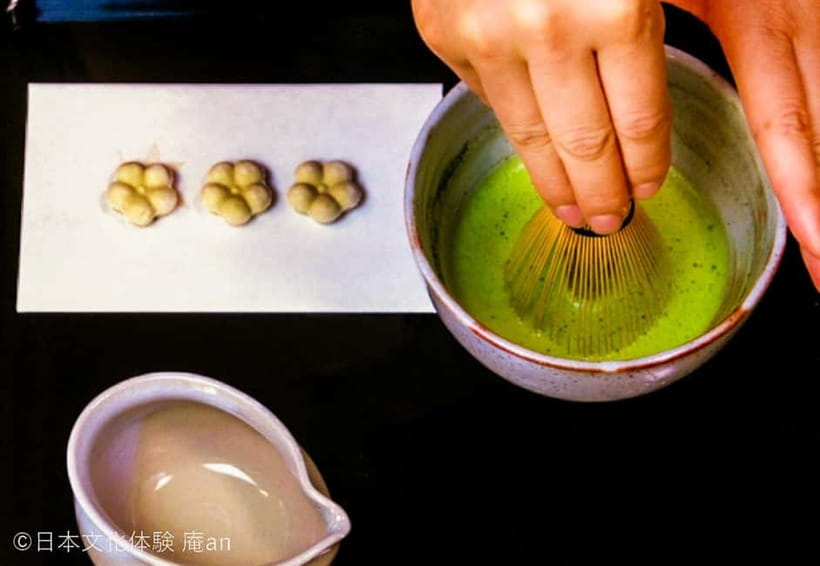
- Matcha is part of the activity: You see a grinding demonstration, prepare your own Uji matcha, and drink it with your sweets.
- Friendly instruction: Instructors including Maiko, Jun, and Mihiko have been praised for patience, humor, and clear explanations in Japanese and English.
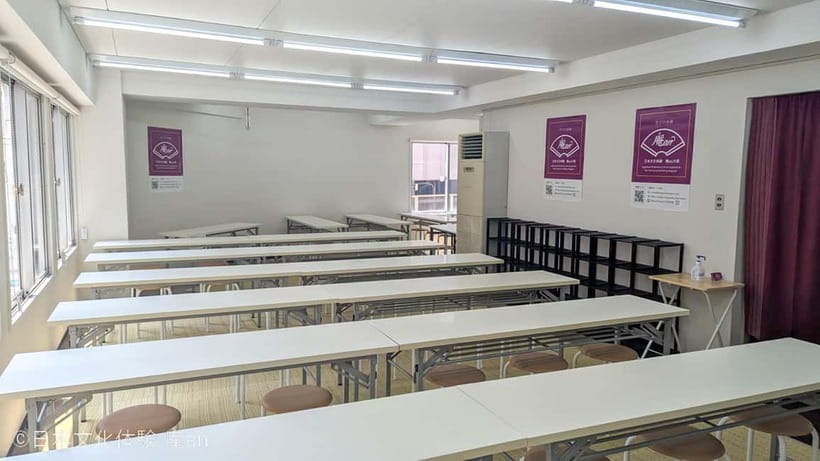
- Easy central location: The venue is one minute from Exit 10 of Higobashi Station, though the building has stairs and no elevator.
- Bring a little extra cash: A take-out box costs 100 JPY, and a completion certificate costs 300 JPY.
Making seasonal Japanese sweets in Osaka
Japanese confectionery is often designed to be looked at as carefully as it is eaten. That idea becomes clear as soon as you begin making nerikiri, a refined sweet made from sweet white bean paste. The paste is colored, molded, and shaped into seasonal flowers, fruits, or other natural forms.
This is not a baking class. There is no oven, complicated recipe, or long wait for something to cook. Instead, the work depends on your hands, your sense of color, and careful shaping. You start by coloring the white bean paste, then use the provided tools to form the first sweet.
The activity includes two kinds of nerikiri. The first is flower-shaped, while the second is a kinton nerikiri. Kinton sweets have a more textured appearance, giving you a different style of shaping after the first design. Making both lets you see how small changes in form create a completely different result.
I like this format because it gives you enough to do without turning the afternoon into a serious pastry course. You get an authentic Japanese confectionery style, but the class remains approachable for beginners and families. Children aged under two who sit on a parent’s lap are free, and children who are old enough to use the tools can take part as paying participants.
The sweets are made with white and red bean paste produced by long-established Kyoto shops. That detail matters. Nerikiri is simple in appearance, but the paste has to be smooth, balanced, and pleasant to eat. At the end, the sweetness of the bean paste provides the counterpoint to the bitter, grassy taste of matcha.
More Japanese Sweets and Tea Sessions in Osaka:
- Matcha Making Class in Osaka with Authentic Japanese Sweets Set
★ 5.0 · 509 reviews - Osaka: Matcha Making Experience with Japanese Sweets
★ 5.0 · 146 reviews - Osaka : Exclusive Tea Ceremony & Wagashi Cooking
★ 5.0 · 2 reviews
What the 95-minute schedule feels like
The full activity lasts 95 minutes, with the main stages arranged in a sensible order.
The opening section covers the basics of Japanese traditional sweets. You receive an explanation of nerikiri and learn how the paste will be colored and shaped. The first sweet is a flower design, followed by the kinton nerikiri.
The sweets-making portion lasts about 55 minutes. That is enough time to work carefully rather than rush through the forms. You can expect the instructor to demonstrate the steps and then guide you as you copy them. Several instructors have been described as patient and attentive, including Maiko, Jun, and Mihiko. The exact teacher depends on the session.
After the sweets are finished, there is a short break. At around the 65-minute mark, the focus turns to tea. You receive an explanation of the tea ceremony, then see a demonstration of matcha being ground into powder. This is a useful touch because it shows where the fine green powder comes from before you prepare your own drink.
The tea ceremony follows. This is a cultural introduction rather than a long formal ceremony in a historic tea house. One account describes it as a more casual tea ceremony, which will suit you if you want practical guidance without a stiff or highly ceremonial setting. You learn details such as the proper way to drink tea and how to show appreciation in Japanese.
The schedule allows time for photographs at about 85 minutes, followed by eating and drinking. You finish by enjoying the two sweets you made with your matcha. The end of the class is not just a photo opportunity. It gives you time to notice how the sweetness of the nerikiri changes the taste of the tea.
Why the matcha section adds real value
Many Japanese cultural activities serve matcha, but this one gives you more context than simply placing a bowl in front of you. You see a matcha-grinding demonstration and then prepare the tea yourself.
The matcha is described as single-origin Uji matcha. Uji, near Kyoto, is one of Japan’s best-known tea-producing areas. The tea has a strong, distinctive flavor, and the bean paste helps soften its bitterness. If you normally add sugar or milk to tea, this pairing shows you how a traditional sweet can play that role instead.
The ceremony section also gives you a chance to ask questions. One participant used the time to ask about tea traditions and received detailed answers, even though the practical ceremony itself was fairly relaxed. That makes this a good choice if you are curious about Japanese customs but do not want a long lecture.
The language question deserves a clear explanation. The listed language is Japanese, and English translation is provided as much as possible. The provider asks people who want English assistance to make contact in advance. Several instructors have handled Japanese and English well, but one participant found the written instructions were in Japanese and would have preferred English versions.
My advice is simple: send a request for English support when you book. Do not assume every session will have the same level of translation. The instructors appear willing to help, but the clearest experience will come from arranging it ahead of time.
A friendly class with a personal feel
The teaching style seems to be one of the strongest parts of the activity. Descriptions of the instructors repeatedly emphasize patience, warmth, and energy. Maiko is described as cheerful and enthusiastic, while Jun is praised for calm explanations. Mihiko, even while gaining experience as an instructor, handled the movement between Japanese and English well.
One particularly useful detail is that the class can still work with only two people. A small private-feeling session allowed the instructor to give personal attention and keep the pace comfortable. A larger group may have a livelier feel, but the format is designed to include everyone.
You should expect a friendly lesson rather than a silent, formal tea school. That is good news for most visitors. You can ask questions, compare your finished sweets, and enjoy the process without worrying about getting every fold perfect.
There is also room for children. Two children aged 10 and 12 enjoyed making the sweets and drinking tea, making this a reasonable family activity for children who can follow careful instructions. Younger children may need close help with the shaping tools and the tea.
More Tea Ceremony Experiences in Osaka:
- Osaka: Tea Ceremony Experience
★ 4.9 · 1,426 reviews - Tea Ceremony Experience in Osaka Doutonbori
★ 5.0 · 754 reviews - Osaka: Tea Ceremony, Calligraphy, and Kimono Experience
★ 4.9 · 130 reviews - Samurai Show, Tea Ceremony, Japanese Traditional Activities
★ 5.0 · 56 reviews
Location near Higobashi Station
The meeting point is in central Osaka and is especially convenient from Higobashi Station. It is a one-minute walk from Exit 10 of the Osaka Metro Yotsubashi Line. You can also walk five minutes from Exit 7 of Watanabebashi Station, seven minutes from Exit 10 of Yodoyabashi Station, or 10 minutes from Exit 11-5 of Kitashinchi Station.
From Osaka Station, allow about 15 minutes from the South Central Gate. That makes this easy to add to a day around Umeda, Nakanoshima, or the Kitashinchi area.
Give yourself extra time to find the entrance. One person had trouble locating the building and described it as a gray building that was not obvious on Google Maps. I would not cut this one close, especially because the class cannot wait for late arrivals.
The building has no elevator. You need to use stairs to reach the venue, so this activity is not suitable for anyone who cannot manage stairs. If you are driving, use a nearby coin-operated car park. The provider does not include parking.
Is $18 good value?
At $18 per person, I consider this strong value for Osaka. You receive a 95-minute class, the required tools, instruction in two types of Japanese sweets, a matcha-grinding demonstration, and a tea ceremony experience. You also eat the sweets and tea you prepare.
The value comes from the combination. A basic sweets workshop might teach you how to shape nerikiri, while a tea activity might focus only on serving and drinking matcha. Here, you get both sides of the pairing and learn why they work together.
There are two small extra charges. A take-out box costs 100 JPY, which is useful if you want to carry your sweets away instead of eating them at the venue. A completion certificate costs 300 JPY. Neither is required, and the listed price includes the activity and necessary tools.
The price also makes this a practical choice for a rainy afternoon or a gap between sightseeing plans. It is long enough to feel worthwhile but short enough to fit before dinner or another central Osaka activity.
What to arrange before you go
The operating hours are 10:00 to 17:00, with starting times available depending on the date. Check the available time before building the rest of your day around it.
If you need English, contact the provider in advance. The instructors may be able to explain the class in English, but Japanese is the official listed language. This one small step can make a big difference.
Arrive early. The venue can be difficult to spot, and late arrivals cannot be accommodated. The provider also does not compensate for transport costs if the activity is missed or canceled because of delays.
The experience itself includes the required tools, so you do not need to bring equipment. You may want your phone for the picture time near the end. If you hope to take the sweets with you, add the 100 JPY box charge when planning your payment.
Free cancellation is available up to 24 hours in advance for a full refund, and you can reserve now and pay later. Those terms are useful if your Osaka schedule is still changing.
Who will enjoy this Osaka activity?
I would choose this for you if you want a hands-on cultural lesson rather than another sightseeing stop. It suits first-time visitors who want an introduction to wagashi, families with older children, couples, and anyone interested in tea but unsure about attending a very formal ceremony.
It is also good for people who enjoy quiet, precise crafts. The work rewards attention to detail, and the finished sweets are attractive even if your first flower is not perfectly symmetrical.
You may want to skip it if you have difficulty with stairs, need guaranteed full English instruction, or prefer a long, formal tea ceremony in a traditional setting. This is a compact workshop in a central Osaka venue, with a relaxed approach and some variation in how much English the instructor can provide.
Should you book it?
Book this Japanese traditional sweets-making and tea ceremony if you want good value, easy transport, and a real activity rather than a passive demonstration. The Kyoto bean paste, seasonal designs, Uji matcha, and friendly teachers give the 95 minutes plenty of substance.
Make your English request before arrival, leave extra time to find the gray building, and remember that there is no elevator. With those points handled, this is a smart way to spend part of an Osaka afternoon, especially for families and anyone who wants to take home a little more understanding of Japanese sweets and tea culture.
FAQ
How long does the Japanese sweets and tea ceremony experience last?
The activity lasts 95 minutes. Sweets-making takes about 55 minutes, followed by a break, tea explanations, a matcha-grinding demonstration, the tea ceremony, picture time, and eating and drinking.
What sweets will I make?
You will make two seasonal nerikiri sweets. One is flower-shaped, and the other is a kinton nerikiri. Both use colored white bean paste.
What ingredients are used?
The activity uses white and red bean paste made by long-established shops in Kyoto. The tea is single-origin Uji matcha.
Is English available?
The listed language is Japanese, but English translation will be provided as much as possible. Contact the provider in advance if you would like English assistance.
Where is the meeting point?
The venue is one minute from Exit 10 of Higobashi Station on the Osaka Metro Yotsubashi Line. It is also five minutes from Watanabebashi Station, seven minutes from Yodoyabashi Station, 10 minutes from Kitashinchi Station, and about 15 minutes from Osaka Station.
Is the venue accessible by elevator?
No. The building has no elevator, and you need to use stairs to reach the venue.
Can I take the sweets home?
A sweets take-out box is available for 100 JPY. It is not included in the activity price.
More Dessert Stops in Osaka
- Matcha Making Class in Tokyo with Authentic Japanese Sweets Set
★ 5.0 · 744 reviews - Tokyo: Matcha Making Experience with Mochi Sweets in Asakusa
★ 4.9 · 388 reviews - Kyoto: Japanese Traditional Sweets Making and Tea Ceremony
★ 4.4 · 314 reviews - Make Traditional Nerikiri Sweets & Matcha experience in Shibuya
★ 5.0 · 130 reviews
Just added around Osaka
- Osaka: Tea Ceremony, Calligraphy, and Kimono Experience★ 5.0 · 6 reviews
- Osaka: Nara, Todaiji, Uji Matcha, and Hot Spring Tour★ 4.0 · 7 reviews
- Nara Deer Park, Uji Matcha, & Hot Spring Full-Day Tour from Osaka★ 4.0 · 21 reviews
- Osaka:Zen Tea Ceremony and Foot Bath Experience<45min>★ 5.0 · 7 reviews
- Premium Kimono Dressing, Tea Ceremony, Calligraphy, Samurai show★ 5.0 · 18 reviews
- Osaka Japanese Cooking And Matcha Class near Osaka Castle★ 5.0 · 22 reviews
- ZEN therapy | Shiatsu-style massage, EnergyTherapy & Japanese Tea★ 5.0 · 5 reviews
- Discover Japanese Tea Blending Techniques in Osaka★ 5.0 · 19 reviews
Japanese Sweets & Tea, compared.

Matcha Making Class in Tokyo with Authentic Japanese Sweets Set
Read our review →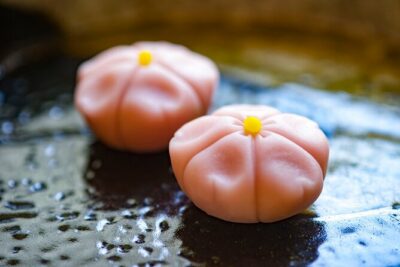
Matcha Making Class in Osaka with Authentic Japanese Sweets Set
Read our review →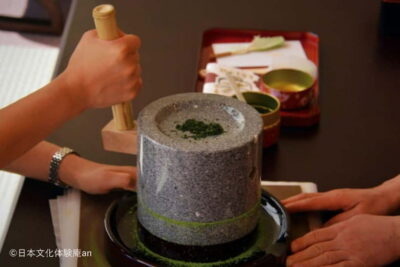
Japanese Traditional Sweets Making and Tea Ceremony
Read our review →
Nagoya: Japanese Traditional Sweets making and Tea Ceremony
Read our review →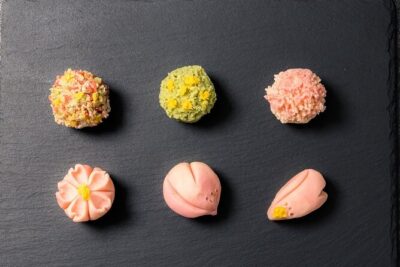
Sweets Making and Kimono Tea Ceremony at Tokyo Maikoya
Read our review →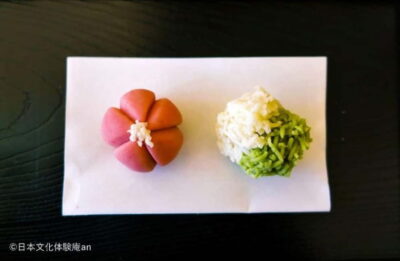
Japanese Traditional Sweets making and Tea Ceremony
Read our review →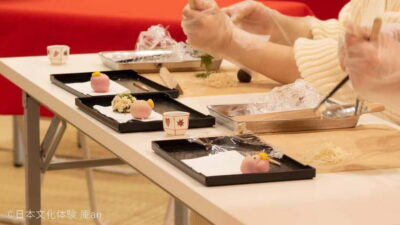
Two Types of Japanese Sweets Making and Tea Ceremony
Read our review →Browse the lists this tour appears in