
Review · TOKYO
Tokyo: Tea Ceremony Experience in Asakusa
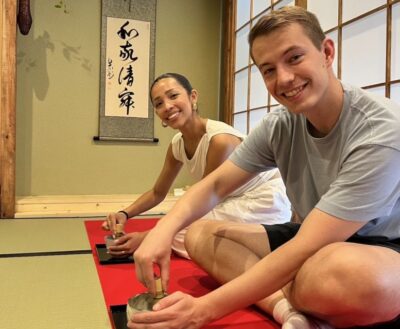
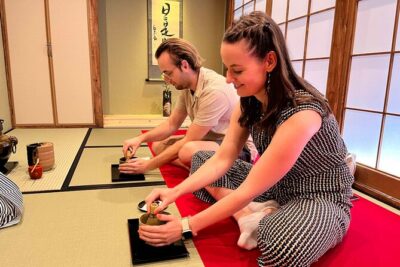
A bowl of matcha can tell you a surprising amount about Japan. In this relaxed Asakusa session, you learn how to whisk the tea yourself, taste it with a traditional sweet, and see why each small gesture matters. I like the hands-on preparation and the easy explanations from guides such as Midori and Kaz. I also like the chance to ask questions and take photos without the stiff rules of a formal ceremony.
The main consideration is time. One hour gives you a pleasant introduction, not a full study of tea culture. Kimono rental is not included, and the ceremony takes place in a building on the fifth floor rather than in a historic tea house.
Key points at a glance
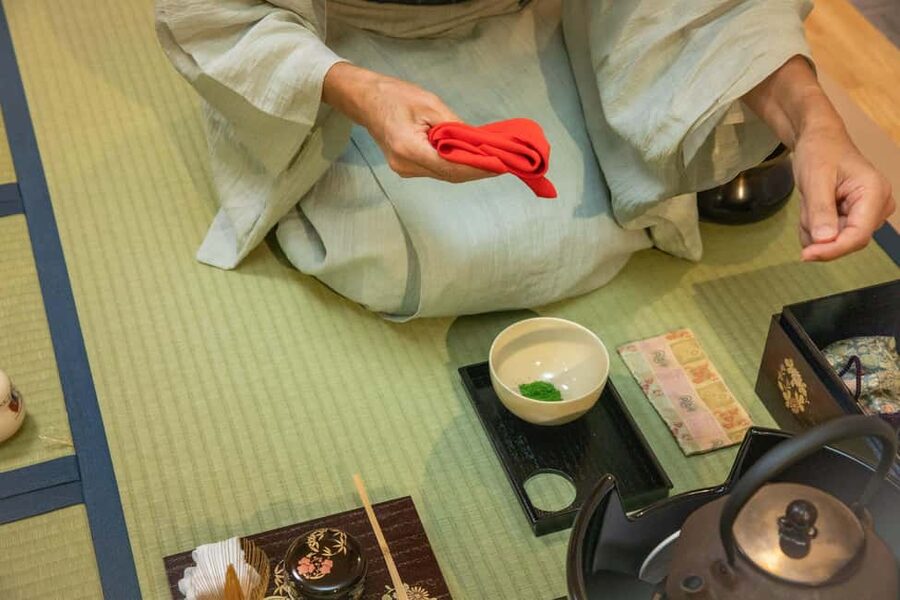
- You make your own bowl of matcha, following the method taught during the ceremony.
- The ceremony is designed for beginners, with the meaning of each action explained in English.
- Traditional Japanese sweets are included, giving you the classic matcha pairing.
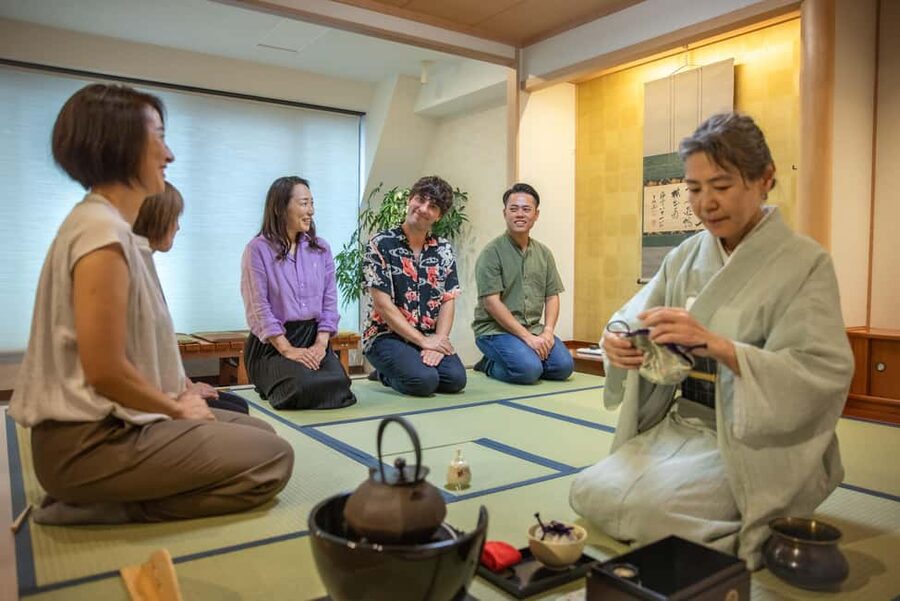
- Small groups are limited to eight people, so there is room for questions and individual help.
- The setting is relaxed and photo-friendly, without the strict formality of a more advanced tea school.
- The price is $25 for one hour, making it a modest-cost cultural activity in Asakusa.
What this Asakusa tea ceremony really offers
This is not a test of Japanese manners, and you do not need to know how to sit, bow, or handle a tea whisk before arriving. The host guides you through the process in English and explains what you are doing as you go.
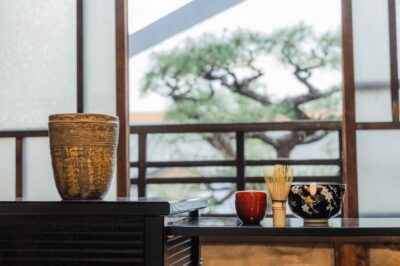
That beginner-friendly approach is the heart of the activity. You see how hot water, powdered green tea, a whisk, a bowl, and a sweet fit together. The point is not simply to drink matcha. It is to notice the care given to preparation, presentation, and hospitality.
I find this kind of short cultural activity useful early in a Tokyo visit. It gives you a small, clear window into Japanese customs without asking for half a day. It also slows the pace after the noise and movement of central Tokyo.
The session has earned a perfect 5 rating from 36 verified bookings, with especially strong praise for its peaceful mood, clear teaching, and friendly hosts. One guide, Midori, is described as warm and kind, while Kaz receives praise for helping participants learn the steps and prepare matcha themselves. The repeated message is simple: you are there to take part, not just watch.
More Tea Ceremony Experiences in Tokyo:
- Kimono Tea Ceremony at Tokyo, Asakusa Maikoya
★ 5.0 · 638 reviews - Tokyo: Traditional Tea Ceremony with a Tea Master
★ 5.0 · 528 reviews - Tea Ceremony Workshop in Tokyo by the Experienced Instrucor
★ 5.0 · 189 reviews
Arriving at Tokyo Tourist Lounge Asakusa
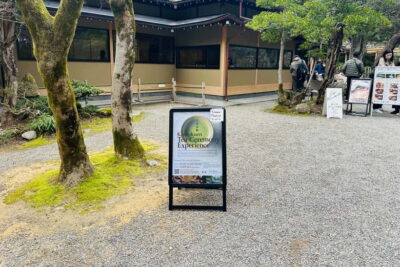
The meeting point is Tokyo Tourist Lounge Asakusa, located on the fifth floor of the building. Use the Google Maps app and type the full name into the search bar. The listed coordinates are 35.7103757, 139.796744.
This detail matters because a fifth-floor meeting point can be easy to miss if you are searching only by street address. I would save the location before leaving your hotel and allow a few extra minutes to find the correct entrance and lift.
The activity is wheelchair accessible. The information provided does not describe the building entrance, lift, or restroom setup in detail, so anyone with specific access needs should confirm those points before booking.
A calm introduction to matcha
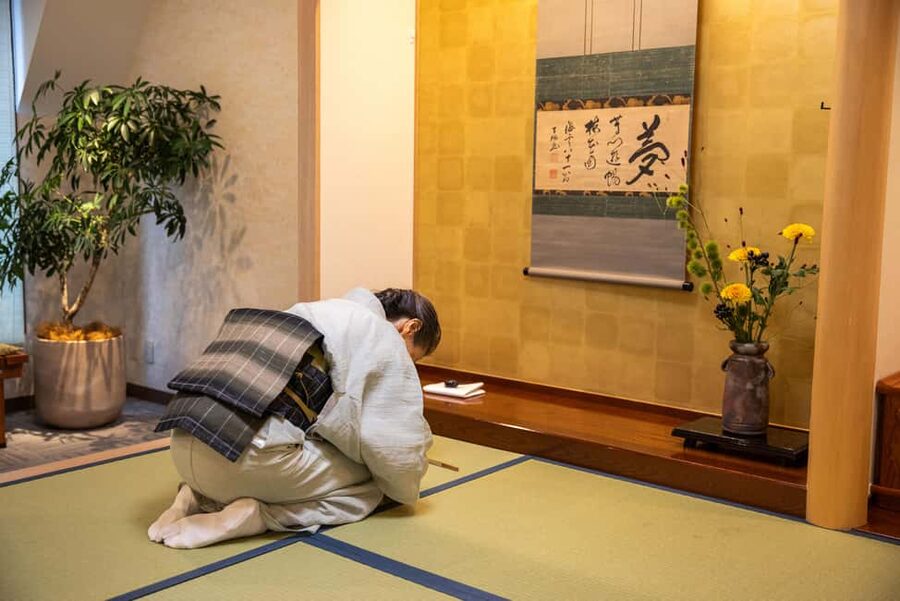
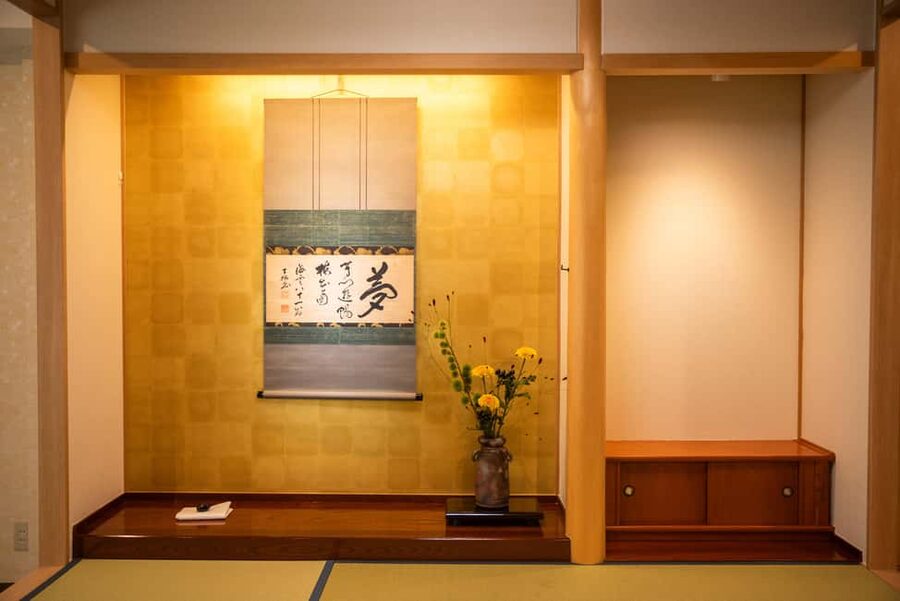
The host begins with an explanation of matcha and its place in Japanese society and culture. You learn where the tea comes from and why it is more than an everyday drink in this setting.
This opening is valuable because it gives the ceremony a frame. Without it, whisking green powder in a bowl can feel like a craft lesson. With the cultural background, the actions make more sense. You begin to see the ceremony as a practice built around attention, harmony, and hospitality.
The guide then explains the main gestures. You may hear why water is poured in a certain way, how the tea is presented, and what the host and participant are expressing through these movements. The teaching is described as clear and detailed, but the tone remains friendly rather than academic.
Do not expect a long lecture. The session lasts one hour, so the explanation is necessarily selective. That is a benefit if you want a first look at tea culture, but it may feel brief if you have already studied Japanese tea schools or want to explore their differences.
Watching the tea ceremony step by step
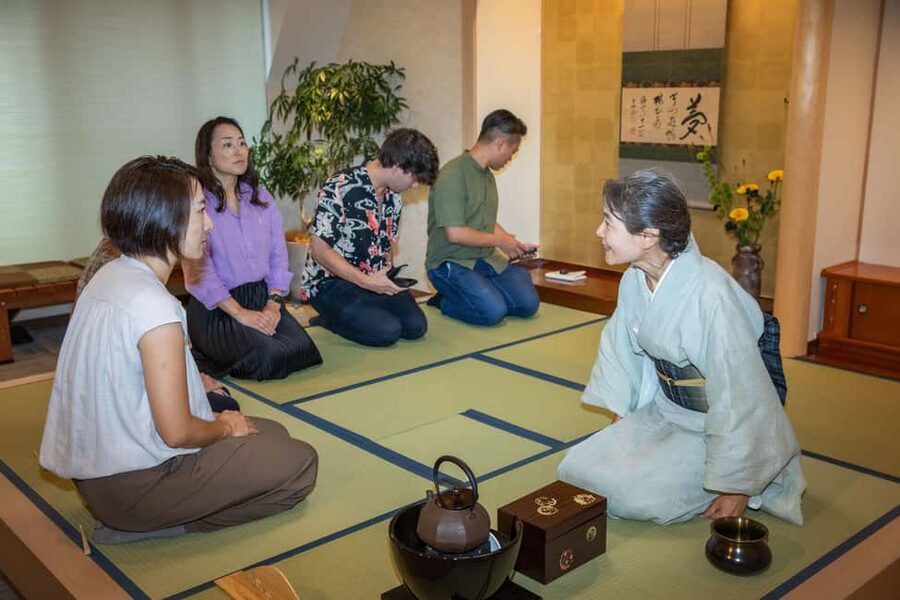
The ceremony itself gives you time to watch before you try. Your host prepares the matcha and explains the purpose of each part, from adding water to whisking and presenting the finished tea.
The pace is gentle. You sit comfortably while the guide shows the gestures, then connects them to Japanese ideas of respect and welcome. This creates a useful balance: you learn the form, but you are not expected to perform it perfectly.
I like that the experience does not treat mistakes as a problem. The wording of the activity makes clear that this is a relaxed version for curious beginners. You can ask questions during the session and take photos, which would not always be encouraged in a more formal tea ceremony.
Photography still deserves a little courtesy. Ask before photographing the guide or a particular moment, especially if the host is in the middle of a gesture. The relaxed policy means photos are welcome, not that every second should become a photo stop.
A few more tea experiences around Tokyo worth a look
- Dynamic Tokyo: Tokyo Tower, Tea Experience, Bay Cruise Day Tour
★ 4.5 · 521 reviews - Asakusa: Kimono Tea Ceremony with Matcha and Sweet
★ 4.9 · 153 reviews - Tokyo: Full-Day Tour w/Tea Experience,Buffet Lunch & Cruise
★ 4.9 · 151 reviews - Tea Ceremony Experience in a Private Tea Room in Shibuya
★ 4.9 · 125 reviews
Making your own bowl of matcha
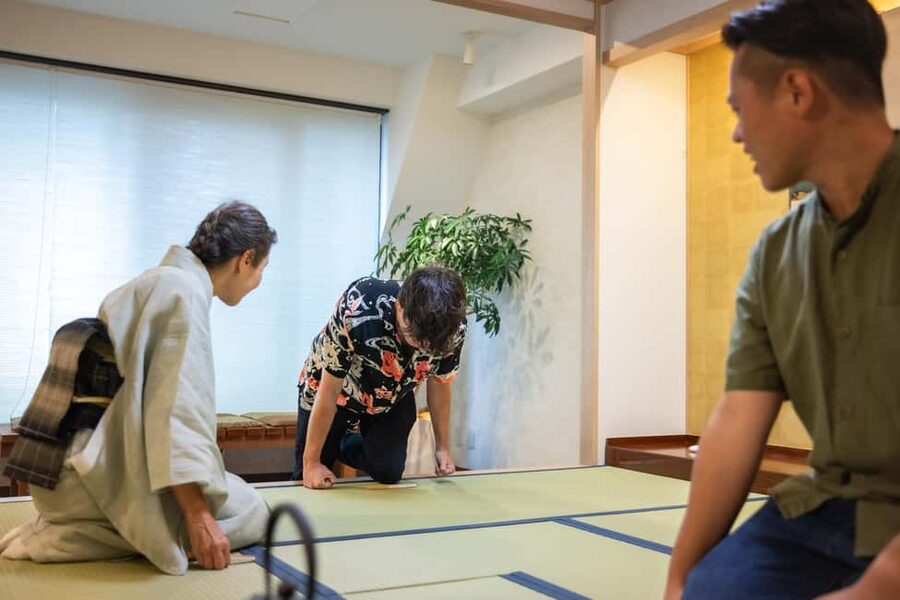
The most useful part comes when you prepare your own tea. After watching the host, you follow the same basic process and whisk a bowl of matcha for yourself.
This hands-on step gives the hour a clear purpose. You are not simply being shown a tradition. You are learning a small skill and putting it into practice immediately. The whisking motion may look simple, but getting the texture right takes attention.
You can then savor your matcha at your own pace. That matters because matcha has a distinct taste that not everyone loves at first. The activity gives you space to try it without rushing or feeling watched.
The instruction focuses on participation rather than perfection. You will not leave as a tea master, but you should understand the basic method and the care behind it. You also gain a better sense of why a bowl of matcha is prepared with such focus.
Traditional sweets and the taste of the ceremony
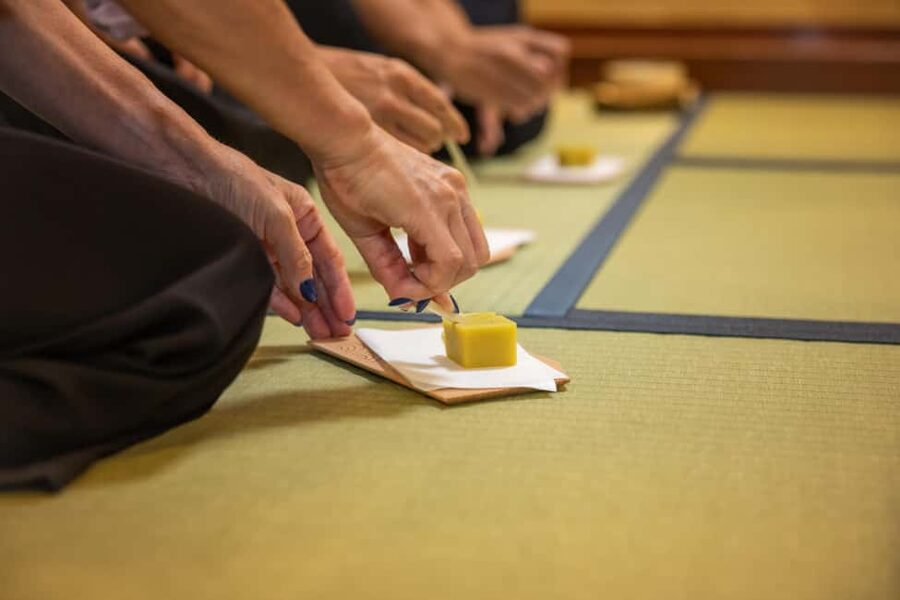
Traditional Japanese sweets are included with the tea. They are an important part of the experience, not just an extra snack.
The sweet pairing helps balance matcha’s strong, grassy taste. It also shows how the tea ceremony brings flavor, appearance, and timing together. You taste the sweet and tea as connected parts of one small ritual.
The supplied details do not specify the type of sweet or provide information about allergies. If you have dietary restrictions, ask the host before the session. Do not assume the sweet is suitable for every diet.
The tea itself is prepared fresh during the activity. You get to taste the guide’s preparation and then your own. That comparison can be useful, even if it is informal. Your bowl becomes part of the lesson.
Why the small group matters
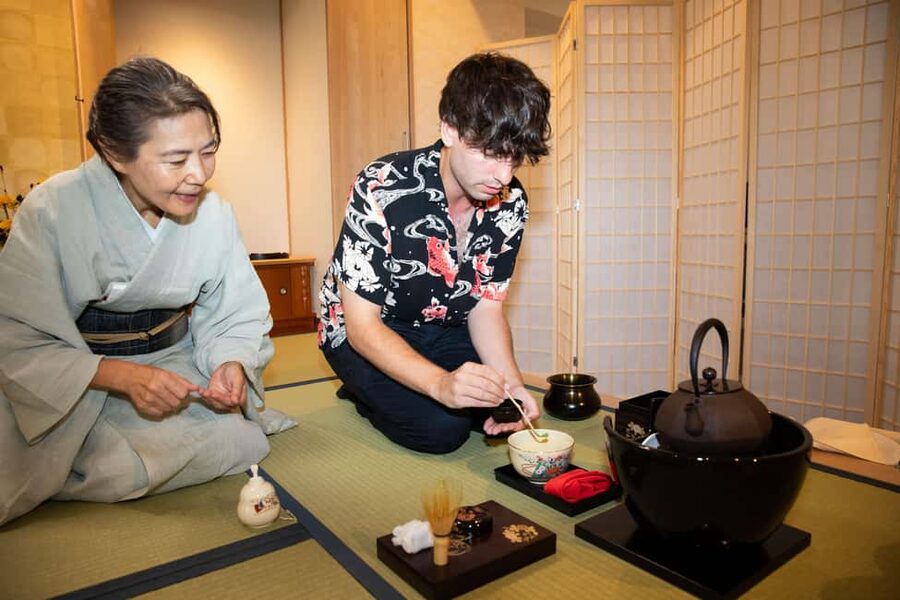
The group is limited to eight participants. That is a good size for a practical lesson because everyone should have a chance to see the demonstration and prepare tea.
A larger group could make the session feel like a show. With eight or fewer people, you can ask about a gesture, the tea, or the cultural background without shouting across a room. The guide can also give you a little help when you start whisking.
The small group does not guarantee a private class. You are still sharing the hour with other participants. If you want a highly personal, advanced lesson, this may not go far enough. For a first introduction, though, the size is well judged.
The English instruction is another practical advantage. You can follow the explanations without relying only on visual cues or translation. The guides praised in the supplied feedback, including Midori and Kaz, are described as friendly and clear in their teaching.
The relaxed rules make it easy to enjoy
Formal tea ceremonies can feel intimidating. There may be precise movements, special seating, set language, and rules about where to place your hands. This activity removes much of that pressure.
You can ask questions. You can take photos. You can try the gestures without worrying that a small error has ruined the ceremony. The host explains the meaning behind the actions, so you gain context rather than memorizing rules.
That makes the activity suitable for families, first-time visitors, couples, solo visitors, and anyone who wants a quiet hour between sightseeing stops. It is also a good option if you are curious about Japanese culture but do not want a long museum visit or a formal performance.
The relaxed format has a tradeoff. If you are hoping to experience the strict discipline of a traditional tea school, you may find this version simplified. It is best understood as an introduction with real participation, not as formal training.
Is $25 good value?
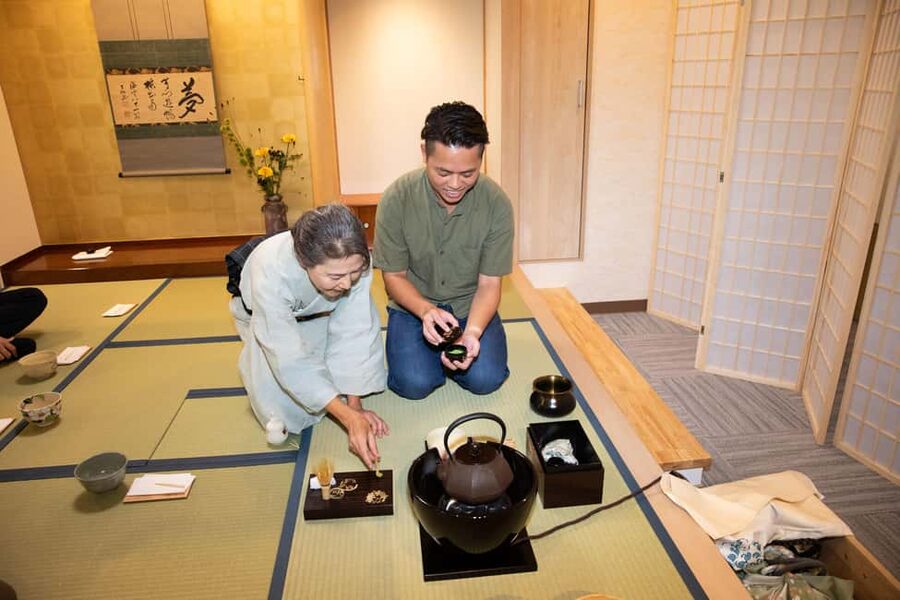
At $25 per person, the value is solid for a one-hour cultural activity in Tokyo. The price includes the tea ceremony, the matcha preparation lesson, traditional sweets, and English guidance.
The strongest value comes from the chance to make your own tea. A demonstration alone would be easier to forget. Taking part gives you a small memory and a practical understanding of how matcha is whisked.
The price also keeps the commitment low. You are not spending a large amount on an activity that may not suit your taste. If you discover that matcha or formal Japanese customs are not for you, the session ends after an hour and leaves the rest of your day free.
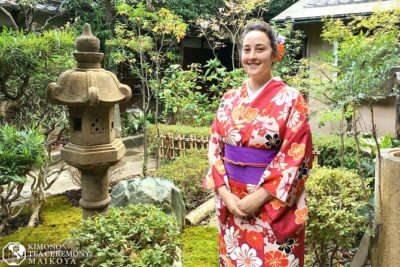
Kimono rental costs are not included. That keeps the basic price lower, but you should not book expecting a costume or staged photo session. The focus is tea, explanation, and participation.
The reserve-now-and-pay-later option can help if your Tokyo schedule is still changing. Free cancellation is available up to 24 hours before the activity for a full refund. Check the starting times when choosing a date, since the available schedule can vary.
Who should book this activity
I would choose this experience if you want a manageable introduction to Japanese tea culture in Asakusa. It suits you especially well if you prefer doing something rather than simply looking at an exhibit.
It is a good match for:
- First-time visitors who want a simple cultural activity
- Anyone curious about matcha preparation
- Couples or families seeking a calm hour
- Solo visitors who like asking questions in small groups
- People who want a low-cost activity between other Tokyo plans
- Visitors who prefer English instruction
You may want a different experience if you want to wear a kimono, study several tea schools, or take part in a long, highly formal ceremony. None of those are promised here.
The one-hour length also makes it easy to fit into a day in Asakusa. Still, avoid booking it when you are rushing to a train or another timed attraction. A calm activity works best when you give yourself time to arrive, settle in, and pay attention.
Practical tips for your one-hour session
Save the meeting point in Google Maps before you set out. Search for Tokyo Tourist Lounge Asakusa and remember that it is on the fifth floor.
Arrive with enough time to find the building. The provided information does not state a required arrival time, so follow the booking instructions you receive after reserving.
Wear something comfortable for sitting and using a tea whisk. The activity does not list a dress code, but simple clothing will let you focus on the lesson.
Bring questions. The host welcomes them, and the cultural explanations are one of the best reasons to choose this activity over simply ordering a matcha drink at a café.
If you want photos, take them thoughtfully. The session allows photography, but the ceremony still depends on calm attention.
Finally, remember that matcha has a strong flavor. The traditional sweet helps balance it, but the experience is about trying something prepared in a particular way, not ordering a customized drink.
Should you book the Asakusa tea ceremony?
Book it if you want a friendly, hands-on introduction to Japanese tea culture at a reasonable price. The small group, English instruction, traditional sweet, and chance to whisk your own matcha give the hour real substance.
I would especially recommend it to first-time visitors and anyone who finds formal ceremonies a little intimidating. The guides, including Midori and Kaz, focus on clear explanations and encouragement, and the activity gives you room to ask questions and take photos.
Skip it if your main goal is kimono rental or a long, strict ceremony. For everyone else, this is a simple way to slow down in Asakusa and leave with more than a cup of green tea. You leave knowing what you did, why it mattered, and how to prepare a bowl for yourself.
FAQ
How long does the tea ceremony experience last?
The activity lasts one hour.
How much does the experience cost?
The listed price is $25 per person.
Where is the meeting point?
Meet at Tokyo Tourist Lounge Asakusa, located on the fifth floor of the building.
How can I find the meeting point?
Use the Google Maps app and search for Tokyo Tourist Lounge Asakusa. The listed coordinates are 35.7103757, 139.796744.
What language is the experience offered in?
The instructor provides the experience in English.
Is the activity suitable for beginners?
Yes. It is a relaxed version designed for beginners and curious people, with explanations of the meaning behind each step.
Will I get to make my own matcha?
Yes. You learn how to whisk matcha and prepare your own bowl during the session.
Are traditional Japanese sweets included?
Yes. Traditional Japanese sweets are included.
Is kimono rental included?
No. Kimono rental is not included.
Can I take photos and ask questions?
Yes. You are welcome to take photos and ask questions during the relaxed session.
How many people can join the group?
The small group is limited to eight participants.
Is the activity wheelchair accessible?
Yes. The activity is listed as wheelchair accessible.
Can I cancel for a full refund?
Yes. You can cancel up to 24 hours in advance for a full refund.
Can I reserve now and pay later?
Yes. The reserve-now-and-pay-later option lets you book without paying immediately.
Just added around Tokyo
- Yokohama : Tea Ceremony with Sweets and Souvenir★ 5.0 · 5 reviews
- Walking Tour: Yanaka,Nezu& Sendagi: Tea Ceremony & Old Tokyo★ 5.0 · 3 reviews
- 2 Hours Mochi &Nerikiri Making & Matcha Class in Bunkyo★ 5.0 · 21 reviews
- Private Kimono and tea ceremony at local home near Tokyo Disney★ 5.0 · 6 reviews
- Private Mochi・Matcha sweets Making Class Near Shibuya Area★ 5.0 · 22 reviews
- Tokyo Sweets Tour: Hidden Gems & Matcha at an Old Tea House★ 5.0 · 6 reviews
- Giant Sushi Cooking Class: Make a 1.5m Sushi Roll in Tokyo★ 5.0 · 9 reviews
- Tokyo Tea Ceremony Class at a Traditional Tea Room★ 5.0 · 2 reviews
Tea Ceremony Experiences, compared.
Tea Ceremony in a Traditional Tea House in Kiyomizu
Read our review →
Browse the lists this tour appears in