
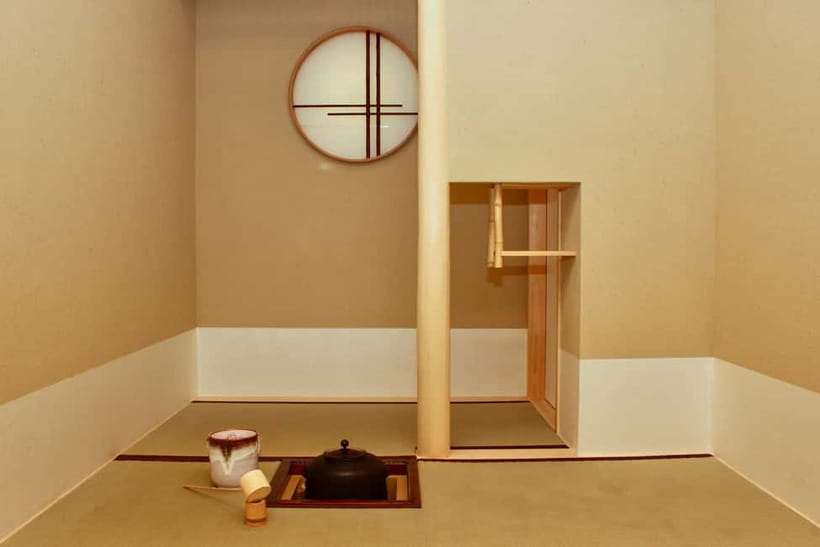
Review · TOKYO
Tokyo: Tea Ceremony in Shibuya Tokyo
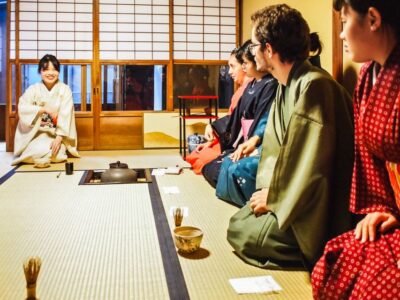
The heart of this experience is simple: you enter a private tea room in Shibuya, learn why each movement matters, then prepare your own bowl of matcha. It is not just a photo stop. You receive an explanation of tea ceremony history and etiquette, watch a full Otemae demonstration, and take part yourself.
I like the small group size, one to four people, and the fact that your group has the room to itself. I also like the practical teaching style, with English-speaking instructors and time to taste Japanese sweets before making tea. The main consideration is that kimono rental costs extra, and the exact class length and available plans should be confirmed before booking.
Key points to know
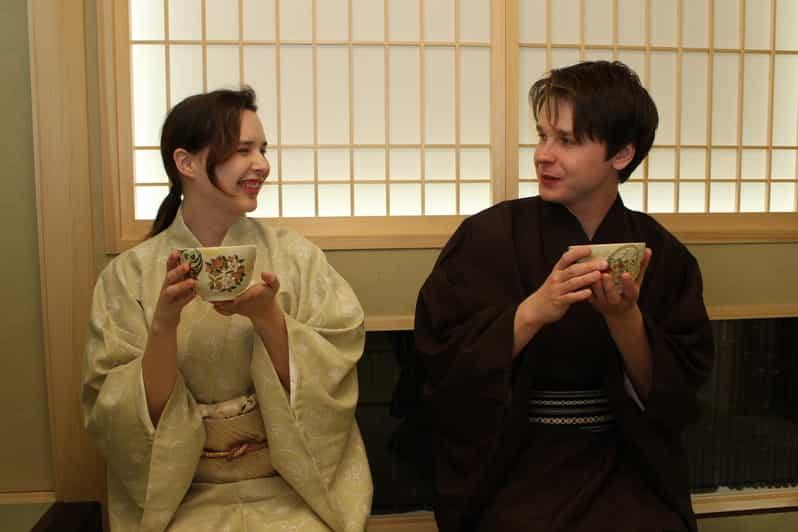
- Private groups of one to four: You do not share the class with strangers, making it a good fit for families, couples, or friends.
- English-speaking instruction: The teacher explains the ceremony, its customs, and the steps for making matcha.
- You make your own tea: After watching Otemae, you prepare matcha yourself and drink it with traditional Japanese sweets.
- A calm cultural stop in Shibuya: The tea room offers a quieter change of pace from the district’s shops and crowds.
- Optional kimono rental: You may wear a kimono during the ceremony, but this carries an additional charge.
- Useful included costs: Tea, sweets, facility fees, and taxes are included in the $81 price per person.
Entering a private tea room in Shibuya
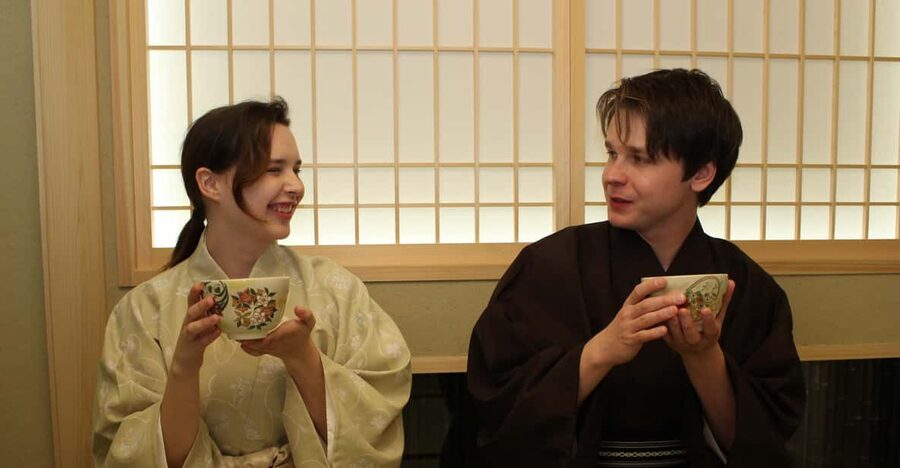
Shibuya is known for its giant crossing, neon signs, department stores, and youthful energy. A tea ceremony gives you a very different hour or so: slower, quieter, and built around careful gestures rather than quick sightseeing.
This class takes place in a prestigious tea room, according to the supplied details, with an English-speaking teacher guiding your group. The private format matters. You can ask questions without worrying about holding up a larger class, and children or first-time participants can follow the pace more comfortably.
The booking size runs from one person to four people. That makes the experience unusually adaptable. A solo visitor can have a focused introduction, while a family or small group can share the preparation and tasting together. There is no mixed session with unrelated people.
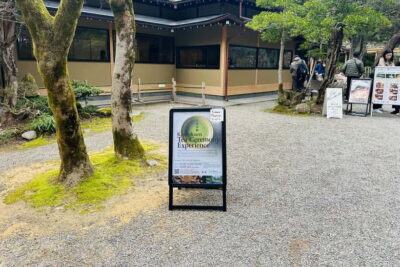
The exact meeting arrangements are not fully detailed, so you should confirm the location and timing before booking. Pick-up service is available if needed, but you must contact the provider by email in advance at [email protected]. Do not assume that pick-up happens automatically just because it is available.
More Tea Ceremony Experiences in Tokyo:
- Kimono Tea Ceremony at Tokyo, Asakusa Maikoya
★ 5.0 · 638 reviews - Tokyo: Traditional Tea Ceremony with a Tea Master
★ 5.0 · 528 reviews - Tea Ceremony Workshop in Tokyo by the Experienced Instrucor
★ 5.0 · 189 reviews
The opening explanation: history, etiquette, and purpose
The class begins with an explanation of the tea ceremony, its background, and the etiquette you need to follow. This part helps you understand why the ceremony is more than simply whisking green tea.
Japanese tea ceremony places value on attention, respect, and the setting. The order of actions, the handling of utensils, and the way tea is offered all have meaning. You do not need prior knowledge, and the English instruction removes much of the guesswork.
This is also the time to ask practical questions. You can clarify how to sit, how to receive the bowl, and how to drink the matcha politely. The class is designed for beginners, so you are not expected to know the formal rules before arriving.
One useful clothing note: you should wear a skirt or pants long enough to cover your knees. If your clothing is not suitable, the provider says it can lend you pants or a wrap skirt at no charge. That is a helpful detail, particularly if you have planned a full day of sightseeing and are not dressed for sitting in a tea room.
Watching Otemae before making matcha
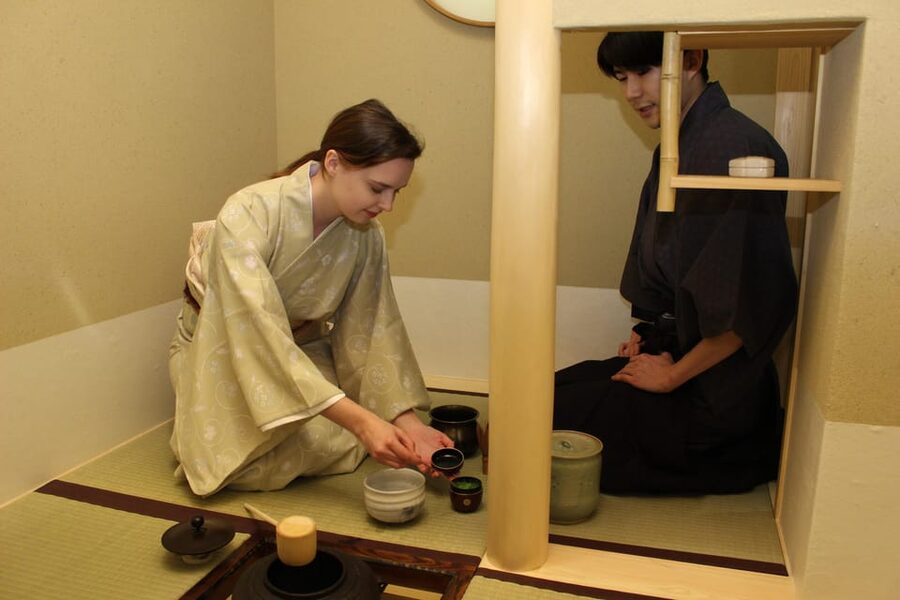
The teacher then demonstrates Otemae, the formal preparation of tea. Watch the sequence closely. The value of the demonstration is not only the finished bowl of matcha, but also the way the teacher handles the tools and moves through each step.
The class is led by an experienced tea teacher who speaks English. One instructor named in the supplied information is Mako-san, described as a charming and well-informed host. Other teachers may lead the session, so you should not book on the assumption that Mako-san will always be present.
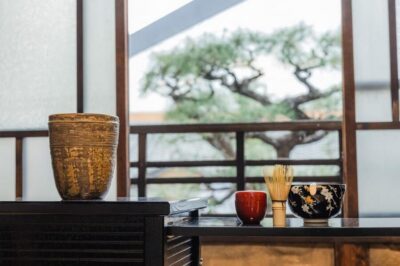
A demonstration gives you a clear model before your turn. You can see how the tea is measured, whisked, and presented, then copy the method with guidance. That makes the activity more engaging than simply watching someone else prepare tea for you.
The pace also appears suited to first-time participants. One available shorter plan lasts about one hour, and the instruction is described as calm and unhurried. Since the website offers more dates and plans, confirm the duration of the option you select. A one-hour class works well between Shibuya activities, while a longer plan may give you more time for questions and photos.
Tasting Japanese sweets before your tea
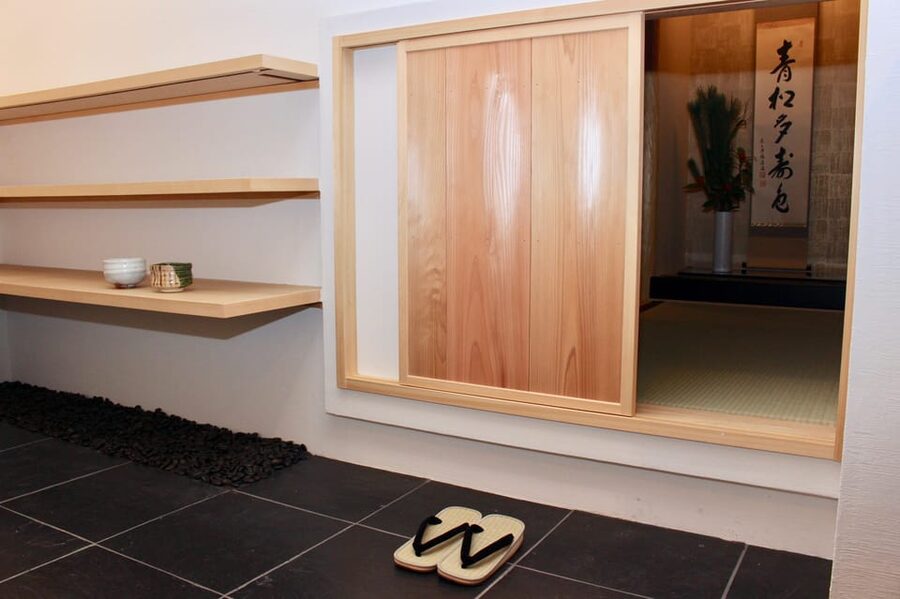
Before making your matcha, you taste traditional Japanese sweets. This is not just a snack added to the booking. The sweet helps balance matcha’s strong, grassy bitterness and prepares your palate for the tea.
Expect a small tasting rather than a meal. The supplied details do not specify the exact sweet served, so I would not plan this as a substitute for lunch or dessert. It is best understood as part of the ceremony and a lesson in how tea and sweets work together.
This stage also gives you a moment to settle into the room. The activity is built around small details, and the sweet tasting helps you shift away from Shibuya’s fast pace. If you enjoy food culture, this is one of the most useful parts because it connects flavor with custom.
A few more tea experiences around Tokyo worth a look
- Dynamic Tokyo: Tokyo Tower, Tea Experience, Bay Cruise Day Tour
★ 4.5 · 521 reviews - Asakusa: Kimono Tea Ceremony with Matcha and Sweet
★ 4.9 · 153 reviews - Tokyo: Full-Day Tour w/Tea Experience,Buffet Lunch & Cruise
★ 4.9 · 151 reviews - Tea Ceremony Experience in a Private Tea Room in Shibuya
★ 4.9 · 125 reviews
Making your own matcha
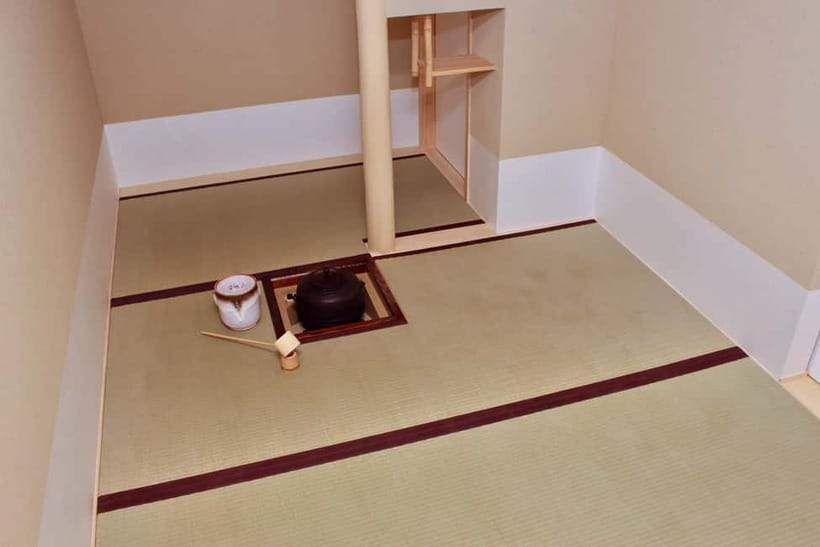
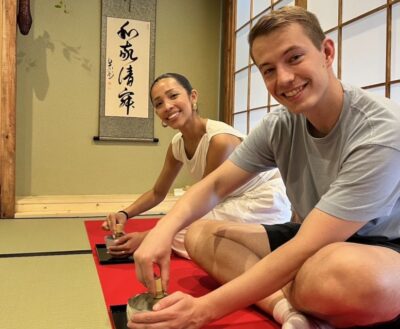
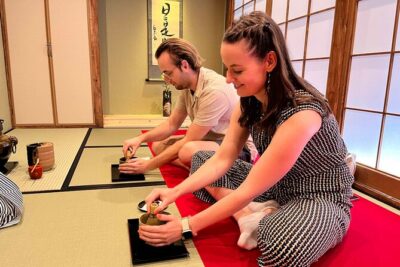
After the demonstration, you make your own bowl of matcha. The teacher guides you through the process, so you are not left to guess how much to use or how to whisk it.
This hands-on step is the main reason to choose this experience instead of a simple tea tasting. You learn by doing. Your bowl may not look exactly like the teacher’s, and that is part of the fun. The activity gives you a practical sense of how much control and care go into preparing a single serving.
You then taste your own tea with the Japanese sweet. Matcha can surprise first-time drinkers because it is earthy and more bitter than ordinary green tea. The sweet provides contrast, and the teacher can explain the proper way to enjoy the combination.
The class does not require you to bring equipment or ingredients. Tea, sweets, facility charges, and taxes are included in the listed $81 per-person price. That makes the cost easier to judge because the main parts of the session are bundled together rather than added one by one.
Kimono rental and souvenir shopping
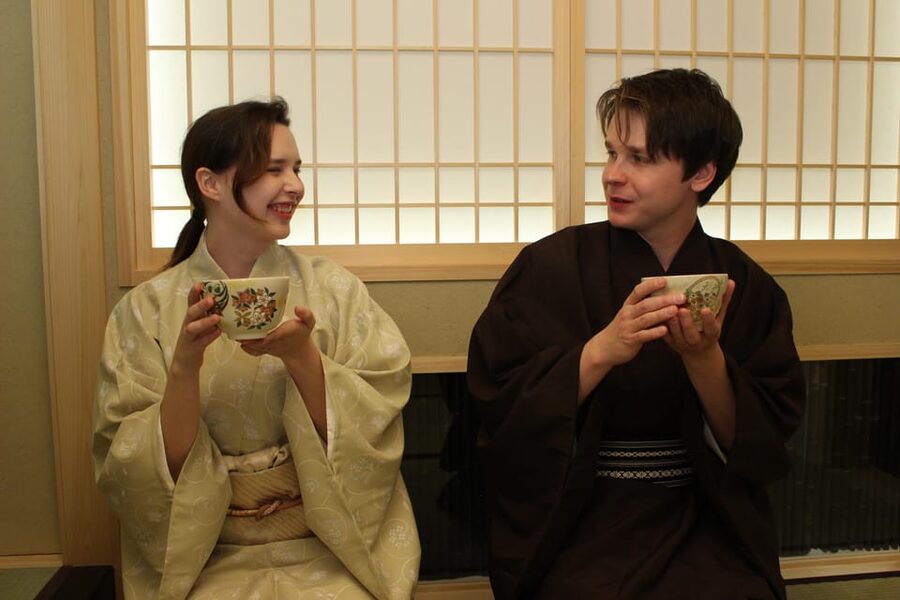
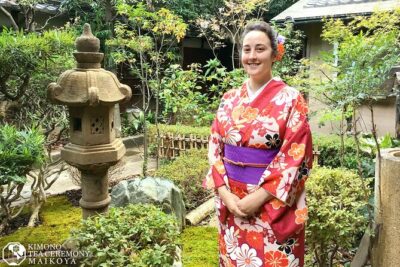
You can wear a kimono during the ceremony for an additional fee. One participant chose this option and found that it added to the cultural feel of the activity. It also makes the experience more visual, particularly if you want photographs of your group in the tea room.
I would treat kimono rental as an optional extra, not a required part of the class. The tea lesson remains the central activity, and you can take part in ordinary clothing as long as your knees are covered. Ask about the extra price before booking if you want the full dress-up experience.
The activity also offers souvenirs made from kimono material, including Pokémon items. This is a distinctive shopping detail. Instead of buying a generic Tokyo trinket, you may find a small object that combines Japanese textile tradition with a familiar character.
The supplied information does not give a full souvenir price list or guarantee that every item will be available on every date. Consider it an optional chance to browse rather than a promised part of the lesson.
What the $81 price gets you
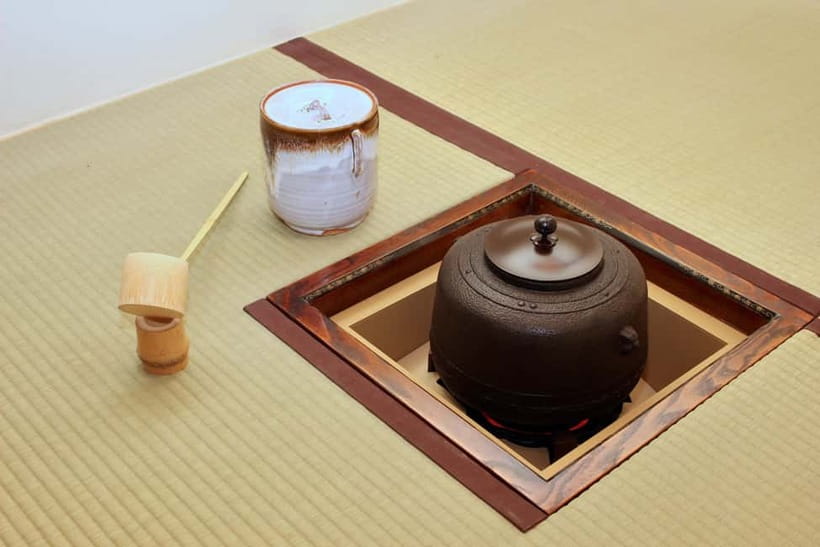
At $81 per person, this is not the cheapest way to taste matcha in Tokyo. You are paying for a private room, an English-speaking teacher, cultural explanation, a demonstration, hands-on preparation, Japanese sweets, and the facility costs.
The private format is the key value. A public class might cost less, but you would have less control over the pace and fewer chances to ask questions. For a small family or a group of friends, the price buys a shared cultural activity rather than four separate tourist stops.
The value is strongest if you want context. A cup of matcha alone is easy to find, but it will not usually explain the etiquette, the order of the ceremony, or the reason for the formal movements. Here, you leave with a better understanding of what you have seen.
The price is less compelling if you only want a quick drink or a photo in traditional clothing. Kimono rental is extra, and a souvenir purchase is also separate. Add those costs only if they matter to your plans.
Who will enjoy this class most
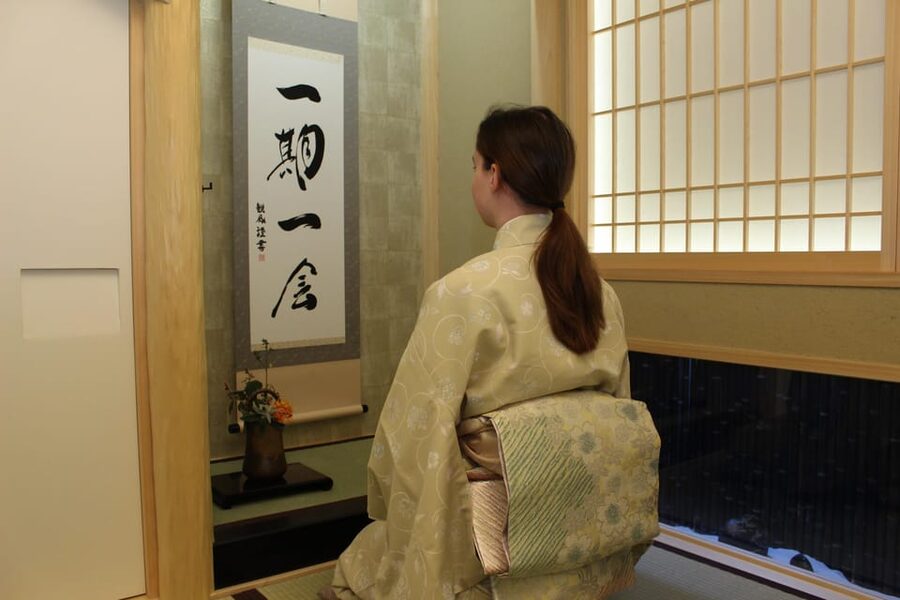
I would recommend this experience to first-time visitors who want a manageable introduction to Japanese culture. It suits couples, families, and small groups who prefer a private setting over a large workshop.
It is also a good choice for people who enjoy learning through participation. You are not simply watching a host make tea. You listen, observe, prepare your own matcha, and taste the result.
Families should appreciate the maximum group size of four, though parents should decide if their children will enjoy a quiet activity with formal steps. The private room gives you more freedom than a large shared class, but the ceremony still requires attention and respect.
Solo visitors can book as well. A private session for one may feel more personal, though the price per person remains $81. If your priority is meeting other people, this format may not suit you because the class is deliberately private.
What to check before you book
The class is conducted in English, which is a major help if you want the cultural explanation rather than a silent demonstration. Still, ask about the exact plan you are booking because the provider offers more than one date and format.
Confirm these details before payment:
- The class duration and start time
- The exact meeting location in Shibuya
- Whether pick-up is needed and how to arrange it
- The additional price for kimono rental
- Which teacher is scheduled for your date
- Any clothing concerns, especially skirt or trouser length
You can reserve and pay later, and cancellation is allowed up to 24 hours before the experience for a full refund. The provider says booking and payment must be completed in advance, so check the booking terms for your selected date rather than arriving without a reservation.
Should you book this Shibuya tea ceremony?
Book it if you want a private, beginner-friendly cultural lesson with English instruction and real participation. The best parts are the small group size, the calm demonstration, the chance to prepare your own matcha, and the traditional sweet served with it.
The $81 price makes sense for a couple or family that values personal attention and wants more than a quick tea tasting. It is also a good way to add a quiet hour to a busy Shibuya schedule.
Skip it if you only want a low-cost beverage, a long kimono photo session, or a social class with a larger group. For everyone else, this is a clear and well-contained introduction to tea ceremony, with enough hands-on practice to make the custom memorable.
FAQ
Where does the tea ceremony take place?
The experience takes place in Shibuya, Tokyo, on Honshu, in a prestigious tea room.
How many people can join one booking?
Each booking is private and can include from one to four people. Groups are not mixed with unrelated participants.
Is the class taught in English?
Yes. The classes are led by English-speaking teachers experienced in tea ceremony.
What happens during the class?
You receive an explanation of tea ceremony history and etiquette, watch a teacher demonstrate Otemae, make your own matcha, and taste the tea with traditional Japanese sweets.
Is kimono rental included?
No. You may wear a kimono during the ceremony, but an additional charge applies. Suitable pants or a wrap skirt can be lent to you free of charge if your clothing does not cover your knees.
What is included in the $81 price?
Tea, traditional sweets, facility charges, and taxes are included. Pick-up service is available if needed, but you should contact the provider by email before booking to arrange it.
Just added around Tokyo
- Yokohama : Tea Ceremony with Sweets and Souvenir★ 5.0 · 5 reviews
- Walking Tour: Yanaka,Nezu& Sendagi: Tea Ceremony & Old Tokyo★ 5.0 · 3 reviews
- Private Kimono and tea ceremony at local home near Tokyo Disney★ 5.0 · 6 reviews
- Private Mochi・Matcha sweets Making Class Near Shibuya Area★ 5.0 · 22 reviews
- 2 Hours Mochi &Nerikiri Making & Matcha Class in Bunkyo★ 5.0 · 21 reviews
- Tokyo Sweets Tour: Hidden Gems & Matcha at an Old Tea House★ 5.0 · 6 reviews
- Giant Sushi Cooking Class: Make a 1.5m Sushi Roll in Tokyo★ 5.0 · 9 reviews
- Tokyo Tea Ceremony Class at a Traditional Tea Room★ 5.0 · 2 reviews
Tea Ceremony Experiences, compared.
Tea Ceremony in a Traditional Tea House in Kiyomizu
Read our review →
Browse the lists this tour appears in