
Review · JAPAN
Tokyo: Tea Ceremony & Japanese Traditional Sweets
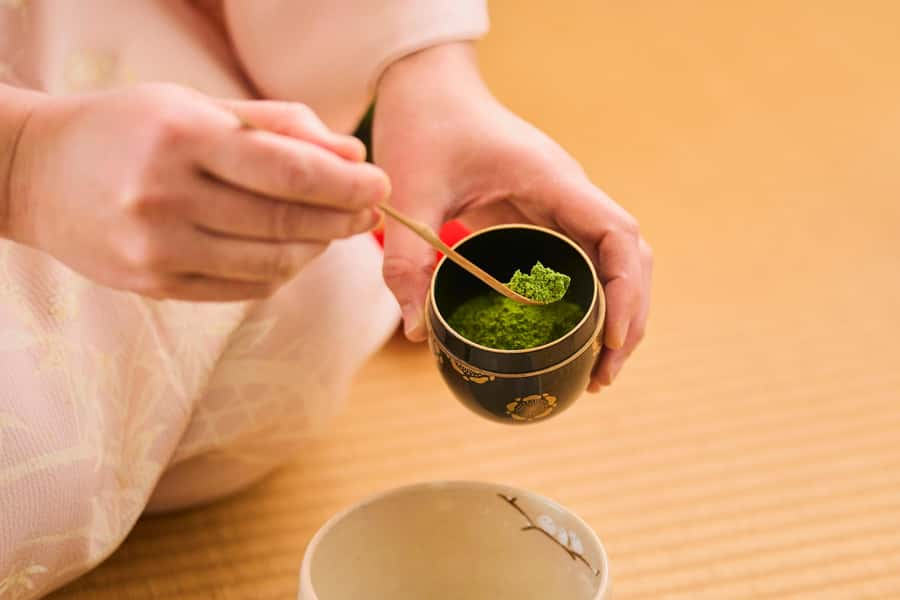
Tokyo’s tea culture becomes much easier to understand when you are not just watching. Here, a licensed tea master first performs the graceful Otemae demonstration, then shows you how to whisk your own matcha and make seasonal nerikiri sweets.
I like the hands-on format, and I like the calm one-hour length. The English explanations make the ritual approachable, while the small group keeps the lesson personal. The main limitation is that this is a short introduction, not a full study of tea ceremony, and the session is conducted in English only.
Key things to know before you book
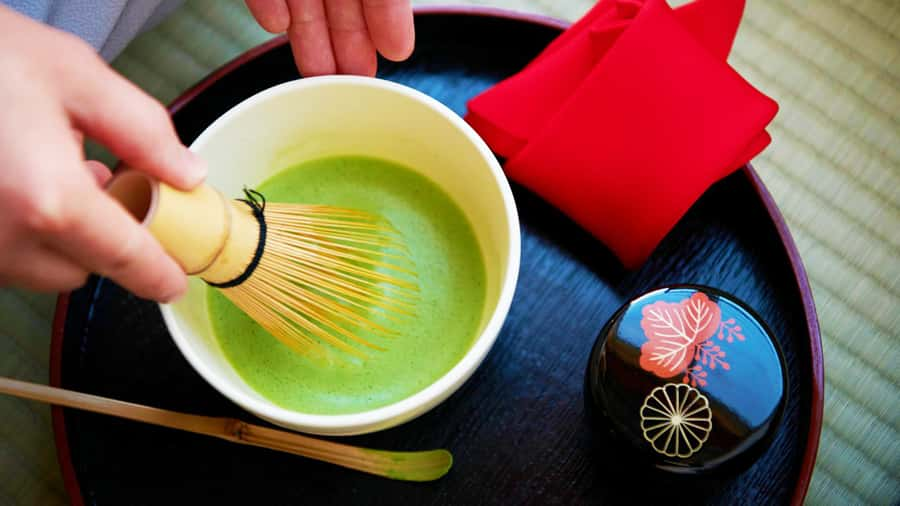
- You make your own matcha: Learn the basic whisking method, then taste the tea you prepare.
- You shape seasonal nerikiri: Craft a Japanese sweet with colors and forms linked to seasonal flowers or motifs.
- A licensed tea master leads the ceremony: The instructor has more than 10 years of experience.
- The Otemae demonstration comes first: Watch the formal preparation before trying the movements yourself.
- The group is limited to 10 people: That gives the English-speaking host room to answer questions and offer help.
- The location is near Hakusan Station: The studio is about a five-minute walk from Toei Mita Line Hakusan Station.
A quiet hour with matcha and handmade sweets
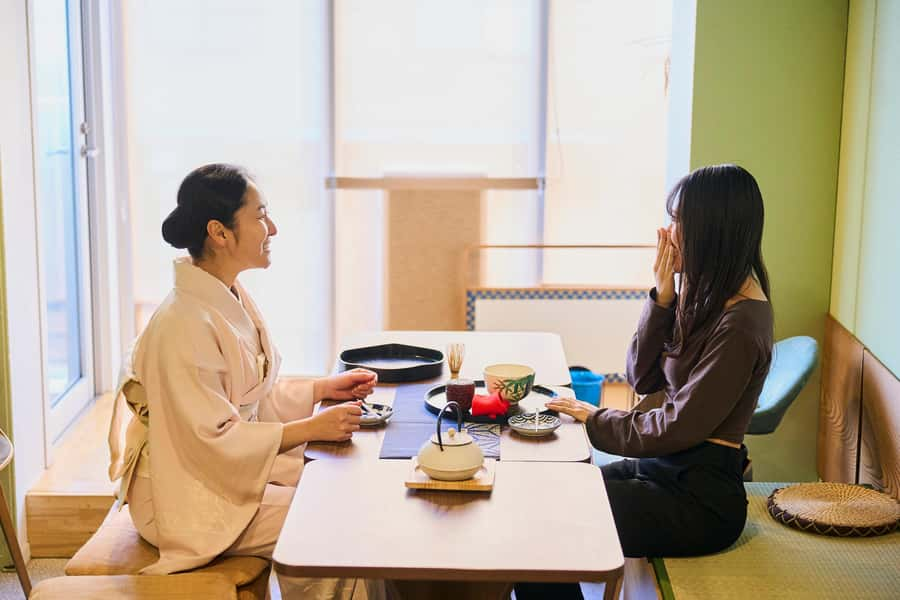
Tokyo can be loud, fast, and crowded. This experience offers a useful change of pace: one focused hour devoted to tea, sweets, and careful movement.
You begin with an introduction to traditional tea ceremony. The English-speaking host explains what you are seeing and helps connect the gestures to the wider practice. That matters because tea ceremony can look mysterious when you do not know why each action is performed.
The goal is not to turn you into a tea master in 60 minutes. Instead, you get a clear first look at the discipline behind the ritual, followed by two practical activities. You prepare matcha and shape nerikiri, so the hour has both a viewing element and a making element.
I especially like this balance. Some cultural activities leave you watching from the sidelines. Here, you get to handle the tools, work with the ingredients, and taste the result.
More Japanese Sweets and Tea Sessions in Japan:
- Matcha Making Class in Tokyo with Authentic Japanese Sweets Set
★ 5.0 · 744 reviews - Matcha Making Class in Osaka with Authentic Japanese Sweets Set
★ 5.0 · 509 reviews - Kyoto: Japanese Traditional Sweets Making and Tea Ceremony
★ 4.4 · 314 reviews
Watching the Otemae demonstration
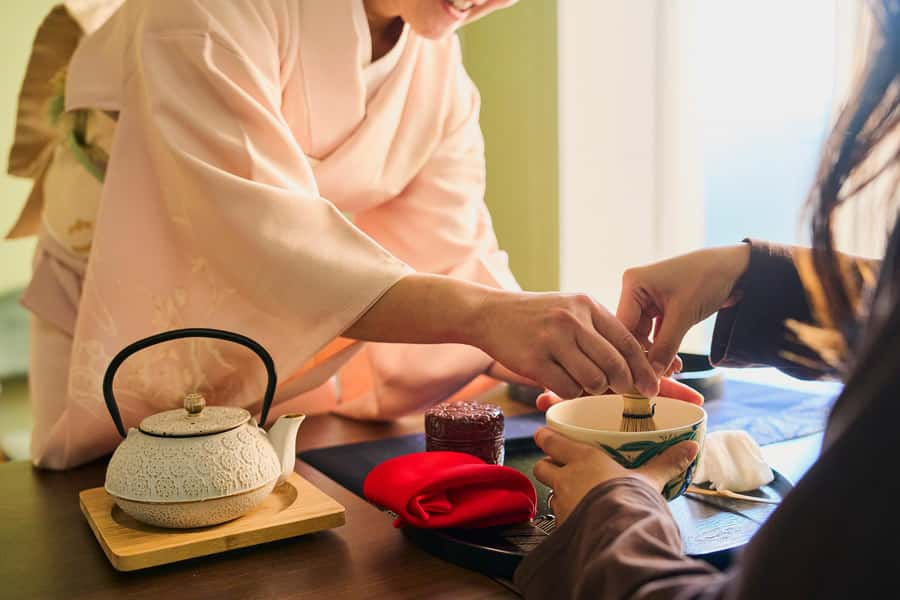
The formal tea preparation is called Otemae. The tea master demonstrates the process with controlled, deliberate movements, giving you time to notice the order and care involved.
This part is valuable even if you know little about Japanese tea. You can watch the rhythm of the preparation before trying it yourself. The ceremony is not simply about making a drink. The gestures, pace, and presentation help show how much attention is given to a shared bowl of tea.
The English host provides explanations as the demonstration unfolds. Clear guidance is one of the strongest parts of this activity, particularly for a first visit. You are not left to guess what is happening or why the movements matter.
The experience has received a 4.9 rating from 21 reviews, with repeated praise for the instructor’s kindness, clear help, and useful answers. One particularly useful detail is that the guide offers assistance when you need it rather than expecting you to copy every movement perfectly on the first try.
That makes the demonstration less intimidating. You can watch carefully, ask questions, and then approach your own attempt with a better sense of what to do.
Whisking your own bowl of matcha
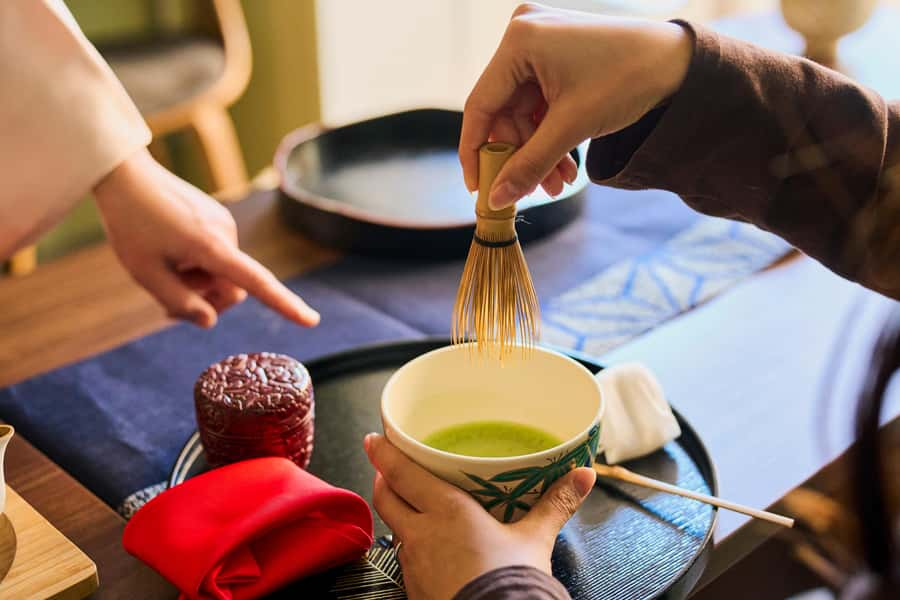
After watching the tea master, you prepare your own matcha. This is the point where the ceremony becomes personal. You are no longer only observing the finished ritual. You are learning the basic action that produces the tea.
Matcha has a concentrated flavor and a different character from ordinary brewed tea. The experience gives you the chance to taste it freshly prepared, after whisking it yourself. Your bowl may not look exactly like the tea master’s, and that is part of the lesson. You are practicing a technique, not taking an exam.
The host’s English explanations are important here. Small instructions can make a difference when you are learning an unfamiliar method, and the limited group size allows room for help. With no more than 10 participants, the session should feel more like a guided workshop than a large demonstration.
I would book this for anyone curious about matcha but unsure where to begin. You do not need prior knowledge of tea ceremony. You only need comfortable clothes and a willingness to follow the instructions.
Making seasonal nerikiri by hand
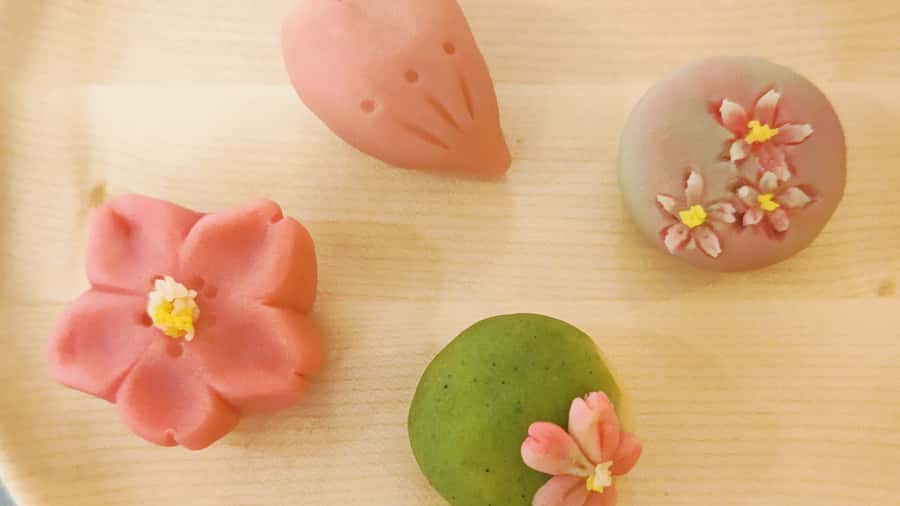
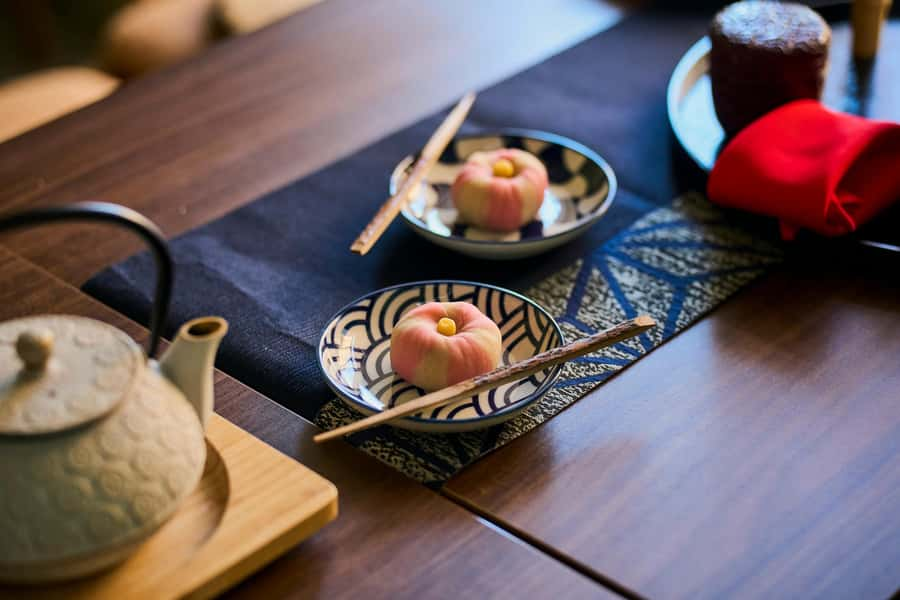
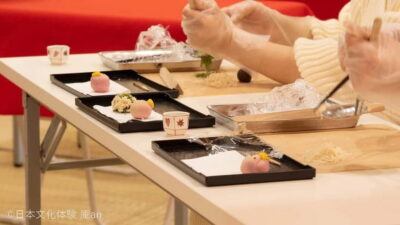
The second hands-on activity is making nerikiri, a traditional Japanese confection. These sweets are shaped with delicate forms and seasonal colors, often linked to flowers or other motifs from the time of year.
Nerikiri is more than a sugary side dish. Its appearance is part of the experience. The shape and color are designed to suggest the season, which gives the sweet a visual role before you even taste it.
You make your own confection during the class. The exact seasonal design can change, so the finished sweet may reflect the period of your visit. That changing element gives the activity a connection to the calendar rather than making it feel like a fixed craft lesson.
This is also a good reason to choose the experience over a simple matcha tasting. You get a second creative task, and the sweet you make is then paired with the tea you prepare.
The work may require patience. Nerikiri is associated with delicate shaping, and your first attempt might not look as polished as the tea master’s example. That is not a serious drawback, though. The point is to understand the care behind Japanese confectionery and enjoy the process.
More Tea Ceremony Experiences in Japan:
- Kyoto: Tea Ceremony in a Traditional Tea House in Kiyomizu
★ 4.9 · 3,519 reviews - Kyoto: Tea Ceremony Ju-An at Jotokuji Temple
★ 4.9 · 3,207 reviews - Kyoto: 45-Minute Tea Ceremony Lesson Experience
★ 4.3 · 2,378 reviews - Osaka: Tea Ceremony Experience
★ 4.9 · 1,426 reviews
Why the tea and sweet belong together
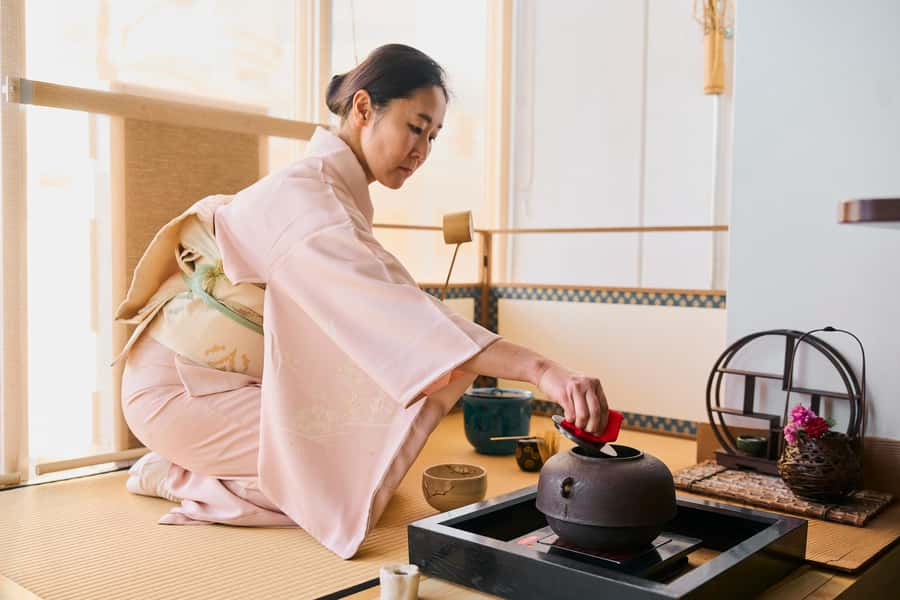
Matcha and nerikiri are meant to be enjoyed as a pair. The sweet gives you a gentle contrast to the tea’s strong, grassy flavor, while the tea keeps the confection from feeling overly sugary.
That pairing also shows how Japanese tea culture pays attention to balance. Taste, appearance, season, and presentation all have a place. In one hour, you get a small but useful example of how those elements work together.
I find this more rewarding than a quick photo opportunity. You leave with a better understanding of why the sweet is shaped carefully and why matcha is served alongside it.
The experience may appeal especially to people who enjoy food with a cultural story. You are not simply sampling a dessert. You are making one, learning how it relates to the season, and eating it with tea you have prepared.
A small-group class in Hakusan
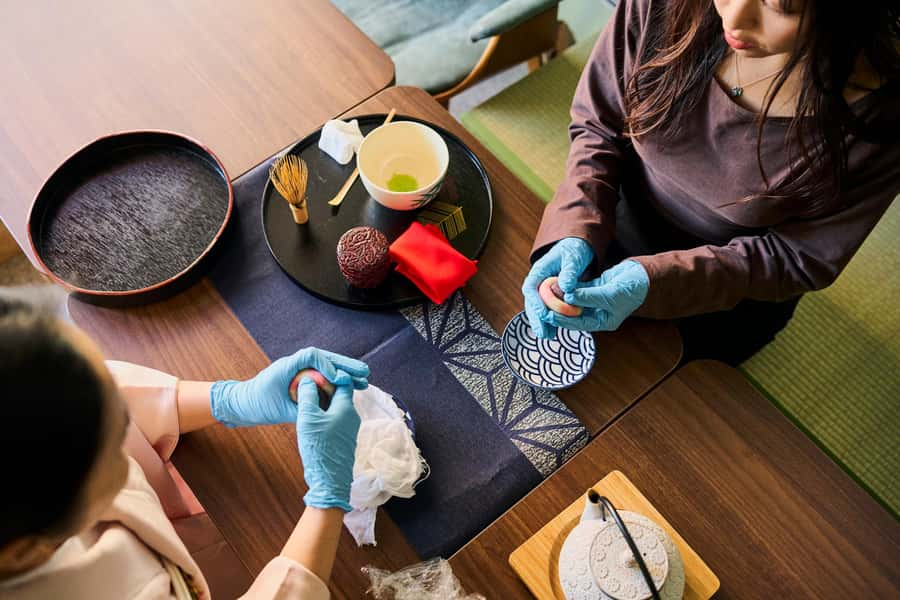
The meeting point is on the second floor of Phil Park Hakusan Hills, at 1-26-17 Hakusan in Bunkyo-ku. It is about a five-minute walk from Toei Mita Line Hakusan Station.
Follow the directions carefully and come to the second floor as shown on Google Maps. The location is not described as a major sightseeing landmark, so allow a few extra minutes to find the correct building, especially if you are arriving straight from another part of Tokyo.
Hakusan is a practical setting for this kind of activity. You do not need to spend half a day reaching the venue, and the one-hour class can fit before or after other plans. It could work well in a morning schedule, as a break between neighborhoods, or late in the day when you want something quieter.
The group limit is 10 people. That is small enough for direct guidance but large enough to retain a shared class atmosphere. The experience is wheelchair accessible, another useful point when you are planning activities for a mixed group.
The class is offered in English only. Japanese language support is not available, so you should be comfortable following an English explanation. For English-speaking visitors, that limitation is also a benefit: the instructions and cultural context are presented in a language you can readily follow.
How much value do you get for $27?
At $27 per person, this is a reasonably priced cultural activity in Tokyo. You are paying for a full hour with an experienced tea master, an English guide, a formal demonstration, hands-on matcha preparation, and a traditional sweet-making session.
The value comes from participation. A basic tea tasting might cost less, but it would not necessarily include the chance to whisk your own matcha or shape nerikiri. A longer private lesson might offer more detail, but this small-group introduction is easier to fit into a busy itinerary and costs less than many private cultural classes.
The price also works well for first-time visitors who want to try Japanese tea ceremony without making it the central event of the day. You get enough time to learn the basic ideas, but not so much time that the activity becomes demanding.
Keep your expectations in the right place. This is not a multi-hour formal ceremony, an advanced tea lesson, or a full course in Japanese confectionery. It is a compact introduction with real participation.
That short format is an advantage for some people and a drawback for others. If you want a careful study of tea utensils, history, etiquette, and schools of tea, you may want a longer class. If you want a friendly and practical first taste, $27 is a fair price.
Who will enjoy this most?
I would recommend this experience to several types of visitors:
- First-time visitors to Japan: You get a clear introduction without needing previous knowledge.
- Food-focused visitors: Making and tasting nerikiri adds a hands-on culinary element.
- People with busy Tokyo plans: The one-hour duration is easy to fit into a packed day.
- Couples and small groups: The quiet format gives you something meaningful to do together.
- Families with older children: The making activities may be more engaging than a ceremony where you only watch.
- Visitors who want a calm break: The pace provides an hour away from Tokyo’s busy streets.
It is less suitable if you want a long, formal ceremony or a fully Japanese-language setting. It is also not the best choice if you dislike concentrated tea flavors or prefer activities with lots of movement.
The class is not described as requiring formal dress. Comfortable clothes are the stated recommendation, which fits the practical, hands-on nature of the session.
What the reviews tell me about the experience
The rating is 4.9 from 21 reviews. The most consistent praise concerns the instructor and the atmosphere rather than flashy extras.
One visitor described the instructor as kind and informative. Another praised the guide for answering questions and offering help when needed. That tells me the class is built around patient teaching, not simply a set performance.
The calm mood is another important point. One review described the activity as a lovely break from the busy pace of a Tokyo visit. I think that is a useful way to judge it. The experience is not trying to compete with Tokyo’s biggest sights. Its appeal is the chance to slow down and pay attention to one small tradition.
A review also described it as a privilege to watch the ceremony and learn about its cultural importance. That is the right expectation: the formal demonstration carries meaning beyond the mechanics of whisking tea.
The sample is not large, so I would not treat the rating as a guarantee that every session will feel identical. Still, the praise is specific and repeated in the areas that matter most for this kind of activity: patient instruction, clear explanations, and a peaceful setting.
Booking details that matter
The activity lasts one hour, with starting times based on availability. Check the schedule before booking so you can match it with your other Tokyo plans.
You can cancel up to 24 hours in advance for a full refund. The reserve-now, pay-later option lets you hold a place without paying at the time of booking, which is useful if your schedule is still changing.
The activity is led in English, and the group is limited to 10 people. The tea ceremony, English guide, and traditional Japanese sweets are included.
Wear comfortable clothes. You will be taking part in the preparation and sweet-making rather than only sitting through a talk, so practical clothing is the sensible choice.
Should you book this Tokyo tea ceremony?
Book it if you want a short, hands-on introduction to Japanese tea culture with clear English guidance. The combination of Otemae, matcha preparation, and seasonal nerikiri gives you more to do than a simple tasting, and the $27 price is fair for the time and personal instruction.
I would especially choose it for a first visit to Tokyo, a food-centered itinerary, or a day when you need a quiet pause. The kind instructor, small group, and calm pace are the strongest reasons to go.
Skip it if you want an extended ceremonial experience, Japanese-language instruction, or advanced training. For everyone else, this is a practical way to learn, make, and taste something distinctly Japanese in just one hour.
FAQ
How long does the tea ceremony experience last?
The experience lasts one hour.
How much does the experience cost?
The price is $27 per person.
Where does the activity take place?
It takes place on the second floor of Phil Park Hakusan Hills, at 1-26-17 Hakusan, Bunkyo-ku, Tokyo.
How far is the meeting point from Hakusan Station?
The meeting point is about a five-minute walk from Toei Mita Line Hakusan Station.
Is the experience conducted in English?
Yes. The instructor and host provide the experience in English. Japanese language support is not available.
What will I do during the tea ceremony?
You will watch the Otemae tea preparation, learn how to make matcha, whisk your own bowl, and enjoy traditional Japanese sweets.
Will I make Japanese sweets myself?
Yes. You will make nerikiri, a traditional Japanese confection designed with seasonal colors and shapes.
How many people can join the group?
The group is limited to 10 participants.
Is the activity wheelchair accessible?
Yes, the activity is listed as wheelchair accessible. Comfortable clothes are recommended.
More Dessert Stops in Japan
- Tokyo: Matcha Making Experience with Mochi Sweets in Asakusa
★ 4.9 · 388 reviews - Osaka: Matcha Making Experience with Japanese Sweets
★ 5.0 · 146 reviews - Make Traditional Nerikiri Sweets & Matcha experience in Shibuya
★ 5.0 · 130 reviews - Osaka: Japanese Traditional Sweets Making and Tea Ceremony
★ 4.7 · 118 reviews
Just added around Japan
- Yokohama : Tea Ceremony with Sweets and Souvenir★ 5.0 · 5 reviews
- Whisk Your Own Matcha: A Zen Matcha Experience at Temple★ 3.6 · 7 reviews
- Walking Tour: Yanaka,Nezu& Sendagi: Tea Ceremony & Old Tokyo★ 5.0 · 3 reviews
- Visit local home for music and tea ceremony near Disney★ 4.9 · 13 reviews
- Trip to Kamakura & Enoshima: Shrines, Seaside, Temples &Tea★ 5.0 · 11 reviews
- Yokohama: Sushi & Gyoza Cooking with Matcha & GreenTea Experience★ 5.0 · 3 reviews
- Kyoto tea town for matcha lovers★ 5.0 · 16 reviews
- Uji: Private immersion into Kyoto’s tea and reglious culture★ 5.0 · 17 reviews
Japanese Sweets & Tea, compared.

Matcha Making Class in Tokyo with Authentic Japanese Sweets Set
Read our review →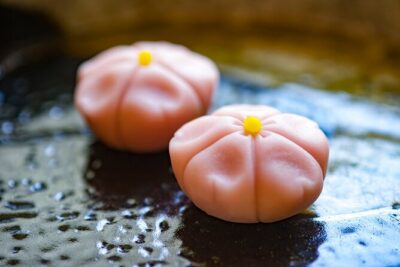
Matcha Making Class in Osaka with Authentic Japanese Sweets Set
Read our review →
Japanese Traditional Sweets Making and Tea Ceremony
Read our review →
Japanese Traditional Sweets Making and Tea Ceremony
Read our review →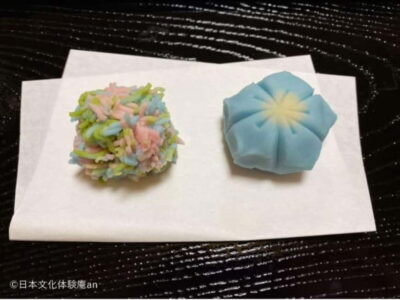
Nagoya: Japanese Traditional Sweets making and Tea Ceremony
Read our review →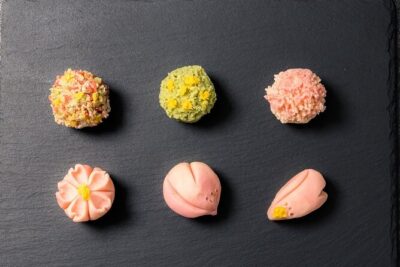
Sweets Making and Kimono Tea Ceremony at Tokyo Maikoya
Read our review →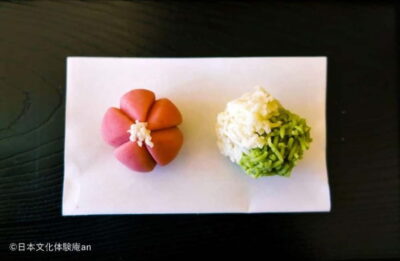
Japanese Traditional Sweets making and Tea Ceremony
Read our review →Browse the lists this tour appears in