
Review · TOKYO
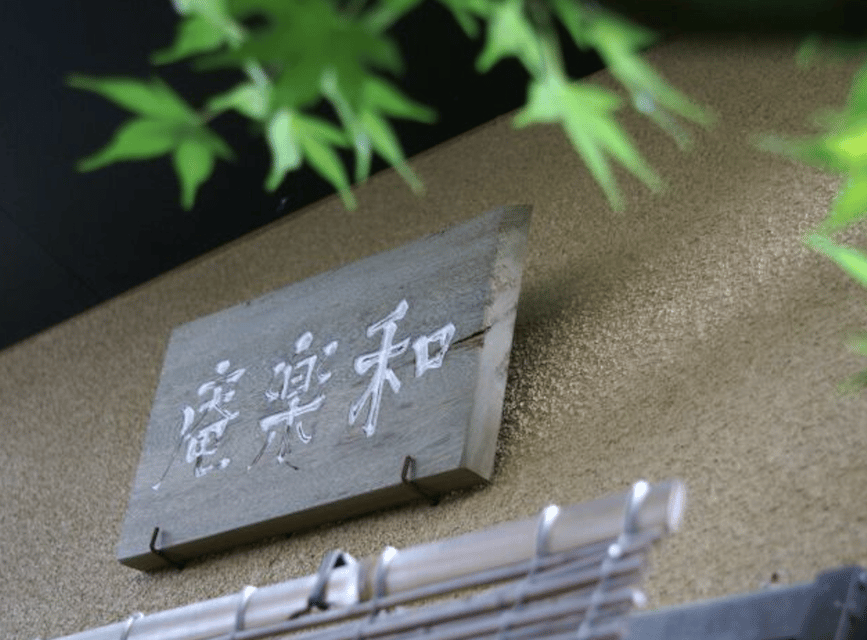
Tokyo:Tea ceremony experience at Komaba Warakuan
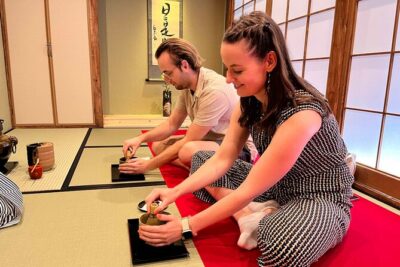
Komaba Warakuan offers a small, traditional tea ceremony rather than a quick photo stop. You change into tabi socks, cross an open ground to the tea room, and learn the careful movements of making Japanese tea from an instructor who teaches in Japanese.
I like the choice between rich tea and light tea, and I like the connection to a school that taught the Kobori Enshu tradition and instructed the third Tokugawa shogun. The main drawback is practical: the place can be hard to find, and $56 is a serious price for a 90-minute to two-hour activity.
Key points
- Two tea styles: Choose rich tea for a quieter, more focused sitting, or light tea for a brighter gathering with conversation.
- A school with historic links: Komaba Warakuan teaches within a tradition connected to Kobori Enshu and the third Tokugawa shogun.
- Very small group: No more than four participants means close instruction and less chance of getting lost in the ritual.
- Traditional preparation: Tabi socks, a tea room, Japanese sweets, and provided tea utensils form part of the experience.
- Japanese-language instruction: The instructor teaches in Japanese, so patience and careful watching matter.
- Allow time to locate the venue: Clearer directions and better location photos would make arrival easier.
A quiet tea lesson in Tokyo
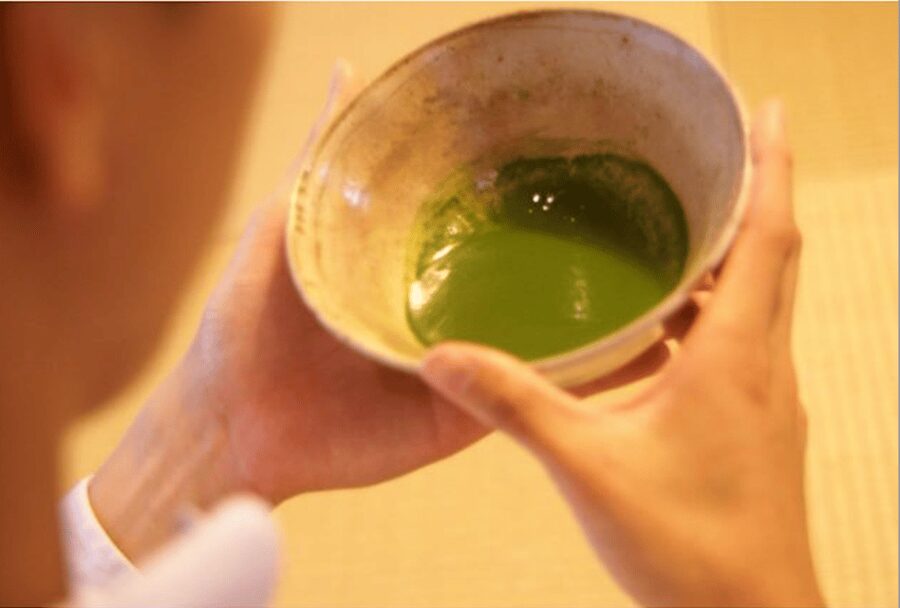
Tea ceremony is easy to reduce to a graceful bowl, a sweet, and a few posed photographs. Komaba Warakuan gives you more to work with. The focus is on learning how the ceremony operates, why each movement matters, and how the setting changes the mood of the gathering.
The school has a long connection with the Kobori Enshu school of tea. It also served as a tea ceremony instructor for the third Tokugawa shogun. That background gives the lesson weight, but you do not need prior knowledge to take part. The experience is designed for beginners, and the instructor explains the flow before the ceremony begins.
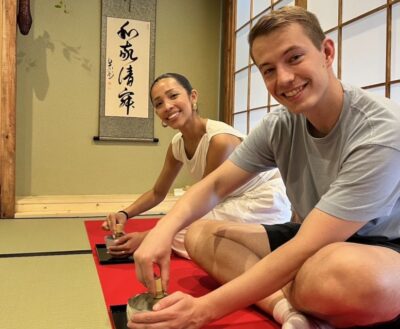
You should expect a calm, formal setting. This is not a loud group demonstration where you simply watch someone else make tea. With a maximum of four participants, you have room to pay attention to the utensils, the hand movements, and the order of the ceremony.
More Tea Ceremony Experiences in Tokyo:
- Kimono Tea Ceremony at Tokyo, Asakusa Maikoya
★ 5.0 · 638 reviews - Tokyo: Traditional Tea Ceremony with a Tea Master
★ 5.0 · 528 reviews - Tea Ceremony Workshop in Tokyo by the Experienced Instrucor
★ 5.0 · 189 reviews
What happens during the 90-minute to two-hour visit
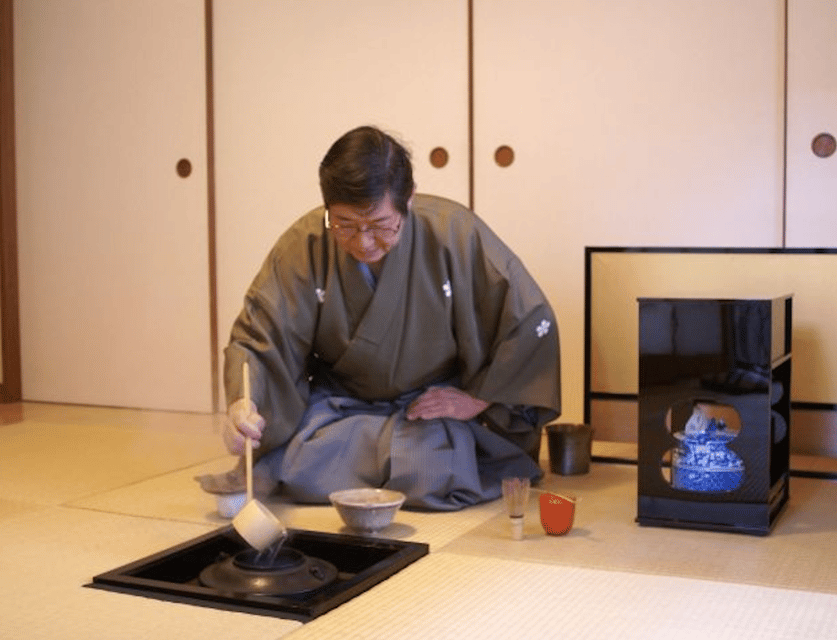
The visit begins with an explanation of the process. This first talk matters because Japanese tea ceremony has its own sequence, and the quiet movements can seem puzzling if you do not know what to watch for. You are shown what will happen before moving into the more formal part of the experience.
Next, you change into tabi socks. These are the traditional split-toe socks worn with Japanese footwear and formal clothing. Tabi socks are provided, though you can bring your own if you prefer. The change is not just a costume touch. It marks the move from an ordinary visit into the tea-room setting.
You then walk through the open ground to the tea room. That short passage helps separate the everyday world outside from the quieter pace inside. The setting is part of the lesson, so do not rush this part or treat it as a simple transfer from one room to another.
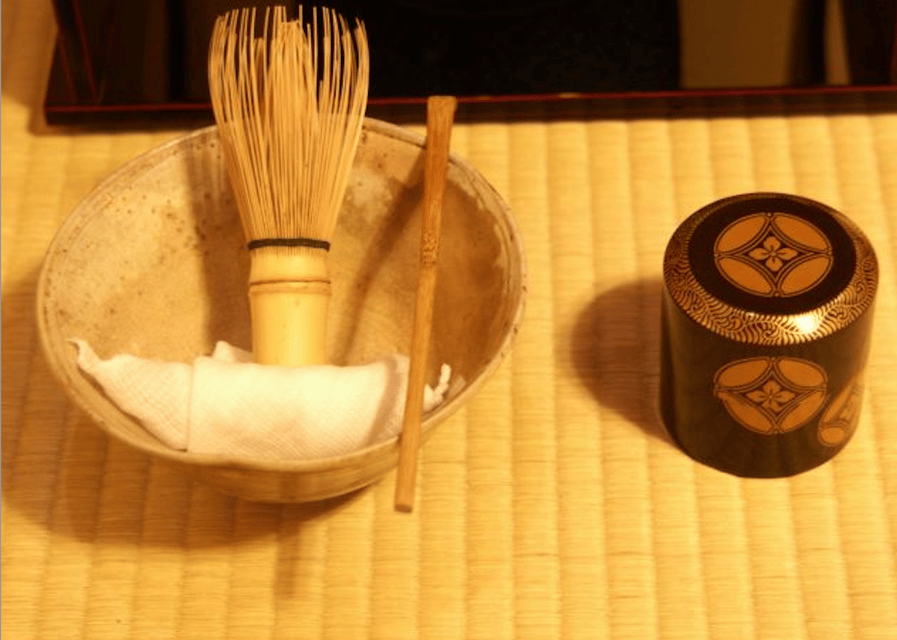
The instructor then teaches you how to make tea. The available tools include fukusa scissors, a folding fan, paper, a toothpick, and other items used during the ceremony. You can use the provided utensils, or bring your own if you already have them.
The exact pace can last 90 minutes or closer to two hours. Your group size, the amount of explanation, and the chosen tea plan may affect the timing. Leave enough space in your schedule so you are not watching the clock.
Choosing between rich tea and light tea
The choice of tea changes the feel of the activity. Rich tea is described as a hidden seat, where you face the tea quietly. This option suits you if you want a more focused and restrained encounter with the ceremony.
Light tea is described as the seat of the sun. It is brighter, more social, and allows lively conversation. Choose this if you enjoy a little more interaction and want the tea ceremony to feel less formal.
The names may sound poetic, but the decision is practical. Think about the kind of afternoon you want. Rich tea is the better fit for quiet attention. Light tea is the better fit if you want a warmer social setting.
All three course options include Japanese tea and traditional sweets. The supplied information does not explain every difference between the three plans, so check the exact option before booking. At the venue, ask the instructor to clarify the tea style if you are unsure.
Why the small group matters
A group limited to four people is one of the strongest features here. Tea ceremony involves small actions that can be hard to see in a large class. In a tiny group, you should have a better view of the utensils and the instructor’s hand position.
The small size also makes the lesson less anonymous. You can ask for clarification, repeat a movement, and take your time without a crowd waiting behind you. That is especially useful for first-time participants who may feel nervous about making a mistake.
This format also explains part of the price. At $56 per person, the activity costs more than a basic cultural demonstration, but you are paying for close instruction, a historic school setting, tea, sweets, tax, and a long session. The value is strongest if you want to learn the process rather than simply drink tea in a traditional room.
Still, the cost deserves a clear warning. One participant found the price high compared with typical prices. If your main goal is a taste of Japanese tea and a photograph in traditional surroundings, you may find this expensive. If you value personal instruction and a small group, the price is easier to justify.
A few more tea experiences around Tokyo worth a look
- Dynamic Tokyo: Tokyo Tower, Tea Experience, Bay Cruise Day Tour
★ 4.5 · 521 reviews - Asakusa: Kimono Tea Ceremony with Matcha and Sweet
★ 4.9 · 153 reviews - Tokyo: Full-Day Tour w/Tea Experience,Buffet Lunch & Cruise
★ 4.9 · 151 reviews - Tea Ceremony Experience in a Private Tea Room in Shibuya
★ 4.9 · 125 reviews
A lesson suited to beginners and families
You do not need experience with tea ceremony. The instructor explains the order of events and carefully teaches you how to prepare the tea. The provided tools remove the need to arrive with specialist equipment.
The activity also worked well for a family with children aged 14 and 11. The combination of movement, objects, history, and hands-on practice gives younger participants more to do than simply sit through a lecture. Children still need to be comfortable with quiet attention and traditional manners, but the session is not limited to adults.
The Japanese-only instruction is the biggest factor to consider. The instructor’s language is Japanese, and no other language is specified. You can learn by watching and following demonstrations, but complex explanations may be harder if you do not understand Japanese. A translation tool or a little preparation about tea ceremony terms could help, though that is your own support rather than a promised part of the activity.
The historical setting adds real context
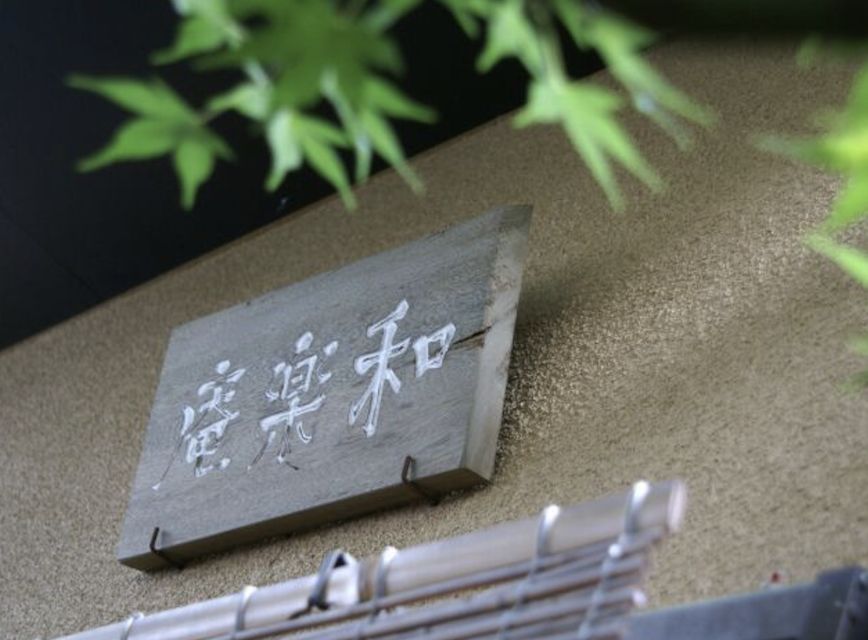
Komaba Warakuan is not presented as a modern theater built only for sightseeing. It is a school with a long teaching tradition. Its connection to Kobori Enshu and the third Tokugawa shogun gives you a window into how tea ceremony developed as a disciplined art tied to people with political and cultural power.
That does not mean the class turns into a history lecture. The main activity remains practical: you learn the flow, enter the tea room, handle the tools, and make tea. The historical background works best as context for the gestures you are learning.
I like this balance. You get enough history to understand that the ceremony is more than a set of pretty motions, but you still spend most of the session doing something. For many people, that hands-on element will make the tradition easier to remember.
Finding Komaba Warakuan
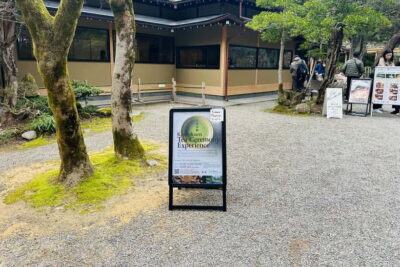
Plan your arrival carefully. Finding the venue has been difficult for some people, and clearer directions and better location photographs would help. The provided details do not give a station, walking route, or a precise meeting point, so you should study the booking information before leaving and allow extra time.
This is especially important because a tea ceremony depends on arriving calmly. Turning up late, stressed, and unsure of the entrance is not the best start to a quiet activity. Save the venue information offline, compare the photographs with what you see on the street, and do not leave the search until the last few minutes.
The location in Komaba may appeal if you want an activity away from Tokyo’s biggest sightseeing crowds. Just do not confuse a quieter neighborhood with an effortless arrival. The main caution here is navigation, not the ceremony itself.
Tabi socks, utensils, tea, and sweets
Several small details make the visit feel complete. Tabi socks are supplied, and you can bring your own. Wear clothing that lets you change easily and sit comfortably, though the supplied information does not specify a dress code.
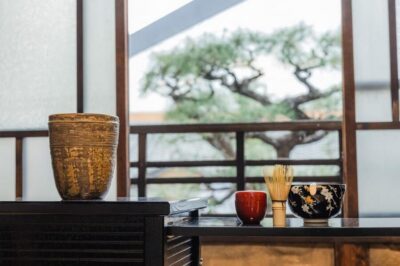
The tea utensils also matter. Fukusa scissors, a folding fan, paper, and a toothpick are provided. These objects are not random props. They help you follow the order and etiquette of the ceremony while the instructor teaches you.
Japanese tea and traditional sweets are included in all three courses. The sweet gives you a change in taste and texture from the tea, while also showing how the elements of the ceremony are meant to work together. Details about the specific sweets are not provided, so do not book expecting a particular flavor or menu.
You are welcome to bring your own utensils if you have them. For most beginners, using the provided equipment will be simpler. If you already practice tea ceremony, your own tools may make the experience feel more familiar.
What the high rating does and does not tell you
The activity has a 4.8 rating from nine reviews, with strong praise for authenticity, the instructor’s kindness, and the educational value. That pattern fits the design of the experience: a tiny group, careful teaching, and a school with a long connection to tea ceremony.
The positive feedback also points to the best reason to book. You are not only consuming tea. You are learning how the ceremony works and hearing some of the history behind it. The experience can feel relaxing once you settle into the pace, and it can hold the attention of older children as well as adults.
The rating does not remove the two practical cautions. Directions need more work, and the price may feel high if you compare this with shorter or more casual tea activities in Tokyo. A strong cultural experience can still be poor value for your particular budget.
Who should book this experience
I would choose Komaba Warakuan if you want a serious introduction to Japanese tea ceremony, prefer small groups, and enjoy learning by doing. It is particularly suitable for first-timers, couples, families with older children, and anyone who wants a quieter cultural activity away from the usual sightseeing circuit.
You should also be comfortable with a Japanese-language lesson and with following a formal sequence. If you need detailed instruction in English, this may not be the safest choice because Japanese is the stated language of the instructor.
The experience is less suitable if you want a quick, casual tasting, a guaranteed English explanation, or a low-cost activity. It is also a poor fit for a tightly packed Tokyo schedule because the session can last up to two hours and the venue may take time to locate.
Should you book Komaba Warakuan?
Book it if the ceremony itself interests you. The historic school setting, choice of rich or light tea, hands-on instruction, traditional sweets, and four-person limit offer more depth than a simple tea tasting.
Skip it if $56 feels too high for a cultural lesson, or if Japanese-only instruction would make the experience frustrating. For everyone else, prepare your route carefully, arrive early, and choose your tea style based on mood: quiet focus for rich tea, easy conversation for light tea.
FAQ
How long does the tea ceremony experience last?
The experience lasts from 90 minutes to two hours. Starting times depend on availability.
How much does the experience cost?
The price is $56 per person. The experience fee and tax are included.
How many people can join?
The group is limited to four participants.
Is the tea ceremony suitable for beginners?
Yes. The instructor explains the process and carefully teaches you how to make the tea, so previous experience is not required.
Can I choose between different types of tea?
Yes. You can choose rich tea, which has a quieter and more focused setting, or light tea, which allows brighter conversation. All three course options include Japanese tea and traditional sweets.
What is provided during the experience?
Tabi socks are provided, along with tea ceremony items such as fukusa scissors, a folding fan, paper, and a toothpick. Tea and traditional sweets are also included.
What language does the instructor speak?
The instructor teaches in Japanese. The supplied information does not list another instruction language.
Can I cancel for a full refund?
You can cancel up to three days in advance for a full refund.
Just added around Tokyo
- Yokohama : Tea Ceremony with Sweets and Souvenir★ 5.0 · 5 reviews
- Walking Tour: Yanaka,Nezu& Sendagi: Tea Ceremony & Old Tokyo★ 5.0 · 3 reviews
- 2 Hours Mochi &Nerikiri Making & Matcha Class in Bunkyo★ 5.0 · 21 reviews
- Private Kimono and tea ceremony at local home near Tokyo Disney★ 5.0 · 6 reviews
- Private Mochi・Matcha sweets Making Class Near Shibuya Area★ 5.0 · 22 reviews
- Tokyo Sweets Tour: Hidden Gems & Matcha at an Old Tea House★ 5.0 · 6 reviews
- Giant Sushi Cooking Class: Make a 1.5m Sushi Roll in Tokyo★ 5.0 · 9 reviews
- Tokyo: Tea Ceremony & Japanese Sweets Making★ 5.0 · 10 reviews
Tea Ceremony Experiences, compared.
Tea Ceremony in a Traditional Tea House in Kiyomizu
Read our review →
Browse the lists this tour appears in