
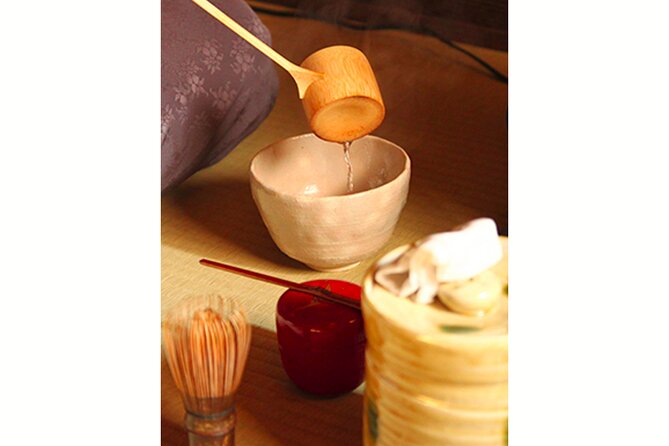
Review · TOKYO
Japanese Traditional Breakfast and Tea Ceremony
The best part of this Tokyo experience is the chance to see how a Japanese tea ceremony actually works, then try the movements yourself. Your morning begins with a light traditional breakfast, including rice balls, before a bilingual licensed tea master explains Zen ideas, tea utensils, and the hanging scroll in the room.
I like the mix of food and hands-on learning, especially the chance to make onigiri and prepare your own matcha. I also like the calm short meditation, which gives the 90-minute visit a clear purpose rather than turning it into a rushed photo stop. The main drawback is practical: the venue can be a little hard to find, so allow time to reach the meeting point at Kikai Shinkō Kaikan in Shibakōen.
Key points to know before booking
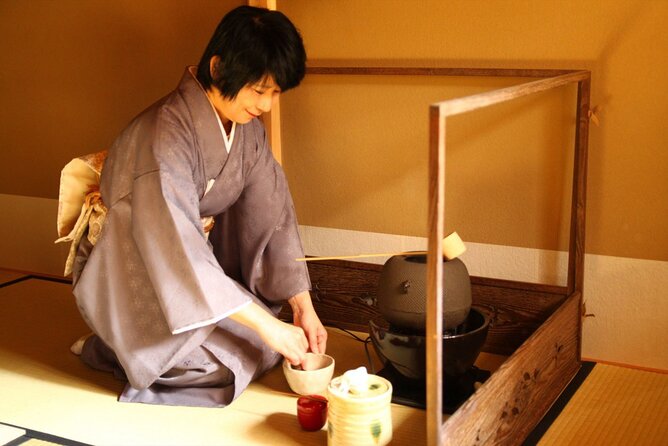
- Onigiri is part of the morning: You can help make rice balls, which are then served with other breakfast items.
- You prepare your own tea: The second ceremony is performed by you, with instruction from the host.
- A tea master leads the session: The licensed bilingual tea master has more than five years of experience.
- Zen is explained in plain English: The session covers meditation, the hanging scroll, tea utensils, and the meaning behind the ritual.
- The experience lasts about 90 minutes: It begins at 9:00 am and ends back at the starting point.
- The group can reach 28 people: This is not a private lesson, so the room may have a group feel rather than a quiet one-on-one setting.
A 9:00 am start with breakfast instead of a hotel buffet
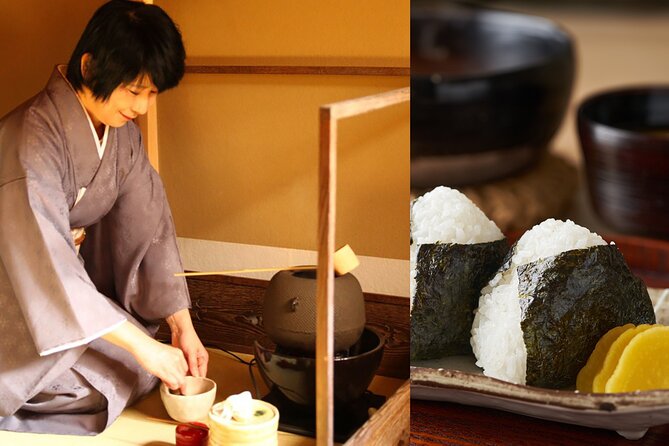
This experience makes a smart change of pace for a Tokyo morning. Rather than grabbing a familiar hotel breakfast, you sit down to a light Japanese meal and learn what makes it different.
The exact breakfast menu can vary, but rice balls, local flavors, and traditional Japanese sweets are part of the experience. The food is not presented as a large feast. Think of it as a small, purposeful breakfast that leads into the tea lesson.
The onigiri activity adds a useful touch. You do not simply watch someone prepare food and then eat it. You get to try making rice balls yourself, after which they are served with the other breakfast items. That small task gives you something practical to repeat at home, and it makes the food portion more personal.
I would not book this expecting a full restaurant meal. The description calls it a light breakfast, and extra food or drinks are not included. If you need a large breakfast, eat something beforehand or plan a later meal. For most people, though, the food should be enough to start the day, especially with the sweets served alongside the tea.
The morning timing works well with Tokyo sightseeing. You finish around 10:30 am, leaving the rest of the day open. Since the activity ends where it begins, you are not left at a distant neighborhood with a complicated final transfer.
More Tea Ceremony Experiences in Tokyo:
- Kimono Tea Ceremony at Tokyo, Asakusa Maikoya
★ 5.0 · 638 reviews - Tokyo: Traditional Tea Ceremony with a Tea Master
★ 5.0 · 528 reviews - Tea Ceremony Workshop in Tokyo by the Experienced Instrucor
★ 5.0 · 189 reviews
Making onigiri gives the meal a personal touch
Onigiri can look simple, but making one yourself changes how you see this everyday Japanese food. The activity adds a little motion and participation before the quieter tea ceremony begins.
You may find this especially useful if you are traveling with children or family. One family described the experience as a lovely shared activity, and the breakfast helped everyone understand what a traditional Japanese morning meal can look like. The hands-on food preparation gives younger visitors something concrete to do while the more formal tea explanations are taking place.
The setting is not described as a cooking class, so keep your expectations modest. You are not signing up for a long lesson on Japanese cuisine. Instead, onigiri is one part of a wider cultural session, and its value comes from linking food with daily life.
The same balance applies to the sweets. They are included as traditional Japanese confections and help explain the relationship between sweetness and matcha. Their role is not just dessert. The sweetness makes the tea easier to appreciate and gives the tasting a clear rhythm.
The tea master explains the ritual before you try it
The host prepares high-quality matcha and performs a tea ceremony for the group. This first demonstration gives you a chance to watch the order of the movements before you are asked to copy them.
The tea master is a bilingual licensed professional with more than five years of experience. A nationally certified guide interpreter also provides hospitality, and the explanations are given in English. That matters here because tea ceremony has many small gestures that can be easy to miss without clear guidance.
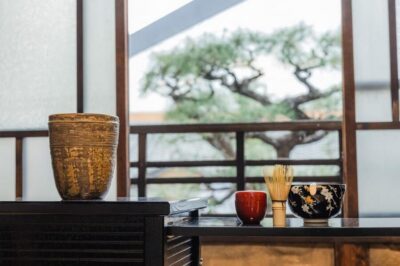
You will learn about the purpose of the ceremony, the tea utensils, and the ideas connected to Zen. The presentation also includes an explanation of the hanging scroll, which expresses the spirit of Zen. These details turn the session from a simple matcha tasting into an introduction to the rules and ideas behind the setting.
The tea is made with high-quality matcha supplied by the host. Matcha has a stronger, more vegetal flavor than the sweetened green tea served in many cafes, so first-time drinkers may find it intense. The included sweets help balance it.
This is a good place to remember that tea ceremony is not only about the drink. The attention goes to the bowl, the movements, the space, the guest, and the moment itself. You are being shown a way of focusing, not just a recipe for powdered tea.
A short meditation helps you slow down
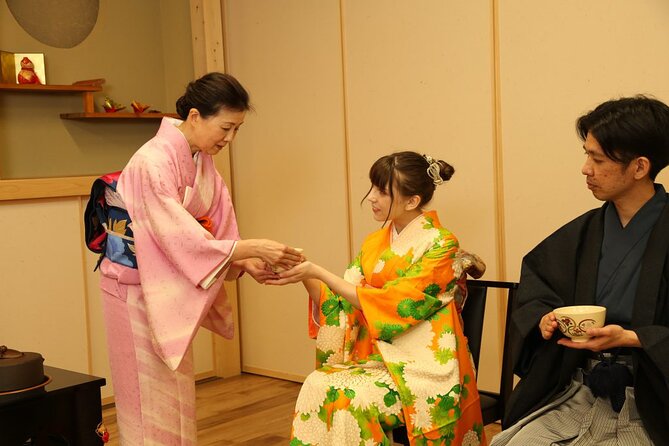
The experience includes a short meditation period before the tea ceremony. It is not described as a long religious practice, and you do not need prior knowledge of Zen. Instead, it gives you a few quiet minutes before the food and tea instruction begin.
I like this part because it makes the morning feel less like a sequence of demonstrations. Tokyo can be fast and noisy, and a short pause helps you notice the contrast. You sit, listen, and prepare to pay attention to small actions.
The meditation may not suit everyone. If you prefer a quick breakfast followed by sightseeing, this slower opening could feel unnecessary. If you enjoy cultural context and want to understand why the ritual is performed with care, it gives the rest of the activity a stronger frame.
The explanations are in English, but the available information does not specify the exact format or length of the meditation. You should treat it as a brief introduction rather than a full Zen retreat.
A few more tea experiences around Tokyo worth a look
- Dynamic Tokyo: Tokyo Tower, Tea Experience, Bay Cruise Day Tour
★ 4.5 · 521 reviews - Asakusa: Kimono Tea Ceremony with Matcha and Sweet
★ 4.9 · 153 reviews - Tokyo: Full-Day Tour w/Tea Experience,Buffet Lunch & Cruise
★ 4.9 · 151 reviews - Tea Ceremony Experience in a Private Tea Room in Shibuya
★ 4.9 · 125 reviews
Your second tea ceremony is the most useful lesson
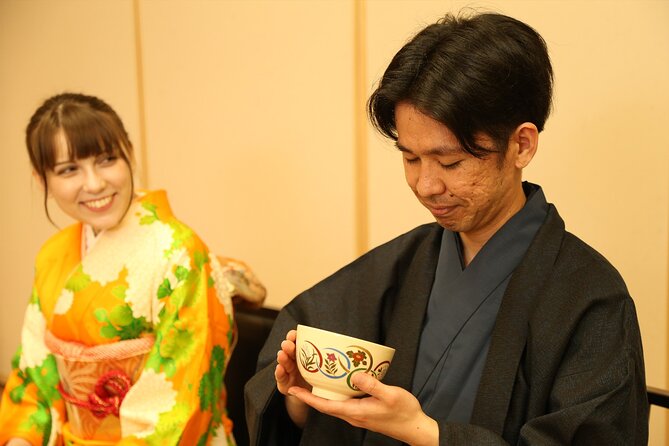
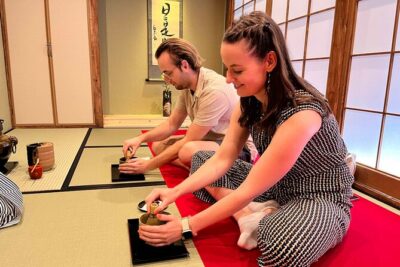
After watching the tea master, you have the opportunity to make your own tea. This is the part that turns observation into practice.
You receive instruction rather than being left to guess. The host guides you through the process, helping you understand how the utensils are used and how the ceremony proceeds. You then drink the matcha you prepare.
That second round is important for first-time visitors. A formal tea ceremony can look easy when an experienced person performs it. Once you try it, you notice the order, care, and concentration involved. You do not need to perform perfectly. The point is to understand the process and take part respectfully.
The experience also promises matcha rituals that you can recreate at home. You may not reproduce every formal element in your kitchen, but you can take away the basic method, the idea of serving a sweet with the tea, and a greater sense of why preparation matters.
This practical element helps justify the price more than a simple demonstration would. At $60.81 per person, you are paying for breakfast, sweets, matcha, an English-language lesson, and guided participation. The value is strongest if you want to learn something you can repeat later, not merely watch a cultural performance.
What the Zen explanations add
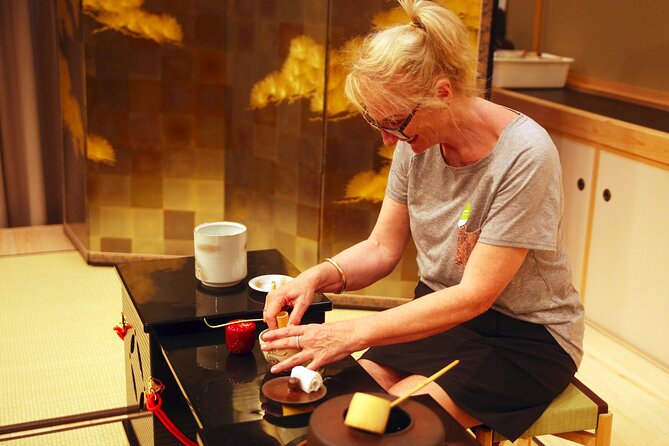
The tea ceremony makes more sense when you understand the ideas around it. The guide discusses Zen practices and the hanging scroll, while also explaining the tea utensils used during the session.
The hanging scroll is especially useful because it gives the room a focal point. Rather than treating it as decoration, the tea master explains how it expresses the spirit of Zen. That kind of detail helps you read the space with more awareness.
You should not expect a long academic lecture. This is a short cultural activity, and the commentary is designed to support the ceremony. The best approach is to listen for the practical ideas: attention, respect, simplicity, and being present for one occasion.
The English explanations also make the session approachable for visitors who know little about Japanese tea. You are not expected to recognize the names of utensils or understand formal manners in advance. The tea master and guide provide the background as the ceremony unfolds.
Getting to Kikai Shinkō Kaikan in Shibakōen
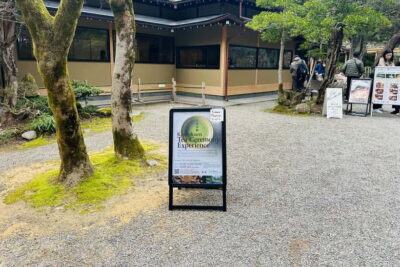
The meeting point is Kikai Shinkō Kaikan, 3-chōme-5-8 Shibakōen, Minato City, Tokyo 105-0011, Japan. The activity begins at 9:00 am and finishes at the same location.
The venue is near public transportation, but one person had trouble finding it. That is the most useful logistical warning attached to this experience. Tokyo addresses can be confusing, especially when a large building has several entrances or when map directions lead you to the wrong side of a block.
I would save the full address in your phone, check the route the night before, and arrive early. Do not aim to reach the building at exactly 9:00. A ten to fifteen minute cushion should make the morning calmer, though the exact recommended arrival time is not specified.
There is no hotel pickup or drop-off. You make your own way to the venue and return from there after the session. Since the activity ends at its starting point, you can then continue with your own Tokyo plans.
The maximum group size is 28 people. That is large enough for a group atmosphere, particularly during the breakfast and demonstration. The exact layout is not provided, so I would not assume a private or highly intimate lesson. If you want a personal tea master for your group alone, this is not presented as that kind of booking.
Is $60.81 a fair price?
At $60.81 per person, this sits above the cost of an ordinary breakfast but below the price of many private cultural lessons. The comparison depends on what you want from the morning.
The price includes the breakfast, traditional sweets, authentic matcha, the tea master’s performance, the English explanations, and your own guided tea preparation. It also includes the short meditation and the discussion of Zen, the hanging scroll, and the utensils.
That is a reasonable package if you value participation. You are not only eating and drinking. You are spending about an hour and a half learning a cultural practice from a licensed bilingual tea master.
The value is weaker if you only want to taste matcha or fill up on food. The breakfast is light, extra food and beverages are not included, and the formal portion takes much of the time. A cafe visit would be cheaper and more flexible, but it would not give you the same guided context or hands-on ceremony.
Group discounts may be available, which could make the activity more appealing for families or larger parties. The supplied details do not state the discount amount, so check the final booking price rather than assuming a fixed reduction.
Who will enjoy this morning most?
I would recommend this for first-time visitors who want a structured introduction to Japanese customs. You get a clear beginning, middle, and end: breakfast, meditation, demonstration, explanation, and your own tea preparation.
It also suits families. The onigiri activity gives children and adults something to share, while the sweets make the tea portion more approachable. The family-focused feedback points to the breakfast as a useful way to understand a traditional Japanese meal, not simply as a snack before the main event.
Couples and solo visitors who enjoy quiet cultural activities should also find plenty to value. The short meditation and careful tea preparation offer a slower start than the usual Tokyo sightseeing schedule.
I would be more cautious about booking it for someone who wants a large breakfast, a private session, or a fast activity with no formal pauses. The maximum group size of 28 means the experience may feel more like a class than a personal ceremony. Also, the tea ceremony has a set rhythm, so it is not the right pick if you dislike guided rituals.
Booking and cancellation details
Confirmation is sent within 48 hours of booking, subject to availability. The activity can be booked with a mobile ticket, and group discounts are listed as a feature.
You can cancel for a full refund up to 24 hours before the 9:00 am start time. Changes or cancellations made less than 24 hours before the start are not accepted for a refund.
The activity requires good weather and a minimum number of participants. If poor weather or insufficient bookings causes cancellation, you are offered another date or experience, or a full refund. The provider is True Japan Tour.
Should you book this Japanese breakfast and tea ceremony?
Book it if you want more than a bowl of matcha and a staged demonstration. The strongest parts are the light traditional breakfast, the chance to make onigiri, the clear English explanation of Zen and tea utensils, and the opportunity to prepare your own tea with guidance.
At $60.81, the experience earns its price through participation and instruction. It is especially well suited to families, first-time visitors, and anyone who wants a calm cultural morning before sightseeing.
Skip it if you need a full meal, prefer private tours, or want to move quickly. Also plan your route carefully because the Shibakōen meeting point may take a little effort to locate. For the right visitor, this is a thoughtful way to begin a Tokyo day, with something learned, tasted, and practiced rather than merely photographed.
FAQ
Where does the Japanese breakfast and tea ceremony take place?
The meeting point is Kikai Shinkō Kaikan, 3-chōme-5-8 Shibakōen, Minato City, Tokyo 105-0011, Japan.
What time does the experience begin?
The activity starts at 9:00 am.
How long does the experience last?
The experience lasts approximately 1 hour and 30 minutes.
What food is included?
A light Japanese breakfast, including rice balls, is included. Traditional Japanese sweet confections are also provided.
Is matcha included?
Yes. Authentic matcha is included, and the host prepares matcha using high-quality matcha.
Can I make my own tea?
Yes. You have the opportunity to make your own tea during the second tea ceremony, with instruction.
Is the experience offered in English?
Yes. A bilingual licensed tea master provides the tea ceremony, and explanations of the ceremony, Zen practices, hanging scrolls, and tea utensils are given in English.
How many people can join the activity?
The maximum group size is 28 people.
Can I cancel for a full refund?
Yes. You can cancel at least 24 hours before the experience start time for a full refund. Cancellations or changes made less than 24 hours before the start time are not refunded.
Just added around Tokyo
- Yokohama : Tea Ceremony with Sweets and Souvenir★ 5.0 · 5 reviews
- Walking Tour: Yanaka,Nezu& Sendagi: Tea Ceremony & Old Tokyo★ 5.0 · 3 reviews
- 2 Hours Mochi &Nerikiri Making & Matcha Class in Bunkyo★ 5.0 · 21 reviews
- Private Kimono and tea ceremony at local home near Tokyo Disney★ 5.0 · 6 reviews
- Private Mochi・Matcha sweets Making Class Near Shibuya Area★ 5.0 · 22 reviews
- Tokyo Sweets Tour: Hidden Gems & Matcha at an Old Tea House★ 5.0 · 6 reviews
- Giant Sushi Cooking Class: Make a 1.5m Sushi Roll in Tokyo★ 5.0 · 9 reviews
- Tokyo: Tea Ceremony & Japanese Sweets Making★ 5.0 · 10 reviews
Tea Ceremony Experiences, compared.
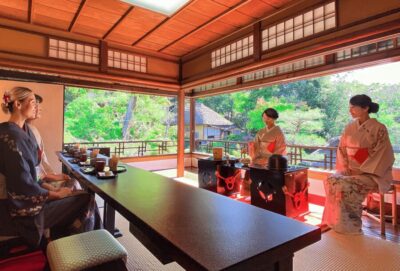
Tea Ceremony in a Traditional Tea House in Kiyomizu
Read our review →
Browse the lists this tour appears in