
Review · KYOTO
Kyoto Tea Ceremony & Kiyomizu-dera Temple Walking Tour
Kyoto’s best moments often come in small pieces, and this three-hour walking tour strings several of them together: old tea shops, colorful wish balls, local snacks, Kiyomizu-dera, and a hands-on matcha ceremony. You do not simply look at Kyoto’s customs from a distance. You take part in one.
I like the mix of major sights and everyday streets, especially the stop at Yasaka Koshin-do and the chance to make your own green tea. I also like the guide-led food sampling, since a local can point you toward treats you might otherwise walk past. The main drawback is timing: the route covers a lot, and one participant missed the tea ceremony after a misunderstanding about the schedule.
Key points at a glance
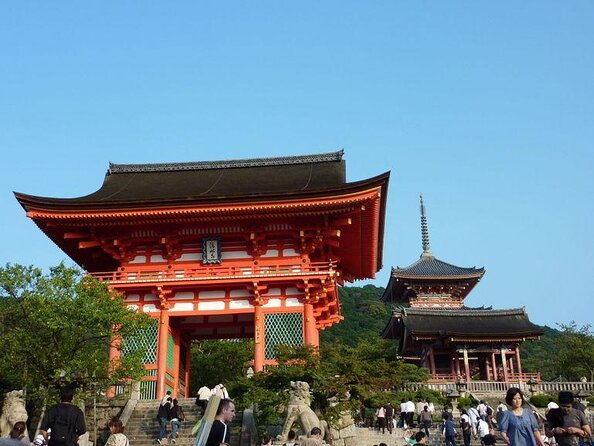
- Kiyomizu-dera with context: Visit the famous Water Temple, see its wooden platform, and drink from the Otowa Waterfall.
- A hands-on tea ceremony: Learn the steps of making matcha, use a bamboo whisk, and enjoy Japanese sweets.
- Yasaka Koshin-do’s colorful wish balls: This compact temple is one of Kyoto’s most striking photo stops.
- Street food along Kiyomizuzaka: Sample a few local bites, with extra food and drinks available for purchase.
- A walk with hills and steps: Wear comfortable shoes and expect some areas that do not suit wheelchairs or strollers.
- A prompt start matters: Meet ten minutes early at Yasaka Shrine’s Nishiromon Gate, where a guide holds a MagicalTrip board.
Why this Kyoto walk works well
This experience is aimed at first-time visitors who want a guided introduction to Kyoto’s eastern temple district without spending a full day on one site. In three hours, you get a useful blend of religion, food, neighborhood atmosphere, and traditional arts.
The appeal is the variety. Kiyomizu-dera is the major landmark, but the tour does not rush straight there. You begin around the Yasaka Shrine area, walk through Kiyomizuzaka, stop at Yasaka Koshin-do, taste a few local foods, and then settle into a tea ceremony.
That order gives the walk a natural rhythm. You start outdoors among shops and shrines, then move into the quieter, more deliberate setting of a tea room. I like that contrast. It helps you understand that Kyoto culture is not only about grand buildings. It also lives in snacks, shopfronts, gestures, and daily rituals.
The guide adds value by explaining Japanese religious culture and the customs connected with each place. Guide Akiko has been praised for being warm and considerate, and for offering helpful explanations at the shrines and temples. If you want a guide who can answer questions as you walk, that personal contact is a strong reason to book rather than visiting these stops alone.
More Tea Ceremony Experiences in Kyoto:
- Kyoto: Tea Ceremony in a Traditional Tea House in Kiyomizu
★ 4.9 · 3,519 reviews - Kyoto: Tea Ceremony Ju-An at Jotokuji Temple
★ 4.9 · 3,207 reviews - Kyoto: 45-Minute Tea Ceremony Lesson Experience
★ 4.3 · 2,378 reviews
Starting at Yasaka Shrine and entering old Kyoto
You meet in front of the statue at Yasaka Shrine’s Nishiromon Gate. Arrive at least ten minutes early. The tour begins promptly, and the guide carries a board marked MagicalTrip.
Yasaka Shrine is a practical meeting point because it puts you at the edge of Kyoto’s old eastern districts. From here, the route moves toward Kiyomizuzaka, an area known for its traditional atmosphere and busy pedestrian streets.
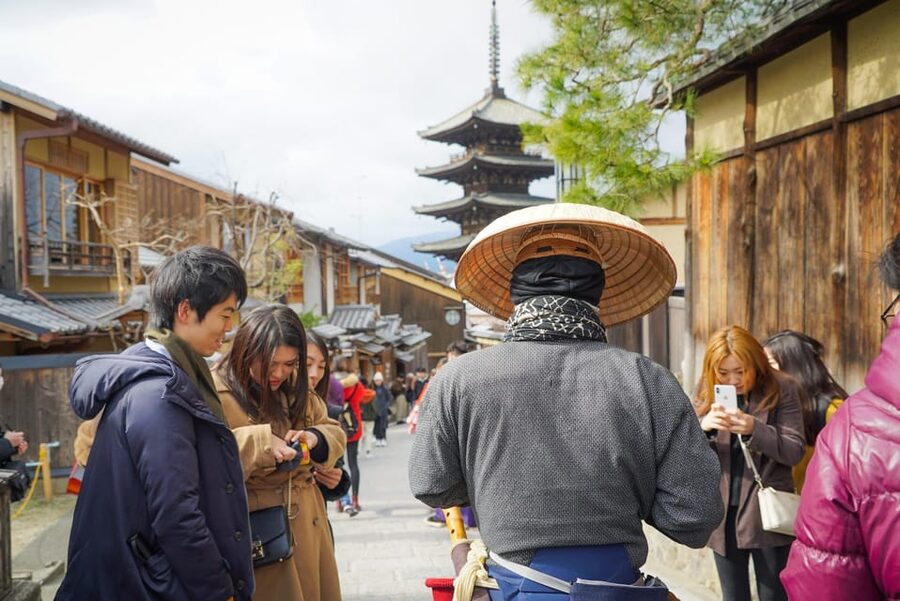
The walk introduces you to old teashops, sweet shops, and stores selling Japanese sun-dried foods. These shops are part of what makes the area more enjoyable than a simple temple-to-temple route. You can browse familiar Kyoto specialties while your guide explains what you are seeing.
You might also see maiko and geisha moving through the streets. It is best to treat that as a sighting, not a staged part of the tour. Keep a respectful distance and let the guide set the tone.
Kiyomizuzaka can be crowded, and the streets are not flat. You will get more from the walk if you wear shoes with a firm grip and keep your hands free for photos and snacks. Summer requires extra care, since Kyoto can be hot and humid. Bring water and a hat.
Yasaka Koshin-do and its wall of color
Yasaka Koshin-do is one of the most memorable stops because it looks so different from the restrained wood and stone often associated with Kyoto temples. Colorful balls hang from the ceiling, each carrying a written wish.
This is a small temple, but it makes a strong visual impression. Your guide can explain the religious ideas connected with the site and the meaning behind the hanging wishes. That explanation matters, since the display could otherwise seem like a purely decorative photo backdrop.
I especially like this stop for photography. The bright colors contrast with the older streets around it, and the compact setting makes it easy to appreciate without spending a long time there. It also breaks up the walk before the larger crowds and wider views at Kiyomizu-dera.
You should keep your visit respectful. This is a religious place, not only a colorful backdrop. Listen to the guide’s instructions and remember that the wishes have personal meaning.
Tasting Kyoto one small bite at a time
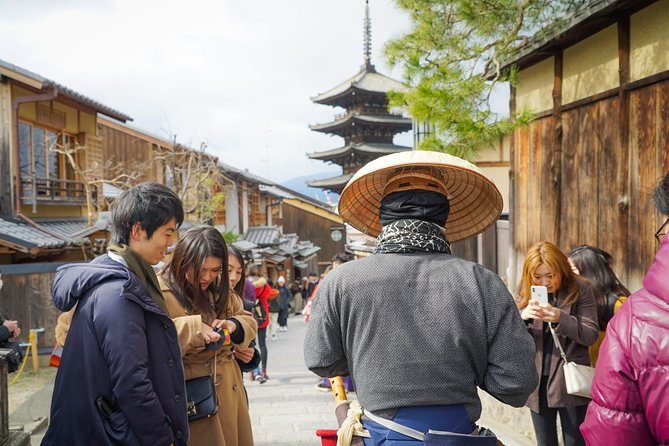
The route includes stops at several eateries, where you can sample local snacks. A few samplings are included, but extra food and drinks cost more, so bring cash.
This part of the tour is useful because Kyoto’s traditional shopping streets can be confusing if you do not know what to try. A guide can recommend local foods and help you understand what is popular in the area. You get a taste of the neighborhood rather than a formal meal, so keep your expectations modest.
The food stops also make the tour more relaxed. Instead of walking for three hours while listening to explanations, you have short breaks to eat, look around, and ask questions.
Food restrictions need careful planning. The provider cannot guarantee allergy-free food or meet every dietary requirement because the food comes from kitchens it does not control. Tell the provider about allergies or dietary requests at least one day before the tour, but understand that substitutions may not be possible at every stop.
If you want a larger meal, plan to eat before or after the walk. The included samplings are designed to add flavor to the route, not replace lunch.
More Walking Tours in Kyoto:
- Kyoto Tea Ceremony & Kiyomizu-dera Temple Walking Tour
★ 5.0 · 115 reviews - The Way of Tea: Kyoto Crafts, Hidden Temples & Wabi-Sabi Walk
★ 5.0 · 41 reviews - Matcha Grinding Experience and Walking Tour in Uji Kyoto
★ 5.0 · 26 reviews - Kyoto Gion Tea ceremony & Wabi-sabi Walking Tour
★ 4.5 · 7 reviews
Entering Kiyomizu-dera, Kyoto’s Water Temple
Kiyomizu-dera is the central landmark of the tour. This UNESCO World Heritage Site is one of Japan’s best-known temples, built on the site of the Otowa Waterfall.
The temple’s wooden platform is the main visual reward. From it, you can look over the surrounding trees and toward Kyoto in the distance. Cherry trees make the area attractive in spring, while maple trees add strong color in autumn. The view changes with the season, but the platform gives you a sense of how the temple sits above the city.
Your guide provides context about the temple and Japanese religious culture, which can make the visit more meaningful than a quick photo stop. Kiyomizu-dera is large and popular, so an explanation helps you focus on what you are seeing rather than simply following the crowd.
The temple entrance fee is included in the $63 price, which improves the value. You also avoid having to handle the admission process yourself while keeping pace with the group.
The walk through Kiyomizu-dera includes slopes and steps. Some areas on the route are not accessible by wheelchair or stroller. If mobility is a concern, ask for detailed route information before booking, since the experience is built around walking through historic streets and temple grounds.
Drinking from the Otowa Waterfall
The Otowa Waterfall gives Kiyomizu-dera its nickname, the Water Temple. You can drink a cup of its clear water, which is traditionally said to bring good luck.
There may be a line, so this stop can take longer than expected. That matters because the tea ceremony follows later, and the schedule has several moving parts. Stay close to your guide and pay attention to the meeting instructions.
The waterfall is a simple ritual, but it gives the visit a hands-on element. You are not only looking at the temple’s architecture. You are taking part in a custom tied directly to the place.
If you are short on time, the guide may need to keep the group moving. This is one reason the tour’s prompt start and careful timing matter. Arriving late can affect the whole group, not just your own visit.
Making matcha in a traditional tea room
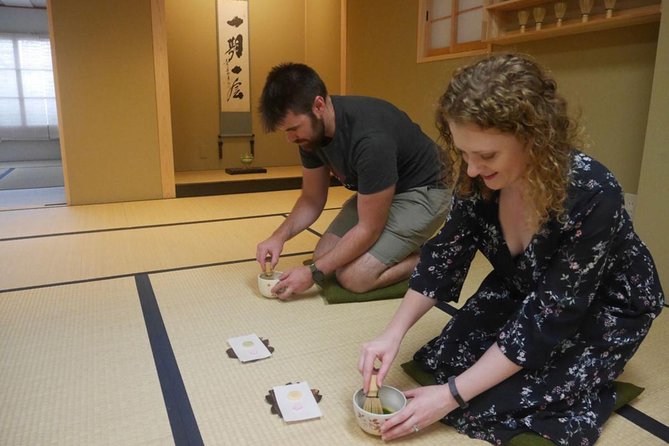
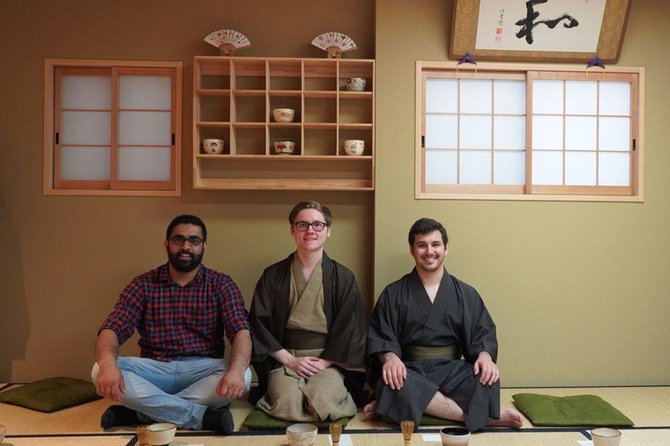
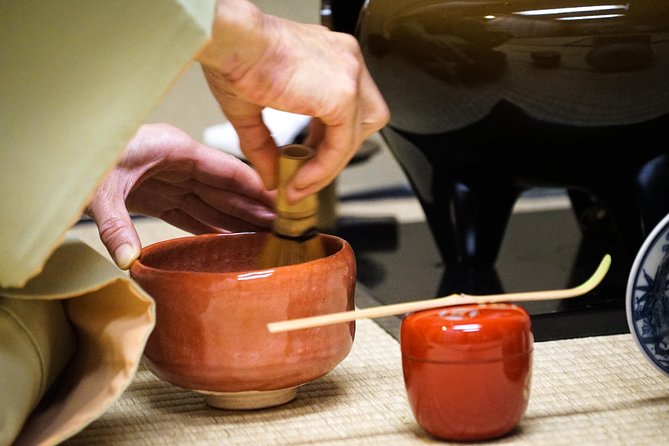
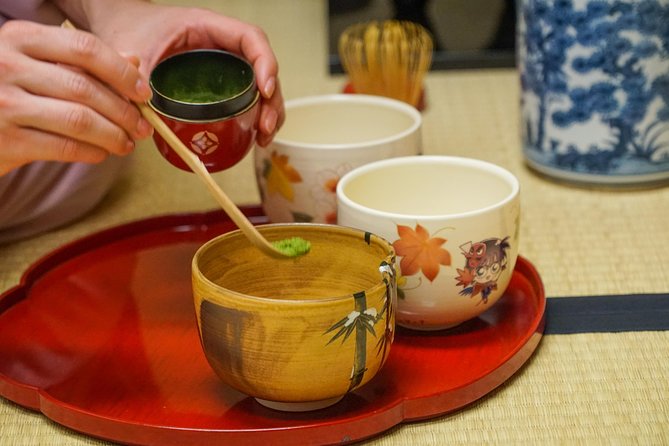
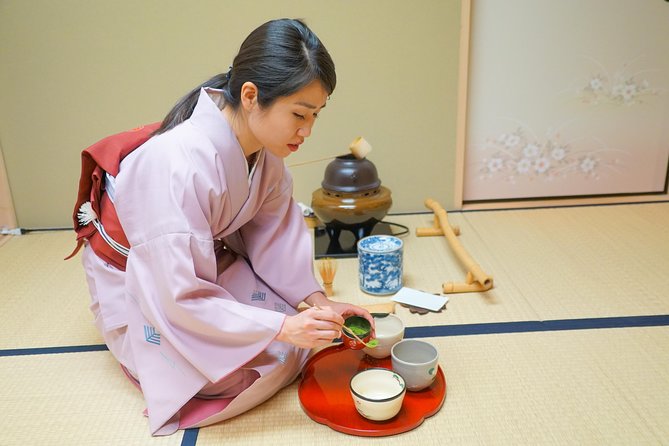
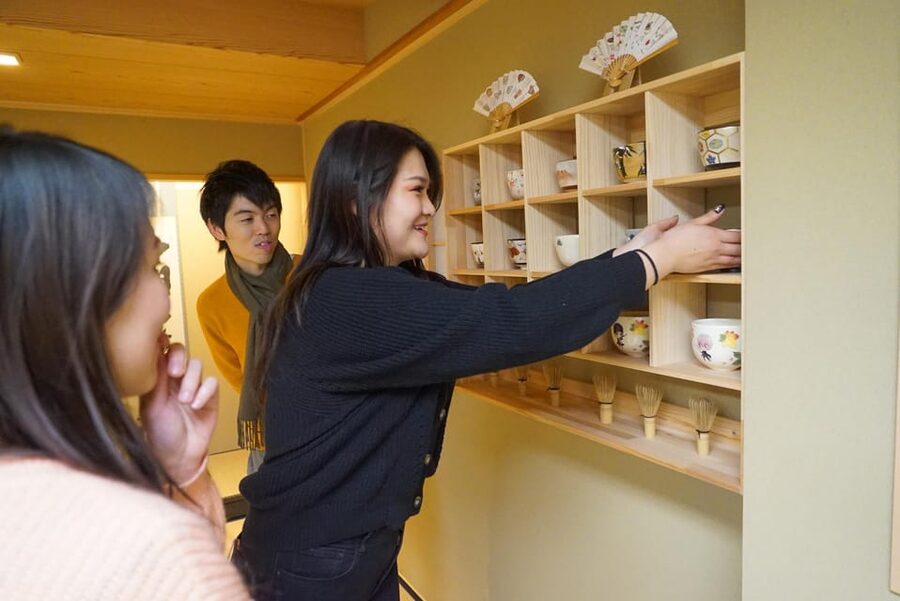
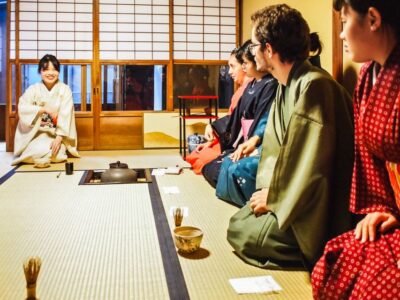
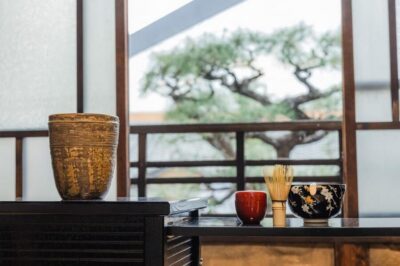
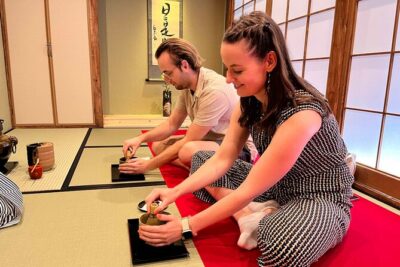
The tea ceremony is the most participatory part of the experience. You enter a sophisticated room arranged with tea utensils, including bamboo whisks and distinctive tea bowls. Japanese sweets accompany the tea.
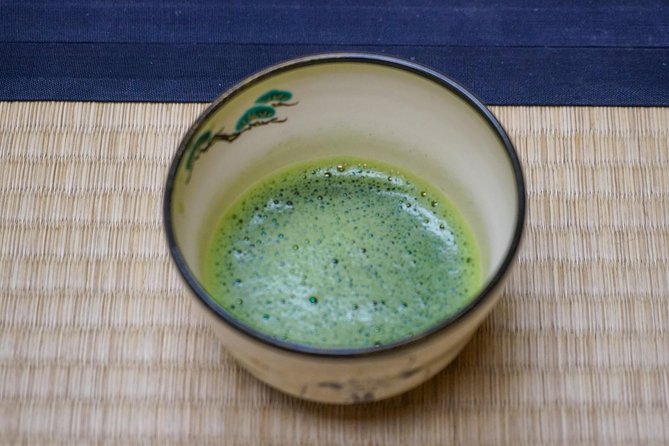
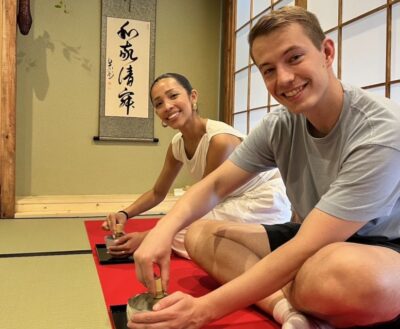
You learn some Japanese phrases, the background of the ceremony, and the basic steps for preparing traditional matcha. Most important, you make your own green tea. That gives you a better feel for the care involved in a ceremony that can look effortless when performed by an expert.
Do not expect an extended formal ceremony lasting an entire afternoon. This is a guided introduction designed to fit into a three-hour city walk. That makes it approachable if you are curious about matcha but unsure about committing to a longer cultural program.
The tea room also provides a welcome change of pace. After crowded lanes, food stalls, and temple paths, you can sit down and focus on one careful activity. I like that the experience lets you make mistakes without turning the ceremony into a test.
Pay close attention to the schedule. A timing misunderstanding once caused a participant to miss the tea ceremony, although the guide worked hard to arrange another booking or a refund for people who could not stay. The practical lesson is clear: confirm the tea ceremony timing at the start and stay with the group.
Is $63 a fair price?
At $63 per person, this is not the cheapest way to visit Kiyomizu-dera. You can walk through the district on your own for less, and you could buy snacks separately. The price makes more sense if you want one organized experience that combines admission, guiding, tastings, and tea preparation.
You receive a three-hour English-language tour, the Kiyomizu-dera entrance fee, the tea ceremony, a few food samples, and photos taken during the tour. The guide’s explanations are the part you cannot easily recreate by simply following a map.
The value depends on your priorities. If you already know Kyoto well and prefer to set your own pace, the fixed route may feel limiting. If this is your first visit and you want help understanding temples, local foods, and tea customs, the package is easier to justify.
Keep some cash available for extra snacks, drinks, and souvenirs. Since the included food consists of samplings, you may want to buy more along the way.
Who should book this experience?
I would recommend this tour to first-time Kyoto visitors, couples, solo visitors who enjoy guided walks, and anyone who wants a gentle introduction to matcha. It suits people who like combining famous sights with smaller cultural stops.
It is also a good choice if you want photos during the walk and prefer not to plan every detail yourself. Guide Akiko’s warm approach is a positive sign for anyone who values patient explanations and help when plans go slightly wrong.
I would be more cautious if you dislike crowds, hills, or fixed schedules. The route passes through popular streets, includes temple steps, and depends on staying on time for the tea ceremony. Families should note that children under six are not allowed.
The walk is not ideal for wheelchair or stroller users because some sites are not accessible. Summer visitors should bring water and a hat, and everyone should wear comfortable walking shoes.
Should you book the Kyoto tea ceremony and Kiyomizu-dera walk?
Book it if you want more than a quick visit to Kiyomizu-dera. The combination of Yasaka Koshin-do’s wish balls, neighborhood snacks, temple views, Otowa Waterfall, and hands-on matcha gives you a useful slice of Kyoto in three hours.
Skip it if you want a slow, independent day or a full meal-centered food tour. The route covers a lot, and the tea ceremony depends on careful timing.
For most first-time visitors who want cultural context without spending a full day in a classroom, the $63 price is reasonable. Arrive early, bring cash, tell the provider about food concerns ahead of time, and confirm the tea ceremony timing before the walk gets underway.
FAQ
Where does the tour start?
Meet in front of the statue at Yasaka Shrine’s Nishiromon Gate. The guide will hold a board that says MagicalTrip.
How early should I arrive?
Arrive ten minutes before the activity starts. The tour begins promptly.
How long is the tour?
The guided walking tour lasts three hours.
What language is the tour offered in?
The tour is offered in English.
Is the Kiyomizu-dera entrance fee included?
Yes. The Kiyomizu-dera entrance fee is included in the price.
Is food included?
A few samplings are included. Extra food and drinks are available for purchase.
Can children join the tour?
Children under six years old are not allowed to join.
Is the tour suitable for wheelchairs or strollers?
Some locations on the route are not accessible by wheelchair or stroller. The itinerary includes historic streets and temple areas with steps and uneven access.
What happens if I have a food allergy?
Tell the provider about allergies or dietary requests at least one day before the tour. Allergy-free food cannot be guaranteed, and substitutions may not be possible at every stop.
Just added around Kyoto
- Whisk Your Own Matcha: A Zen Matcha Experience at Temple★ 3.6 · 7 reviews
- Uji Walking Tour – Byodo-in temple and Tea Ceremony from Kyoto★ 3.5 · 3 reviews
- Traditional Tea Ceremony in Kyoto★ 4.5 · 3 reviews
- Kyoto: Authentic Tea Ceremony in a Small Group★ 5.0 · 7 reviews
- Tea ceremony at Kyoto’s Zen Temple Teahouse★ 5.0 · 2 reviews
- Tea Ceremony in 150 Years Old Townhouse with Tables and Chairs★ 5.0 · 22 reviews
- Silent Beauty of Kyoto Zen Walk and Tea Experience★ 5.0 · 2 reviews
- Tea Ceremony Experience in Traditional Kyoto Townhouse★ 5.0 · 19 reviews
Tea Ceremony Experiences, compared.
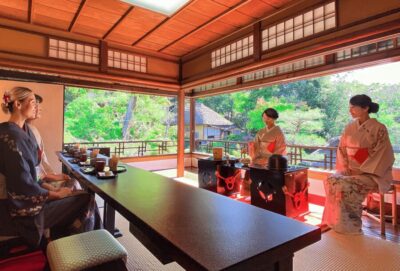
Tea Ceremony in a Traditional Tea House in Kiyomizu
Read our review →
Browse the lists this tour appears in