
Review · TOKYO
Matcha Kimono Tea Ceremony in Tokyo
The best part of this Shinjuku experience is that it makes Japanese tea culture approachable. You put on a simple kimono, learn why matcha is different from ordinary green tea, then whisk your own bowl with traditional tools. The teaching is relaxed and practical, not a stiff performance where you only watch.
I especially like the quick-change kimono and the chance to ask questions throughout the session. The host explains tea ceremony philosophy in clear English, and the small group, capped at 10 people, gives the workshop a personal feel. The 90-minute length also fits neatly into a busy Tokyo day.
The main consideration is that this is an introduction, not a formal multi-hour tea ceremony in a historic temple. You will wear a specially designed casual kimono rather than a complicated full kimono, and the meeting point is given as a plus code in Shinjuku, so allow time to find it.
Key points to know before you book
- Try a quick-change kimono: The casual garments are designed to go on quickly, unlike a standard kimono that can take about 30 minutes to put on.
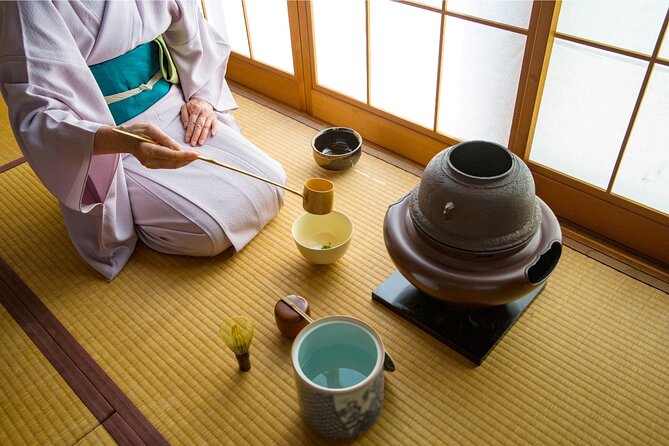
- Make your own matcha: You will use tea tools to prepare a bowl, then learn the basic way to drink it.
- Compare Japanese teas: The presentation covers matcha, green tea, black tea, Chinese tea, and differences between Japanese and overseas matcha.
- Sample premium tea: The session features first-flush matcha and tea selected from a collection of more than 100 Japanese matchas.
- Keep the group small: The maximum is 10 people, which leaves room for questions and hands-on help.
- Plan for the tatami room: You must wear socks. If you forget them, you are asked to buy a pair at the workshop.
A friendly introduction to matcha in Shinjuku
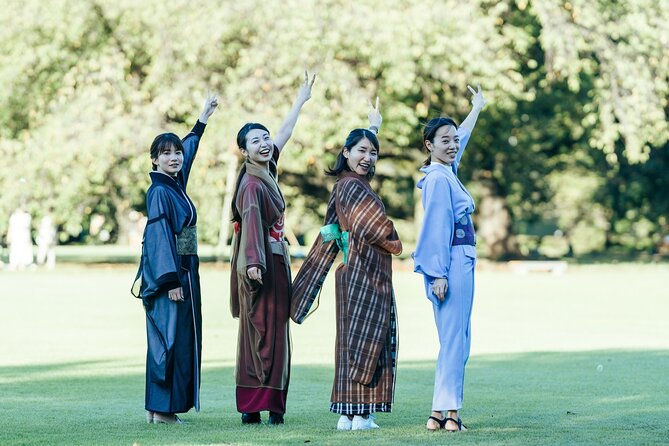
This experience gives you three Japanese customs in one short visit: wearing a kimono, learning about tea, and preparing matcha. That combination makes it useful for a first visit to Tokyo, especially if you want cultural context without giving up half a day.
The workshop takes place in Shinjuku and lasts about one hour and 30 minutes. It begins and ends at the same meeting point, listed as MPPG+HH in Shinjuku City. The location is near public transportation, but the meeting information is a plus code rather than a familiar landmark. I would save the location on your phone before leaving your hotel and arrive early.
The mobile ticket is convenient, but do not treat that as permission to arrive late. The reservation is automatically canceled after 10 minutes of delay, with no refund. Tokyo rail stations can be confusing, so build in a time cushion.
More Kimono Tea Ceremonies in Tokyo:
- Kimono Tea Ceremony at Tokyo, Asakusa Maikoya
★ 5.0 · 638 reviews - Tokyo: Matcha and Kimono Experience
★ 4.7 · 219 reviews - Tokyo: Asakusa Kimono Dressing and Matcha Experience
★ 4.9 · 173 reviews
The easy kimono change
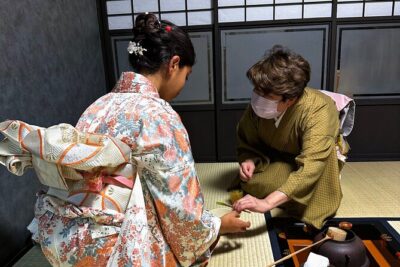
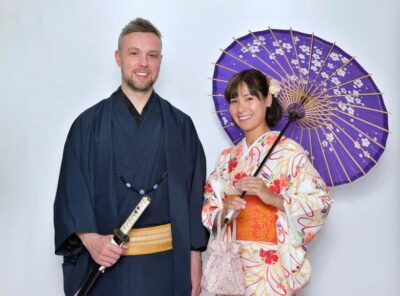
Before the tea lesson begins, you choose and put on an easy-to-wear kimono. The design is made for a short cultural workshop, not for a formal ceremony or a full day of walking. That matters because traditional kimono dressing can involve several layers, careful wrapping, and professional assistance.
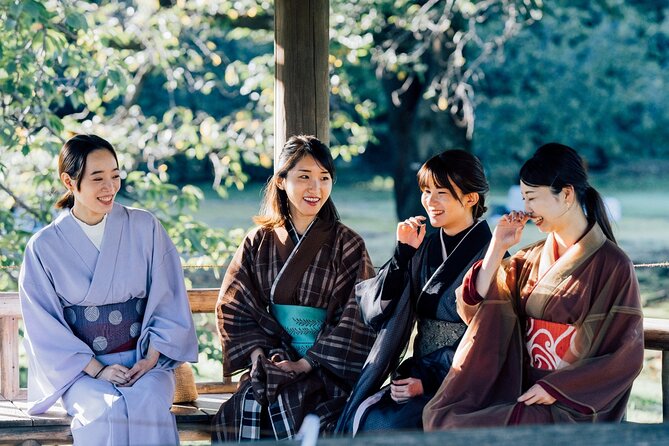
Here, the host helps you put it on properly. You can expect a more relaxed garment that lets you get ready quickly and sit comfortably during the presentation. It still gives you the visual experience of Japanese traditional clothing, while avoiding a long dressing session.
This is one of the strongest reasons to choose this activity over a standard kimono rental. You spend your time learning about tea rather than waiting to be dressed. The tradeoff is that the outfit is simpler than a formal kimono, so visitors hoping for an elaborate costume session may find it modest.
The setting includes a tatami room, and socks are required. Bare feet are not permitted. If you forget socks, the workshop asks you to buy them at the venue, so add a pair to your packing list.
Understanding matcha before you taste it
The host begins with a presentation on tea. You learn the difference between matcha and other green teas, along with the basic distinctions among green, black, Chinese, and Japanese teas.
That explanation helps because many people use green tea and matcha as if they were the same thing. They are not. Matcha is prepared from powdered tea, and the way it is made, served, and consumed gives it a special place in Japanese tea culture.
The session also compares Japanese matcha with matcha from overseas. The host explains that the two can be quite different, which is useful if you already buy matcha at home and want to understand why color, aroma, flavor, and texture may vary.
You also hear about Teaism and the philosophy behind tea ceremony. This adds welcome depth to the activity. You are not simply learning to whisk a green drink. You are getting a basic explanation of why attention, manners, preparation, and the relationship between host and guest matter in the ceremony.
The presentation is detailed enough to satisfy people who already like matcha, but the relaxed format keeps it open to first-timers. The host speaks English well, and the experience is set up for questions. That is important here, since tea ceremony etiquette can seem mysterious when explained only through demonstration.
Tasting tea from a large Japanese collection
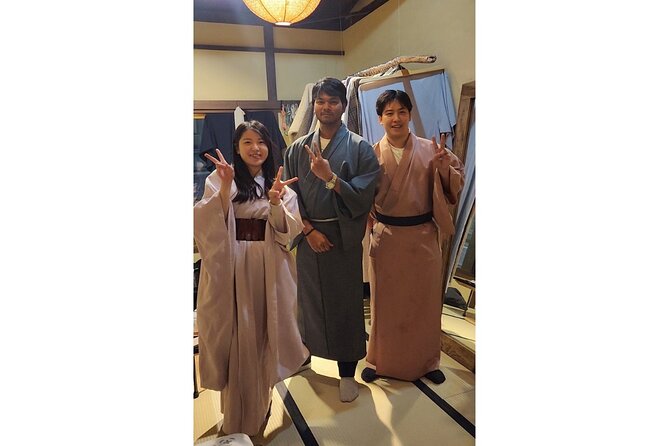
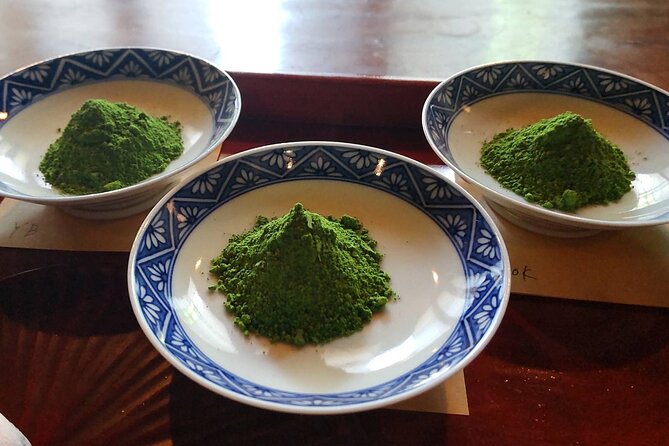
A particularly interesting part of the session is the chance to compare matchas using your eyes, nose, and tongue. The experience features first-flush matcha, described as the highest-quality harvest, and draws from a collection of more than 100 matchas from across Japan.
You should not expect to taste all 100 varieties in one sitting. The value is in learning how to notice differences rather than simply being handed one bowl and told that it is matcha. Looking at the powder, smelling it, and tasting it gives you a simple way to build your own preferences.
If you already drink matcha, this section may be the most useful part of the workshop. You can ask questions about flavor and quality, then compare what you like with what the host presents. If matcha is new to you, the tasting helps you decide whether its earthy, concentrated flavor suits your palate.
A decaf option is available, and the experience also lists a Terror matcha option. That wording is unusual, so if this choice matters to you, confirm the exact option with the provider before booking. The important practical point is that the session is not limited to one standard matcha serving.
More Matcha Experiences in Tokyo:
- Matcha Making Class in Tokyo with Authentic Japanese Sweets Set
★ 5.0 · 744 reviews - Tokyo: Matcha Making Experience with Mochi Sweets in Asakusa
★ 4.9 · 388 reviews - Asakusa Cultural Walk & Matcha Making Tour
★ 5.0 · 245 reviews - Asakusa: Kimono Tea Ceremony with Matcha and Sweet
★ 4.9 · 153 reviews
Whisking your own bowl
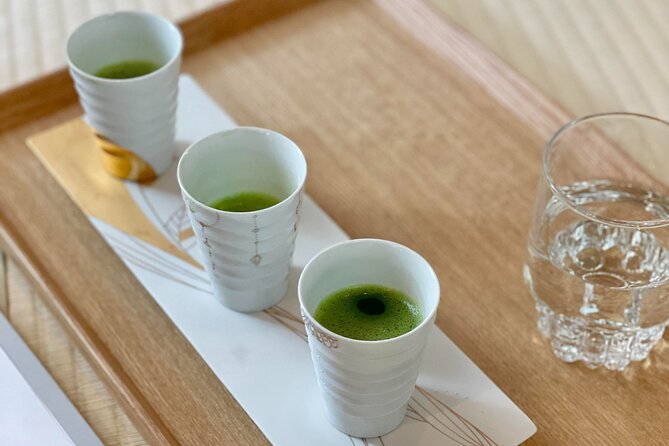
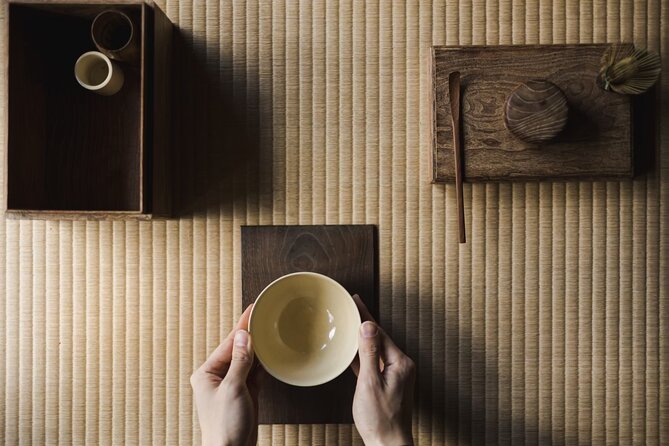
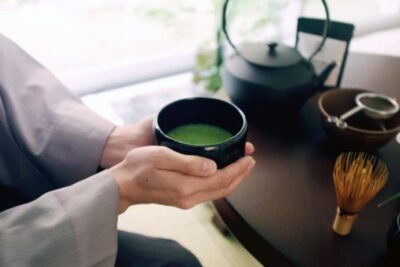
After the lesson, you prepare matcha yourself with the proper tea implements. The host demonstrates the process and guides you as you use the tools. You then drink the bowl you have made and learn the basic manners for doing so.
This hands-on section gives the workshop its purpose. Watching a tea ceremony can be beautiful, but making the tea helps you understand the steps and the care behind them. You also gain enough practical knowledge to repeat the process at home if you buy the tools and ingredients later.
Do not worry about producing a perfect bowl on your first attempt. The point is to learn the movements, understand the tools, and experience the rhythm of the preparation. The host has been praised for patient instruction, so you should have a chance to correct your technique and ask questions.
The drinking lesson is just as useful. Japanese tea ceremony has its own manners, and the workshop explains the basic way to receive and drink a bowl. You do not need prior knowledge or special training.
Snacks, welcome drinks, and the overall setting
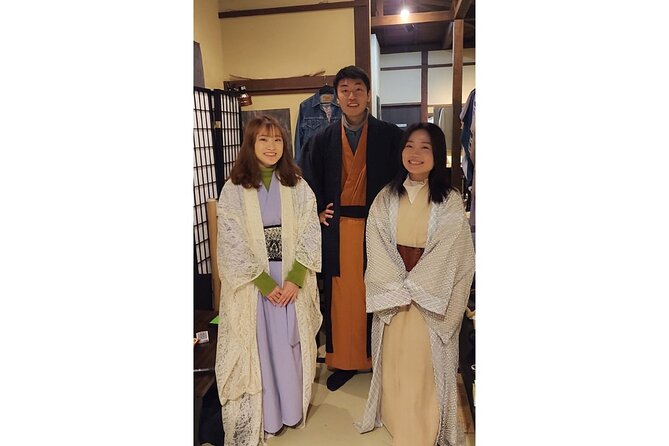
The price includes Japanese traditional snacks, high-quality matcha, tea ceremony tools, kimono rental, and a Japanese welcome drink. Coffee and tea are also listed among the inclusions.
The snacks matter because matcha can have a strong, grassy, or bitter flavor, particularly for someone used to sweetened drinks. A small traditional snack gives you a better sense of how tea is enjoyed in context. It also breaks up the presentation and keeps the 90-minute session from feeling like a lecture.
The atmosphere is informal and warm rather than solemn. That makes the workshop suitable for couples, families, and solo visitors who want to ask questions without worrying about making a cultural mistake. Children are welcome, but all children are charged the full price.
The host may also take photos during the activity. That can be a nice record of the kimono and tea-making portion, but you should focus first on the lesson rather than expecting a formal photo session.
Why the small group size matters
The activity accepts a maximum of 10 participants. That is large enough to give the room some energy, but small enough for the host to help with kimono dressing and tea preparation.
Small groups are especially useful for this kind of workshop. You are handling unfamiliar tools, trying a new technique, and learning manners that may not feel obvious. With fewer people, you have a better chance to ask a question at the moment it comes up.
The group size can vary, since 10 is a maximum rather than a promise that every session will be full. The experience requires a minimum number of participants, and if that minimum is not met, the provider offers another date or a full refund.
Is $59.46 a fair price?
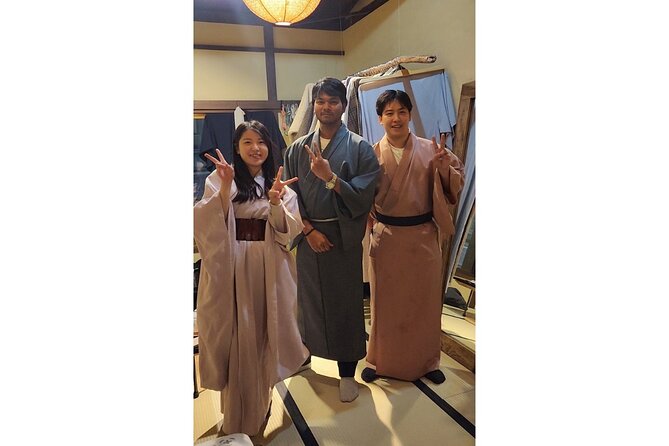
At $59.46 per person, this is not the cheapest way to taste matcha in Tokyo. You can buy a green tea drink for far less. The price makes more sense when you count the kimono rental, tea tools, snacks, instruction, and the chance to sample high-quality matcha.
You are paying for a guided cultural lesson rather than a single cup of tea. The 90-minute format also offers good value if you have limited time in Tokyo. You can fit it between sightseeing plans in Shinjuku without committing to a long formal ceremony.
I would consider the price fair for anyone who wants a structured introduction and plans to ask questions. It is less compelling if you only want a quick matcha tasting or a polished kimono photo session. The experience gives you cultural explanation and participation, not just a costume and a drink.
Free cancellation is available up to 24 hours before the start time. Cancellations or changes made less than 24 hours before the activity are not refunded, and the cutoff follows Tokyo local time.
Who will enjoy this activity most?
I would recommend this workshop to first-time visitors who want a manageable introduction to Japanese culture. It suits anyone curious about the difference between matcha and green tea, as well as people who want to learn basic tea etiquette without committing to a formal ceremony.
Matcha fans should also find plenty of interest in the tasting portion, especially the comparison of tea from different parts of Japan. The first-flush matcha and broad collection give the presentation more substance than a simple demonstration.
Families can attend, but remember that children pay the full fee. The experience is also a good choice for couples and friends because the kimono and tea preparation create natural photo opportunities and conversation.
I would be more cautious about recommending it to someone seeking a formal, highly ceremonial performance in an old temple or traditional tea house. This is a short workshop in Shinjuku, built around access, explanation, and participation.
Small details that make the day easier
Bring or wear socks for the tatami room. Comfortable clothing under the kimono will make changing easier, though no special outfit is specified.
Save the meeting point and allow extra time for Tokyo transport. The activity is near public transportation, but the listed location uses a plus code, MPPG+HH, rather than a conventional venue name.
Keep the schedule flexible enough to arrive before the start time. A delay of more than 10 minutes triggers automatic cancellation and no refund.
The mobile ticket means you can keep the booking on your phone. Private transportation is not included, so you are responsible for reaching the Shinjuku meeting point.
Should you book the Matcha Kimono Tea Ceremony?
Book it if you want a short, hands-on cultural experience rather than a formal performance. The easy kimono, English instruction, tea comparison, traditional snacks, and chance to whisk your own matcha make good use of 90 minutes.
I especially recommend it for first-time matcha drinkers and visitors who want practical explanations. The host’s patient approach and the small group limit should make it easy to ask questions and learn at your own pace.
Skip it if your main goal is an elaborate kimono rental, a long ceremonial ritual, or the lowest possible price for a cup of tea. For everyone else, the combination of clothing, tasting, etiquette, and hands-on preparation offers a useful and enjoyable introduction to an important part of Japanese culture.
FAQ
How long does the Matcha Kimono Tea Ceremony last?
The activity lasts approximately one hour and 30 minutes.
Where does the experience meet?
It starts and ends at MPPG+HH in Shinjuku City, Tokyo. The meeting point is near public transportation.
What is included in the price?
The price includes Japanese traditional snacks, easy-to-wear kimono rental, tea ceremony tool rental, high-quality matcha, and a Japanese welcome drink. Coffee and tea are also listed as included.
Do I need to know anything about tea ceremony beforehand?
No. The workshop teaches the differences among tea types, explains tea ceremony philosophy and etiquette, and shows you how to prepare and drink matcha.
Can I wear a kimono during the activity?
Yes. You can wear an easy-to-wear kimono before the lecture begins. The design is intended to be quicker to put on than a standard kimono.
Are children allowed to attend?
Yes. All children attending the experience are charged the full price.
What should I wear or bring?
You must wear socks in the tatami room. If you forget them, the workshop asks you to buy socks at the venue.
What happens if I need to cancel?
You can cancel up to 24 hours before the start time for a full refund. Cancellations or changes made less than 24 hours before the start time are not refunded.
More Tea Ceremony Experiences in Tokyo
- Tokyo: Traditional Tea Ceremony with a Tea Master
★ 5.0 · 528 reviews - Tea Ceremony Workshop in Tokyo by the Experienced Instrucor
★ 5.0 · 189 reviews - Tea Ceremony Experience in a Private Tea Room in Shibuya
★ 4.9 · 125 reviews - Tokyo: Practicing Zen with a Japanese Tea Ceremony
★ 4.7 · 105 reviews
Just added around Tokyo
- Yokohama : Tea Ceremony with Sweets and Souvenir★ 5.0 · 5 reviews
- Walking Tour: Yanaka,Nezu& Sendagi: Tea Ceremony & Old Tokyo★ 5.0 · 3 reviews
- 2 Hours Mochi &Nerikiri Making & Matcha Class in Bunkyo★ 5.0 · 21 reviews
- Private Kimono and tea ceremony at local home near Tokyo Disney★ 5.0 · 6 reviews
- Private Mochi・Matcha sweets Making Class Near Shibuya Area★ 5.0 · 22 reviews
- Tokyo Sweets Tour: Hidden Gems & Matcha at an Old Tea House★ 5.0 · 6 reviews
- Giant Sushi Cooking Class: Make a 1.5m Sushi Roll in Tokyo★ 5.0 · 9 reviews
- Tokyo: Tea Ceremony & Japanese Sweets Making★ 5.0 · 10 reviews
Kimono & Tea Ceremonies, compared.
KYOTO Tea Ceremony with kimono near by Imamiya Jinjya Shrine
Read our review →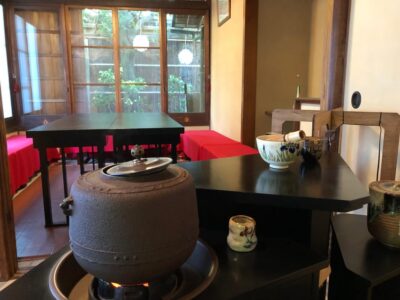
Kimono and Tea Ceremony Experience at Cultural Asset
Read our review →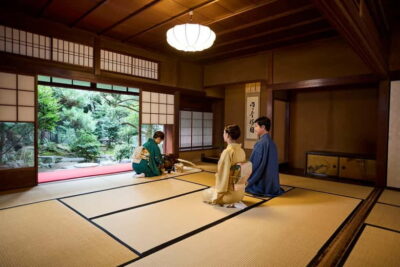
Browse the lists this tour appears in