
Review · TOKYO
Tokyo: Practicing Zen with a Japanese Tea Ceremony
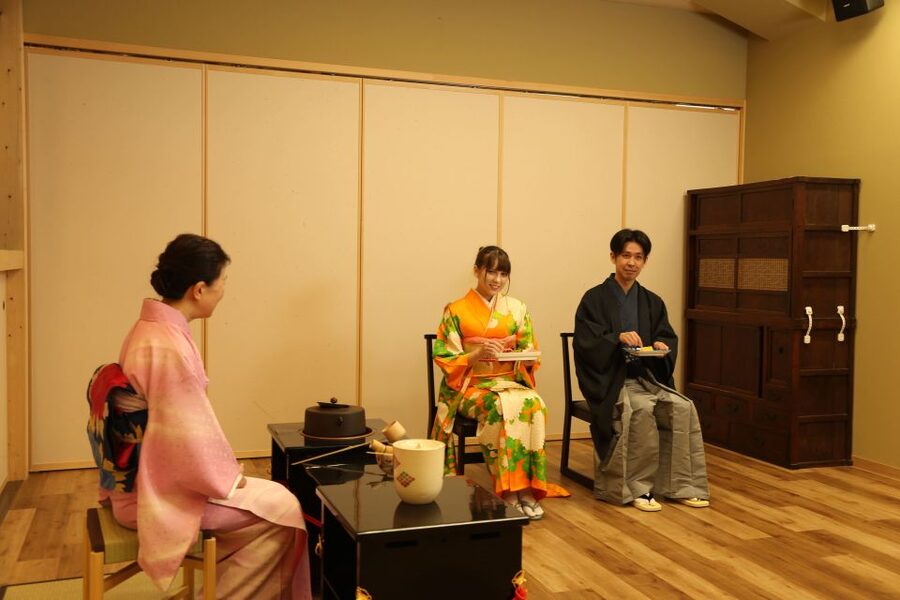
The most rewarding part of this 75-minute tea ceremony is that you do not simply sit and watch. Your instructor first prepares matcha, explains the meaning behind each movement, and then guides you through making tea yourself. The lesson gives the ritual a human shape, rather than treating it as a silent performance.
I like the small group limit of 10, which makes it easier to see the utensils and ask questions. I also like the practical setup: you can sit on the floor or use a chair, and the meeting point is easy to identify, directly opposite Tokyo Tower. The main drawback is that the room may not be fully quiet, so outside noise can interrupt the calm mood.
Key points
- You prepare matcha yourself: After watching the tea master, you repeat the ceremony with step-by-step help.
- Zen is explained in plain terms: The lesson connects the tea ritual with Japanese art, architecture, manners, and daily practice.
- Traditional sweets come first: A Japanese confection is paired with matcha to balance the tea’s bitter edge.
- Chairs are available: You do not have to sit on the floor, making the experience easier for people with limited mobility.
- Small groups keep the lesson personal: The maximum of 10 participants gives you a clear view of the demonstration.
- The setting is convenient: Meet at the Kikai Shinko Kaikan building, opposite Tokyo Tower, with no transport included.
What this Tokyo tea ceremony really offers
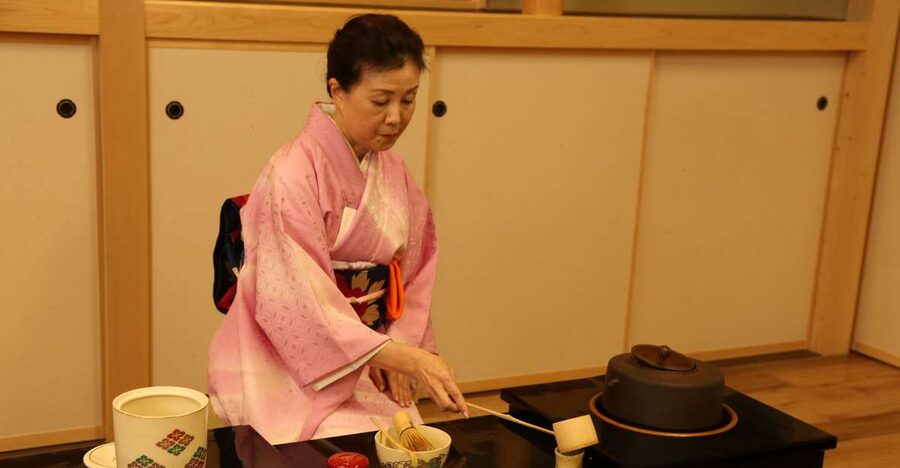
Japanese tea ceremony, known as chanoyu or sado, is not just a way to serve a hot drink. It is a formal meeting built around attention, courtesy, restraint, and care. This experience gives you a short, approachable introduction to those ideas without requiring prior knowledge.
You begin by watching an expert prepare matcha. The process has a measured pace. Utensils are handled with care, gestures follow a set order, and small actions carry meaning. Your guide explains what you are seeing, so the quiet movements do not feel mysterious or random.
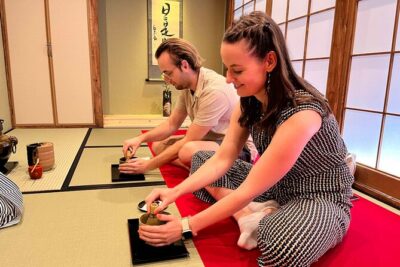
The lesson then shifts from observation to participation. You prepare a second bowl of tea yourself, following the instructor’s directions. This is important. If you only watch, the ceremony can seem distant. Once you hold the utensils and try the movements, you understand how much focus the ritual demands.
The experience is conducted in English. Instructors named in visitor feedback include Junko, Ken, and Midori, and the teaching style appears warm and personal. You should expect explanation as well as demonstration, with room to learn at a comfortable pace.
More Tea Ceremony Experiences in Tokyo:
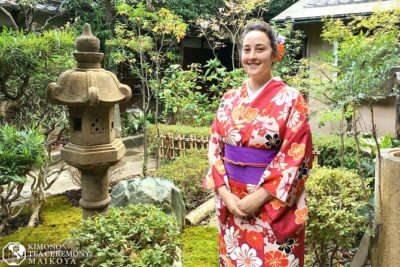
- Kimono Tea Ceremony at Tokyo, Asakusa Maikoya
★ 5.0 · 638 reviews - Tokyo: Traditional Tea Ceremony with a Tea Master
★ 5.0 · 528 reviews - Tea Ceremony Workshop in Tokyo by the Experienced Instrucor
★ 5.0 · 189 reviews
A gentle introduction to Zen through tea
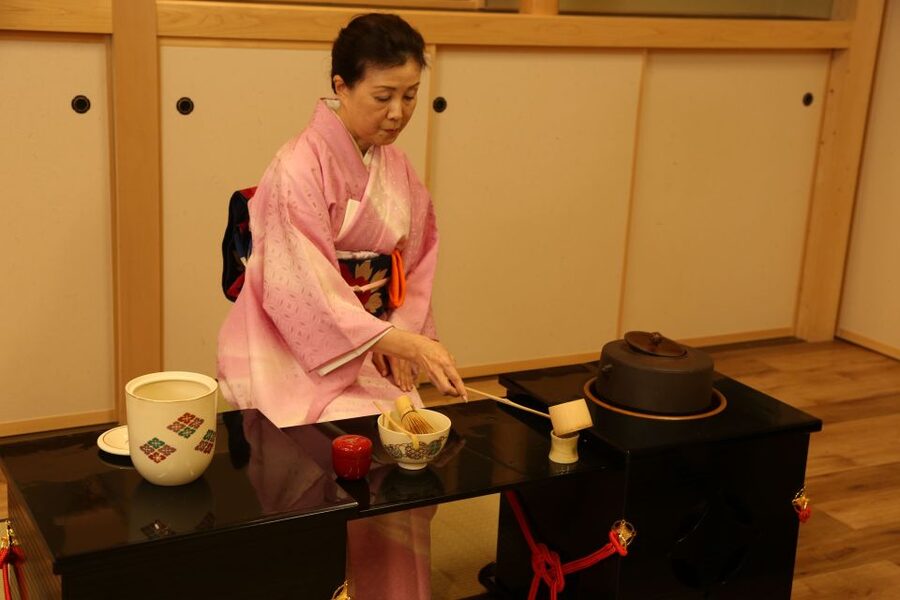
The connection with Zen Buddhism is one of the strongest reasons to book this activity. The lesson explains how the tea ceremony reflects ideas such as concentration, simplicity, and respect for the moment in front of you.
You will not receive a long religious lecture. Instead, Zen is presented through the ceremony’s actions and setting. The way a bowl is cleaned, the way tea is whisked, and the way a guest receives the cup all become part of the lesson.
This approach works well if you are curious about Japanese culture but do not want a full-day temple tour or a highly academic class. You get enough background to understand why the ritual developed and why it remains meaningful in modern Japanese life.
One useful detail is that the activity treats the ceremony as a practice, not a museum piece. You learn why people still perform it and how its values relate to daily behavior. That context gives the tea more meaning than a simple tasting session.
The Zen element is not equally long for everyone. One visitor found the Zen exercise too brief. That is a fair expectation to set: this is primarily a tea ceremony class with Zen context, not an extended meditation workshop.
Watching the tea master prepare matcha
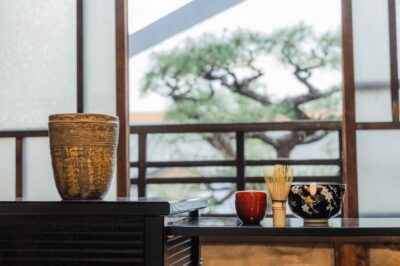
The first half of the session centers on demonstration. Your instructor shows you the utensils and explains their roles before preparing the tea. You see how the bowl, scoop, whisk, and other items fit into the sequence.
Pay attention to the order of movements. The beauty of the ceremony comes partly from its precision, but the class also helps you see the practical side. Each gesture has a purpose, and the instructor explains how the objects are used rather than rushing through a polished show.
The demonstration is also your chance to notice the social rules. Tea ceremony involves more than making matcha. It includes how the guest receives the bowl, how the tea is appreciated, and how respect passes between host and guest.
The experience is limited to 10 people, which matters here. In a large room, it would be easy to miss the small hand movements. A small class gives you a better view and makes it more likely that you can hear the English explanations clearly.
At the same time, do not expect complete silence. The venue has been described as having a tearoom-like feel, but noise from an activity next door has sometimes been audible. If you are hoping for a perfectly hushed Zen setting, this is the main point to keep in mind.
Matcha and the traditional sweet
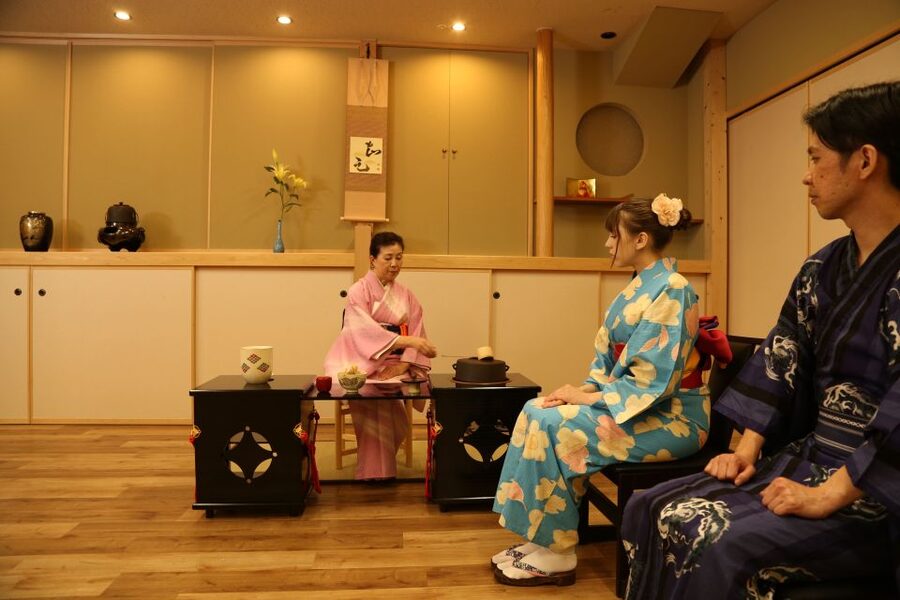
Before you make tea, you taste matcha with a traditional Japanese confection. This pairing is not just a snack added to the booking. The sweetness helps balance matcha’s strong, grassy bitterness and prepares you for the formal rhythm of the ceremony.
The sweet also introduces an important part of tea culture. Food served during the ceremony is chosen to support the tea, not compete with it. You learn to notice the contrast between the confection’s sweetness and the matcha’s sharper flavor.
If you have only had matcha in a sweet latte, the flavor may surprise you. Traditional matcha is more direct and can taste bitter or vegetal. The confection makes the drink easier to appreciate and shows why the two are served together.
The included food and tea add real value to the session. You are not paying only for a demonstration. You receive an introduction to the etiquette, taste, tools, and history that surround the drink.
A few more tea experiences around Tokyo worth a look
- Dynamic Tokyo: Tokyo Tower, Tea Experience, Bay Cruise Day Tour
★ 4.5 · 521 reviews - Asakusa: Kimono Tea Ceremony with Matcha and Sweet
★ 4.9 · 153 reviews - Tokyo: Full-Day Tour w/Tea Experience,Buffet Lunch & Cruise
★ 4.9 · 151 reviews - Tea Ceremony Experience in a Private Tea Room in Shibuya
★ 4.9 · 125 reviews
Your turn to conduct the ceremony
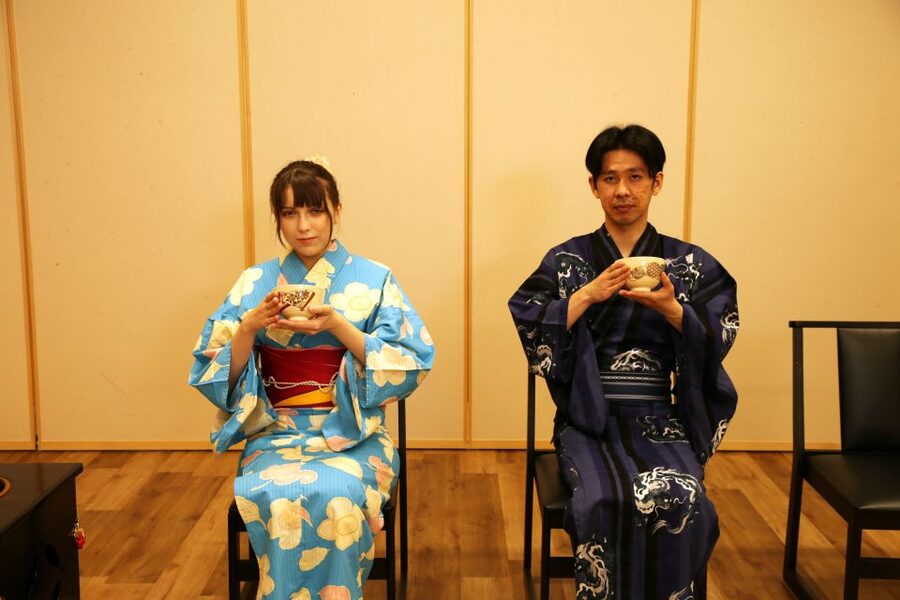
The most hands-on section comes after the demonstration. You prepare a second bowl of matcha with guidance from the instructor. The tea master walks you through the steps and helps you understand what to do, rather than leaving you to copy from memory.
This part can feel slightly awkward at first, which is normal. The ceremony has a careful sequence, and the utensils may be unfamiliar. The instructor’s role is to keep the exercise welcoming and clear, so you can focus on learning instead of worrying about mistakes.
I like this format because it turns cultural observation into a physical memory. You will remember the feel of the whisk, the weight of the bowl, and the concentration needed to follow each step. Those details stay with you better than a short talk alone.
The class also answers the questions that naturally come up during a demonstration. Why is the bowl held in that way? Why are the utensils cleaned in a particular order? Why does the guest respond with certain manners? You get the explanation while the action is still fresh.
The second ceremony is included in the $63 price, along with matcha and the sweet. For a 75-minute activity, that is a fair price if you want instruction rather than a quick cup of tea. It costs more than simply ordering matcha at a cafe, but it offers cultural context and direct participation.
A comfortable setting for different mobility needs
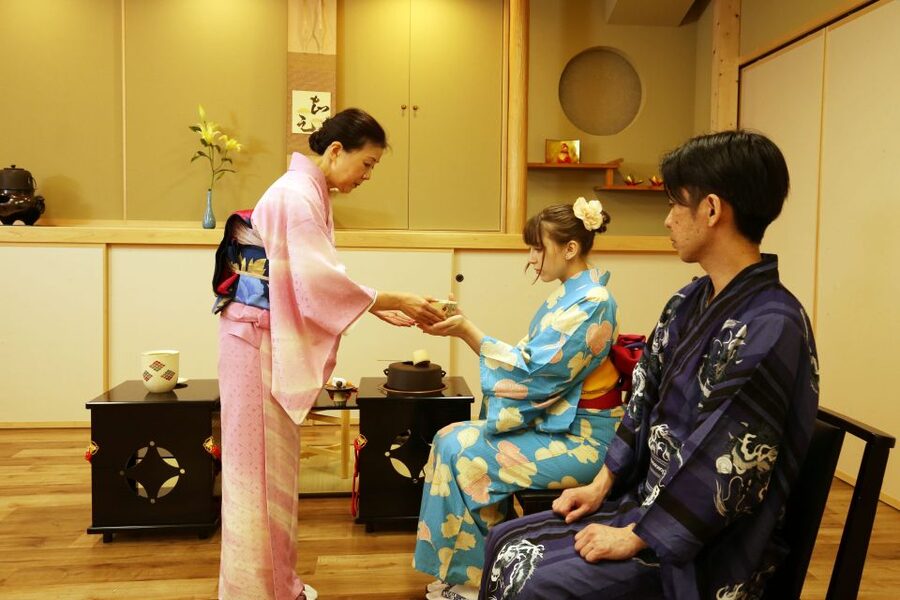
Traditional tea ceremony is often associated with sitting on a tatami floor. That can be uncomfortable or impossible for some people, so the availability of chairs is a meaningful practical detail.
You should tell the instructor if you need a chair when you arrive. The activity is wheelchair accessible, and the room can accommodate people who cannot sit on the floor. This makes the lesson more welcoming than many traditional-style demonstrations.
The setting is designed to feel like a tearoom, though it is not presented as an old temple or historic tea house. That distinction matters. You are receiving a guided cultural lesson in a convenient Tokyo venue, not entering a preserved ceremonial building.
The room’s modern, accessible setup may suit you better than a more rigid formal tea gathering. It also means the experience can work for mixed groups, including people with different mobility needs.
Finding the meeting point near Tokyo Tower
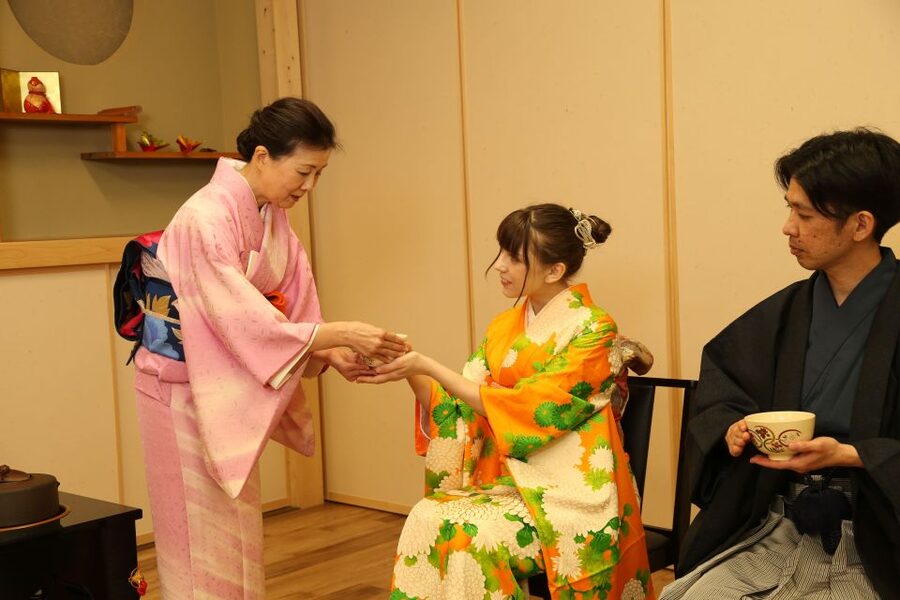
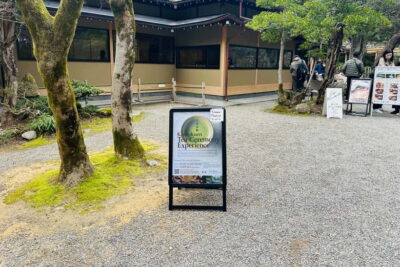
The meeting point is at the main entrance of the Kikai Shinko Kaikan building on the first floor. The building is directly opposite Tokyo Tower, which gives you a useful landmark when approaching the area.
If you cannot find your instructor at the entrance, go to True Japan Tour in room B109 on the basement level. Having a backup location is helpful, especially in a large building.
Transportation is not included, so you need to make your own way to the meeting point. Allow enough time to find the correct entrance and get upstairs. The activity lasts only 75 minutes, so arriving late could mean missing part of the demonstration.
The location also works well as part of a Tokyo sightseeing day. You can pair the lesson with time around Tokyo Tower, but the tea ceremony itself has a quiet, focused pace. Do not treat it as a quick stop between several rushed attractions. The value comes from slowing down.
Who will enjoy this most
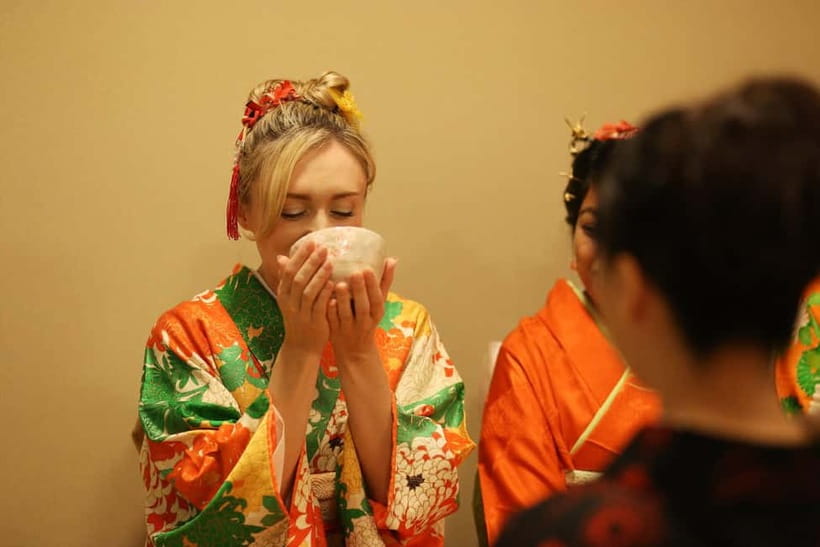
I would recommend this activity to first-time visitors who want a clear introduction to Japanese customs. You do not need any previous knowledge, and the instructor explains both the visible actions and the ideas behind them.
It is also a good choice for anyone who prefers an activity over passive sightseeing. You will watch, taste, ask questions, and make tea. That variety keeps the 75 minutes active without making it feel rushed.
Couples, solo visitors, and small families can all fit the format, though children under 4 are not allowed. Older children may enjoy the hands-on part, but the ceremony requires quiet attention. The rule against making noise is worth taking seriously.
This is particularly suitable if you want:
- A small-group cultural lesson in English
- A gentle introduction to Zen Buddhism
- A traditional sweet and matcha tasting
- A hands-on activity near Tokyo Tower
- A chair-accessible alternative to floor seating
You may want something else if your main goal is extended meditation, a historic tea house, or a completely silent setting. The Zen exercise is brief, and the room can sometimes pick up sound from next door.
How the price compares with the experience
At $63 per person, this is not a budget tea break. You are paying for an instructor-led cultural lesson, not simply for tea and sweets.
The price makes more sense because it includes two stages: a full demonstration and your own guided attempt. You also receive explanations about Zen, utensils, architecture, art, and the role of tea ceremony in Japanese society.
The small group size adds value. With no more than 10 people, the instructor can keep an eye on your technique and help you through the sequence. A large public demonstration might cost less, but it would not give you the same chance to participate.
I would consider the activity good value for anyone who wants cultural understanding and direct practice. If you are mainly looking for a drink, spend less at a tea shop. If you want to know why the ceremony works as it does, the class earns its price.
Free cancellation up to 24 hours before the start and the option to reserve now and pay later make it easier to fit into a changing Tokyo schedule. Check the available start times before booking, since the exact session time is not fixed in the description.
What the strongest teaching looks like
The best part of this experience is the care shown by the instructors. Junko is praised for connecting tea ceremony with Zen Buddhism in a personal way. Ken is singled out for making the lesson clear, while Midori is noted for creating a comfortable atmosphere and explaining the ceremony well.
Those details point to the right kind of teaching for this activity. You need an instructor who can explain etiquette without making you feel clumsy. The tea masters appear to balance formality with humor and warmth, which helps beginners relax.
The instruction is not only about copying gestures. You learn the reasons behind the actions. That is the difference between a cultural performance and a useful class.
English ability is another strength. The activity is conducted in English, and the explanations cover the history, preparation, utensils, and Zen connection. That makes the class accessible even if you know little about Japanese religious or artistic traditions.
Should you book this tea ceremony?
Book it if you want a small, hands-on cultural experience that explains both the ceremony and its Zen meaning. The chance to prepare matcha yourself is the main reason to choose it over a standard demonstration.
I would especially suggest it for first-time visitors, people interested in Japanese customs, and anyone who wants a quiet break from sightseeing. The chair seating and wheelchair access also make it more practical than many traditional-style activities.
Think twice if you need complete silence or want a long meditation session. The room can carry noise from next door, and the Zen portion is fairly short.
For $63, the experience gives you matcha, a traditional sweet, expert instruction, and your own attempt at the ceremony. If you value understanding how a tradition works, rather than just photographing it, this is a worthwhile Tokyo activity.
FAQ
How long does the Japanese tea ceremony experience last?
The activity lasts 75 minutes.
How much does the experience cost?
The price is $63 per person.
Is the experience conducted in English?
Yes. The instructor teaches in English.
Can I make tea myself?
Yes. After watching the instructor prepare matcha, you conduct a second tea ceremony yourself with expert guidance.
Is floor seating required?
No. Seats are available for people who prefer not to sit on the floor.
Where is the meeting point?
Meet at the main entrance of the Kikai Shinko Kaikan building on the first floor, directly opposite Tokyo Tower. If you cannot find the instructor, visit True Japan Tour in room B109 on the basement level.
Just added around Tokyo
- Yokohama : Tea Ceremony with Sweets and Souvenir★ 5.0 · 5 reviews
- Walking Tour: Yanaka,Nezu& Sendagi: Tea Ceremony & Old Tokyo★ 5.0 · 3 reviews
- 2 Hours Mochi &Nerikiri Making & Matcha Class in Bunkyo★ 5.0 · 21 reviews
- Private Kimono and tea ceremony at local home near Tokyo Disney★ 5.0 · 6 reviews
- Private Mochi・Matcha sweets Making Class Near Shibuya Area★ 5.0 · 22 reviews
- Tokyo Sweets Tour: Hidden Gems & Matcha at an Old Tea House★ 5.0 · 6 reviews
- Giant Sushi Cooking Class: Make a 1.5m Sushi Roll in Tokyo★ 5.0 · 9 reviews
- Tokyo: Tea Ceremony & Japanese Sweets Making★ 5.0 · 10 reviews
Tea Ceremony Experiences, compared.
Tea Ceremony in a Traditional Tea House in Kiyomizu
Read our review →
Browse the lists this tour appears in