
Review · TOKYO
Privately visit local home for relax tea ceremony &music, Tokyo
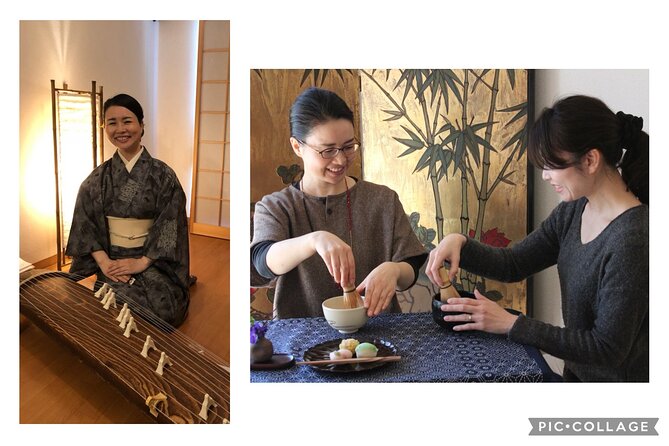
The best part of this experience is its setting: you visit Noriko’s own home for a relaxed tea ceremony, not a formal performance behind museum glass. You prepare your own matcha, ask direct questions about Japanese culture, and then hear Noriko play the koto before trying it yourself.
I like the easy access from Tokyo and the small, private format. I also like that the visit goes beyond tea, with music, sweets, and plenty of time for conversation. The main consideration is the location: Shin-Urayasu is outside central Tokyo, and the optional yukata session costs an additional 3,500 yen and adds time.
Key points at a glance
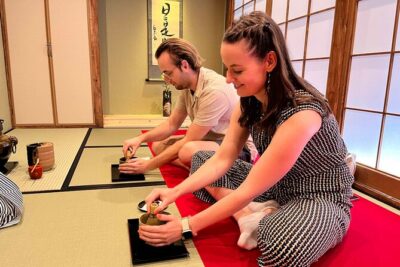
- Tea without stiff rules: Learn the background, watch Noriko prepare matcha, then make your own bowl with step-by-step help.
- A real home setting: The visit takes place in Noriko’s cozy Japanese home after a short walk from Shin-Urayasu Station.
- Live koto music: Hear two pieces on the traditional instrument, then try playing a melody yourself.
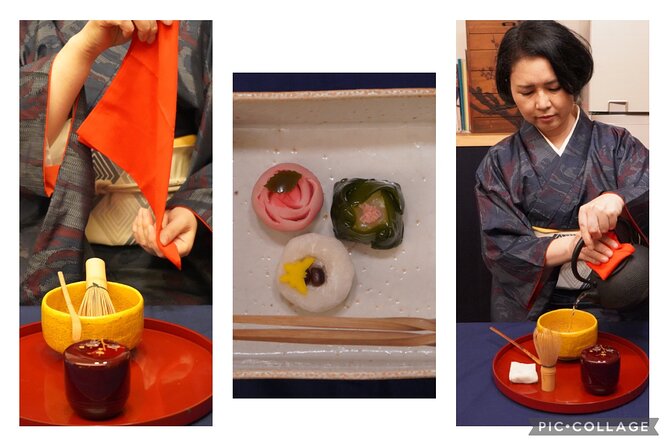
- Seasonal sweets included: Your tea comes with two small sweets and one seasonal sweet.
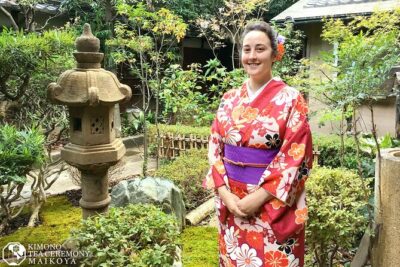
- Optional yukata experience: Pay 3,500 yen extra for traditional cotton clothing, a simple hairstyle for women, and help with photos.
- Private and conversational: Only your group participates, so you can ask questions freely and shape the conversation around your interests.
A home visit near Tokyo, not a staged cultural show
This two-hour experience gives you a quiet change of pace from Tokyo’s busy sightseeing circuit. Instead of moving from one crowded attraction to another, you meet Noriko at Shin-Urayasu Station and walk about three minutes to her home.
Shin-Urayasu is in Urayasu, Chiba, and the meeting point is about 20 minutes from Tokyo Station. That makes the visit practical for a half-day outing, though you should allow enough time to reach the station before the scheduled start.
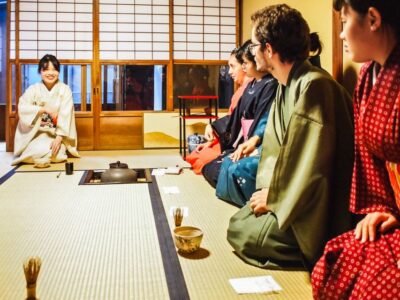
The home setting matters. A tea ceremony can feel intimidating when every movement is presented as a strict rule. Here, Noriko introduces the background, prepares the first bowl, and then guides you through your own attempt. You still learn the proper method, but the tone is friendly rather than formal.
I especially like the private format. Your group is the only group taking part, so you are not trying to hear a guide over a room full of people. You can ask about tea, music, customs, or other parts of Japanese culture that catch your attention.
The experience has earned a 5 out of 5 rating from 14 published reviews, with 100 percent recommending it. One detailed review singled out Noriko’s ability to discuss tea, music, history, and questions about Japan, along with her willingness to go beyond the basic plan. That fits the design of the visit: its strength is personal contact, not a long list of sights.
More Tea Ceremony Experiences in Tokyo:
- Kimono Tea Ceremony at Tokyo, Asakusa Maikoya
★ 5.0 · 638 reviews - Tokyo: Traditional Tea Ceremony with a Tea Master
★ 5.0 · 528 reviews - Tea Ceremony Workshop in Tokyo by the Experienced Instrucor
★ 5.0 · 189 reviews
Meeting Noriko at Shin-Urayasu Station
Your meeting point is Shin-Urayasu Station, marked JE08, at 1 Chome-1 Irifune, Urayasu, Chiba. Noriko welcomes you there and walks with you to her home, a journey of roughly three minutes.
This short walk keeps the arrival simple. You do not need to find a distant neighborhood on your own or work out a complicated meeting point. Still, I would arrive at the station with a little spare time. The experience begins from the station, and the session is private, so a late arrival could affect the schedule.
The location also shapes the type of outing this is. You are not in the center of Tokyo, and the visit is not paired with a major landmark. It works best when you see the home visit as the main event, perhaps adding another stop in the Tokyo or Urayasu area before or after it.
Because the activity ends back at the meeting point, you can make your next plan from Shin-Urayasu Station without needing to arrange a separate return transfer.
Making matcha without pressure
Noriko begins with a short introduction to the tea ceremony and its background. She then prepares the first bowl of matcha for you.
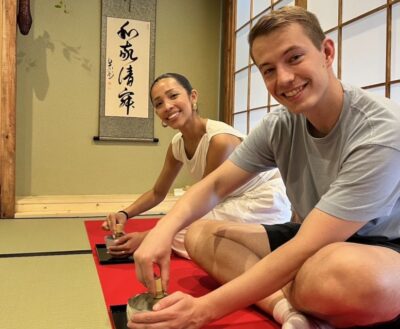
The second bowl is your turn. Noriko explains each step and helps you through the process, so you do not need previous knowledge or special skill. The relaxed structure is useful for first-time visitors who want more than a quick taste but do not want a highly formal lesson.
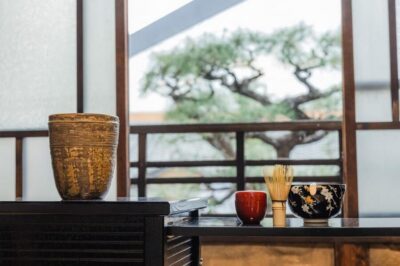
The tea is served with two small sweets and one seasonal sweet. Those details help you understand the balance built into a traditional tea setting, where the sweetness prepares the palate for the sharp, grassy taste of matcha.
Do not expect a large meal. This is a cultural tasting and demonstration, not a food tour or afternoon tea spread. If you are hungry, eat before or after the experience.
I like the fact that you prepare a bowl yourself. Watching someone whisk matcha is interesting, but handling the tools gives you a better sense of the care and rhythm involved. At the same time, the host’s guidance keeps the activity from turning into a test of etiquette.
Hearing the koto, then trying it yourself
After the tea portion, Noriko introduces the koto, a traditional Japanese stringed instrument. She performs two pieces before handing the experience over to you.
You get the chance to play the instrument yourself, and the session is designed so that you may be able to produce a melody sooner than expected. That hands-on moment gives the visit a playful turn. You are not only listening to a cultural demonstration. You are taking part in one.
This is also where the private setting pays off. If you have questions about the koto, Japanese music, or Noriko’s performance, you can ask them directly. The experience does not treat music as a separate stage show. It becomes another way to talk about daily culture and traditional arts.
The music section will suit anyone who enjoys trying something new, including families and first-time visitors who may not be especially interested in formal tea ceremony rules. It also gives the two-hour visit a good rhythm: conversation, tea, sweets, performance, and participation.
A few more tea experiences around Tokyo worth a look
- Dynamic Tokyo: Tokyo Tower, Tea Experience, Bay Cruise Day Tour
★ 4.5 · 521 reviews - Asakusa: Kimono Tea Ceremony with Matcha and Sweet
★ 4.9 · 153 reviews - Tokyo: Full-Day Tour w/Tea Experience,Buffet Lunch & Cruise
★ 4.9 · 151 reviews - Tea Ceremony Experience in a Private Tea Room in Shibuya
★ 4.9 · 125 reviews
Adding a 3,500-yen yukata session
You can add a cotton kimono, called a yukata, for 3,500 yen. The extra charge can be paid in cash, by card, or through PayPal.
The dressing time is about 10 minutes for a man. For a woman, it takes about 20 to 30 minutes, including choosing the garment. Women also receive a simple hairstyle. Afterward, Noriko helps you take photos.
This option changes the feel of the visit. Rather than simply learning about Japanese customs, you have time to dress in traditional clothing and record the occasion. It may be worthwhile if you want a keepsake from Japan or are marking a special trip.
You need to request the yukata option when booking. It extends the activity, so do not add it at the last minute or assume you can decide after arrival. The extra time is especially important if you have a train, dinner reservation, or another timed activity afterward.
The yukata is made of cotton and is generally associated with a lighter, more informal style of traditional dress. The information provided does not describe the exact selection of patterns or colors, so you should think of this as a guided dressing and photo experience rather than a full kimono lesson.
What the private format is worth at $81
At $81 per person, this is not the cheapest way to sample Japanese culture. You are paying for a private home visit, direct time with Noriko, a guided matcha activity, sweets, a koto performance, and your own chance to play.
The value improves if you are traveling with people who want to ask questions or share the activity together. A public demonstration may cost less, but it often gives you less time to talk and no chance to shape the discussion around your interests. Group discounts are available, which may help if several people are booking together.
The price also includes variety. A short tea demonstration alone might feel limited, especially if you have already visited a tea house. Here, the koto section adds a second art form, and the home setting provides a more personal connection.
The optional yukata fee should be treated separately. At 3,500 yen, it is a reasonable add-on for people who value photos and traditional dress, but it is not required for the main experience. If your priority is learning about tea and music, skip it and keep the visit to its basic two-hour format.
Who will enjoy this experience most
I would recommend this visit to you if you want cultural contact without a strict classroom atmosphere. It suits first-time visitors who have never prepared matcha, as well as people who already know a little about Japanese customs and want a chance to ask more specific questions.
It is a strong choice for:
- Couples looking for a personal cultural activity
- Families who want children to try an instrument
- Small groups who enjoy conversation
- Visitors interested in Japanese music as well as tea
- People who want a private home setting
- Anyone considering a yukata photo session
The experience may be less suitable if you want a grand historic tea house, a long formal lesson, or a large meal. It also may not fit a packed central Tokyo schedule, since you need to travel to Shin-Urayasu and return to the station afterward.
Service animals are allowed, and the meeting point is near public transportation. The supplied information does not give detailed accessibility notes for the home, stairs, or bathroom, so you should ask the provider directly if those details matter for your group.
Planning the visit around your Tokyo schedule
The core experience lasts about two hours. Add extra time if you choose the yukata option, since dressing takes about 10 minutes for a man or 20 to 30 minutes for a woman, plus the simple hairstyle and photos.
The meeting point is easy to use as a planning anchor. You meet at Shin-Urayasu Station, walk to the home, and finish back at the station. From Tokyo Station, the trip is described as about 20 minutes, followed by the three-minute walk.
I would avoid placing a tight reservation immediately afterward. The basic session has a set length, but private conversation can be part of its appeal. If your group asks many questions or chooses the yukata, a relaxed schedule will let you enjoy the visit rather than watch the clock.
The mobile ticket makes the booking easy to carry on your phone, and confirmation is provided at booking. Free cancellation is available if you cancel at least 24 hours before the start time. Cancellations or changes made inside that window are not accepted for a refund.
Why Noriko is central to the experience
The main attraction is not a famous building or a long route. It is Noriko’s ability to connect several parts of Japanese culture in one sitting.
She explains the tea ceremony, prepares matcha, guides your own attempt, performs on the koto, and answers questions about Japan. One especially strong account of the experience praised her for going beyond the planned activities and for discussing tea, music, history, and wider cultural questions.
That makes this visit different from a scripted demonstration. The quality depends heavily on the conversation between you and your host. Come prepared with questions if there are topics you want to understand, such as tea etiquette, the role of seasonal sweets, traditional music, or everyday Japanese customs.
You should also keep your expectations sensible. This is a warm home visit, not a specialist conservatory course or a formal certification lesson. Its success comes from trying several things in a friendly setting.
Should you book this home tea and music visit?
Book it if you want a private, personal introduction to Japanese culture and like the idea of doing rather than simply watching. The matcha preparation, seasonal sweets, koto performance, and chance to play the instrument give you a fuller experience than a short tea demonstration.
The $81 price makes the most sense for couples, families, and small groups who will use the private conversation time. Add the 3,500-yen yukata option if photos and traditional dress are important to you, and request it when booking.
Skip it if your schedule leaves no room for the trip to Shin-Urayasu, or if you are looking for a formal tea ceremony in a historic venue. For everyone else, this is a thoughtful way to spend two hours with a host who clearly enjoys meeting people and sharing more than the basics.
FAQ
Where does the experience begin?
It begins at Shin-Urayasu Station, JE08, at 1 Chome-1 Irifune, Urayasu, Chiba 279-0012, Japan.
How far is the home from the station?
Noriko’s home is about a three-minute walk from Shin-Urayasu Station.
How long does the main experience last?
The main experience lasts approximately two hours. The optional yukata session adds extra time.
What happens during the tea ceremony?
Noriko explains some of the tea ceremony’s background, prepares the first bowl of matcha, and guides you as you make the second. You also receive two small sweets and one seasonal sweet.
Is the yukata option included?
No. The yukata option costs an additional 3,500 yen. It includes traditional cotton clothing, a simple hairstyle for women, and help taking photos. Payment can be made by cash, card, or PayPal.
Can I cancel for a full refund?
Yes, if you cancel at least 24 hours before the experience start time. Cancellations or changes made less than 24 hours before the start time are not accepted for a refund.
Just added around Tokyo
- Yokohama : Tea Ceremony with Sweets and Souvenir★ 5.0 · 5 reviews
- Walking Tour: Yanaka,Nezu& Sendagi: Tea Ceremony & Old Tokyo★ 5.0 · 3 reviews
- 2 Hours Mochi &Nerikiri Making & Matcha Class in Bunkyo★ 5.0 · 21 reviews
- Private Kimono and tea ceremony at local home near Tokyo Disney★ 5.0 · 6 reviews
- Private Mochi・Matcha sweets Making Class Near Shibuya Area★ 5.0 · 22 reviews
- Tokyo Sweets Tour: Hidden Gems & Matcha at an Old Tea House★ 5.0 · 6 reviews
- Giant Sushi Cooking Class: Make a 1.5m Sushi Roll in Tokyo★ 5.0 · 9 reviews
- Tokyo Tea Ceremony Class at a Traditional Tea Room★ 5.0 · 2 reviews
Tea Ceremony Experiences, compared.
Tea Ceremony in a Traditional Tea House in Kiyomizu
Read our review →
Browse the lists this tour appears in