
Review · TOKYO
Tea ceremony experience in Japanese-style room 60min
The best part of this experience is that you do not merely watch a tea ceremony. You choose your own bowl and sweet, listen as Ryouko explains the objects and customs, then make your own matcha. It turns a quiet ritual into something you can understand with your hands.
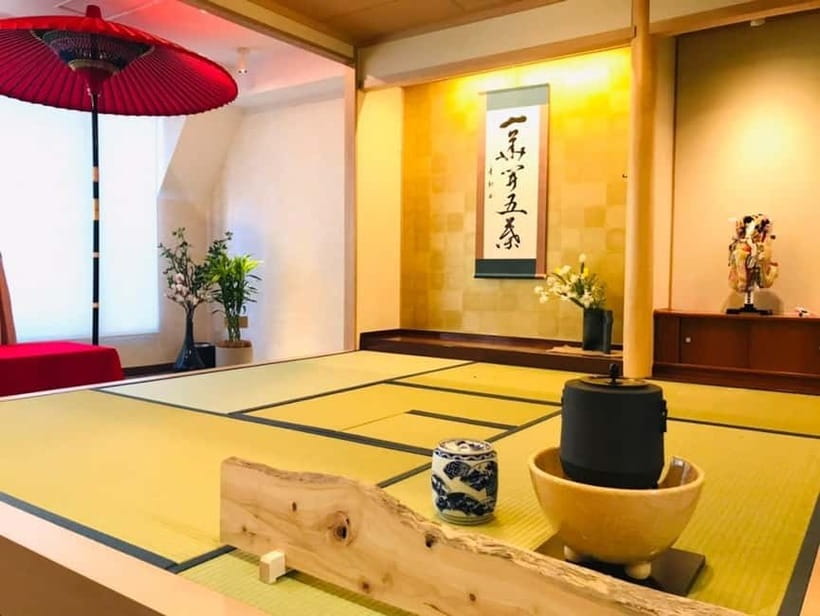
I especially like the small group of up to seven and the chance to take photographs inside a registered tangible cultural property. Ryouko and her assistant also help with photos, and several bookings have added kimono dressing for an even more memorable visit. The main caution is timing: although the experience is described as 60 minutes, actual sessions may be closer to 40 to 45 minutes, while the booking system lists a possible duration of 45 minutes to four hours.
Key points
- Choose your own matcha bowl: Each bowl has a different design and comes with an explanation.
- Make the tea yourself: You watch the demonstration, then learn how to whisk your own matcha.
- Meet Ryouko at Wasako: The tea master leads the ceremony in English or Japanese.
- Enjoy a historic setting: Charyo-Ichimatsu is a registered tangible cultural property with many good photo spots.
- Consider the kimono option: Several participants found dressing in traditional clothing made the photographs and ceremony more special.
- Bring socks: Shoes are not allowed indoors, and socks are required if you step onto the tatami.
Entering Wasako near Asakusa
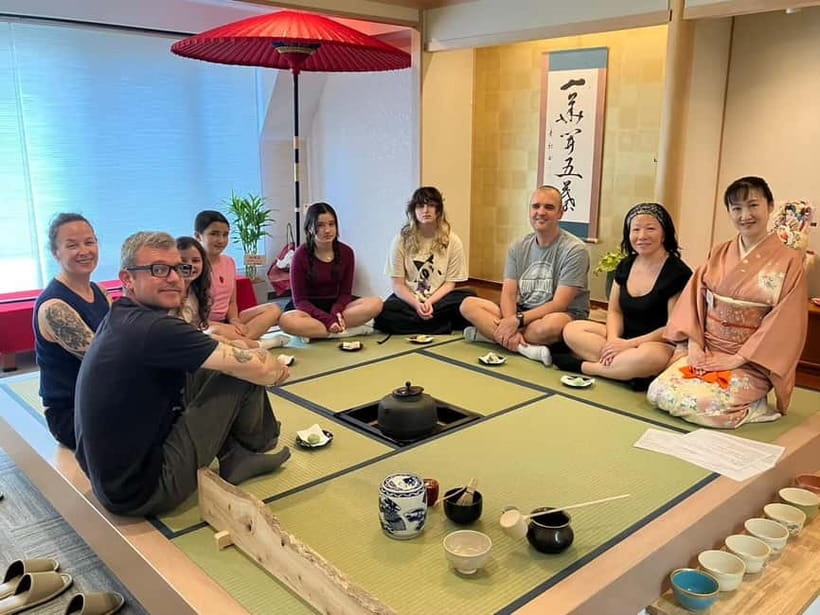
This tea ceremony takes place at Wasako, inside the Charyo-Ichimatsu restaurant in Tokyo. The setting is useful if you are already visiting Asakusa, but it is not in the middle of the main temple grounds. From Tawaramachi Station on the Tokyo Metro Ginza Line, allow about five minutes from Exit 3. From Asakusa Station on the Toei Asakusa Line, allow about 10 minutes from Exit A4.
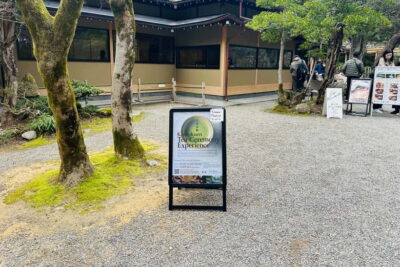
The meeting point can take a little finding. Look for green signs for the tea ceremony experience. The room is on the fifth floor, two doors to the right of the kimono rental area, near a doorway associated with an incense shop. Give yourself extra time rather than arriving at the last minute.
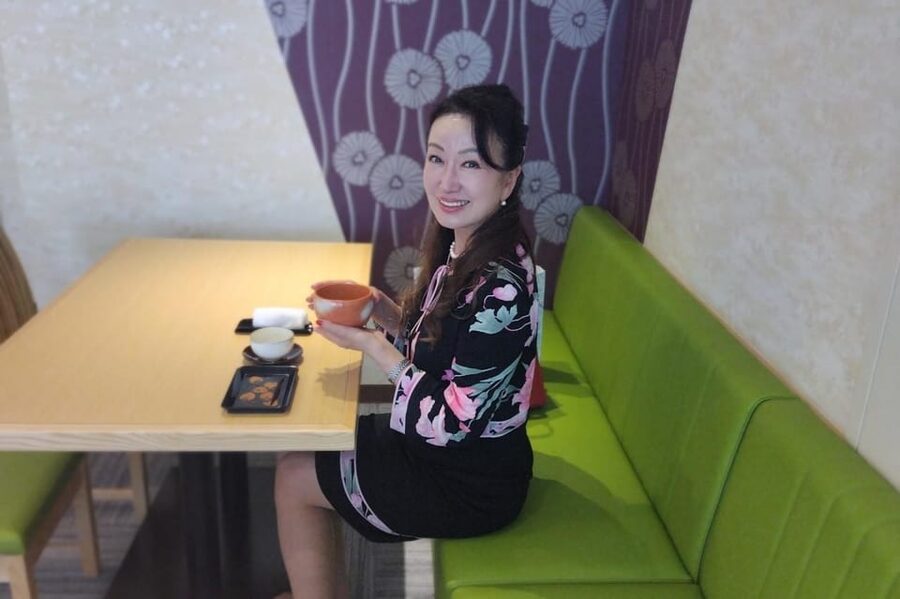
You remove your shoes before entering. Bring socks from home, since bare feet are not suitable for the tatami. If you forget them, socks are sold on site for 500 yen. This is a small detail, but it matters. You do not want to begin a quiet cultural experience by worrying about your feet.
There are four listed start times: 10:00, 11:30, 13:30, and 15:00. That spread makes it easy to fit the ceremony around Senso-ji, Nakamise-dori, or an afternoon walk along the Sumida River.
More Tea Ceremony Experiences in Tokyo:
- Kimono Tea Ceremony at Tokyo, Asakusa Maikoya
★ 5.0 · 638 reviews - Tokyo: Traditional Tea Ceremony with a Tea Master
★ 5.0 · 528 reviews - Tea Ceremony Workshop in Tokyo by the Experienced Instrucor
★ 5.0 · 189 reviews
Choosing the bowl and Japanese sweets
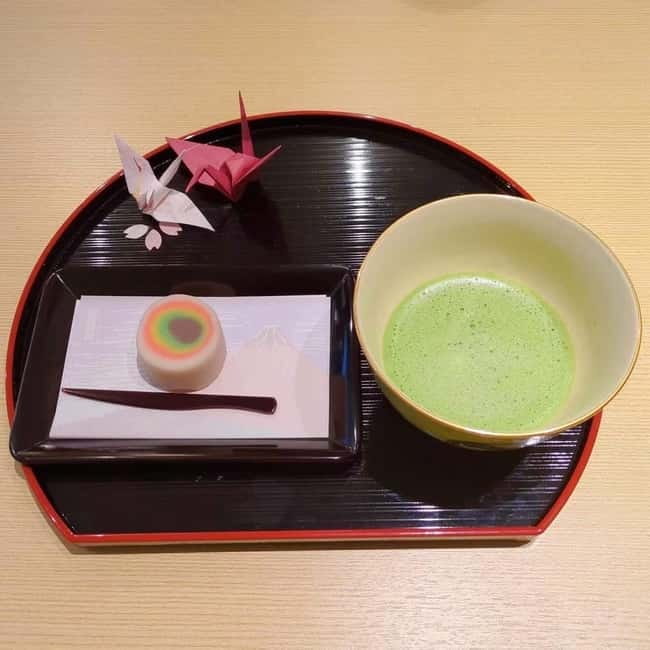
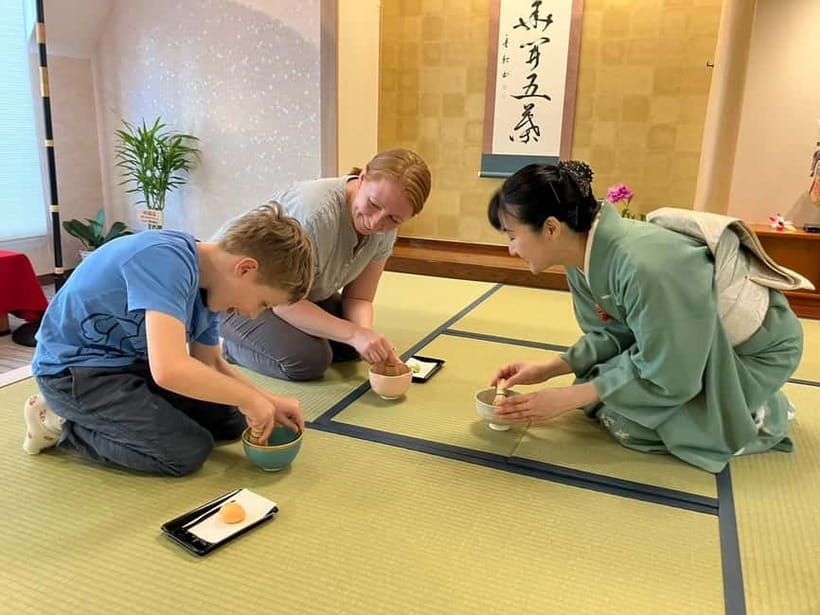
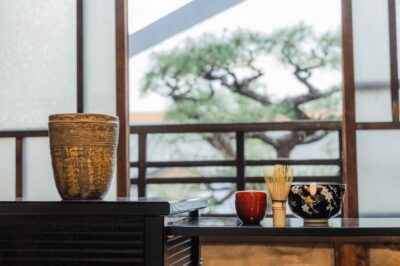
Once inside the room, you choose the matcha bowl that will be used during the ceremony. Each bowl has its own design, and Ryouko explains the individual character of the pieces. This is a fine introduction to Japanese tea culture because the bowl is not treated as a plain cup. Its shape, decoration, and feel in your hands are part of the experience.
You also select a traditional sweet. The sweet is served with the tea and gives you a pleasant contrast to the strong, grassy taste of matcha. The choice adds a personal touch without turning the ceremony into a complicated exercise.
I like this opening because it slows you down. You begin by looking closely at an object, listening to its explanation, and making a small choice. That is much more memorable than being handed an identical cup and moving straight to a demonstration.
The tea bowls also give you a good chance to ask questions. If you are interested in Japanese ceramics, this portion may feel brief, but it offers a useful starting point. The focus is on the ceremony rather than a long lecture about pottery.
Watching Ryouko prepare the matcha
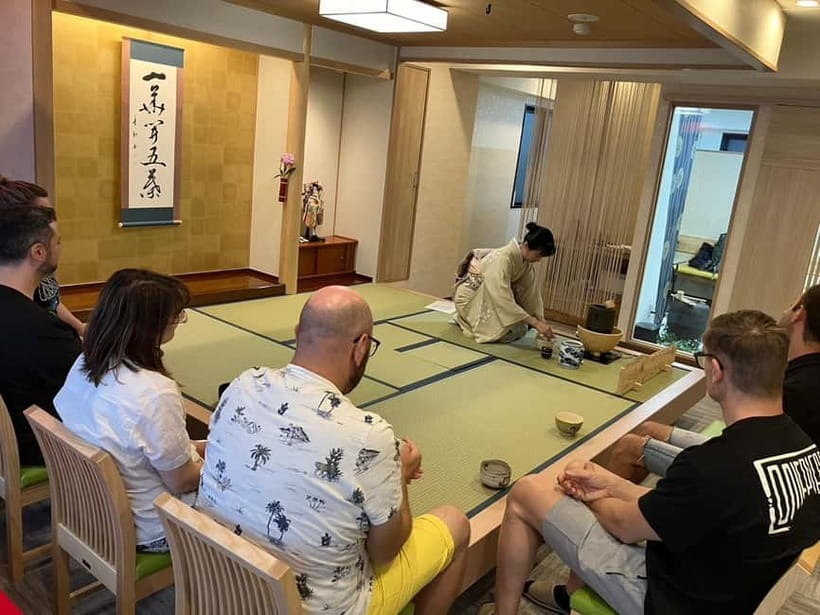
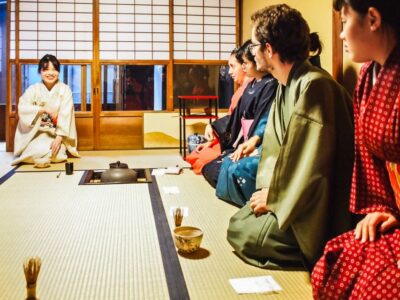
Ryouko then demonstrates the tea ceremony. The movements are deliberate, quiet, and carefully ordered. She explains the steps as she works, along with the purpose of the tools and the meaning behind parts of the ritual.
You may also hear about the hanging scroll, the furnishings, and the customs that shape a tea gathering. The amount of explanation can depend on the group and the questions you ask. One session included only a short amount of background, so if you want more cultural context, speak up and ask.
The ceremony is not designed as a performance with a distant expert at the front of the room. The small scale lets you watch closely. You can see how the utensils are handled and how the tea is presented. English and Japanese instruction is available, and Ryouko is particularly good at guiding first-time participants through the process without making it feel like a test.
You enjoy the sweet and drink the prepared matcha during the demonstration. The pace is calm, which makes this a welcome break from Tokyo’s crowded streets. It is also a good activity for people who want a cultural experience but do not want to spend half a day at a museum.
Whisking your own matcha
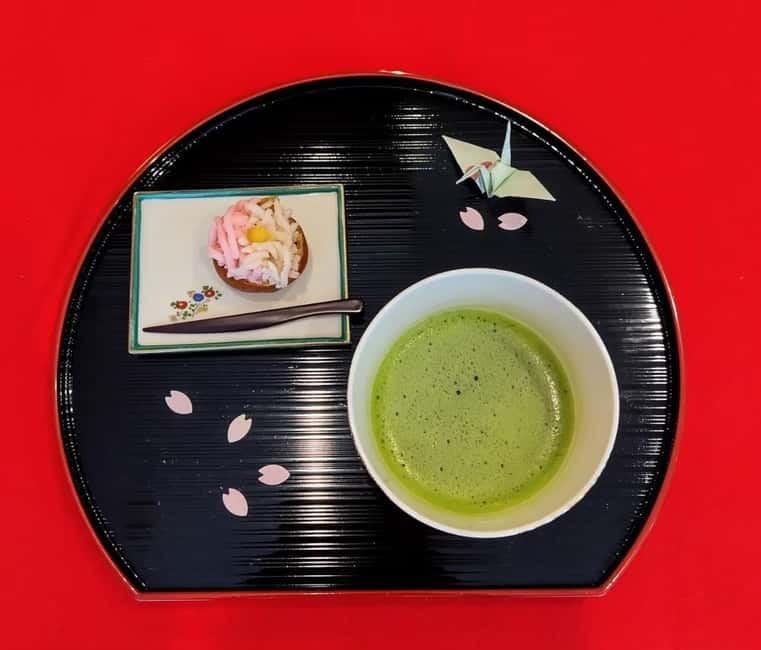
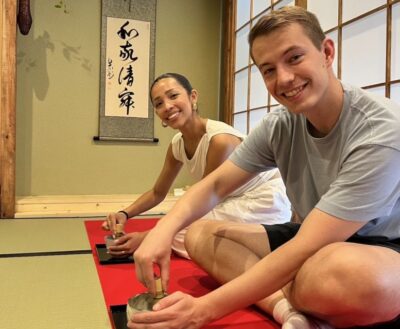
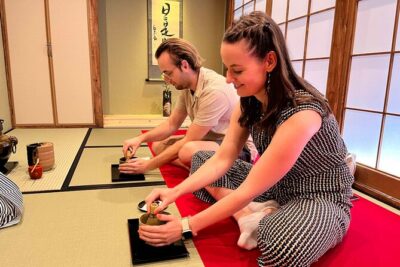
The hands-on portion is the reason I would choose this ceremony over a purely observational tea event. After watching Ryouko, you learn the basic method for preparing matcha and then make your own.
You get a direct sense of how much movement and care go into producing a smooth cup. The activity is approachable, even if you have never handled a bamboo whisk before. Ryouko explains what to do and helps as needed, so you can focus on the process rather than worry about getting everything perfect.
This participation also gives the ceremony a clear shape. First, you watch. Next, you taste. Finally, you do the work yourself. By the end, the tools and gestures make more sense because you have used them.
Do not expect a professional tea-school lesson in one short session. The class gives you an introduction, not mastery. If you already study tea ceremony, you may want a longer or more formal lesson. For a first meeting with matcha and Japanese tea customs, the balance of demonstration and practice works well.
A few more tea experiences around Tokyo worth a look
- Dynamic Tokyo: Tokyo Tower, Tea Experience, Bay Cruise Day Tour
★ 4.5 · 521 reviews - Asakusa: Kimono Tea Ceremony with Matcha and Sweet
★ 4.9 · 153 reviews - Tokyo: Full-Day Tour w/Tea Experience,Buffet Lunch & Cruise
★ 4.9 · 151 reviews - Tea Ceremony Experience in a Private Tea Room in Shibuya
★ 4.9 · 125 reviews
A historic room with plenty of photo chances
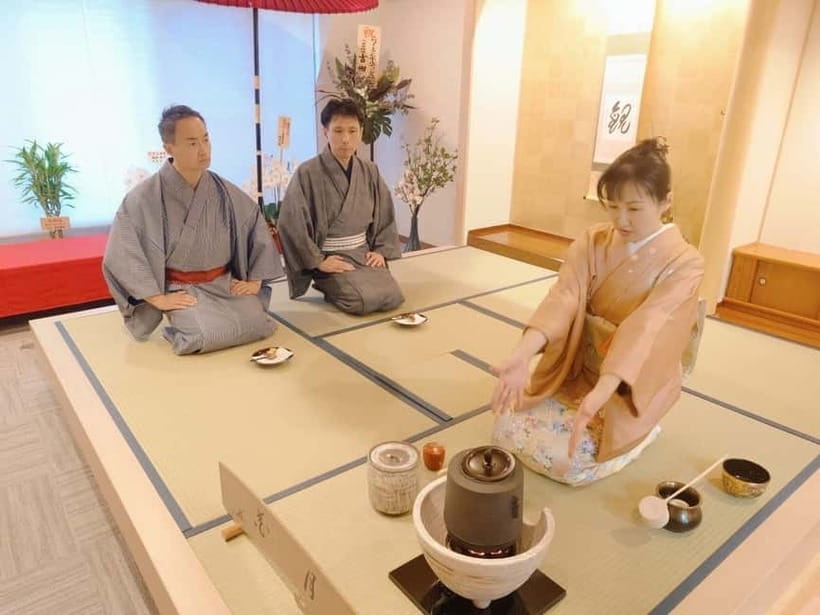
Charyo-Ichimatsu is a registered tangible cultural property in Japan. That designation gives the location extra interest beyond the tea itself. The Japanese-style room, furnishings, hanging scrolls, and traditional details create a setting that feels appropriate for the ceremony.
Photography is part of the appeal. You can take plenty of pictures, and Ryouko or her assistant may take photographs for you during the activity. This is especially helpful for solo visitors and families who want a picture of everyone together.
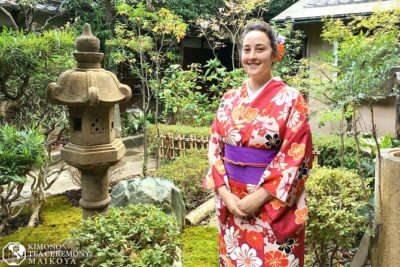
Several participants added kimono dressing, with Ryouko and assistant Akiko helping with the layers and fitting. The kimono option is not part of the stated 45-dollar tea ceremony price, so check its cost and availability separately. If you want photographs that feel more formal, it can be a worthwhile addition.
The kimono is also practical in one sense: it gives you a clear reason to pause and enjoy the room before and during the ceremony. But it will add time and expense, and the tea ceremony itself is still the central activity. I would add it if photographs and traditional dress matter to you, not simply because it is available.
How long the visit really takes
The experience is promoted as a 60-minute tea ceremony, with the general booking information showing a duration range of 45 minutes to four hours. The broad range is worth noticing because it likely reflects different options, availability, or add-ons rather than a standard four-hour tea lesson.
A reported session lasted about 40 minutes, including early arrival. Other descriptions suggest a fuller hour, especially if you include questions, photographs, or kimono dressing. Plan for roughly an hour for the basic experience, and allow more time if you select the clothing option or want photographs.
The four listed start times are useful for planning. The 10:00 session works well before a full day in Asakusa. The 11:30 and 13:30 sessions fit neatly around lunch. The 15:00 start gives you a restful afternoon pause, though you will want to check your evening plans if you are adding kimono dressing.
A smaller group means the pace may feel more personal. The limit is seven participants, and some sessions may have only one or two people. That can give you more time to ask questions and more room for photographs. It also means the atmosphere can vary depending on the group booked for your time.
Is $45 good value?
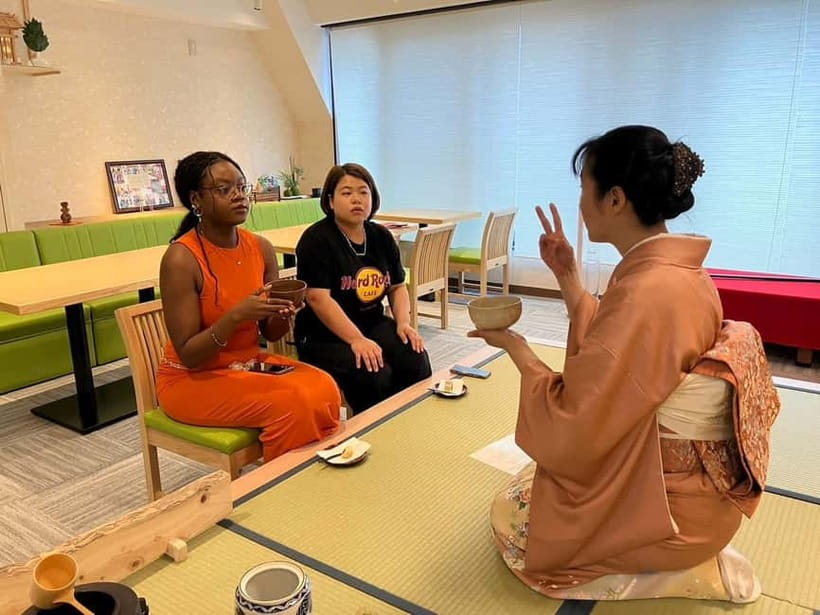
At $45 per person, this is not the cheapest way to drink matcha in Tokyo. You can find tea and a sweet for much less. You are paying for the room, instruction, the demonstration, your own preparation, the selected bowl and sweet, and the time Ryouko spends explaining the ceremony.
For someone who wants only a quick taste of matcha, the price may feel high. One participant felt the cost did not quite match a session that ended after roughly 40 minutes. That is a fair concern, especially if you do not add kimono dressing or spend much time asking questions.
I see better value here if you care about learning the steps rather than simply consuming tea. You also gain access to a traditional room in a designated cultural property and can take photographs. The small group helps justify the price, particularly when the host gives personal guidance.
Families and first-time visitors may get more from the experience than repeat tea ceremony students. It is also a sensible choice if your Tokyo schedule is tight and you want a focused cultural activity lasting about an hour.
What makes the hosting work
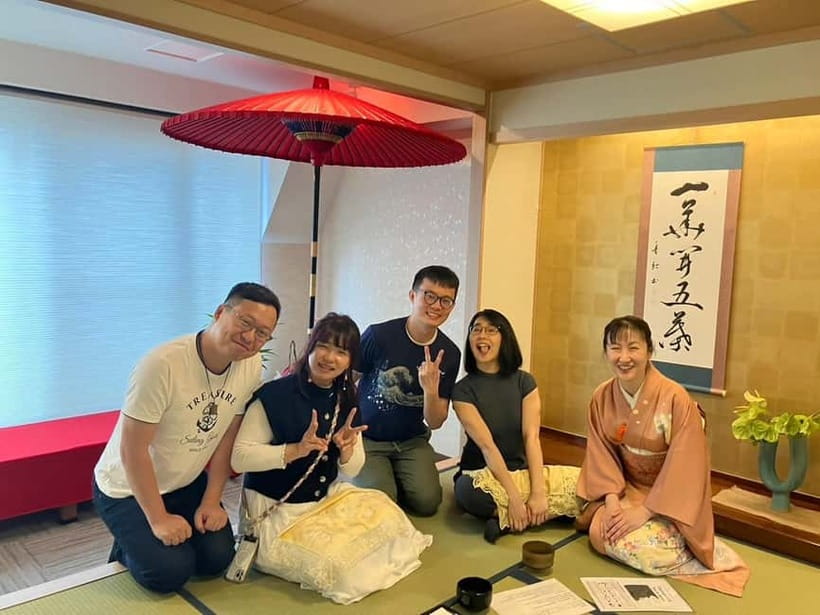
Ryouko is the main personality of the experience. She is described as warm, patient, calm, and eager to share Japanese customs. Her care shows in small practical ways: helping with the kimono, answering questions, explaining the objects, and taking photographs.
That personal hosting matters because tea ceremony etiquette can seem mysterious at first. You may not know when to bow, how to hold the bowl, or why a particular utensil is used. Clear guidance lets you enjoy the ritual without feeling self-conscious.
The staff also help make the activity comfortable for families. Teenagers and adults have taken part together, and the hands-on matcha preparation gives younger participants something active to do. Children under six are not suitable for this activity, so families with very young children will need another plan.
English instruction is available, along with Japanese. You should still expect the experience to include quiet observation and formal gestures. It is not a loud entertainment show, and its appeal depends partly on your willingness to slow down.
What to know before booking
The tea ceremony is not suitable for wheelchair users, according to the activity information. Shoes are not allowed indoors, and socks are needed for the tatami. Those are the two most important practical points.
Cancellation terms require care. You can cancel up to 24 hours in advance for a full refund. A cancellation made the day before carries a 50 percent fee, and cancelling on the day means no refund. The booking option allows you to reserve now and pay later, which helps if you are still arranging your Tokyo schedule, but it does not remove the cancellation deadlines.
The activity provider is Kabushiki Kaisha Waraku-en. Keep your confirmation details handy, especially because the signs and entrance can be a little vague. The green tea ceremony signs and the nearby kimono rental area are useful landmarks.
Do not assume the kimono is automatically included. It appears as an additional option in some bookings, so confirm the arrangement before you arrive. Also check the exact time allowed if you want both dressing and tea, since the basic session may be shorter than the total time shown in the booking system.
Who should choose this tea ceremony?
I would choose this experience if you want a gentle introduction to matcha, prefer a small group, and care about the setting as much as the drink. It suits couples, families with older children, solo visitors, and anyone who wants an activity near Asakusa that does not require a full day.
It is especially good for photographers and people marking a special trip. The traditional room, selected bowl, sweets, kimono option, and staff photographs give you several ways to preserve the memory.
I would think twice if you want a long academic explanation of tea history or a formal lesson in an advanced tea school. The session is designed for visitors, and the teaching is practical and welcoming rather than highly technical. You may also find the value less convincing if you skip the photographs, ask few questions, and leave after the shortest possible session.
Should you book the Wasako tea ceremony?
Book it if you want to do more than sip matcha. The chance to choose a bowl, watch Ryouko work, prepare your own tea, and sit in a historic Japanese room makes this a well-rounded introduction to the ceremony.
For the best experience, bring socks, arrive early enough to find the fifth-floor entrance, and ask questions during the demonstration. Add the kimono option if traditional dress and photographs are a priority. If your main goal is simply to try green tea cheaply, spend your money elsewhere.
FAQ
Where does the tea ceremony take place?
It takes place at Wasako, inside the Charyo-Ichimatsu restaurant in Tokyo. The location is about five minutes from Tawaramachi Station Exit 3 and about 10 minutes from Asakusa Station Exit A4.
What start times are available?
The listed start times are 10:00, 11:30, 13:30, and 15:00.
How long does the experience last?
The basic activity is described as a 60-minute experience, while the general duration information lists 45 minutes to four hours. A session may take about 40 to 45 minutes, with extra time possible for questions, photographs, or kimono dressing.
Is the activity taught in English?
Yes. Instruction is available in English and Japanese.
Do I need to bring anything?
Bring socks. Shoes are not allowed indoors, and you need socks if you step onto the tatami. Socks can be purchased for 500 yen if needed.
Can children or wheelchair users take part?
Children under six are not suitable for the activity. The experience is also not suitable for wheelchair users.
Just added around Tokyo
- Yokohama : Tea Ceremony with Sweets and Souvenir★ 5.0 · 5 reviews
- Walking Tour: Yanaka,Nezu& Sendagi: Tea Ceremony & Old Tokyo★ 5.0 · 3 reviews
- 2 Hours Mochi &Nerikiri Making & Matcha Class in Bunkyo★ 5.0 · 21 reviews
- Private Kimono and tea ceremony at local home near Tokyo Disney★ 5.0 · 6 reviews
- Private Mochi・Matcha sweets Making Class Near Shibuya Area★ 5.0 · 22 reviews
- Tokyo Sweets Tour: Hidden Gems & Matcha at an Old Tea House★ 5.0 · 6 reviews
- Giant Sushi Cooking Class: Make a 1.5m Sushi Roll in Tokyo★ 5.0 · 9 reviews
- Tokyo Tea Ceremony Class at a Traditional Tea Room★ 5.0 · 2 reviews
Tea Ceremony Experiences, compared.
Tea Ceremony in a Traditional Tea House in Kiyomizu
Read our review →
Browse the lists this tour appears in