
Review · TOKYO
Tokyo: Casual Japanese Tea Ceremony Experience
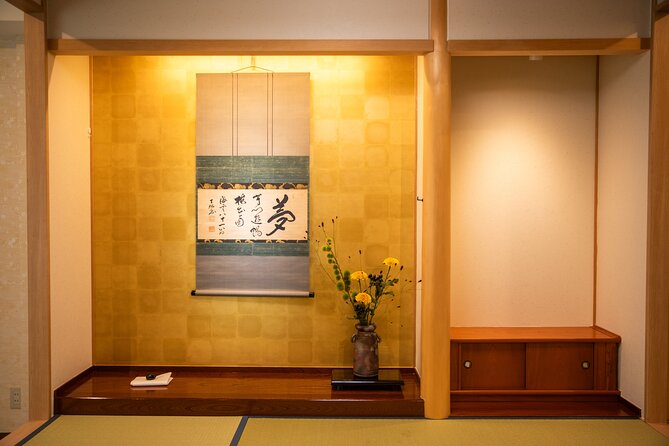
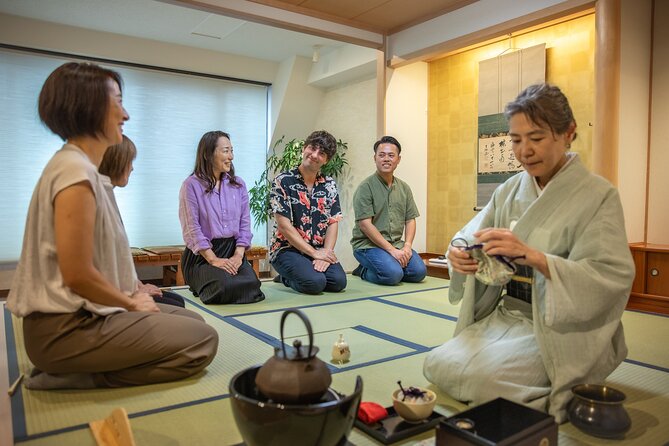
Tokyo’s formal tea ceremonies can feel like a test you did not study for. This one-hour matcha session removes that pressure. You sit in a relaxed lounge, learn why each step matters, then make your own bowl of powdered green tea. The setting is designed for beginners, not tea masters.
I like the small maximum group of eight, which should leave room for questions instead of turning the lesson into a stage show. I also like the plainspoken approach to etiquette. You can learn the customs without worrying that one wrong move will ruin the experience.
The main thing to consider is that this is a casual introduction, not a highly formal ceremony in a traditional tea house. If you want strict ritual, kimono rental, or a grand historic setting, this will feel simple. If you want a friendly first look at tea culture, that simplicity is the point.
Key points about the Tokyo tea session
- You whisk your own matcha: The hands-on part gives you more than a demonstration and lets you try the basic technique yourself.
- The group is capped at eight: This creates a more personal setting and makes it easier to ask questions.
- The ceremony is relaxed: You learn the meaning of the steps without the strict rules of a formal tea gathering.
- Japanese sweets are included: The sweets give you the traditional pairing that helps balance matcha’s strong, grassy taste.
- Photos and questions are welcome: You do not have to sit silently or guess what is happening.
- The meeting point is in Asakusa: The experience starts and ends at Tokyo Tourist Lounge Asakusa, near public transportation.
Why this casual tea ceremony works for beginners
The best feature here is the change in tone. A formal tea ceremony can involve careful movements, set manners, and a traditional setting that may leave you afraid to touch anything. This experience keeps the cultural meaning but explains it in a comfortable lounge.
You learn that the tea ceremony is not simply about drinking matcha. The host explains the thought behind pouring water, preparing the tea, and presenting it. Those small actions connect to harmony, hospitality, and attention to the moment.
That explanation matters. Without it, whisking green tea can feel like a short craft lesson. With it, you begin to see why the ritual has lasted. You are not only learning how to make a drink. You are learning how Japanese tea culture uses simple actions to show care and respect.
The relaxed format also helps if you are new to Japan. You can ask what to do instead of copying everyone around you. You can take photos during the session, which is useful if you want to remember the tools, the tea, or your first attempt at whisking.
More Tea Ceremony Experiences in Tokyo:
- Kimono Tea Ceremony at Tokyo, Asakusa Maikoya
★ 5.0 · 638 reviews - Tokyo: Traditional Tea Ceremony with a Tea Master
★ 5.0 · 528 reviews - Tea Ceremony Workshop in Tokyo by the Experienced Instrucor
★ 5.0 · 189 reviews
Starting at Tokyo Tourist Lounge Asakusa
The meeting point is Tokyo Tourist Lounge Asakusa, at 5F, 2-18-15 Kaminarimon, Taito City, Tokyo 111-0034. The venue is near public transportation, so it should fit well into a day spent around Asakusa.
The tour returns to this same meeting point at the end. That makes the outing easy to plan. You do not need to arrange a second pickup point or work out where the host will leave you afterward.
Allow yourself enough time to find the building and reach the fifth floor. The supplied details do not give a recommended arrival time, so check your booking confirmation for the exact start time and any arrival instructions.
Asakusa is a useful area for this kind of activity because it is already a popular place to spend time in Tokyo. You can place the tea session between other sightseeing plans, though the activity itself lasts about one hour. The short length also makes it workable for families, first-time visitors, or anyone fitting several stops into one day.
What happens during the one-hour experience
The session begins with an introduction to Japanese tea culture. Your host explains what you are about to see and removes the guesswork around etiquette. This opening is valuable because it gives the ceremony a framework before you begin handling the tea.
You then learn about the basic steps involved in preparing and presenting matcha. The host explains the meaning behind actions such as pouring water and offering the prepared tea. The lesson is not presented as a test, so you can focus on understanding rather than performing perfectly.
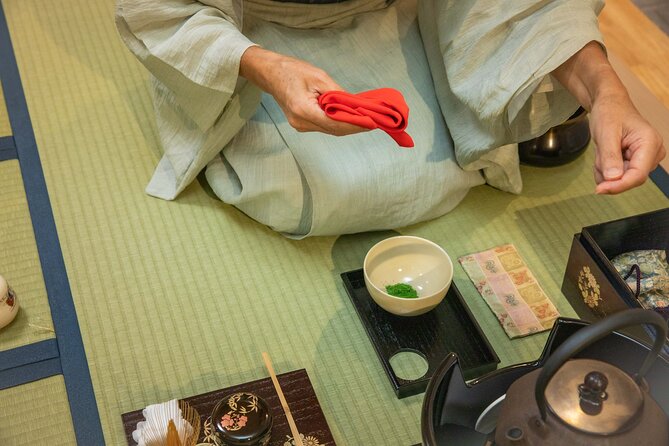
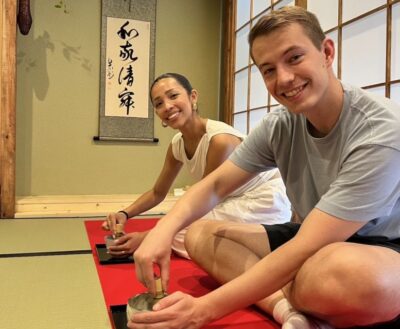
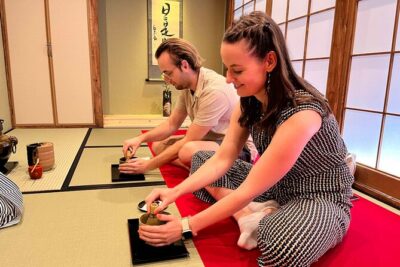
The central activity is making your own bowl. You whisk powdered green tea and prepare it under the host’s guidance. This is the part I would value most because it turns a cultural explanation into something you physically do.
Your tea is served with traditional Japanese sweets. Matcha has a distinct, concentrated flavor, and the sweets provide a useful contrast. The pairing also shows how tea is enjoyed in a wider setting rather than treated as an ordinary cup of coffee.
You can drink the matcha at your own pace. That detail suits the casual format. You are not pushed through a long sequence of formal movements, and you have time to notice the taste and ask questions.
The host also leaves room for photographs and conversation. That makes the experience more social than a silent ceremony. It is a good choice if you want cultural context in plain language and prefer learning through a friendly exchange.
The hands-on matcha lesson
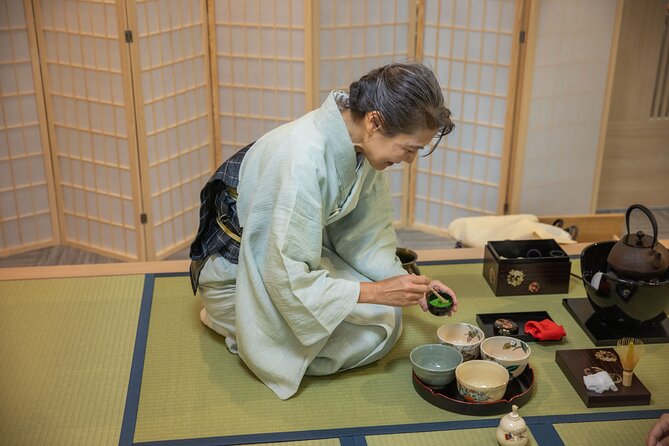
Matcha is powdered green tea, so the preparation differs from steeping a tea bag or loose leaves. You whisk the powder with water until it becomes a prepared bowl of tea. The physical motion is simple, but the lesson gives it meaning.
You do not need to arrive with any tea experience. The activity is built for novices, and the host explains the process as you go. That is especially helpful if you are unsure how quickly to whisk, how to hold the bowl, or when to drink.
Do not expect your first bowl to look perfect. The value is in trying the method and understanding the care involved. The host’s job is to guide you, not judge your technique.
The tea may taste stronger and more vegetal than the green tea many people drink at home. The Japanese sweets help soften that first impression. If you already enjoy matcha, you will still get something useful from preparing it yourself and learning how it fits into the tea tradition.
A few more tea experiences around Tokyo worth a look
- Dynamic Tokyo: Tokyo Tower, Tea Experience, Bay Cruise Day Tour
★ 4.5 · 521 reviews - Asakusa: Kimono Tea Ceremony with Matcha and Sweet
★ 4.9 · 153 reviews - Tokyo: Full-Day Tour w/Tea Experience,Buffet Lunch & Cruise
★ 4.9 · 151 reviews - Tea Ceremony Experience in a Private Tea Room in Shibuya
★ 4.9 · 125 reviews
Understanding etiquette without feeling awkward
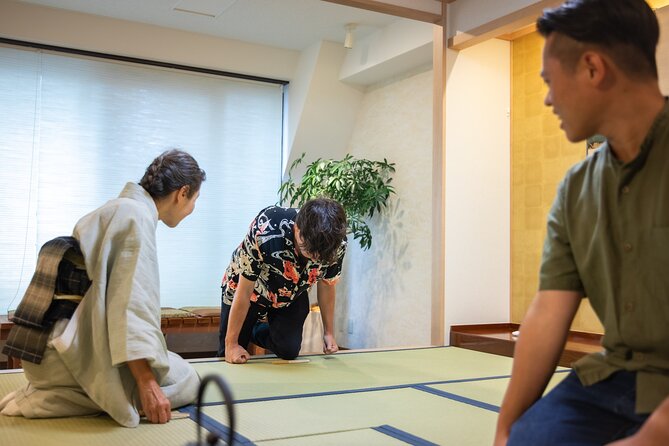
Formal etiquette is one reason some visitors skip a tea ceremony. They worry about sitting incorrectly, missing a cue, or making a mistake in front of others. This session addresses that concern directly by explaining the customs in a relaxed setting.
You are encouraged to ask questions. That means you can learn why a movement is made instead of memorizing a string of rules. The host explains the meaning behind the process, including the ideas of harmony and hospitality.
This approach creates a better first encounter with the tradition. You can respect the ceremony without pretending to be an expert. I prefer that kind of introduction because it leaves you with a clearer sense of what the customs mean.
The trade-off is that you may not experience every formal detail found in a traditional tea gathering. The setting is comfortable rather than strict, and the session is designed for access. Think of it as a guided introduction to the way of tea, not a full formal lesson in every rule.
The host and the feel of the group
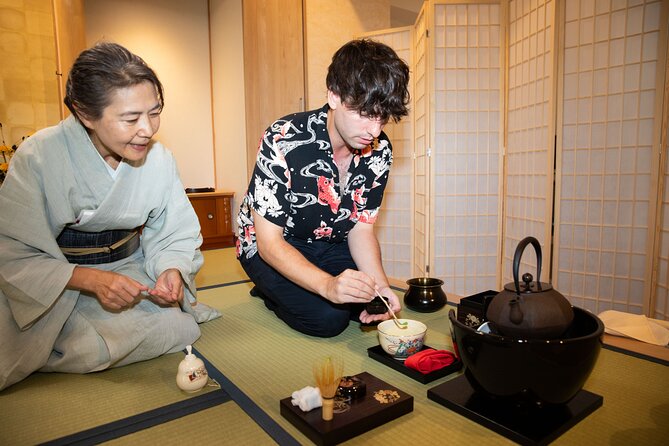
The experience is led by a friendly host, and Midori is specifically praised for her kind teaching and welcome. If Midori leads your session, you can expect a warm teaching style based on sharing knowledge rather than showing off ceremony rules.
The group size is limited to eight people. That cap is important. With a large crowd, a hands-on lesson can become a demonstration where you watch from a distance. A group of eight gives the host a better chance to answer questions and see how each person is managing the whisking.
The small group also makes the atmosphere more intimate. You are likely to share the session with other people who are curious but not already experts. The casual format should make it easier to talk, compare your first attempts, and enjoy the sweets together.
Of course, group size can vary up to the stated maximum. A smaller group may feel more personal, while a full group may feel more social. The important point is that the experience is not designed for a packed room.
What is included, and what is not
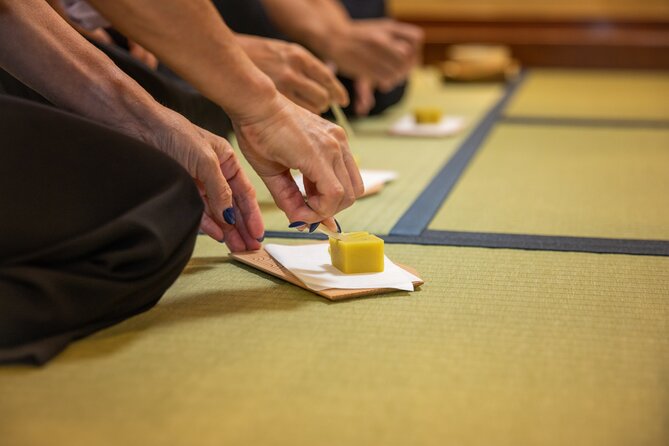
Tea and coffee are included, along with the tea ceremony experience and traditional Japanese sweets described in the session. The main value comes from the instruction and the chance to make matcha yourself, rather than from the amount of food or drink served.
Kimono wearing and rental are not included. This is a key detail if you have pictured yourself taking part in a fully dressed traditional ceremony. You will need to book a different service or arrange clothing separately if a kimono is central to your plans.
The absence of kimono rental is not necessarily a weakness. It keeps the price low and the session focused on tea culture. At about $25 per person, the cost is modest for a one-hour, host-led cultural activity in Tokyo, especially with a group limit of eight.
I would judge the value by your goal. If you want a short, active introduction with guidance and a taste of matcha, the price is sensible. If you want costume hire, elaborate architecture, a long formal ritual, or a full meal, you will need to look elsewhere and pay more.
How the $25 price fits your Tokyo plans
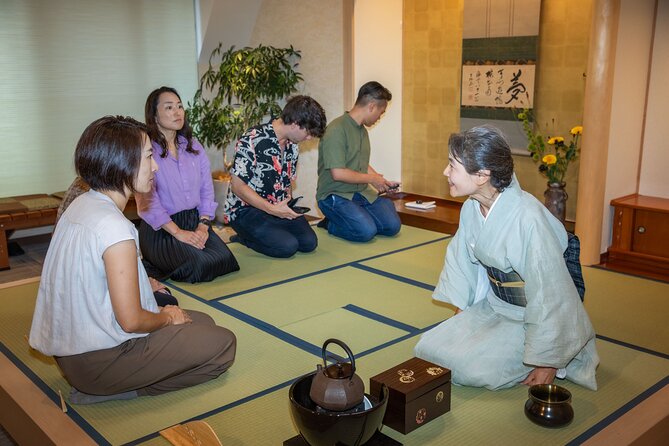
Tokyo can make short cultural activities appealing because you can add them between major sights. This session does not require a full morning or afternoon. You get an hour of instruction, preparation, tasting, and questions, then return to the same meeting point.
The price also lowers the risk of trying something unfamiliar. You do not have to commit to a long ceremonial program before discovering whether tea culture interests you. For a first visit, that makes the activity easy to add to your schedule.
The experience is listed with mobile ticketing, and confirmation is received at booking. Keep the ticket available on your phone, and check the local start time carefully. The cancellation policy allows a full refund when you cancel at least 24 hours before the experience. Cancellations or changes inside that window are not accepted for a refund.
Who should book this experience
I would recommend it to first-time visitors who want cultural context without a stiff classroom atmosphere. It also fits people who enjoy hands-on activities and would rather make the tea than only watch a host do it.
Families and mixed-age groups may find the short format useful, though the supplied details do not state a minimum age or specific child policy. If you are booking with children, confirm those points before paying.
It also suits repeat visitors to Tokyo. You do not need to be seeing Japan for the first time to appreciate a quiet hour focused on one part of daily and ceremonial culture.
This is less suitable if your priority is a formal tea house setting, kimono photographs, or a long ritual with strict etiquette. The casual lounge setting is intentional. Do not book it expecting a grand performance.
A few practical ways to enjoy it more
Read a little about matcha before you arrive, but do not try to memorize etiquette. The host will explain the process, and the relaxed format is designed to remove that burden.
Arrive with your phone charged if you want to take pictures. Photos are welcome, but the session still involves listening and participating, so avoid treating it as a photo stop only.
Give yourself time to appreciate the taste. Matcha can be unfamiliar, and drinking it too quickly may make the experience feel harsher than it needs to be. The sweets are part of the presentation, not an extra snack to rush through.
Wear something comfortable for sitting and participating. The information provided does not specify a dress code, so there is no stated need for special clothing. Kimono rental is not part of the booking.
Should you book this Tokyo tea experience?
Book it if you want a friendly, affordable introduction to matcha with enough explanation to understand the customs. The combination of a one-hour schedule, a maximum of eight people, hands-on whisking, Japanese sweets, and permission to ask questions makes it easy to fit into a Tokyo itinerary.
Skip it if you want a formal ceremony, kimono rental, or an ornate traditional setting. This experience chooses comfort over ceremony in the strict sense.
For most curious visitors, I think that is a smart trade. At $25, you get a clear look at the meaning behind tea culture, a chance to prepare your own bowl, and a pleasant hour in Asakusa without the worry of making a cultural mistake.
FAQ
How long does the Japanese tea ceremony experience last?
The experience lasts approximately one hour.
Where does the activity start?
It starts at Tokyo Tourist Lounge Asakusa, 5F, 2-18-15 Kaminarimon, Taito City, Tokyo 111-0034, Japan.
Where does the activity end?
The activity ends back at the meeting point.
How much does the experience cost?
The listed price is $25 per person.
What will I do during the session?
You will learn about Japanese tea culture, watch and discuss the tea preparation, whisk your own bowl of matcha, taste the tea, and enjoy traditional Japanese sweets.
Is the tea ceremony formal?
No. It is presented as a casual version designed for beginners, with a relaxed lounge setting and less strict etiquette.
Can I ask questions and take photos?
Yes. The experience allows questions and photos during the session.
Is kimono rental included?
No. Wearing a kimono and kimono rental are not included.
How many people can join the activity?
The experience has a maximum of eight participants.
What is the cancellation policy?
You can receive a full refund if you cancel at least 24 hours before the start time. Cancellations or changes made less than 24 hours before the start time are not accepted for a refund.
Just added around Tokyo
- Yokohama : Tea Ceremony with Sweets and Souvenir★ 5.0 · 5 reviews
- Walking Tour: Yanaka,Nezu& Sendagi: Tea Ceremony & Old Tokyo★ 5.0 · 3 reviews
- 2 Hours Mochi &Nerikiri Making & Matcha Class in Bunkyo★ 5.0 · 21 reviews
- Private Kimono and tea ceremony at local home near Tokyo Disney★ 5.0 · 6 reviews
- Private Mochi・Matcha sweets Making Class Near Shibuya Area★ 5.0 · 22 reviews
- Tokyo Sweets Tour: Hidden Gems & Matcha at an Old Tea House★ 5.0 · 6 reviews
- Giant Sushi Cooking Class: Make a 1.5m Sushi Roll in Tokyo★ 5.0 · 9 reviews
- Tokyo Tea Ceremony Class at a Traditional Tea Room★ 5.0 · 2 reviews
Tea Ceremony Experiences, compared.
Tea Ceremony in a Traditional Tea House in Kiyomizu
Read our review →
Browse the lists this tour appears in