
Review · TOKYO
Tokyo: Tea Ceremony Experience in a small tea room
Tokyo’s best tea ceremony experiences do not need a grand pavilion. Here, you meet Mari, an English-speaking teacher with 20 years of experience, in a small room near Nishi-Nippori. She explains the ceremony, serves matcha and dried sweets, and lets you prepare your own bowl if you wish.
I like the small group of six and the calm setting near the Kamogawa Delta, Yanaka, and Nezu Shrine. I also like the patient teaching: Mari can go over details such as folding the tea towel until the movements make sense.
The main drawback is practical, not cultural. The room is in a residential area and may be hard for a taxi to find. It is also up two narrow flights of stairs, so ask about the exact room before booking if stairs are a concern.
Key points to know before booking
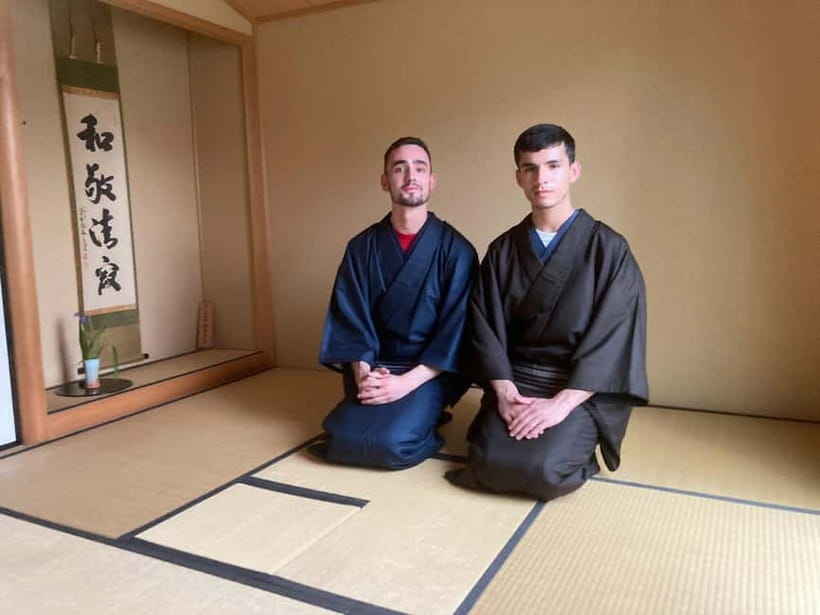
- A real hands-on lesson: You do more than watch. You can whisk your own matcha under Mari’s guidance.
- A six-person maximum: The small group gives you time to ask questions and practice.
- Close to Nishi-Nippori: The meeting point is about a seven-minute walk from the station.
- A quiet local setting: You are near the Yanaka and Nezu Shrine area, away from Tokyo’s busiest central streets.
- Kimono dressing is optional: It can be requested for an additional fee, but the price should be confirmed before arrival.
- Allow extra care for access: The residential location can be tricky to locate, and the tea room is reached by narrow stairs.
Why this small Tokyo tea room works
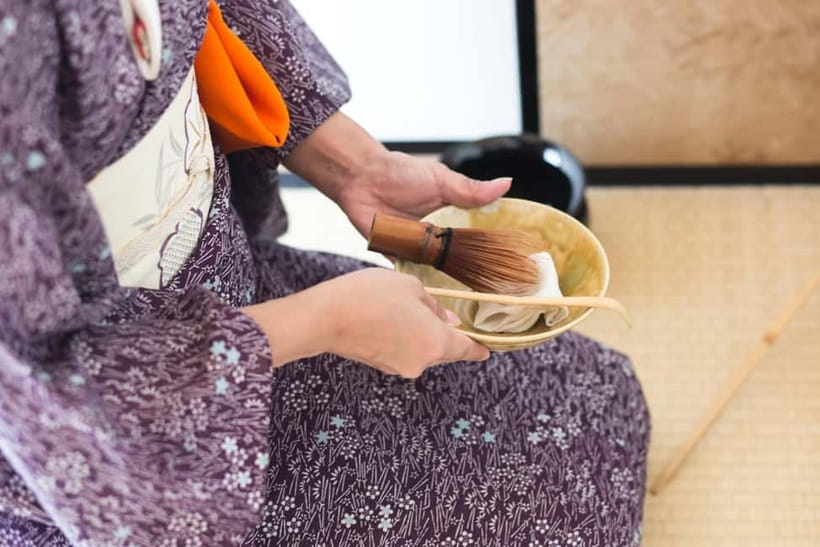
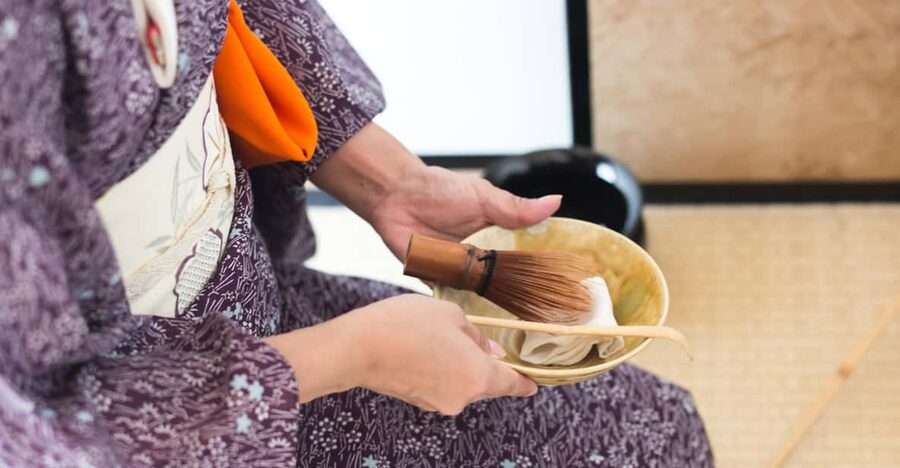
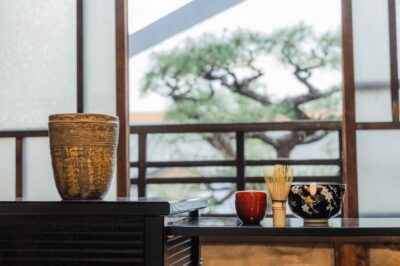
A tea ceremony can look mysterious if you only see it from across the room. Every movement seems measured. The cloth is folded in a certain way. The bowl is turned with care. The tea is whisked in a precise rhythm.
This one-hour experience gives you a useful way into that world. Mari explains what she is doing instead of expecting you to know the rules. That matters because a formal ceremony can feel intimidating when nobody explains the customs.
You are not required to arrive with any tea experience. The session is designed for beginners, but it also gives people with some previous knowledge a chance to ask questions and practice the small details. The setting is personal rather than theatrical. You meet at Senraku-an, then enter a compact tea room in a residential part of Tokyo.
The small size is one of the strongest features. With no more than six participants, you should have a better chance to see the preparation clearly and receive help with your own movements. A larger demonstration might show you the broad outline, but a small lesson helps you understand why the details matter.
More Tea Ceremony Experiences in Tokyo:
- Kimono Tea Ceremony at Tokyo, Asakusa Maikoya
★ 5.0 · 638 reviews - Tokyo: Traditional Tea Ceremony with a Tea Master
★ 5.0 · 528 reviews - Tea Ceremony Workshop in Tokyo by the Experienced Instrucor
★ 5.0 · 189 reviews
Meeting Mari near Nishi-Nippori
You meet at Senraku-an 10 minutes before the activity begins. The tea room is about a seven-minute walk from Nishi-Nippori Station, making the train a more practical choice than a taxi.
The location is close to the Yanaka and Nezu Shrine area, one of the more traditional parts of Tokyo. The nearby riverside scenery around the Kamogawa Delta adds to the quiet feel. You are still in Tokyo, but this is not the Tokyo of giant crossings, department stores, and bright signs.
Give yourself time to find the meeting point. The room is in a residential area, and one person found that even a taxi driver had trouble locating it. I would use the station and walk rather than rely on a taxi dropping you at the door.
The building access deserves attention. The tea room is up two narrow flights of stairs. That may be perfectly manageable for many people, but it is not ideal for anyone who finds stairs difficult. Contact the provider before booking if you need to confirm the exact entrance or room location.
The first taste of matcha
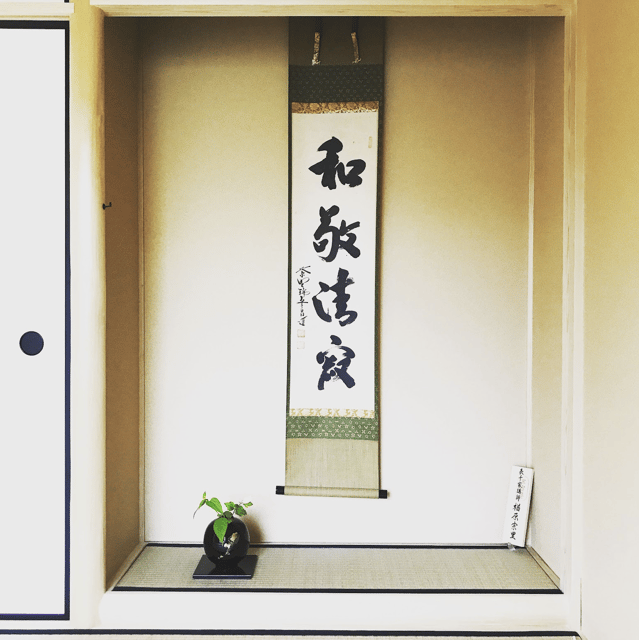
The session includes matcha and traditional dried sweets. The sweet is not just a snack placed beside the tea. In the Japanese tea tradition, it helps balance matcha’s strong, grassy flavor.
You will learn about the relationship between the tea, the bowl, the sweets, and the gestures used to serve them. The ceremony gives importance to hospitality, purity, harmony, and attention to the present moment. Those ideas become easier to grasp when you see them expressed through simple actions rather than through a long lecture.
The experience is conducted in English. That makes it much easier to ask why a movement is done or what a particular object represents. Mari’s patient manner is especially useful here. You can pause and ask questions instead of worrying that you are interrupting a formal performance.
The atmosphere is quiet and focused. For an hour, you are not rushing between sights or checking a map. That change of pace is part of the value, especially if your Tokyo schedule is packed with major attractions.
Watching the ceremony, then taking part
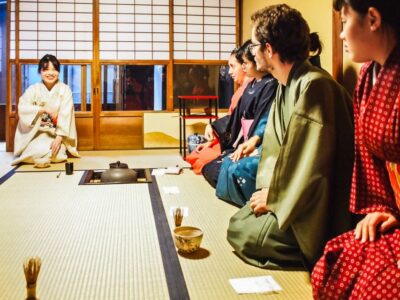
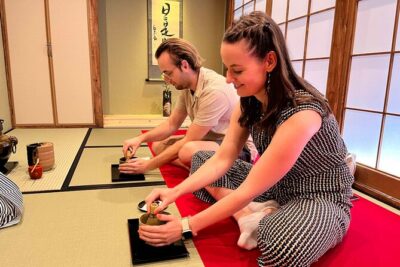
The ceremony begins with demonstration and explanation. You watch Mari prepare and serve the tea, while she introduces the order of the actions and the ideas behind them.
Do not expect a long stage show. The room is small, and the experience works best as a lesson. You will see the care given to each movement, then have the chance to try some of it yourself.
A particularly useful detail is the tea towel. Folding it correctly is one of those small actions that can look easy until you try it. Mari has taken time with participants who wanted to repeat the movement several times. That hands-on correction is more valuable than simply hearing a description.
The ceremony also teaches you to slow down. Matcha preparation is not treated as a race to produce a drink. The measured movements draw attention to the bowl, the whisk, the tea, and the person you are serving.
You do not have to prepare your own tea if you would rather watch. The option is there, and beginners can take part under close instruction. That flexible approach keeps the experience welcoming without stripping away the formality of the tradition.
A few more tea experiences around Tokyo worth a look
- Dynamic Tokyo: Tokyo Tower, Tea Experience, Bay Cruise Day Tour
★ 4.5 · 521 reviews - Asakusa: Kimono Tea Ceremony with Matcha and Sweet
★ 4.9 · 153 reviews - Tokyo: Full-Day Tour w/Tea Experience,Buffet Lunch & Cruise
★ 4.9 · 151 reviews - Tea Ceremony Experience in a Private Tea Room in Shibuya
★ 4.9 · 125 reviews
Whisking your own bowl of matcha
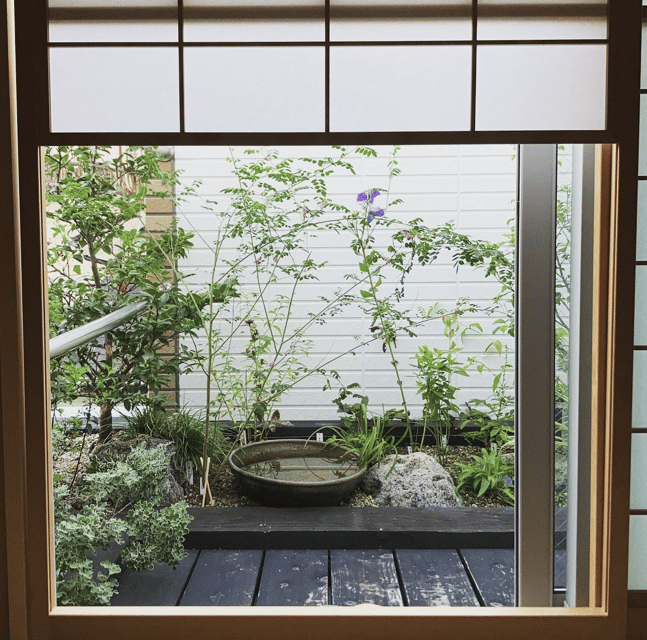
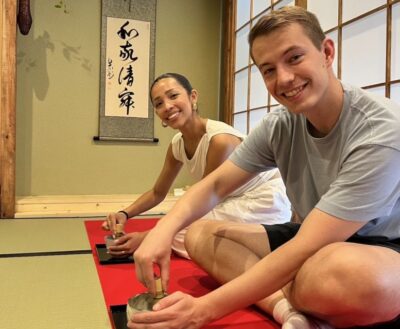
The hands-on part is the main reason I would choose this experience over a simple tea tasting. You learn how powdered matcha is whisked and how the preparation follows a set rhythm.
Matcha is different from ordinary steeped tea. The powdered leaves are whisked into the water, so the finished drink has a fuller taste and a fine texture. Your first attempt may not look as smooth as Mari’s, and that is part of the lesson rather than a problem.
The value is in learning the process. You see how a few simple tools require control and care. You also gain a better sense of why Japanese tea preparation is linked to mindfulness and hospitality.
This is not a professional tea-school course. In one hour, you will learn the basic sequence and meaning of the ceremony, not master every rule. That is a fair expectation for a short cultural activity in Tokyo.
Families and couples should find the hands-on format appealing. It gives children and first-time participants something to do, though the quiet setting still calls for respectful behavior. People who prefer a purely visual performance may find the participatory element less important, but most beginners will get more from trying the tea themselves.
What the small room adds
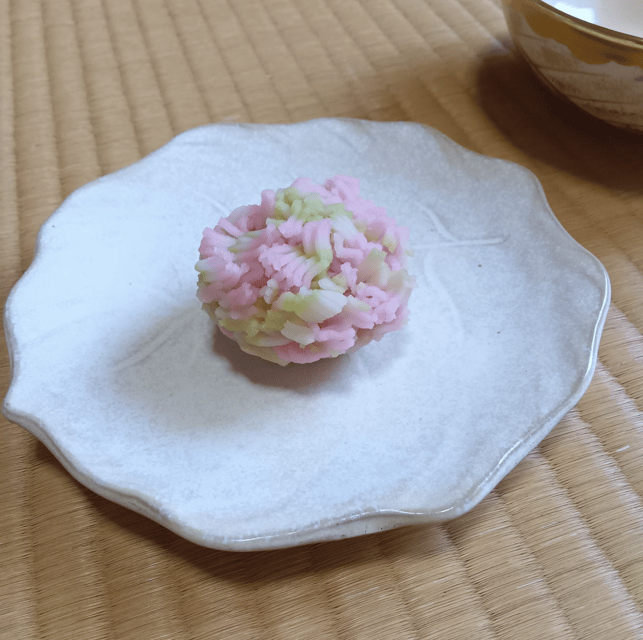
A grand cultural venue can be impressive, but it can also make you feel like an audience member. This experience takes place in a private home setting, which gives it a more direct connection to everyday Japanese hospitality.
That does not mean the room is large or easy to access. It is compact, and the stairs may be a challenge. The tradeoff is a more intimate lesson with room for conversation.
The setting also helps explain why the ceremony values simplicity. You are not surrounded by a large production or a line of people waiting for the next session. The focus stays on the teacher, the tea, and the sequence of movements.
The nearby area adds another layer to the visit. Yanaka and Nezu Shrine are close, and the riverside scenery offers a peaceful change from central Tokyo. The activity itself lasts one hour, but you can pair it with a walk in the area before or after. Transportation is not included, so plan your local train fare separately.
The optional kimono experience
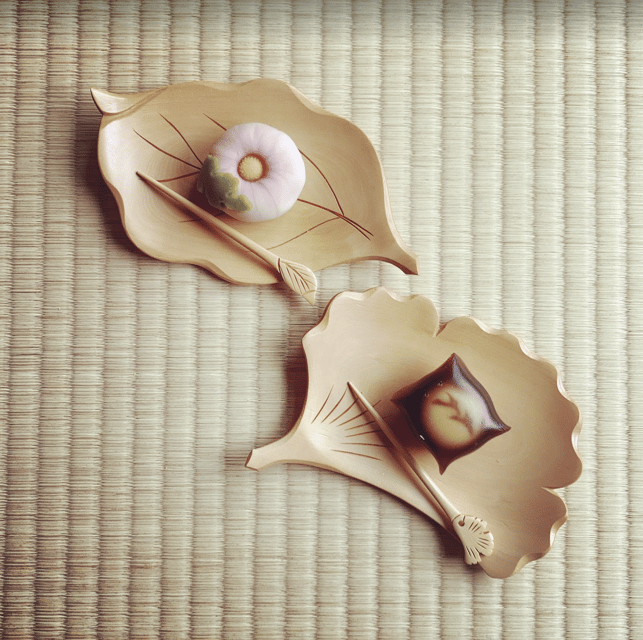
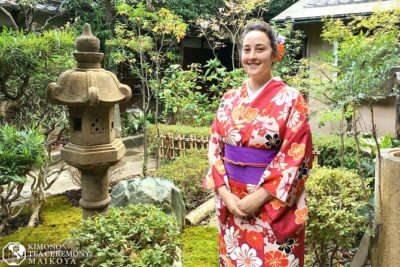
Kimono dressing is not included in the $51 price, but it can be requested as an extra. One family arranged kimono dressing for two girls and found the additional cost reasonable. Another participant thought the kimono charge was expensive, so ask for the current price before you commit.
This option may appeal to families or anyone who wants photographs in traditional clothing. It can also add time and preparation to what is otherwise a focused one-hour tea lesson.
I would treat kimono dressing as an optional extra, not the main reason to book. The tea instruction is the core activity. If your budget is limited, spend the extra money only if wearing kimono is an important part of your Tokyo plans.
Is $51 a fair price?
At $51 per person, this is not the cheapest way to drink matcha in Tokyo. You can find tea in many places for far less. But you are paying for more than the drink: the teacher’s time, the English explanation, the cultural context, the dried sweets, and the chance to prepare the tea yourself.
The six-person limit improves the value. A personal lesson gives you more opportunity to ask questions and correct your technique. You are also paying for access to a private, quiet setting rather than a quick cup at a busy café.
The price makes the most sense if you want to understand the ceremony. If you only want to taste matcha, choose a tea shop. If you want to learn how the ceremony works and take part in it, this session offers a solid use of one hour.
The cost does not include transportation or kimono dressing. Keep those separate when planning your budget. The activity does offer free cancellation up to 24 hours before the start time and allows you to reserve now and pay later, which can help when your Tokyo schedule is still changing.
Who should book this experience?
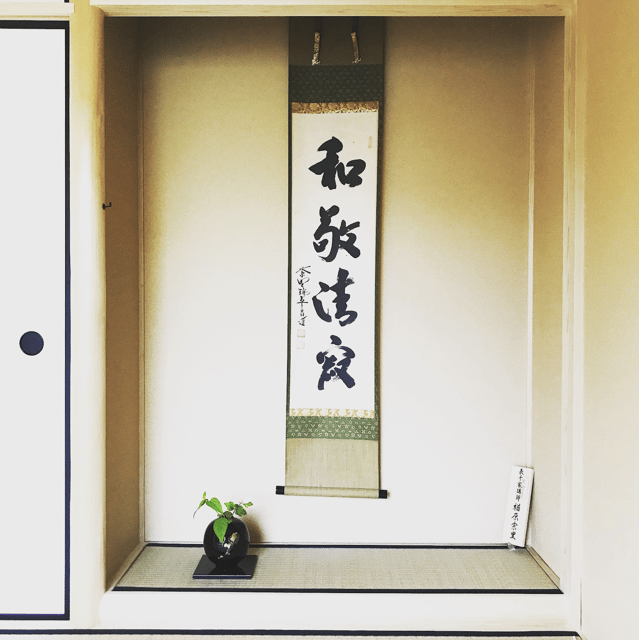
I would recommend it to first-time visitors who want a cultural activity that is calm, short, and easy to fit between other plans. The one-hour duration is useful when you do not want to give up half a day.
It also suits couples, families, and solo visitors who prefer personal instruction. The English-speaking teacher and small group make it less daunting than a highly formal ceremony with no explanation.
Book it if you want to understand the ideas of hospitality, purity, harmony, and mindful preparation through direct practice. You will get more from the experience if you enjoy asking questions and trying the movements yourself.
Think twice if stairs are difficult, if you need a large accessible venue, or if you expect a grand historic tea house. The location is residential, the room is upstairs, and the ceremony is intimate rather than lavish.
Planning your visit around Yanaka and Nezu
The Nishi-Nippori location makes this easy to combine with a visit to the older neighborhoods nearby. Yanaka and Nezu Shrine are specifically close to the tea room, and the riverside scenery around the Kamogawa Delta provides another quiet stop.
You do not need to turn the day into a complicated sightseeing plan. Arrive early, allow time to find Senraku-an, attend the ceremony, then walk through the surrounding area at an unhurried pace.
Avoid booking yourself tightly around the session. The meeting time is 10 minutes before the activity, and a residential location can take longer to find than a major station entrance. A little spare time will keep you calm before the ceremony begins.
Final verdict: book it for the lesson, not just the tea
This is a strong choice if you want an approachable introduction to Japanese tea culture. Mari’s long experience, clear English, patience, and willingness to let you practice are the central strengths.
The best parts are the small group, the hands-on matcha preparation, and the quiet local setting. The main cautions are the narrow stairs, the residential meeting point, and the extra charge for kimono dressing.
I would book this experience if you want a meaningful one-hour pause in Tokyo and are happy with a simple, personal setting. If you need step-free access or want a grand ceremonial venue, choose a different option. For everyone else, $51 buys a useful lesson, a bowl of matcha, traditional sweets, and a better understanding of why the tea ceremony is about far more than making a drink.
FAQ
How long does the tea ceremony last?
The experience lasts one hour.
Where does the experience take place?
You meet at Senraku-an, in a residential area near Nishi-Nippori Station. The tea room is about a seven-minute walk from the station.
How early should I arrive?
You should meet at Senraku-an 10 minutes before the experience begins.
Who teaches the tea ceremony?
The session is taught by Mari, an English-speaking tea teacher with more than 20 years of experience.
Is the experience conducted in English?
Yes. The instructor language is English.
Can beginners join?
Yes. The experience is designed for people with no previous tea ceremony knowledge as well as those who already have some familiarity.
Can I prepare my own matcha?
Yes. You can learn to whisk and prepare your own matcha under the teacher’s guidance.
What is included in the price?
The price includes matcha, traditional dried sweets, and the tea ceremony lesson.
Is kimono dressing included?
No. Kimono dressing is available only if requested and costs extra.
Is transportation included?
No. Transportation to and from the meeting point is not included.
How many people can join?
The experience is limited to six participants.
Can I cancel for a full refund?
Yes. You can cancel up to 24 hours in advance for a full refund.
Can I reserve now and pay later?
Yes. The activity allows you to reserve your place and pay later.
Just added around Tokyo
- Yokohama : Tea Ceremony with Sweets and Souvenir★ 5.0 · 5 reviews
- Walking Tour: Yanaka,Nezu& Sendagi: Tea Ceremony & Old Tokyo★ 5.0 · 3 reviews
- Private Kimono and tea ceremony at local home near Tokyo Disney★ 5.0 · 6 reviews
- Private Mochi・Matcha sweets Making Class Near Shibuya Area★ 5.0 · 22 reviews
- 2 Hours Mochi &Nerikiri Making & Matcha Class in Bunkyo★ 5.0 · 21 reviews
- Tokyo Sweets Tour: Hidden Gems & Matcha at an Old Tea House★ 5.0 · 6 reviews
- Giant Sushi Cooking Class: Make a 1.5m Sushi Roll in Tokyo★ 5.0 · 9 reviews
- Tokyo Tea Ceremony Class at a Traditional Tea Room★ 5.0 · 2 reviews
Tea Ceremony Experiences, compared.
Tea Ceremony in a Traditional Tea House in Kiyomizu
Read our review →
Browse the lists this tour appears in