
Review · YOKOHAMA
Yokohama: Sushi & Gyoza Cooking with Matcha Experience
The best part of this Yokohama experience is the change of pace: you begin in a quiet tatami tea room, then slide into the kitchen to make sushi rolls and gyoza with host Yuka. It feels less like a quick cooking demonstration and more like an introduction to everyday Japanese customs, food, and creativity.
I like the choice built into the first hour. You can learn about matcha, try a creamy matcha latte, draw manga characters with authentic tools, or simply enjoy tea and Japanese sweets. I also like the practical meal at the end, since you eat the sushi and dumplings you made rather than watching someone else do all the work.
The main consideration is the setting. This is held in a traditional Japanese home, not a fully adapted studio, and it is not suitable for wheelchair users or people with food allergies. You should also plan your route carefully, since transportation to and from the meeting point is not included.
Key points at a glance
- Start with a one-hour tatami room choice: Pick matcha and green tea, manga-style illustration, or quiet tea and sweets.
- Cook two Japanese staples: Make your own sushi rolls and handmade gyoza with guidance from Yuka.
- Enjoy a home-based setting: The experience takes place in a traditional Japanese home in Yokohama.
- English support is provided: Yuka gives clear instructions and speaks excellent English.
- The $81 price covers the core experience: Ingredients, cooking materials, tea, sweets, your meal, and a range of drinks are included.
- Plan for comfort and access: Wear easy-to-move-in clothes, bring a camera, and note that the activity is not suitable for wheelchair users or people with food allergies.
A Japanese home, not a standard cooking studio
You meet in front of the ticket gate, then travel to a traditional Japanese home in Yokohama. The exact transport to the home is not included, so leave room in your plans for getting to the meeting point and returning there afterward.
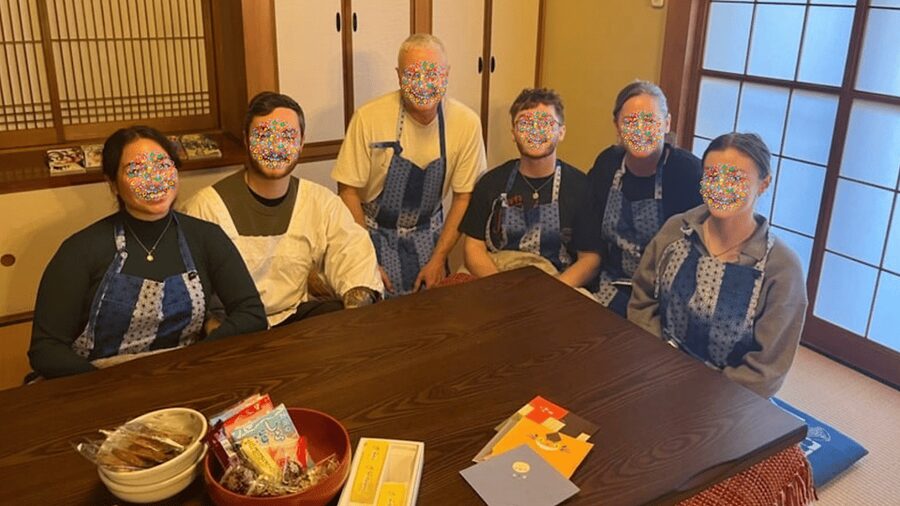
That home setting matters. You are not simply sitting at a workbench while an instructor races through recipes. The first hour takes place in a tatami-style tea room, with sliding doors separating the calm cultural portion from the kitchen work that follows. This gives the activity a clear rhythm: quiet observation and choice first, hands-on cooking later.
The home environment can also make the experience feel personal. Yuka is both host and teacher, and the published feedback points to clear meeting instructions, strong English, and patient guidance. That is useful in a cooking class, where a confusing explanation can turn folding dumplings into a small culinary crisis.
More Matcha Experiences in Japan:
- World Heritage Kyoto & Nara Uji Authentic Matcha Experience
★ 5.0 · 1,573 reviews - Kyoto: Arashiyama Bamboo Forest, Monkeys, Matcha & Temple Tour
★ 5.0 · 759 reviews - Matcha Making Class in Tokyo with Authentic Japanese Sweets Set
★ 5.0 · 744 reviews
Choose your first hour: tea, manga, or quiet time
The opening hour is not one fixed ceremony. You select one of three options, so think about what you want from the experience before booking.
Matcha and green tea
The tea option introduces the basics of preparing and tasting matcha and green tea. Matcha has a strong, distinctive flavor that is not for everyone, so the creamy matcha latte is a welcome alternative if you prefer something softer.
You also receive traditional Japanese sweets in the tea room. These give the tea portion a little structure and make it more than a quick drink before cooking. The setting is part of the lesson: sit on tatami, slow down, and pay attention to the small rituals around tea.
This is a good choice if you want a cultural introduction without needing to draw or perform. It also suits anyone curious about Japanese tea but unsure about committing to a formal tea ceremony.
Manga-style illustration
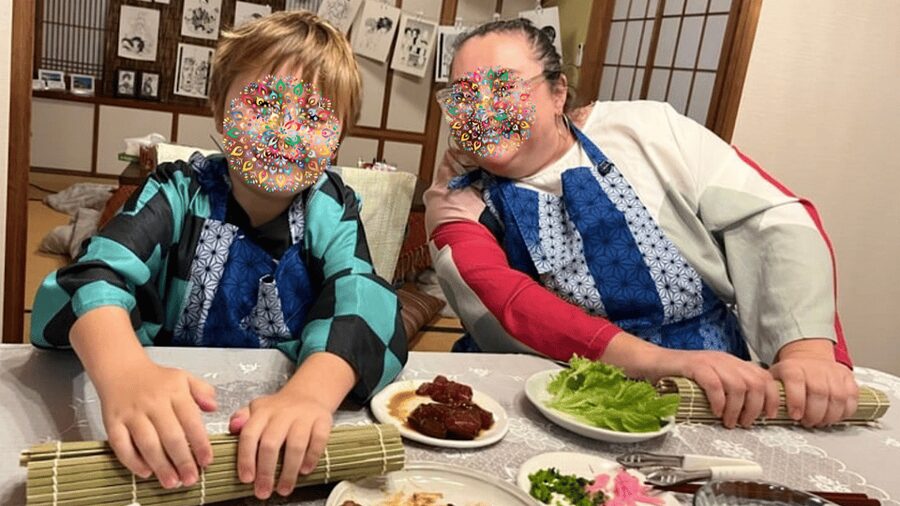
The drawing option gives you time to explore Japanese manga with authentic tools and inspiration from Yuka’s own drawings. You can create manga-style characters and take photos of the process and finished work.
This choice adds a creative element that many food classes lack. It is not only about eating, and you do not need to be a serious artist to get value from it. The appeal is in trying a distinctly Japanese form of visual storytelling with a local host who can guide you.
Bring your camera if you choose this option. The activity information specifically recommends one for capturing your manga-inspired moments, and the traditional room gives you a more memorable backdrop than a typical cooking classroom.
More Cooking Classes in Japan:
- Private Kyoto Sushi Cooking Class & Tea Ceremony with Emika
★ 5.0 · 66 reviews - Osaka Japanese Cooking And Matcha Class near Osaka Castle
★ 5.0 · 22 reviews - Home Made Onigiri and Matcha Cooking Class in Hiroshima
★ 5.0 · 11 reviews - Giant Sushi Cooking Class: Make a 1.5m Sushi Roll in Tokyo
★ 5.0 · 9 reviews
Relaxation with tea and sweets
The third option is the simplest. You spend the hour enjoying Japanese tea and sweets in the peaceful tatami room.
That may sound less active, but it can be the right choice after a busy day in Yokohama. You get time to notice the room, settle into the home setting, and talk with Yuka before the kitchen work begins. If your ideal cultural activity includes a little breathing space, do not dismiss this option as the least important.
The tradeoff is clear: you will learn less about tea preparation or manga drawing. The benefit is a calm start and a chance to enjoy the atmosphere without another task on your schedule.
From sliding doors to sushi rolls
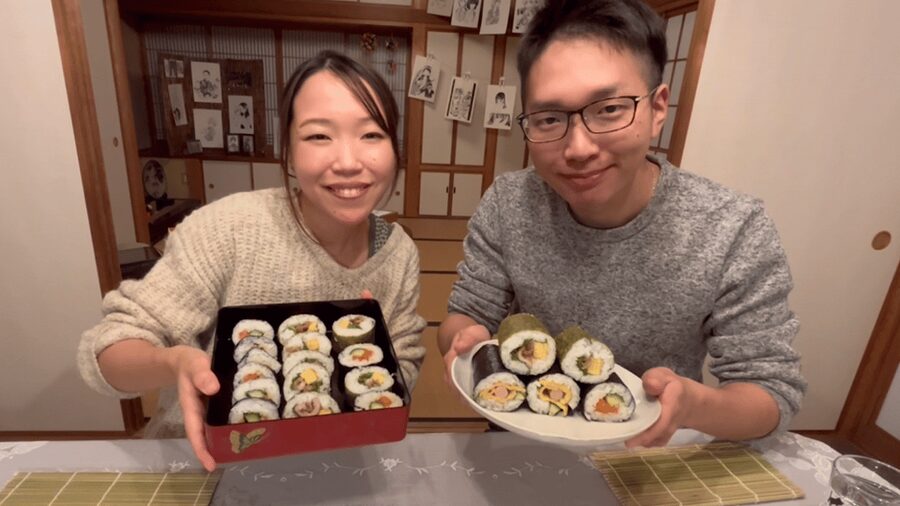
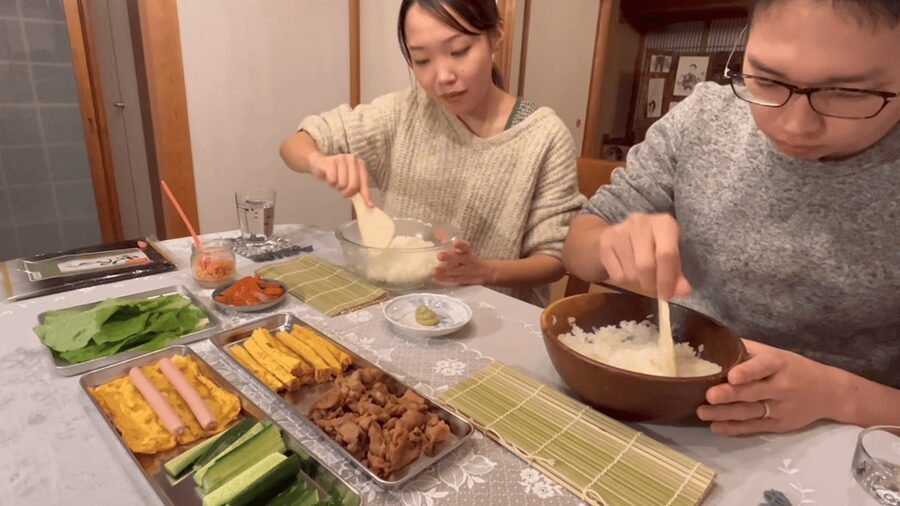
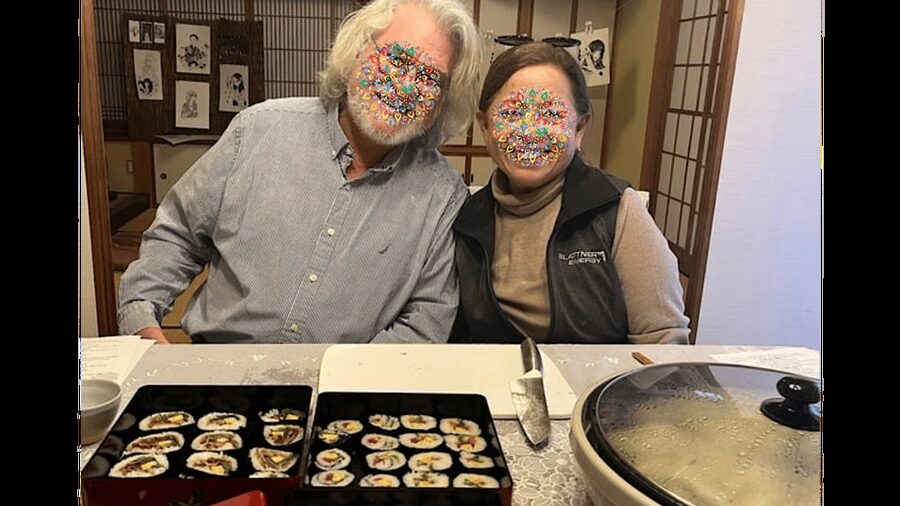
After the cultural hour, the sliding doors open to the kitchen and the cooking begins. You make sushi rolls, also called maki, using fresh seasonal ingredients provided for the class.
The attraction here is control. You are not simply served a plate of finished sushi. You build the rolls yourself, which lets you see how the ingredients are arranged and how the roll takes shape. The class is designed for participation, so expect to handle the food and follow directions rather than sit back and take notes.
The ingredients are described as seasonal, but no fixed menu is given. That means the exact fillings may vary. This is worth keeping in mind if you need a particular ingredient or strongly dislike certain foods. The activity is specifically not suitable for people with food allergies, so this is not the place to hope that substitutions can be arranged at the last minute.
Your finished rolls become part of the meal. That is an important value point: the cooking lesson and lunch or dinner are combined rather than split into separate paid parts.
Folding handmade gyoza with a local teacher
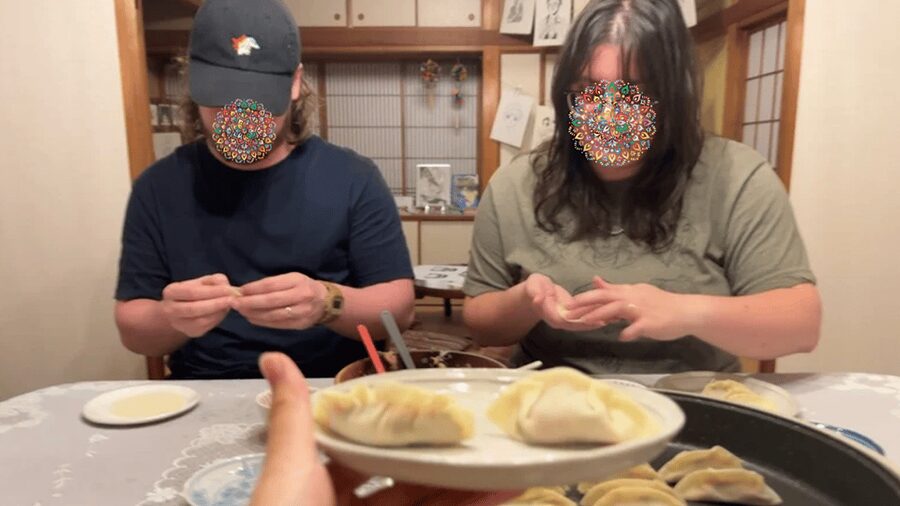
The second dish is handmade gyoza. You learn to fold and cook the dumplings with Yuka’s help, then eat them as part of the meal.
Gyoza folding is the more tactile part of the class. The goal is not just to learn a recipe, but to understand how a familiar Japanese dish is assembled and cooked. The activity information calls the gyoza delicious, but the real selling point is the process: your own hands shape the dumplings, and you see them through to the finished plate.
This is also where clear instruction matters most. The feedback describes Yuka as a good teacher who explains the steps clearly. Her English is excellent, which should make the class easier for people who do not speak Japanese.
Do not expect a professional chef certification course. You are learning two approachable home-style dishes in a friendly setting. For most people, that is the point. You leave with techniques you can try again rather than a long lecture on culinary theory.
Eating your creations with drinks
The meal includes the sushi and gyoza you prepare, along with a variety of beverages. Alcoholic options are available as part of the drink selection.
This makes the $81 price easier to assess. You are paying for the cultural hour, the host’s instruction, all ingredients and materials, tea and sweets, the cooking session, and a meal with drinks. Compared with a short class that only covers one dish, this offers more variety and a longer social arc.
Still, value depends on what you want. If you mainly want to eat excellent sushi, a restaurant may be more efficient. If you want to learn, make food yourself, and spend time in a Japanese home, the package is more convincing.
The alcohol option may suit couples or adults looking for a relaxed evening activity. Families and solo participants can still enjoy the class, since the main appeal is the cooking and cultural exchange, not the drinks.
What the host adds to the experience
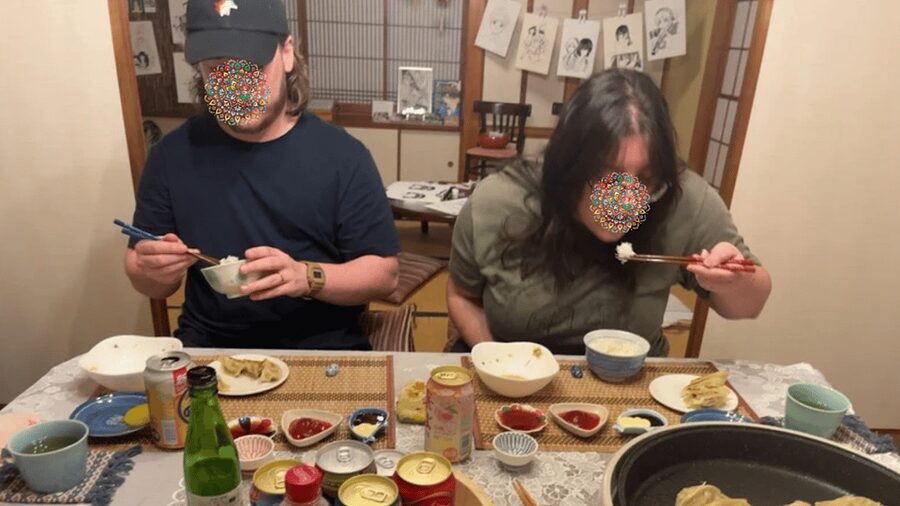
Yuka is central to the appeal. She handles the meeting guidance, tea-room welcome, cultural activities, and cooking instruction. The available feedback gives special attention to her warmth, helpfulness, and English.
That personal contact can change the tone of an activity. You can ask about the tea, drawing, food, or other parts of your Japan trip rather than receiving a fixed talk from a rotating guide. One useful detail is that Yuka has also helped with other aspects of a visitor’s trip, though that should be viewed as a friendly extra rather than a formal travel-planning service.
The class also creates good photo opportunities. You can photograph the tatami room, tea and sweets, manga work, and cooking process. Ask before photographing personal areas or people, as you would in any private home, but the experience is clearly designed to leave you with visual memories as well as cooking skills.
Who will enjoy this Yokohama activity most
I would recommend this to several types of visitors:
- Couples who want a shared activity that mixes food and culture.
- Solo visitors who like meeting a local host in a small, personal setting.
- Families seeking something more active than sightseeing, provided everyone is comfortable with the home setting.
- First-time visitors to Japan who want a gentle introduction to tea, tatami rooms, manga, sushi, and gyoza in one outing.
- Food-minded visitors who prefer making a meal to watching a cooking show.
- Creative people who like the option of drawing manga before entering the kitchen.
It may be less suitable if you want a formal, highly traditional tea ceremony, a large professional cooking school, or a class focused on advanced knife skills. It is also a poor fit for anyone with food allergies, and the home setting is not wheelchair accessible.
Practical details that affect your decision
Wear comfortable clothes suitable for cooking and sitting in a tatami room. You do not need to bring ingredients or cooking tools, since all materials are provided.
Bring a camera if photos matter to you. The tea room, manga activity, and food preparation all offer better memories than a standard restaurant meal, but your phone or camera should be ready before the action starts.
Food and drinks from outside are not allowed during the activity. That rule is easy to follow, since tea, sweets, the meal, and beverages are supplied as part of the experience.
The activity begins and ends at the meeting point in front of the ticket gate. Transportation to and from the activity is not included, so check your route before setting out. English is the stated language.
Booking can be made with pay-later flexibility, and cancellation is allowed up to 24 hours in advance for a full refund. Those terms help if your Yokohama plans are still shifting, but you should still confirm the meeting details before the day of the class.
Should you book the sushi and gyoza experience?
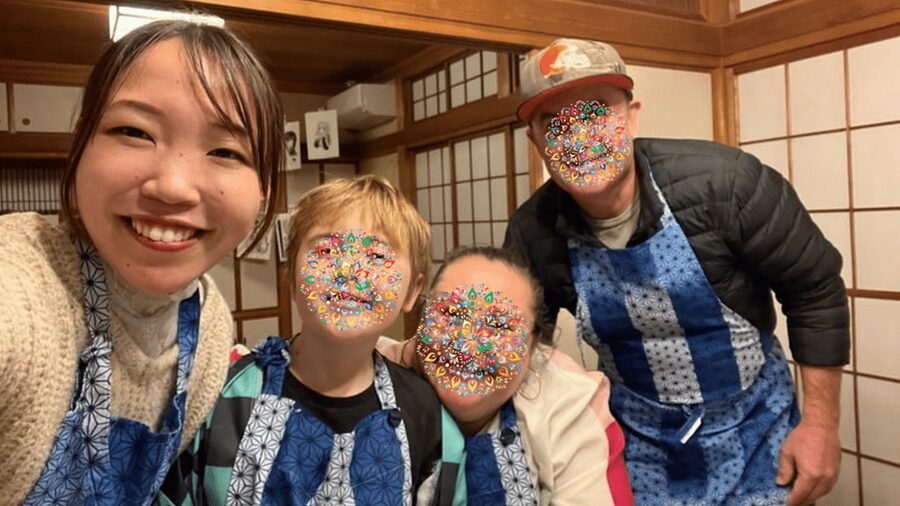
Book it if you want a warm, home-based introduction to Japan that combines three different pleasures: quiet tea-room time, a creative manga option, and a hands-on meal. The strongest reasons to choose it are Yuka’s clear English guidance, the choice of opening activity, and the chance to make both sushi rolls and gyoza in one session.
Skip it if your priority is accessibility, allergy-friendly dining, or a formal tea ceremony with strict traditional structure. Also think twice if you dislike sitting on tatami or prefer to arrange your own food and drinks.
For $81 per person, I see good value in the range of what is included. You get more than a recipe lesson, but the real payoff is personal contact and the chance to take part in ordinary Japanese food and tea customs. If that sounds better than another restaurant reservation, this is a sensible Yokohama pick.
FAQ
Where does the experience take place?
It takes place in a traditional Japanese home in Yokohama, on Honshu.
Where do I meet the host?
You meet in front of the ticket gate. The activity ends back at the meeting point.
Who hosts the experience?
The host is Yuka from Sakura Sketch Japan.
What can I choose to do in the tea room?
You can choose a matcha and green tea experience, manga-style illustration, or relaxation time with tea and Japanese sweets.
What food will I make?
You will make sushi rolls, also called maki, and handmade gyoza.
Are ingredients and cooking materials included?
Yes. The ingredients and materials needed for the cooking class are provided.
Is a meal included?
Yes. You eat the sushi rolls and gyoza you make, with a variety of beverages. Alcoholic options are available.
Is the activity offered in English?
Yes. English is the stated language, and Yuka’s English is described as excellent.
What should I bring?
Bring comfortable clothes and a camera. Comfortable clothing is useful for the cooking activities and time in the tatami room.
Is the experience suitable for wheelchair users or people with food allergies?
No. It is not suitable for wheelchair users or people with food allergies.
Just added around Japan
- Yokohama : Tea Ceremony with Sweets and Souvenir★ 5.0 · 5 reviews
- Whisk Your Own Matcha: A Zen Matcha Experience at Temple★ 3.6 · 7 reviews
- Walking Tour: Yanaka,Nezu& Sendagi: Tea Ceremony & Old Tokyo★ 5.0 · 3 reviews
- Visit local home for music and tea ceremony near Disney★ 4.9 · 13 reviews
- Yokohama: Sushi & Gyoza Cooking with Matcha & GreenTea Experience★ 5.0 · 3 reviews
- Trip to Kamakura & Enoshima: Shrines, Seaside, Temples &Tea★ 5.0 · 11 reviews
- Kyoto tea town for matcha lovers★ 5.0 · 16 reviews
- Uji: Private immersion into Kyoto’s tea and reglious culture★ 5.0 · 17 reviews
Matcha Experiences, compared.
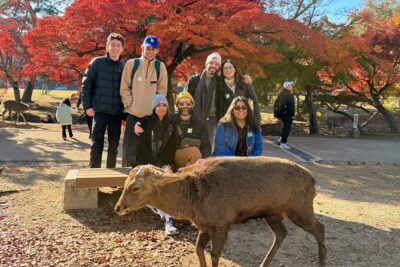
World Heritage Kyoto & Nara Uji Authentic Matcha Experience
Read our review →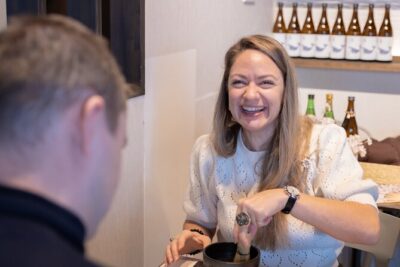
Matcha Making Class in Tokyo with Authentic Japanese Sweets Set
Read our review →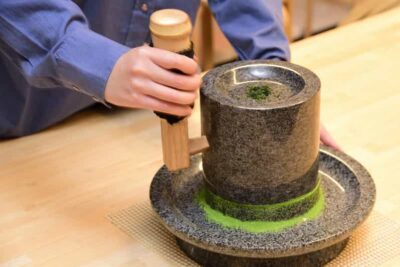
Tea Museum Tickets and Matcha Grinding Experience
Read our review →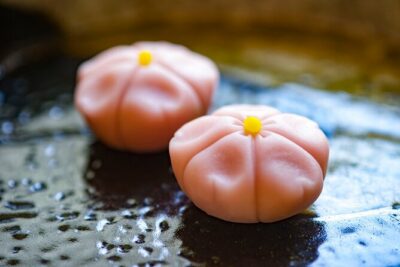
Matcha Making Class in Osaka with Authentic Japanese Sweets Set
Read our review →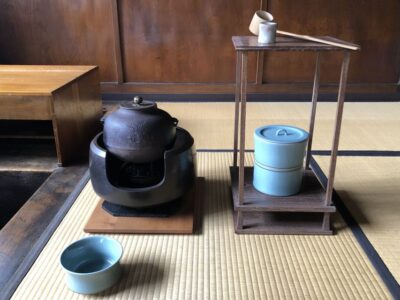
Tea Ceremony Meditation – Make Matcha with Tea Master
Read our review →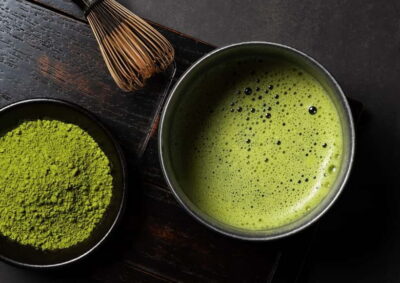
Matcha Making Experience with Mochi Sweets in Asakusa
Read our review →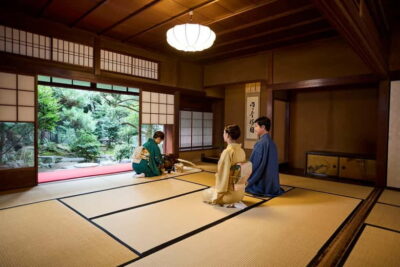
Browse the lists this tour appears in