
Review · JAPAN
Japanese Tea Ceremony Private Experience
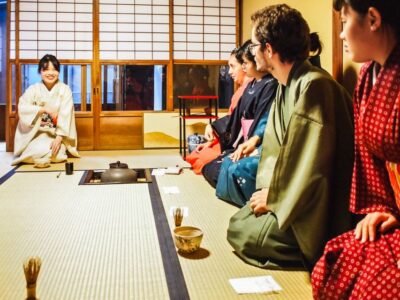
The most appealing part of this private tea ceremony is its scale. You enter a traditional tea room in Kurashiki and watch a qualified tea master prepare matcha directly in front of you. The setting gives the ceremony room to breathe, while the explanations make its rules less mysterious for first-timers.
I like the clear introduction to etiquette, and I like that everything you need is supplied, including the tea-room setup and utensils. The experience also works well for families, with children aged 14 and 11 enjoying both the lesson and the sweet-and-matcha break. The main consideration is time: at about one hour, this is a focused introduction, not a long cultural workshop.
Key points at a glance
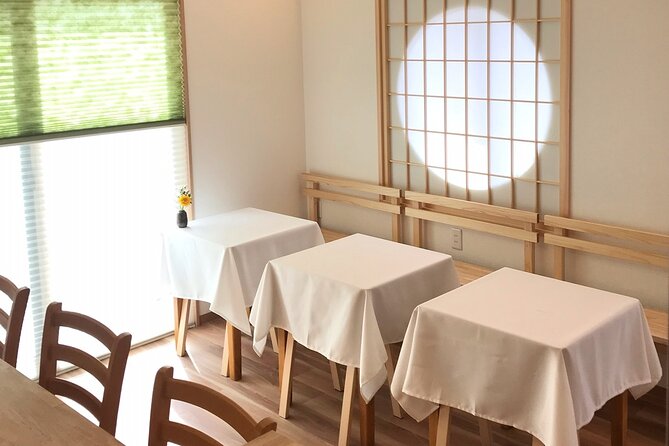
- A private tea room in Kurashiki: Only your group takes part, giving you a quieter setting for questions and explanations.
- Matcha prepared before you: You watch the tea master make the drink, rather than simply receiving a finished cup.
- Seasonal Japanese sweets included: The sweets are part of the ceremony and balance the strong, slightly bitter matcha.
- Etiquette explained for beginners: You learn how to use the utensils and why certain gestures matter.
- No special clothing required: You can arrive in ordinary travel clothes, with the needed items prepared at the salon.
- A short, convenient cultural stop: The activity lasts about one hour, ends where it begins, and is near public transportation.
A traditional tea room in Kurashiki
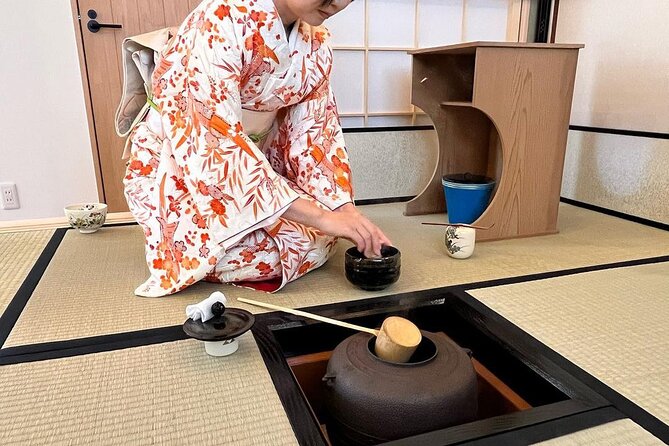
Kurashiki is a good place for a tea ceremony because the town is known for its beautiful old-town setting. This activity lets you add a quiet indoor cultural experience to time spent exploring the historic streets.
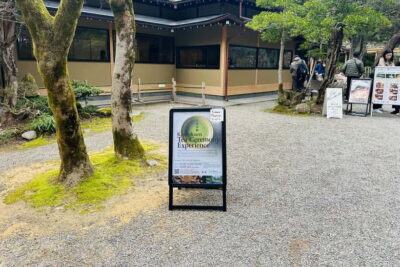
The meeting point is 月と花 Japanese Tea ceremony salon, at 2-chōme-16-11 Achi, Kurashiki, Okayama 710-0055. The activity begins and ends there. Since the location is near public transportation, you can fit it into a day of sightseeing without arranging a separate transfer.
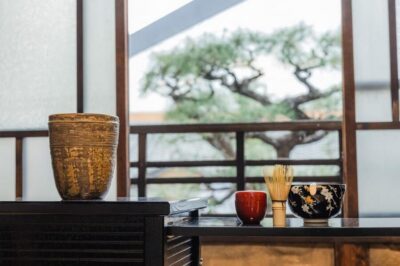
The tea room itself is central to the experience. A Japanese tea ceremony is not simply a matter of drinking matcha. The room, the utensils, the movements, the sweets, and the way the tea is offered all work together. Even in a casual version designed for first-timers, these details help you see why the ceremony has such a careful rhythm.
You should arrive ready to slow down. The experience is only about an hour, but it asks you to pay attention to small actions. That makes it a useful contrast to sightseeing outdoors, where you may be moving from one photo stop to the next.
More Tea Ceremony Experiences in Japan:
- Kyoto: Tea Ceremony in a Traditional Tea House in Kiyomizu
★ 4.9 · 3,519 reviews - Kyoto: Tea Ceremony Ju-An at Jotokuji Temple
★ 4.9 · 3,207 reviews - Kyoto: 45-Minute Tea Ceremony Lesson Experience
★ 4.3 · 2,378 reviews
What happens during the one-hour ceremony
The tea master first explains the basic ideas behind the ceremony. You learn about tea-room etiquette, including how to handle the utensils and how to behave during the preparation and serving of the tea.
This introduction matters because the customs can seem formal if you have never seen them before. Rather than guessing when to move or what to do, you receive guidance as part of the experience. The aim is not to test you. It is to help you understand what you are seeing.
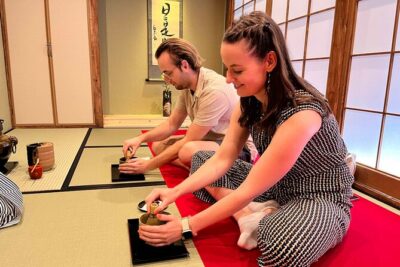
The tea master then prepares matcha in front of you. Watching the preparation gives you a better sense of the work involved than simply ordering matcha at a café. The movements are deliberate, and the utensils are used for specific purposes.
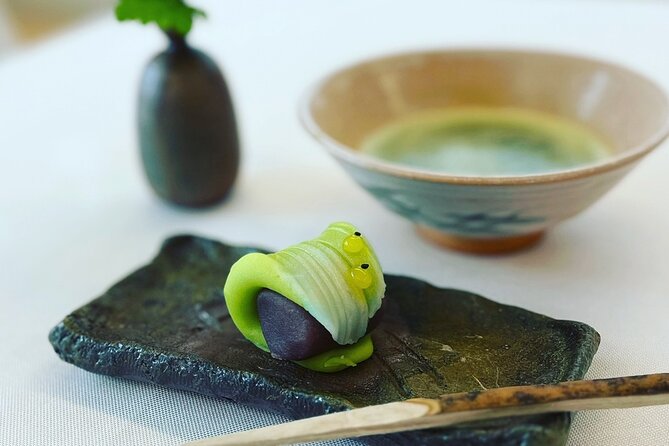
You also receive beautiful Japanese sweets, with seasonal ingredients or designs expected to vary according to the time of year. Their sweetness is an important part of the tasting. Matcha has a strong flavor, and the sweet helps balance it.
The experience is described as a full-fledged ceremony, but it is also casual enough for first-timers. That combination is useful. You receive a real introduction to the form and meaning of the ceremony without needing prior knowledge or a formal wardrobe.
Why the explanations matter
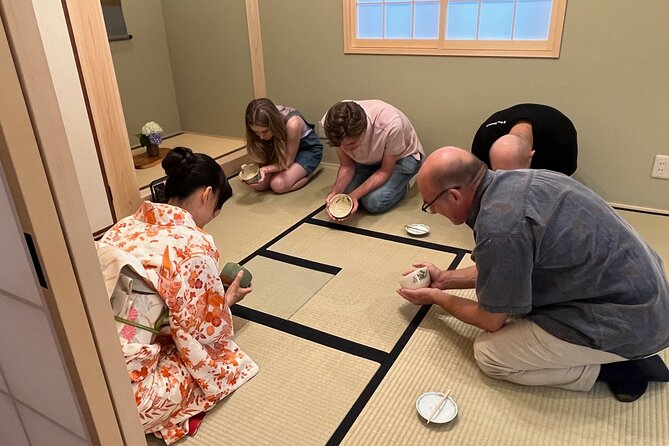
A tea ceremony can be easy to photograph and hard to understand. Without context, you may notice the graceful movements but miss the reasons behind them. Here, the tea master explains the meaning of the etiquette and shows you how to use the utensils.
That teaching element gives the hour lasting value. You are not only consuming matcha. You are learning how hospitality is expressed through preparation, attention, and respect for the people sharing the room.
The explanations also make the activity more comfortable for families. Younger participants may not want to sit through a highly formal performance with no chance to understand what is happening. Clear instruction gives them something to watch for and a reason behind each step.
One family experience included children aged 14 and 11, who enjoyed learning about the ceremony as well as the tea and sweets. That suggests this is a good choice for families with older children and teenagers who can listen, observe, and appreciate a cultural activity with a calm pace.
Still, you should not expect a hands-on cooking class or a long lesson in Japanese tea history. The supplied details focus on etiquette, utensils, matcha preparation, sweets, and the ceremony itself. If you want a more technical workshop, you may need a different type of class.
The matcha and seasonal sweets
The food and drink are simple, but they are not an afterthought. The matcha is made in front of you, and the Japanese sweets are selected as part of the experience.
The sweets are especially important for first-time drinkers. Matcha is not prepared like an ordinary sweet green tea. Its flavor can be bold, and the sweet gives your palate a different note before or alongside the drink.
The seasonal element also adds a small connection to the time of year. The exact sweet is not specified, so you should not book this expecting a particular shape, flavor, or ingredient. Instead, think of it as a changing part of the ceremony.
The experience is also a chance to notice how the cup, utensils, and serving process affect the drink. You are encouraged to pay attention to the complete presentation, not just the taste. That is where the activity becomes more than a quick refreshment stop.
More Private Experiences in Japan:
- Private Tea Ceremony and Sake Tasting in Kyoto Samurai House
★ 5.0 · 163 reviews - Tea Ceremony Experience in a Private Tea Room in Shibuya
★ 4.9 · 125 reviews - Private Kyoto Sushi Cooking Class & Tea Ceremony with Emika
★ 5.0 · 66 reviews - Kyoto: Private Tea Ceremony with a Garden View
★ 4.9 · 61 reviews
A good fit for families and first-timers
This private format suits people who want cultural context without joining a large group. Only your own party participates, so the tea master can focus on your group’s questions and pace.
For families, the one-hour length is useful. It is long enough to explain the main customs and serve the tea, but short enough to fit into a busy day in Kurashiki. The sweets also give younger participants an easy point of interest.
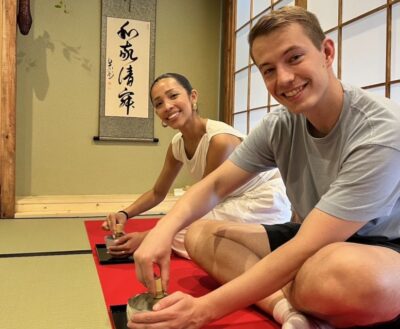
First-time visitors to Japan may find the activity especially useful. You do not need to know how to kneel, handle a tea whisk, or use the utensils before arriving. The salon provides what you need and explains the process carefully.
The experience may also suit couples, friends, or small private groups who prefer a quieter activity. You can enjoy the ceremony without the uncertainty of performing in front of strangers. That said, the private format does not automatically make the ceremony informal in every sense. You still need to listen, observe, and show respect for the setting.
Clothing, comfort, and the question of sitting
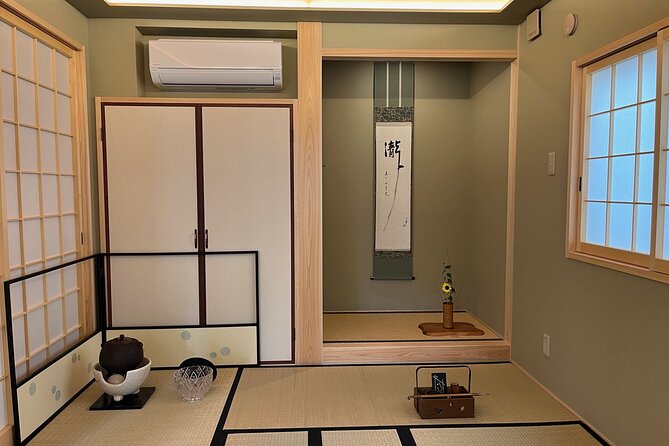
You do not need special clothing for this experience, and your belongings can remain with you at the tea room. That is helpful if you are spending the day sightseeing and do not want to plan an outfit around the ceremony.
The host also takes care to reduce discomfort for your feet and explains the ceremony with that concern in mind. The information does not specify the exact seating arrangement or how long you will sit in one position, so you should ask the provider if you have a particular mobility concern.
This is one area where it is wise to set realistic expectations. A traditional tea room may involve a more formal posture than a café chair, even when the experience is designed for beginners. The provider’s attention to foot comfort is encouraging, but it does not replace asking ahead about your own needs.
What the $50 price includes in practical terms
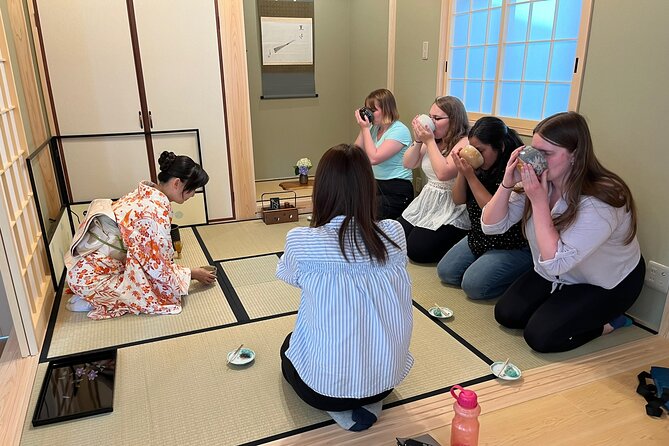
At $50, the value comes from the private instruction as much as from the matcha. You are paying for a qualified tea master, a traditional tea-room setting, explanations of etiquette and utensils, the prepared tea, and the Japanese sweets.
A private activity at this price can make sense if you want direct guidance rather than a quick demonstration. Your group does not share the session with unrelated participants, and the format gives you a more personal way to ask questions.
The one-hour duration also keeps the cost manageable for a short cultural addition to your day. You are not committing half a day to a formal course. Instead, you get a compact introduction that can sit neatly between other plans in Kurashiki.
Group discounts are available, which may improve the value for larger parties. Check the current price for your group size before booking, since the listed price alone may not show how the discount applies.
I would consider this a fair purchase for someone who values context and privacy. If your main goal is simply to taste matcha as cheaply as possible, a café will cost less. If you want to understand the ceremony and watch the preparation in a traditional room, the private instruction changes the calculation.
Planning the visit in Kurashiki
The activity starts and finishes at 月と花 Japanese Tea ceremony salon. That makes planning simple: you do not need to find a second ending point or arrange transport back after the ceremony.
Because the salon is near public transportation, you can build the experience into a day based around Kurashiki’s old town. The supplied information does not give a precise station, walking time, or directions from a particular hotel, so check the route to the full Japanese address before setting out.
A mobile ticket is available, which is useful if you are carrying a phone rather than printing documents. Confirmation is normally provided at booking. If you book within two days of the experience, confirmation can take up to 48 hours and remains subject to availability, so last-minute planners should leave room for a change of schedule.
The experience offers free cancellation up to 24 hours before the start time. Cancel at least a full day ahead for a refund. Cancellations or changes made less than 24 hours before the start time are not accepted for a refund, and the cut-off follows local time in Japan.
Who should book this experience
I would recommend it to you if you want:
- A private cultural activity rather than a large shared group
- A first introduction to Japanese tea ceremony customs
- A short experience that fits into a day in Kurashiki
- Matcha and seasonal sweets in a traditional tea-room setting
- An activity suitable for families with older children
- Clear explanations of utensils and etiquette
- A calmer break from outdoor sightseeing
I would think twice if you want a long, practical workshop in which you prepare several bowls of tea yourself. The supplied details describe a ceremony led by the tea master, with explanations and matcha prepared in front of you. It is an introduction and cultural experience, not a full professional training session.
Should you book the Kurashiki tea ceremony?
Book it if you want to understand what you are watching, not just take a quick sip of matcha. The private setting, seasonal sweets, clear etiquette lesson, and one-hour format give you a friendly entry point into a formal Japanese tradition.
Families should find the activity especially manageable, and the private format removes much of the pressure that can come with unfamiliar customs. The main limitation is that the session is brief and the details of seating and hands-on participation are not specified.
For $50, this is a sensible choice when privacy and explanation matter to you. Add it to a Kurashiki sightseeing day when you want one quiet hour devoted to Japanese culture.
FAQ
Where does the Japanese tea ceremony take place?
It takes place at 月と花 Japanese Tea ceremony salon, 2-chōme-16-11 Achi, Kurashiki, Okayama 710-0055, Japan.
How long does the experience last?
The ceremony lasts approximately one hour.
Does the activity end at the same place where it starts?
Yes. The activity ends back at the meeting point.
Is this a private experience?
Yes. Only your group participates in the activity.
Is the tea ceremony suitable for beginners?
Yes. It is designed as a casual tea ceremony that first-timers can enjoy, with explanations of etiquette and utensil use.
Do I need special clothing?
No. You do not need to worry about special clothing, and the items required for the experience are prepared at the salon.
What is served during the ceremony?
You receive matcha prepared in front of you and beautiful Japanese sweets. The sweets are seasonal.
Is the meeting point near public transportation?
Yes. The meeting point is near public transportation.
Is a mobile ticket available?
Yes. A mobile ticket is available for this experience.
Can I cancel for a full refund?
Yes, if you cancel at least 24 hours before the experience start time. Cancellations made less than 24 hours before the start time are not refunded, and changes within that period are not accepted.
Just added around Japan
- Yokohama : Tea Ceremony with Sweets and Souvenir★ 5.0 · 5 reviews
- Whisk Your Own Matcha: A Zen Matcha Experience at Temple★ 3.6 · 7 reviews
- Walking Tour: Yanaka,Nezu& Sendagi: Tea Ceremony & Old Tokyo★ 5.0 · 3 reviews
- Visit local home for music and tea ceremony near Disney★ 4.9 · 13 reviews
- Yokohama: Sushi & Gyoza Cooking with Matcha & GreenTea Experience★ 5.0 · 3 reviews
- Trip to Kamakura & Enoshima: Shrines, Seaside, Temples &Tea★ 5.0 · 11 reviews
- Kyoto tea town for matcha lovers★ 5.0 · 16 reviews
- Uji: Private immersion into Kyoto’s tea and reglious culture★ 5.0 · 17 reviews
Tea Ceremony Experiences, compared.
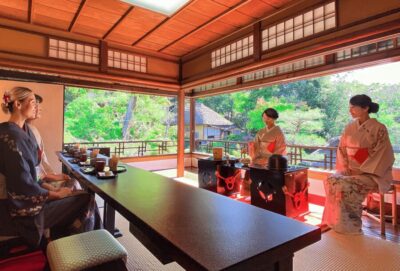
Tea Ceremony in a Traditional Tea House in Kiyomizu
Read our review →
Browse the lists this tour appears in