
Review · KYOTO
Nerikiri and Matcha Making Class in Kyoto
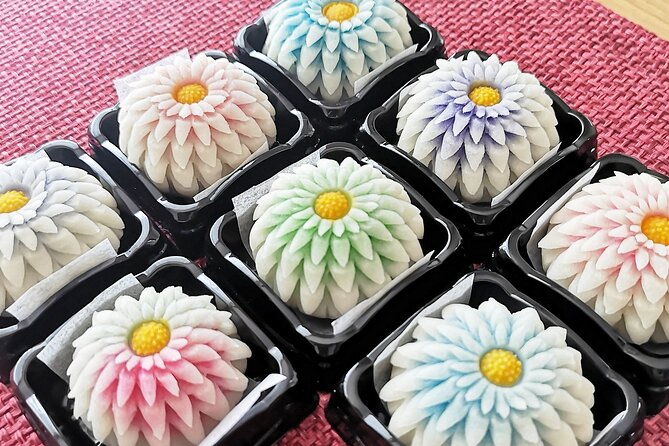
The most appealing part of this Kyoto class is the calm, hands-on work. You learn to shape five nerikiri sweets, each using different tools and techniques, then make matcha and eat the results. It is a quiet look at a Japanese tea tradition, not a rushed cooking demonstration.
I like the small maximum of eight people, which gives the instructor room to correct your technique. I also like the practical finish: you take the extra sweets home, and you can request two nerikiri dough recipes by email for future practice.
The main consideration is that the dough is prepared before you arrive. You learn how to make it and receive recipes afterward, but you do not make the dough from raw ingredients during the class. The experience is also non-refundable, so book only when your Kyoto plans are firm.
Key points to know before booking
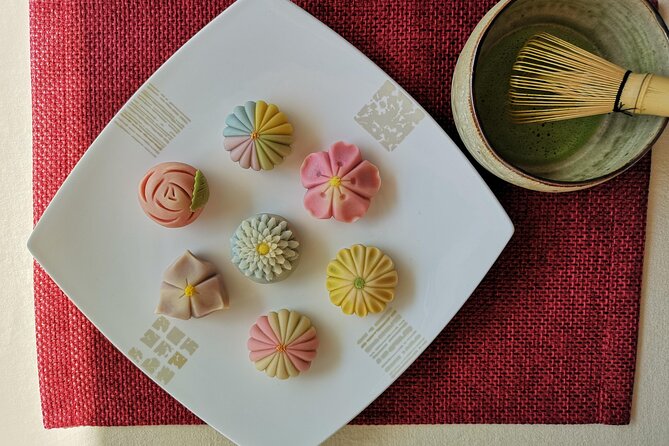
- Five nerikiri designs: Learn several shaping methods and use different nerikiri tools rather than making one basic sweet.
- Table-style matcha: Prepare your own matcha and enjoy it with the confections you made.
- Small class size: The group is limited to eight people, making hands-on guidance more likely.
- Take-home treats: A container is provided for the remaining nerikiri.
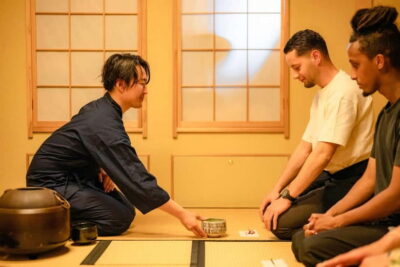
- Quiet setting: The instructor welcomes you into her home, creating a personal and peaceful class atmosphere.
- Easy station meeting point: Meet at Matsugasaki Station at 10:00 a.m., and return to the same point when the session ends.
What nerikiri tells you about Japanese sweets
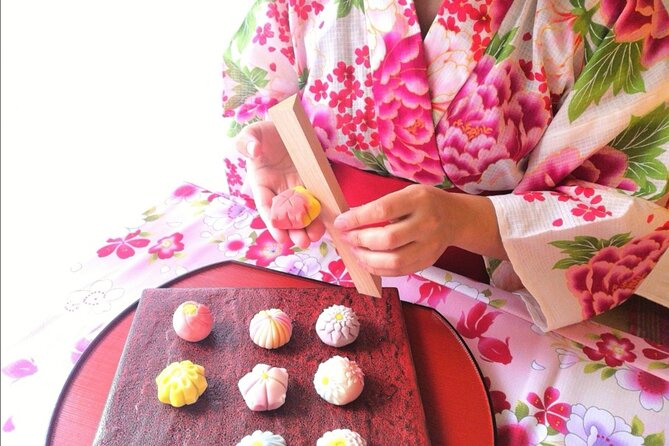
Nerikiri is a Japanese confection associated with tea ceremony. It is mainly made from sweet white beans and shaped into small, attractive forms. The pleasure is not only in the taste. Shape, color, season, and the care of the maker all matter.
That makes this class different from a standard dessert workshop. You are not simply mixing ingredients and waiting for something to bake. Much of the work is done with your fingers and with small tools, so the finished sweet reflects your touch.
The designs are meant to look refined, but the class is built for beginners as well as people who want to keep practicing. The instructor explains each design step by step. This matters because nerikiri can appear difficult at first glance. The finished sweets are tiny and precise, yet the shaping process becomes manageable when you handle one technique at a time.
I also like the pace suggested by the session. At two and a half hours, there is enough time to learn, make, prepare tea, and eat without turning the class into a quick photo stop. The work is described as peaceful and therapeutic, which fits the careful, repetitive nature of shaping the sweets.
More Matcha Experiences in Kyoto:
- Kyoto: Arashiyama Bamboo Forest, Monkeys, Matcha & Temple Tour
★ 5.0 · 759 reviews - Kyoto: Tea Ceremony Meditation – Make Matcha with Tea Master
★ 4.8 · 406 reviews - Kyoto: Kimono Tea Ceremony with Matcha and Sweet
★ 4.9 · 249 reviews
Meeting at Matsugasaki Station at 10 a.m.
Your morning begins at Matsugasaki Station in Kyoto’s Sakyo Ward. The listed meeting address is Matsugasaki Rokunotsubocho, Kyoto, 606-0915. The class is near public transportation, so you do not need private transport as part of the booking.
The start time is 10:00 a.m. Plan enough time to reach the station before then. A mobile ticket is provided, which is useful when you are moving around Kyoto with your phone rather than carrying printed documents.
The class ends back at the meeting point. That gives you a clear starting and finishing point for planning the rest of your day. Still, allow a little extra time around the two-and-a-half-hour estimate if you have a tight afternoon appointment. The stated duration is approximate, and hands-on classes can sometimes take a few extra minutes.
The instructor welcomes participants into her home. This gives the activity a more personal feel than a large cooking studio, but it also explains the rule that only paying participants may enter. There is no space for spectators, companions who are not taking the class, or people waiting nearby.
Learning the nerikiri dough before shaping
The first teaching step covers how nerikiri dough is made. This gives you useful background, even though the dough itself is prepared in advance for the class.
That arrangement has a clear advantage. You can spend the limited class time on the artistic part of nerikiri, which is where the careful handwork happens. You do not have to begin with a long preparation stage before reaching the designs.
The tradeoff is just as clear. If your main goal is to learn the entire confection from start to finish, this class does not provide a full same-day dough-making session. Instead, the instructor explains the method and sends two versions of the dough recipe by email after class if you provide your email address.
For someone who wants to practice at home, the recipes add real value. You leave with a better idea of the process, rather than only a set of sweets and a few photographs. For a first-time visitor who simply wants a cultural activity, the prepared dough keeps the class focused and approachable.
Five designs, five chances to improve
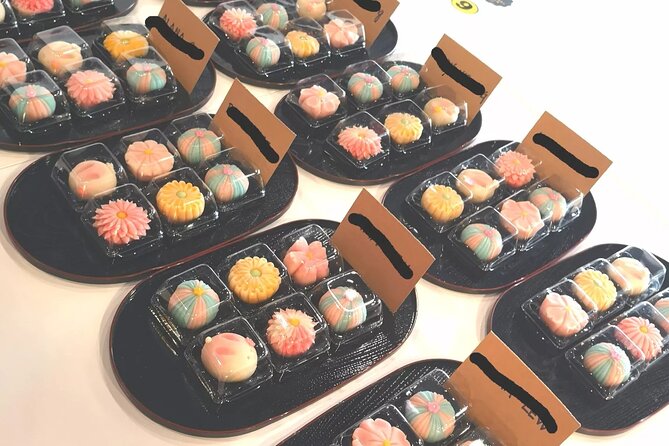
The heart of the class is making five nerikiri designs. You learn to shape them with different techniques and use various nerikiri tools. That variety is important. One design might teach you to form the basic shape, while another helps you work on lines, curves, layers, or fine details.
You should expect the first sweet to feel like practice. Your hands need time to understand how much pressure to use and how to keep the shape neat. The instructor demonstrates each design, then guides you as you work. Precise instruction is especially useful here because small changes in pressure can alter the look of the confection.
The class is described as suitable for people who want a unique experience and for those who want to improve their skills for future use. I read that as a good sign for mixed ability levels. You do not need to arrive as an expert, but you also will not be limited to watching a simple demonstration.
The five designs give you a useful sense of progress. You can compare the early work with the later pieces and see how the tools and methods differ. Since you make five sweets, you have several chances to get comfortable with the material rather than placing all your hopes on one perfect result.
There is also a welcome lack of pressure in the subject itself. Nerikiri is small, slow work. The point is not to produce bakery-perfect items at speed. The attraction is the concentration required to make something simple and elegant.
More Tea Making Classes in Kyoto:
- Matcha Making Class in Tokyo with Authentic Japanese Sweets Set
★ 5.0 · 744 reviews - London: Traditional English Scone Making and Tea Workshop
★ 5.0 · 702 reviews - Matcha Making Class in Osaka with Authentic Japanese Sweets Set
★ 5.0 · 509 reviews - Tokyo: Matcha Making Experience with Mochi Sweets in Asakusa
★ 4.9 · 388 reviews
Making matcha at the table
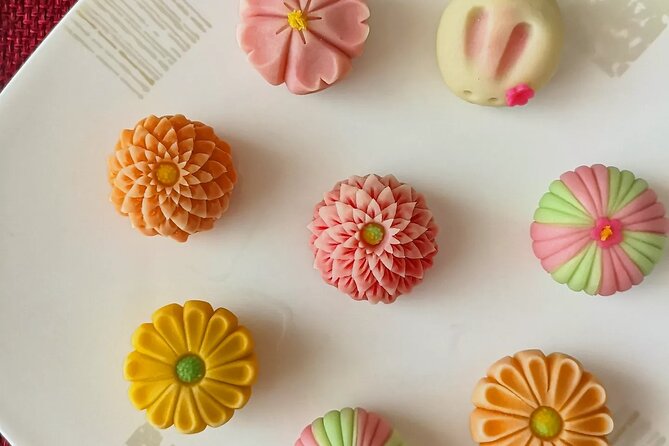
After the nerikiri work, you make matcha tea in a table-style format. This is a practical introduction rather than a formal tea ceremony. You learn the basic act of preparing the tea, then drink it with the sweets you have just made.
That pairing is central to the experience. Nerikiri is traditionally served with tea, so the matcha is not an unrelated extra. The slightly bitter drink provides the setting in which the sweet bean confection is meant to be enjoyed.
The table-style format should also feel less formal for beginners. You can focus on the preparation and taste without needing to know the rules of a full tea ceremony. If you are curious about Japanese tea customs but unsure about attending a more ceremonial event, this class offers a smaller first step.
The experience includes matcha, but it does not list a wider meal or additional refreshments. Come expecting tea and your five confections, not lunch. That is enough for a tasting and cultural activity, but you may want to plan another meal before or after the class.
Eating your work and packing the rest
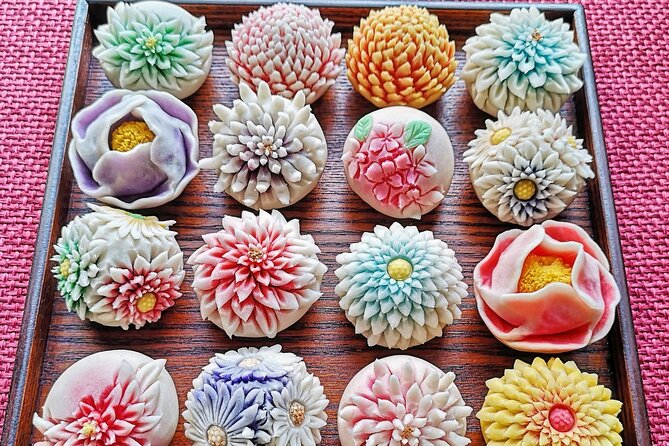
The final stage is simple and satisfying: enjoy the matcha and nerikiri. You taste the sweets in the context of the tea, then pack the remaining pieces into a provided container.
The take-home container is more useful than it may sound. Nerikiri is delicate, so carrying the sweets loose in a bag would be awkward. The container lets you save the pieces you do not eat in class and share them later, assuming you can transport them carefully.
This also makes the class feel like an activity with a physical result. You do not leave only with a memory and a few techniques. You have five handmade sweets, or at least the portion that remains after tasting, plus recipes that can help you practice later.
The sweets are handmade, so do not expect every piece to look identical. That is part of the appeal. The class teaches control and form, but the result still shows that you made it yourself.
Why the small group matters
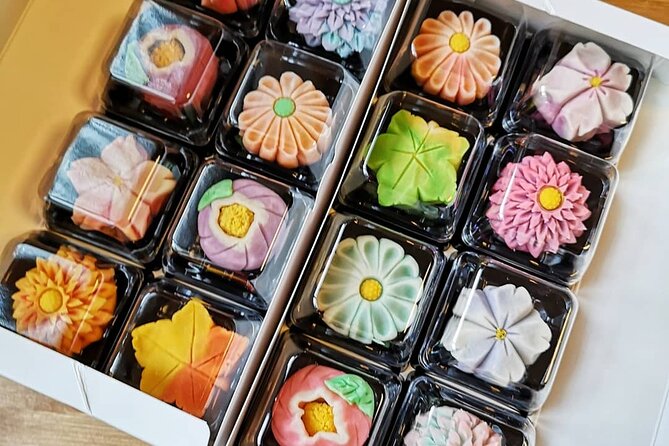
The maximum group size is eight. For a craft class, that is a helpful limit. Each person needs access to tools, space to shape the sweets, and a chance to see the demonstration clearly.
A small group also supports the calm mood. Nerikiri requires attention, and a crowded room would make delicate work harder. With fewer people, you are more likely to receive a quick correction when a design starts to lose its shape.
The setting has one practical limitation. Because the class is held in a personal home environment with limited space, nonparticipants cannot attend. If you are traveling with a partner or child who does not want to take part, arrange a separate plan for that person. Participants must be older than 10.
The age rule makes this a better choice for older children, teenagers, and adults who can follow detailed instructions. It is not designed as a drop-in activity for very young children or as entertainment for spectators.
Is $84.92 a fair price?
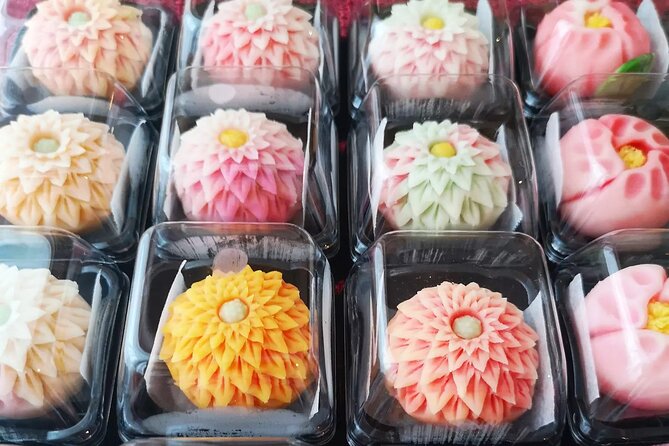
At $84.92 per person, this is not the cheapest food activity in Kyoto. The value depends on what you want from the morning.
You are paying for about two and a half hours of instruction, five nerikiri, matcha, use of the class tools, a container for taking sweets home, and follow-up recipes for the dough. You are also paying for a very small class and personal guidance, rather than a large demonstration where you watch from the side.
The price makes more sense if you care about learning a skill. The two dough recipes give you a way to continue at home, and the five designs expose you to several shaping methods. If you only want to taste matcha and Japanese sweets, a tea house visit may cost less and require less time.
I would also count the personal setting as part of the value. Being welcomed into the instructor’s home gives the session a human scale. It is more intimate than a standard attraction, though some people may prefer a public studio or a larger group with less personal contact.
The high satisfaction rate and full five-star score support the idea that the class delivers what it promises, but I would still book it for the hands-on lesson, not simply for a rating. The experience is best for someone who wants to make things, listen carefully, and enjoy a quiet morning.
Who should book this Kyoto class?
I would choose this class for:
- Anyone curious about Japanese confectionery and tea culture
- Couples or friends who want a shared activity with a handmade result
- Families with children older than 10 who enjoy careful craft work
- Visitors who prefer small groups over large commercial tours
- Home cooks interested in practicing nerikiri after returning home
- People who want a slower, peaceful break from Kyoto sightseeing
I would think twice if you dislike precise handwork, want to make the dough entirely from scratch, or need a fully refundable booking. The class is also not a good fit for someone who only wants a quick tasting. The two-and-a-half-hour session is built around learning and making, not just eating.
Book only after checking your schedule. Confirmation arrives within 48 hours, subject to availability, and the booking cannot be refunded or changed for any reason. That strict policy is the biggest practical drawback.
Should you book Nariko’s Kitchen?
Book this class if you want a personal Kyoto activity with real participation. You will shape five nerikiri designs, prepare table-style matcha, taste the result, and take the remaining sweets home. The small group, careful instruction, and follow-up recipes make it more useful than a simple demonstration.
Skip it if your priority is a full confectionery lesson from raw ingredients, a formal tea ceremony, or a flexible cancellation policy. For everyone else, $84.92 is a reasonable price for a focused morning of Japanese food craft, especially if you value the chance to keep practicing after you leave Kyoto.
FAQ
Where does the nerikiri and matcha class take place?
The class takes place in Kyoto, with the meeting point at Matsugasaki Station, Matsugasaki Rokunotsubocho, Sakyo Ward, Kyoto, 606-0915, Japan.
What time does the class start?
The class starts at 10:00 a.m.
How long does the experience last?
The activity lasts approximately two hours and 30 minutes.
How many nerikiri designs will I make?
You will make five nerikiri designs, using different shaping techniques and various nerikiri tools.
Is matcha included?
Yes. Matcha is included, and you will prepare it in a table-style format before enjoying it with the nerikiri.
Can I take the nerikiri home?
Yes. A container is provided so you can take the remaining nerikiri home.
Is the dough made during the class?
The instructor prepares the nerikiri dough before class. She explains how to make it, and two versions of the dough recipes can be sent by email after class if you provide your email address.
Can children join the class?
Participants must be older than 10.
Can a nonparticipant come along to watch?
No. Only people taking part in the class may attend because space is limited.
Is the booking refundable?
No. The experience is non-refundable and cannot be changed for any reason.
More Workshops in Kyoto
- Kyoto: 45-Minute Tea Ceremony Lesson Experience
★ 4.3 · 2,378 reviews - Private Kyoto Sushi Cooking Class & Tea Ceremony with Emika
★ 5.0 · 66 reviews - Sencha-do the Japanese Tea Ceremony Workshop in Kyoto
★ 5.0 · 21 reviews - London Traditional English Scone Making and Tea Workshop
★ 5.0 · 271 reviews
Just added around Kyoto
- Whisk Your Own Matcha: A Zen Matcha Experience at Temple★ 3.6 · 7 reviews
- Uji Walking Tour – Byodo-in temple and Tea Ceremony from Kyoto★ 3.5 · 3 reviews
- Traditional Tea Ceremony in Kyoto★ 4.5 · 3 reviews
- Kyoto: Authentic Tea Ceremony in a Small Group★ 5.0 · 7 reviews
- Tea ceremony at Kyoto’s Zen Temple Teahouse★ 5.0 · 2 reviews
- Tea Ceremony in 150 Years Old Townhouse with Tables and Chairs★ 5.0 · 22 reviews
- Tea Ceremony Experience in Traditional Kyoto Townhouse★ 5.0 · 19 reviews
- Silent Beauty of Kyoto Zen Walk and Tea Experience★ 5.0 · 2 reviews
Tea Making Classes, compared.

Matcha Making Class in Tokyo with Authentic Japanese Sweets Set
Read our review →
Traditional English Scone Making and Tea Workshop
Read our review →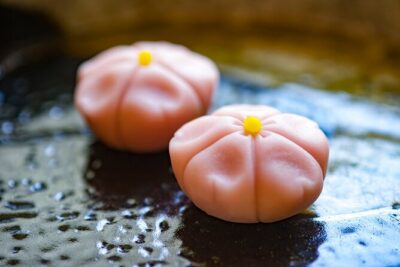
Matcha Making Class in Osaka with Authentic Japanese Sweets Set
Read our review →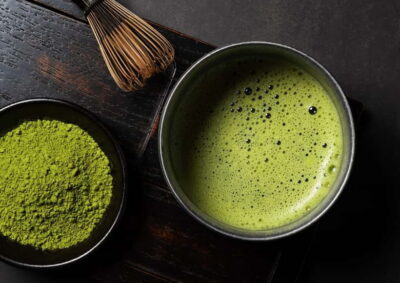
Matcha Making Experience with Mochi Sweets in Asakusa
Read our review →London Traditional English Scone Making and Tea Workshop
Read our review →
Nara:Authentic Tea Ceremony(Max 5 ppl) -Master Matcha Making
Read our review →Browse the lists this tour appears in