
Review · JAPAN
Traditional Japanese Tea Ceremony at Master’s Private Tea Room
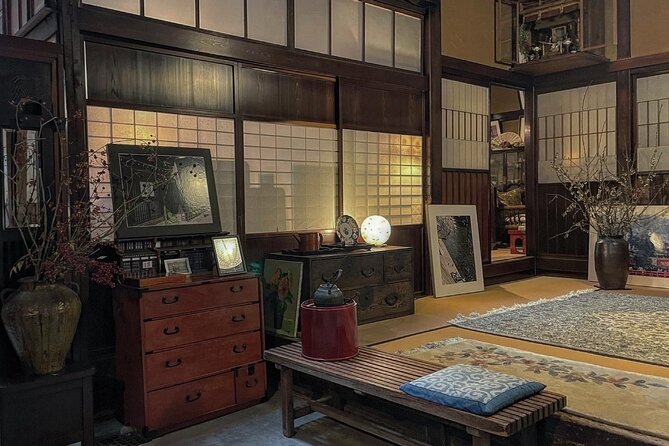
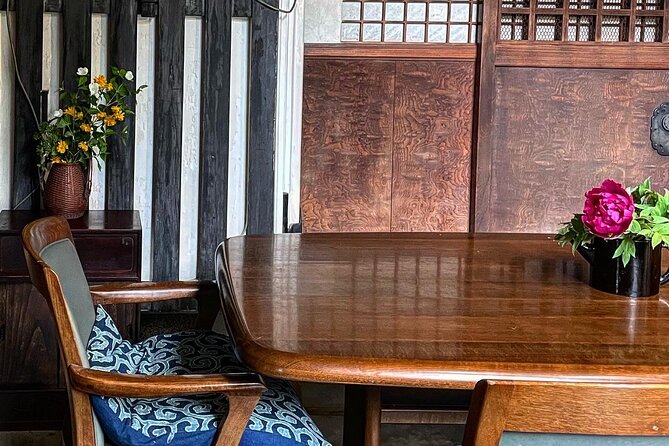
Takayama’s 200-year-old machiya townhouse is the real setting for this tea ceremony, not a recreated tea room built for tourists. You’ll first get a look at the house’s long, narrow design and its unusual past as an obstetrics and gynecology clinic, then sit down for green tea, matcha, seasonal fruit, and sweets.
I like the private format, since only your group takes part. I also like the chance to meet Bob-san, who shows you how to make green tea and matcha rather than simply serving a cup. The main consideration is the price, $97.73 per person, which makes the most sense if you value personal instruction and old-town architecture as much as the tea itself.
Key Points at a Glance
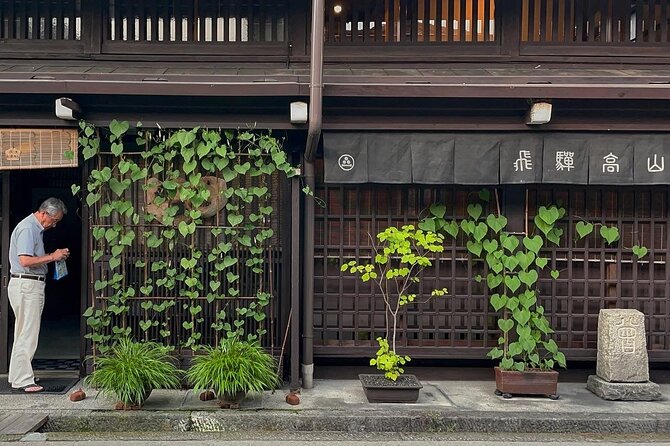
- A genuine Takayama machiya: See a long, narrow merchant house that has kept its traditional form for more than 200 years.
- A former clinic with an unusual layout: The main house and old obstetrics and gynecology clinic create an uncommon mix of domestic and professional spaces.
- Hands-on tea making: Bob-san demonstrates how to prepare green tea and matcha, giving you more to do than simply drink.
- Seasonal treats included: Enjoy Japanese sweets and seasonal fruit alongside the tea.
- Private two-hour visit: Only your group participates, with the activity beginning and ending at the same Takayama address.
- Plan ahead: The experience is booked about 99 days in advance on average, so late planning may be risky.
Entering a 200-Year-Old Takayama Machiya
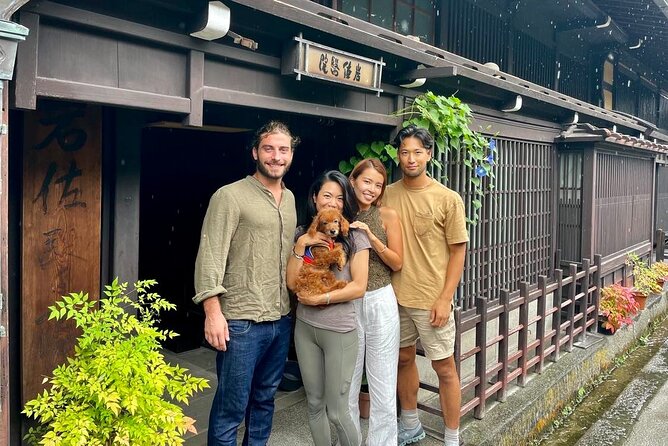
The first thing to understand is that this is an architectural visit with tea added to it. You are not walking into a modern café dressed up with tatami mats. You meet at 2-chōme-147 Morishitamachi in Takayama and enter a townhouse built in the machiya style.
Machiya were merchant houses used during Japan’s Edo period. Their most noticeable feature is the long, narrow footprint. From the street, the entrance can look surprisingly small. Behind it, the house extends inward, making careful use of limited frontage.
That shape tells you something about old town life. A merchant house had to serve several purposes at once: street-facing business, family life, storage, work areas, and sometimes a private practice. The design used the available land efficiently while keeping the front of the property modest.
I like that the house has remained intact for more than 200 years. Many old machiya buildings have been altered or lost their original appearance, so the chance to see one still functioning as a place of welcome gives the tea ceremony more meaning. You are drinking tea inside the sort of building the tea culture grew alongside, not in a generic event room.
More Tea Ceremony Experiences in Japan:
- Kyoto: Tea Ceremony in a Traditional Tea House in Kiyomizu
★ 4.9 · 3,519 reviews - Kyoto: Tea Ceremony Ju-An at Jotokuji Temple
★ 4.9 · 3,207 reviews - Kyoto: 45-Minute Tea Ceremony Lesson Experience
★ 4.3 · 2,378 reviews
Hida Craftsmanship in a Narrow House
The house reflects the work of Hida craftsmen, who used the best materials available at the time and shaped them into a practical home. You will learn how the house’s beauty comes from its proportions, materials, and details rather than from a grand exterior.
A machiya can appear plain from the street, yet its narrow entrance leads to a carefully organized interior. The design is sturdy and useful, but it also leaves room for beauty. That balance is one of the most interesting parts of the visit.
You should pay attention to how the house feels as a whole. The experience is not built around one famous object or a large museum collection. Instead, the building itself is the main exhibit. The reward comes from seeing how everyday architecture can be both durable and refined.
The former clinic adds another layer. This was not only a home or merchant property. It was once operated as an obstetrics and gynecology clinic, and the combination of the main house and clinic gives the building an unusual character. You may find the contrast especially interesting if you enjoy places where domestic life and local work share the same structure.
From Green Tea to Matcha With Bob-san
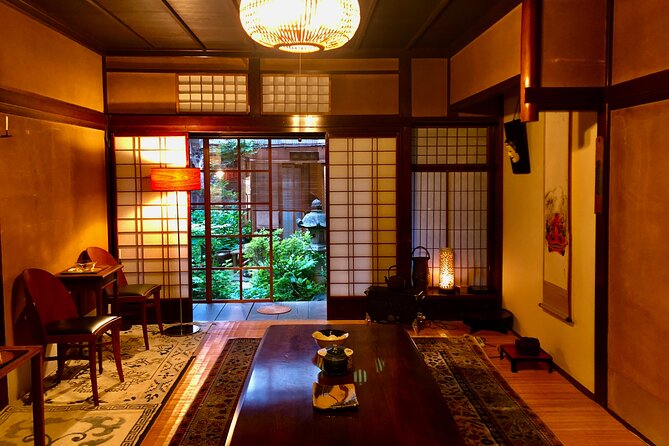
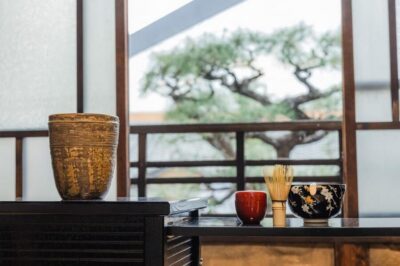
After learning about the building, you settle in for Japanese tea. The activity includes green tea and matcha, along with seasonal fruit and Japanese sweets.
The distinction matters. Green tea is part of everyday Japanese life, while matcha is prepared from powdered tea and has a stronger presence in formal tea settings. Here, you get to encounter both rather than treating the ceremony as a single drink and a quick photo opportunity.
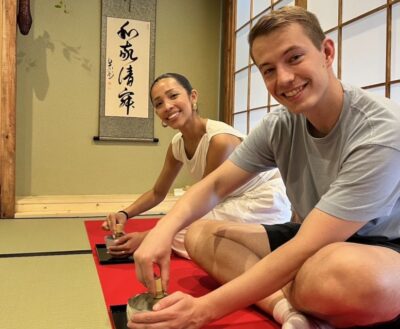
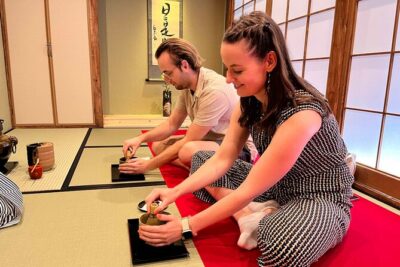
Bob-san shows you how to make the tea. That practical step gives the visit a friendly rhythm. You are not only watching a host perform a ritual from across the room. You get an explanation and a chance to understand how the tea is made.
The available information does not promise a full study of every tea ceremony rule, so you should not book this expecting an advanced course in tea-school etiquette. Think of it as a personal introduction, with the building and conversation carrying as much weight as the final cup.
Seasonal fruit and Japanese sweets are served with the tea. These small foods help you notice how Japanese tea service balances flavor, texture, and presentation. The exact fruit and sweets change with the season, so the table will not necessarily look the same on every visit.
Why the Private Format Matters
Only your group participates. That is a major difference from a large demonstration, especially in a compact old house where space and quiet matter.
A private setting lets you ask questions about the machiya, the former clinic, or the tea without waiting for a large group to move along. It also gives Bob-san room to adjust the pace to your interest. If you care most about the building, you can focus on architecture. If you want more help with tea preparation, you can spend more time on that part.
The private format also suits families, couples, and small groups who prefer a calm introduction to Japanese culture. You do not need to worry about performing for strangers or keeping up with a room full of people.
There is a tradeoff. A private activity costs $97.73 per person, so the value depends on what you want from the visit. If you only want a cup of matcha, this is expensive. If you want a private host, hands-on instruction, seasonal food, and access to an old Takayama home, the price is easier to justify.
More Private Experiences in Japan:
- Private Tea Ceremony and Sake Tasting in Kyoto Samurai House
★ 5.0 · 163 reviews - Tea Ceremony Experience in a Private Tea Room in Shibuya
★ 4.9 · 125 reviews - Private Kyoto Sushi Cooking Class & Tea Ceremony with Emika
★ 5.0 · 66 reviews - Kyoto: Private Tea Ceremony with a Garden View
★ 4.9 · 61 reviews
A Two-Hour Visit With a Clear Shape
The experience lasts about two hours, which is enough time to give both the building and tea ceremony proper attention without consuming half your day in Takayama.
You begin at the Morishitamachi meeting point. Since the activity starts and ends at the same address, you will need to arrange your own way there and plan your next stop from that location. The house is near public transportation, but the information provided does not name a specific station or give a walking time, so check your route before setting out.
The opening portion focuses on the machiya. You learn about its long, narrow design, Hida materials, and continued strength after more than two centuries. The former medical clinic is part of what makes this house different from a standard merchant home.
The middle portion shifts from architecture to tea. Bob-san demonstrates green tea and matcha preparation, and you take part in making and enjoying the drinks.
The final part is the tasting. Seasonal fruit and Japanese sweets accompany the tea, giving you time to sit in the house and think about the connection between the building, the food, and the ritual.
The exact order may vary, but the structure is easy to understand: house, tea preparation, then tea and seasonal treats. That makes this a good choice if you prefer a focused cultural visit rather than a full-day tour with several unrelated stops.
The Unusual Former Clinic
The old obstetrics and gynecology clinic is more than a curious detail. It changes the way you read the house.
A traditional townhouse is often presented as a merchant home, with attention placed on family spaces and business use. Here, you also see how the property supported medical work. The combination of the main house and clinic creates what the host describes as a strange but beautiful harmony.
You may find this particularly worthwhile if you have already seen several restored Japanese homes and want something less standard. The clinic gives the property a practical local story without turning the activity into a medical museum.
Do not expect a large collection of medical exhibits based on the available details. The value is in the building’s layout and the way different uses came together under one roof. This is a place where architecture helps you picture how people lived and worked.
The Price: What You Are Paying For
At $97.73 per person, this is not a budget tea stop. You are paying for a private activity of about two hours, a personal host, instruction in green tea and matcha preparation, seasonal fruit and sweets, and access to a historic machiya.
The price makes more sense when compared with a simple tea service. A café gives you a drink. This experience gives you context and participation. You learn why the house is shaped as it is, see a rare former clinic arrangement, and take part in preparing the tea.
The value is also stronger for a small private group. A couple or family can share the experience without joining strangers. If you are traveling alone, the price may feel higher because you cannot divide the cost across a group, though the private format still gives you direct time with Bob-san.
The current score is 5 out of 5 from 11 reviews, with 100 percent recommending it. That is a small sample, so I would not treat it as proof that every visitor will have the same reaction. Still, the consistent positive response and the specific praise for Bob-san’s friendly teaching suggest that the human side of the visit is one of its main strengths.
Who Will Enjoy This Most
I would choose this experience if you care about old buildings, local customs, and meeting a host in a quiet setting. It suits you especially well if you want more than a staged photo with a tea bowl.
It is also a good match for anyone visiting Takayama who wants an indoor activity with a clear two-hour limit. The house gives you a different view of the city than a street walk alone, and the tea offers a slower pause during a busy sightseeing day.
Families can benefit from the hands-on format, provided everyone is interested in sitting quietly and following the preparation. The private arrangement is helpful here because your group does not need to match the pace of a larger audience.
You may want to skip it if your main goal is a formal, highly ritualized tea ceremony with extensive rules and ceremony-school instruction. The available details point to a welcoming introduction with tea making, architecture, and sweets, not a long formal lesson.
Practical Details Before You Book
The meeting point is 2-chōme-147 Morishitamachi, Takayama, Gifu 506-0823, Japan. The activity ends back at the same meeting point.
A mobile ticket is available. Confirmation arrives within 48 hours of booking, subject to availability, so do not assume your reservation is final the instant you pay.
The experience is listed from July 1, 2023, through January 8, 2027, with Monday hours shown as 9:00 AM to 6:00 PM. Since the supplied schedule only specifies Monday, confirm the available date and start time before building your Takayama day around it.
Service animals are allowed, and the meeting point is near public transportation. The activity is private, and only your group participates.
You can cancel free of charge up to 24 hours before the local start time for a full refund. Cancellations or changes made less than 24 hours before the start time are not accepted for a refund.
Because the experience is booked about 99 days ahead on average, I would reserve early, especially if your Takayama dates are fixed. A late booking may work if space remains, but this is not the activity to leave until the last evening of your trip.
Should You Book the Takayama Tea Ceremony?
Book it if you want a personal introduction to Japanese tea inside a real old house, and if the former clinic and machiya architecture sound as interesting to you as the matcha. Bob-san’s hands-on approach gives the visit a human touch, while the private format keeps the pace calm.
Think twice if you only want a quick drink or if $97.73 feels too high for a two-hour activity. The strongest reason to book is the combination of the building, the unusual clinic history, private instruction, and seasonal treats. For someone who values those details, this is a thoughtful and distinctive stop in Takayama.
FAQ
Where does the tea ceremony take place?
It takes place at 2-chōme-147 Morishitamachi, Takayama, Gifu 506-0823, Japan.
How long does the experience last?
The activity lasts approximately two hours.
Does the activity begin and end at the same place?
Yes. It starts at the Morishitamachi meeting point and ends back there.
Is this a private activity?
Yes. Only your group participates.
What tea will I prepare and drink?
The experience includes Japanese green tea and matcha. Bob-san shows you how to make them.
Are food items included?
Yes. Seasonal fruit and Japanese sweets are included with the tea.
What is special about the building?
It is a traditional machiya townhouse more than 200 years old. It was also formerly operated as an obstetrics and gynecology clinic.
Who leads the tea experience?
The experience is provided by Hisa Takayama Private Tour Guide, and the host named in the available details is Bob-san.
What does the activity cost?
The listed price is $97.73 per person.
Can I cancel for a full refund?
Yes. You can cancel at least 24 hours before the local start time for a full refund. Cancellations made less than 24 hours before the start time are not refunded.
Just added around Japan
- Yokohama : Tea Ceremony with Sweets and Souvenir★ 5.0 · 5 reviews
- Whisk Your Own Matcha: A Zen Matcha Experience at Temple★ 3.6 · 7 reviews
- Walking Tour: Yanaka,Nezu& Sendagi: Tea Ceremony & Old Tokyo★ 5.0 · 3 reviews
- Visit local home for music and tea ceremony near Disney★ 4.9 · 13 reviews
- Trip to Kamakura & Enoshima: Shrines, Seaside, Temples &Tea★ 5.0 · 11 reviews
- Yokohama: Sushi & Gyoza Cooking with Matcha & GreenTea Experience★ 5.0 · 3 reviews
- Kyoto tea town for matcha lovers★ 5.0 · 16 reviews
- Uji: Private immersion into Kyoto’s tea and reglious culture★ 5.0 · 17 reviews
Tea Ceremony Experiences, compared.
Tea Ceremony in a Traditional Tea House in Kiyomizu
Read our review →
Browse the lists this tour appears in