
Review · SHANGHAI
Shanghai: Chinese Tea Ceremony Experience
Chinese tea culture comes alive through the senses here. You blind-taste several teas, compare their aromas and textures, then learn the careful whisking style associated with the Song Dynasty. It is less a quick tasting than a slow lesson in how tea can shape a room, a conversation, and a mood.
I like the small group of eight or fewer, which gives the tea expert room to answer questions and guide each person through the tasting. I also like the mix of history and hands-on work: you are not just sipping tea, you are learning how an old brewing method works. The main drawback is the price, $143 per person, which is a serious sum for a three-hour activity.
Key points
- Blind tasting without labels: Focus on aroma, flavor, and texture before relying on the tea’s name.
- Three Chinese tea classes: Compare the character of each class through guided tasting.
- Song Dynasty whisking: Practice an old preparation method rather than watching a tea demonstration from the sidelines.
- Small group format: No more than eight participants allows for personal instruction.
- Traditional snacks and optional dress-up: Snacks round out the tasting, while dress-up offers a fun photo opportunity.
- Practical comfort tips: Wear easy walking shoes and avoid strong perfume so you can sense the teas clearly.
A Three-Hour Introduction to Chinese Tea
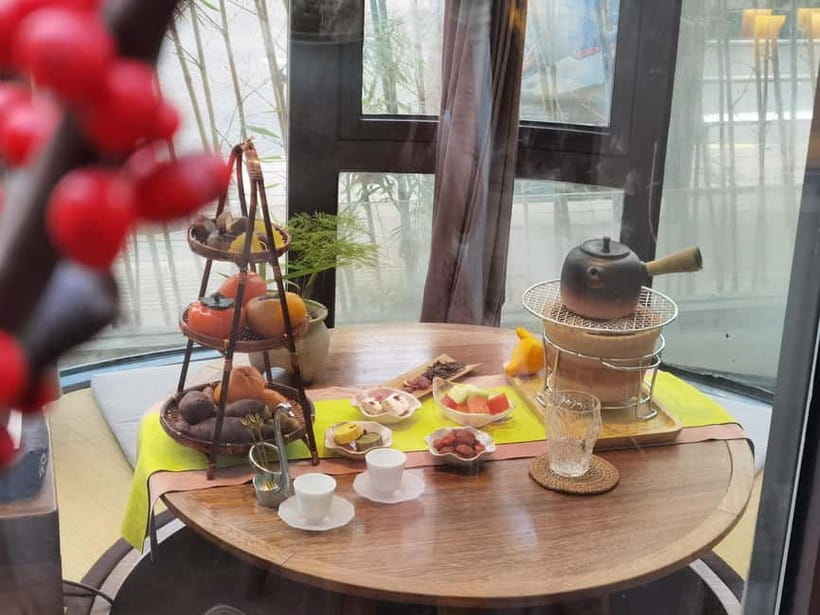
This experience is built for people who want more than a cup of tea between sightseeing stops. Over three hours, you move through welcome, tasting, explanation, and hands-on preparation, with a tea expert guiding the pace.
The format suits beginners especially well. You do not need to arrive knowing the difference between tea varieties or brewing methods. The blind tasting gives you a clean starting point, while the discussion that follows helps connect what you taste with what is in the cup.
For experienced tea drinkers, the Song Dynasty whisking session is likely to be the main draw. It adds a technique and a cultural setting that you may not encounter in an ordinary tea shop. The small group also means this is not a lecture delivered over your head. You can ask questions and watch the preparation at close range.
The activity is available in English and Chinese. The exact meeting point is supplied after booking and is near the marked location, so you should leave enough time to find the final address before the start.
More Tea Ceremony Experiences in China:
- Traditional Chinese Tea Ceremony Experience
★ 4.7 · 74 reviews - Beijing Culture: Tea Ceremony, Heritage Instrument & Calligraphy
★ 5.0 · 57 reviews - Chinese Tea ceremony in Beijing Hutong courtyard
★ 4.7 · 26 reviews
The Welcome: Hospitality Before the First Sip
The opening welcome introduces the idea that tea is tied to hospitality, manners, and attention. That may sound simple, but it sets the tone for the whole session. You are encouraged to slow down rather than rush from one sample to the next.
A formal welcome also gives the tea expert a chance to explain how the session will work. You can expect an introduction to the teas, the tasting process, and the role of preparation. Since the exact order can depend on the group and the instructor, think of this portion as a gentle orientation rather than a fixed performance.
This is one reason comfortable clothes matter. The activity lasts three hours, and the experience asks you to sit, watch, taste, and take part. Easy shoes are a sensible choice, especially since participants are advised to wear footwear suitable for walking.
One useful tip: skip strong perfume that day. Heavy scents can mask a tea’s aroma, which is half the point of the tasting. Tea is subtle, and your nose needs a fair chance.
Blind Tasting: Let Your Senses Lead
The blind tasting is a smart way to begin. Without a label telling you what you should expect, you can pay attention to the tea itself. Is the aroma floral, grassy, roasted, earthy, or soft? Does the taste change as you sip? Does the texture feel light, thick, dry, or smooth?
You will sample an assortment of Chinese teas and explore flavor, aroma, and texture with guidance from the tea expert. The point is not to identify every sample like a professional buyer. The point is to notice differences and find language for what you are experiencing.
I like this approach because it turns tea from an abstract cultural topic into something immediate. You do not need to memorize facts first. You smell, sip, compare, and then learn how the tea’s character fits into the larger picture.
The blind format can also reveal personal taste. One person may prefer a fragrant tea, while another favors a deeper or more textured cup. The activity does not require everyone to choose the same favorite. It gives you a clearer idea of what you enjoy, which is useful if you plan to buy tea during your time in China.
Snacks are included and add a pleasant break between tastings. They also give you something to enjoy alongside the tea, though anyone with food allergies or dietary restrictions should notify the provider before the activity. The experience is listed as unsuitable for people with food allergies, so this is not a detail to leave until the last minute.
Comparing China’s Three Tea Classes
A central part of the session is tasting China’s three major tea classes. The supplied details do not name the classes, so you should expect the tea expert to identify and explain them during the activity rather than arrive with a fixed list of labels.
This comparison is valuable because it gives you a framework. Instead of tasting a random line-up of cups, you can consider how different tea classes vary in aroma, flavor, and mouthfeel. The expert helps you notice what changes from one sample to another and how preparation affects the result.
The tasting is also a useful lesson in restraint. Tea can be easy to gulp, especially when you are moving through several samples. Here, you are encouraged to give each sip time. Smell first. Taste slowly. Notice what remains after swallowing. Small changes become easier to detect when you are not rushing.
The session is not described as a full tea-purchasing tour, and you should not expect a market visit or a shopping stop. Its value is educational and sensory. You leave with a better way to judge tea, not necessarily with a bag of tea in your suitcase.
If you have little experience with Chinese tea, this section may be the most accessible part of the program. If you already drink tea regularly, you may appreciate the chance to compare several classes under one roof and discuss preparation with an expert.
A few more tea experiences around China worth a look
- One-Day Hangzhou Dragon Well Tea Culture & West Lake Private Tour
★ 5.0 · 98 reviews - Beijing: Dumpling Making Workshop with Meal and Tea
★ 4.7 · 69 reviews - Tea Tasting and Pairing Concept Workshop
★ 5.0 · 57 reviews - Biking Real Shanghai& Tea Tasting Experience
★ 4.5 · 45 reviews
Song Dynasty Whisking: The Hands-On Highlight
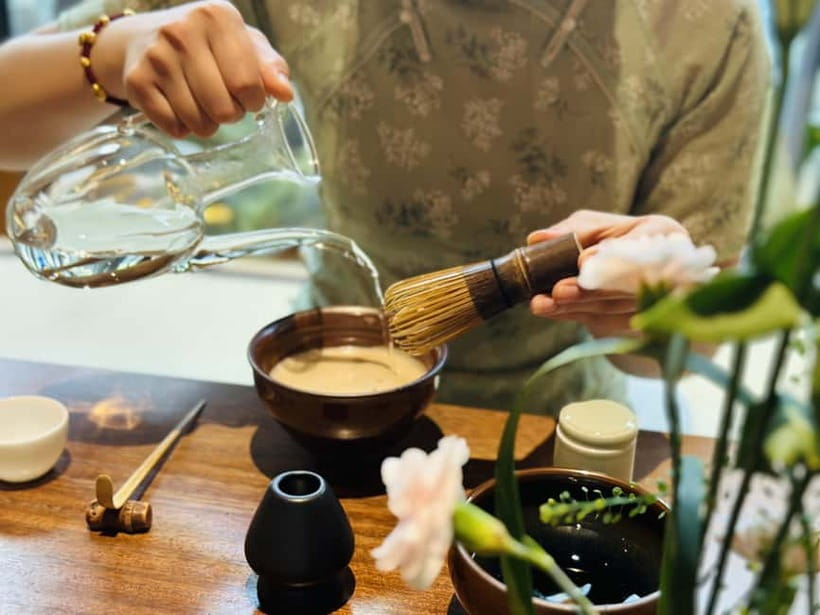
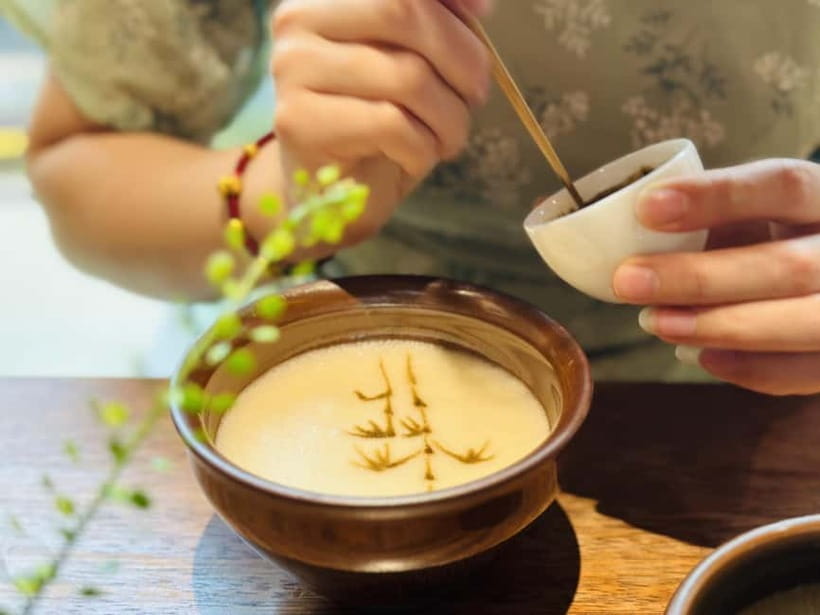
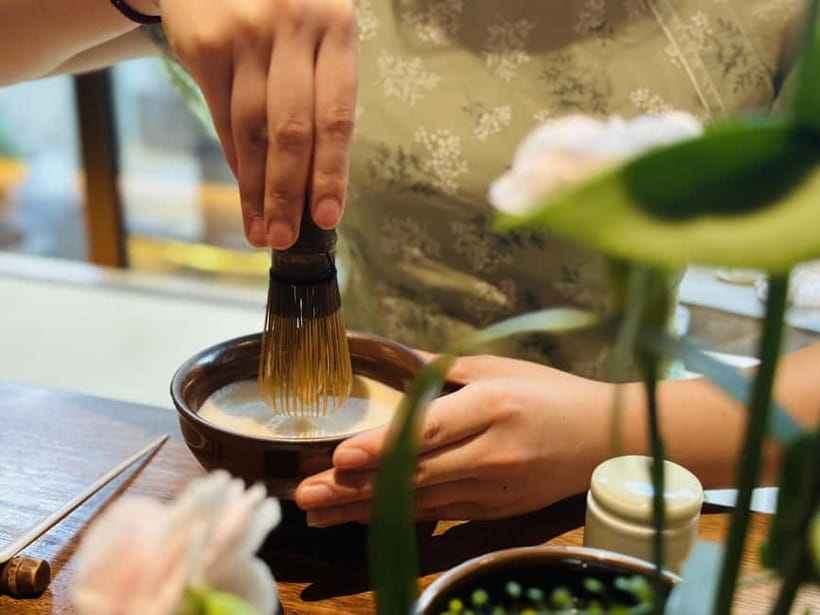
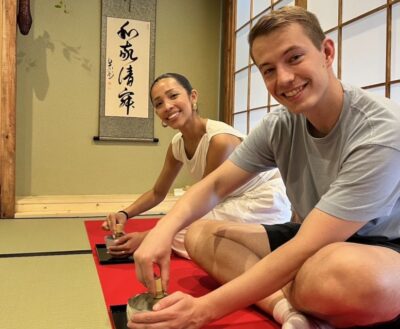
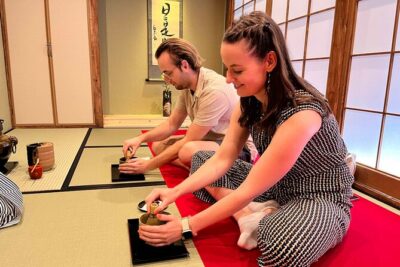
The hands-on Song Dynasty tea whisking lesson gives the activity its most unusual feature. Rather than only watching a tea master prepare a cup, you learn about the whisking and brewing method associated with the Song period.
This technique is a reminder that tea culture has changed over time. It also shows that tea preparation is not just a practical step before drinking. The movement of the whisk, the texture of the tea, and the care given to the process all shape the experience.
Expect this part to be slower and more deliberate than making tea at home. The aim is not speed. You are learning a method, watching how the tea changes, and taking part under the tea expert’s direction.
The small group matters here. With no more than eight people, the instructor can give the session personal attention. You should have a better view of the demonstration and a reasonable chance to ask about the technique. A larger group could make this kind of activity feel distant, but the stated group size keeps it intimate.
This is also where the experience moves beyond a standard tasting. You are not simply consuming a finished drink. You are learning how preparation can express values such as patience, precision, and hospitality.
Snacks, Conversation, and Optional Dress-Up
The included snacks provide a welcome pause and help keep the three-hour schedule comfortable. They are part of the tea setting rather than a separate meal, so do not book this as a substitute for lunch or dinner.
The food element may be less important to you than the tea itself, but it adds a social side to the activity. Tea ceremony is not only about equipment and technique. It is also about sharing time, conversation, and small acts of care.
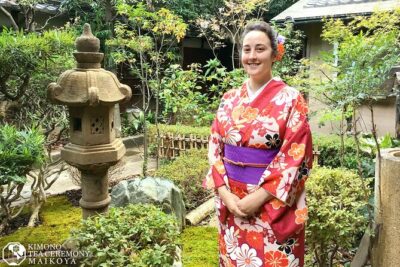
An optional traditional dress-up session is available for photos. This detail adds a playful note to an otherwise calm and formal experience. You can treat it as a keepsake opportunity, not a required part of the ceremony.
If you enjoy taking photos, bring a camera. If you prefer to keep the session focused on tasting and technique, you can simply skip the dress-up. The choice keeps the experience from feeling too staged.
Is $143 a Fair Price?
At $143 per person, this is not a budget tea stop. You are paying for three hours, an expert guide, multiple teas, snacks, a small group, and instruction in a historic preparation method.
The price makes more sense if you value personal attention and cultural explanation. A quick tea tasting may cost much less, but it is unlikely to offer the same amount of guided comparison and hands-on practice. The group limit of eight is important here. You are buying time with an instructor, not just a row of samples.
The value is weaker if you mainly want to drink tea in a beautiful setting or pick up inexpensive tea as a souvenir. The experience does not include transportation, and personal expenses are extra. You will need to make your own way to the meeting point, which is provided after booking near the marked location.
I would see this as a special-interest activity rather than an everyday stop. Tea enthusiasts, culture-focused visitors, and people who enjoy craft demonstrations are the best match. If you are on a tight budget, compare it with less expensive tea houses before committing.
Who Will Enjoy This Experience Most?
This activity is a good fit for you if you enjoy learning through taste and touch. You do not need prior tea knowledge, and the format gives beginners a clear way into the subject.
It also suits people who prefer quieter cultural activities. There is no rushing between several city sights, no long vehicle ride, and no large crowd. The focus stays on tea, technique, and conversation for three hours.
Photography-minded participants may enjoy the optional dress-up, while history fans will likely appreciate the Song Dynasty connection. The session also works well for a small party that wants a shared cultural activity with plenty of time to talk.
It may not suit you if you dislike structured tastings, have a strong sensitivity to food ingredients, or need wheelchair access. The activity is not suitable for wheelchair users or people with food allergies. You should also avoid booking it if you are looking for a lively evening with alcohol or entertainment. This is a calm, focused program.
Planning Your Visit to the Shanghai Tea Ceremony
Wear comfortable clothing and shoes. You may spend part of the session walking or moving around the activity space, and the guidance specifically recommends clothes and footwear suited to comfort.
Avoid strong perfume, cologne, or scented body products. Tea aromas are delicate, and fragrance can interfere with both your own tasting and the experience of the people around you.
Bring a camera if you want photos, especially if you plan to try the optional traditional clothing. Snacks are included, so you do not need to bring food for the session, though the activity information lists snacks among the suggested items to bring. If you have dietary restrictions, contact the provider before attending.
The tea expert speaks English or Chinese. The small group is limited to eight participants, which is a useful detail for anyone who prefers personal instruction.
Free cancellation is available up to 24 hours before the activity for a full refund. You can also reserve now and pay later, which helps if your Shanghai schedule is still shifting. Starting times depend on availability, so check the schedule before building the rest of your day around it.
My Recommendation: Book It for the Method, Not Just the Tea
I would recommend this experience if you want a focused introduction to Chinese tea culture and are willing to pay for careful instruction. The strongest reasons to book are the Song Dynasty whisking lesson, the blind tasting, and the small group size.
The activity has a thoughtful balance: you listen, taste, compare, and then take part. The snacks and optional dress-up add warmth without replacing the main subject.
I would skip it if $143 feels too high for a three-hour activity, or if you mainly want a casual cup of tea. But if you want to understand why tea preparation matters in China, this is a well-shaped experience with enough hands-on work to make the subject stick.
FAQ
How long does the Chinese Tea Ceremony Experience last?
The experience lasts three hours.
How much does the experience cost?
The listed price is $143 per person.
What languages does the tea expert speak?
Instruction is available in English and Chinese.
How many people are in each group?
The activity is limited to eight participants.
What is included in the price?
The price includes a tea expert guide, an assortment of Chinese teas, and snacks.
Is transportation included?
No. Transportation to and from the activity is not included. The exact meeting point is provided after booking near the marked location.
Can I cancel for a full refund?
Yes. You can cancel up to 24 hours in advance for a full refund.
Is the activity suitable for wheelchair users or people with food allergies?
No. The activity is listed as unsuitable for wheelchair users and people with food allergies. You should notify the provider about any food allergies or dietary restrictions before the activity.
Just added around China
- Xi’an Chinese Calligraphy Workshop: Ink Art & Tea Tasting★ 5.0 · 4 reviews
- Xi’an Noodle Making and Tea Tasting Experience★ 5.0 · 6 reviews
- Half-day Tour: Largest Tea Plantation & Amazing Xianggong Hill★ 5.0 · 9 reviews
- Xi’an Calligraphy & Tea Ceremony – Dive into Ink & Brush Artistry★ 5.0 · 4 reviews
- Full-day Tour: Spectacular Sunrise, Tea Plantation & Sunset★ 5.0 · 3 reviews
- 3 hours Xi’an Mahjong Class with Local Tea★ 5.0 · 2 reviews
- Shanghai Mahjong Experience in Local Tea Bar★ 5.0 · 4 reviews
- Unlock Chinese Tea: Culture, Science, Tasting & Hands-on Brewing★ 5.0 · 12 reviews
Tea Ceremony Experiences, compared.
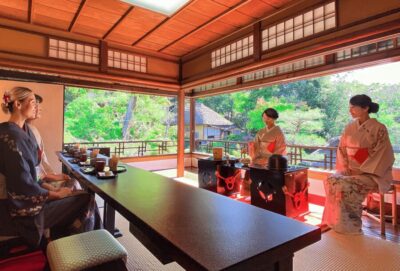
Tea Ceremony in a Traditional Tea House in Kiyomizu
Read our review →
Browse the lists this tour appears in