
Review · TOKYO
Asakusa: Kimono Tea Ceremony with Matcha and Sweet
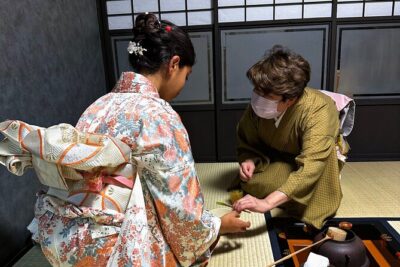
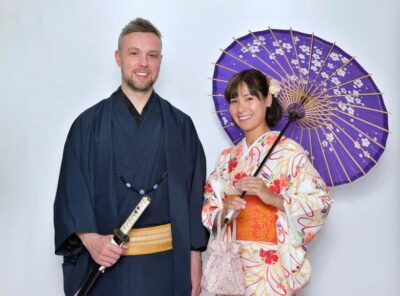
The best part of this Asakusa experience comes before the tea is even poured: you choose a kimono, have it professionally fitted, and watch the outfit take shape with an obi, hair styling, and matching accessories. Then you sit on tatami mats, learn the meaning behind the tea ceremony, and prepare your own bowl of matcha.
I like the wide choice of kimono colors and prints, along with the patient dressing staff who help match the obi and hair ornament. I also like the hands-on element: you are not just watching a demonstration, you whisk the tea yourself and eat seasonal wagashi afterward.
The main consideration is the pace and setting. This is a quiet, calm activity with roughly 12 to 14 people in some sessions, and seating is on tatami mats unless you request a bamboo chair ahead of time. It is cultural instruction with photos, not a lively stage show.
Key Points
- Kimono dressing takes center stage: Choose a seasonal kimono, obi, hairpiece, and accessories with help from the staff.
- Hair styling is included for women with long hair: The styling is quick, polished, and designed to suit the kimono.
- You make your own matcha: A tea master explains the tools and shows you how to whisk the tea.
- The ceremony has a clear cultural framework: You learn about Wa, Kei, Sei, and Jaku, meaning harmony, respect, purity, and tranquility.
- Photos are built into the experience: You can use indoor photo setups and a small garden, with staff help for solo or couple pictures.
- The $66 price covers a lot: Kimono rental, professional dressing, hair styling, tea, sweets, English guidance, and about 90 minutes of instruction are included.
Choosing a Kimono in Asakusa
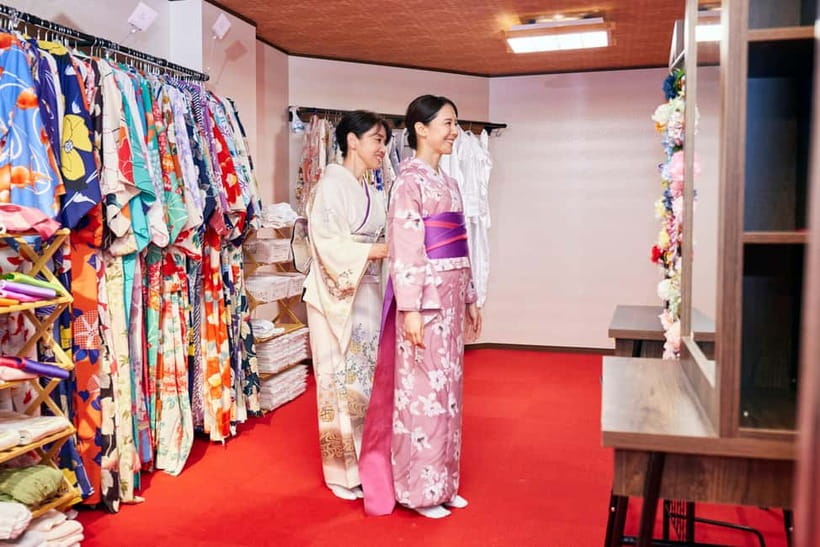
You begin by selecting a kimono from a range of colors and prints. This is not a quick costume change. The staff help you choose the main garment, then coordinate the obi, hairpiece, and other accessories so the finished outfit looks intentional.
I recommend thinking about color before you arrive. If you already know which shades suit you, the selection process moves faster. If not, the staff can help you decide, and the range of choices gives you room to find something that feels like your own style rather than a standard uniform.
Professional dressing matters here. A kimono is wrapped and secured in a very different way from ordinary clothing, and the obi adds both shape and weight. The dressing staff handle the details while you stand or wait, so you can focus on the fun part: seeing the outfit come together.
For women with long hair, hair styling is included. The finished look is designed to match the kimono and hair ornament. The styling is reported to be especially useful for visitors who want polished photos without spending extra time arranging their hair themselves.
The dressing process is one of the most praised parts of the experience, but it also sets the tone. You need to be comfortable with staff working closely around you and tightening the outfit. That is normal for kimono dressing, though anyone who dislikes fitted clothing may find it restrictive.
More Kimono Tea Ceremonies in Tokyo:
- Kimono Tea Ceremony at Tokyo, Asakusa Maikoya
★ 5.0 · 638 reviews - Tokyo: Matcha and Kimono Experience
★ 4.7 · 219 reviews - Tokyo: Asakusa Kimono Dressing and Matcha Experience
★ 4.9 · 173 reviews
A Quiet Tea Room and Four Ideas
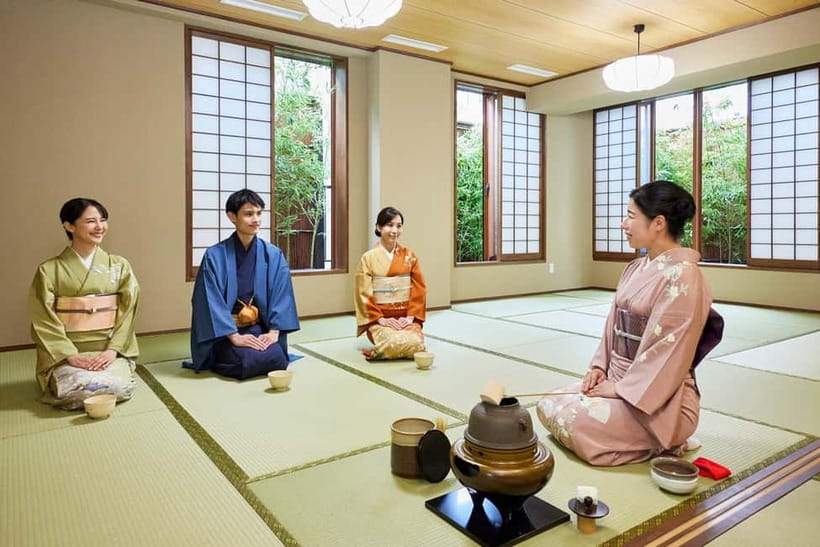
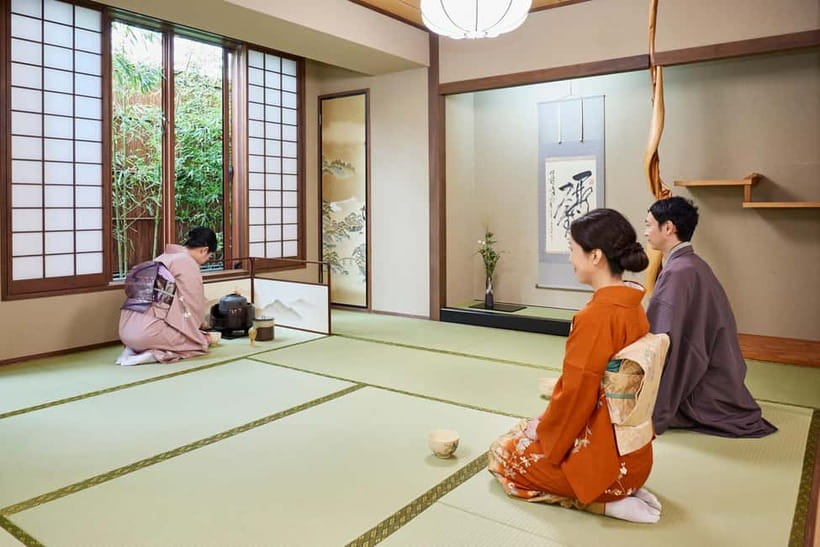
Once dressed, you enter the tea room for the ceremony. The mood is calm and formal, so this is the time to put your phone away and pay attention. The tea ceremony is built around four ideas: Wa, Kei, Sei, and Jaku.
Wa means harmony. Kei means respect. Sei means purity. Jaku means tranquility. These words give you a useful way to understand the ceremony beyond its careful movements. The bow, the handling of the bowl, and the order of each action are not random flourishes. They create a shared rhythm between host and participants.
English guidance is provided throughout, and the instructors explain what they are doing instead of expecting you to know the rules. Hosts named Mia, Wakana, Yoko, and Kyoko have been praised for clear, warm presentations. The teaching style can vary by host, but the common thread is patient explanation and a friendly manner.
The group size can be around 12 to 14 people because bookings from different sites may be combined. That is still small enough to follow the demonstration, though it may not feel like a private ceremony. Some sessions can be more intimate, with only a few couples, but you should not book expecting that every time.
Watching the Matcha Preparation
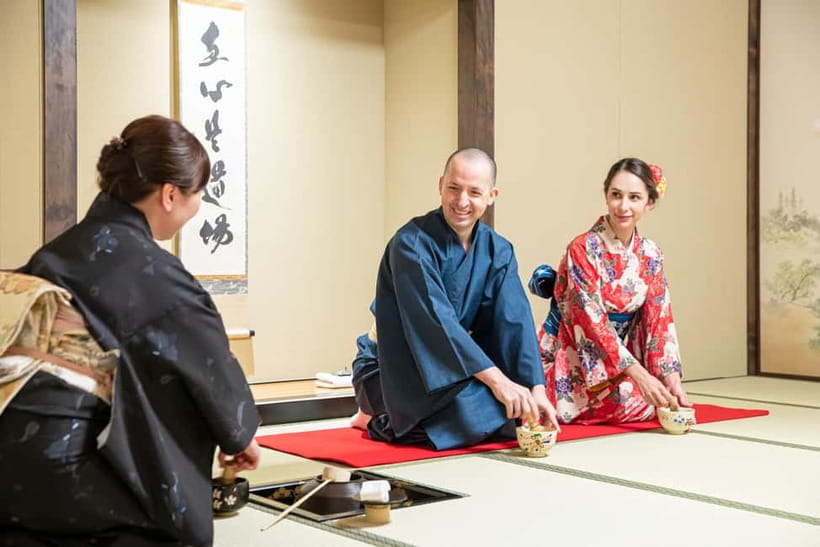
The tea master handles the utensils with care and explains the role of each item. Some tools are cherished artifacts, which gives the demonstration a sense of connection to older tea traditions rather than making it a simple lesson in powdered tea.
You will see how the host measures, prepares, and whisks the matcha. The movements are precise, but the explanation keeps them understandable. This is a good point to watch closely, since the details are easy to miss if you focus only on taking pictures.
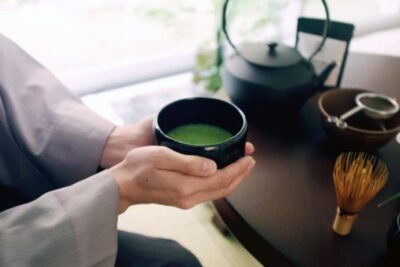
Then comes your turn. You prepare your own bowl of matcha with a bamboo whisk, following the instructions from the host. The result may not look as smooth as the master’s bowl, and that is part of the fun. You are learning a traditional process, not competing in a tea-making contest.
The tea has a strong, grassy taste that may surprise you if your only experience with matcha is a sweet café drink. The wagashi helps balance it. These seasonal Japanese sweets are small, carefully shaped, and chosen to reflect the time of year through their colors and flavors.
The included food is a tasting, not a meal. If you arrive hungry, eat beforehand or plan another meal afterward. The package includes wagashi, but no additional meal or substantial snack.
Tatami Seating and the Pace of the Ceremony
The tea room uses tatami mats, so you should expect to sit on the floor for part of the 90-minute session. That traditional setting adds to the atmosphere, but it is not comfortable for everyone, especially anyone with knee, hip, or back problems.
Bamboo chairs are available if requested in advance. Do not wait until you arrive to ask. This is one of the most useful practical details in the booking information, and it can make the difference between enjoying the ceremony and spending the session thinking about your legs.
The quiet tone is also important. This is not a noisy group activity with constant narration or games. The host speaks, demonstrates, and lets the room settle. Children under seven are not permitted, which fits the calm format and keeps the ceremony focused.
The full activity lasts about 90 minutes. That includes kimono dressing, hair styling when applicable, the tea presentation, your own matcha preparation, sweets, and time for pictures. The exact balance can vary, so I would not schedule a major attraction immediately afterward.
More Matcha Experiences in Tokyo:
- Matcha Making Class in Tokyo with Authentic Japanese Sweets Set
★ 5.0 · 744 reviews - Tokyo: Matcha Making Experience with Mochi Sweets in Asakusa
★ 4.9 · 388 reviews - Asakusa Cultural Walk & Matcha Making Tour
★ 5.0 · 245 reviews - Make Traditional Nerikiri Sweets & Matcha experience in Shibuya
★ 5.0 · 130 reviews
Photo Time in Kimono
After the ceremony, you have time to take photographs. The venue includes a small garden and staged indoor areas that give you more than a plain room as a backdrop. Staff can help take pictures, which is particularly useful if you are traveling alone or want a photo of a couple together.
Solo visitors should make a point of asking for help with photos. Staff have taken time to create keepsake pictures, including a special Polaroid for one birthday participant. That sort of small personal touch can turn the experience from a dress-up session into a lasting travel memory.
Couples can also reveal their finished outfits to each other and take pictures together. The dressing process may happen separately, which makes the first look more fun. The kimono, hair styling, and formal tea room give the photographs a clear Japanese setting without requiring a separate photo shoot.
You may also be able to wear the kimono outside afterward for nearby sightseeing, depending on the arrangement for your session. The experience information indicates that some people go out in their outfits for a while. Ask the staff about the current rental terms before leaving, and remember that a kimono is not ideal for long walks or cold weather.
What the $66 Price Includes
At $66 per person, this is not the cheapest way to try matcha in Tokyo. You are paying for a package rather than a cup of tea: kimono rental, professional dressing, hair styling for women with long hair, English instruction, the tea ceremony, hands-on matcha preparation, wagashi, and photo opportunities.
I consider that a fair price if you want both cultural teaching and a dressed-up experience. A simple tea tasting would cost less, but it would not give you the same preparation, outfit, hair styling, or photo time. The value is strongest for first-time visitors who want one compact introduction to Japanese customs.
The price is less appealing if you mainly want to drink matcha or take a quick kimono photo. In that case, the 90-minute format may feel longer than necessary. You are paying for the full ritual and preparation, not just the final bowl of tea.
Transportation to the venue is not included, and meals beyond the sweets are not included. Plan your route to the Asakusa location separately and leave room for lunch or dinner elsewhere.
Who Will Enjoy This Experience Most
I would recommend this activity to first-time visitors who want a structured introduction to Japanese culture without committing to a full-day excursion. The English guidance makes it accessible, and the combination of dressing, instruction, tea, sweets, and photos gives you several different parts in one booking.
It is also a strong choice for couples. The kimono selection and reveal create a memorable shared activity, while the staff can help with photographs afterward. Solo visitors are well served too, since the staff can take photos and help you make the most of the setting.
People interested in Japanese food and customs will appreciate the explanation of wagashi and the meaning behind the ceremony. You will not become a tea master in 90 minutes, but you will understand more about why the gestures and utensils matter.
I would be cautious about booking it for children under seven, since they are not permitted. Older children may enjoy the dress-up aspect, but the ceremony requires quiet attention and floor seating, so consider your child’s patience and comfort.
Practical Advice Before You Go
Wear clothing that makes changing easy. You will remove your shoes, and shoes are not allowed during the activity. Choose socks without holes and clothing that will not make the kimono fitting awkward.
If you need a bamboo chair, request it in advance. Tatami seating is part of the traditional setting, but the chair option is important for anyone who cannot sit comfortably on the floor.
Allow the full 90 minutes and avoid arriving with a tight schedule. The kimono fitting, hair styling, ceremony, matcha preparation, and photos all contribute to the experience. Rushing away would undercut the relaxed mood.
Consider the season when deciding if you want to go outside afterward in the kimono. In cold weather, the indoor garden and photo areas may be more comfortable. The outfit is best treated with care, and a short nearby outing makes more sense than a long day of sightseeing.
Cancellation is free up to 24 hours before the activity for a full refund, and you can reserve now and pay later. Those terms are useful if your Tokyo plans are still shifting, but check the selected time carefully before booking.
Should You Book It?
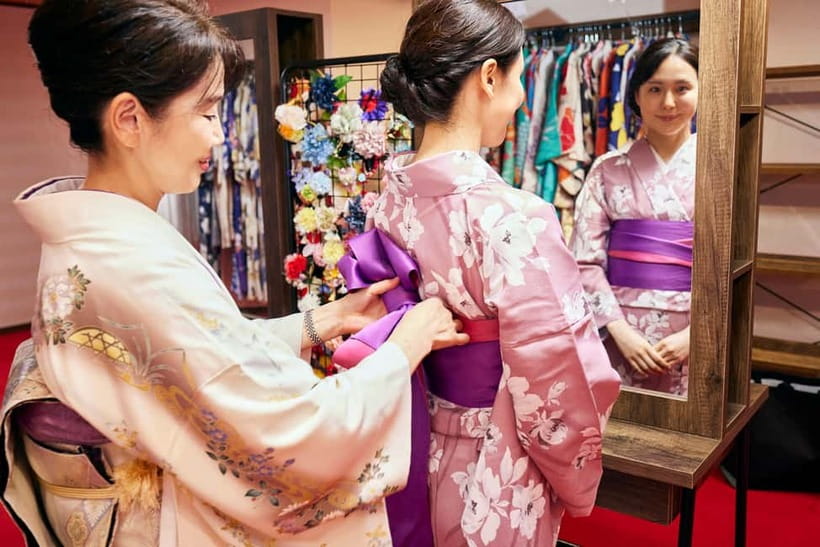
Book this experience if you want more than a quick costume photo. The strongest parts are the careful dressing, the clear English explanation, the chance to whisk your own matcha, and the staff help with photographs. The kimono and tea ceremony work well together because you learn about Japanese manners while participating in a setting where those manners matter.
Skip it if you dislike floor seating, quiet instruction, fitted clothing, or group activities. Also remember that the sweets are small and the package does not include transportation or a meal.
For most visitors, the $66 cost is reasonable because it combines several paid elements into one 90-minute session. I would especially choose it for a first Tokyo visit, a couple’s outing, a solo photo opportunity, or a rainy-day cultural activity in Asakusa.
FAQ
How long does the kimono tea ceremony experience last?
The full experience lasts approximately 90 minutes, including kimono dressing, hair styling when applicable, the tea ceremony, matcha preparation, wagashi, and photo time.
What is included in the $66 price?
The price includes the traditional tea ceremony, kimono rental and professional dressing, hair styling for women with long hair, matcha preparation, seasonal wagashi, and English guidance.
Is the experience conducted in English?
Yes. English guidance is provided throughout the activity, and the instructor language is English.
Do I get to make my own matcha?
Yes. The tea master demonstrates the preparation and then guides you as you whisk your own bowl of matcha.
What food is included?
Seasonal Japanese sweets called wagashi are included. No other meal is provided.
Can I sit on a chair instead of the tatami mat?
Yes, bamboo chairs are available upon advance request. Standard seating is on tatami mats.
Are children allowed to join?
Children under seven years old are not permitted to participate.
Can I cancel the booking?
You can cancel up to 24 hours in advance for a full refund. The activity also offers a reserve now and pay later option.
More Tea Ceremony Experiences in Tokyo
- Tokyo: Traditional Tea Ceremony with a Tea Master
★ 5.0 · 528 reviews - Tea Ceremony Workshop in Tokyo by the Experienced Instrucor
★ 5.0 · 189 reviews - Tea Ceremony Experience in a Private Tea Room in Shibuya
★ 4.9 · 125 reviews - Tokyo: Practicing Zen with a Japanese Tea Ceremony
★ 4.7 · 105 reviews
Just added around Tokyo
- Yokohama : Tea Ceremony with Sweets and Souvenir★ 5.0 · 5 reviews
- Walking Tour: Yanaka,Nezu& Sendagi: Tea Ceremony & Old Tokyo★ 5.0 · 3 reviews
- 2 Hours Mochi &Nerikiri Making & Matcha Class in Bunkyo★ 5.0 · 21 reviews
- Private Kimono and tea ceremony at local home near Tokyo Disney★ 5.0 · 6 reviews
- Private Mochi・Matcha sweets Making Class Near Shibuya Area★ 5.0 · 22 reviews
- Tokyo Sweets Tour: Hidden Gems & Matcha at an Old Tea House★ 5.0 · 6 reviews
- Giant Sushi Cooking Class: Make a 1.5m Sushi Roll in Tokyo★ 5.0 · 9 reviews
- Tokyo Tea Ceremony Class at a Traditional Tea Room★ 5.0 · 2 reviews
Kimono & Tea Ceremonies, compared.
KYOTO Tea Ceremony with kimono near by Imamiya Jinjya Shrine
Read our review →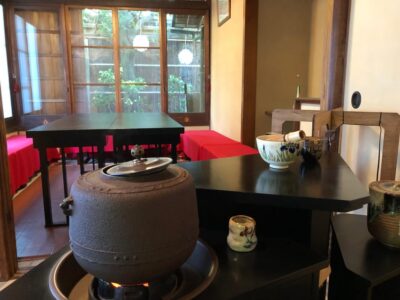
Kimono and Tea Ceremony Experience at Cultural Asset
Read our review →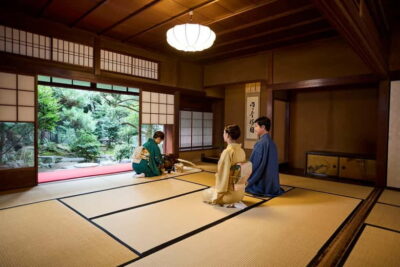
Browse the lists this tour appears in