
Review · YOKOHAMA
Japanese Tea Ceremony at Private Home in Yokohama, suburban Tokyo
The unusual part here is not simply drinking matcha. You enter a private Japanese home near Azamino, sit in a traditional tatami room, and watch a tea master prepare water over charcoal. I like the careful look at how to behave as a tea guest, and I like that you make your own bowl of matcha rather than only watching. The seasonal wagashi, including sweets such as nerikiri, gyuhi, and manjyu, gives the lesson a tasty local touch.
The main consideration is location. This is in suburban Yokohama, not central Tokyo, so you need to allow time to reach the meeting point. The session lasts about 90 minutes and is intimate, but it is a focused cultural workshop, not a broad sightseeing tour.
Key points at a glance
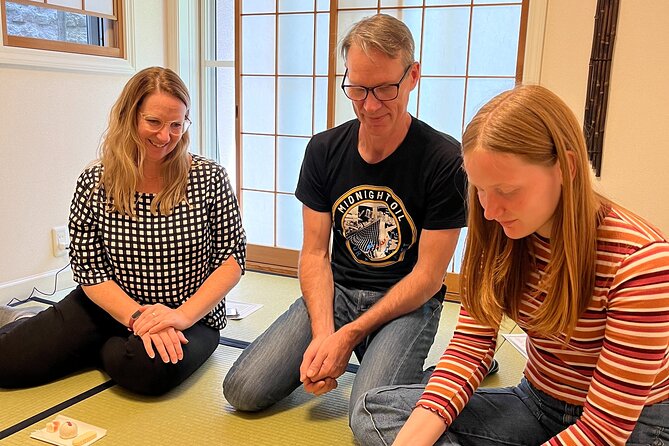
- Traditional tatami setting: You learn tea etiquette inside a private Japanese home rather than in a large public venue.
- Charcoal-fired preparation: The tea master demonstrates the charcoal procedure, a rare sight even for many Japanese people.
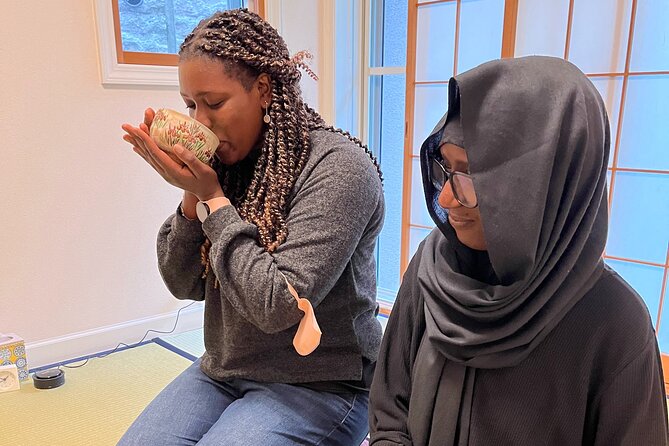
- Two cups of matcha: You drink one bowl prepared for you and make another yourself.
- Seasonal handmade sweets: Wagashi may include nerikiri, gyuhi, manjyu, or dried Japanese sweets, with options suitable for vegan and gluten-free diets.
- Experienced instruction: The tea master has studied the ceremony for more than 40 years and taught for more than 15 years.
- Small private format: Only your group takes part, making it easier to ask questions and learn at your own pace.
Why this home tea ceremony feels different
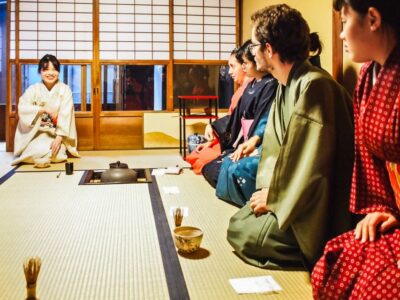
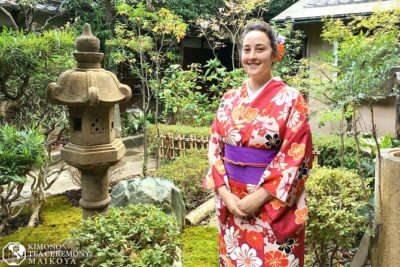
Many tea experiences put you in a cultural center, hotel, or formal public tea house. This one takes place at the Kono family’s private home in Yokohama. That setting changes the mood. You are not just watching a polished performance. You are being welcomed into a domestic space built around the practice.
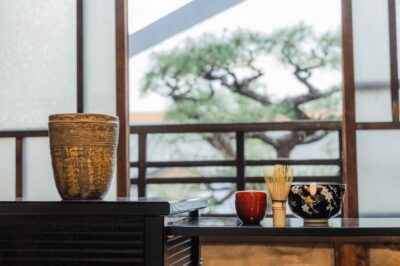
The ceremony takes place in a dedicated tatami tea room. Tatami changes how you sit, move, and enter the room. You will need socks, so pack a clean pair even if you are wearing shoes that are easy to remove. Bare feet are not suitable for the tatami room.
The teacher has spent more than 40 years studying Japanese tea ceremony and more than 15 years teaching it. That matters because the ceremony has many small actions that can seem mysterious at first: how to enter, how to receive the bowl, how to eat the sweet, and how to show respect before drinking. You get an explanation rather than being expected to copy movements without context.
The private format also suits people who like to ask questions. Since only your group participates, you can stop and ask about the tools, the sweets, the charcoal, the sequence, or the meaning behind a gesture. This is especially useful if you are new to tea ceremony and do not want to worry about holding up a larger group.
More Tea Ceremony Experiences in Japan:
- Kyoto: Tea Ceremony in a Traditional Tea House in Kiyomizu
★ 4.9 · 3,519 reviews - Kyoto: Tea Ceremony Ju-An at Jotokuji Temple
★ 4.9 · 3,207 reviews - Kyoto: 45-Minute Tea Ceremony Lesson Experience
★ 4.3 · 2,378 reviews
Reaching the home near Azamino
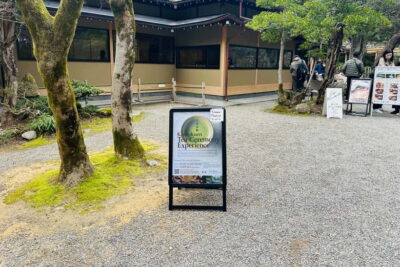
The meeting point is at Dresse Azamino Gardens in Aoba Ward, Yokohama. The experience is near public transportation, and pickup is offered, but the supplied details do not specify pickup times or exact arrangements. Confirm those points after booking rather than assuming door-to-door service.
Azamino is in suburban Yokohama, so you should not treat this as a quick walk from Tokyo’s central districts. The location makes sense for the home setting, but it also means you need to plan the journey carefully. A relaxed schedule is best. Rushing from a distant Tokyo attraction could make the start feel harder than it needs to be.
The session ends back at the meeting point. That is handy if you are building a Yokohama day around the activity. The area also offers a possible follow-up visit: the Yokohama Ramen Museum near Shin-Yokohama can be reached from Azamino Station in about 15 minutes by Yokohama subway to the closest Shin-Yokohama station. The tea workshop itself does not include the museum, transport, or a meal there, so consider it a separate plan.
The opening demonstration and guest etiquette
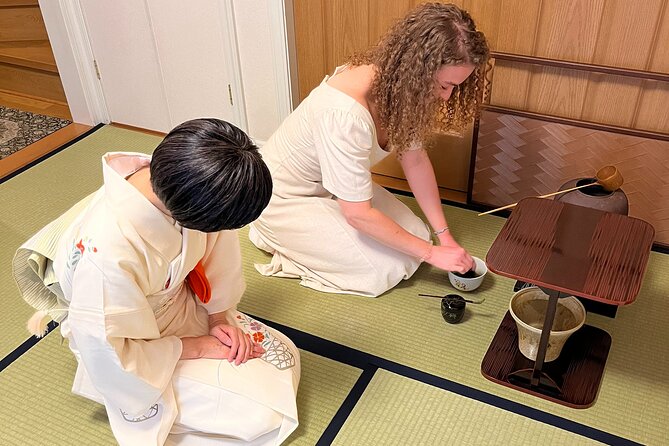
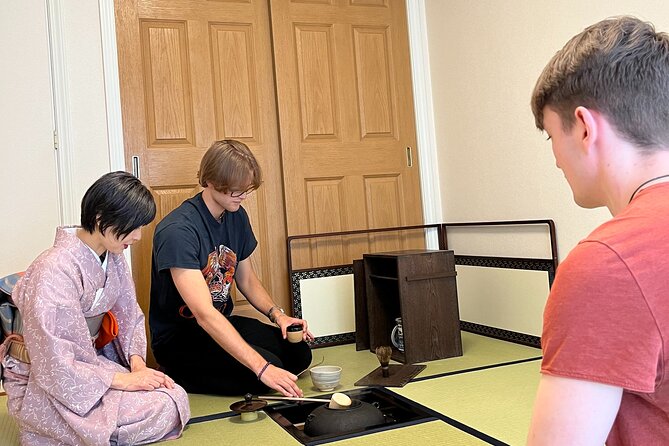
The tea master first demonstrates the ceremony. Your role at this stage is to watch closely and learn how a guest behaves. This is the right order for a beginner. You see the rhythm of the ritual before you are asked to perform any part of it.
Pay attention to the small courtesies. The workshop teaches you how to receive tea and how to eat the accompanying wagashi. Those details are not decoration. A Japanese tea ceremony is built around respect, calm movement, and attention to the person preparing the bowl.
The tatami room makes the lesson more physical than a talk about tea would be. You must think about where you sit, how you move, and how you handle the bowl. The experience is still friendly and educational, but it asks for patience and attention.
The tea master also explains the history of Japanese tea ceremony. The available information does not give a set lecture outline, so the exact balance between history and demonstration may vary. You can ask questions directly, which lets you steer the discussion toward the parts that interest you most.
The charcoal procedure is the rare highlight
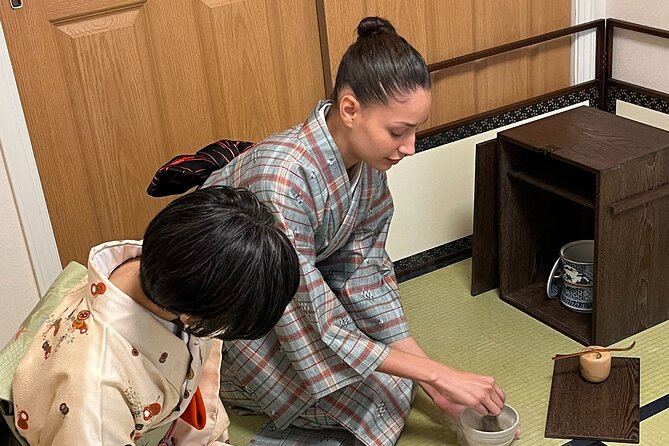
One of the most unusual parts is the charcoal procedure. The tea master adds charcoal to heat the water used for tea. This is not just a practical step. It shows an older form of tea preparation and lets you see how heat, water, timing, and ceremony are connected.
The charcoal procedure is described as rare even for Japanese people. That makes it a strong reason to choose this workshop over a basic matcha-making class. Many introductory activities focus on whisking powdered tea. Here, you also see the source of the heat and the patient preparation behind the bowl.
Do not expect the charcoal demonstration to be a quick tourist trick. It forms part of the traditional procedure, so the pace is deliberate. If you prefer fast activities with lots of stops, this may feel slow. If you want to understand why tea ceremony values control and quiet attention, the slower pace is the point.
More Private Experiences in Japan:
- Private Tea Ceremony and Sake Tasting in Kyoto Samurai House
★ 5.0 · 163 reviews - Tea Ceremony Experience in a Private Tea Room in Shibuya
★ 4.9 · 125 reviews - Private Kyoto Sushi Cooking Class & Tea Ceremony with Emika
★ 5.0 · 66 reviews - Kyoto: Private Tea Ceremony with a Garden View
★ 4.9 · 61 reviews
Wagashi gives the lesson a seasonal flavor
The tea is served with handmade wagashi, the traditional sweets that balance matcha’s bitter edge. The tea master chooses the type according to the season. Possible examples include nerikiri, gyuhi, and manjyu, along with dried Japanese sweets.
Nerikiri is often shaped with care, while gyuhi is a soft mochi-style sweet and manjyu is a filled steamed confection. The exact sweet you receive is not fixed, and that is part of the appeal. You get a small taste of how Japanese food follows the calendar rather than a standard snack selected for every date.
Wagashi also teaches you how to be a guest. You eat the sweet before drinking the tea, preparing your palate for the matcha. This sequence makes the experience more than a lesson in whisking. It connects food, season, hospitality, and etiquette.
The included sweets are described as suitable for vegan and gluten-free diets. If that is important to you, confirm the details when booking, since seasonal ingredients can vary. The activity includes matcha and wagashi, but it does not include a full meal.
Making your own matcha
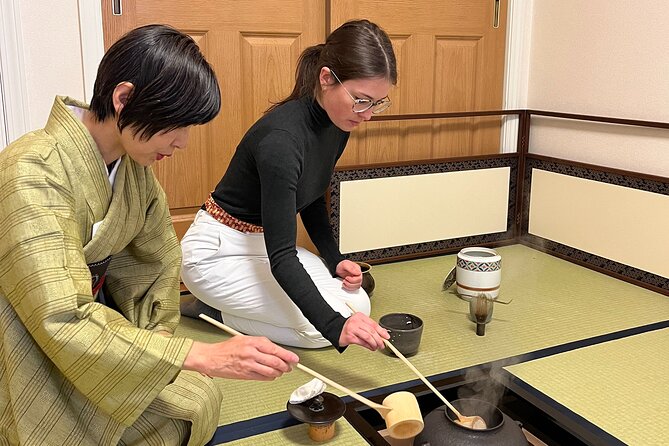
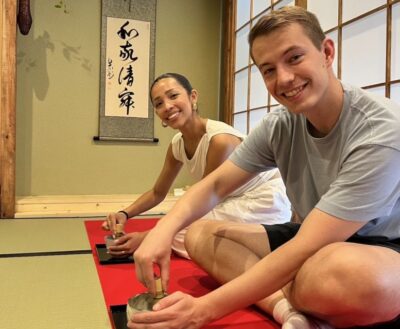
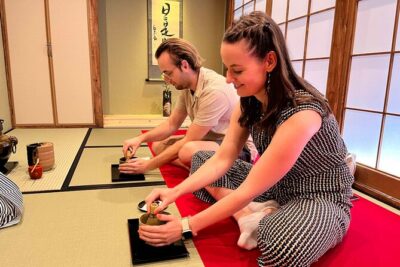
After watching the tea master, you get to prepare matcha yourself. This hands-on part is valuable because the whisking technique looks simple until you try it. You can learn the basic method, mix the tea, and drink the bowl you prepare.
You receive two cups of matcha in total: one prepared for you and one that you make yourself. That gives you a useful comparison. The first bowl lets you focus on the taste and etiquette. The second lets you notice how your own preparation affects the drink.
The activity does not promise professional-level mastery in 90 minutes, and you should not expect it to. You will leave with an introduction to the process and a better sense of the care involved. The tea master can answer questions as you work, which makes this more useful than simply following a printed recipe.
Matcha has a strong, grassy bitterness that is softened by the wagashi. If you already know you dislike green tea, the sweets help, but they do not turn matcha into a mild drink. This is a cultural tasting as much as a craft lesson.
The value of a 90-minute private session
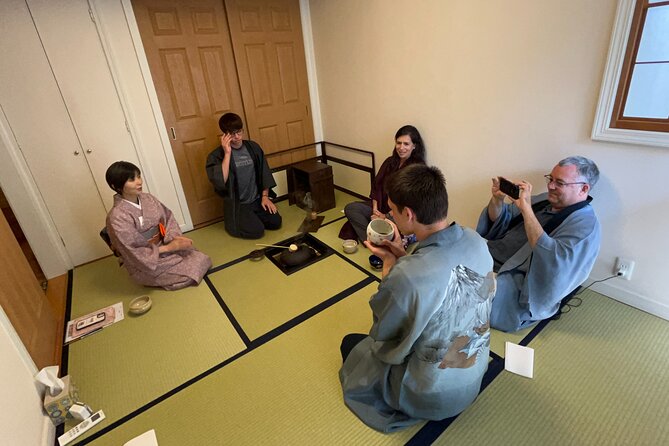
The price is $52.71 per person. For that fee, you receive about 1.5 hours of private instruction, matcha, handmade sweets, the demonstration, charcoal preparation, and your own chance to make tea. The value depends on what you want from a cultural activity.
If you only want to drink matcha, you can find cheaper and quicker options. This experience earns its price through the private setting, the teacher’s long study, the traditional procedure, and the chance to ask questions without a large audience. The two-cup format also gives you more participation than a simple demonstration.
A private activity can cost more than a group class, but here the difference has a clear benefit. Your group is the only group taking part. That makes it a good choice for a family, couple, or small party that wants a calm lesson and direct conversation.
The experience is commonly booked about 38 days ahead. That suggests you should reserve early if your Yokohama dates are fixed. Confirmation is sent within 48 hours, subject to availability, so do not leave this until the last part of a tightly planned itinerary.
Who will enjoy this most
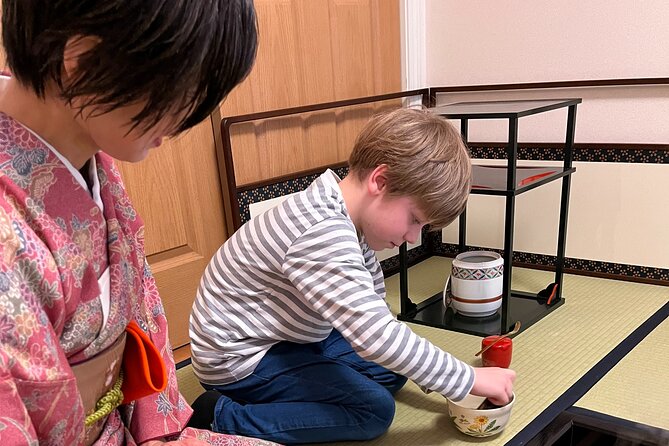
I would choose this for someone who wants a quiet, personal look at Japanese culture. It suits first-time visitors who feel unsure about tea ceremony manners because the teacher demonstrates the guest role before asking you to take part.
It also works well for families. One review describes a visit by three people who enjoyed talking with the Kono family, including a baby. The response from the family welcomed the possibility of seeing the baby again, which gives you a sense of the warm, personal tone. Still, the tatami setting and calm ceremony mean parents should decide if young children can manage a slow, seated activity.
Food-focused visitors have another reason to book. The wagashi changes with the season, and the sweets are made by the tea master. People looking for vegan or gluten-free-friendly refreshments may also find the inclusion useful, though you should confirm current ingredients.
This is less suitable if you want a full day of sightseeing, a large theatrical show, or a lesson in several Japanese arts. It is a single, focused workshop. The reward is attention to one tradition, not a long list of attractions.
Practical details before you reserve
Wear or bring socks for the tatami room. This is the most important preparation detail. Shoes must be removed to enter the room, and the activity specifically asks you to bring socks.
Plan your transport to Dresse Azamino Gardens in advance. Pickup is offered, but the exact terms are not provided, so confirm where and when you will be collected. The activity is near public transportation, and the end point is the same as the meeting point.
The activity has a mobile ticket, which is convenient when you are moving around Japan. Free cancellation is available if you cancel at least 24 hours before the start time. Cancellations or changes made less than 24 hours ahead are not refunded or accepted, based on local time.
The activity is private, but the exact maximum group size is not stated. Only your own group participates, so you should not expect a large class. The session lasts approximately 90 minutes, though it is wise not to schedule another fixed appointment immediately afterward in case the conversation runs long.
Should you book this Yokohama tea experience?
Book it if you want to learn how to be a tea guest, see charcoal preparation, taste seasonal handmade wagashi, and make your own matcha in a private home. The experienced teacher, personal setting, and two bowls of tea give the $52.71 price a fair purpose.
Skip it if you are staying only in central Tokyo, dislike slow seated activities, or want a quick matcha tasting with no etiquette lesson. For everyone else, this is a thoughtful way to spend 90 minutes in suburban Yokohama. Bring socks, allow time for the journey, and let the ceremony move at its own pace.
FAQ
Where does the tea ceremony take place?
It takes place at a private Japanese home at Dresse Azamino Gardens in Aoba Ward, Yokohama, near Azamino.
How long does the experience last?
The workshop lasts approximately 1 hour and 30 minutes.
How much does it cost?
The listed price is $52.71 per person.
Is transportation or pickup available?
Pickup is offered, and the activity is near public transportation. The provided details do not specify the exact pickup arrangements, so confirm them after booking.
What will I drink?
You will drink matcha, or powdered green tea. The tea master prepares one cup for you, and you prepare another cup yourself.
How many cups of matcha do I receive?
You can drink two cups of matcha during the workshop.
What food is included?
The experience includes handmade wagashi and dried Japanese sweets. Seasonal examples can include nerikiri, gyuhi, and manjyu.
Do I need to bring anything?
Bring socks to enter the traditional tatami room.
Can I cancel for a refund?
You can cancel for a full refund up to 24 hours before the experience start time. Cancellations or changes made less than 24 hours before the start are not accepted or refunded.
Just added around Japan
- Yokohama : Tea Ceremony with Sweets and Souvenir★ 5.0 · 5 reviews
- Whisk Your Own Matcha: A Zen Matcha Experience at Temple★ 3.6 · 7 reviews
- Walking Tour: Yanaka,Nezu& Sendagi: Tea Ceremony & Old Tokyo★ 5.0 · 3 reviews
- Visit local home for music and tea ceremony near Disney★ 4.9 · 13 reviews
- Trip to Kamakura & Enoshima: Shrines, Seaside, Temples &Tea★ 5.0 · 11 reviews
- Yokohama: Sushi & Gyoza Cooking with Matcha & GreenTea Experience★ 5.0 · 3 reviews
- Kyoto tea town for matcha lovers★ 5.0 · 16 reviews
- Uji: Private immersion into Kyoto’s tea and reglious culture★ 5.0 · 17 reviews
Tea Ceremony Experiences, compared.
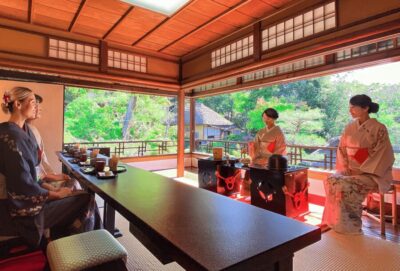
Tea Ceremony in a Traditional Tea House in Kiyomizu
Read our review →
Browse the lists this tour appears in