
Review · TOKYO
Practicing Zen through Japanese Tea Ceremony
A formal Japanese tea ceremony turns a simple cup of matcha into a lesson in attention, manners, and restraint. In this 75-minute Tokyo session, you watch a tea master prepare tea, learn why each gesture matters, then make a bowl yourself using the same basic steps. The hands-on second ceremony is the most useful part for anyone who wants more than a museum explanation.
I like two things here. First, bilingual guides such as Miyuki and Yuuko explain the ceremony in accessible English, including Zen practice, scrolls, utensils, and the place of sweets. Second, the wagashi is chosen to balance matcha’s bitter taste, so you learn how the food and tea work together rather than simply receiving a snack. The main consideration is the setting: the activity takes place in a room in an office building, and one review describes it as a basement room, not a traditional tea house.
Key points to know before booking
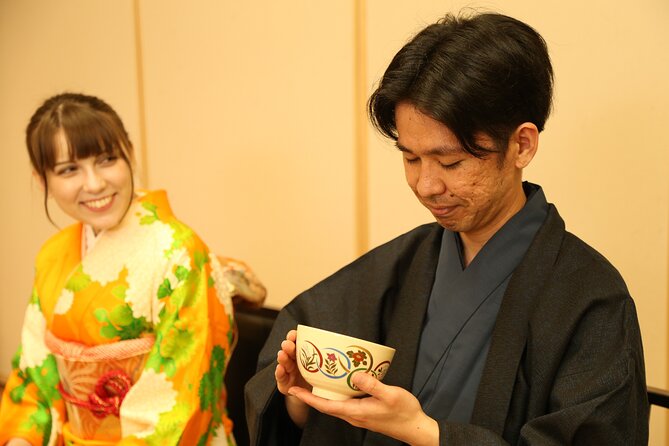
- You prepare your own matcha: After watching the tea master, you repeat the process with instruction.
- The lesson goes beyond tea: English explanations cover Zen, hanging scrolls, utensils, Japanese aesthetics, and hospitality.
- Wagashi comes with the tea: Traditional sweets are selected to suit matcha’s strong flavor.
- The mood is calm but the setting is modern: Expect a recreated tea ceremony atmosphere at Kikai Shinko Kaikan, not a historic garden pavilion.
- The group can reach 28 people: This may feel social rather than highly private, especially at full capacity.
- The price is $64.50 per person: For 75 minutes, a bilingual lesson, two tea preparations, sweets, and a cultural explanation, the value is reasonable if you want active participation.
Why a tea ceremony makes a good Tokyo pause
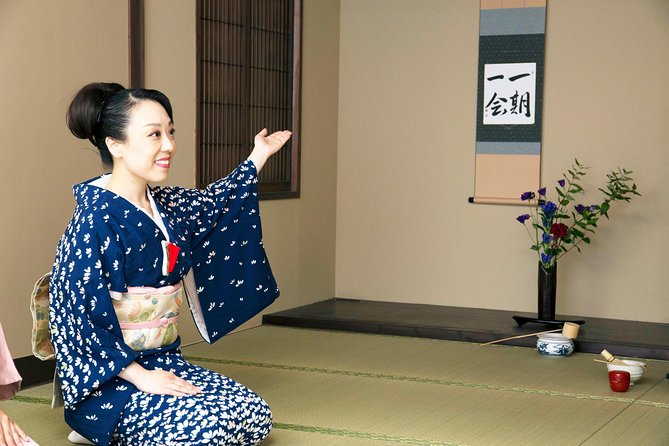
Tokyo can fill every hour with trains, department stores, temples, observation decks, and crowded streets. This activity gives you a fixed period of quiet. You sit, watch, listen, taste, and repeat a set of movements instead of racing toward the next sight.
That change of pace is not an accident. Japanese tea ceremony places importance on concentration and respect for the moment. The ceremony is not simply a way to make green tea. The room, objects, movements, sweets, and guest-host relationship all work together.
You do not need prior knowledge of Zen or Japanese customs. The tea master explains the background in English while showing you what to do. The session is best understood as an introduction rather than a full study of tea practice. You will learn the foundations, not become a trained tea practitioner in 75 minutes.
The format also helps if museums have left you with questions about Japanese aesthetics. Why is one scroll displayed? Why are utensils handled with care? Why does the sweet come before the tea? The explanations connect these details to the larger idea of hospitality and mindful dining.
More Tea Ceremony Experiences in Tokyo:
- Kimono Tea Ceremony at Tokyo, Asakusa Maikoya
★ 5.0 · 638 reviews - Tokyo: Traditional Tea Ceremony with a Tea Master
★ 5.0 · 528 reviews - Tea Ceremony Workshop in Tokyo by the Experienced Instrucor
★ 5.0 · 189 reviews
Arriving at Kikai Shinko Kaikan in Shibakoen
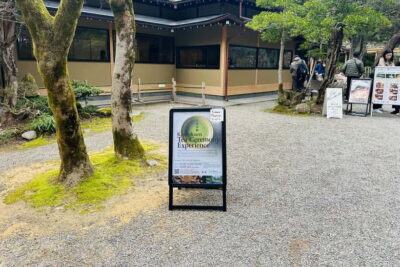
The meeting point is Kikai Shinko Kaikan, at 3-chome-5-8 Shibakoen in Minato City. The venue is near public transportation, and the activity ends at the same location, so you do not need to arrange a separate return transfer.
The practical benefit is simple: you can fit the session into a day of sightseeing without surrendering time to hotel pickup routes. The tradeoff is that the address does not promise a traditional Japanese setting. You are entering a modern office-building venue where the atmosphere has been arranged to recreate the feel of a tea ceremony.
That distinction matters. If you picture tatami, a historic teahouse, and a garden outside the door, adjust your expectations. The focus is on the ritual and instruction. One account describes the room as a basement space, though it also notes that the short meditation and self-prepared tea were especially enjoyable. The setting may not supply the romance of an old tea house, but it can make the session easier to reach and more focused on teaching.
Plan to arrive with enough time to locate the building and meeting point. The supplied details do not specify a required arrival buffer, so your confirmation should be your final guide for timing.
Watching the tea master’s first ceremony
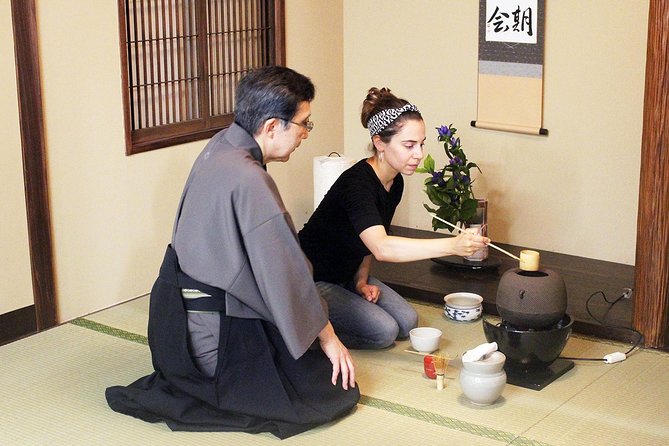
The program begins with a tea ceremony performed by a bilingual licensed tea master. The tea master has at least five years of experience, and the presentation is designed to show the proper sequence before you attempt it yourself.
This first performance is the part to watch closely. You see how the tea is prepared, how the utensils are treated, and how the host creates a calm rhythm. The point is not speed. Each action is deliberate, and the pauses are part of the lesson.
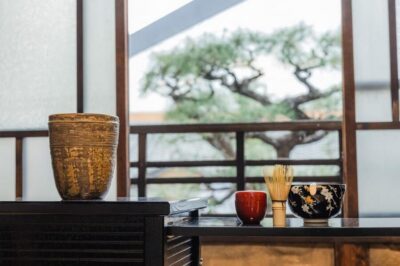
The explanations cover the traditions and meanings behind the ceremony. You also learn about Zen practices, Japanese hanging scrolls, and tea utensils in English. That mix is valuable because the objects are not presented as decoration alone. The scroll and utensils help establish the tone of the room, while the gestures show how Japanese hospitality can be expressed through careful preparation.
The personalities of the instructors add to the experience. Miyuki is described as warm and clear in her guidance, while Yuuko is praised for making people feel welcome and for explaining the historical and cultural background. Since guide assignments can vary, you should not assume a specific instructor, but these names show the kind of personal teaching style you may encounter.
Matcha, wagashi, and the order of the tasting
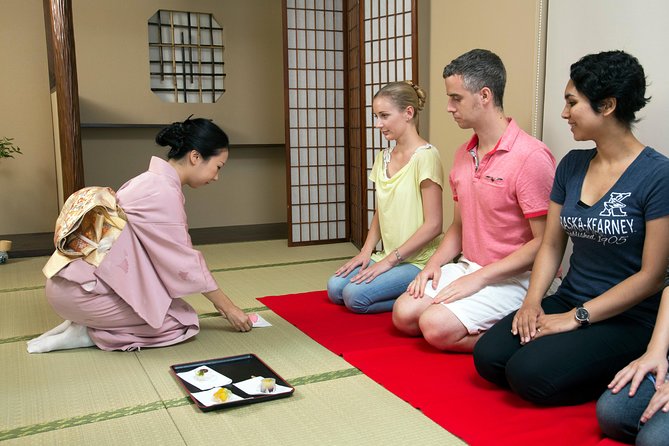
The tea master prepares authentic matcha green tea for you, served with traditional Japanese sweet confections called wagashi. The sweet is not an unrelated dessert added to the schedule. It is selected to complement matcha’s flavor profile.
Matcha has a pronounced taste that can be bitter, grassy, and strong. A small sweet changes how the tea tastes afterward. The pairing teaches you something practical about Japanese tea service: food, drink, presentation, and timing are considered together.
You also gain a better sense of why the sweet is served as part of the ceremony. It prepares the palate and adds balance without turning the activity into a full meal. Extra food and beverages are not included, so do not arrive expecting lunch or a broad tasting menu.
This is one reason the experience suits people who want cultural context rather than a simple cup of green tea. You taste the ingredients, but you also learn why they appear in that order and how they support the ceremony.
A few more tea experiences around Tokyo worth a look
- Dynamic Tokyo: Tokyo Tower, Tea Experience, Bay Cruise Day Tour
★ 4.5 · 521 reviews - Asakusa: Kimono Tea Ceremony with Matcha and Sweet
★ 4.9 · 153 reviews - Tokyo: Full-Day Tour w/Tea Experience,Buffet Lunch & Cruise
★ 4.9 · 151 reviews - Tea Ceremony Experience in a Private Tea Room in Shibuya
★ 4.9 · 125 reviews
Your turn to whisk the tea
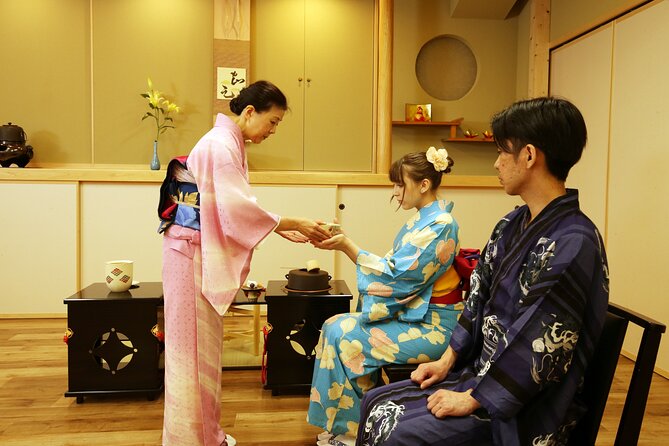
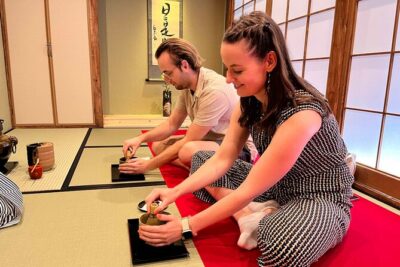
The strongest feature is the second ceremony, when you prepare tea yourself. The tea master guides you through the process, so you are not left to guess how to handle the utensils or prepare the matcha.
This hands-on section changes the activity from a demonstration into a lesson. You become aware of the small steps that are easy to miss when you are only watching. You may notice the care required to measure, whisk, and present the tea, even in a beginner-friendly setting.
One person who expected a standard demonstration was particularly pleased to make tea for another participant. That is useful to know before booking: the format includes participation and social interaction, not just a performance directed at you.
The experience does not promise that you will master every technical detail. Instead, you leave with a basic understanding of the method and a new respect for the work behind a seemingly simple bowl of matcha. If you like activities where you use your hands, this part gives the $64.50 price much of its value.
How much Zen is actually included
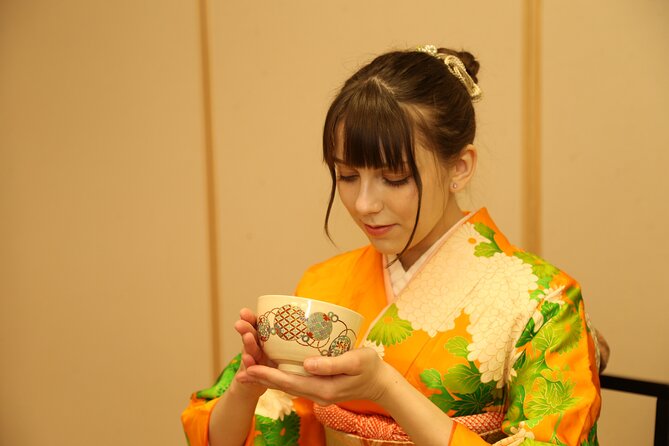
The title places Zen at the center, but the practical content leans more heavily toward tea ceremony. You receive an explanation of the connection between tea and Zen, and one account especially enjoyed the short meditation. Still, another assessment found less Zen theory and practice than expected.
That is the fair reading. You should book this for an introduction to Japanese tea ceremony with Zen context, not for an extended meditation class or a religious teaching session. The Zen element helps explain the focus, quiet, and disciplined movements, but the main activity remains preparing and sharing matcha.
This balance may suit you if you want cultural background without committing to a long spiritual program. If your main goal is sustained meditation, ask yourself if a 75-minute tea lesson is the right fit. If you want to understand how mindfulness appears in an everyday cultural practice, the format makes sense.
Group size, pace, and atmosphere
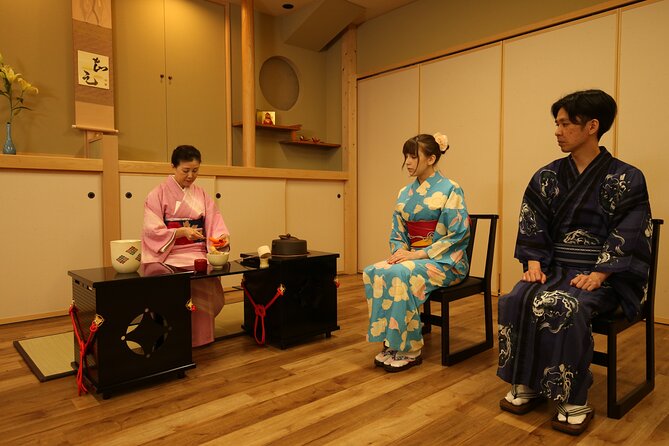
The maximum group size is 28 people. That is small enough for a structured class but not necessarily intimate. At a full session, you may be watching the demonstration alongside a sizable group and taking your turn within a shared schedule.
The size can be a benefit if you enjoy meeting other people and want an activity that works for couples, families, or small groups. Group discounts are available, which may improve the price for a larger booking.
The pace is measured. The activity lasts about one hour and 15 minutes, enough time for the presentation, explanation, tasting, and your own tea preparation. It is long enough to feel substantial but short enough to place between other Tokyo plans.
The tone is welcoming rather than severe. The descriptions of Miyuki and Yuuko point to friendly instruction, and the English explanations make the ceremony easier to follow. You still need to pay attention to etiquette, but you are not expected to arrive with specialist knowledge.
Is $64.50 a fair price?
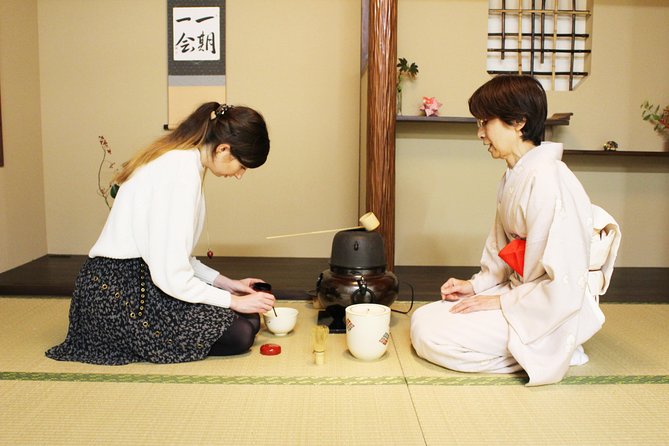
At $64.50 per person, this is not the cheapest way to drink matcha in Tokyo. You can find tea and sweets for much less. The price is easier to justify because you are paying for a bilingual licensed tea master, a formal performance, cultural interpretation, authentic matcha, wagashi, and a guided attempt at preparing tea yourself.
The value depends on what you want. If you only want a taste of matcha, this is too much. If you want to understand the ritual and take part in it, the cost is more reasonable. Two separate tea presentations also help: first you watch the master, then you perform the process with guidance.
The activity is also less expensive than many longer cultural workshops, though no comparison price is provided here. Group discounts may help if you are booking with companions. Since the session averages about eight days of advance booking, it is wise not to leave it until the last minute, especially if your Tokyo dates are fixed.
Who will enjoy this most
I would recommend this to you if you want a calm cultural activity with clear English instruction and a practical element. It suits first-time visitors who want context for Japanese customs, food-minded people interested in wagashi and matcha, and couples or families looking for something quieter than a major sightseeing stop.
It is also a good choice near the end of a Tokyo visit. By then, you may have seen plenty of temples and shops but still feel that you have watched Japanese culture from the outside. Preparing the tea yourself gives you a more direct connection to the tradition.
You may want to skip it if you need a historic building, garden views, a private lesson, or a long meditation. The modern venue and possible group of up to 28 people will not match every picture of a tea ceremony.
The activity is near public transportation, but pickup and drop-off are not included. You make your own way to Kikai Shinko Kaikan and return from there. Free cancellation is available until 24 hours before the start time, while later cancellations and changes are not accepted for a refund.
Should you book this tea ceremony?
Book it if you want to slow down, learn the meaning behind tea ceremony customs, and prepare matcha yourself. The bilingual instruction, wagashi pairing, short meditation, and second ceremony make this more useful than a quick demonstration.
Do not book it expecting a centuries-old teahouse or a full Zen retreat. The room may feel functional, and the Zen material is an introduction rather than the main course. At $64.50, I see it as a fair cultural workshop for someone who values participation and explanation more than a picturesque setting.
For most first-time visitors who want a calm break from Tokyo’s noise, this is a sound choice. Just arrive expecting a well-organized lesson in a modern venue, not a private ceremony in a traditional garden.
FAQ
Where does the tea ceremony take place?
The meeting point is Kikai Shinko Kaikan, 3-chome-5-8 Shibakoen, Minato City, Tokyo 105-0011, Japan.
How long does the activity last?
The tea ceremony lasts approximately one hour and 15 minutes.
What is included in the price?
The experience includes a bilingual licensed tea master, authentic matcha green tea, traditional Japanese sweet confections, a tea ceremony performance, your own guided tea preparation, and English explanations of tea ceremony, Zen practices, hanging scrolls, and tea utensils.
Do I get to prepare matcha myself?
Yes. After the tea master performs the ceremony, you can prepare tea yourself by following the ceremony process with instruction.
Is the activity offered in English?
Yes. The activity includes English explanations, and the tea master is bilingual.
Are food and drinks included besides matcha and sweets?
No extra food or beverages are included. Authentic matcha and traditional Japanese sweets are included.
How many people can join the activity?
The maximum group size is 28 people.
Is transportation provided?
No. Pickup and drop-off services are not included. The activity starts and ends at the meeting point, which is near public transportation.
Can I cancel for a full refund?
Yes. You can cancel at least 24 hours before the experience start time for a full refund. Cancellations or changes made less than 24 hours before the start time are not accepted for a refund.
Just added around Tokyo
- Yokohama : Tea Ceremony with Sweets and Souvenir★ 5.0 · 5 reviews
- Walking Tour: Yanaka,Nezu& Sendagi: Tea Ceremony & Old Tokyo★ 5.0 · 3 reviews
- 2 Hours Mochi &Nerikiri Making & Matcha Class in Bunkyo★ 5.0 · 21 reviews
- Private Kimono and tea ceremony at local home near Tokyo Disney★ 5.0 · 6 reviews
- Private Mochi・Matcha sweets Making Class Near Shibuya Area★ 5.0 · 22 reviews
- Tokyo Sweets Tour: Hidden Gems & Matcha at an Old Tea House★ 5.0 · 6 reviews
- Giant Sushi Cooking Class: Make a 1.5m Sushi Roll in Tokyo★ 5.0 · 9 reviews
- Kimono and Tea Ceremony in Asakusa Private Food Tour With Guide★ 5.0 · 4 reviews
Tea Ceremony Experiences, compared.
Tea Ceremony in a Traditional Tea House in Kiyomizu
Read our review →
Browse the lists this tour appears in