
Review · SHANGHAI
Shanghai: Song Dynasty Tea Ceremony Experience
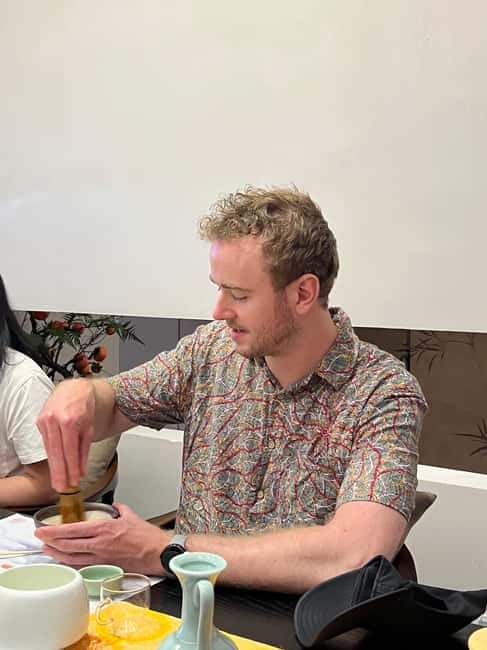
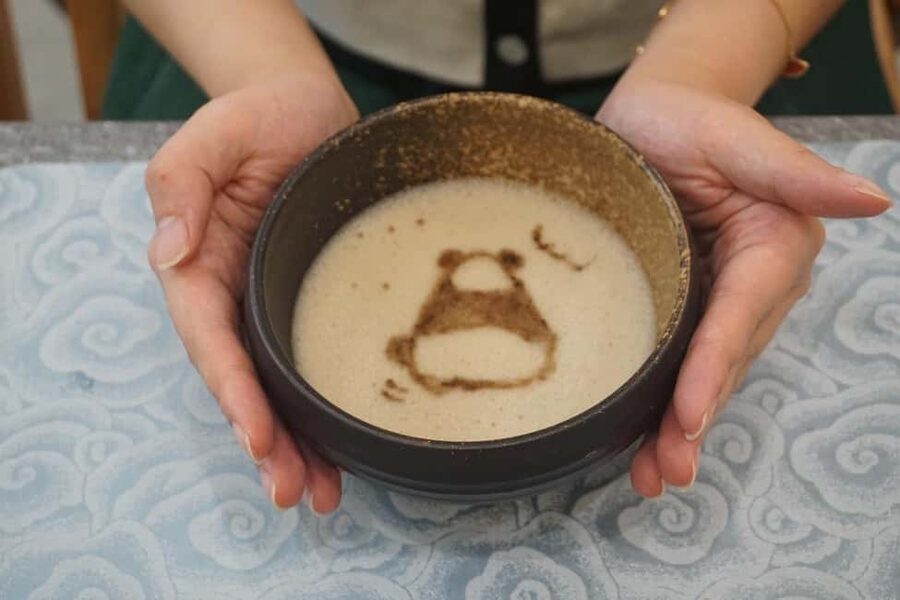
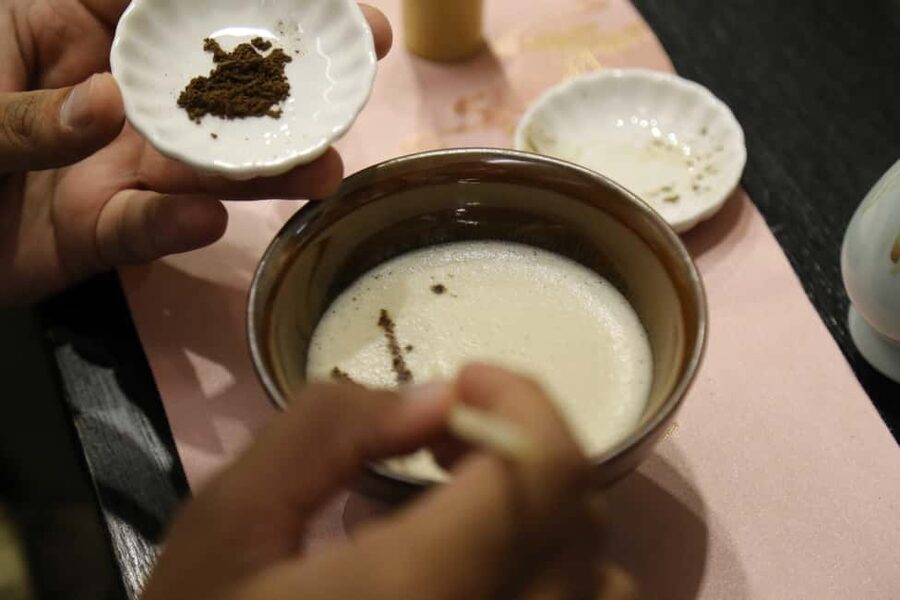
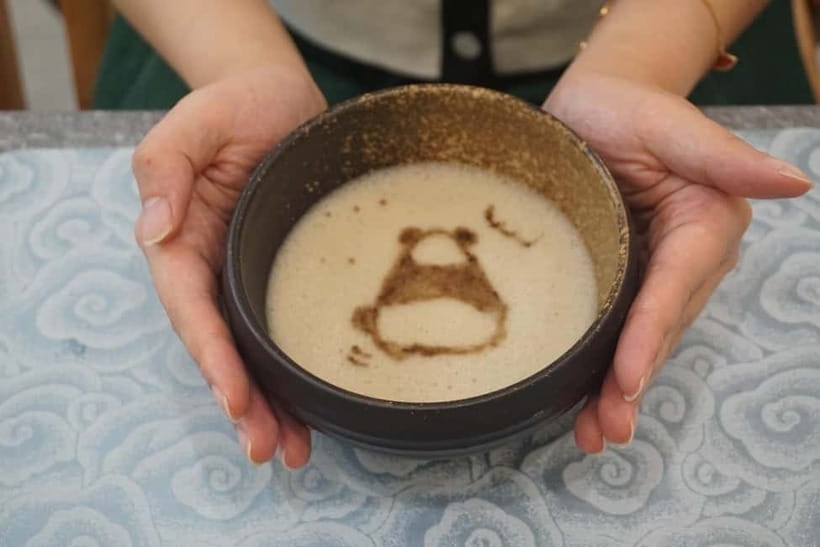
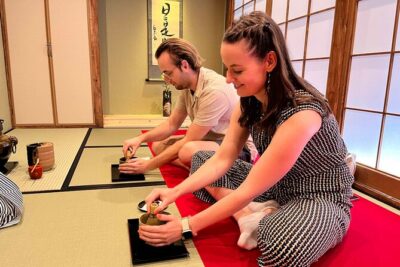
The magic here is the whisked tea. Instead of steeping leaves in a pot, you work powdered tea into a frothy drink, using a bamboo whisk and a steady hand. The foam can form delicate patterns on the surface, making this as much about appearance and rhythm as taste.
I like the hands-on format, since you do not just watch a tea master perform. I also like the historical frame: the ceremony explains why tea mattered in Song Dynasty daily life and high society. The main consideration is the price, $78 per person for 90 minutes, which is fair for a private, guided cultural activity but more than a simple tea tasting.
- Whisk your own powdered tea: Learn a technique that differs sharply from the loose-leaf tea service most visitors expect in China.
- Use traditional tools: A tea bowl, tea whisk, scoop, tray, cloth, and hot-water kettle are supplied.
- Hear the Song Dynasty story: The ceremony links each action to Chinese tea culture, aesthetics, and mindfulness.
- Enjoy a private setting: A private group makes this a good fit for couples, families, and small friend groups.
- Expect language flexibility: Instruction is available in English, Chinese, Japanese, Korean, Spanish, and Russian.
- Meet in Putuo: The meeting point is the main entrance of the mall at 168 Aomen Road, not a hotel pickup.
What the Song Dynasty Tea Ceremony Really Involves
This is not a standard Shanghai tea-house stop where you sit back while someone pours several cups. The central activity is dian cha, the Song Dynasty practice of whisking powdered tea with hot water until it becomes smooth and foamy.
Your tea master begins with a short introduction to tea in Chinese culture. The focus is the Song period, when tea was part of everyday life and also a refined pursuit among educated people and the upper classes. That background helps explain why the tools are arranged carefully and why each movement matters.
I find this context useful because it keeps the ceremony from feeling like a costume display. You are not simply handed a bowl and told to stir. You learn that tea had a social, artistic, and contemplative role, then try a small part of that tradition yourself.
The activity lasts 1.5 hours, long enough for an introduction, demonstration, practice, tasting, and conversation without taking up half a day. That makes it easy to fit between sightseeing plans in Shanghai.
The Tools Set the Tone
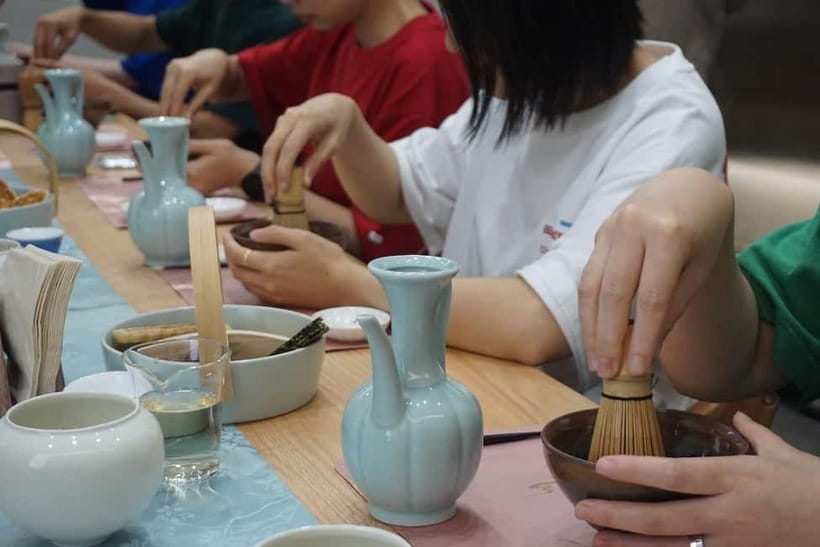
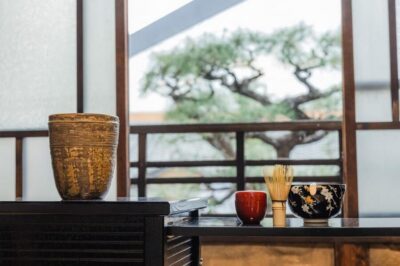
The traditional equipment is part of the pleasure. You will work with a tea bowl, tea whisk, tea scoop, tea tray, tea cloth, powdered tea, and hot-water kettle. Each item gives the session a clear rhythm and makes the process feel more considered than an ordinary drink preparation.
The tea bowl is where the powdered tea and water meet. The whisk turns that mixture into foam, while the scoop helps measure and handle the tea. The tray keeps the work area orderly, and the cloth is used as part of the careful presentation.
The tools also make this a good activity for families and groups. Everyone has something to watch and practice. Children and adults can focus on the same simple challenge: how to create a fine, even foam without treating the whisk like a kitchen utensil.
The pace is likely calm rather than rushed. That is a plus if you want a quiet break from Shanghai’s busy streets. It may feel slow if you are looking for a fast tasting with several different teas.
More Tea Ceremony Experiences in China:
- Traditional Chinese Tea Ceremony Experience
★ 4.7 · 74 reviews - Beijing Culture: Tea Ceremony, Heritage Instrument & Calligraphy
★ 5.0 · 57 reviews - Chinese Tea ceremony in Beijing Hutong courtyard
★ 4.7 · 26 reviews
Learning to Whisk the Tea
The tea master demonstrates how to handle the bowl and whisk, then guides you through the process. The goal is not only to mix the tea, but to create a smooth, aromatic drink with a pleasing layer of foam.
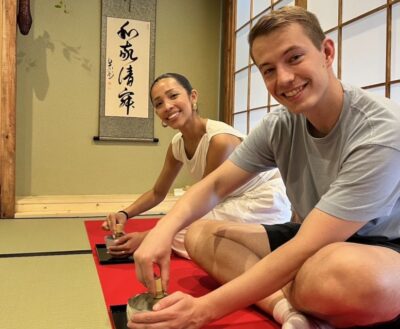
The whisking takes practice. You need enough movement to blend the powder, but the point is not brute force. The action has a repeated, almost meditative rhythm. One session included foam flowers appearing on the surface, a small visual reward that shows why the method has an artistic side.
You should expect to make your own tea rather than receive a perfect bowl from the start. That is one of the strongest reasons to book this experience. The finished drink carries a little evidence of your own effort, even if your first attempt is less polished than the tea master’s.
The taste is described as smooth and rich, with a distinct aroma. Since the activity centers on powdered tea, the mouthfeel will differ from clear brewed tea. If you normally prefer delicate loose-leaf infusions, the thicker texture may take a moment to appreciate.
Why the Foam Matters
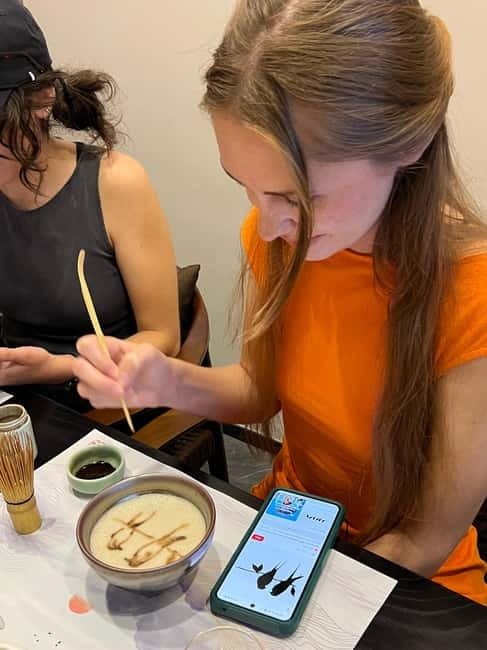
The foam is not just decoration. It shows how well the tea has been whisked and gives the bowl a soft, changing surface. Watching the bubbles gather can make the preparation feel more like a small art lesson than a beverage demonstration.
This is also where the Song Dynasty connection becomes easiest to understand. The ritual brings together taste, visual beauty, controlled movement, and attention. You are asked to notice the tea’s aroma, texture, color, and surface rather than gulping it down while checking your phone.
I like that the ceremony gives you a physical way to understand the idea of mindfulness. No lecture can explain the slow concentration of whisking as clearly as doing it yourself. The experience is not religious instruction, but it does encourage a quiet, focused mood.
One practical point: the supplied information does not identify the tea master by name. You will have an expert instructor, but the individual guide can vary by booking.
A Traditional Setting in Modern Shanghai
The activity takes place in an authentic setting designed around traditional aesthetics. You meet in Putuo District at the main entrance of the mall at 168 Aomen Road, Shanghai 200071. The guide wears a white hat with a red Eto logo.
This location detail matters. You are not getting hotel pickup, so you need to make your own way to the meeting point. The exact meeting details are sent through WhatsApp after confirmation, and WhatsApp support is available if you need help before the session.
The traditional setting helps the ceremony feel separate from ordinary city errands. Shanghai is modern and fast-moving, so a room arranged around bowls, trays, powdered tea, and deliberate gestures gives you a useful change of pace.
Still, do not book this expecting an old village courtyard or a fully preserved historical building. The supplied details describe a traditional aesthetic, not a specific historic site. The value lies in the practice and instruction rather than a major architectural attraction.
A few more tea experiences around China worth a look
- One-Day Hangzhou Dragon Well Tea Culture & West Lake Private Tour
★ 5.0 · 98 reviews - Beijing: Dumpling Making Workshop with Meal and Tea
★ 4.7 · 69 reviews - Tea Tasting and Pairing Concept Workshop
★ 5.0 · 57 reviews - Biking Real Shanghai& Tea Tasting Experience
★ 4.5 · 45 reviews
The Cultural Meaning Behind the Ritual
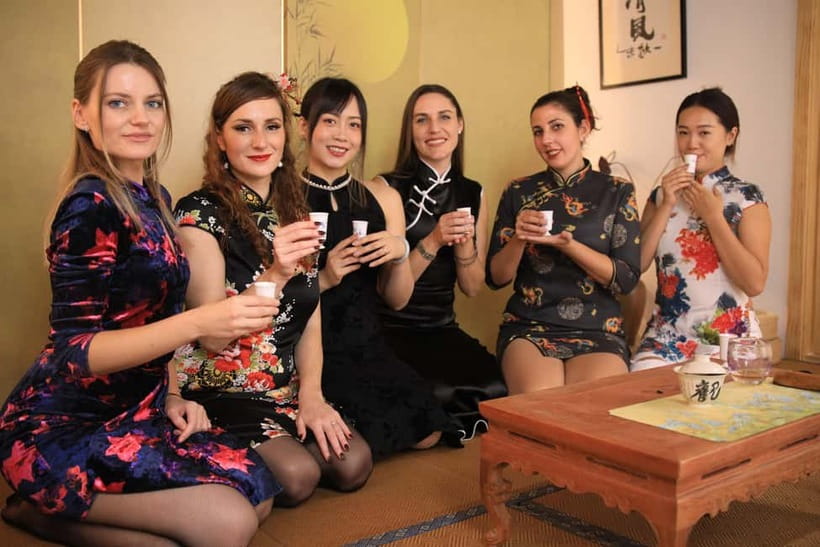
The introduction places tea inside a wider Chinese cultural story. During the Song Dynasty, tea was important at home, in social settings, and among high-status circles. The ceremony shows how a drink could also become a form of taste, discipline, and social expression.
That explanation is especially helpful if your knowledge of Chinese tea begins and ends with green tea poured from a glass. The Song method used powdered tea and whisking, which makes it quite different from the loose-leaf techniques commonly associated with China today.
You also learn about the ceremony’s connection to aesthetics and mindfulness. The arrangement of the utensils, the movement of the whisk, and the appearance of the foam all carry meaning. You are not expected to memorize a long list of rules. The instructor’s job is to show you how the pieces fit together.
For me, this is the strongest cultural benefit of the activity. You leave with a better sense of how food and drink can express history without needing a museum label for every object.
Why the Private Group Format Helps
The booking is for a private group. That changes the feel of the session in a useful way. You can ask questions, practice at your own pace, and share the task with people you already know.
It suits couples who want a quiet cultural date, families looking for an activity beyond sightseeing, and friends who enjoy learning something together. One group of four used the ceremony as a relaxed, photo-friendly outing and also painted favorite symbols and received a small gift. Those extras should not be treated as guaranteed inclusions, but they show how the session may offer room for creative group interaction.
The private format also helps if some members of your party are beginners. Nobody has to worry about performing in front of a large class. The instructor can focus on the group’s questions and adjust the explanation for children or first-time tea drinkers.
The tradeoff is simple: a private activity usually costs more per person than a large shared class. At $78 each, the price makes more sense for people who value personal instruction and a quiet setting than for budget visitors who only want to sample Chinese tea.
Language, Access, and Practical Planning
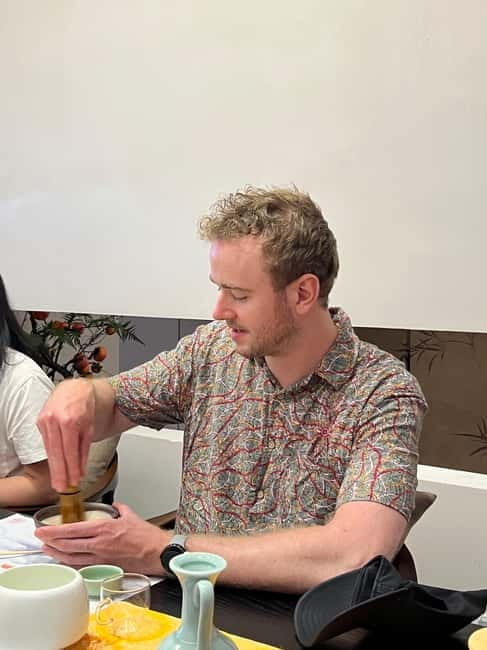
Instruction is available in English, Chinese, Japanese, Korean, Spanish, and Russian. That is useful for a cultural activity where small details matter, especially when the instructor is explaining hand position, whisking motion, and the meaning of the tools.
Wheelchair access is available. Since no hotel pickup or drop-off is included, plan your route to the mall before leaving for the appointment. The meeting point is the main entrance, and the white hat with the red Eto logo is the visual marker to look for.
You can cancel up to 24 hours in advance for a full refund, and the reserve-now, pay-later option keeps your schedule flexible. Starting times vary, so check availability before choosing the activity.
A separate entrance is provided for the experience, which may make arrival easier. Still, allow enough time to reach Putuo and find the main entrance. The address and final meeting details arrive through WhatsApp after booking, so make sure you can access that service.
Is $78 a Fair Price?
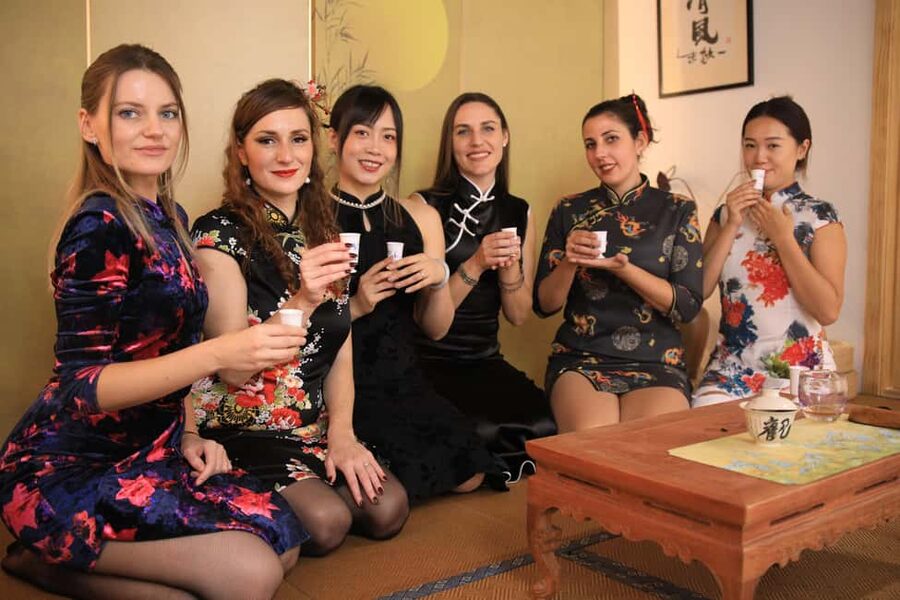
The price is not low for a 90-minute tea session. You are paying more than the tea itself. The fee covers a private-group format, an expert tea master, the full set of utensils, the cultural explanation, hands-on instruction, experience photos, and WhatsApp support.
I would call it good value if you want an activity with real participation and a clear cultural focus. You learn a technique, taste the result, and leave with a better understanding of Song Dynasty tea practice. The private format is a major part of the value.
I would hesitate if your main goal is to drink a wide range of teas. This is centered on one powdered-tea method, not a long tasting menu. You also pay separately for tips, and transportation to the meeting point is your responsibility.
For a couple or small group splitting the cost of a private cultural experience, the price can make sense. For a solo budget visitor, it is a more serious purchase and should be chosen for the guided lesson, not simply for a cup of tea.
Who Will Enjoy This Most?
Tea lovers will get the most from the chance to compare powdered, whisked tea with the brewed tea they already know. History fans will appreciate the Song Dynasty setting and the explanation of tea’s role in daily life and elite culture.
It also works well for people who want a quieter activity in Shanghai. The rhythm of whisking offers a break from crowded attractions, shopping, and long walks. You do not need previous tea experience, since the expert guides you through the process.
Families and friend groups have a practical reason to choose it: the activity gives everyone a shared task. You can learn, practice, take photos, and talk while the tea is prepared.
I would skip it if you dislike guided rituals, have very little time, or expect a major historical monument. The experience is intimate and instructional. Its reward comes from attention to small details, not from spectacle.
Should You Book the Song Tea Experience?
Book it if you want to do more than look at Chinese culture from the outside. The private setting, hands-on whisking, multilingual instruction, and Song Dynasty background give the session substance. The foam-making is enjoyable, and the calm pace makes it a pleasant change from Shanghai’s busy streets.
Think twice if $78 feels high for a 90-minute activity or if you mainly want a broad tea tasting. For everyone else, especially tea lovers, history fans, families, and small groups, this is a thoughtful way to spend part of an afternoon. You will not simply drink tea. You will learn how a centuries-old method turns preparation into art.
FAQ
How long does the Song Dynasty tea ceremony last?
The experience lasts 1.5 hours.
How much does the experience cost?
The price is $78 per person.
Where is the meeting point?
Meet at the main entrance of the mall at 168 Aomen Road, Putuo, Shanghai 200071. Look for a guide wearing a white hat with a red Eto logo.
Is hotel pickup included?
No. Hotel pickup and drop-off are not included.
What languages are available?
Instruction is available in English, Chinese, Japanese, Korean, Spanish, and Russian.
Is the experience private and wheelchair accessible?
Yes. The activity is offered as a private group and is wheelchair accessible.
Can I cancel for a refund?
Yes. You can cancel up to 24 hours in advance for a full refund.
Just added around China
- Xi’an Chinese Calligraphy Workshop: Ink Art & Tea Tasting★ 5.0 · 4 reviews
- Xi’an Noodle Making and Tea Tasting Experience★ 5.0 · 6 reviews
- Half-day Tour: Largest Tea Plantation & Amazing Xianggong Hill★ 5.0 · 9 reviews
- Xi’an Calligraphy & Tea Ceremony – Dive into Ink & Brush Artistry★ 5.0 · 4 reviews
- Full-day Tour: Spectacular Sunrise, Tea Plantation & Sunset★ 5.0 · 3 reviews
- 3 hours Xi’an Mahjong Class with Local Tea★ 5.0 · 2 reviews
- Shanghai Mahjong Experience in Local Tea Bar★ 5.0 · 4 reviews
- Unlock Chinese Tea: Culture, Science, Tasting & Hands-on Brewing★ 5.0 · 12 reviews
Tea Ceremony Experiences, compared.
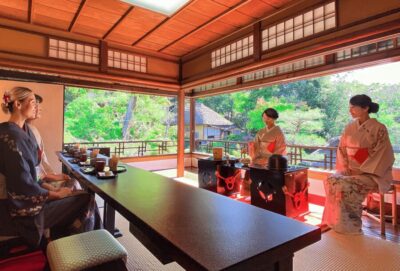
Tea Ceremony in a Traditional Tea House in Kiyomizu
Read our review →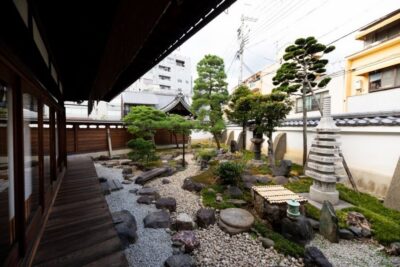
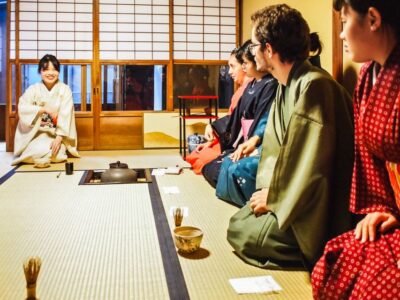
Browse the lists this tour appears in