
Review · NARA
Nara:Tea Tasting&Private Tea Ceremony -Master Matcha Making-
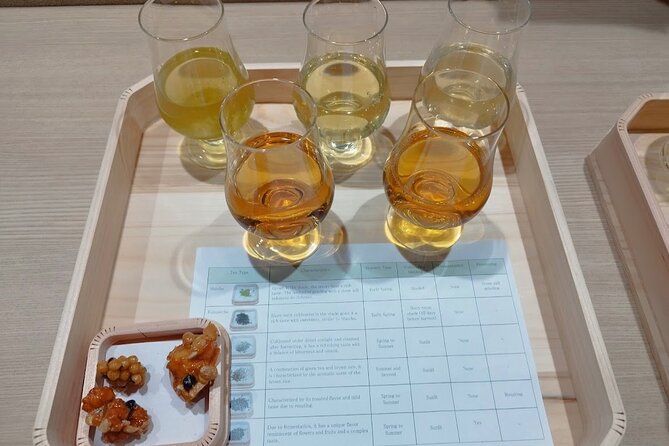
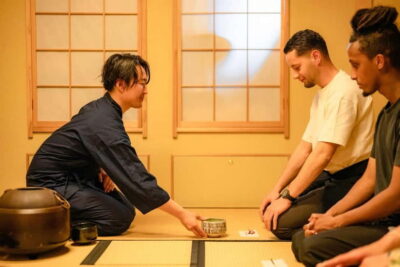
The best part of this Nara experience is its small scale. You sit in a renovated traditional Japanese house, taste five teas from Nara Prefecture, and work directly with a tea master rather than watching a staged show. Mike, the friendly host named in the guest feedback, explains the tea, tools, manners, and local customs in an easygoing way.
I like the five-tea tasting, which lets you compare matcha, roasted tea, and other Japanese varieties before choosing a favorite. I also like the hands-on matcha lesson, where you whisk your own bowl and receive personal help instead of simply sipping one prepared for you.
The main thing to consider is the price: at $63.06 per person, this is not a quick cup of tea. It offers strong value if you want private instruction and cultural context, but it may feel costly if your aim is only to try matcha.
Key points at a glance
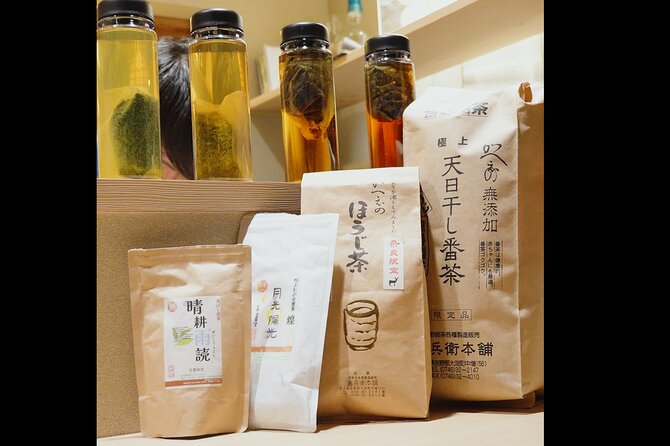
- Five Nara teas: Sample a carefully chosen range, including fragrant matcha and mellow roasted varieties.
- Private instruction: Only your own group takes part, so the tea master can adjust the pace and answer questions.
- Hands-on matcha making: Learn the basic movements, whisk your own tea, and receive individual feedback.
- Traditional house setting: The tea room is in a renovated Japanese house near public transportation.
- Seasonal wagashi: Finish with a traditional Japanese sweet selected to suit the tea.
- Useful local conversation: The host can share tips about places to visit in Nara and around Japan.
Five teas in a quiet Nara tea room
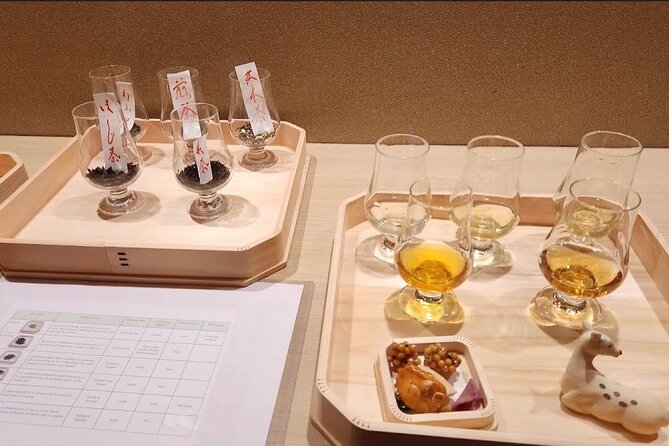
This experience begins at Guesthouse Naramachi, at 30 Kitakyōbatechō in Nara. You meet there, and the activity returns to the same point when the 90-minute session ends. The setting is a renovated traditional Japanese house, which gives the hour and a half a calm, domestic feel rather than the atmosphere of a large commercial attraction.
That setting matters. Tea can seem abstract when you only read about it in a museum or order it from a menu. Here, the room, tools, sweets, and preparation all work together. You get a sense of tea as part of everyday Japanese culture, not just as a formal performance.
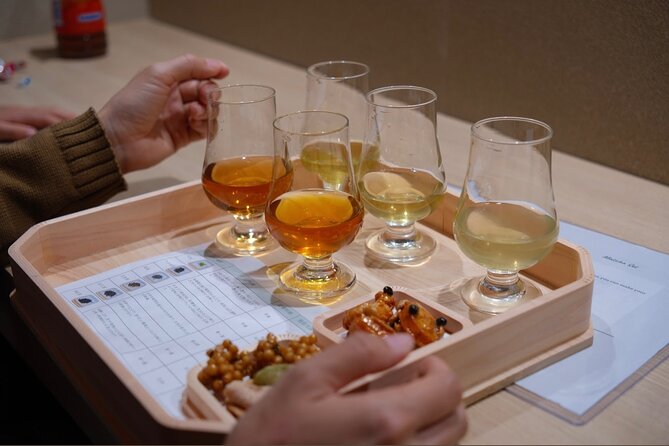
The tasting includes five teas sourced in Nara Prefecture. The exact selection can vary, but the experience is designed to show clear differences in aroma, body, sweetness, roast, and preparation. You might begin with matcha, then try teas with a softer or more toasted character. One of the useful details from the experience is the chance to compare cold-brewed and hot-brewed tea, since temperature and method can change the taste considerably.
Five samples are enough to make comparisons without turning the visit into a long lecture. You can notice which tea smells floral, which feels mellow, and which has a stronger roasted note. If you are new to Japanese tea, this tasting gives you a practical vocabulary for ordering tea later in your trip.
The host explains what you are drinking as you go. Mike is described as warm, funny, patient, and especially good with children. That personal tone is a major part of the appeal. You can ask simple questions about caffeine, preparation, flavor, or Japanese tea customs without feeling that you need prior knowledge.
More Matcha Experiences in Japan:
- World Heritage Kyoto & Nara Uji Authentic Matcha Experience
★ 5.0 · 1,573 reviews - Kyoto: Arashiyama Bamboo Forest, Monkeys, Matcha & Temple Tour
★ 5.0 · 759 reviews - Matcha Making Class in Tokyo with Authentic Japanese Sweets Set
★ 5.0 · 744 reviews
Choosing one tea for a proper pot-brewed serving
After tasting the five teas, you choose your favorite for a special pot-brewed serving. This is a smart part of the format. Rather than ending after a set of small samples, the session gives you time to return to one tea and experience it at greater length.
The tea master prepares it with care, drawing out the flavor through each pour. You can pay attention to details that are easy to miss in a quick tasting: the warmth of the cup, the smell before the first sip, and how the flavor changes as the tea cools.
I like this progression from comparison to preference. You are not simply told which tea is important. You decide what suits you, then see how it tastes when brewed as a fuller serving. That makes the experience useful after you leave. If you later visit a tea shop or buy Japanese tea as a gift, you will have a better idea of what you like.
The pace should feel relaxed, but keep in mind that the entire activity lasts about 90 minutes. The host needs time to explain five teas, prepare your chosen tea, discuss tea culture, and guide the matcha practice. If you ask many questions, some parts may receive less time than others.
Learning the tools, manners, and meaning of tea
The session also covers the tradition, etiquette, history, and tools connected with Japanese tea. This is not presented as a full formal tea-school qualification, and you should not expect a long ceremonial performance with every rule explained in depth. Instead, you get a friendly introduction that connects the objects in front of you with their purpose.
This is especially helpful if you have seen a Japanese tea ceremony but never understood what was happening. The host can explain how the bowl, whisk, scoop, and other tools are used, along with the basic manners that shape the ritual.
The private format makes a difference here. In a larger group, you might hesitate to interrupt or ask for a closer look. With only your group taking part, the tea master can respond to your interests. Families benefit from this flexibility, too. Mike has been praised for working well with children and making the session personal rather than rigid.
You also have a chance to talk about Nara and Japan more generally. The host can offer tips about places to visit while you are in the country. I would schedule this activity early in your stay if local advice matters to you. You can use the conversation to shape the rest of your Nara visit, rather than asking for recommendations after your plans are already fixed.
Whisking your own matcha
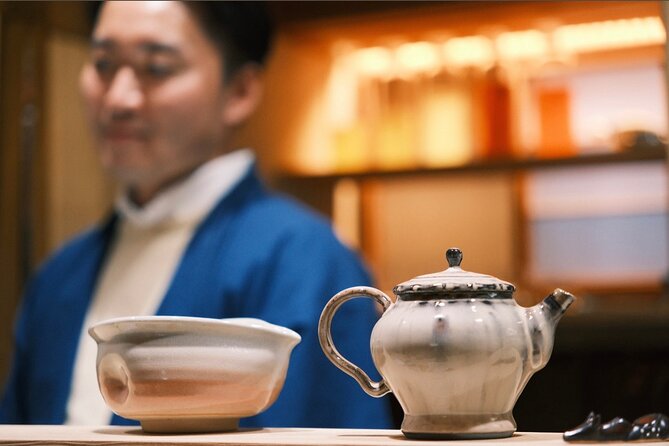
The hands-on matcha lesson is the most active part of the experience. After learning the basic ideas behind tea preparation, you whisk your own matcha under one-on-one guidance.
Matcha making looks simple until you try it. The whisk moves quickly across the surface, and small changes in pressure or direction affect the foam and texture. The point here is not to produce a perfect bowl on the first attempt. It is to learn the motion, notice the aroma, and understand how much care goes into a drink that can arrive at your table in just a few minutes.
Your tea master gives personalized feedback as you practice. That makes this more useful than a demonstration where you only watch someone else prepare the tea. You can ask about the whisk, the powder, the water, and the proper way to hold the bowl.
The activity describes the matcha practice as a quiet, focused part of the session. That calm rhythm may appeal to you if your Nara sightseeing has been full of walking, crowds, and temple visits. It also gives children and first-time tea drinkers something concrete to do.
Still, matcha has a distinct taste that not everyone enjoys. It can be grassy, bitter, or intense compared with roasted teas. The five-tea tasting helps because you are not committed to matcha as your only drink. If you prefer a softer flavor, the roasted varieties or another tea from the tasting may become your favorite.
More Tea Making Classes in Japan:
- Matcha Making Class in Osaka with Authentic Japanese Sweets Set
★ 5.0 · 509 reviews - Tokyo: Matcha Making Experience with Mochi Sweets in Asakusa
★ 4.9 · 388 reviews - Asakusa Cultural Walk & Matcha Making Tour
★ 5.0 · 245 reviews - Osaka: Matcha Making Experience with Japanese Sweets
★ 5.0 · 146 reviews
Seasonal wagashi with your final sips
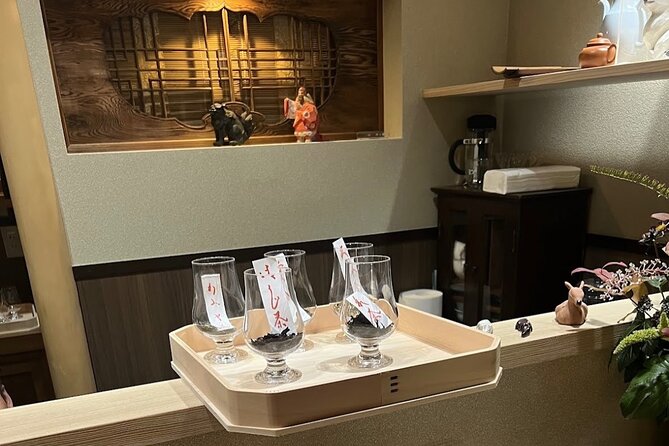
The session ends with seasonal wagashi, traditional Japanese sweets served alongside the tea. Wagashi are not simply snacks added to fill out the booking. Their sweetness helps balance the sharper or more savory notes of tea, especially matcha.
The seasonal element gives the sweet a link to the time of year, although the exact item is not specified. You should expect the wagashi to complement the tea rather than function as a separate dessert course.
This pairing is a small but important part of learning how Japanese tea is enjoyed. A sweet can change your perception of a tea, making bitterness feel gentler and bringing out different aromas. The combination also gives the session a pleasant finish without rushing you straight from the matcha lesson back into Nara sightseeing.
If you have children with you, wagashi can make the formal parts more approachable. If you have dietary restrictions, the available information does not specify ingredients or substitutions, so ask the host before booking if that is important to you.
What the private format is worth at $63.06
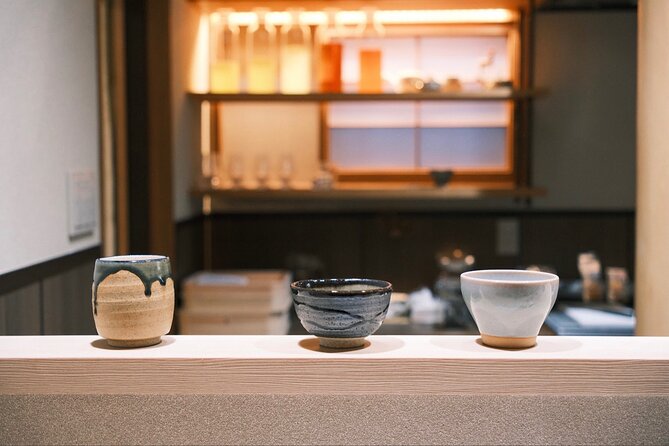
The cost is $63.06 per person. That is a fair but not bargain-level price for a 90-minute activity. You are paying for five teas, a pot-brewed serving of your chosen tea, matcha instruction, seasonal wagashi, a private setting, and the tea master’s time.
The private arrangement is the strongest value point. Only your group participates, so the session can feel more like a conversation than a scheduled demonstration. You can ask questions, receive help with the whisk, and spend more time on the teas that interest you.
I would compare this price with what you want from a cultural activity. If you only want to sample matcha, a café will cost less and take less time. If you want to understand several teas, make matcha yourself, and have a direct conversation with a local host, the price is easier to justify.
The activity is also a good choice for a rainy or very cold day. One couple described using it as a welcome break on a cold day in Nara, and that makes practical sense. The indoor tea room offers a quiet pause from sightseeing, while the tasting gives you something more memorable than simply sitting with a hot drink.
The experience is frequently booked well ahead, with an average booking time of about 26 days before the visit. That does not guarantee every date will sell out, but it suggests that you should reserve early if your Nara schedule is tight.
Who should book this Nara tea experience
I would recommend it to first-time visitors who want a gentle introduction to Japanese tea culture. You do not need to know the difference between matcha, roasted tea, and other varieties before arriving. The tasting format lets you learn by comparing.
It also suits couples, families, and small private groups. Children can take part in the matcha practice, and the host has been praised for being patient with them. Couples may appreciate the quiet setting and the chance to share a slower activity on a cold or busy day.
Tea fans will get the most from the range of local teas and the brewing discussion. The experience is also useful for anyone who wants to buy tea in Japan but feels unsure where to start. You leave with a clearer idea of flavor and preparation, even if you do not become a matcha convert.
I would be less likely to recommend it if your schedule allows only a short stop in Nara or if you want a highly formal, silent tea ceremony with strict ritual. The tone here is personal, conversational, and hands-on. That is a strength for many people, but it is not the same as attending a lengthy traditional ceremony performed for observation.
The activity is near public transportation, and the meeting and end point are the same. You receive a mobile ticket and confirmation at booking. Free cancellation is available until 24 hours before the local start time. Changes or cancellations inside that window are not refunded, so protect the time in your itinerary.
Should you book it?
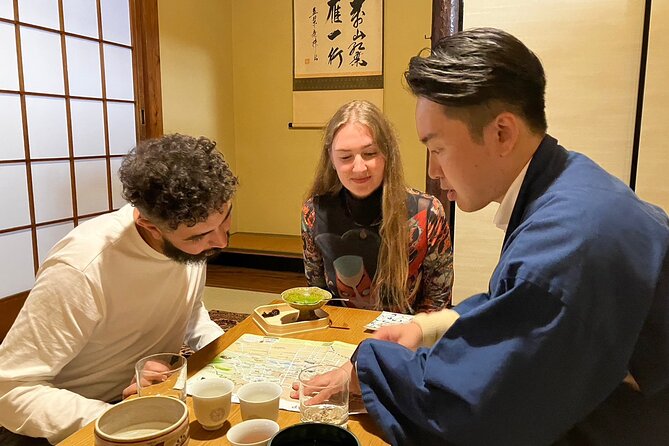
Book this experience if you want more than a single bowl of matcha. The five-tea tasting, private instruction with Mike, personal matcha practice, and wagashi create a well-rounded introduction to Japanese tea in a calm traditional setting.
Skip it if you are looking for the cheapest drink in Nara or a large-scale ceremonial performance. At $63.06, the value comes from the private attention and the conversation. For a first visit to Japan, a family seeking an indoor cultural activity, or anyone who wants useful local advice early in a trip, this is a thoughtful choice.
FAQ
Where does the tea experience begin?
It begins at Guesthouse Naramachi, 30 Kitakyōbatechō, Nara, 630-8322, Japan.
Where does the activity end?
The activity ends back at the meeting point at Guesthouse Naramachi.
How long does the tea experience last?
It lasts approximately 1 hour and 30 minutes.
How many teas will I taste?
You will taste five Japanese teas selected by the tea master and sourced locally in Nara Prefecture.
Do I get to choose a favorite tea?
Yes. After tasting the five teas, you choose your favorite for a special pot-brewed serving.
Can I make my own matcha?
Yes. You will practice whisking matcha with one-on-one guidance and receive personal feedback.
Is this a private activity?
Yes. Only your own group participates in the activity.
Is wagashi included?
Yes. The experience includes seasonal wagashi, traditional Japanese sweets served with the tea.
Is the meeting point near public transportation?
Yes. The meeting point is described as being near public transportation.
How late can I cancel for a full refund?
You can cancel at least 24 hours before the local start time for a full refund. Cancellations or changes made less than 24 hours before the start are not accepted for a refund.
More Tea Ceremony Experiences in Japan
- Kyoto: Tea Ceremony in a Traditional Tea House in Kiyomizu
★ 4.9 · 3,519 reviews - Kyoto: Tea Ceremony Ju-An at Jotokuji Temple
★ 4.9 · 3,207 reviews - Kyoto: 45-Minute Tea Ceremony Lesson Experience
★ 4.3 · 2,378 reviews - Osaka: Tea Ceremony Experience
★ 4.9 · 1,426 reviews
More Tea Tastings in Japan
- Private Tea Ceremony and Sake Tasting in Kyoto Samurai House
★ 5.0 · 163 reviews - Matcha Experience with of Japanese Tea Tasting in Tokyo
★ 5.0 · 31 reviews - Nara:5 Type of Tea Tasting & Mindful Tea Ceremony
★ 5.0 · 28 reviews - Tokyo: Matcha Tasting and Making Experience
★ 4.9 · 21 reviews
Just added around Japan
- Yokohama : Tea Ceremony with Sweets and Souvenir★ 5.0 · 5 reviews
- Whisk Your Own Matcha: A Zen Matcha Experience at Temple★ 3.6 · 7 reviews
- Walking Tour: Yanaka,Nezu& Sendagi: Tea Ceremony & Old Tokyo★ 5.0 · 3 reviews
- Visit local home for music and tea ceremony near Disney★ 4.9 · 13 reviews
- Yokohama: Sushi & Gyoza Cooking with Matcha & GreenTea Experience★ 5.0 · 3 reviews
- Trip to Kamakura & Enoshima: Shrines, Seaside, Temples &Tea★ 5.0 · 11 reviews
- Kyoto tea town for matcha lovers★ 5.0 · 16 reviews
- Uji: Private immersion into Kyoto’s tea and reglious culture★ 5.0 · 17 reviews
Tea Making Classes, compared.

Matcha Making Class in Tokyo with Authentic Japanese Sweets Set
Read our review →
Traditional English Scone Making and Tea Workshop
Read our review →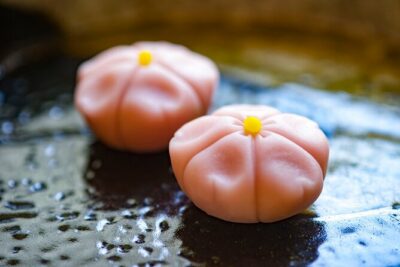
Matcha Making Class in Osaka with Authentic Japanese Sweets Set
Read our review →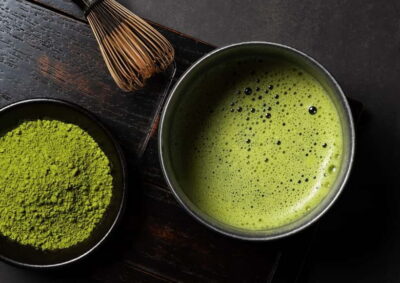
Matcha Making Experience with Mochi Sweets in Asakusa
Read our review →London Traditional English Scone Making and Tea Workshop
Read our review →

Nara:Authentic Tea Ceremony(Max 5 ppl) -Master Matcha Making
Read our review →Browse the lists this tour appears in