
Review · TOKYO
Matcha Making Class in Tokyo with Authentic Japanese Sweets Set
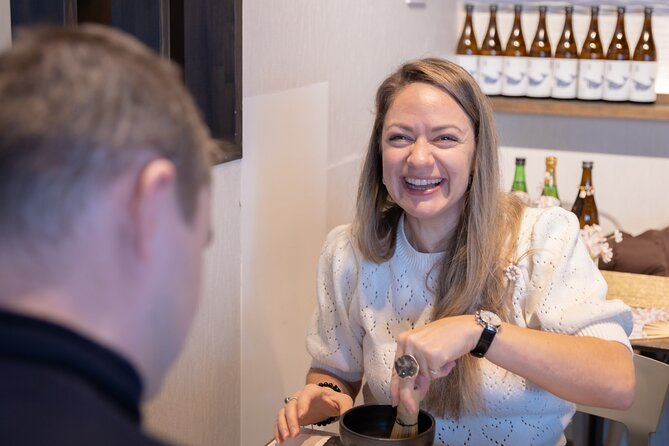
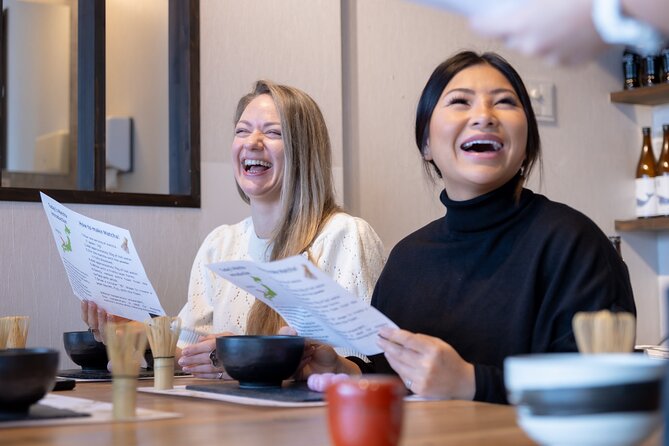
The best part of this Asakusa class is that you do not just watch a tea ceremony. You make the matcha yourself, learning how to measure, whisk, and judge the quality of the powder. The lesson is friendly and practical, with enough cultural background to give the ritual meaning without turning it into a stiff performance.
I like the personal instruction, especially for first-timers, and I like the short one-hour format. Hosts including Shuri, Rino, Nama, and Hiya have been praised for making the lesson clear, patient, and fun. You also get a seasonal Japanese sweet, which softens matcha’s grassy flavor and makes the tasting feel complete.
The main consideration is the size of the class, which can reach 30 people. The setting may feel intimate and quiet when your group is small, but a full session could be less personal. This is a matcha lesson with cultural touches, not a long, formal tea ceremony.
Key points to know before booking
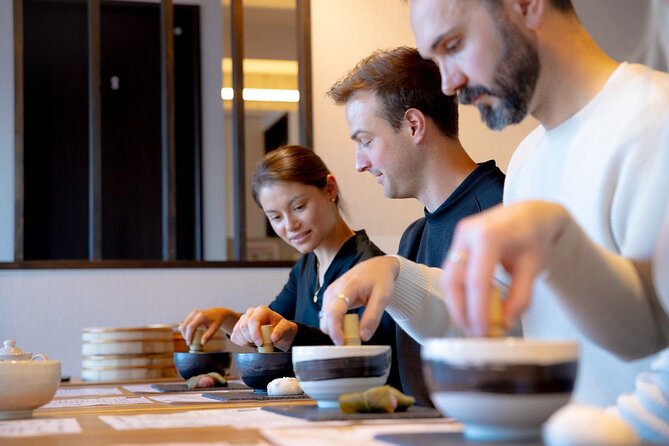
- You whisk your own matcha: Learn the basic technique with traditional tools rather than simply receiving a prepared bowl.
- The Asakusa address is convenient: Meet at Matcha Making Tokyo, 2-chōme-17-9 Kaminarimon, near public transportation.
- Hosts teach in English: Shuri, Rino, Nama, and Hiya are among the instructors praised for clear, warm guidance.
- Seasonal sweets are included: The Japanese confectionery balances matcha’s strong, slightly grassy taste.
- The class lasts about one hour: It fits neatly between Asakusa sights, meals, and shopping.
- It suits families and beginners: No tea ceremony experience is needed, and children have been included successfully.
What this one-hour Asakusa experience actually gives you
Tokyo has plenty of food tastings, but this class asks you to slow down for a while. You learn a small skill, taste the result, and leave with a better idea of why matcha is more than powdered green tea.
The experience begins at Matcha Making Tokyo in the Kaminarimon area of Taito City. The activity starts and ends at the same address, so you do not need to work out a complicated transfer or meet a guide at a distant station. That makes it a useful choice on a busy Asakusa day.
The advertised duration is about one hour. I see that as a strength. You get enough time for instruction, preparation, tasting, and questions, but the class does not consume half a day. It can fit before visiting Senso-ji, after a walk along the Sumida River, or during a family afternoon when attention spans are limited.
The activity is offered with a mobile ticket, and confirmation arrives at booking. You should still allow time to find the Kaminarimon address, especially if you are arriving during a crowded sightseeing period.
More Japanese Sweets and Tea Sessions in Tokyo:
- Sweets Making and Kimono Tea Ceremony at Tokyo Maikoya
★ 5.0 · 57 reviews - Japanese Traditional Sweets making and Tea Ceremony
★ 4.7 · 50 reviews - Mochi Matcha Gluten Free Japanese Sweets Class near Shibuya area
★ 5.0 · 26 reviews
Starting with matcha’s story, not just a bowl of tea
Before you whisk anything, the host explains what matcha is and how it differs from ordinary green tea. That distinction matters. Matcha is powdered tea, so you consume the tea leaf itself rather than drinking water that has passed over leaves.
The lesson also covers how matcha is grown and how to spot higher-quality powder. This gives the class more value than a simple photo stop. You begin to understand why color, aroma, texture, and taste matter, and why some matcha tastes smooth while other powder can seem harsh or bitter.
The teaching style is visual and accessible. One session used an iPad to show images while the instructor explained cultivation and tea culture. That is a useful touch for an English-speaking class because pictures can make unfamiliar steps and terms easier to follow.
Hosts have different personalities, but the common thread is a relaxed approach. Shuri has been praised for patience, clear English, and enthusiasm. Rino is noted for making the lesson interactive, while Nama and Hiya have also led sessions that combined instruction with plenty of conversation. Your exact host depends on the schedule, but the format is designed for beginners.
Learning the whisking technique step by step
The hands-on part is the heart of the experience. You use a traditional bamboo whisk and learn how to turn matcha powder and hot water into a smooth, lightly foamy drink.
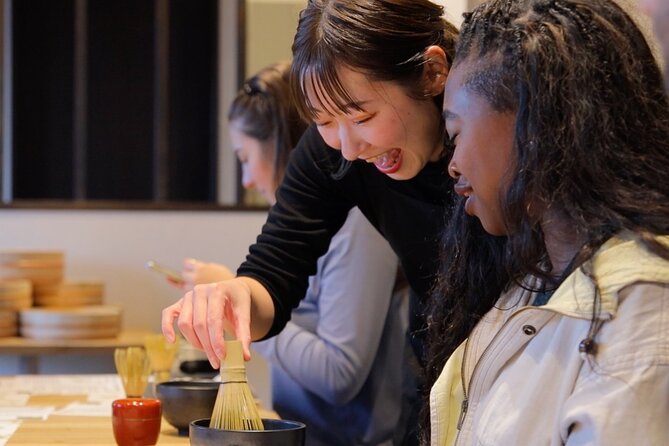
At home, matcha can be frustrating. Powder clumps, the water may be too hot, and a few lazy stirs will not produce the right texture. Here, the host can watch your hand position and whisking motion, then correct you as you go. That one-to-one attention is more useful than simply seeing a demonstration.
You will likely learn to whisk briskly rather than stirring slowly in a circle. The goal is a fine foam and an even drink. The class is not meant to turn you into a tea master in an hour, but it gives you a technique you can repeat in your own kitchen.
I like that you make the tea yourself before tasting it. If the first bowl is not perfect, that is part of the lesson. You can see how small changes in whisking affect the texture, and you get a practical tip for preparing matcha at home.
The traditional tools also add substance. This is not a modern green-tea sampling where someone hands you a cup and lists flavor notes. You handle the whisk, prepare the powder, and take part in the process.
The sweets are more than a decorative extra
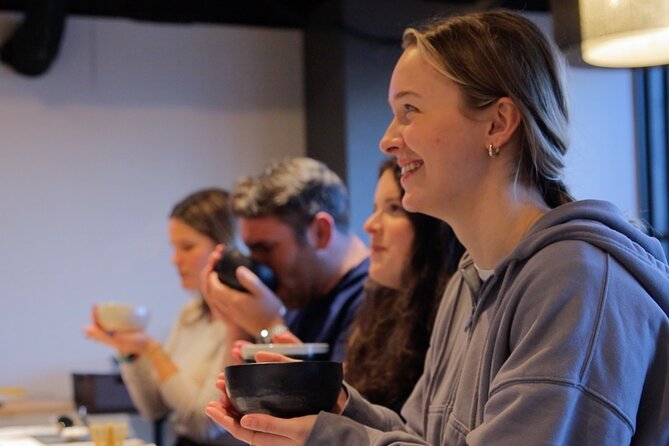
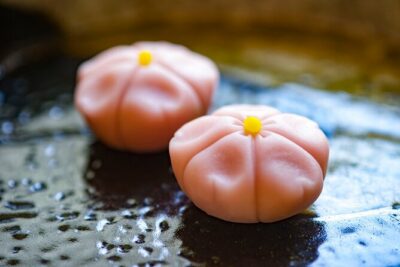
Matcha has a firm, vegetal taste that may surprise you if your only experience is matcha-flavored ice cream or sweet café drinks. The Japanese sweets included with the class provide a gentle contrast.
The confectionery is seasonal, so the exact selection may change. That is a nice feature rather than a problem. Japanese sweets often reflect the time of year, and their sweetness helps prepare your palate for the tea.
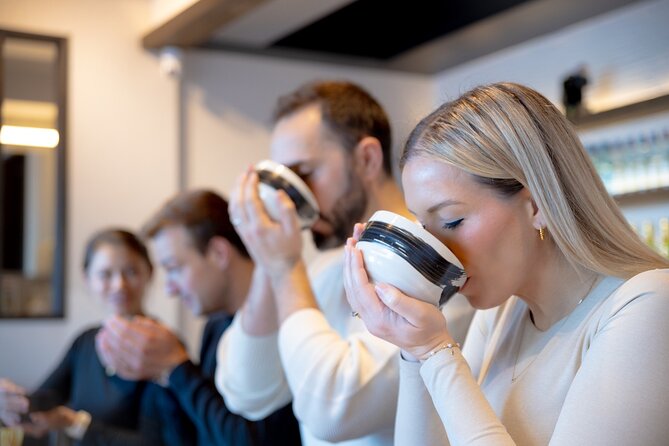
You enjoy the sweets alongside the matcha after preparing the drink. This pairing shows how Japanese tea service balances bitter or grassy flavors with carefully measured sweetness. It also makes the activity feel like a small cultural meal instead of a technical workshop.
If you normally add sugar or milk to matcha drinks, this is a chance to taste the tea in a more traditional form. The class presents the matcha as a drink with its own flavor, not just an ingredient for dessert.
More Matcha Experiences in Tokyo:
- Tokyo: Matcha Making Experience with Mochi Sweets in Asakusa
★ 4.9 · 388 reviews - Asakusa Cultural Walk & Matcha Making Tour
★ 5.0 · 245 reviews - Tokyo: Matcha and Kimono Experience
★ 4.7 · 219 reviews - Tokyo: Asakusa Kimono Dressing and Matcha Experience
★ 4.9 · 173 reviews
A calm setting near Asakusa’s busiest sights
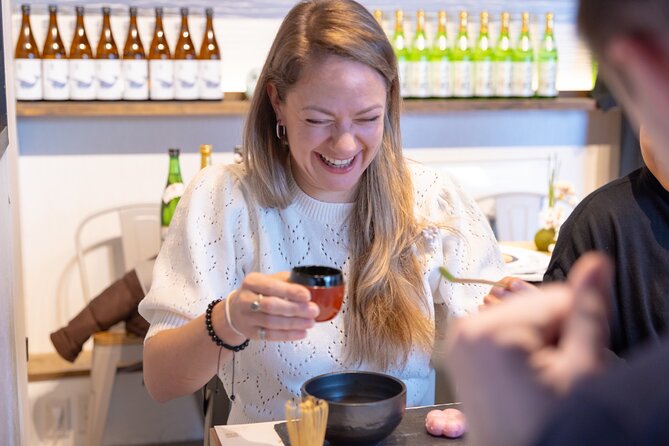
The meeting point is in Kaminarimon, one of Tokyo’s most useful bases for exploring Asakusa. The class itself may take place in a café setting, with some sessions held in an upstairs nook where you sit on the floor in a traditional style.
That arrangement can make the lesson feel more intimate and connected to Japanese customs. It is also worth keeping in mind if sitting on the floor is uncomfortable for you. The supplied information does not promise a particular seating arrangement for every session, so you should not book this expecting a formal tatami-style ceremony every time.
Some sessions may have a peaceful view toward the river area, and one class was described as quieter than a sushi class running at the same location. The atmosphere can vary with the day and the neighboring activities. A small group should feel personal, while a busy session may have more background noise.
The maximum group size is 30 people. That is not a guarantee that each class will be full, and some sessions can be much smaller. If you care strongly about individual attention, an earlier or less popular time may be worth considering, though the schedule details provided do not identify which slots are quietest.
Why the format works for families and first-timers
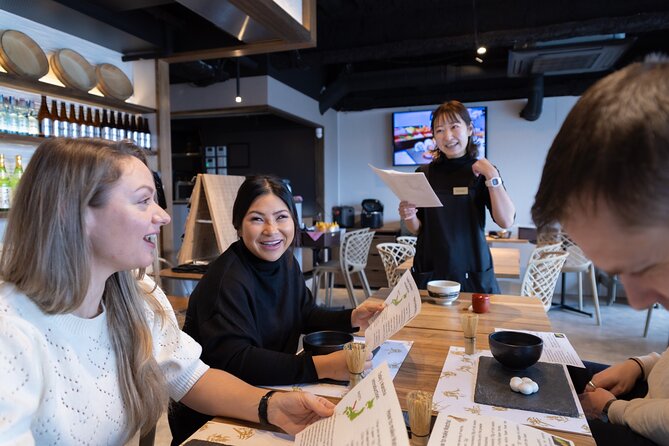
You do not need previous tea ceremony experience. That is important because the etiquette around Japanese tea can seem intimidating if you are worried about making a mistake.
The instructors explain the process in plain English and guide you through each step. Children have taken part successfully, including a family with children aged six and nine. The hosts made a point of keeping the children involved rather than expecting them to sit silently through a formal presentation.
For families, the class offers a break from temples and shopping. Everyone gets a task, and the final bowl gives children a clear result they can taste. Younger children may need help handling hot water and the whisk, but the activity is still more active than a standard cultural talk.
It also works for solo visitors and couples. The class creates an easy setting for conversation because everyone is learning the same small skill. Some hosts take photos for participants, including family pictures, so you may want to ask if you would like a record of the experience.
Authentic culture without the full formality of tea ceremony
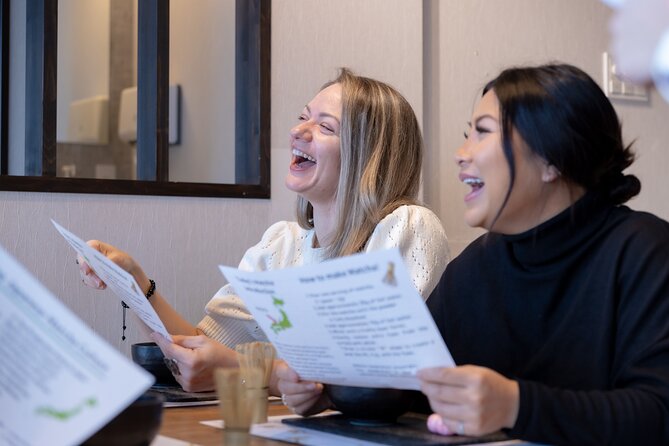
This distinction is important. The experience teaches traditional matcha preparation and explains the cultural meaning of the tea, but it is not advertised as a complete, formal tea ceremony.
I see that as an advantage for many visitors. A formal ceremony can involve precise etiquette, set movements, and a longer period of quiet observation. This class gives you a taste of that tradition while keeping the focus on participation.
You learn why matcha matters, how the ceremony works, and how the tools are used. At the same time, you can ask questions, take photos, and enjoy a relaxed exchange with the host. The result is approachable rather than solemn.
If your goal is to study tea ceremony at a serious level, you will need a more specialized experience. If you want a meaningful introduction that fits into a Tokyo sightseeing day, this format is easier to recommend.
Is $21.89 a good value?
At $21.89 per person, the price is modest for a guided cultural activity in central Tokyo. You are paying for an English-speaking instructor, matcha, Japanese sweets, the use of traditional tools, and about an hour of direct participation.
The value comes from the instruction, not from the amount of food. This is not a meal, and the sweets are a small accompaniment. If you are looking for a large tasting, you may find the offering limited. If you want a skill you can repeat at home, the price makes more sense.
I also like the low time commitment. A one-hour class leaves room for Senso-ji, Nakamise shopping, the riverfront, or lunch. It is an affordable way to add structure to an Asakusa visit without committing to a full cooking course.
The class has been booked frequently and carries a five-star rating based on 744 reviews, with 100 percent recommendation shown in the supplied information. Those numbers suggest a strong record, but they do not remove the practical limits: the class can be larger, the sweets are seasonal, and the session is short.
Practical details that can affect your decision
The meeting point is:
Matcha Making Tokyo, 2-chōme-17-9 Kaminarimon, Taito City, Tokyo 111-0034, Japan
The activity ends at the same location. It is near public transportation, but you should still check your route and arrive with enough time to find the entrance. One participant arrived much earlier and was allowed to wait in the café, but you should treat that as a courtesy rather than a guaranteed part of the booking.
Service animals are allowed. Hotel pickup and drop-off are not included, so you make your own way to Asakusa.
The mobile ticket is convenient for a sightseeing schedule. Free cancellation is available if you cancel at least 24 hours before the start time. Cancellations or changes made less than 24 hours in advance are not refunded or accepted, and the cut-off uses Tokyo local time.
Who should book this matcha class?
I would choose this for first-time visitors who want more than a quick photo with a bowl of tea. It is also a good fit for families, couples, solo visitors, and anyone curious about Japanese food traditions but short on time.
It suits you especially well if you want:
- A hands-on cultural activity rather than a lecture
- Clear English instruction
- A gentle introduction to tea etiquette
- A way to learn a skill you can repeat at home
- A short break during an Asakusa sightseeing day
- A family activity that does not require prior experience
I would think twice if you want a full formal tea ceremony, a substantial meal, or a very quiet private lesson. The possible 30-person capacity means the atmosphere and amount of personal attention can vary.
Should you book it?
Yes, if you want an affordable and friendly introduction to matcha in one of Tokyo’s most traditional neighborhoods. The strongest reasons are the hands-on whisking, the seasonal sweets, and the hosts’ patient approach. You leave with more than a cup of tea: you understand how matcha is made and have a technique to try at home.
Book it as a cultural stop between Asakusa sights, not as a replacement for a formal tea ceremony. If you prefer a relaxed class with English guidance, traditional tools, and enough time for children or beginners to take part, this is a sensible choice at $21.89.
FAQ
How long does the matcha making class last?
The activity lasts approximately one hour, including the matcha lesson and time to enjoy the tea with Japanese sweets.
Where does the class meet?
You meet at Matcha Making Tokyo, 2-chōme-17-9 Kaminarimon, Taito City, Tokyo 111-0034, Japan. The activity also ends at the meeting point.
Is the class taught in English?
Yes. An English-speaking instructor guides you through the history, preparation, and whisking technique.
Do I need tea ceremony experience?
No. The class is designed for beginners, and no previous tea ceremony experience is required.
What is included in the price?
The experience includes an English-speaking instructor, matcha, and Japanese sweets. Hotel pickup and drop-off are not included.
What is the cancellation policy?
You can cancel for a full refund if you do so at least 24 hours before the experience start time. Cancellations or changes made less than 24 hours before the start time are not accepted, and the amount paid is not refunded.
More Dessert Stops in Tokyo
- Make Traditional Nerikiri Sweets & Matcha experience in Shibuya
★ 5.0 · 130 reviews - Tokyo: Two Types of Japanese Sweets Making and Tea Ceremony
★ 4.6 · 26 reviews - Private Mochi・Matcha sweets Making Class Near Shibuya Area
★ 5.0 · 22 reviews - Tokyo: Tea Ceremony & Japanese Sweets Making
★ 5.0 · 10 reviews
More Tea Making Classes in Tokyo
- Matcha Making Experience in Shinjuku
★ 4.5 · 12 reviews - 【NEW】Matcha Making Experience and Matcha Comparison in Tokyo
★ 5.0 · 7 reviews - London: Traditional English Scone Making and Tea Workshop
★ 5.0 · 702 reviews - Matcha Making Class in Osaka with Authentic Japanese Sweets Set
★ 5.0 · 509 reviews
Just added around Tokyo
- Yokohama : Tea Ceremony with Sweets and Souvenir★ 5.0 · 5 reviews
- Walking Tour: Yanaka,Nezu& Sendagi: Tea Ceremony & Old Tokyo★ 5.0 · 3 reviews
- 2 Hours Mochi &Nerikiri Making & Matcha Class in Bunkyo★ 5.0 · 21 reviews
- Private Kimono and tea ceremony at local home near Tokyo Disney★ 5.0 · 6 reviews
- Private Mochi・Matcha sweets Making Class Near Shibuya Area★ 5.0 · 22 reviews
- Tokyo Sweets Tour: Hidden Gems & Matcha at an Old Tea House★ 5.0 · 6 reviews
- Giant Sushi Cooking Class: Make a 1.5m Sushi Roll in Tokyo★ 5.0 · 9 reviews
- Tokyo Tea Ceremony Class at a Traditional Tea Room★ 5.0 · 2 reviews
Japanese Sweets & Tea, compared.
Matcha Making Class in Osaka with Authentic Japanese Sweets Set
Read our review →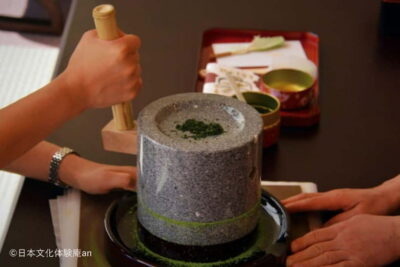
Japanese Traditional Sweets Making and Tea Ceremony
Read our review →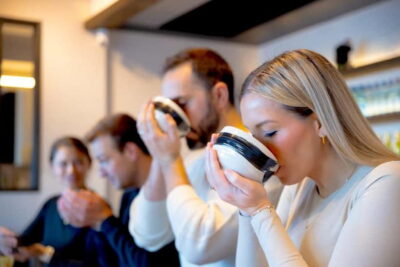
Japanese Traditional Sweets Making and Tea Ceremony
Read our review →
Nagoya: Japanese Traditional Sweets making and Tea Ceremony
Read our review →
Sweets Making and Kimono Tea Ceremony at Tokyo Maikoya
Read our review →
Japanese Traditional Sweets making and Tea Ceremony
Read our review →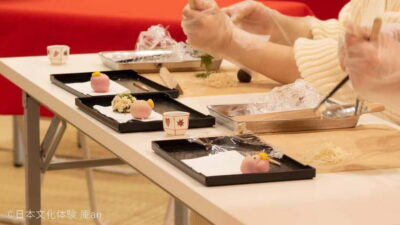
Two Types of Japanese Sweets Making and Tea Ceremony
Read our review →Browse the lists this tour appears in