
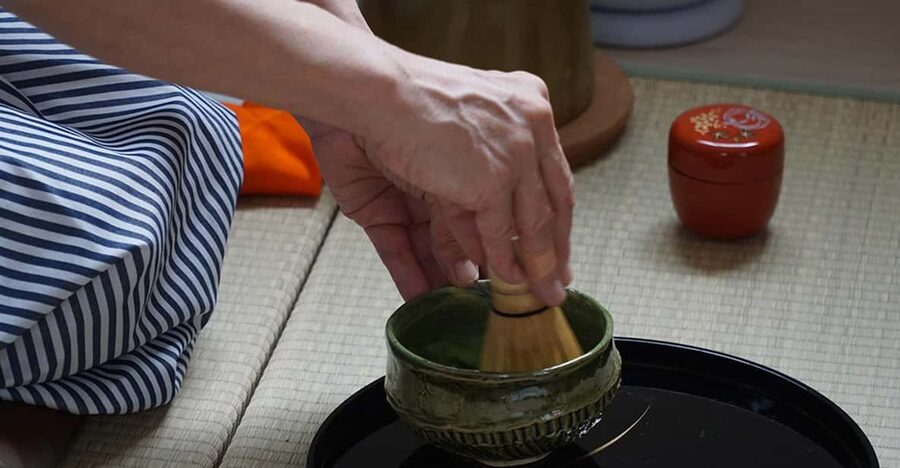
Review · OSAKA
Osaka: Tea Ceremony and Matcha Tea Bowl Making Workshop
The unusual appeal here is the two-part craft experience: first, you learn how matcha is prepared and served, then you make the bowl meant for that ritual. It connects the quiet rules of tea with the hands-on work behind the cup.
I like the calm tea lesson and the chance to taste matcha with Japanese sweets. I also like working with Anna, whose pottery training in Osaka and Barcelona gives the bowl-making session a useful blend of local tradition and wider ceramic experience.
The main catch is timing. Your bowl is shipped to you after about two months, and postage is not included in the $134 price. This is not a take-home souvenir at the end of the afternoon.
Key points
- Two traditions in one session: Learn tea ceremony basics, then make the bowl used for matcha.
- Private English-language instruction: The experience is for a private group rather than a large shared class.
- Hands-on pottery with Anna: Shape and decorate your bowl with traditional Japanese pottery methods.
- A delayed but personal souvenir: The finished bowl is sent to your address after roughly two months.
- Local Osaka setting: Meet at JR Teradacho Station and spend time in Ikuno Ward afterward.
- Best for older children and adults: The class is not suitable for children under 13 or wheelchair users.
Why this Osaka workshop feels more personal than a tea demonstration
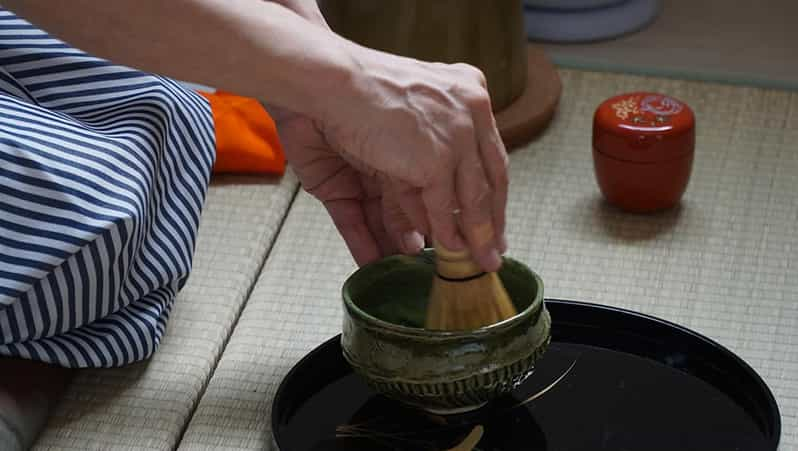
Many cultural activities let you watch a Japanese tradition from the edge. This one asks you to take part in two simple but meaningful ways: prepare matcha and create the vessel that holds it.
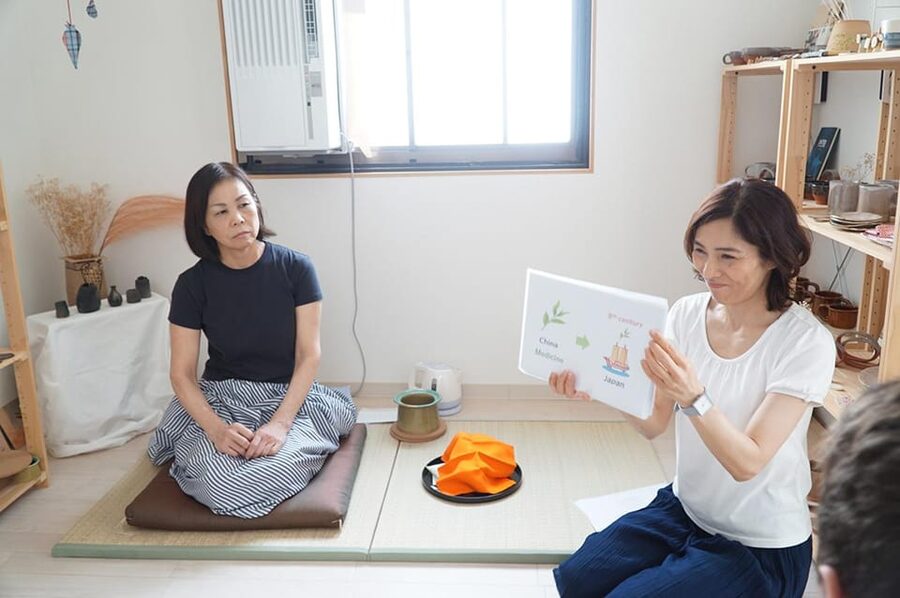
The tea ceremony portion gives you the setting and purpose. You learn the basics of a formal Japanese practice, follow the guidance of a tea ceremony master, and prepare matcha to enjoy with Japanese sweets. The point is not to turn you into a tea expert in two hours. It is to help you notice the care given to movement, preparation, and presentation.
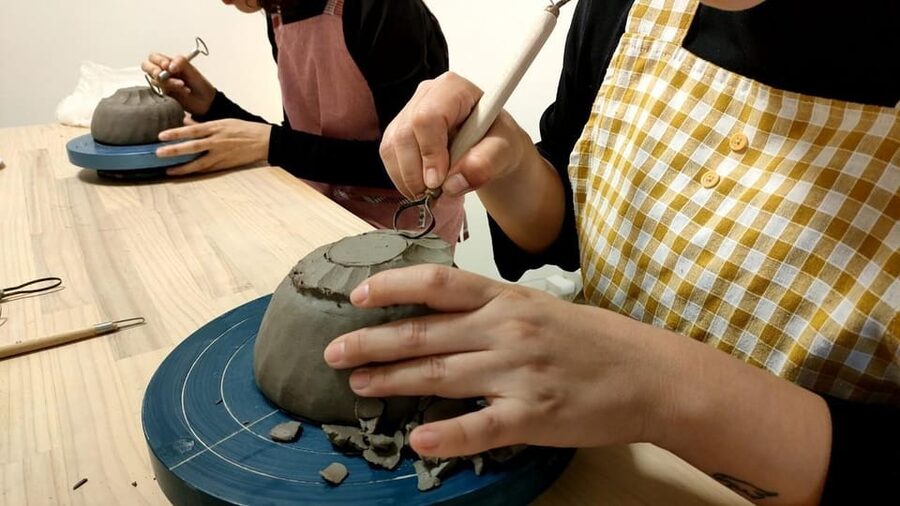
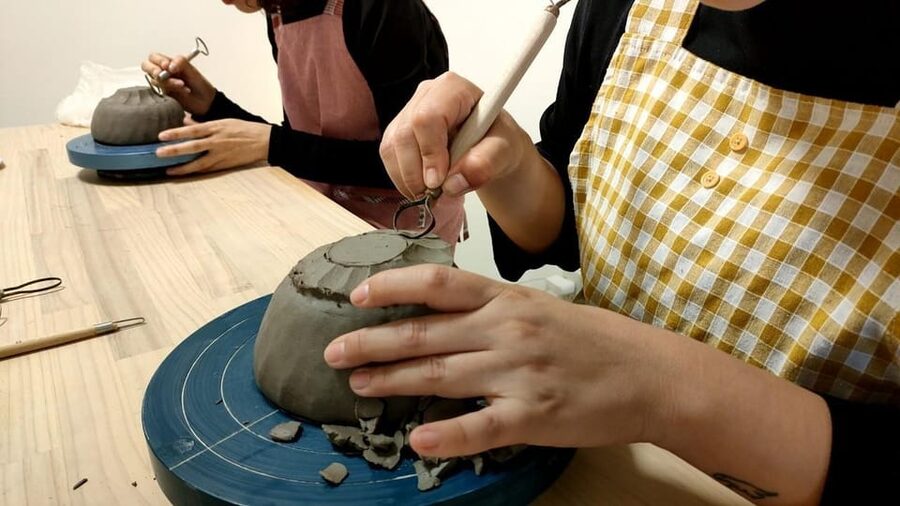
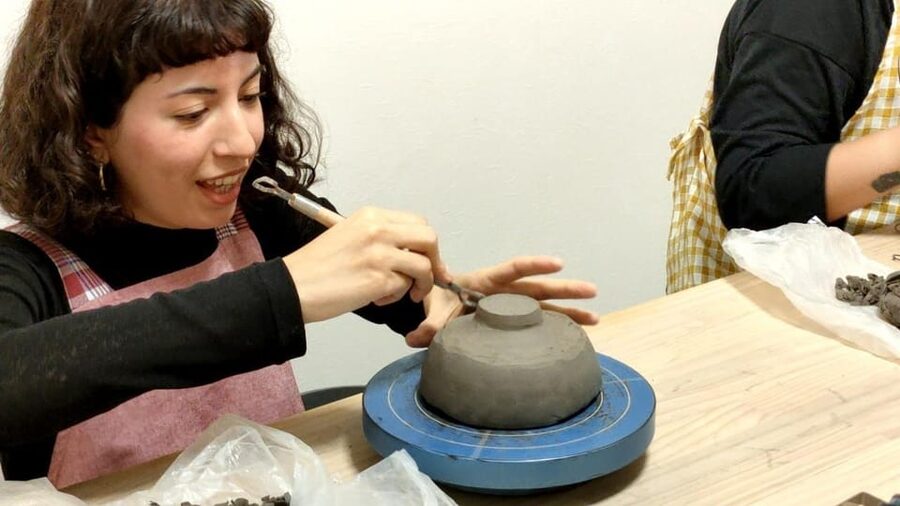
Then the focus shifts to clay. With Anna, a ceramist who studied pottery in Osaka and Barcelona, you shape a matcha tea bowl and decorate it using traditional Japanese pottery techniques. That change from quiet observation to active making gives the afternoon a good rhythm.
I find the pairing especially appealing because the two activities explain each other. A tea bowl is not just a pretty object. Its shape, feel, and decoration affect how the tea ritual looks and feels. Making one yourself gives you a better sense of the thought behind everyday Japanese craft.
More Matcha Experiences in Osaka:
- Matcha Making Class in Osaka with Authentic Japanese Sweets Set
★ 5.0 · 509 reviews - Osaka: Matcha Making Experience with Japanese Sweets
★ 5.0 · 146 reviews - Osaka Temple Cool Foot Bath & Matcha Experience〈45min〉
★ 4.9 · 82 reviews
Meeting at JR Teradacho Station’s north exit
Your meeting point is the north exit of JR Teradacho Station. Look for a staff member holding a signboard marked Ceramics Tocoton.
This detail matters in Osaka, where a busy station can have several exits and a wrong turn can cost you valuable class time. Give yourself enough time to find the north exit before the scheduled start. If you expect to be more than 15 minutes late, contact the provider. Arriving more than 15 minutes late counts as a no-show.
The meeting point also places the workshop in Osaka’s Ikuno Ward, an area away from the city’s most famous tourist stops. After class, you can explore the local area rather than simply returning to a major sightseeing district. The activity does not promise a guided neighborhood tour, so treat this as free time for your own wandering.
The station meeting point is straightforward, but the experience itself is not designed for a casual drop-in. The workshop has a set sequence, and late arrival could mean missing part of the tea instruction or pottery session.
The tea ceremony: learning through careful preparation
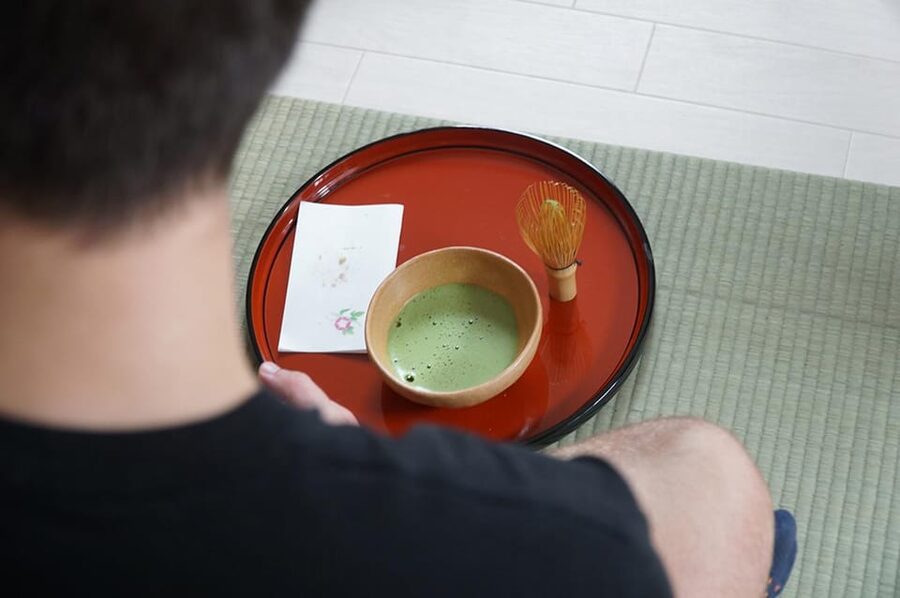
The first half introduces you to the traditional Japanese tea ceremony. A tea ceremony master guides you through preparing matcha, then you enjoy the tea with Japanese sweets.
The value here is the pace. Matcha preparation is not presented as an instant drink stop. You pay attention to the actions involved, the order of preparation, and the relationship between the tea and the sweet served with it.
You should expect an introductory lesson rather than a long historical lecture. The supplied information does not set out every step or explain the exact tea school involved, so it is best to think of this as a practical foundation. You learn enough to understand the ceremony and take part with confidence, without needing previous experience.
The matcha and Japanese sweets are included in the price. That keeps the first half focused on the activity instead of adding small extra charges along the way.
The tea portion may appeal most to you if you enjoy quiet, focused experiences. It is also a useful counterpoint to Osaka’s faster city rhythm. One of the strongest impressions from the activity is the peaceful mood created by the ceremony, giving you a chance to slow down and pay attention to something small.
Do not expect this to be a full meal. The information only promises matcha and Japanese sweets, so eat beforehand if you need a substantial lunch or breakfast.
Shaping a matcha bowl with Anna
After the tea lesson, you work with Anna on the pottery portion. She studied ceramics in Osaka and Barcelona, and she helps you shape and decorate your own matcha tea bowl.
This is where the experience becomes personal. You are not just buying a bowl in a shop or watching a potter work. You are making decisions about the form and surface of an object that will later be used for tea.
The available details do not specify the exact clay process, firing method, or number of decoration choices. What is clear is that you shape and decorate the bowl with traditional Japanese pottery techniques under guidance. Anna’s role is important because beginners need help judging the thickness, balance, and overall form of a handmade bowl.
The activity is described as suitable for people aged 13 and older, not young children. That age limit makes sense for a session involving focused handwork and pottery tools. You should also be comfortable working with your hands for part of the two-hour class.
The mood appears to be encouraging rather than demanding. Anna is described as helpful throughout the bowl-making process, which matters if you have never worked with clay. You do not need to arrive with a design plan or professional pottery skills. The instruction is there to help you make something workable and personal.
At the same time, keep your expectations realistic. Handmade ceramics are shaped by the maker’s experience, and a first bowl may have small irregularities. Those marks are part of the point. You are creating a personal object, not ordering a factory-perfect cup.
More Tea Ceremony Experiences in Osaka:
- Osaka: Tea Ceremony Experience
★ 4.9 · 1,426 reviews - Tea Ceremony Experience in Osaka Doutonbori
★ 5.0 · 754 reviews - Osaka: Tea Ceremony, Calligraphy, and Kimono Experience
★ 4.9 · 130 reviews - Osaka: Japanese Traditional Sweets Making and Tea Ceremony
★ 4.7 · 118 reviews
The bowl arrives later, not in your suitcase
One practical detail can easily be missed: the bowl is sent to the address you provide after about two months.
That delay is necessary because the bowl needs to be processed before it can be used. The exact production steps are not provided, so you should not assume it is ready to carry away at the end of class. Shipping costs are also not included in the $134 price.
This makes the experience different from a standard souvenir purchase. You leave with the memory of making the bowl, but the physical object follows later. That can be a pleasant reminder of your Japan trip once you are back home, though it also means you must provide a reliable delivery address.
Before booking, check that you can receive international or domestic shipping at the address you plan to provide. Since postage is extra, allow room in your budget for that cost. The activity price covers the workshop and the included tea and sweets, not delivery.
There is also a small dish provided as a gift. You can use it to serve sweets with tea ceremony, so you do receive a useful item during the experience rather than waiting for the bowl alone.
What the $134 price buys you
At $134 per person for two hours, this is not a low-cost tea tasting. The value comes from the combination of private instruction, two different cultural activities, the included matcha and sweets, and the custom bowl that is sent later.
I would compare it with the price of two separate activities: a guided tea ceremony and an introductory pottery class. The workshop joins those subjects in one visit, which saves you from arranging separate bookings and makes the connection between tea and ceramics easier to understand.
The private group format also affects the value. You are not placed in a large public class, and the English-language instruction is built into the session. That can make the fee worthwhile for a couple, family group with older children, or friends who want a shared activity rather than another sightseeing stop.
Still, the price needs a clear qualification. Shipping is extra, and the workshop lasts only two hours. If your main aim is to buy an inexpensive bowl immediately, this is not the most direct choice. If you want instruction, a handmade object, and a more thoughtful look at Japanese tea culture, the cost is easier to justify.
Who will enjoy this most
I would recommend this workshop to you if you like making things, value direct instruction, and want a quieter cultural activity in Osaka. It suits couples, friends, and private groups who would rather spend an afternoon learning a craft than moving from one major attraction to another.
It is also a strong choice for anyone interested in Japanese design. You see how tea presentation and pottery relate, then make an object with that purpose in mind. That connection gives the pottery more meaning than a generic craft class.
The experience may be less suitable if you want a polished performance, a full meal, or a bowl you can pack in your luggage that same day. The ceremony is participatory, and the pottery is beginner-focused. The bowl must be shipped later.
Children under 13 cannot take part. Wheelchair users should also note that the activity is not suitable for them. No alcohol, drugs, or smoking are allowed, which fits the calm and focused nature of the workshop.
Planning your two hours in Osaka
The class has a fixed two-hour duration, with starting times based on availability. Plan your day around that window and avoid booking another activity immediately afterward. The station meeting point is clear, but late arrival can result in no participation and no refund under the stated conditions.
Wear something you can work comfortably in. The provided information does not list clothing requirements, but pottery is a hands-on activity, so I would avoid clothing you would worry about getting dirty.
Because the workshop is private, it can be easier to ask questions and work at a comfortable pace than in a large group. English is the listed language, so you can expect the instruction to be delivered in English.
Afterward, leave time to explore Ikuno Ward. The activity specifically points you toward the local area, but it does not provide a detailed walking route or a set of included stops. Think of this as a chance to continue your Osaka day independently.
A calm contrast to Osaka’s busy sights
Osaka is often planned around food streets, shopping districts, neon signs, and major city attractions. This workshop offers a different kind of afternoon. The tea ceremony asks for quiet attention, while the pottery session gives you something tactile and creative to do.
That contrast is one of the best reasons to book it. You are not simply collecting another photograph. You are learning a small part of a living tradition and making an object connected to it.
The tea lesson may be the most calming part, while the pottery class is likely to be the most playful. Together, they work because neither section has to carry the whole experience. You get a cultural introduction, a taste of matcha and sweets, guidance from two specialists, and a handmade bowl on the way.
The two instructors also bring different skills. The tea ceremony master teaches the ritual and preparation. Anna handles the ceramic work. The split keeps the lesson focused and gives you a clearer sense of each craft.
Should you book the Tea Ceremony and Matcha Tea Bowl Workshop?
Book it if you want active cultural participation, not just a demonstration. The private English-language format, peaceful tea preparation, and guided pottery work make this a good fit for adults and children aged 13 or older who enjoy creative activities.
The strongest reasons to choose it are the connection between tea and ceramics, Anna’s encouraging instruction, and the promise of a bowl made by you. The main points to weigh are the $134 price, extra shipping, two-month wait, and lack of wheelchair access.
I would skip it if your schedule is very tight, you need a take-home souvenir immediately, or you want a larger historical tour of Japanese tea. But if you can spare two hours and appreciate the pleasure of making something slowly, this is a thoughtful way to spend part of an Osaka day.
FAQ
How long does the workshop last?
The workshop lasts two hours.
Where do I meet the group?
Meet at the north exit of JR Teradacho Station in Osaka. Look for a staff member holding a signboard marked Ceramics Tocoton.
Is the workshop offered in English?
Yes. English is the listed language for the experience.
What is included in the price?
Matcha tea and Japanese sweets are included. The workshop also includes the tea ceremony and bowl-making instruction.
Can I take my matcha bowl home after the class?
No. The bowl is sent to the address you provide after about two months. Shipping costs are not included in the price.
Is the workshop suitable for children or wheelchair users?
The experience is not suitable for children under 13 or for wheelchair users.
More Workshops in Osaka
- Osaka Japanese Cooking And Matcha Class near Osaka Castle
★ 5.0 · 22 reviews - Learn Zen in a class of making Matcha tea near Osaka Castle
★ 4.8 · 17 reviews - Osaka: Japanese Cooking Class with Matcha Experience
★ 5.0 · 4 reviews - Kyoto: 45-Minute Tea Ceremony Lesson Experience
★ 4.3 · 2,378 reviews
Just added around Osaka
- Osaka: Tea Ceremony, Calligraphy, and Kimono Experience★ 5.0 · 6 reviews
- Osaka: Nara, Todaiji, Uji Matcha, and Hot Spring Tour★ 4.0 · 7 reviews
- Nara Deer Park, Uji Matcha, & Hot Spring Full-Day Tour from Osaka★ 4.0 · 21 reviews
- Osaka:Zen Tea Ceremony and Foot Bath Experience<45min>★ 5.0 · 7 reviews
- Premium Kimono Dressing, Tea Ceremony, Calligraphy, Samurai show★ 5.0 · 18 reviews
- Osaka Japanese Cooking And Matcha Class near Osaka Castle★ 5.0 · 22 reviews
- ZEN therapy | Shiatsu-style massage, EnergyTherapy & Japanese Tea★ 5.0 · 5 reviews
- Discover Japanese Tea Blending Techniques in Osaka★ 5.0 · 19 reviews
Matcha Experiences, compared.

World Heritage Kyoto & Nara Uji Authentic Matcha Experience
Read our review →
Matcha Making Class in Tokyo with Authentic Japanese Sweets Set
Read our review →
Tea Museum Tickets and Matcha Grinding Experience
Read our review →
Matcha Making Class in Osaka with Authentic Japanese Sweets Set
Read our review →
Tea Ceremony Meditation – Make Matcha with Tea Master
Read our review →
Matcha Making Experience with Mochi Sweets in Asakusa
Read our review →
Browse the lists this tour appears in