
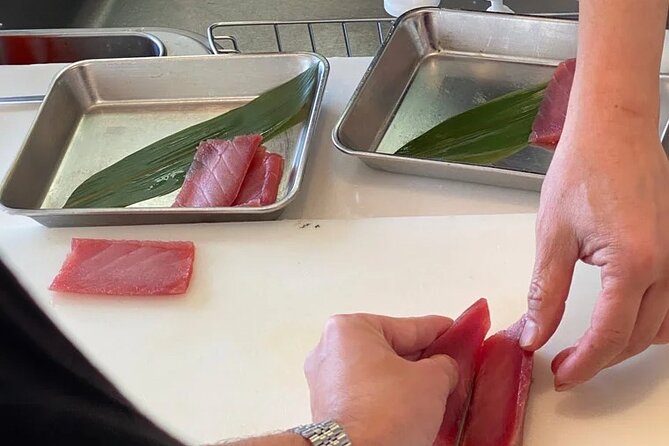
Review · JAPAN
Cultural Cooking Class Featuring Ramen Sushi and Tea Ceremony
Osaka is famous for food, but this class takes you beyond restaurant counters and into Katsuji’s home. You’ll learn tea ceremony customs in his tearoom, prepare sushi and ramen, and finish with hand-drawn calligraphy to take home. I like the personal setting and the chance to learn from a food professional with more than 30 years of experience.
I also like that the class keeps the group small, with no more than 10 people, and includes the ingredients, apron, tea ceremony, a drink, and the cooking lesson in its $73.98 price. The main consideration is location: you meet in Inazucho, Toyonaka, in Osaka Prefecture, not at a central Osaka sightseeing landmark. You’ll need to arrange your own transportation, and solo bookers must pay for two places.
Key points to know before booking
- Tea ceremony in Katsuji’s own home: Learn the basic customs while drinking hand-whisked matcha in an authentic tearoom setting.
- Two Japanese dishes in one class: Make sushi and ramen, though the ramen noodles are ready-made rather than prepared from flour.
- A useful cultural souvenir: Katsuji creates custom calligraphy art for you to take home.
- Small group size: The class accepts a maximum of 10 people, which should allow room for questions and hands-on work.
- Dietary needs can be arranged: Halal, vegetarian, and pescetarian diets are accommodated when you give advance notice.
- Plan around a two-person minimum: A solo participant must purchase two slots, making this a better value for couples, friends, or families.
A home-based food class in Osaka’s Toyonaka area
This is a three-hour experience based in Inazucho, Toyonaka, Osaka 561-0854. The activity begins and ends at the same meeting point, and public transportation is nearby, but transportation to the home is not included.
That detail matters. If you are staying near Osaka’s major sightseeing areas, allow time to reach Toyonaka and confirm your route before class day. The experience is best treated as a planned neighborhood visit rather than a drop-in activity between two central attractions.
The class usually sells about 12 days ahead, so I would book before your Osaka schedule fills up. Confirmation arrives within 48 hours, subject to availability. You also need to arrive on time, since this is a timed home experience rather than a flexible food market stop.
The setting is one of the class’s main attractions. Instead of simply watching a chef demonstrate dishes in a commercial kitchen, you enter a real Japanese home and take part in a meal-centered cultural activity. That makes the experience more personal, though it also means the meeting instructions deserve your full attention.
More Tea Ceremony Experiences in Japan:
- Kyoto: Tea Ceremony in a Traditional Tea House in Kiyomizu
★ 4.9 · 3,519 reviews - Kyoto: Tea Ceremony Ju-An at Jotokuji Temple
★ 4.9 · 3,207 reviews - Kyoto: 45-Minute Tea Ceremony Lesson Experience
★ 4.3 · 2,378 reviews
The tea ceremony comes first
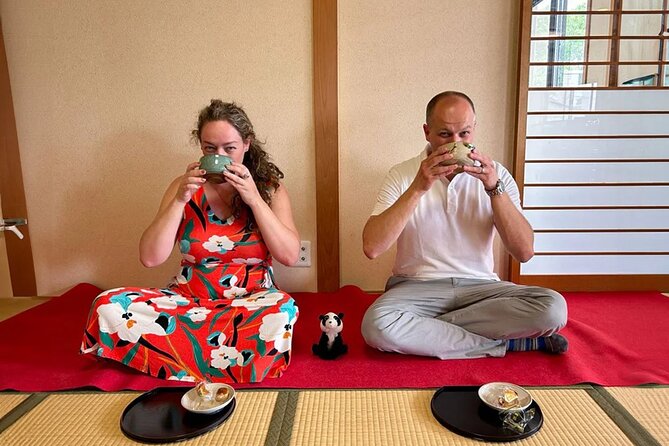
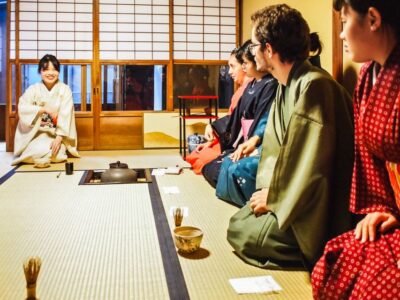
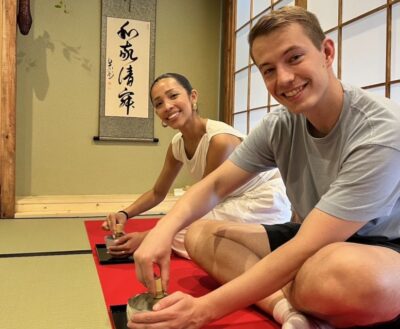
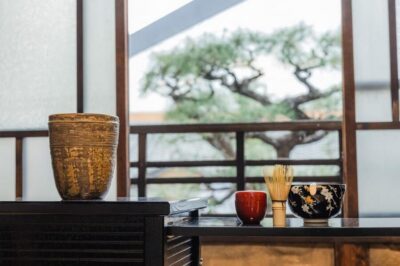
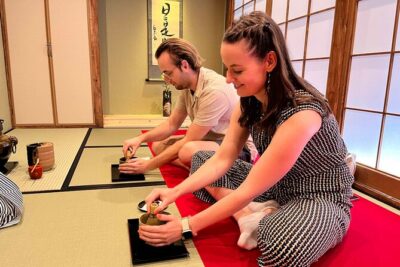
The class begins with a Japanese tea ceremony in Katsuji’s own tearoom. You’ll sit in an ancient Japanese style and learn the basic flow of the ceremony while enjoying matcha green tea whisked by hand.
You should think of this part as a cultural introduction, not just a cup of tea. Japanese tea ceremony places value on careful movement, attention, and hospitality. Even a short session can help you notice details that are easy to miss when you simply order matcha at a café.
The hand-whisked tea also sets a slower pace before the cooking begins. That contrast works well. You first learn how a formal food ritual is organized, then move into the practical work of preparing a casual Japanese meal.
The information provided does not specify the exact length of the tea ceremony or the level of Japanese language instruction. You can expect guidance from Katsuji, but it is wise not to book this class if you want a long, highly formal tea school lesson. The appeal here is the combination of tea, cooking, and home hospitality in one visit.
Making sushi from scratch
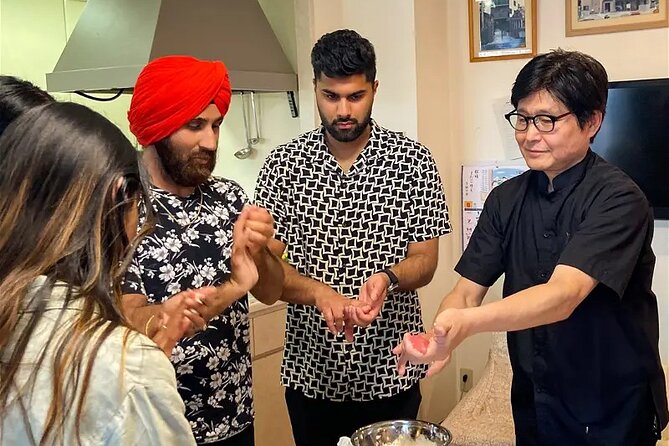
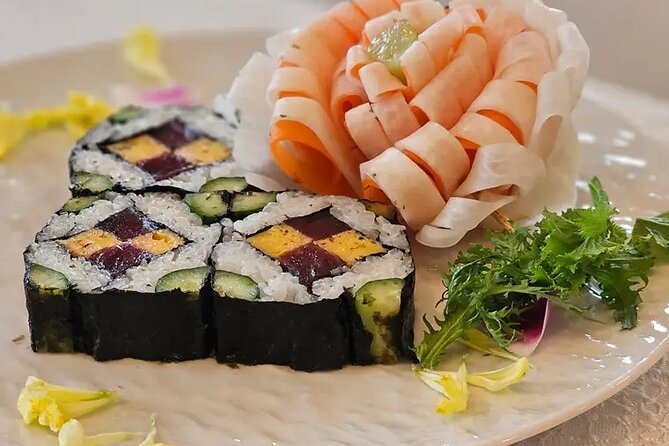
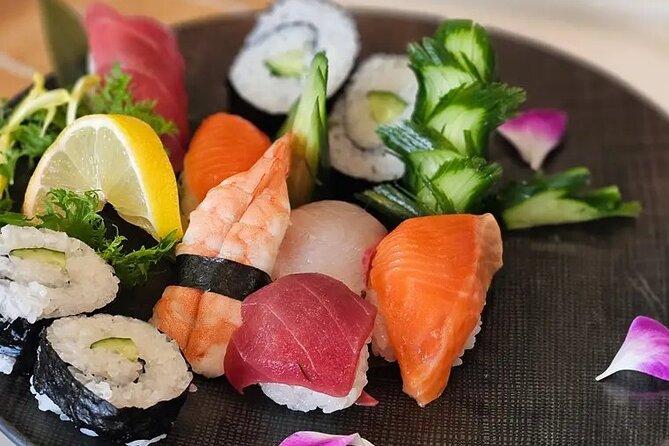
After the tea ceremony, you move into the kitchen to prepare sushi. The class includes ingredients and apron rental, so you can concentrate on the process rather than bringing equipment or shopping for supplies.
This is a good fit if sushi is new to you. One person who took the class had never made or eaten sushi before and found the experience enjoyable. That detail suggests the lesson is friendly to beginners, though you should still expect to work with your hands and follow instructions carefully.
Making sushi yourself also changes the way you understand the dish. You see how ingredients are handled, how portions are assembled, and how much care goes into a food that can look simple on the plate. The point is not only to eat sushi, but to understand part of the work behind it.
The supplied information does not list the exact sushi style, fillings, or number of pieces. I would avoid booking with a fixed expectation of a particular roll or seafood selection. Instead, see this as a guided introduction to making a Japanese classic with the ingredients provided on the day.
Preparing ramen with one important limit
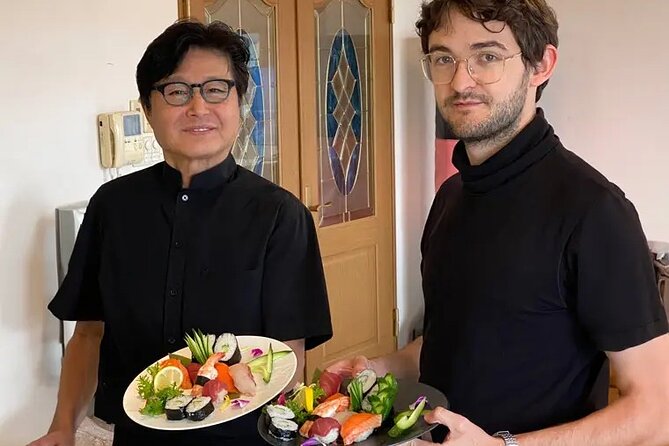
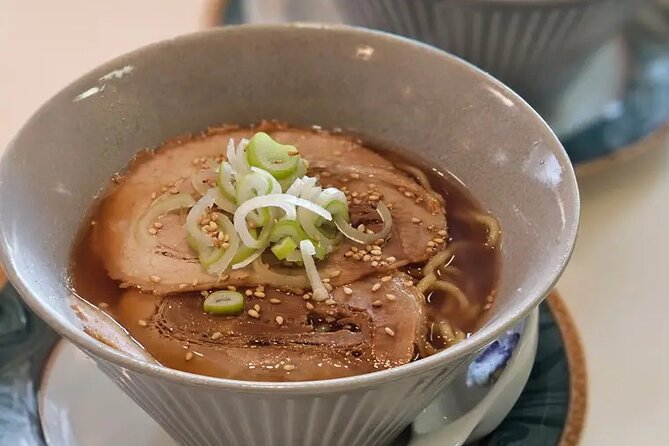
The second dish is ramen. You’ll learn to prepare it as part of the same kitchen session and then enjoy the food you make.
There is one clear limit: the noodles are ready-made. You will not make ramen noodles from scratch. That may disappoint anyone looking for a full noodle-making workshop, but it also keeps the class practical within its three-hour schedule.
Ramen involves more than noodles alone, and preparing the dish alongside sushi gives you a useful comparison between two familiar Japanese foods. Sushi calls for careful assembly, while ramen offers a warm, prepared dish with its own method and ingredients.
The exact broth, toppings, and preparation steps are not specified, so I would not assume a particular regional ramen style. If you have a strong preference or dietary restriction, contact the provider in advance rather than counting on a certain recipe.
The class includes the ingredients, so the $73.98 fee covers more than instruction. You also receive an apron rental, the tea ceremony, a drink, and the calligraphy souvenir. For someone who wants a meal, a cooking lesson, and a cultural activity in one three-hour visit, that is a fair package.
More Cooking Classes in Japan:
- Private Kyoto Sushi Cooking Class & Tea Ceremony with Emika
★ 5.0 · 66 reviews - Osaka Japanese Cooking And Matcha Class near Osaka Castle
★ 5.0 · 22 reviews - Home Made Onigiri and Matcha Cooking Class in Hiroshima
★ 5.0 · 11 reviews - Giant Sushi Cooking Class: Make a 1.5m Sushi Roll in Tokyo
★ 5.0 · 9 reviews
Katsuji’s teaching style and group size
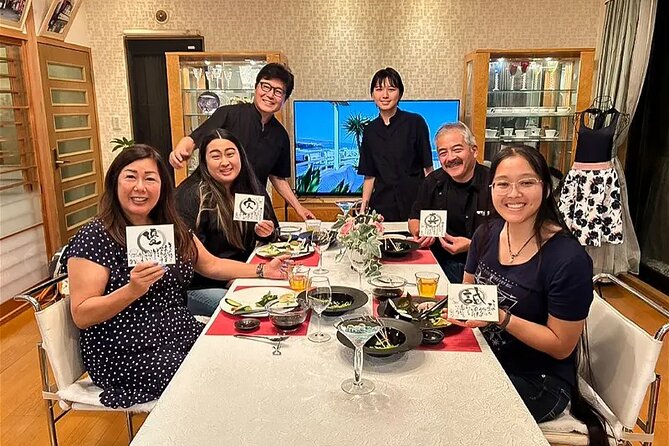
Katsuji is the local host and instructor. He has more than 30 years of experience in the food industry, and the experience takes place in his own home.
The tone appears informal and good-natured. One particularly strong account described Katsuji as very sweet and joked throughout the class. That matters in a hands-on lesson. A relaxed instructor can make it easier for a first-time cook to ask questions, try unfamiliar tasks, and laugh at imperfect sushi.
The maximum group size is 10 people. That is not a private lesson, but it is small enough to feel more personal than a large demonstration. The group size may also affect how much direct help you receive, so arrive ready to participate rather than simply watch.
This class suits people who enjoy a host-led experience more than a polished cooking show. You are visiting someone’s home, learning several skills in one session, and sharing the space with other participants. If you prefer a quiet, formal class with a rigid professional kitchen setup, this may feel more casual than expected.
Calligraphy you can actually take home
At the end, Katsuji provides custom hand-drawn calligraphy art as a souvenir. This is a more personal keepsake than a standard branded item, since it is created by the instructor himself.
The exact size or design is not given, so do not assume it will be framed or ready for display. Still, it gives the class a clear final touch. You leave with something connected to the person who taught you, not just a memory of lunch.
Calligraphy also fits the tea ceremony setting. Both activities introduce you to Japanese traditions through careful movement and visual form, while the cooking portion gives you something practical to do. The combination makes the class broader than a simple recipe lesson.
If you are packing light, bring a protective folder or place the artwork between sturdy items in your luggage. The class information does not state how the calligraphy is packaged, so a little care is sensible.
Dietary requests and the limits of the menu
The class can accommodate halal, vegetarian, and pescetarian diets. You must inform the provider in advance of your dietary restrictions.
That advance notice is important because the class includes prepared ingredients and a shared cooking plan. Do not wait until you arrive to explain a restriction. The information does not promise accommodation for every allergy or dietary pattern, so contact the provider if your needs go beyond the three listed options.
The menu is not fully detailed. You know that sushi and ramen are included, but not the exact ingredients, broth, toppings, or fish. If you are pescetarian, vegetarian, or halal, ask for confirmation of the planned ingredients before booking if a particular item matters to you.
For many people, the food is only half the point. You are also paying for instruction, tea ceremony customs, a home setting, and a handmade souvenir. That helps protect the value of the class even if the menu is not as elaborate as a restaurant meal.
Is $73.98 a fair price?
At $73.98 per person, this is not the cheapest way to eat sushi and ramen in Osaka. You could spend less at a casual restaurant, especially if your only goal is a meal.
The comparison changes once you count what is included. Your fee covers a three-hour activity, a professional instructor, ingredients, apron rental, tea ceremony, a drink, the meal you prepare, and calligraphy art. You are also paying for access to a private home setting and for hands-on instruction rather than table service.
I see the strongest value for couples, friends, and families who want a shared activity. The two-person minimum works naturally for those groups. Solo visitors face a tougher calculation because they must purchase two slots, even if only one person attends.
A group discount is available, though the amount is not specified. If you are booking for several people, check the final total before payment. With a maximum of 10 participants, the class is still small enough to retain a personal feel while possibly costing less per person for a larger group.
Who will enjoy this experience most?
I would choose this class if you want food and culture together. It works particularly well for:
- First-time sushi makers who want direct guidance
- Visitors curious about tea ceremony customs without booking a tea-only lesson
- Couples and friends looking for a shared Osaka activity
- Families whose children are old enough to follow cooking instructions
- People who value a handmade souvenir over a standard gift-shop item
- Diners who need halal, vegetarian, or pescetarian arrangements and can give advance notice
I would think twice if you want to make ramen noodles from flour. This class does not include that step. I would also look elsewhere if you want a detailed regional food tour, a formal tea school experience, or a class with a fully specified menu.
The class is also a better choice when you have at least two people. Since solo participants must buy two slots, the price is easier to justify when shared with a companion.
Booking, timing, and cancellation advice
Book with enough lead time, since the activity is commonly reserved around 12 days in advance. Confirmation is sent within 48 hours, subject to availability, so do not assume your place is final until you receive it.
Transportation is your responsibility. The location is near public transportation, but the exact route is not provided here. Save the full meeting address, Inazucho, Toyonaka, Osaka 561-0854, and plan to arrive early enough to find the home without rushing.
Free cancellation is available if you cancel at least 24 hours before the start time. Cancellations or changes made less than 24 hours ahead are not accepted for a refund, and the cut-off follows local time.
Should you book this Osaka cooking class?
Book it if you want a warm, personal introduction to Japanese food and home culture, especially if you are traveling with at least one companion. The best parts are the mix of tea ceremony, sushi preparation, ramen cooking, and Katsuji’s custom calligraphy, all within three hours.
Skip it if your priority is central Osaka convenience, handmade ramen noodles, or a tightly defined menu. The Toyonaka location requires planning, and the experience is more about meeting a local host and trying several traditions than mastering one dish.
For the right visitor, $73.98 buys more than lunch. It gives you a hands-on food lesson, a look into a Japanese home, a taste of tea ceremony customs, and a personal souvenir you cannot simply pick up at a station shop.
FAQ
Where does the cooking class meet?
The class starts in Inazucho, Toyonaka, Osaka 561-0854, Japan.
How long does the experience last?
The activity lasts approximately three hours.
Does the class include transportation?
No. Transportation to and from the meeting point is not included, though the location is near public transportation.
What food will I make?
You will make sushi and ramen. The sushi and its ingredients are prepared as part of the cooking lesson, while the ramen uses ready-made noodles.
Are ramen noodles made from scratch?
No. The ramen noodles are ready-made, so noodle-making is not part of the class.
What is included in the price?
The price includes the tea ceremony, sushi and ramen cooking class, ingredients, apron rental, professional cooking instruction, one drink, and a calligraphy souvenir.
Can dietary restrictions be accommodated?
The class can accommodate halal, vegetarian, and pescetarian diets. You need to inform the provider in advance.
How many people can join the class?
The activity accepts a maximum of 10 participants.
Can a solo person book?
The experience requires a minimum booking of two people. A solo participant must purchase two slots.
More Workshops in Japan
- Matcha Making Class in Tokyo with Authentic Japanese Sweets Set
★ 5.0 · 744 reviews - Matcha Making Class in Osaka with Authentic Japanese Sweets Set
★ 5.0 · 509 reviews - Tea Ceremony Workshop in Tokyo by the Experienced Instrucor
★ 5.0 · 189 reviews - Experience all of Japanese culture and Japanese food experience classes “origami, udon, Japanese food, green tea, calligraphy” in 4 hours
★ 5.0 · 105 reviews
Just added around Japan
- Yokohama : Tea Ceremony with Sweets and Souvenir★ 5.0 · 5 reviews
- Whisk Your Own Matcha: A Zen Matcha Experience at Temple★ 3.6 · 7 reviews
- Walking Tour: Yanaka,Nezu& Sendagi: Tea Ceremony & Old Tokyo★ 5.0 · 3 reviews
- Visit local home for music and tea ceremony near Disney★ 4.9 · 13 reviews
- Yokohama: Sushi & Gyoza Cooking with Matcha & GreenTea Experience★ 5.0 · 3 reviews
- Trip to Kamakura & Enoshima: Shrines, Seaside, Temples &Tea★ 5.0 · 11 reviews
- Kyoto tea town for matcha lovers★ 5.0 · 16 reviews
- Uji: Private immersion into Kyoto’s tea and reglious culture★ 5.0 · 17 reviews
Tea Ceremony Experiences, compared.
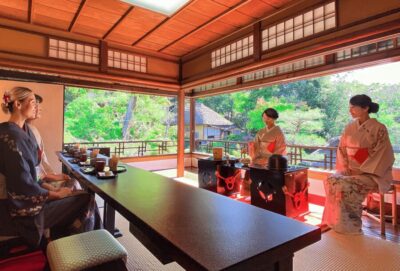
Tea Ceremony in a Traditional Tea House in Kiyomizu
Read our review →
Browse the lists this tour appears in